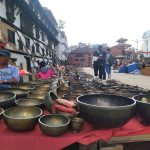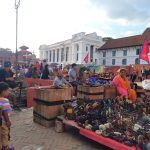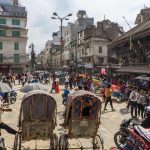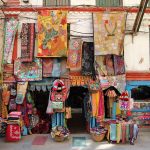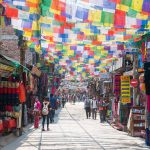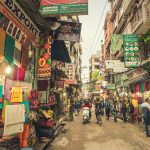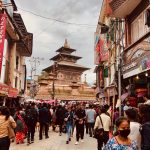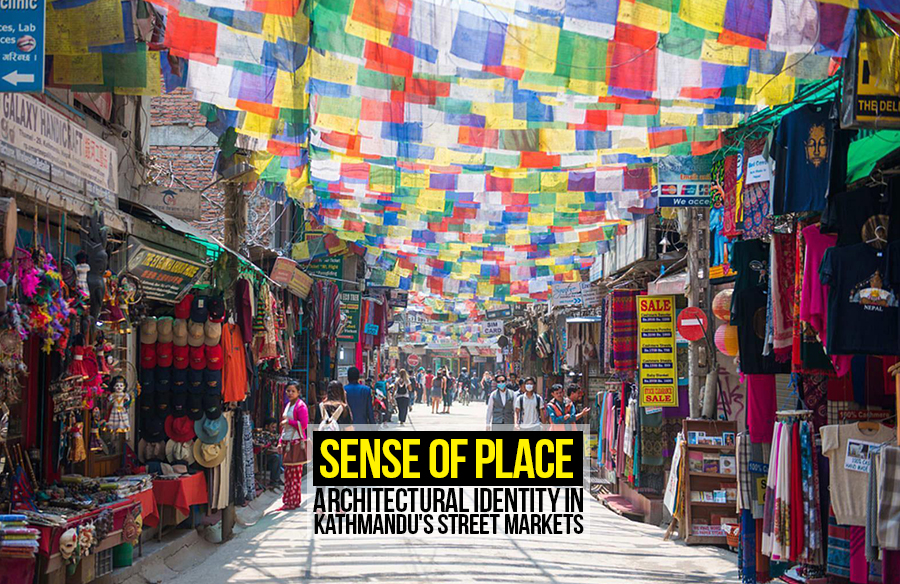
Kathmandu, Nepal’s timeless capital, is a city unlike any other. It is nestled in the Kathmandu Valley and has a rich cultural past dating back thousands of years. Kathmandu’s street market is a miniature version of this distinct cultural tapestry, tucked among its convoluted lanes and lively squares. These vibrant markets not only function as economic hubs but also as living representations of architectural individuality. We will unearth the unique story of architectural identity within Kathmandu’s street markets in this in-depth examination (Algie). Let’s walk through the lanes, courtyards, and bazaars where design, culture, and history collide to create a distinct sense of place.
Historical Prevalence
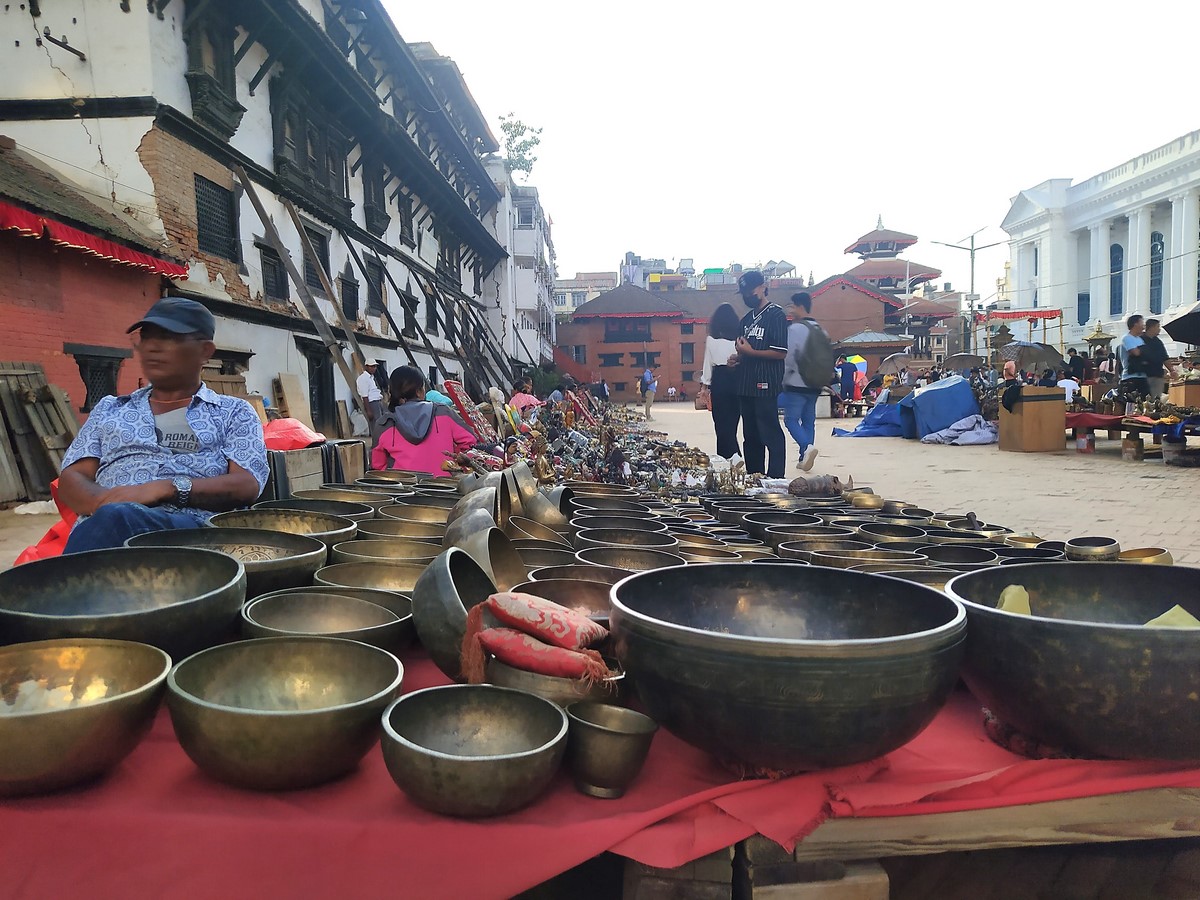
The concept of bazaars in Kathmandu stems from the city’s history as an important trading and pilgrimage place along the past trans-Himalayan trade routes. The lively market of “Asan Tole” is a contemporary witness to this historical ubiquity. Since medieval times, Asan Tole has served as a commerce hub, bringing merchants from all across the region together to exchange commodities, ideas, and cultures. Asan Tole has been the commercial heartbeat of Kathmandu since medieval times. It grew into a thriving market, conveniently placed at the intersection of old trans-Himalayan trade routes. Traders, merchants, and pilgrims from all over the Himalayas congregated here, resulting in a fascinating mosaic of languages, traditions, and wares.
The history of Asan Tole is filled with tales of traders from Tibet, India, China, and the legendary Silk Road, each carrying unique treasures. Spices, fabrics, jewelry, and relics were traded under the shadow of ancient temples and sculpted facades. Their wares and cultures intertwined, creating a dynamic atmosphere that went beyond conventional commerce (“Ason to echo with fusion rhythms”). Newari artisans may have picked up techniques from faraway lands, improving their own workmanship and leading to the development of the beautiful woodwork and stone carvings that now adorn the city’s temples and structures.
Asan Tole was more than just a marketplace; it was a setting where ideas, cultural practices, and artistic approaches were exchanged.
Evolution through Time
Today, passing through Asan Tole is like stepping into a time machine. The market is still thriving, however, its offerings have expanded to include modern goods and services. Nonetheless, the spirit of tradition and exchange lives on. The beat of the market is established by the chants of sellers selling colorful spices, fruits, and traditional crafts. Courtyards are still used as social gathering places for locals and visitors to tell stories, celebrate festivals, and engage in the age-old ritual of bartering. It provides richness through a growing diversity of sensory experiences (“What echoed in the Valley?”). Beyond functioning as spaces where people can exchange products and services, markets derive a robust feature: a place for people to meet and establish social bonds, hence the making of a great place.
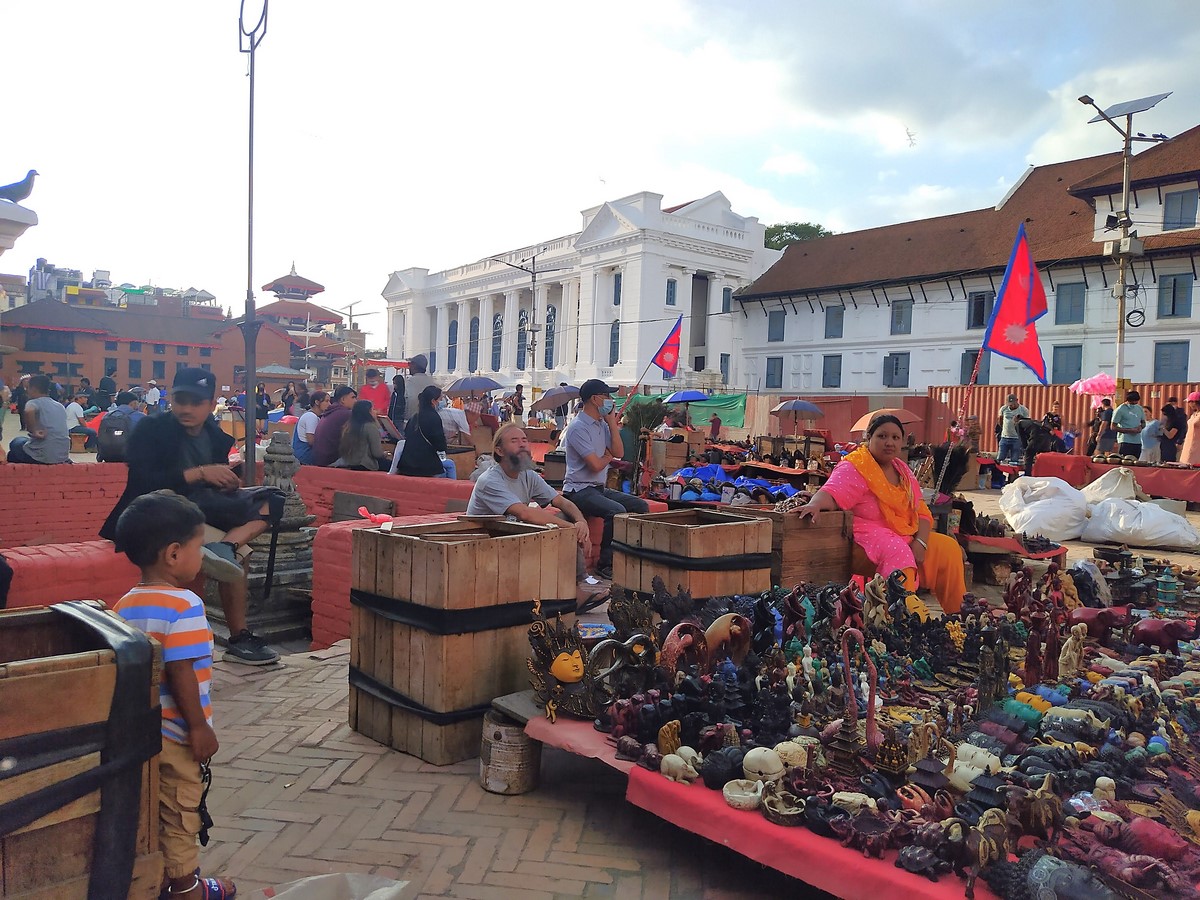
The architectural marvels of Asan Tole are living testimony to this cultural fusion. The intricate wooden windows, extensively carved entrances, and courtyards covered with religious symbols tell stories of years of craftsmanship. An outstanding illustration of this progression is Indra Chowk. What was once primarily a marketplace has transformed into a thriving cultural and architectural hub. The presence of the Akash Bhairav Temple, which is embellished with beautiful Newari woodwork and sculpture, has converted this chowk into a symbol of Kathmandu’s architectural identity. The transition of Indra Chowk from a bustling marketplace to a cultural landmark demonstrates how these places have evolved to meet broader community needs.
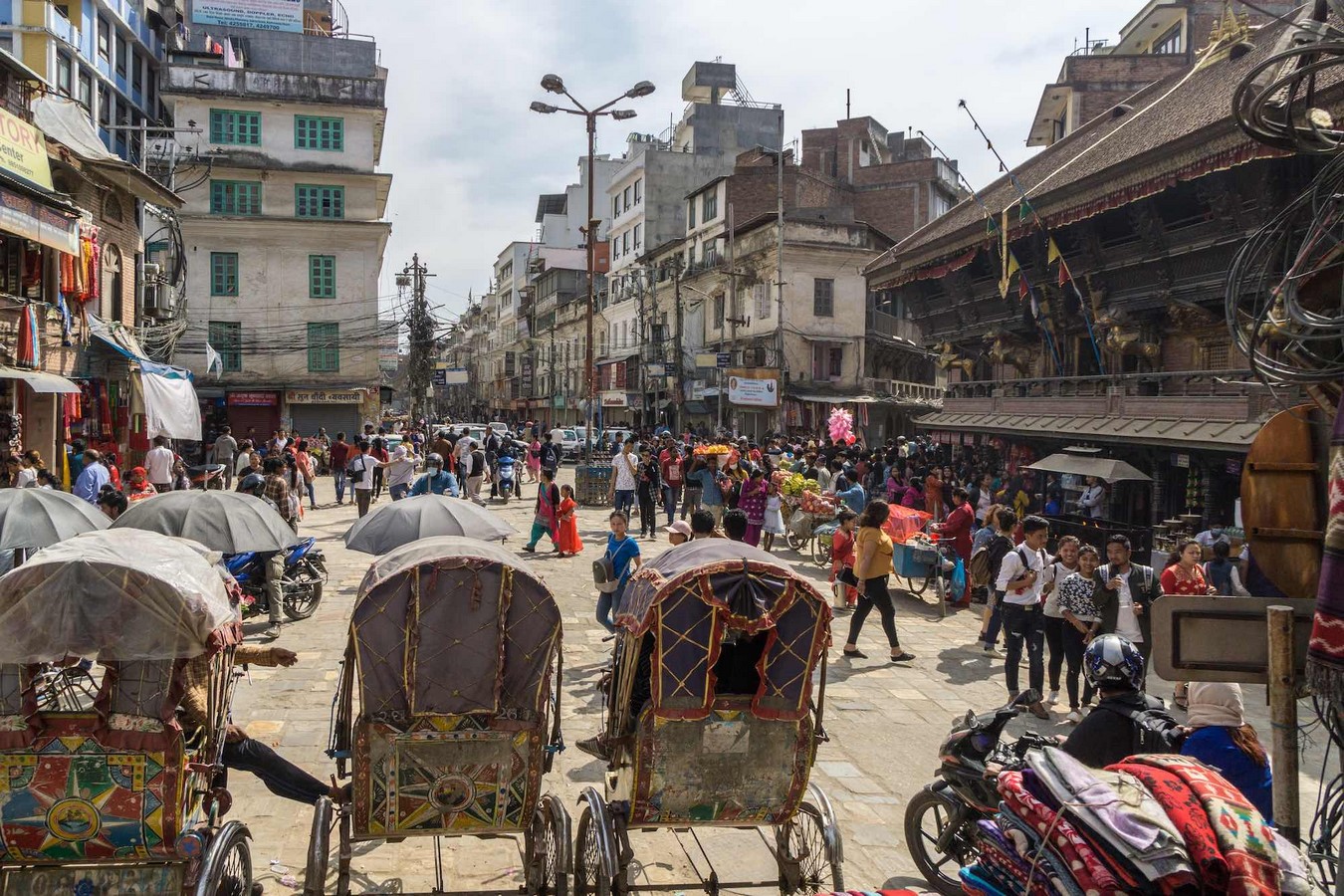
Furthermore, the rise of “Freak Street” (Jhochhen Galli) in the 1960s and 1970s signaled a shift in the city’s bazaar culture. This galli, called after the counterculture movement of the time, drew visitors and adventurers from all over the world. It grew into a hub for cultural interchange, art, music, and even spirituality. It evolved from an ordinary market alley to a thriving global gathering place within Kathmandu over time (“Take a walk down Freak Street in Kathmandu”). What began as a few daring visitors seeking refuge from the rigidity of their home countries quickly grew into a diverse and colorful society. This galli grew into a center for cultural exchange, art, music, and spirituality. It’s a place where Newari architectural traditions converged with exterior influences, resulting in structures that are both cultural treasures and sensible spaces.
Sensory Experiences and Modern Adaptations
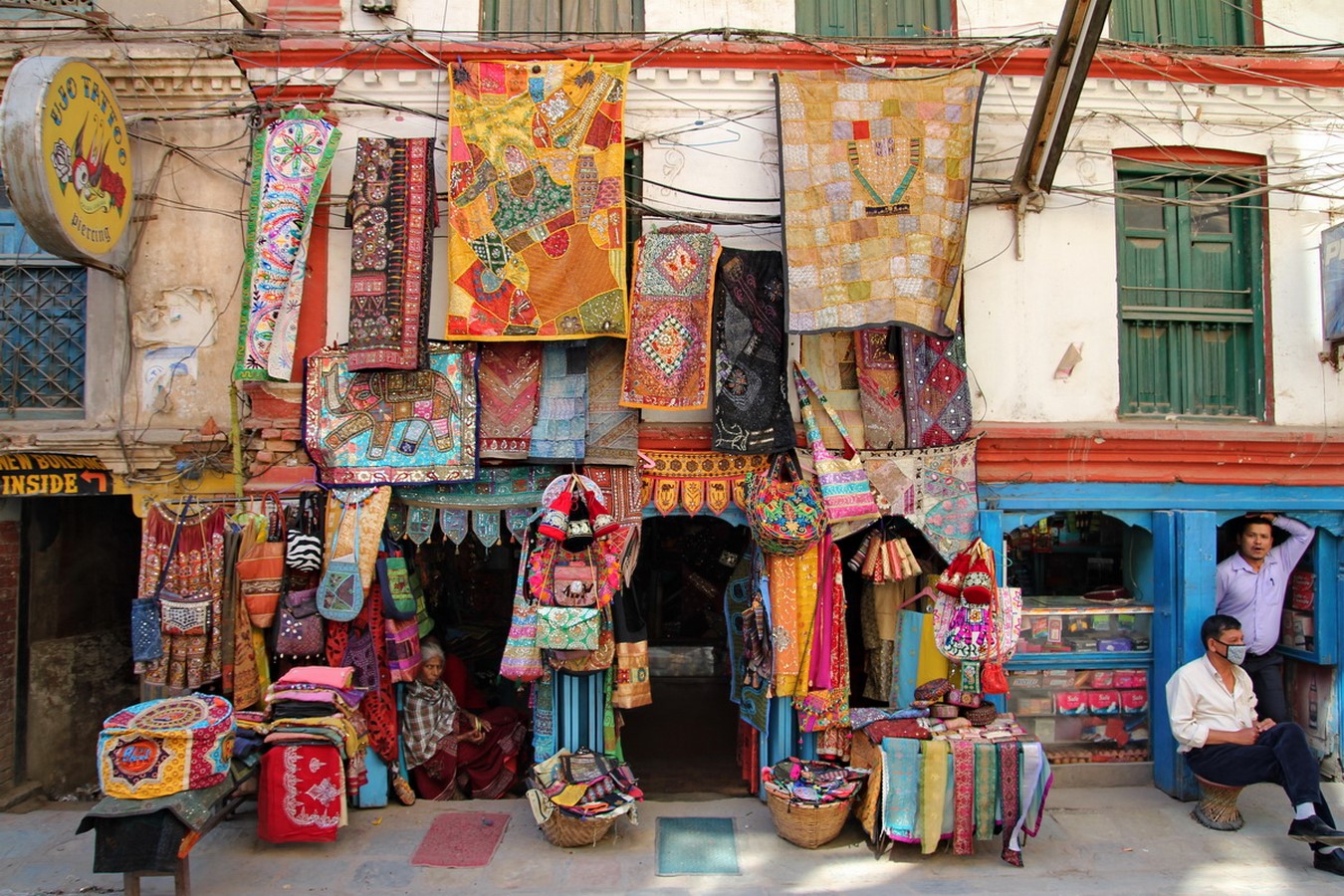
These markets stimulate all kind of senses. Kathmandu’s street markets are a sensory delight, and “Asan Tole Galli” is a prime example. The smell of street food tempts your taste buds, colorful textiles and crafts captivate your attention, and the sounds of bartering, temple bells, and street musicians form a symphony. The products on display are naked. There is some sort of meditation going on between you and the product. There is a sense of familiarity, you know how to behave instinctively, and the prospect of adventures begins to emerge. The scent of spices, the brilliant colors of textiles, and the ornate detailing of the temple façade provide a multi-sensory experience. These sensory elements are enhanced by the building, which serves as a backdrop that raises the whole setting.
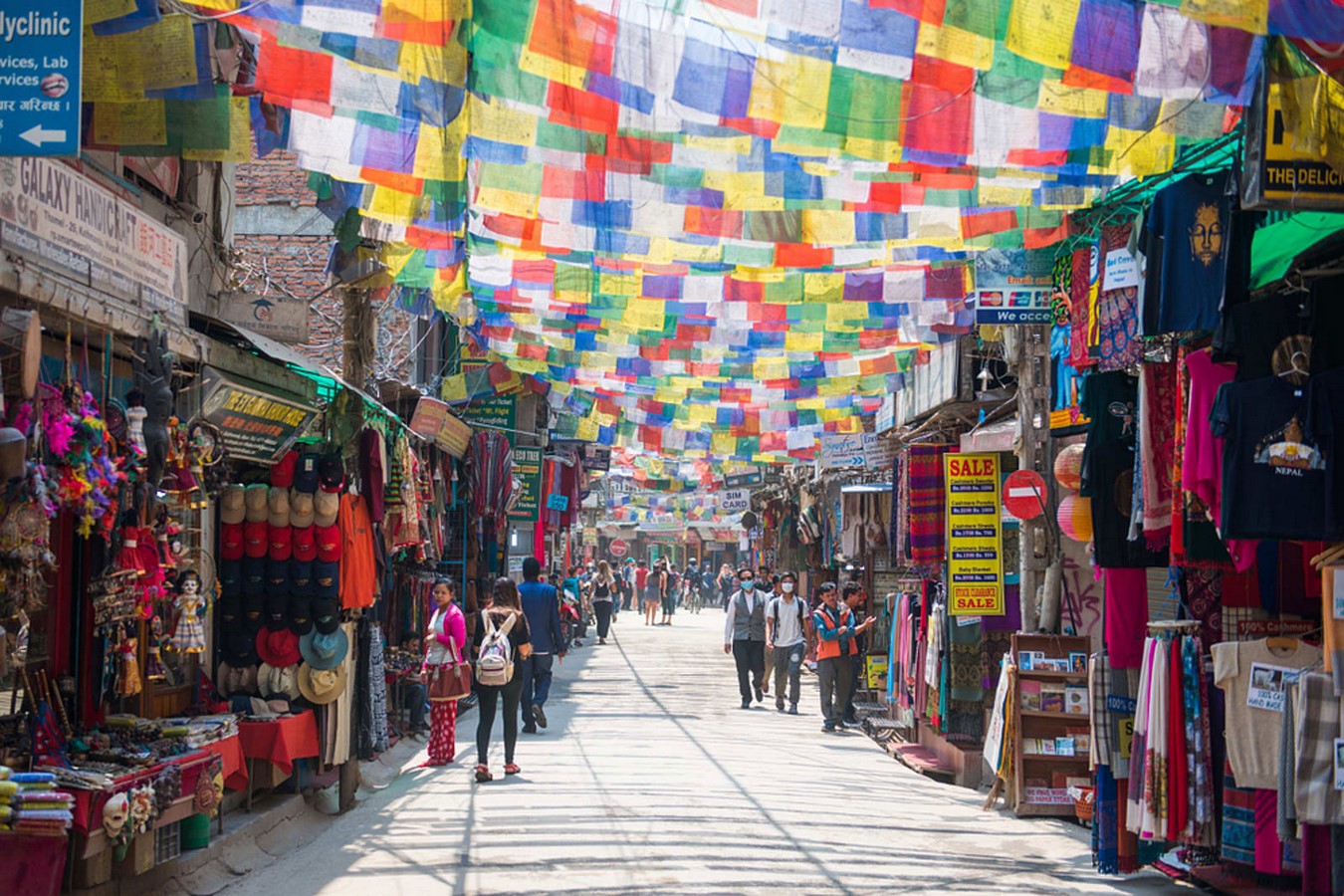
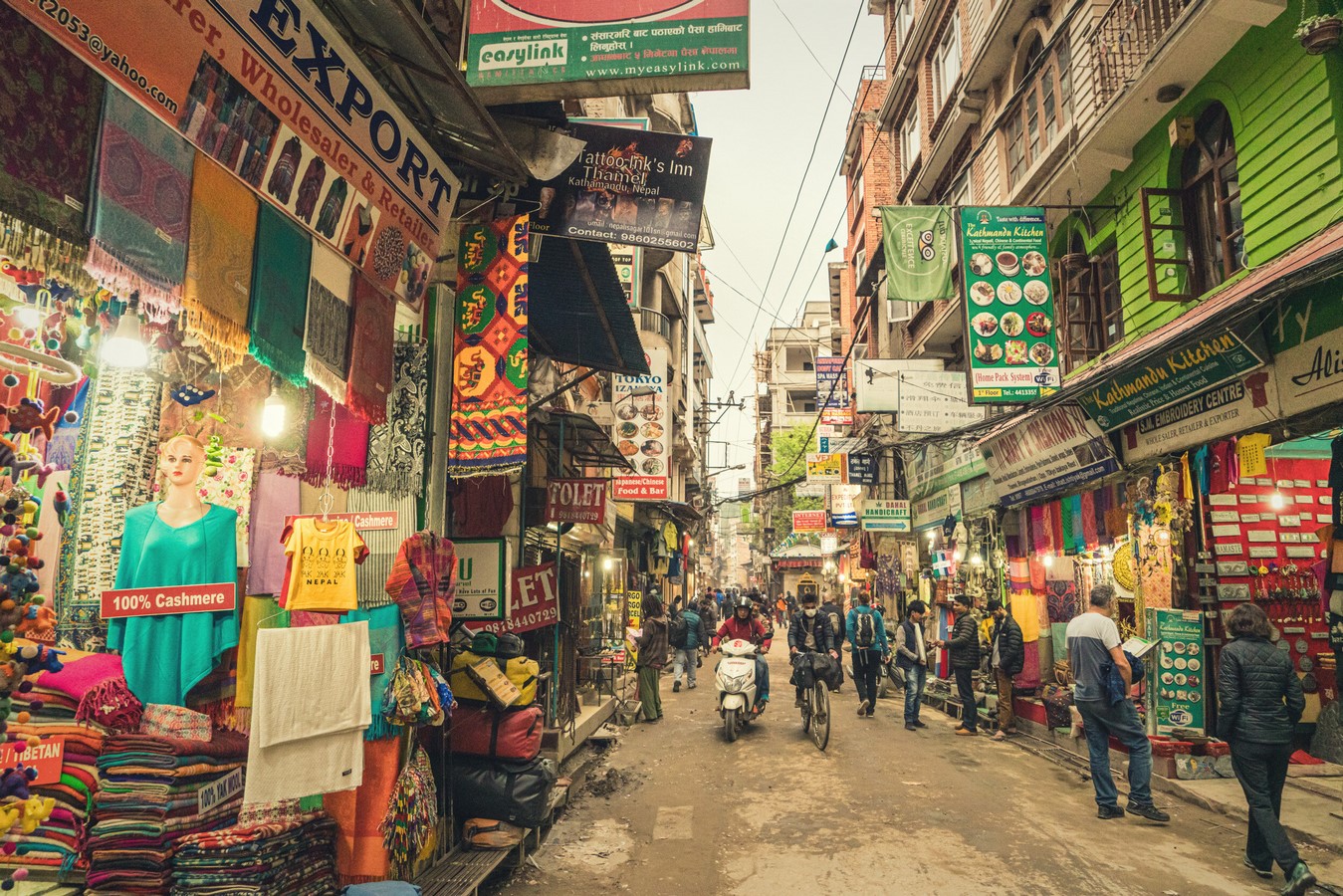
The bazaars of Kathmandu are still evolving today. They have adjusted to meet the needs of the modern era while maintaining their historical and cultural relevance. The integration of technology, modern retail methods, and tourism-driven business coexists alongside traditional shops and stalls. The bazaars now trade everything from traditional crafts and spices to gadgets and fashion. Furthermore, Kathmandu’s bazaars have evolved into venues for the preservation of traditional arts and crafts. Tangal Gallis, such as “Tangal Galli” in the Tangal neighborhood, are home to several art studios and galleries, demonstrating the city’s commitment to encouraging artistic efforts alongside commerce. Another example is Thamel, a street that was once only a market, has grown to be a vibrant and multiethnic hub in the center of Kathmandu. This galli exemplifies how bazaars have changed to meet both local requirements and foreign influences. The architecture of Thamel has changed to accommodate the needs of contemporary passengers even if it still bears certain signs of its historical past. Today, the galli is lined with stores, cafes, and restaurants that welcome visitors from all over the world. Despite its commercial liveliness, it also serves as a cultural bridge.
Conclusion
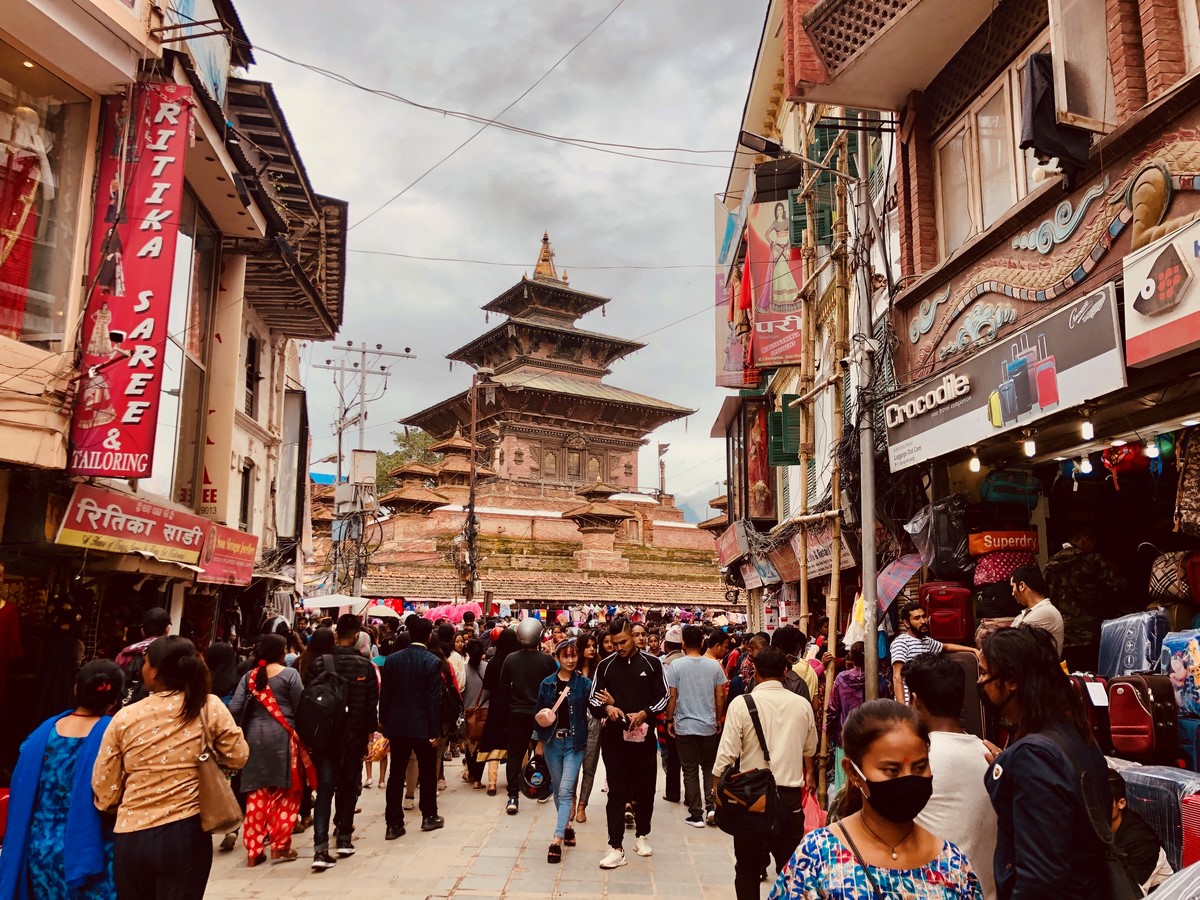
Kathmandu’s street markets provide a unique opportunity to immerse oneself in live history. As you walk through the gallis, you will come across centuries-old palaces, courtyards, temples and architectural marvels that have witnessed the growth of the city. But with time Bazaars in Kathmandu have changed in a dynamic way that reflects the city’s expansion and societal adjustment to changing times. These marketplaces have evolved from mere trading hubs to diverse cultural sites over the years. The architecture found within these gallis is dynamic; it serves as both a reminder of the past and a gateway to the future. These markets are vital components of Kathmandu’s distinct personality, where architecture and culture intersect to create an exquisite and timeless experience for all visitors.
References
Algie, Jon. “Walking the Colourful Streets of Kathmandu, Nepal.” Jonistravelling, 5 January 2016, https://jonistravelling.com/walking-colourful-streets-kathmandu-nepal/. Accessed 4 September 2023.
“Ason to echo with fusion rhythms.” The Kathmandu Post, 24 March 2017, https://kathmandupost.com/art-entertainment/2017/03/24/ason-to-echo-with-fusion-rhythms. Accessed 4 September 2023.
“Take a walk down Freak Street in Kathmandu.” The Longest Way Home, 16 August 2017, https://www.thelongestwayhome.com/blog/nepal/a-visit-to-modern-day-freak-street-in-kathmandu/. Accessed 4 September 2023.
“What echoed in the Valley?” The Kathmandu Post, 26 March 2017, https://kathmandupost.com/art-entertainment/2017/03/26/what-echoed-in-the-valley. Accessed 4 September 2023.