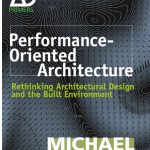
Architecture is a dynamic discipline. Theory and Practice of Architecture, the book “Performance-Oriented Architecture: Rethinking Architectural Design and the Built Environment” by internationally renowned architect and educator Michael Hensel along with Achim Menges, and Michael Weinstock comes out as a significant work that challenges conventional design approaches. The book was published in 2013 and explores the concept of performance-oriented architecture and advocates architects and designers to rethink their approaches towards building designs by strongly emphasising functionality, sustainability, and material innovation. This book review will discuss the key takeaways from the book while sharing its plot in order to provide readers with a comprehensive learning guide.

A Paradigm Shift in Architectural Design
A paradigm shift in the architectural design field is marked by the performance-oriented architecture. The authors argue that buildings should not also be aesthetically pleasing but they must also perform effectively in terms of energy efficiency, resource utilization, and overall functionality. The book presents a range of concepts and strategies for readers that allow architects to design with a holistic perspective, considering the environmental, social, and economic impacts of their creations.

Emphasis on Sustainability and Environmental Responsibility
Sustainability is one of the book’s central themes. Michael Hensel and his co-authors focus on the importance of incorporating sustainable practices into architectural design. They explore how buildings can be optimized to minimize their environmental footprint, utilizing renewable energy sources, efficient materials, and innovative construction techniques. This emphasis on sustainability aligns with the growing global awareness of the need to create more environmentally responsible structures.

Innovative Materials and Construction Methods
“Performance-Oriented Architecture” encourages architects to explore innovative materials and construction methods that can enhance a building’s performance. The book introduces readers to a variety of cutting-edge materials, from advanced composites to smart materials that can respond dynamically to environmental conditions. By integrating these materials into their designs, architects can create structures that are not only functional but also adaptive and responsive.
Interdisciplinary Collaboration
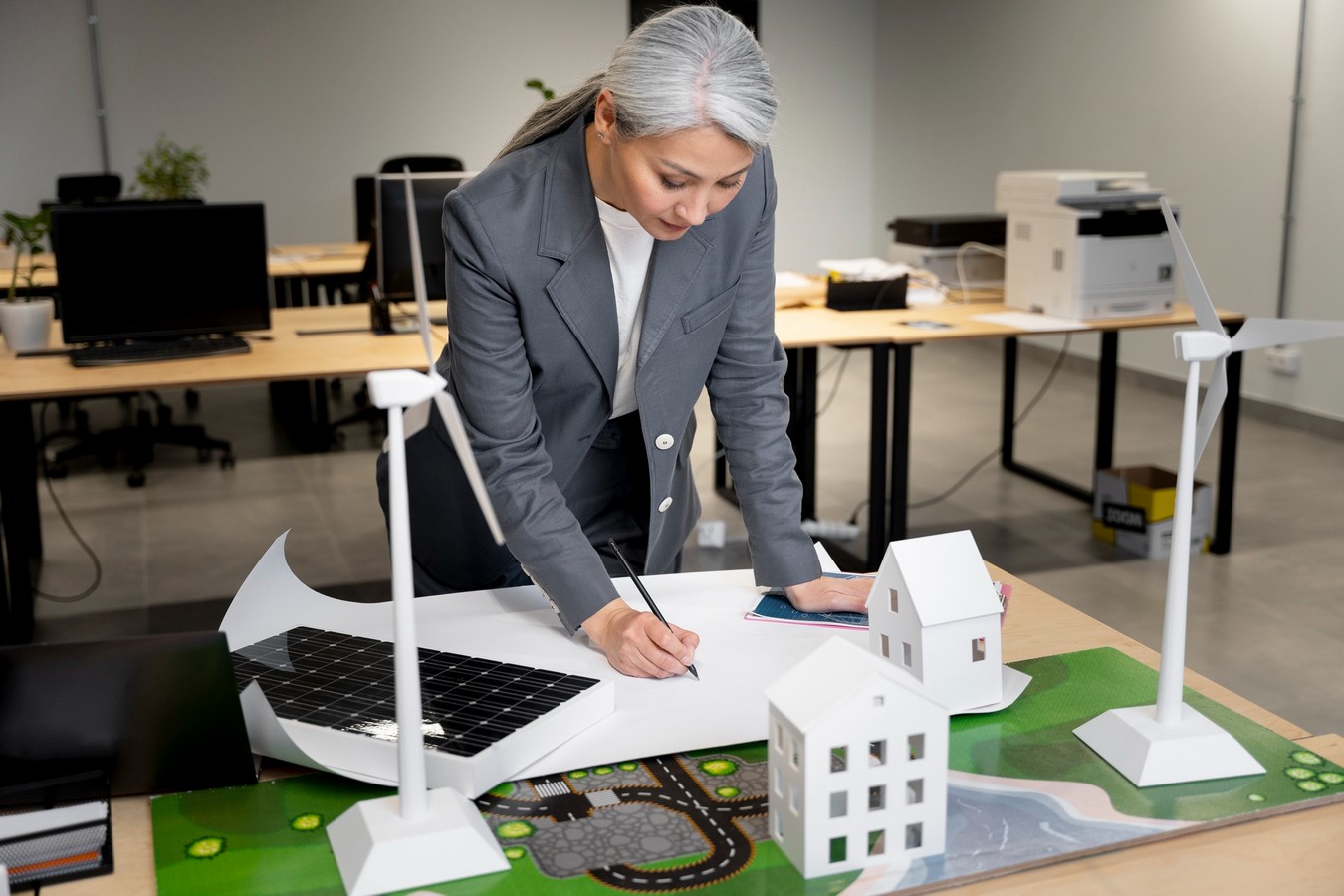
The authors advocate for interdisciplinary collaboration as a key aspect of performance-oriented architecture. They argue that architects should work closely with experts from various fields, including engineering, environmental science, and technology, to ensure that their designs are well-informed and comprehensive. This collaboration can lead to more effective problem-solving and innovative solutions.

Holistic Approach to Design
Readers will find that the book promotes a holistic approach to architectural design. It encourages architects to consider the broader context in which their buildings exist, including their social, cultural, and historical significance. By adopting this approach, architects can create designs that resonate with their surroundings and contribute positively to the built environment.
In conclusion, I would like to share my opinion that the book “Performance-Oriented Architecture: Rethinking Architectural Design and the Built Environment” by Michael Hensel, Achim Menges, and Michael Weinstock is undeniably a revolutionary book that has the potential to redefine the landscape of architectural design and built environment. Their outstanding work offers a compelling vision for the future, challenging traditional paradigms and ushering in an era of innovation that is crucial for addressing the complex challenges our world faces today.

From my point of view, this book is a must-read not only for designers, architects, and engineers but for anyone who is interested in the transformation of the built environment. This is a thought-provoking exploration of a new paradigm in architectural design and challenges architects to go beyond aesthetics and consider the functional, sustainable, and innovative aspects of their creations. Michael Hensel and his co-authors deliver a compelling argument that transcends mere aesthetics and delves into the very essence of architecture – its performance, functionality, and environmental impact. By focusing on sustainability, interdisciplinary collaboration, and forward-thinking materials, the book equips professionals with the tools needed to create structures that are not only visually pleasing, but also efficient, adaptable, and environmentally responsible.
What strikes me as particularly remarkable is the foresight that Hensel and his co-authors exhibited in writing this book. They seem to have recognized the pressing need for a fundamental shift in architectural practice at a time when the discipline was grappling with a crisis of relevance. Back then, architecture was often confined to the realms of aesthetics and form, with little consideration for its broader implications. However, their pioneering ideas laid the foundation for a renewed awareness and appreciation of design’s role in shaping a sustainable and harmonious future.
If I look at the current situation of the architecture field, it becomes evident that the principles advocated in this book have played a pivotal role in its transformation. The heightened focus on sustainable design, the integration of cutting-edge technologies, and the recognition of architecture’s power to influence human experience and well-being can be traced back to the visionary concepts put forth by Hensel and his co-authors. Their influence is unmistakable in the way architecture has evolved into a dynamic and rapidly growing field, addressing not only aesthetic concerns but also societal, environmental, and functional aspects.
In essence, “Performance-Oriented Architecture: Rethinking Architectural Design and the Built Environment” encapsulates a paradigm shift that has taken architecture from a static discipline to a dynamic force for positive change. Hensel’s forward-thinking ideas, along with the contributions of his co-authors, have paved the way for a future where buildings aren’t just inert structures, but living entities that respond to their surroundings and contribute meaningfully to the world.
References:
Hensel, M. (2013) Performance-oriented architecture: Rethinking architectural design and the built environment, Wiley.com. Available at: https://www.wiley.com/en-us/Performance+Oriented+Architecture%3A+Rethinking+Architectural+Design+and+the+Built+Environment-p-9781118570135 (Accessed: 27 August 2023)
Michael Ulrich Hensel (2023a) Wikipedia. Available at: https://en.wikipedia.org/wiki/Michael_Ulrich_Hensel (Accessed: 27 August 2023).