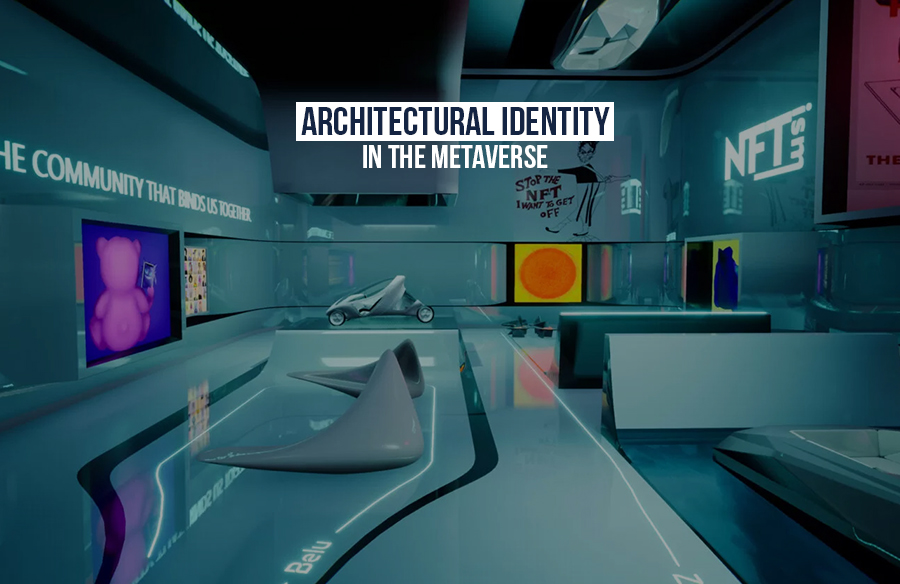
In the hastily evolving landscape of technology, the idea of the metaverse has emerged as a promising avenue for immersive virtual experiences. As this digital realm becomes extra complicated and expansive, questions about architectural identification within the metaverse begin to floor. As the metaverse continues to grow, designers need to recall the way to create an identification for this virtual global that is both specific and welcoming. This includes growing unique landscapes, immersive environments, and interactive elements that bring a sense of existence to the metaverse.

Defining Architectural Identity
Architectural identification refers to the distinctiveness, character, and feel of place conveyed by using bodily systems. It encompasses factors along with design styles, substances, cultural effects, and ancient context that make contributions to the individuality of a construct or environment. In the international community, architectural identification is deeply rooted within the history and subculture of a region, serving as a mirrored image of societal values and aesthetics. It is also a key contributor to a place’s sense of network and identity, supporting fostering a feeling of belonging and pride. Architectural identification can also be seen as a mirrored image of a society’s values and ideals, in addition to its collective memory.
In the metaverse, in which the bounds of physical fact dissolve, the belief in architectural identity takes on a new size. Virtual environments are not bound by using the restrictions of physics or geography, taking into account the introduction of areas that undertake traditional architectural paradigms. Here, identification is formed by the innovative vision of designers, the virtual equipment at their disposal, and the engagement of customers.
Challenges in the Metaverse
Creating an architectural identification inside the metaverse is not without its demanding situations. One of the number one hurdles is the absence of bodily constraints that normally manual architectural layout. In the physical world, factors like weather, materials, and gravity affect how buildings are constructed. In the metaverse, those limitations can be manipulated or overlooked absolutely, leading to the query of how to preserve an experience of authenticity and coherence.
Additionally, the cultural context becomes more complicated within the metaverse. In the international community, architectural identification often attracts local traditions and ancient narratives. In the virtual realm, designers need to not forget how to combine cultural elements in a way that is respectful and meaningful, without falling into the trap of cultural appropriation or misrepresentation. It is vital to remember the local context and create spaces that replicate the folks that will inhabit them. The design should be considerate and permit culturally relevant expression. The metaverse ought to be an inclusive and respectful area for all.

Shaping Architectural Identity in the Metaverse
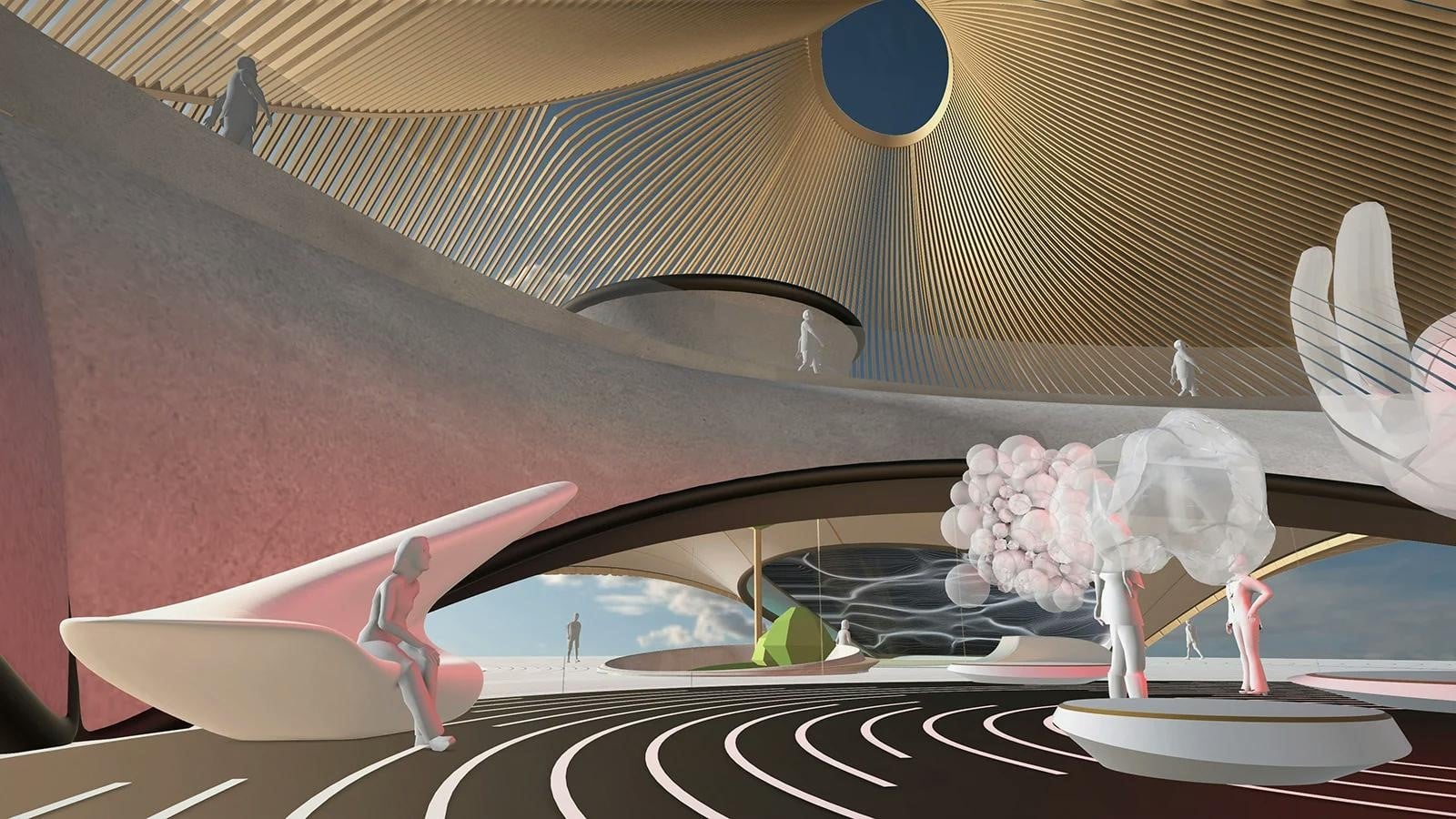
Despite the demanding situations, designers have a unique possibility to form architectural identity inside the metaverse. Digital areas permit experimentation with unconventional substances, bureaucracy, and spatial configurations. The virtual structure can go beyond the limitations of the bodily global, enabling systems that defy gravity, morph in actual time, and respond to personal interactions. These capabilities make the digital global an exciting and dynamic region for architects and architects to discover and create. Architects and architects can create precise and attractive experiences in the metaverse to be able to shape the future of the structure.
To establish a robust experience of identification, metaverse architects need to draw from a multidisciplinary palette. This includes borrowing from architecture, sports design, virtual artwork, and even psychology to create immersive environments that resonate with customers on both a visual and emotional level. Crafting a story that ties the virtual space to a larger context can also contribute to a sense of identification and motive.
User Engagement and Co-Creation
In the metaverse, customers are not passive observers but active individuals in shaping architectural identification. User-generated content material and co-creation are indispensable in this manner. Virtual worlds that allow customers to customize their environment empowers individuals to specify themselves, contributing to the collective architectural identification of the gap. This offers customers a sense of ownership, which in turn increases their engagement and loyalty to the distance. It can also create a greater colorful and dynamic reveal, as customers can create and proportion their specific content material. Ultimately, it creates a richer virtual international with an awesome architectural identification.
Collaboration between customers and architects can cause the emergence of precise groups within the metaverse, each with its architectural aesthetics. These groups may be defined using shared interests, cultural affiliations, or creative philosophies. The interaction between consumer organization and designer purpose blurs the traces between authorship and collaboration.
Implications and Future Directions
As the metaverse keeps adapting, the concept of architectural identity inside this digital realm will certainly develop in complexity. The selections made using designers today will form the digital areas that generations to come will inhabit. Ethical concerns, which include the accountable use of cultural references and the environmental effect of virtual production, will play a pivotal position in defining the metaverse’s architectural identity. Designers need to remember the implications in their layout decisions now, as these could have lasting outcomes in the metaverse. We ought to additionally remember how these selections will shape the identities and reviews of folks that inhabit this virtual international.
Conclusion
In conclusion, architectural identity in the metaverse is a dynamic and multifaceted concept. It demands situation designers to stabilize innovative freedom with cultural sensitivity and personal engagement. By embracing the boundless possibilities of digital spaces whilst respecting the principles that manual architectural identity in the bodily global, we can pave the way for immersive, significant, and culturally rich virtual environments. As the metaverse unfolds, the systems inside it will hold to shape not only our virtual stories but also our know-how of identification, culture, and the very nature of the area itself.
References:
- Kshitija (2022). Architecting The Metaverse: Important Role Of Architecture In Virtual Environments | The Design Gesture. [online] thedesigngesture.com. Available at: https://thedesigngesture.com/architecting-the-metaverse/#:~:text=In%20the%20metaverse%2C%20there%20will [Accessed 27 Aug. 2023]
- Sayej, N. (2022). How Architects are Making Their Way Into the Metaverse. [online] Lev. Available at: https://lev.co/blog/financing/how-architects-are-making-their-way-into-metaverse/ [Accessed 27 Aug. 2023]
- Lo, A. (n.d.). How to Build in the Metaverse, According to Architects. [online] Tatler Asia. Available at: https://www.tatlerasia.com/homes/architecture-design/building-in-the-metaverse [Accessed 27 Aug. 2023]