Metaverse architecture, or simply ‘metaverse’, is the creation of virtual spaces to experience within the digital world. Metaverse architects are not only architects. They are also excellent graphic designers and, above all, 3D designers.
Metaverse architecture is highly fascinating for creators since it allows them to construct without constraints. There is no budget, no height constraint, and no panel size. Furthermore, in metaverse architecture, architects have access to a wide range of materials. With this creative flexibility and limitless resources, virtual architecture projects can be dream-like settings that elicit feelings that would be difficult to experience in the real world. An idyllic environment implies a life-changing encounter.

A distinction between ‘architects’ and meta–architects’ will emerge in the future. While traditional architecture offers shelter, helps our daily activities, and connects cities in the physical world, meta-architects construct only feelings. Metaverse architects combine professional knowledge from several domains, such as user interface, content design, character design, and game design. As a result, beyond the history of architecture, construction procedures, and materials, architectural education will need to educate a combination of digital media and 3D technologies.
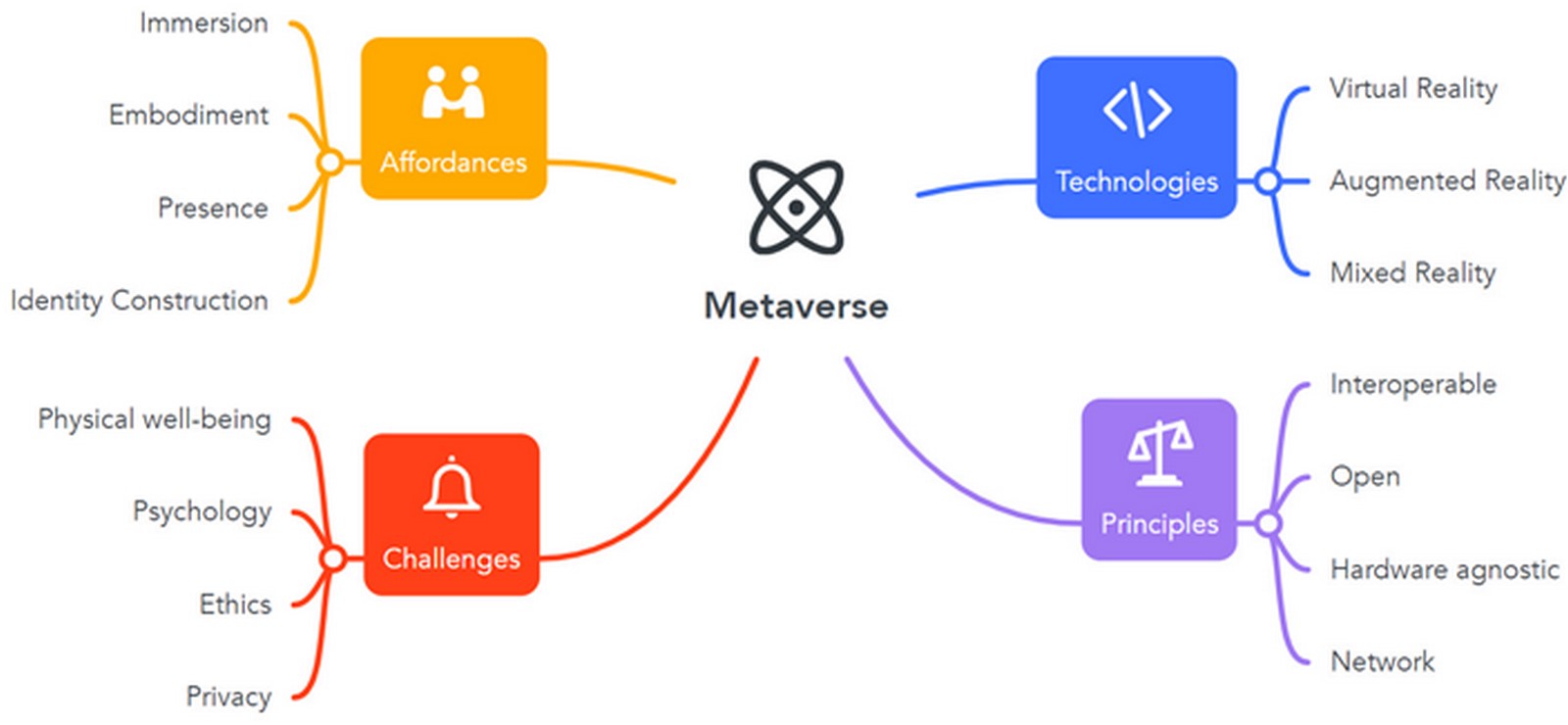
Meta architecture influences how we view things in the actual world as a result of the effects of the places we found ourselves in the virtual world. Traditional architecture may face a surge in popularity. The metaverse’s architecture creates a utopian world and a deeply sensory journey within it. As a result, certain design aspects that are currently only available in digital spaces will be integrated into the physical world.
In the metaverse, architects and designers can explore innovative ideas and experiment outside the restrictions of our current world. This futurist social media networking has brought in a new, bold era of architecture. And the style icon for entire universes, cities, and homes.
Role of Architect in Building in Metaverse
Architects have a crucial role in designing in the real world and in the metaverse. In the real-world architects are responsible for designing and constructing dreams of people into reality similarly for the metaverse, architects are responsible to create a feasible environment. While designing a space, architects are supposed to look at various aspects such as the needs, ideas, and aspirations of the clients with the aesthetic appeal and feasibility of the spaces. One difference between virtual world designing and reality is the physicality of the design and spaces.
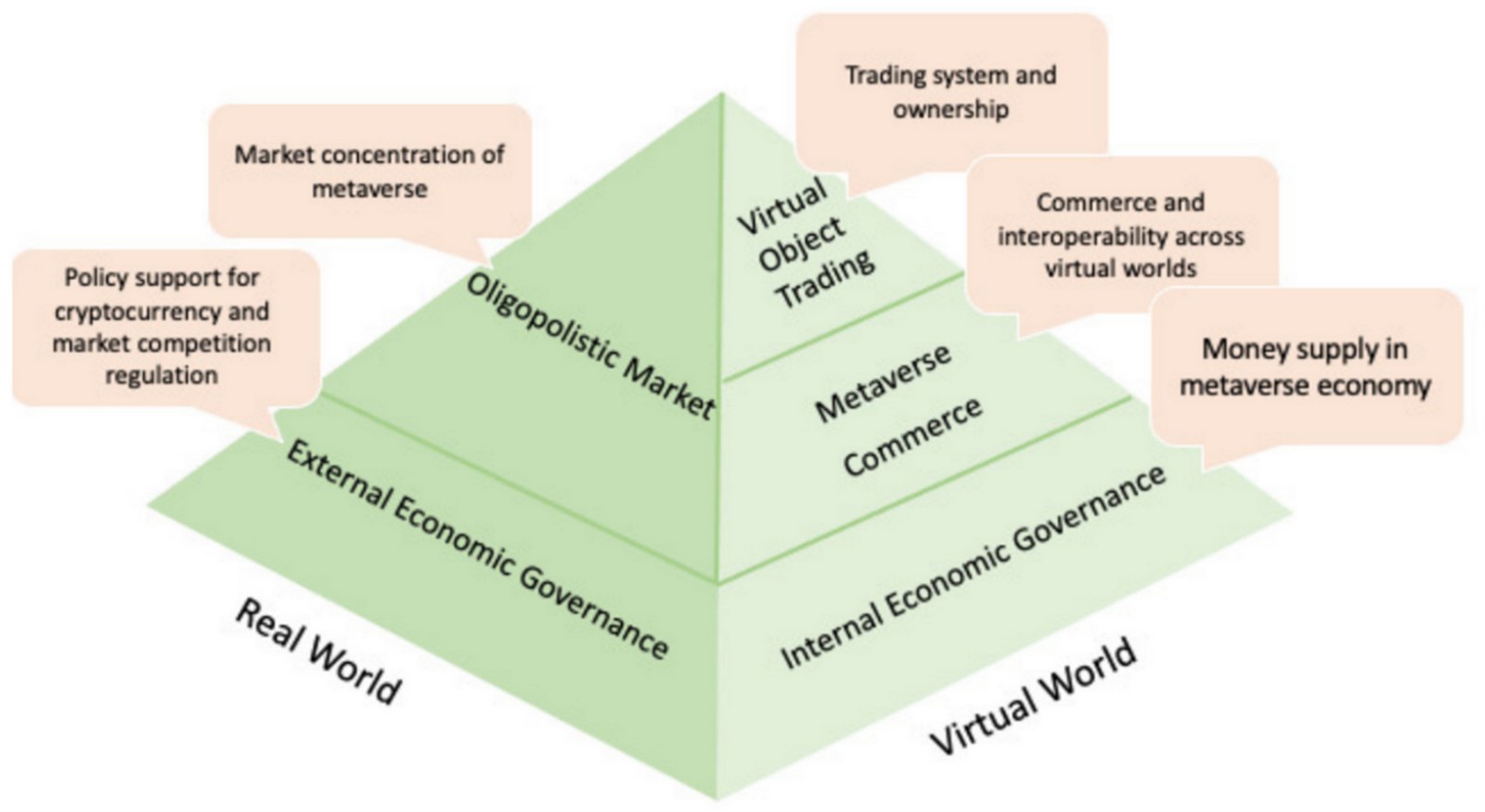
In the real world, the designed spaces serve the purpose of the need and requirement. On the contrary, the virtual world is keeping users engaged through its visuals and aesthetics. Architecture is indeed needed in shaping the social society in the metaverse too as it is in reality. The intangibles and tangibles of the architecture create spaces for social interaction and social engagement. Similarly, architects will be responsible for creating public and social interacting spaces in the metaverse.
Ethical Principals of Metaverse Architecture
Designing in the virtual world is not just about creating spaces that are dreams but in reality, it is created in physicality in virtual mode. Today, the sector of the metaverse is surging everywhere and people are opting for the same. With the rapid surge in the metaverse, there should be certain laws and regulations to be abided by to create a healthy environment in the virtual world too. For that reason, there are several principles that are derived from metaverse architecture. Looking in detail at the ethical principles of metaverse architecture,
1. Human-Centric Design Approach
The metaverse architecture should address the humans and their needs and aspiration as it does in reality, though in reality it is sometimes quite difficult to achieve but it is not impossible. The metaverse architecture should respect and reflect human diversity and ideas.
2. Environment-Centric Design
Along with, humans, the metaverse should also address the environment and its protection. The metaverse authority should be prioritizing the environment too.
3. Human-Safety
The authority should also look after humans’ safety in the metaverse as it does in the physical world. These approaches should not harm the people and their diversity. Human safety is important as it relies on them.
4. Anti-Discriminable Design
Individuals, communities, and groups, as well as their representations, should be treated fairly by metaverse systems. The platform should be free from discrimination against people based on caste, creed, and color. The platform is for people belonging to any gender, region, and culture. The platform should be open to all minds, ideas, and energy.
5. Accessible and Inclusive Design
Be accessible to a variety of groups and inclusive in your design and functioning. All individuals or representations of those individuals should have equal access to and inclusion in metaverse systems when they are designed and implemented.
6. Security and Privacy should be Addressed
With the technological advancement for metaverse architecture, the data of clients should be kept private and information should be secured.
7. Transparency
Systems for the metaverse should be created and implemented with transparency in mind. Transparency on what is automated or AI-driven and what is human may be a part of this. So that people may comprehend when they are being severely impacted by an automated system and can learn when an automated system is dealing with them, there should be openness and responsible disclosure.
8. Explainability
Systems for the metaverse should be created and implemented in a way that makes it possible for anybody to understand how they work, even those who might disagree with a choice the system has made.
9. Accountability
Providers of metaverse platforms and other parties should be held liable for any damage or unintended results. It is important to enable human oversight of systems and to identify and hold accountable the individuals in charge of each stage of the lifespan of a metaverse system.
10. Adhering to social norms and regulations
Systems for the metaverse should be developed and implemented in accordance with all applicable rules, laws, and standards, as well as with accepted social norms.