The cycle of creation and destruction is an integral part of an infinite loop, where you cannot engage in one without involving the other. This dynamic is a special privilege held by professionals like architects, landscape architects, and engineers in the realm of environmental design. These designers resemble gracious hosts, consistently envisioning the future needs of people. While the world already exists, our actions of planning, designing, and building contribute to replacing and undoing existing elements. Our fields of expertise naturally encourage critique, as the work is perpetual and fundamentally idealistic. As society continues to undergo transformations, it becomes crucial to maintain our vision within this constantly evolving world.
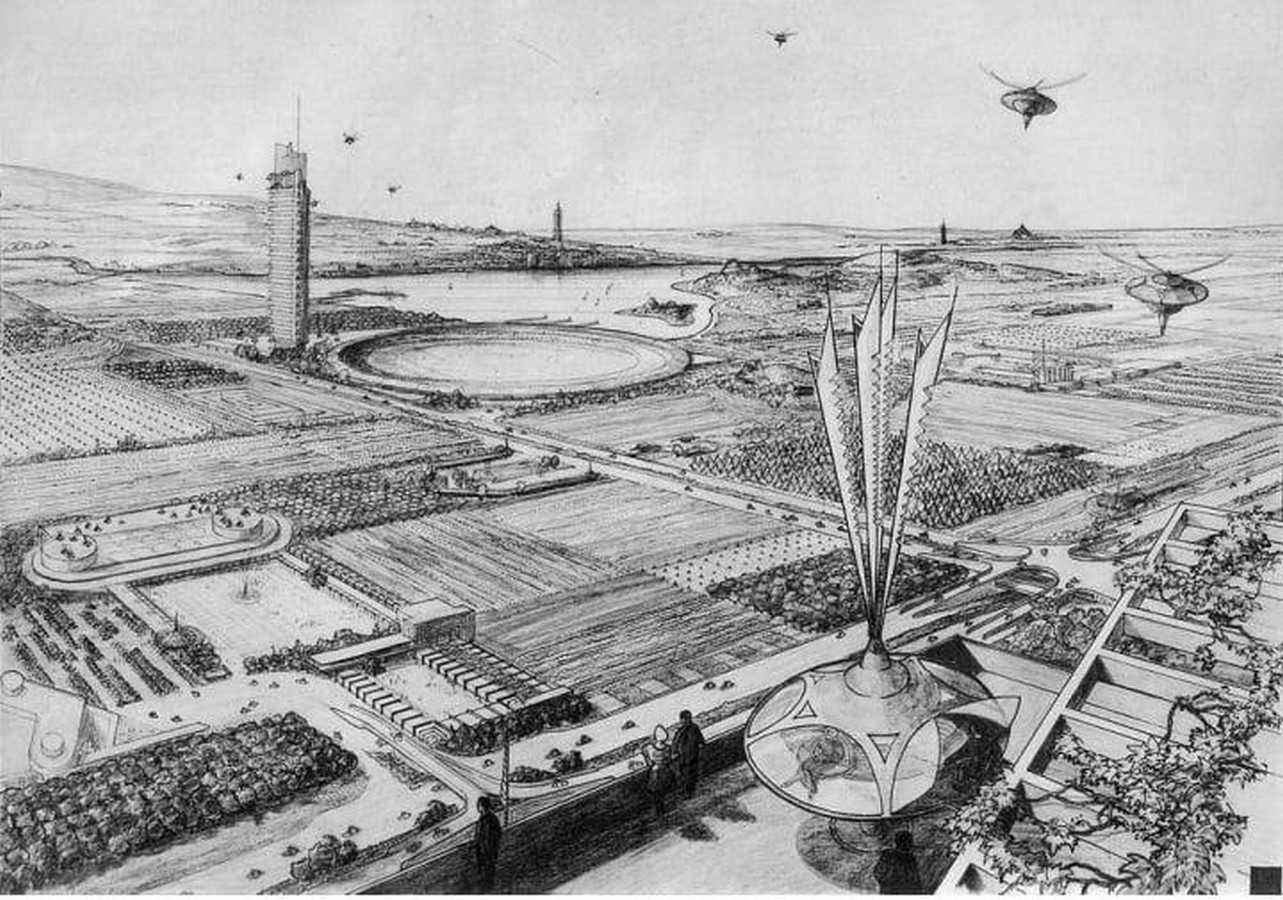
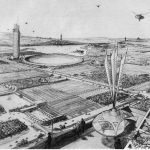
Architectural utopias are more than just imaginative sketches or whimsical designs; they are the embodiment of aspirations and dreams for a better world. Visionary architects strive to create designs that surpass current limitations and redefine the boundaries of possibility. These utopian visions are not confined by practical constraints, financial considerations, or technological limitations. Instead, they reflect a profound understanding of human needs, cultural contexts, and the potential for harmonious coexistence with the environment. As creators of spaces that shape human experiences, architects find themselves at the intersection of imagination and reality. The act of designing an architectural utopia requires a delicate balance between pushing the boundaries of what is achievable while remaining grounded in the practicality of execution. It’s a dance that calls for innovation, where the choreography marries artistic expression with functional purpose. Utopian designs serve as blueprints for progress, inspiring incremental changes in the built environment that gradually inch closer to the aspirational ideal.
The world is in a constant state of flux, with societal shifts, technological advancements, and environmental concerns reshaping the way we live, work, and interact. Architectural utopias, therefore, must not only respond to these changes but also anticipate them. The visionary designs of today may need to accommodate the needs and challenges of tomorrow. Whether it’s sustainable architecture that mitigates climate change or flexible urban planning that adapts to evolving work patterns, architectural utopias offer a glimpse into a world that can adapt and thrive in the face of uncertainty. Throughout history, architects have left their mark on the world by daring to dream big. From the grandeur of ancient civilizations to the bold experimentation of the Modernist movement, each era has produced architectural utopias that reflect the values and aspirations of their time. These historical examples remind us that visionary designs have the power to transcend generations, serving as a testament to human ingenuity and the relentless pursuit of progress.
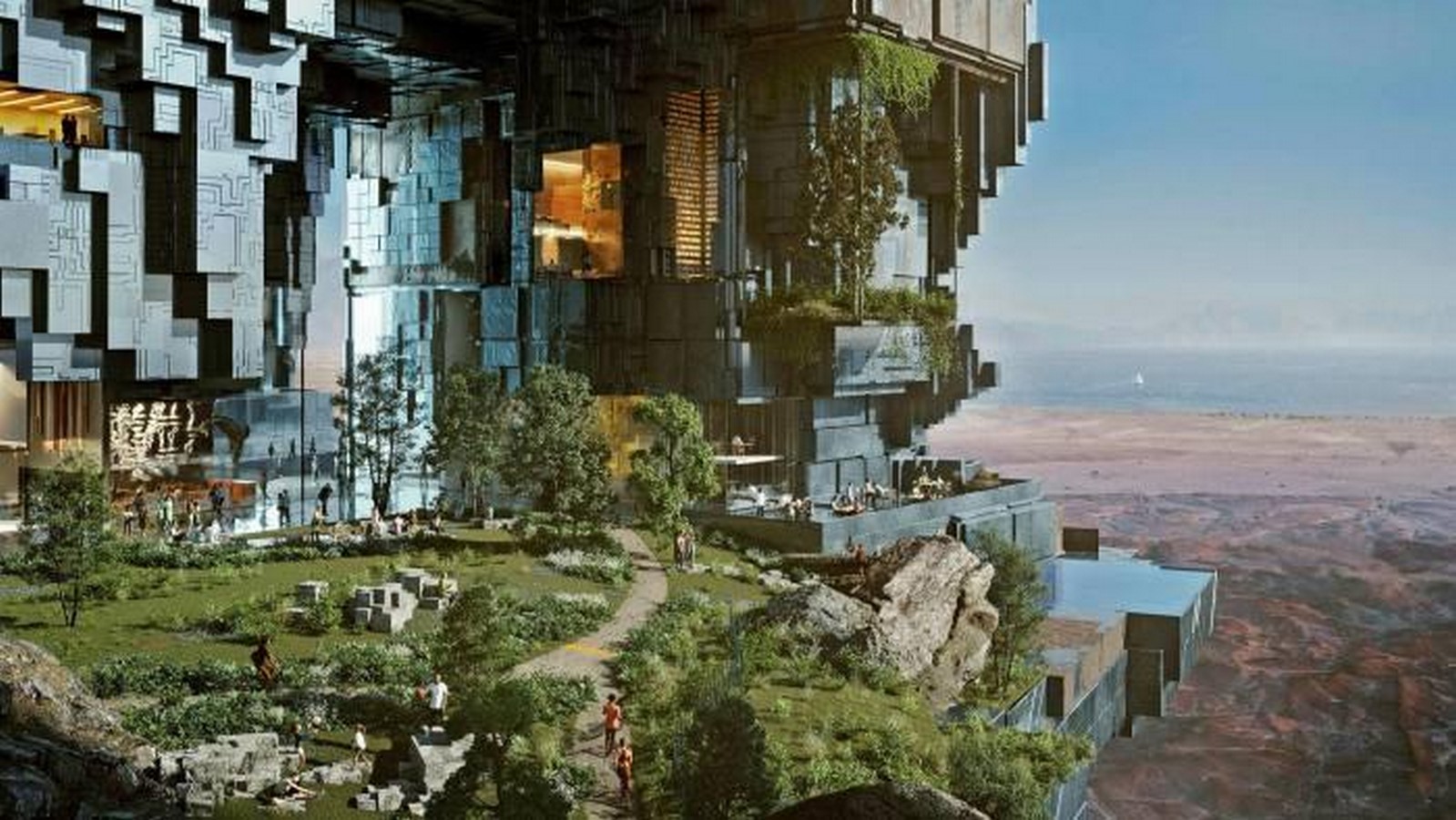
While architectural utopias hold the promise of a brighter future, they also raise important ethical considerations. The pursuit of ambitious designs should not overshadow the immediate needs of communities or exploit natural resources. Striking a balance between visionary thinking and responsible development requires architects to engage in meaningful dialogues with stakeholders, consider the social and environmental impact of their designs, and seek innovative solutions that benefit all segments of society. In the pursuit of architectural utopias, the integration of ethics and sustainability forms the foundation for a vision that transcends the ordinary and envisions a harmonious future. An ethical architectural utopia not only embraces the ideals of beauty and functionality but also places paramount importance on environmental stewardship and social equity. As we explore the concept of an ethical architectural utopia from a sustainable standpoint, we uncover a world where design innovation, responsible practices, and inclusive values converge to shape a better tomorrow.
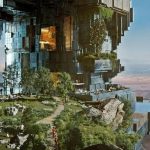
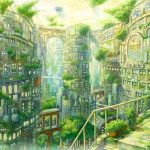
In an ethical architectural utopia, sustainability is seamlessly woven into every facet of design. Buildings are conceived as integral parts of the ecosystem, with an understanding that their existence has implications beyond their immediate surroundings. Concepts like biophilic design and regenerative architecture thrive, where structures interact synergistically with nature, fostering biodiversity, and restoring ecosystems. Moreover, architectural utopia strives for a net positive impact on the environment. For example, buildings that produce more energy than they consume, generate their water supply and contribute positively to local ecosystems. It reflects a commitment to not only reducing the carbon footprint, but actively restoring the health of environment from years of degradation
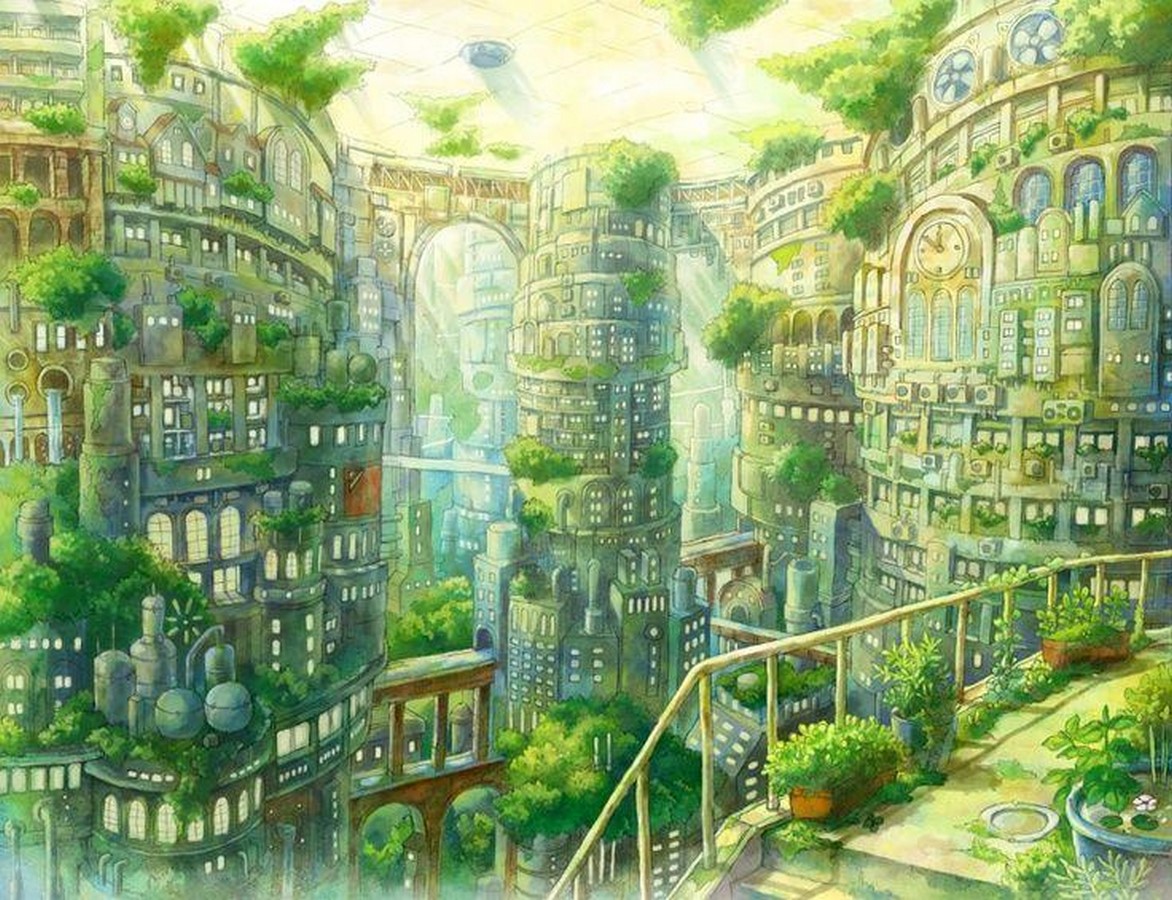
Architectural utopias are not the solitary brainchild of architects alone. They emerge from collaborative efforts that bring together experts from diverse fields. Urban planners, engineers, sociologists, ecologists, and more contribute their insights to create holistic designs that address multifaceted challenges. The interdisciplinary approach acknowledges that the built environment is intricately connected to social dynamics, human behavior, and the ecosystems we inhabit. The concept of architectural utopias transcends the realm of architecture; it encapsulates the human spirit’s relentless pursuit of progress and the desire to create a world that aligns with our ideals. While the journey toward realizing these visionary designs is fraught with challenges, it is an endeavor worth undertaking. Architects continue to be the stewards of transformation, weaving dreams into the fabric of reality. As we navigate an ever-changing world, the blueprint for a better tomorrow lies in the minds of those who dare to imagine the impossible and possess the courage to bring it to life.
In conclusion, imaginary utopia urban design presents architects with a plethora of challenges and ethical considerations that extend beyond mere construction practices. Navigating these challenges and making ethically sound decisions requires a holistic approach that accounts for environmental, social, and economic factors. As stewards of the built environment, architects have the opportunity to lead the way in shaping a more sustainable and equitable future for all.
Citation :
- Schneekloth, L. H. (1998). Uredeemably Utopian: Architecture and Making/Unmaking the World. Utopian Studies, 9(1), 1-25.
- Miller, T. (2016). Visionary Architecture of Utopian Communities. Revista de Estudios Globales y Arte Contemporáneo, 4(1), 79-122. Retrieved from http://revistes.ub.edu/index.php/REGAC/index
- Coleman, N. (2014). The Problematic of Architecture and Utopia. Utopian Studies, 25(1), 1–22. https://doi.org/10.5325/utopianstudies.25.1.0001
- Allam, Zaheer. (2012). Sustainable Architecture: Utopia or feasible reality?
- Ricci, B. Imagining New Worlds. Or How Architecture Has Dreamt Of Utopia. Artland Magazine. Retrieved from https://magazine.artland.com/imagining-new-worlds-or-how-architecture-has-dreamt-of-utopia/