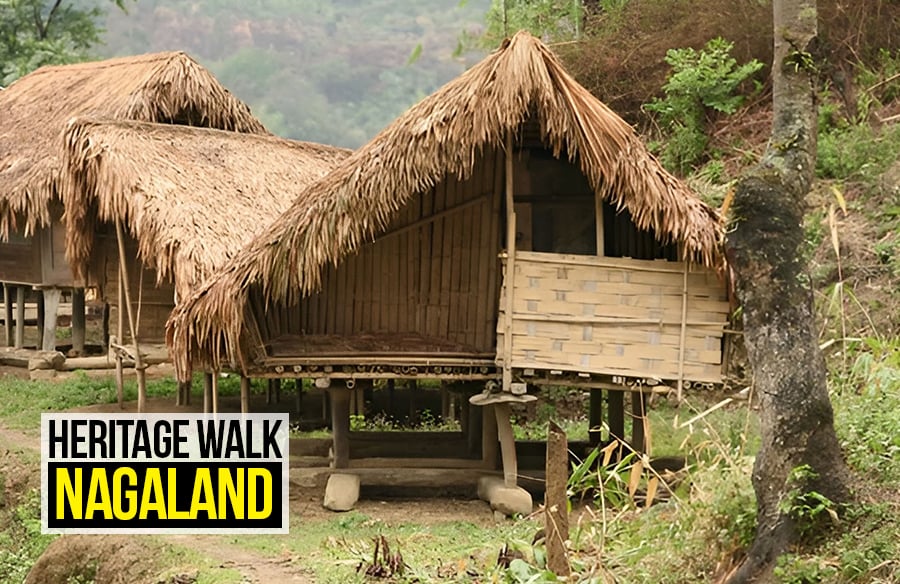
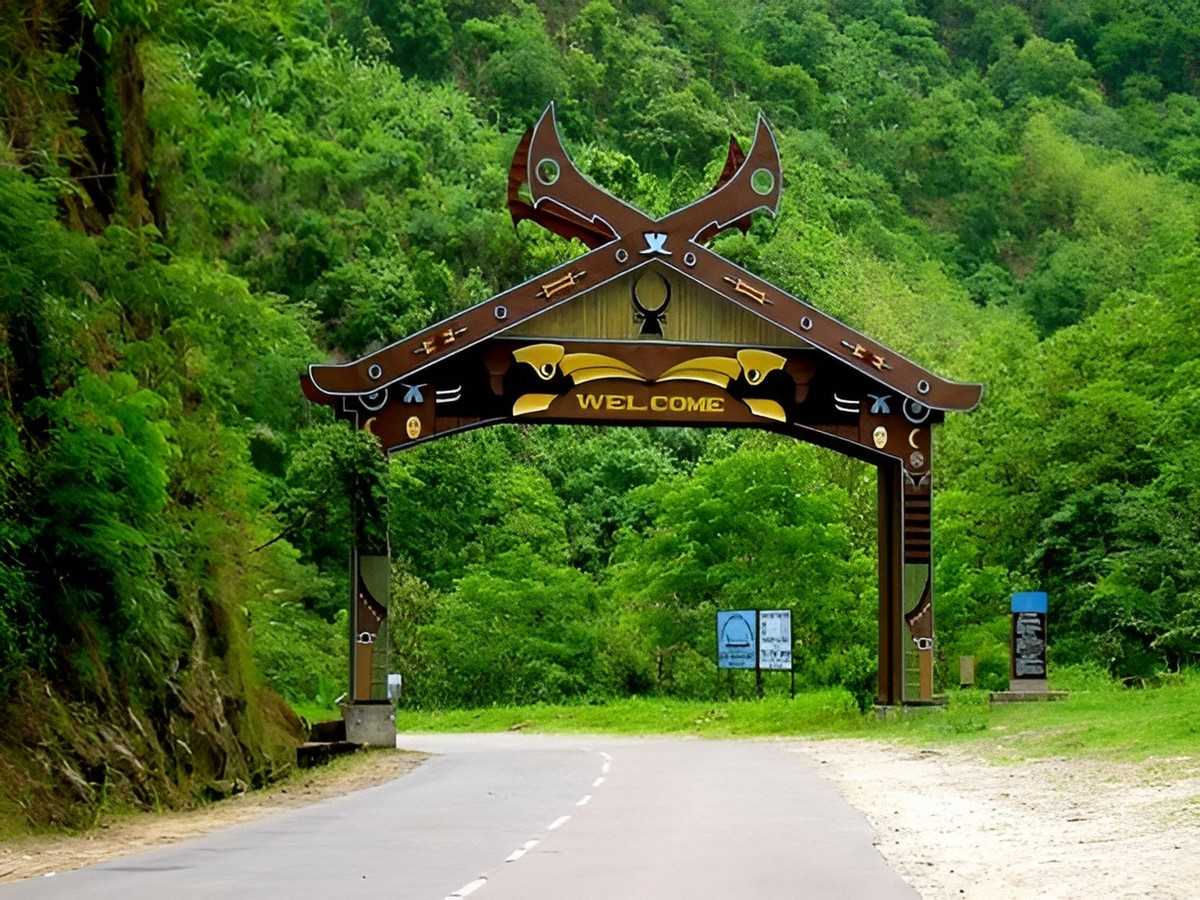
India’s one of the smallest states Nagaland, is located in the northeastern region’s highlands and mountains. Nagaland is a traveller’s delight thanks to its extensive cultural history and magnificent landscapes. Many of their folktales, folksongs, and stories from their rich culture and history have been passed down from generation to generation in old Naga traditional families, continuing a long tradition of storytelling. Every traditional Naga home still contains a piece of culture, and each historical location is filled with interesting tales. Nagaland is home to sixteen distinct tribes, each with their architectural traditions. Nagaland’s rich architectural history is evidence of the indigenous tribes’ inventiveness and capacity to adapt to their surroundings.
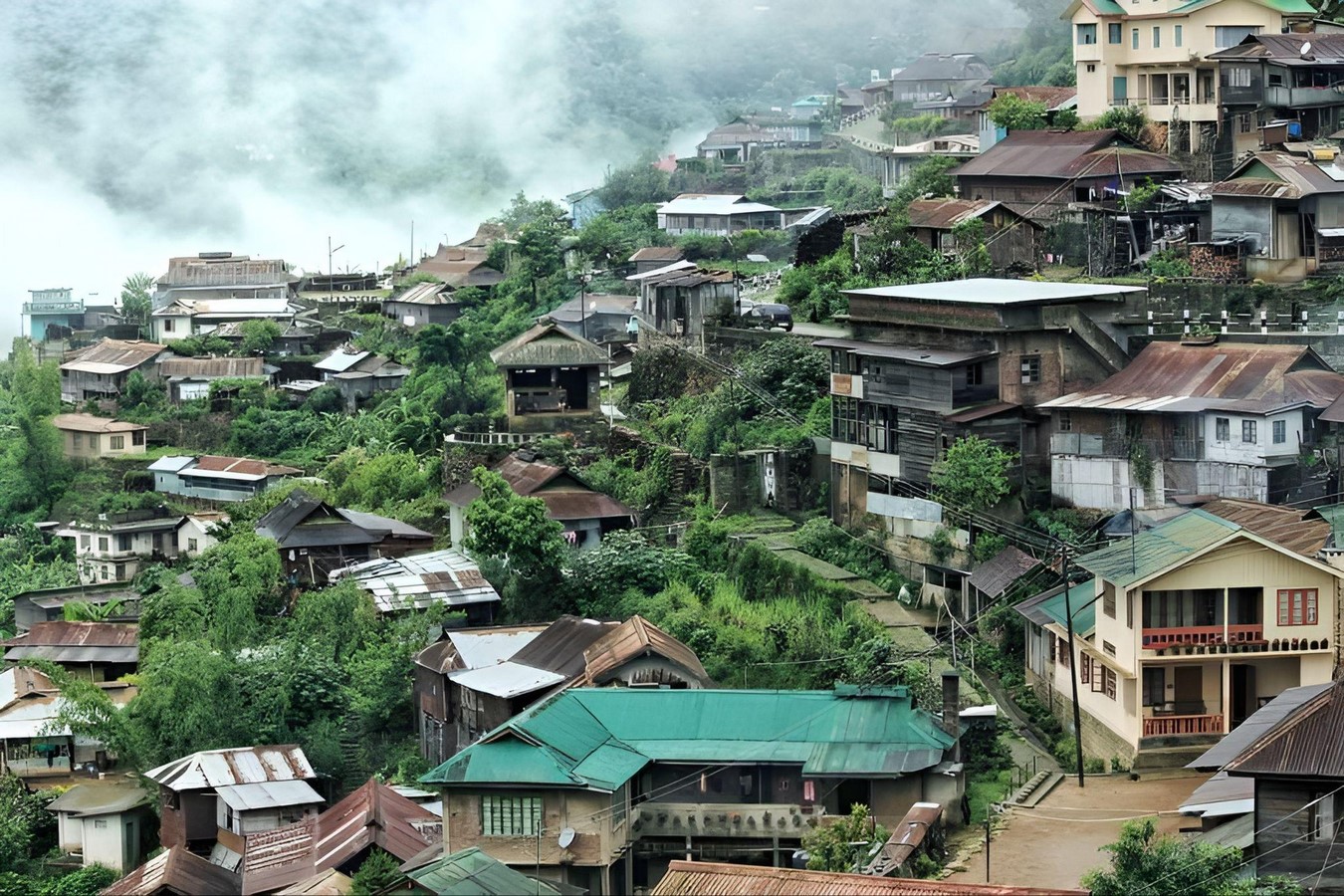
Typical Naga Home
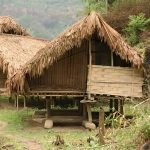
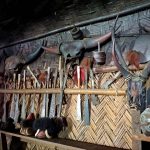
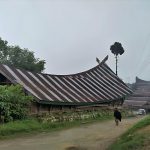
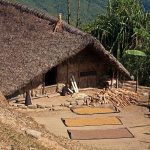
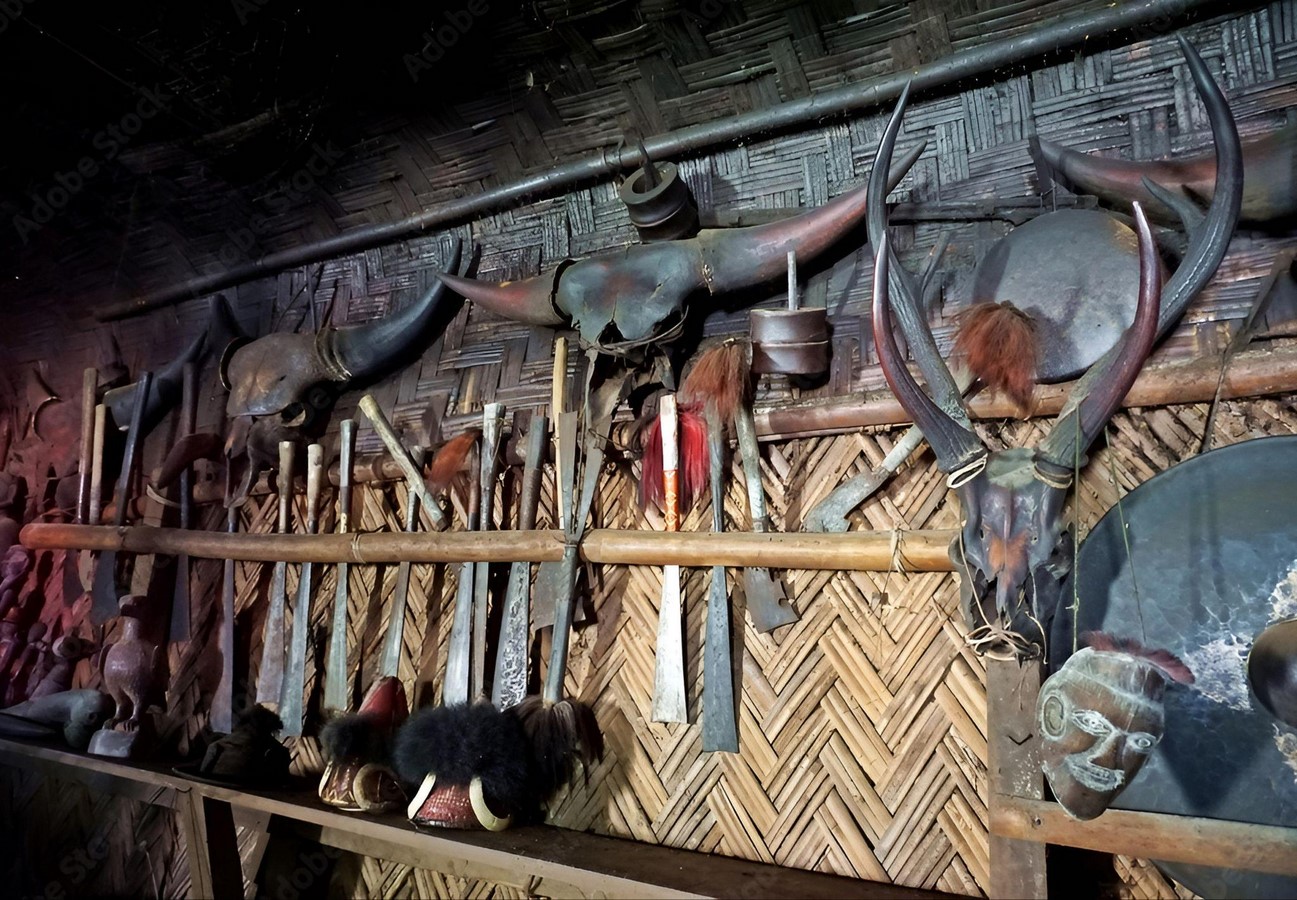
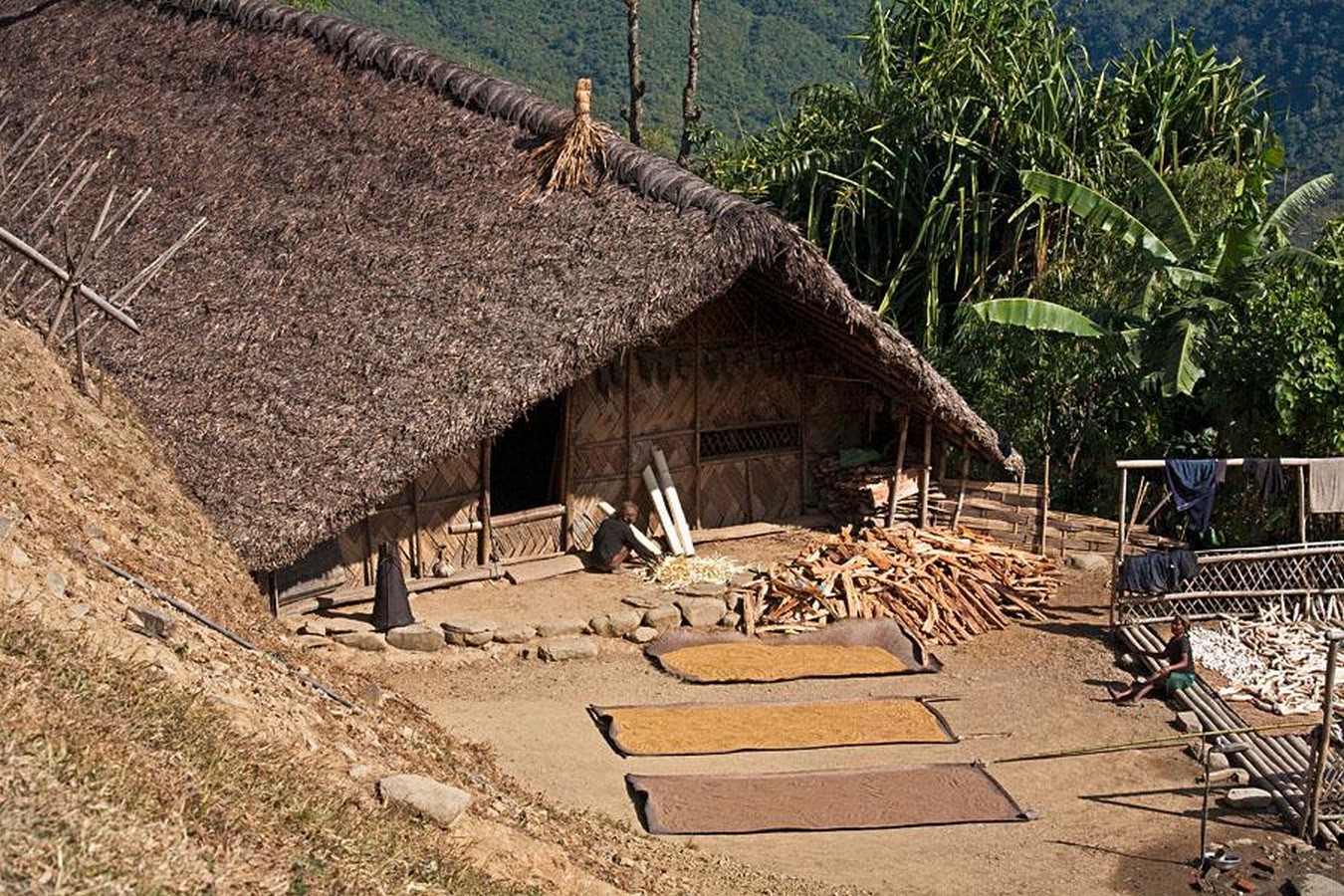
The villages, locations, and house designs of the Nagas are remnants of their ancient past. The Naga people live in the hills, and because their villages are built on steep hillsides or at their highest peaks, they are quite difficult to reach. Each tribe has a distinct method for building shelters. Decorating the doorway to one’s home with buffalo heads is a custom shared by all tribes. An elongated rectangular plan with a short length forming the side characterizes the typical Naga home. The homes’ traditional orientation is east. They use bamboo for a variety of things, including their most fundamental requirement for shelter, to suit their daily demands. The wide wooden planks that make up the home front are frequently ornately carved. With palm leaves and paddy straws, the roofs are thatched. The carvings frequently include animals, such as bison horns and bull horns. There are typically only a few entrances for this style of house. In most cases, there is neither a window nor a ventilation system.
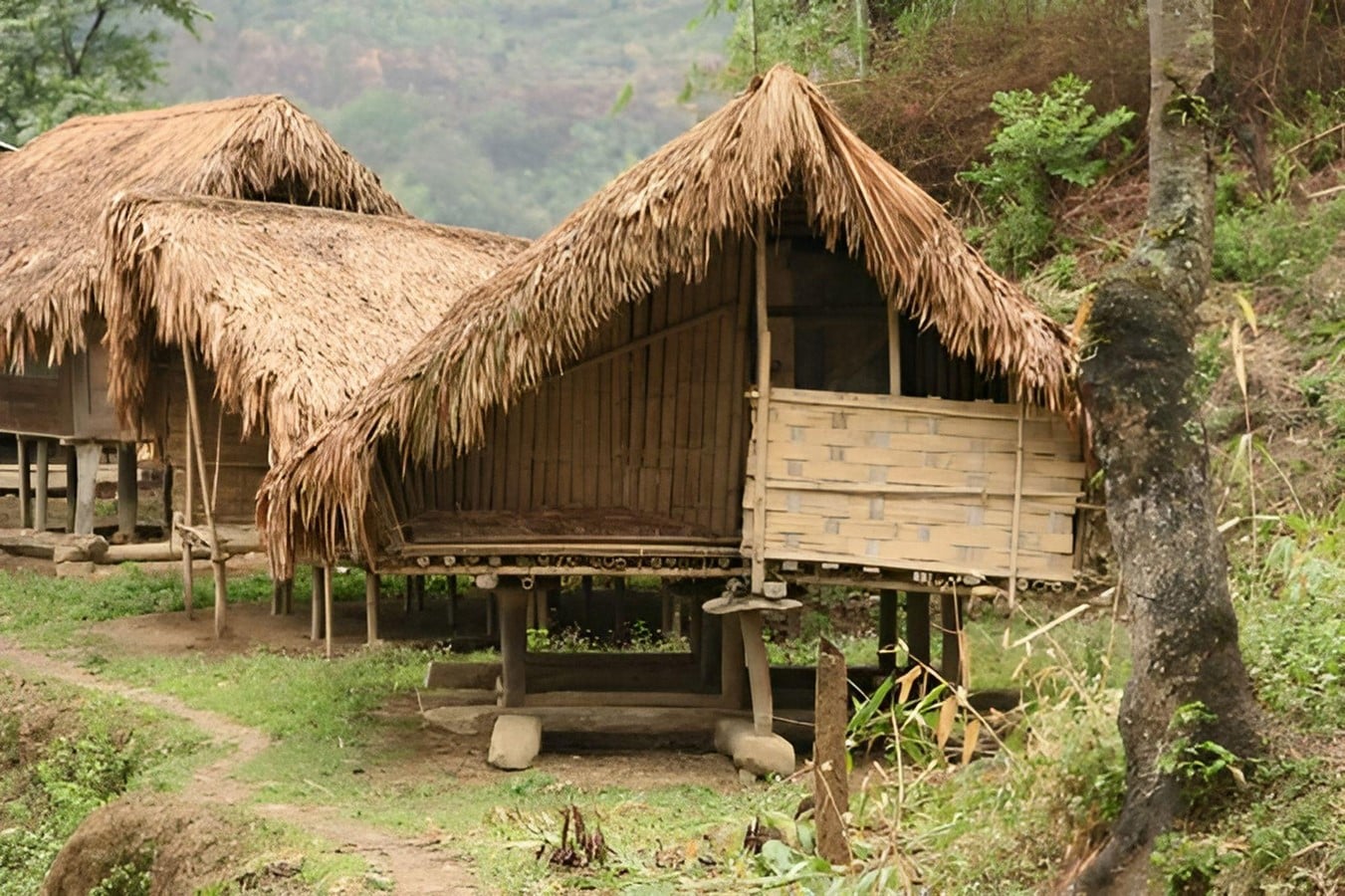
The main building materials for tribal homes are thatch, bamboo, and wood. These substances are poor heat conductors, making them excellent insulators that keep the interiors warm. The homes’ surface area to volume ratio is poor. This prevents excessive internal heat loss. Additionally, the cooking fire is positioned centrally enough to serve as the family’s primary source of heat during chilly nights. To keep the rain out, house entrances are typically pushed further into the ground from the roof. As in Sema homes, a separate low roof will occasionally protrude from the main roof’s shadow to guard the entry. Other tribes’ gable (or sloping edge) is frequently angled outward to create a veranda without adding a roof to the gable end.
Every tribe has its distinctive inheritance of forms. In each tribe, life is structured communally, but the degree of hierarchical organization varies. Therefore, the Konyak have larger homes than the Sema because they have a much stronger hierarchical social system.
Tribe Specific Characteristics
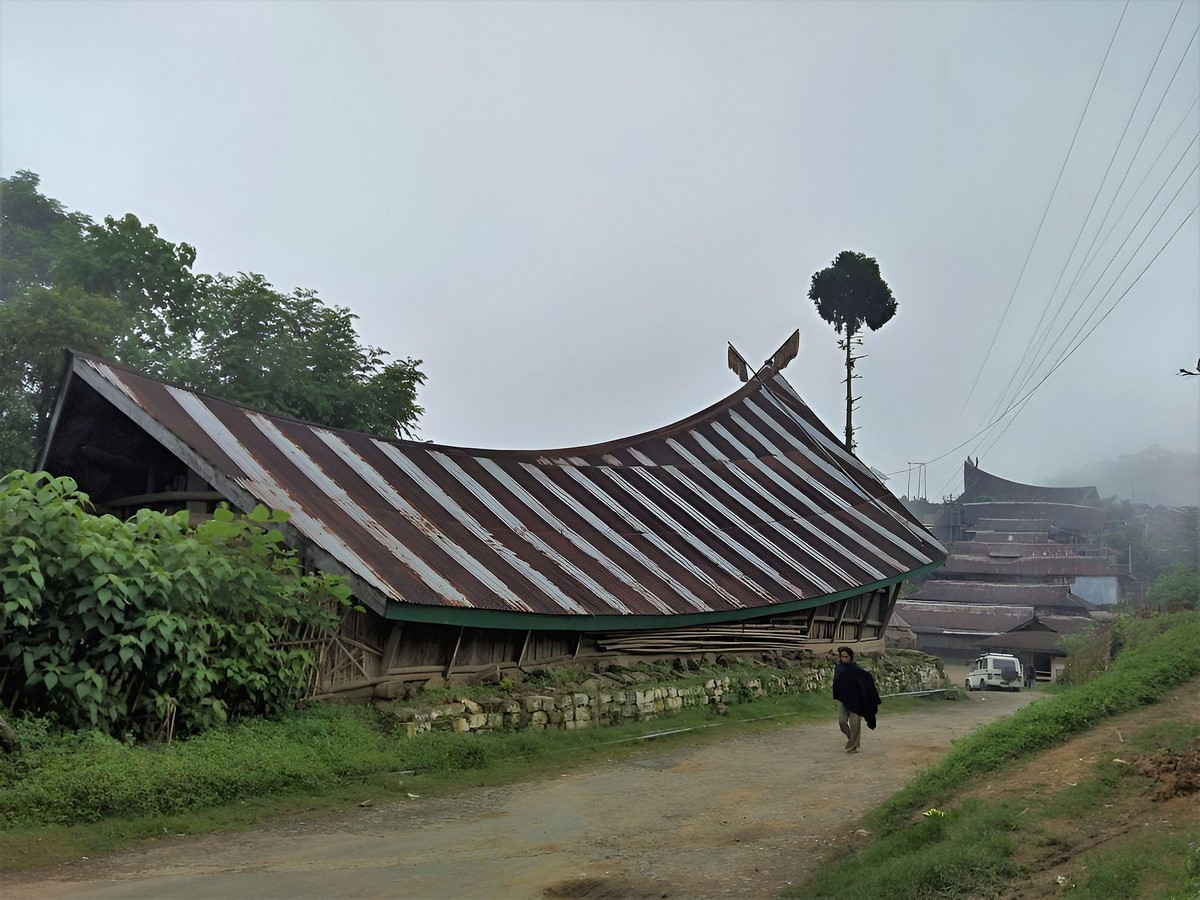
Morungs are customary community buildings used by Angami Naga tribes for a variety of purposes, including social gatherings, rituals, and housing for single men. They have elaborate wood carvings and vibrant embellishments and are constructed with bamboo and thatch covering. Young unmarried males gather there to learn from elders, practice their hunting techniques, and partake in a variety of cultural rites. The Morung is typically constructed on the brink of a steep hill that leads to the settlement area’s maximum altitude. It enables the morung people to keep an eye on and defend their community from surprise enemy assaults and attacks. The Morung has a fancy appearance because of its circular shape, spacious entryway, and exceptional single wood log. The intricately carved designs on the poles and cross beams of the morung served as reminders of their headhunting customs, fertility cults, a symbol of bravery, sacrifices, etc.
The longhouses of some Naga tribes, like the Konyaks, are renowned for reaching lengths of up to 100 feet. Several families can live together in these communal homes, each with a separate part in the long building. They have amazing wood carvings and represent the cohesiveness of the tribe’s society. The Koyank people also utilize skulls to design their homes to symbolize their courage
Sema homes are constructed in the shape of a rectangular with a wider beginning and narrower end, as well as a tall roof above the entryway. The rice-pounding tables were maintained in the Akishekhoh, also known as the front room. The unmarried girls of the household sleep in the Abidelabo, a small room located between the Akishekhoh and the Amiphokiboh (hearth room).The Akuzu-Abo is the bed that the family’s patriarch (the father) and his wife share. The Azhi-Bo is a bar where bamboo jugs of rice beer are kept.
Settlement Pattern
The settlement pattern does not apply uniformly throughout the Nagaland region. Settlement sizes differ significantly from region to region. Kohima village has more than 700 homes whereas, Angami villages regularly have 400 or more homes. Ao settlements are numerous as well. Typically, Sema villages have 100 dwellings. The majority of Naga communities are “fenced” for defense; some, like the Semas, have twin fences with a ditch in the middle. The nicest Naga homes, known as morungs or village dormitories, are typically found in front of the gate or entrance to the community. The patterns of Nagaland villages are typically compact type and both linear and amorphous. Settlements in the Sema region are agglomerated but amorphous with the dwellings being dispersed and loosely arranged. The Semas, like the Lhotas, have a separate collection of granaries, which are small huts in rows raised from the ground and typically placed near the dwelling houses to secure them against fire. The Semas keep their cattle outside their hamlet while the Angamis do not have separate cow pens or granaries.
Historical Aspect
Nagaland’s architectural heritage holds significant historical value due to several factors such as colonization influences during British rule and inter-tribal warfare throughout history. Many colonial-style structures constructed in 19th-century British towns like Kohima and Dimapur still survive today as a result of government restoration initiatives. Additionally, a few “Morung Longhouse” longhouses discovered among Konyak tribes demonstrate historic defensive tactics utilized against outside threats like rival clans or other invading troops centuries ago. These magnificent buildings served as both single men’s homes and training grounds for developing the warrior spirit in young men through storytelling sessions about previous victories over enemies. The “linear” type is found in the communities of Ao and Lhota. The residences on both the sides and the regular core streets give the impression that something is compact and stable. The gables of the houses on opposite sides overlap because the houses are so near to one another and the path is so small in certain areas.
References:
www.slideshare.net. (n.d.). Naga. [online] Available at: https://www.slideshare.net/MaNiShAtAnWaR51/naga-28509328
tourism.nagaland.gov.in. (n.d.). About Nagaland – ©Tourism Nagaland. [online] Available at: https://tourism.nagaland.gov.in/about-nagaland/
Joseph P., & Singh L.T.Z.(2001). Nagaland. In Encyclopedia of Indian Temple Architecture (Vol. 2, pp. 73-74). New Delhi: American Institute of Indian Studies
Burte, H. (2009). Naturally Naga. [online] mint. Available at: https://www.livemint.com/Leisure/qw1XDX8Q6eDTKNNQPnsRIM/Naturally-Naga.html
Roy, D. (2020). Architecture in Nagaland: the realm of Tradition. [online] Built Archi. Available at: https://builtarchi.com/architecture-in-nagaland/
INDIAN CULTURE. (2019). Morung (Youth Dormitory), Nagaland. [online] Available at: https://indianculture.gov.in/images/morung-youth-dormitory-nagaland
Ghose, B. (1953). Primitive Indian Architecture Journal of the Indian Society of Oriental Art XVII, no. 1: A.K. Coomaraswamy Commemoration Volume. Part III (1949): 57-111.