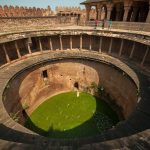
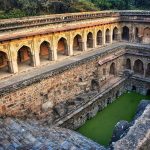
The historic stepwells are a hidden gem of India, a country filled with history and culture, is known for. These architectural wonders, also referred to as jhalaras, talabs, bawaris, taankas, and ahar pynes, were constructed centuries ago to deal with water shortages and secure the survival of populations in areas that were prone to drought. Water scarcity is a growing concern in India as a result of climate change, urbanization, and water pollution. The Indian government is making an effort to revive traditional water collection techniques since they are not only effective but also environmentally friendly ways to solve this problem. Jhalaras (stepwells), talabs (reservoirs), bawaris (stepwells with stacked steps), taankas (underground pits), and ahar pynes (floodwater harvesting systems) are a few examples of the ways that have been used in India for millennial.

Water scarcity is a growing concern in India as a result of climate change, urbanization, and water pollution. The Indian government is making an effort to revive traditional water collection techniques since they are not only effective but also environmentally friendly ways to solve this problem. Jhalaras (stepwells), talabs (reservoirs), bawaris (stepwells with stacked steps), taankas (underground pits), and ahar pynes (floodwater harvesting systems) are a few examples of the ways that have been used in India for millennia. Each method reflects the distinctiveness of the geographical and cultural setting in which it is employed.
For instance, jhalaras were constructed to provide a steady supply of water for communal and religious purposes, while in Rajasthan, bawaris were a vital component of a complex system of water storage that assisted in raising the water table. In contrast, taankas are spherical subterranean pits that collect rainfall and hold enough water for a whole household throughout the dry season. At the very least, ahar pynes—reservoirs with embankments—are structures constructed in south Bihar to collect floodwater. These age-old methods are still employed by communities today because they have been shown to be effective. India can resolve its water shortage issue and secure a sustainable future by adopting these techniques into contemporary water conservation initiatives.
“Stepwells: A Solution to Water Scarcity”
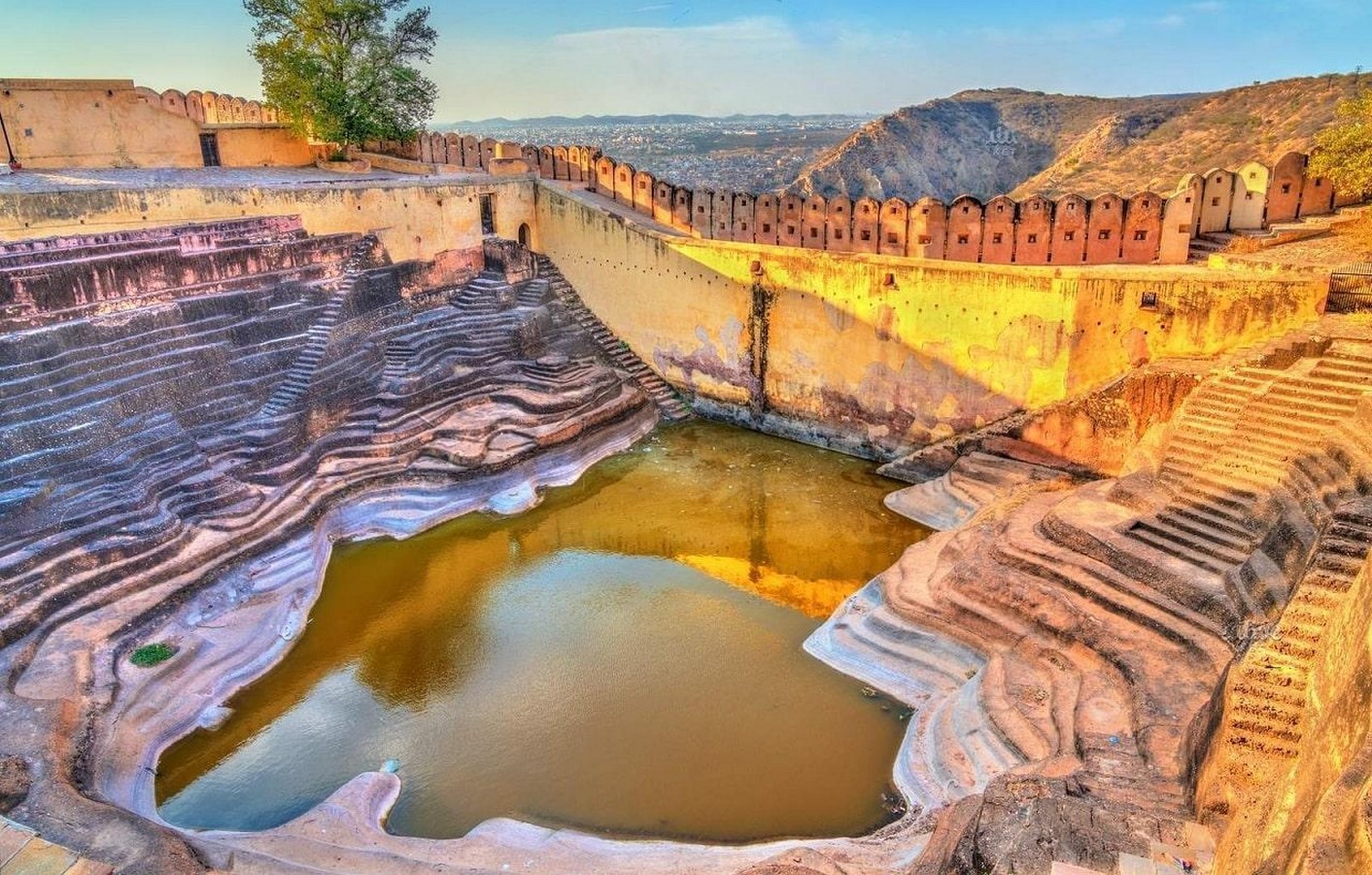
Water shortage in India’s drought-prone areas prompted the development of stepwells like Chand Bawri. A year-round supply of water for communities was made possible because to these stepwells’ use as irrigation and water storage systems. Stepwells offered a sustainable solution to water management even before there were contemporary running water systems because they made use of the topography’s natural features and the laws of gravity. Stepwells’ clever design made it possible to collect and store rainwater, which allowed populations to survive even under the worst climatic circumstances.

The Destruction of the Stepwells Stepwells have endured decades of neglect and degradation despite their historical and cultural importance. Many stepwells deteriorated and vanished as a result of the development of modern water infrastructure and the disregard shown by municipal planners. Due to the ease of piped water systems, these more than 1,000-year-old architectural marvels have mainly fallen into disuse. A significant portion of India’s architectural legacy has been erased by the fact that many stepwells are either in ruins or have completely disappeared.
Restoration of Stepwells: With the acute water crisis that India is presently suffering, there has been a growing understanding of the need of preserving and reviving existing stepwells in recent years. According to a government study, the country is currently suffering from its worst water crisis ever, thus it’s critical to consider sustainable alternatives. The fact that stepwells have a proven track record of conserving water offers a glimmer of hope in this bleak situation. We may be able to overcome the difficulties caused by groundwater depletion and work toward a more sustainable future by comprehending the historic methods used in stepwell development.

“Stepwells as a Solution to the Water Crisis”
The historic stepwells in India have enormous promise for resolving the nation’s water shortage. These architectural wonders, which combine conventional knowledge with cutting-edge technology, might serve as a model for sustainable water management. We can take advantage of the clever design principles of existing stepwells to improve water conservation by rehabilitating and reusing them and integrating them into the water system. Stepwells can be used in conjunction with rainwater harvesting systems to collect and store rainfall for groundwater recharge. The stepwells’ large storage capacity can also help with water resource management throughout both rainy and dry seasons.
The lost stepwells of India are being revived and restored as part of the project “Restoring the Forgotten Heritage”. Organizations, professionals, and local communities are working together to conserve and revitalize these architectural masterpieces. In addition to restoring the structural integrity of stepwells, conservation programs seek to raise knowledge of and appreciation for their historical value. These restoration activities want to encourage future generations to adopt sustainable lifestyles and save their natural resources by demonstrating the brilliant architectural design and water-saving strategies used in stepwells.

“Architectural Marvels”
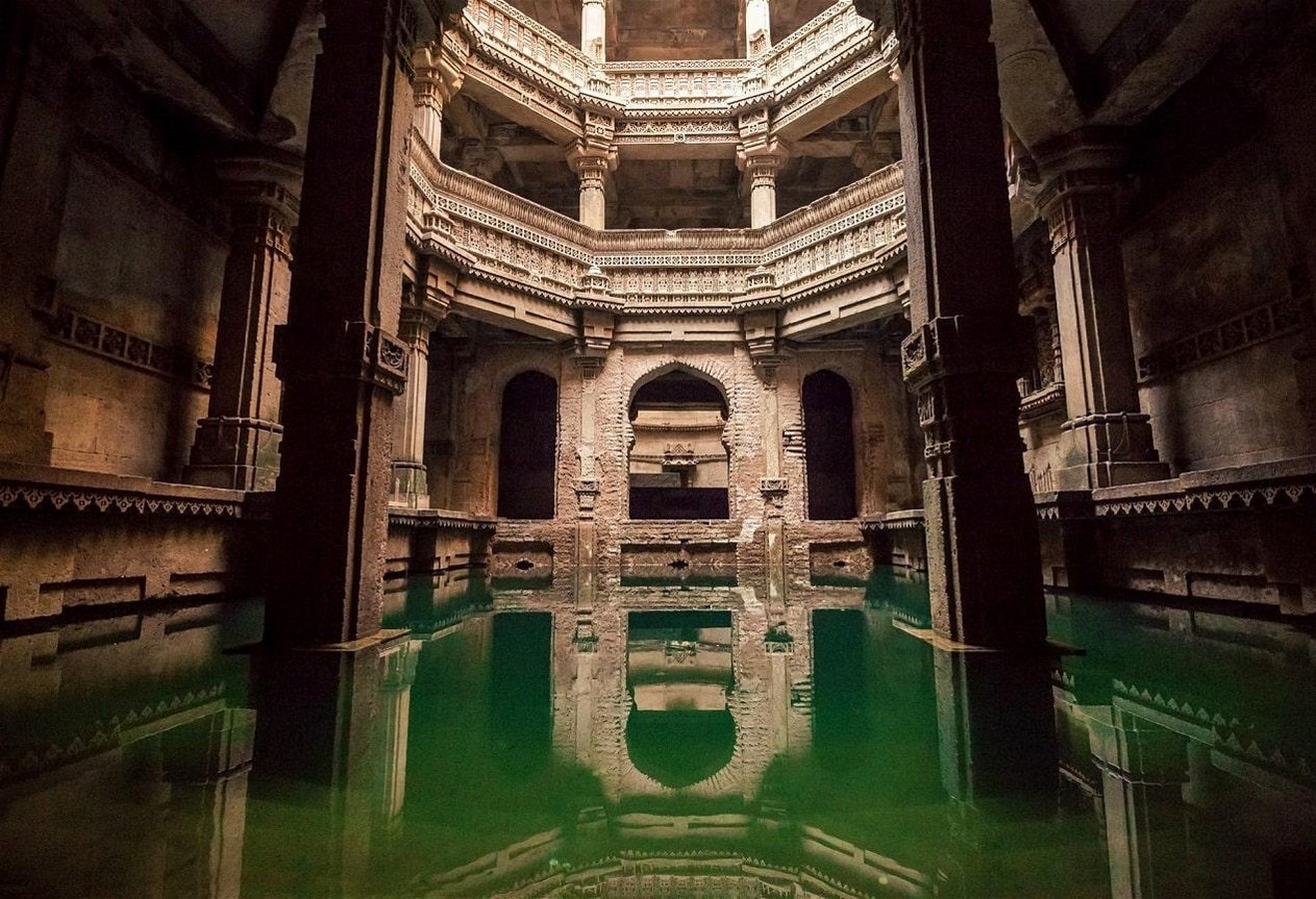
The intricate and sumptuous patterns of stepwells, which usually show a harmonious mix of Hindu, Islamic, and Jain influences, are what make them remarkable. These subterranean structures with several stories were built to make it easier to get water, especially during the dry seasons. The stepwells feature a set of stairs that drop to the water’s surface and are typically embellished with intricate sculptures.In Indian tradition, stepwells had a holy significance, acting as centers of prayer, meditation, and social interaction. Numerous stepwells had ornate sculptures, deft carvings of gods, goddesses, and scenes from myths, as well as inscriptions from ancient texts. The spiritual practices and cultural history of the groups that constructed and utilized the stepwells were represented in these aesthetic components.


“Embracing Sustainability in the Modern Era”
Stepwells are an inspiration for sustainable water management. A significant movement is now underway to restore and preserve these historic structures as well as to unearth those that have gone or are in ruins. Stepwells and other historic water management techniques have taught us how to manage water holistically, and these lessons are being blended into contemporary frameworks to create more sustainable water policy. These stepwells, which continue to be a significant component of Indian architecture, are actively being developed and preserved by local government bodies and international organizations like Unesco. India has also put in place a number of programs that entail restoring, reusing, and recycling these antiquated buildings as well as incorporating them into ecotourism circuits. As a result, it is feasible to create innovative, sustainable solutions while also maintaining our legacy by using the historic knowledge gleaned from stepwells that are still in use or have recently undergone restoration.
Conclusion
The resourcefulness and knowledge of our forefathers are demonstrated by the ancient Indian stepwells. These once-forgotten and abandoned architectural marvels are today being rediscovered as possible solutions to the current water crisis that India and other countries are going through. By reviving out-of-date water-conservation techniques and incorporating them into current infrastructure, we can set the foundation for a sustainable future. Let’s embrace the knowledge gained from the past and work to maintain these magnificent stepwells so that their heritage is preserved for future generations.
References:
Azmi, F.T. (2022) The ancient stepwells helping to curb India’s water crisis, BBC Future. Available at: https://www.bbc.com/future/article/20211012-the-ancient-stepwells-helping-to-curb-indias-water-crisis (Accessed: 23 July 2023).
Chaitanya (2018) Stepwells or Vavs of Gujarat – a perfect example for a community based rainwater harvesting, RainWater Harvesting Filters, Products & Consultancy Services. Available at: https://www.chaitanyaproducts.com/blog/stepwells-or-vavs-of-gujarat-a-perfect-example-for-a-community-based-rainwater-harvesting/ (Accessed: 23 July 2023).
Dhwty (2021) The forgotten stepwells: Masterpieces from India’s past, Ancient Origins Reconstructing the story of humanity’s past. Available at: https://www.ancient-origins.net/ancient-places-asia/forgotten-stepwells-thousands-masterpieces-engineering-architecture-021219 (Accessed: 23 July 2023).