Technology’s use and development have long contributed to the growth of the entertainment industry, particularly the animation sector. Technology has aided in the evolution of cartoon production from two to three dimensions, even stereoscopic 3D, from the early days of 2D to the discovery of the zoetrope and contemporary works of graphic animation. Many concepts, fashions, and products that might have remained localized without globalization have become widespread. One such example is the anime subgenre, which once had its global headquarters in Japan and now generates over $17 billion in revenue.

The industry has advanced significantly from manually animating hand-drawn images. Due to its lack of visuals and computer-assisted technology, the traditional animation known as anime in Japan is a very simple type of animation. After years of research and the development of a ton of new technology, animators are now using ground-breaking software to produce amazing films and programs. By giving the images instructions on how to present themselves using these software programs, animators can make their illusions seem more real.
New developments in entertainment technology make themselves known and have an impact.

The Advancement of Animation Technology
The animators who developed the concepts for computer-generated animation first used animation in 1980. The demand for computers in the animation industry was suddenly apparent to the animators as they were working on the film Technological Threat. The idea that traditional animation and computer use for anime should go hand in hand emerged at that point.

In contrast to regular movies, anime and animation worked harder to draw audiences to theaters. It took a long time to comprehend the target audience’s age range. Additionally, streaming services like Netflix, Hulu, and Amazon purchased copyrights to those anime. Fewer graphics are used, and computers help with the technology. Most animators now use the most recent filmmaking software.
The Illusion of Animation
Today, the animation is unique due to its evolution into 3D computer-generated generated. In computer animation, the animators play a sequence of 2D or 3D images to demonstrate the process. As in Disney’s Beauty and the Beast, they have discovered a way to switch between the two today. The pinnacle of 3D animation has, among other programs, been achieved with Maya and 3D Max. By instructing the images on how to present themselves using these programs, animators can make their illusions seem possible. A point of view for the viewer can be produced by the animator using a light source and various strategically placed cameras. Every object will still be placed by the animator during the rendering of each frame. These frames are played at a speed of 25 frames per second to give the appearance of animation after much effort and skill.

Best Animation Programs for Anime
- All Adobe services can be integrated with Adobe Animate.
- For 2D animation, a character animator.
- For the most intricate animations, use Autodesk 3ds Max.
- Toonz is widely used by anime studios.
- Easy-to-use animation software using Moho.
- Excellent vector drawing software by Toon Boom Harmony
- The largest animation library available is Animaker.
- Characters can be customized using Vyond Studio.
- Toonator, Supports tablet-based in-browser drawing.
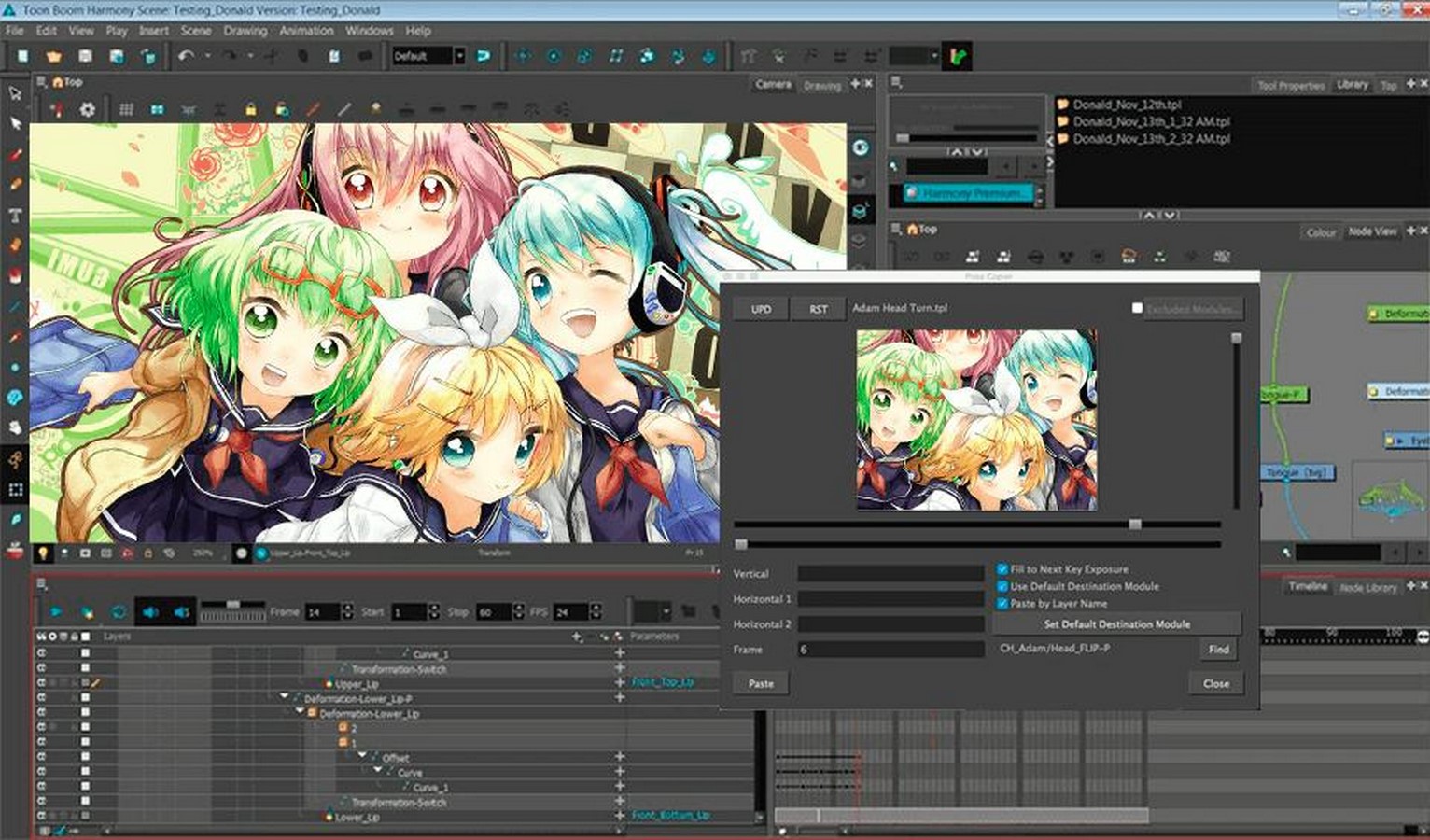
The time it takes to make animations can be significantly decreased with the aid of the top anime animation software. Others support automatic limb animation while relying on the laws of physics, while some tools allow you to create facial animations by using a webcam to scan your face. Some options use automatic lip-synching.
New Developments in Animation Filmmaking
-
Film
The most adaptable method ever is filmmaking. Although there are other convenient ways to create films, digital filmmaking has reached a certain level of superiority and is getting ready to move up the ladder of maturity.
-
Virtual Reality
This technology operates by analyzing the applications of virtual reality and other all-encompassing cinematic formats. The world of animated films offers alluring possibilities thanks to virtual reality. These include flexible storytelling sources, type of equipment that are fully loaded for traditional film, and time-saving preproduction techniques.
-
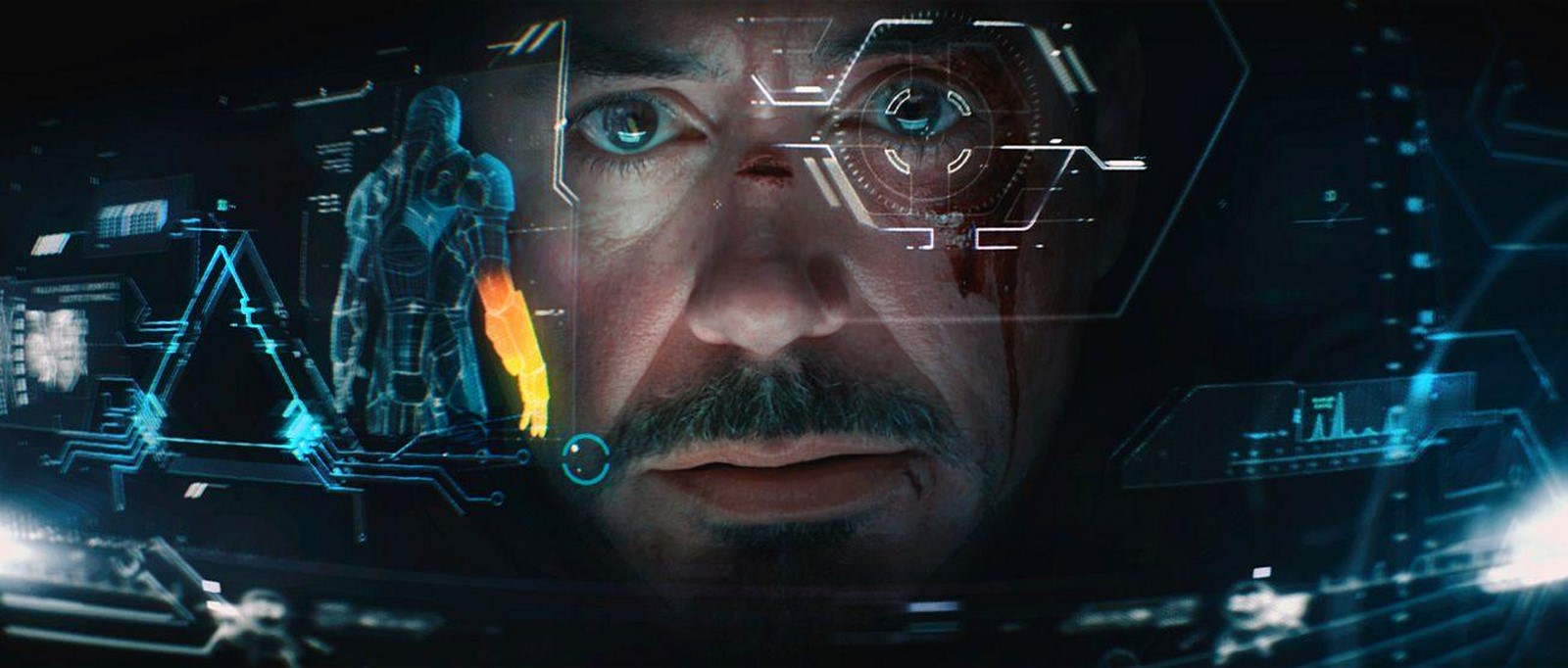
VR used in Ironman animation_©dignited.com 3D Printing
The modernization of filmmaking is the foundation for a production design idea. The prints, details, and finishes have been updated. The Propshop at Pinewood Studios is one of the places where this technology is in use. Guardians of the Galaxy and Avengers: Age of Ultron are well-known films that applied this.
-
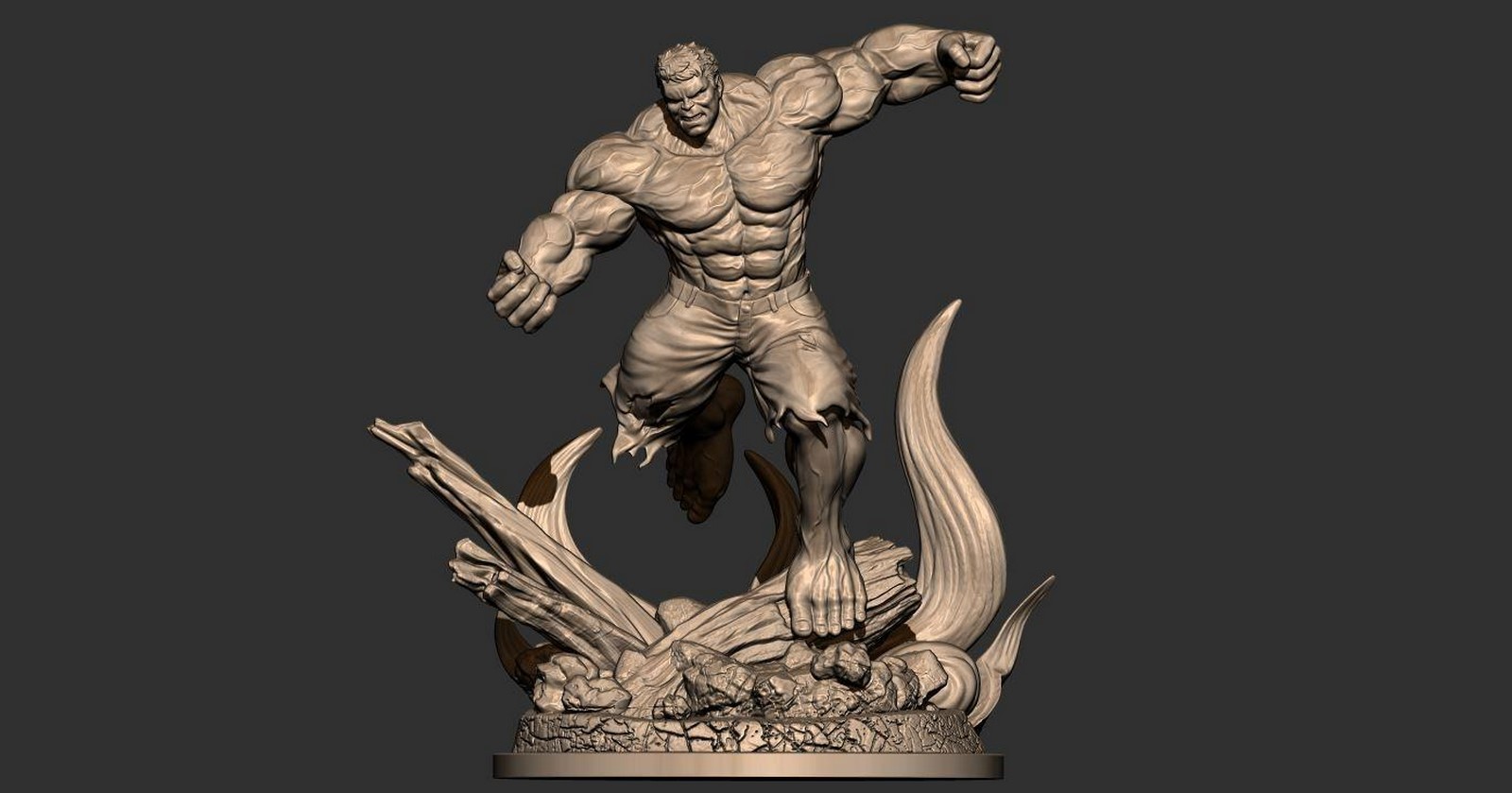
3D Printing used in MARVEL_©cults3d.com Collaborative and Cloud Workflows
With the help of this technology, filmmakers are able to collaborate with team members who are located all over the world. The ability to communicate digitally may make this possible.
-
Depth Sensors
In order to function, the depth sensor technology needs a camera. It has the ability to capture each and every shot as a wireframe, which it will then convert into an animation.
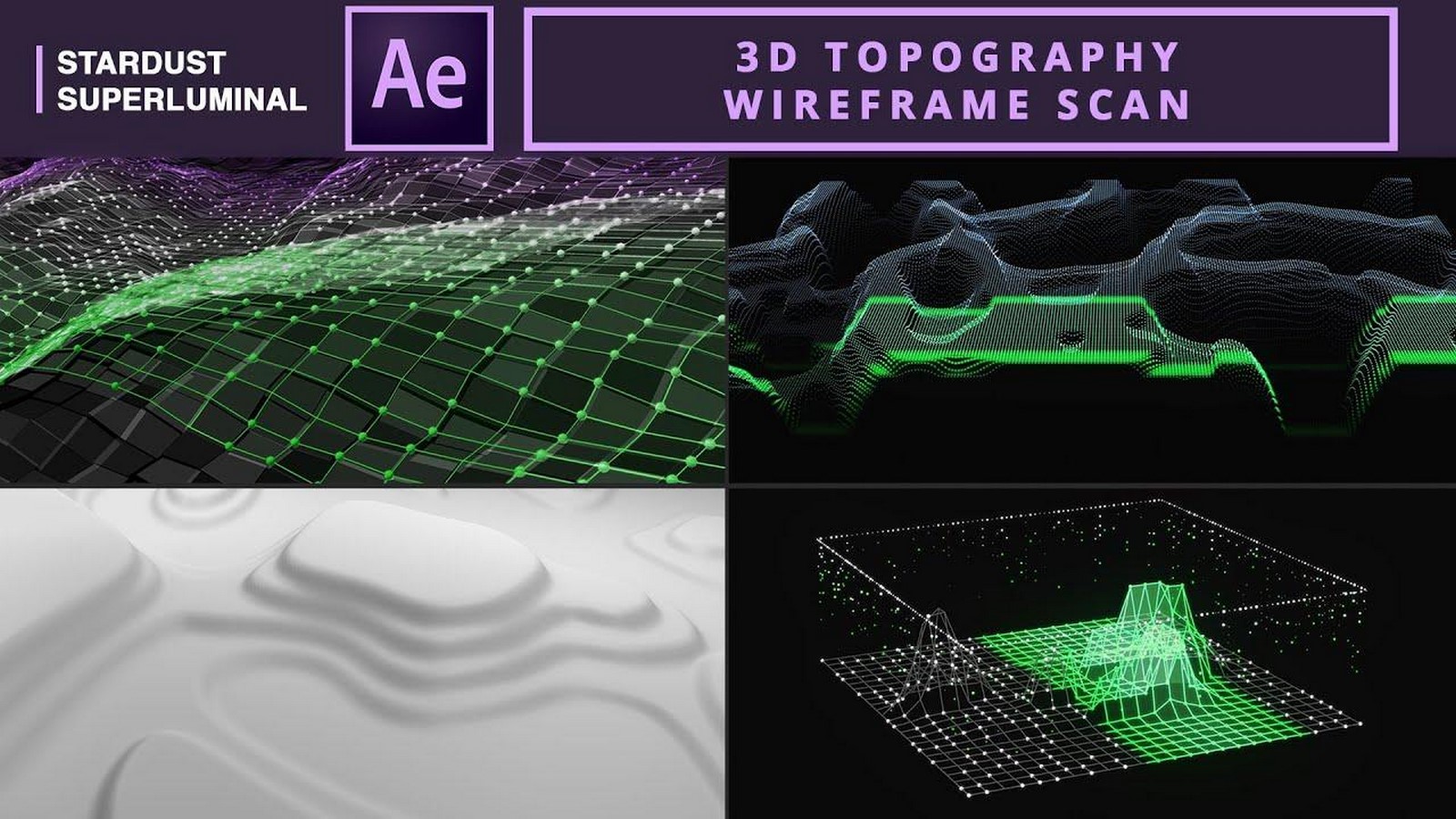
Technological Influence Due to Anime
Technology is integral to the creation and consumption of anime, supporting its expansion, innovation, and global appeal by enabling novel storytelling techniques, international distribution, fan engagement, and new creative outlets.
The development of digital animation software and computer-generated imagery (CGI) has revolutionized anime making. The creation of anime has been transformed by advancements in digital animation software and computer-generated imagery (CGI). Digital techniques are now frequently used in addition to or in place of traditional hand-drawn animation to produce more intricate and visually stunning images. The formation of backgrounds, characters, special effects, and storyboarding are just a few of the tasks that anime production studios perform using diverse digital tools and software. These tools improve productivity, streamline the production process, and provide more creative options. New opportunities for immersive anime experiences are now available thanks to the development of virtual and augmented reality technologies. Apps for virtual reality anime, VR experiences, and augmented reality content all increase viewer engagement and provide fresh ways to engage with anime universes and characters.

International collaboration on anime production is made possible by technology. Remote collaboration allows artists and animators from various nations to share files, work on projects, and share ideas. Anime licensing and merchandise have expanded thanks to digital technology. Video games, merchandise partnerships, and spin-off content can all use anime thanks to licensing agreements.
The way that anime is consumed has changed, eventually online streaming services and digital distribution methods, enabling simultaneous global releases and removing geographic restrictions. Simulcasting, a feature of streaming services, makes fresh episodes accessible internationally shortly after their Japanese broadcast. Social media, websites devoted to anime, and online forums have helped to forge thriving communities of anime fans. This online interaction strengthens community bonds and promotes active participation.

The entertainment and animation sectors are expanding quickly and won’t stop anytime soon. In the upcoming years, as technology advances and tastes change to reflect our capabilities, expect even more rapid change. It is obvious that the animation industry will grow in demand and meet consumer expectations given the confluence of all these animation trends and animation quality that is more realistic than ever.
References
The production and consumption of anime (2018) | College of Humanities. Available at: https://humanities.byu.edu/the-production-and-consumption-of-anime/ (Accessed: 12 July 2023).
Trends, M. (2022) How technology drives the animation and entertainment industry, Analytics Insight. Available at: https://www.analyticsinsight.net/how-technology-drives-the-animation-and-entertainment-industry/ (Accessed: 12 July 2023).
A deep dive into the present and future of animation (2023) MotionCue. Available at: https://motioncue.com/present-and-future-of-animation/#:~:text=Motion%20capture%20technology%2C%20computer%20graphics,is%20possible%20in%20animated%20filmmaking. (Accessed: 12 July 2023).
Bizofan (2023) Animation technology that animators should look out for, Business of Animation. Available at: https://businessofanimation.com/animation-technology-animators-should-look-out-for/ (Accessed: 12 July 2023).