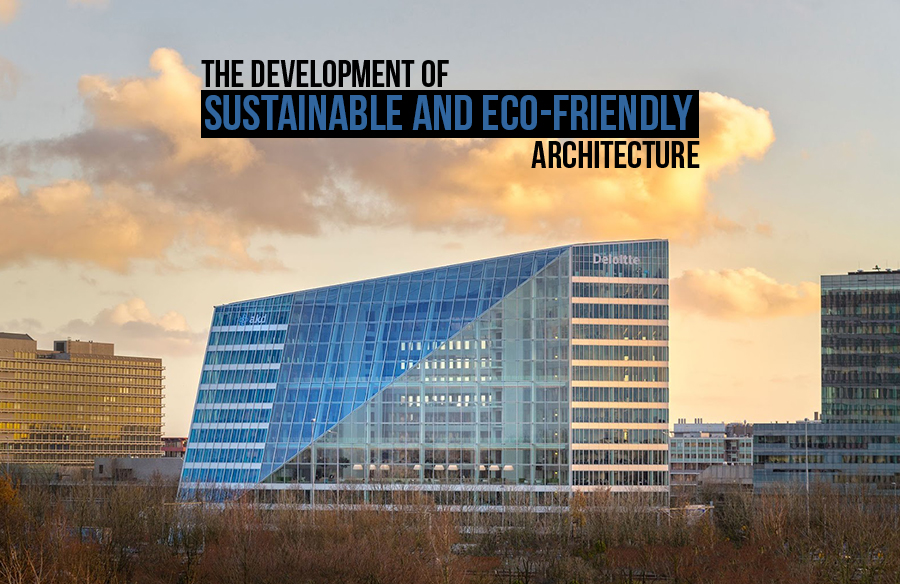
As the globe struggles to overcome the problems caused by climate change and environmental deterioration, the creation of eco-friendly and sustainable design has become a crucial component of the strategy for building a greener future. Globally, architects and designers are actively adopting cutting-edge approaches and implementing eco-conscious ideas into their designs to reduce buildings’ negative effects on the environment while maximizing energy efficiency and human well-being (Smith). Forward-thinking professionals understand that sustainable architecture is not just a trend but a necessity for the long-term survival of our planet. By reimagining the way we design and construct buildings, they are leading the charge in creating a built environment that aligns with our environmental goals and fosters a healthier and more sustainable future.
Energy Efficiency
Energy efficiency lies at the heart of sustainable architecture, aiming to reduce the reliance on non-renewable energy sources and minimize the carbon footprint of buildings. Buildings are significant contributors to energy consumption and greenhouse gas emissions. However, by implementing energy-efficient design strategies, architects can significantly reduce a building’s energy demands. This includes incorporating features such as efficient insulation, high-performance windows, and smart building systems that optimize energy usage. By prioritizing energy efficiency, architects can not only reduce the carbon footprint of buildings but also lower operational costs for occupants.
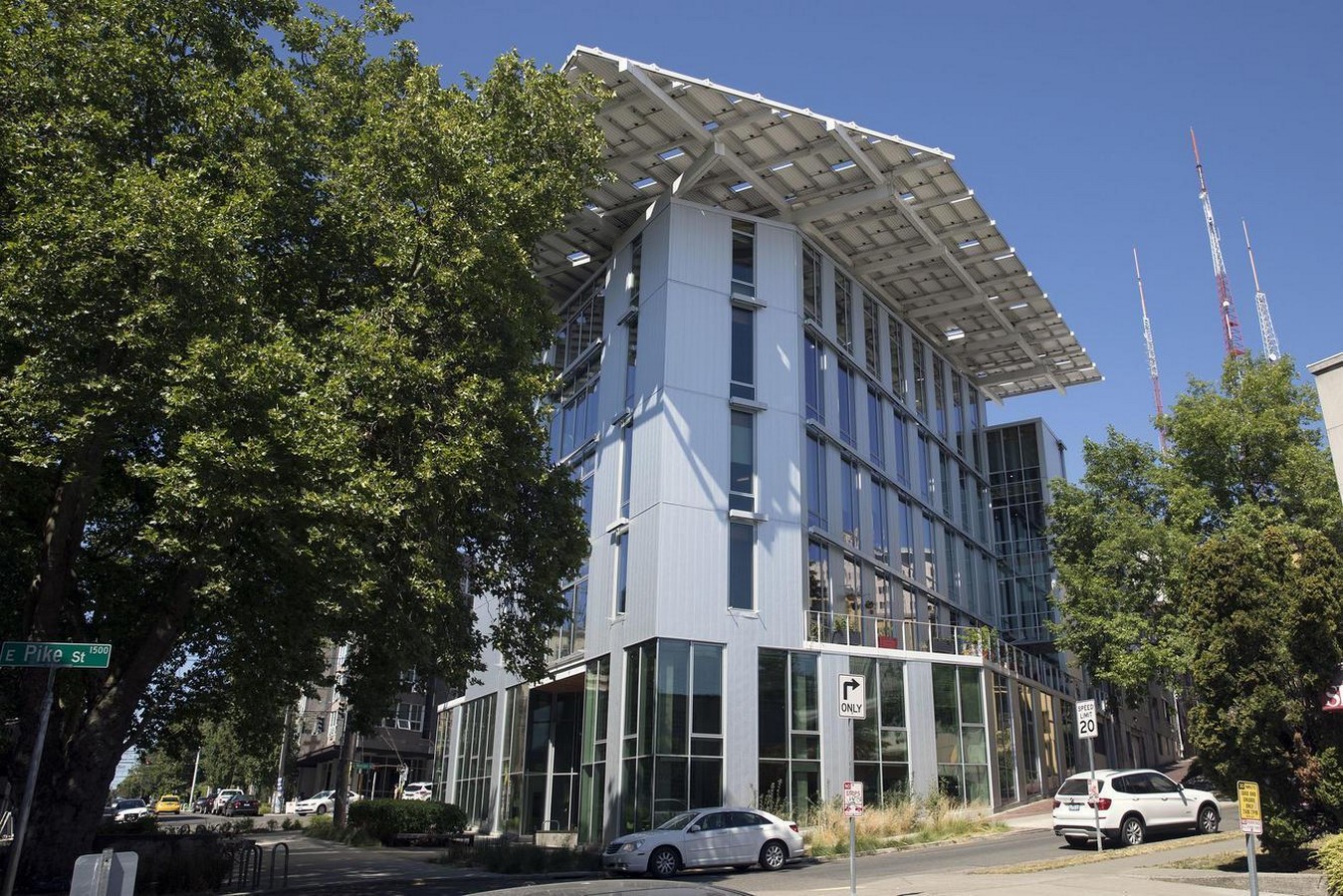
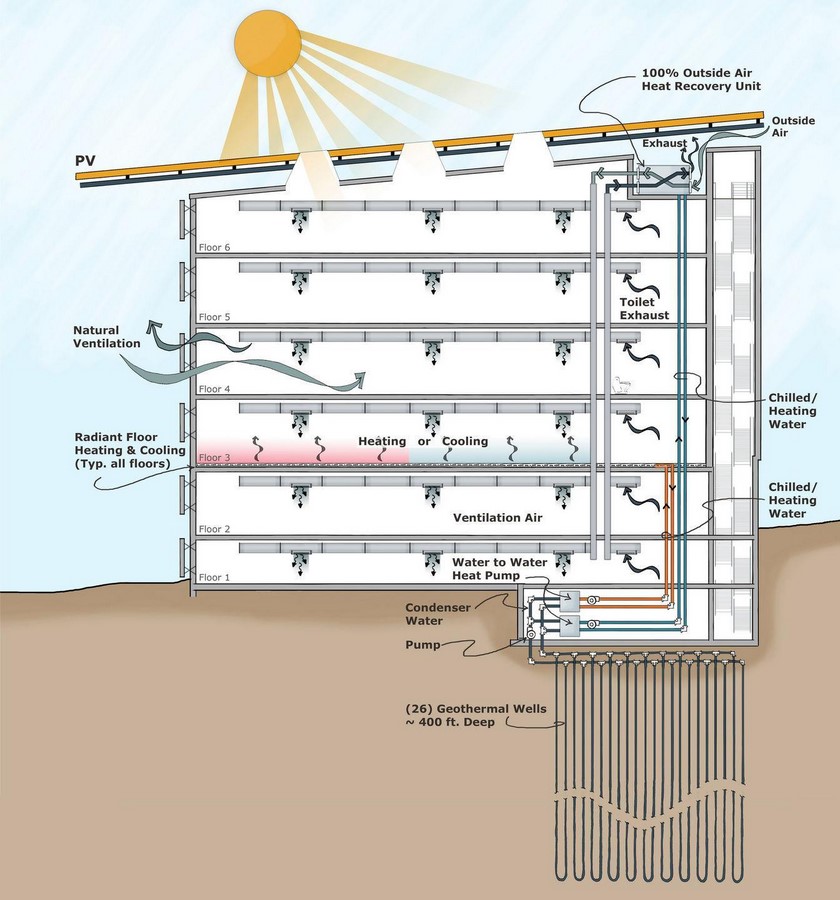
The Bullitt Center, one of the most environmentally friendly office buildings in the world, is built to produce as much energy as it uses. There is less need for artificial lighting and cooling systems because of the incorporation of passive design techniques like natural ventilation and plenty of daylight (“The Bullitt Center by The Miller Hull Partnership”). The structure’s rooftop solar array, provides the building with a significant portion of its energy needs, along with a rainwater collection system and composting toilets are just a few examples of how committed it is to sustainability.
Sustainable Materials
To create sustainable architecture, the choice of building materials is crucial. To lessen their influence on the environment, architects are increasingly choosing eco-friendly and renewable materials. Sustainable design emphasises the use of environmentally benign and renewable materials in addition to energy efficiency. Due to their energy-intensive manufacturing processes, traditional building materials like concrete and steel have a significant carbon footprint. Reclaimed wood, bamboo, recycled metal, and concrete alternatives with low environmental effects are some of the materials that sustainable architects look for as alternatives (“The Rise of Sustainable Architecture: Building Green for a Better Future”). These materials support a circular economy where materials are reused or recycled at the end of a building’s existence and assist in lessening waste generation and the depletion of natural resources.
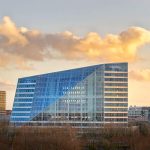
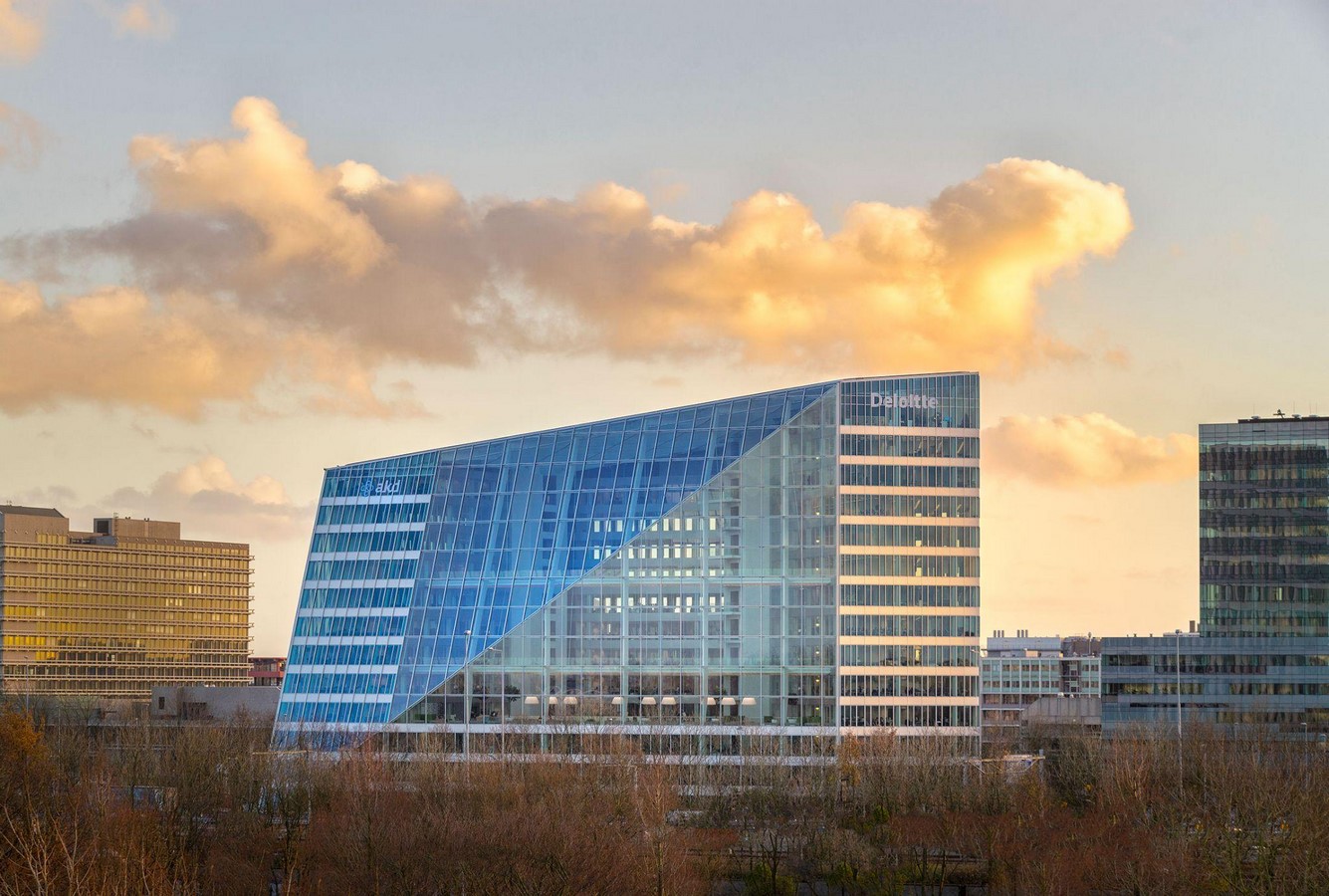
A notable example of sustainable architecture that incorporates green construction materials is The Edge in Amsterdam, Netherlands. This innovative, energy-efficient office building has a carbon-neutral footprint since it was built with wood that was procured ethically. To drastically lower energy usage, cutting-edge technologies, such as intelligent lighting systems and energy-efficient facades, have been seamlessly incorporated. The Edge not only serves as an example of the potential for spectacular architectural marvels to be created, but it also highlights the significance of reducing the embodied energy of building materials (Garofalo and Budgen).
Bringing the natural world and the built environment into harmony
Through the creation of harmonious spaces that support well-being and environmental preservation, sustainable architecture aims to close the gap between natural and constructed environments. According to biophilic design principles, architectural designs should incorporate natural elements like interior plants, rooftop gardens, and green walls. These organic components have many advantages in addition to improving a building’s aesthetic appeal. They increase air quality, control temperature, reduce noise pollution, and increase productivity (“The Rise of Sustainable Architecture: Building Green for a Better Future”). Sustainable architects work to improve the quality of life for building occupants while encouraging greater respect for the natural world by designing spaces that connect people with nature.
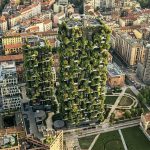
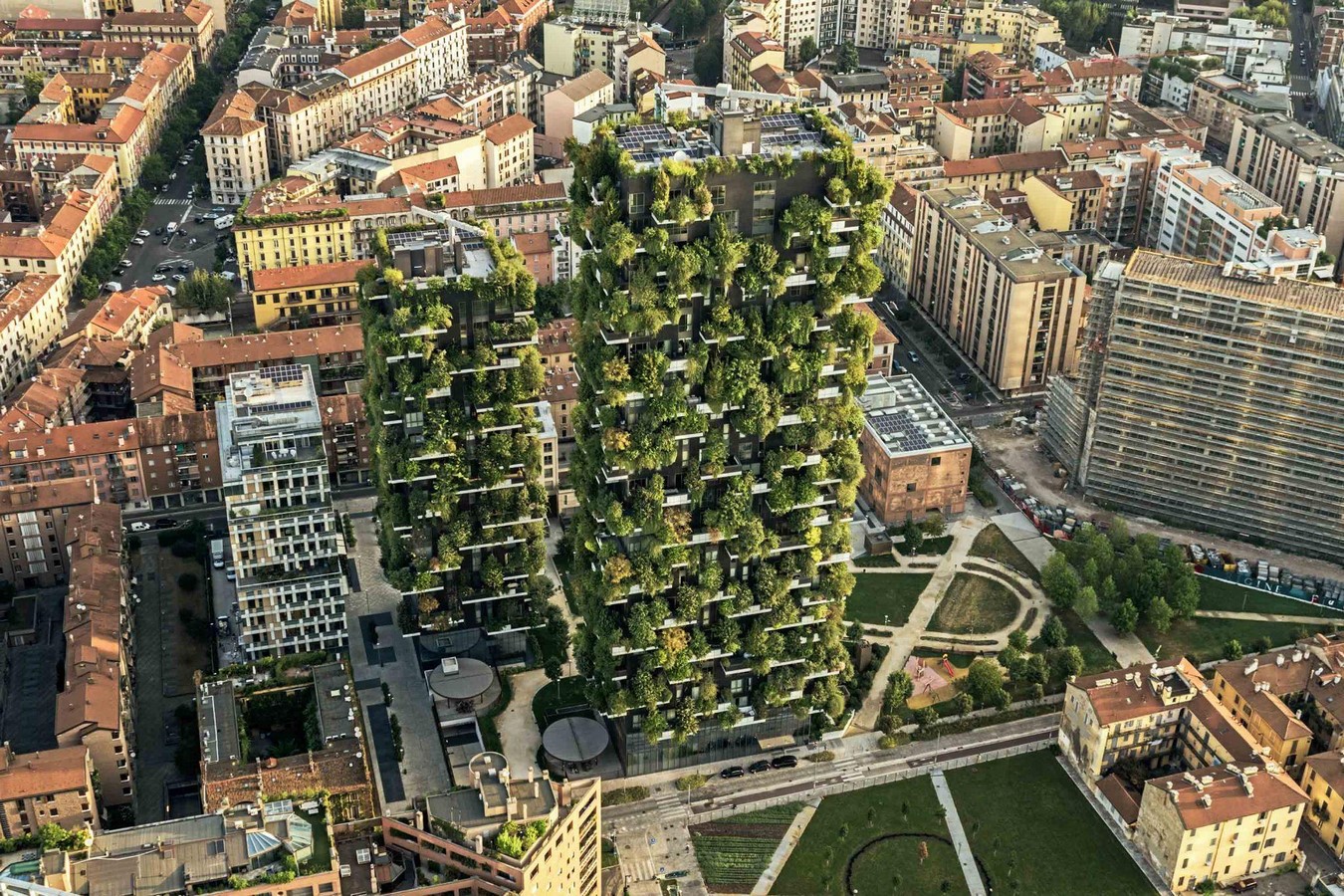
A fascinating illustration of this idea is the Bosco Verticale, often known as the Vertical Forest, located near Milan, Italy. This landmark building, which consists of twin residential towers, is covered with over 20,000 plants that produce oxygen, purify the air, and provide habitats for birds and insects. In addition to its environmental advantages, the Bosco Verticale improves the urban environment by transforming it into a spectacular and sustainable living space (“The Bosco Verticale: all there is to know about Milan’s vertical garden”). Such cutting-edge plans highlight the potential for integrating nature into architectural projects, enhancing occupant quality of life while fostering biodiversity.
Adaptive Reuse
The idea of adaptive reuse and regeneration is embraced by sustainable architecture, which appreciates the importance of reusing existing buildings to cut waste and protect historical and cultural heritage. Sustainable architects offer old structures new life by repurposing and transforming them rather than dismantling them and adding to landfill garbage. This method keeps a place’s personality and historical value while also preserving the embodied energy of the original architecture. Old factories can be transformed into energetic mixed-use areas, and historic structures can be converted into sustainable museums or cultural institutions. Sustainable architects help to preserve our architectural legacy by giving old buildings new life. This reduces the need for new development.
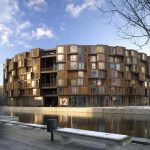
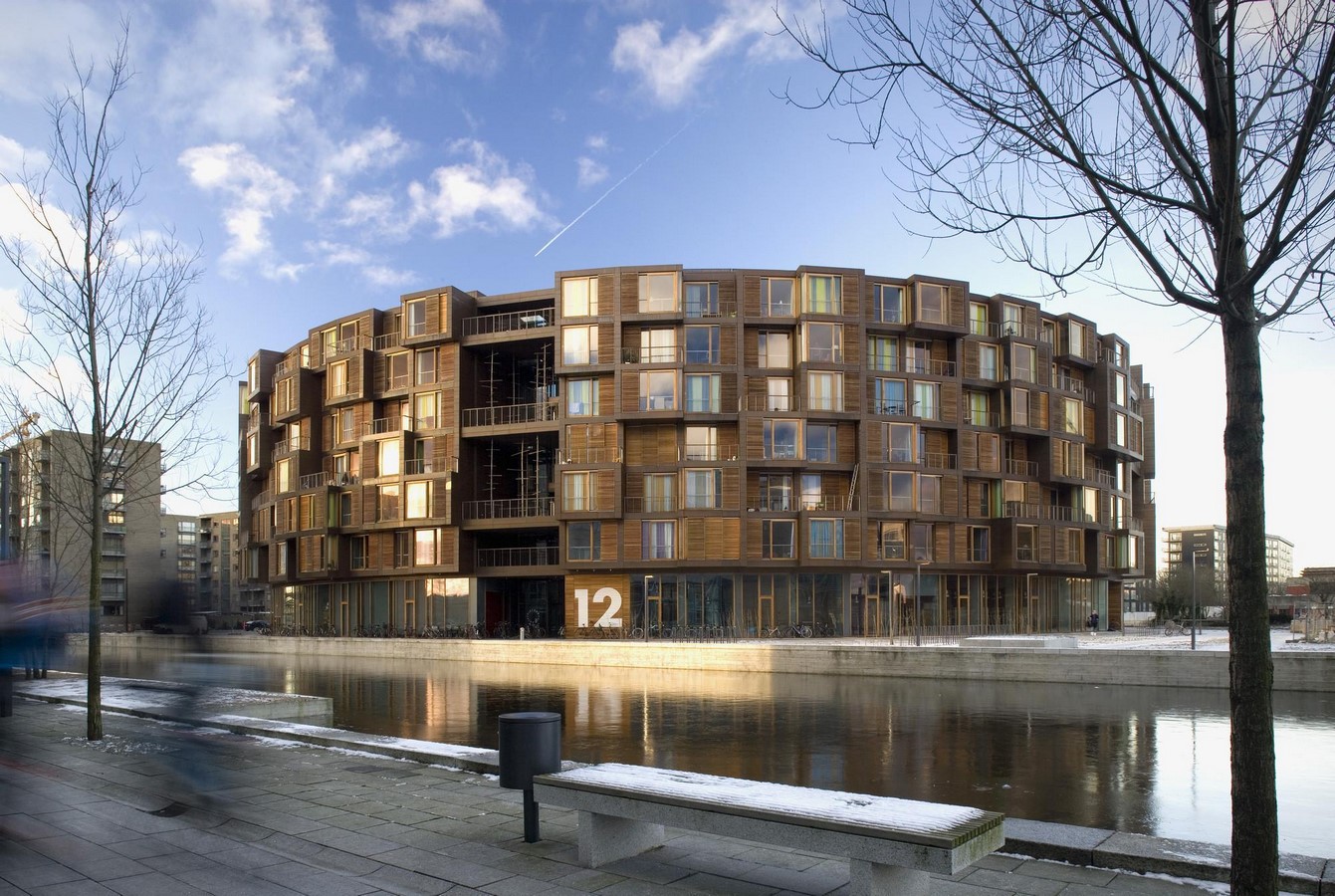
Denmark’s Tietgen Residence Hall is a wonderful illustration of this philosophy. This construction, which was effectively constructed inside a circular former water storage tank, has been transformed into a lively dorm for students. The industrial building was transformed, saving priceless resources while bringing a unique architectural monument to the cityscape (“The Bosco Verticale: all there is to know about Milan’s vertical garden”). This strategy shows how sustainable architecture has the power to revitalise dated settings while reducing its negative environmental effects.
Conclusion
In conclusion, the development of sustainable and eco-friendly architecture is a crucial aspect of building a greener future. Innovative techniques are being incorporated into designs by architects and designers all around the world to reduce the negative effects on the environment while boosting energy efficiency and human well-being. Sustainable architects are transforming the built environment to support our environmental goals by emphasising energy efficiency, using eco-friendly materials, incorporating nature, and embracing adaptive reuse. Sustainable design provides a solution to a more resilient and sustainable future for future generations as the world grapples with the urgent need to tackle climate change.
References:
“The Bosco Verticale: all there is to know about Milan’s vertical garden.” Barcelo.com, https://www.barcelo.com/guia-turismo/en/italy/milan/things-to-do/bosco-verticale/. Accessed 9 July 2023.
“The Bullitt Center by The Miller Hull Partnership.” Architizer, https://architizer.com/projects/the-bullitt-center/. Accessed 9 July 2023.
Garofalo, Federica, and Mara Budgen. “The Edge in Amsterdam. The most sustainable office building in the world.” LifeGate, 27 November 2015, https://www.lifegate.com/the-edge-amsterdam-most-sustainable-building. Accessed 9 July 2023.
“The Rise of Sustainable Architecture: Building Green for a Better Future.” Adani Realty, 27 June 2023, https://www.adanirealty.com/blogs/the-rise-of-sustainable-architecture. Accessed 9 July 2023.
“The Rise of Sustainable Architecture: Building Green for a Better Future.” Adani Realty, 27 June 2023, https://www.adanirealty.com/blogs/the-rise-of-sustainable-architecture. Accessed 9 July 2023.
Smith, Natasha. “The Future of Zero Waste Living: Sustainable Architecture.” University of Colorado Boulder, 7 February 2022, https://www.colorado.edu/ecenter/2022/02/07/future-zero-waste-living-sustainable-architecture. Accessed 9 July 2023.
“Tietgen Residence Hall by Lundgaard & Tranberg in Denmark.” DesignCurial, 20 August 2012, https://www.designcurial.com/news/tietgen-residence-hall-by-lundgaard-tranberg-in-denmark. Accessed 9 July 2023.