Architecture has long been acknowledged as a fundamental aspect of human civilisation. The architectural environment defines our daily lives and significantly impacts our experiences, from ancient temples to contemporary skyscrapers. Can architecture go beyond form and function to genuinely help humanity? This article delves into the profound relationship between spaces and human relationships, highlighting examples where architecture has positively impacted individuals and communities, fostering healing and well-being.
Creating Healing Spaces
Architecture uniquely shapes our physical surroundings in ways that can nurture and support our well-being. The design of spaces can influence our emotions, behaviours, and interactions, ultimately affecting our mental and physical health.
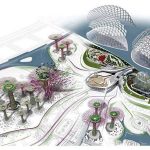
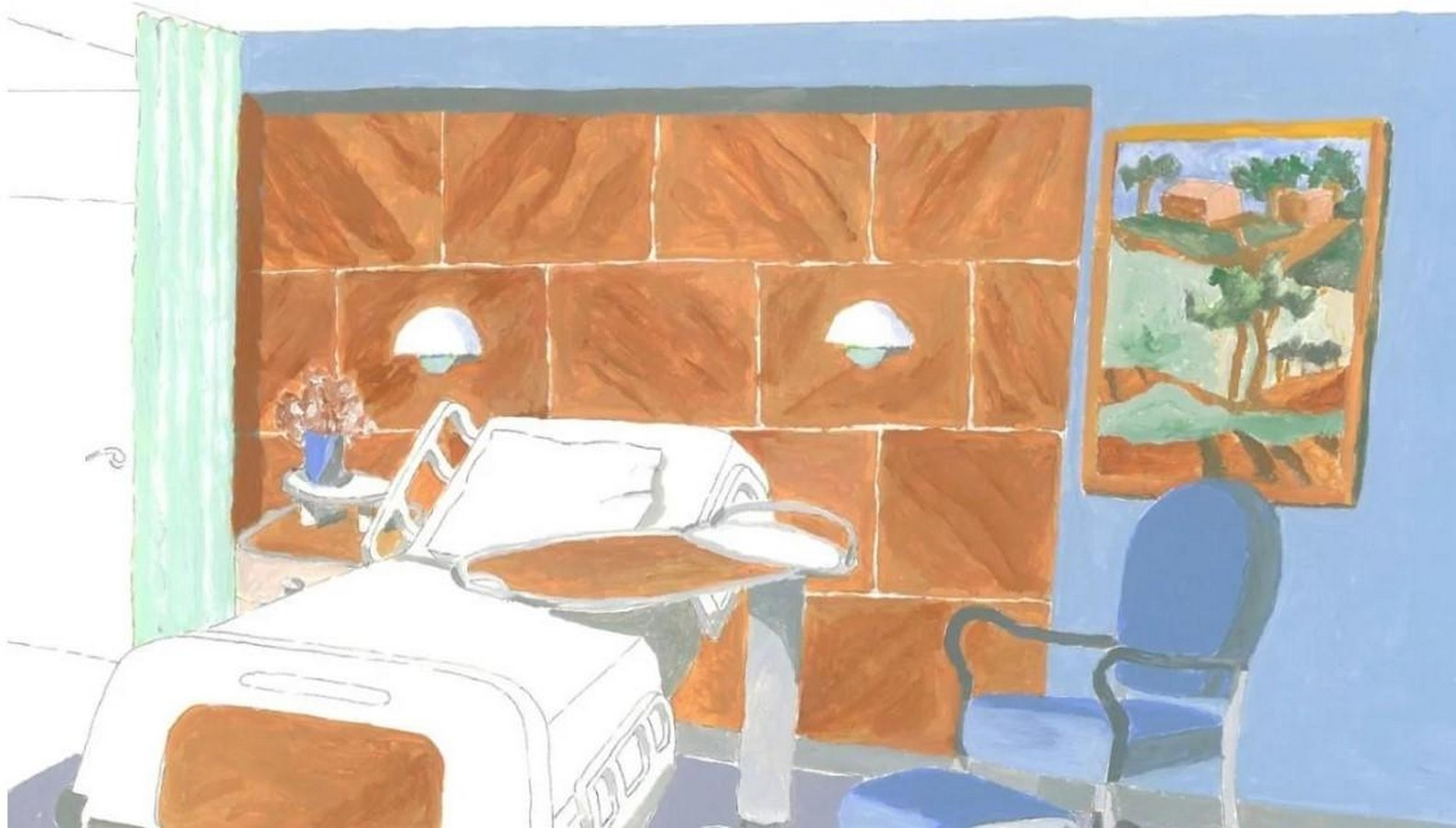
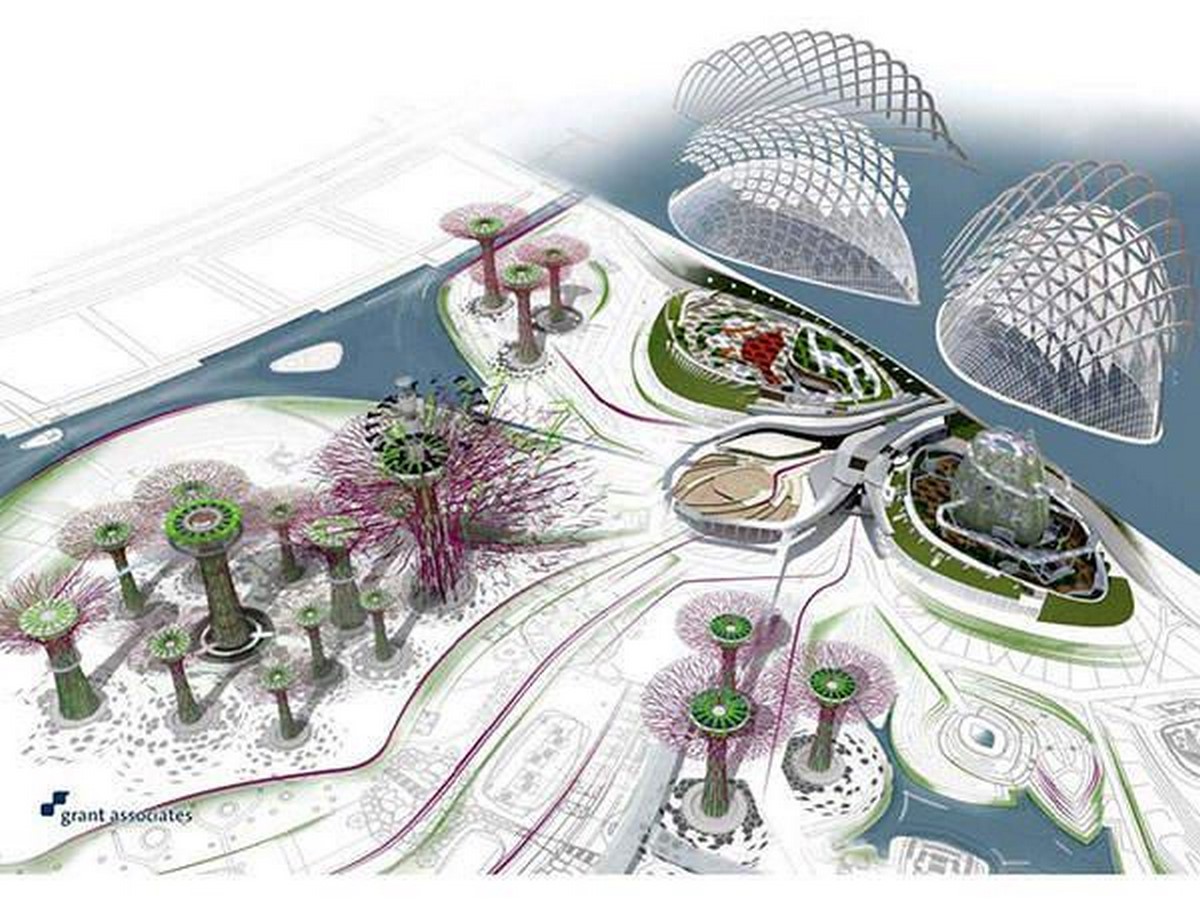
The work of renowned architect Christopher Alexander exemplifies the impact of architecture on healing spaces. Alexander’s “Pattern Language” theory advocates for creating built environments that address human needs and aspirations. Architects like Michael Graves have implemented Alexander’s principles in healthcare design, designing hospitals with natural light, green spaces, and patient-centred layouts (Dawes and Ostwald). The Portland Healing Garden in Oregon, designed by Hoichi Kurisu, is another notable example where carefully designed landscapes promote calmness, serenity, and overall well-being. Greenery has a restorative effect on our mental health, reduces stress, and promotes physical activity. The Grant Associates and Wilkinson Eyre Architects-designed “Gardens by the Bay” project in Singapore is a stunning illustration of how architecture can create healing areas by including lush gardens, walkways, and sustainable ecosystems (Frearson). This urban sanctuary offers a break from the bustle of the city and invites guests to reconnect with nature and enjoy the healing effects of natural spaces.
Fostering Social Connections
The ability of architecture to foster social connections is vividly exemplified in the works of Danish architect Jan Gehl. Gehl’s “human-scale” approach to urban design focuses on creating pedestrian-friendly spaces that encourage social interaction. His redesign of Times Square in New York City transformed the bustling junction into a pedestrian-friendly plaza, providing ample seating, green spaces, and areas for people to gather and connect (Gaete). This visionary transformation turned a congested and car-dominated area into a vibrant public space that prioritises the well-being and experiences of pedestrians. By providing opportunities for people to linger, interact, and engage with their surroundings, Gehl’s design fostered a sense of community and belonging among locals and tourists.
When thoughtfully designed, architecture can break down social barriers and facilitate inclusive interactions. This philosophy is best illustrated by the Maggie’s Centers, which several well-known architects, including Frank Gehry, Zaha Hadid, and Norman Foster, created. These facilities offer assistance and care to cancer patients and their relatives (“BBC Arts – Architecture is the best medicine: The story of Maggie’s”). The architects concentrated on designing cosy, pleasant rooms that encourage healing and well-being rather than sterile medical settings. Cosy lounges, private counselling rooms, and lovely gardens are all part of the design considerations to foster comfort and a sense of community. In addition to encouraging people to interact with others going through comparable situations, the design of these facilities facilitates physical healing as well, creating a network of support and a sense of community.
Cultural and Symbolic Significance
Architects have demonstrated how creating environments with strong cultural and symbolic meaning can promote healing. Michael Arad and Peter Walker created the 9/11 Memorial in New York City, which is an excellent example. The memorial’s design provides a contemplative space for thought, remembering, and healing following tragic events, which contains water elements and the installation of names (Neuman). This magnificent architecture pays moving tribute to the victims, their families, and the country’s resiliency. Visitors are encouraged to engage in both individual reflection and group grief in the peaceful environment created by the running water, a symbol of rebirth and life. By providing a space for people to grieve, find solace, and connect with others who share similar experiences, the memorial contributes to the healing process. It supports the emotional well-being of those affected.

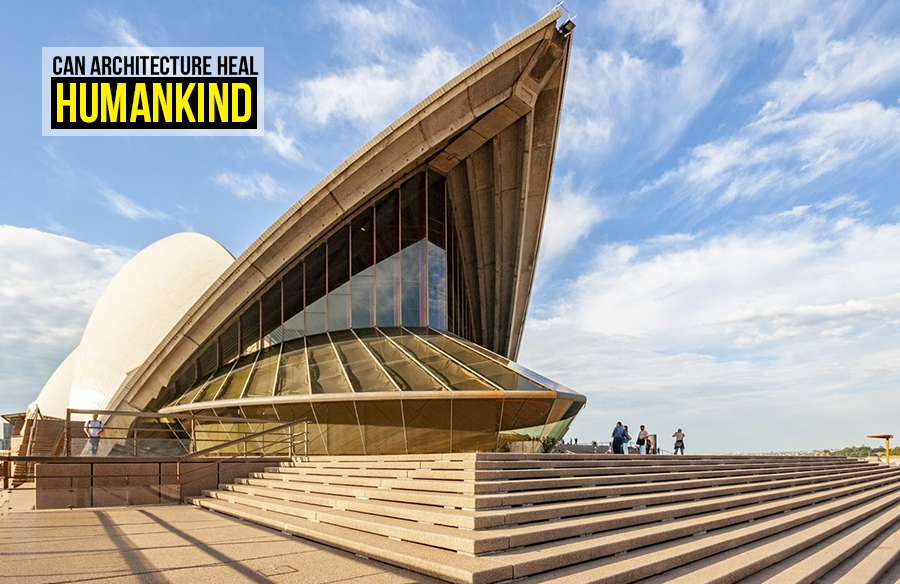
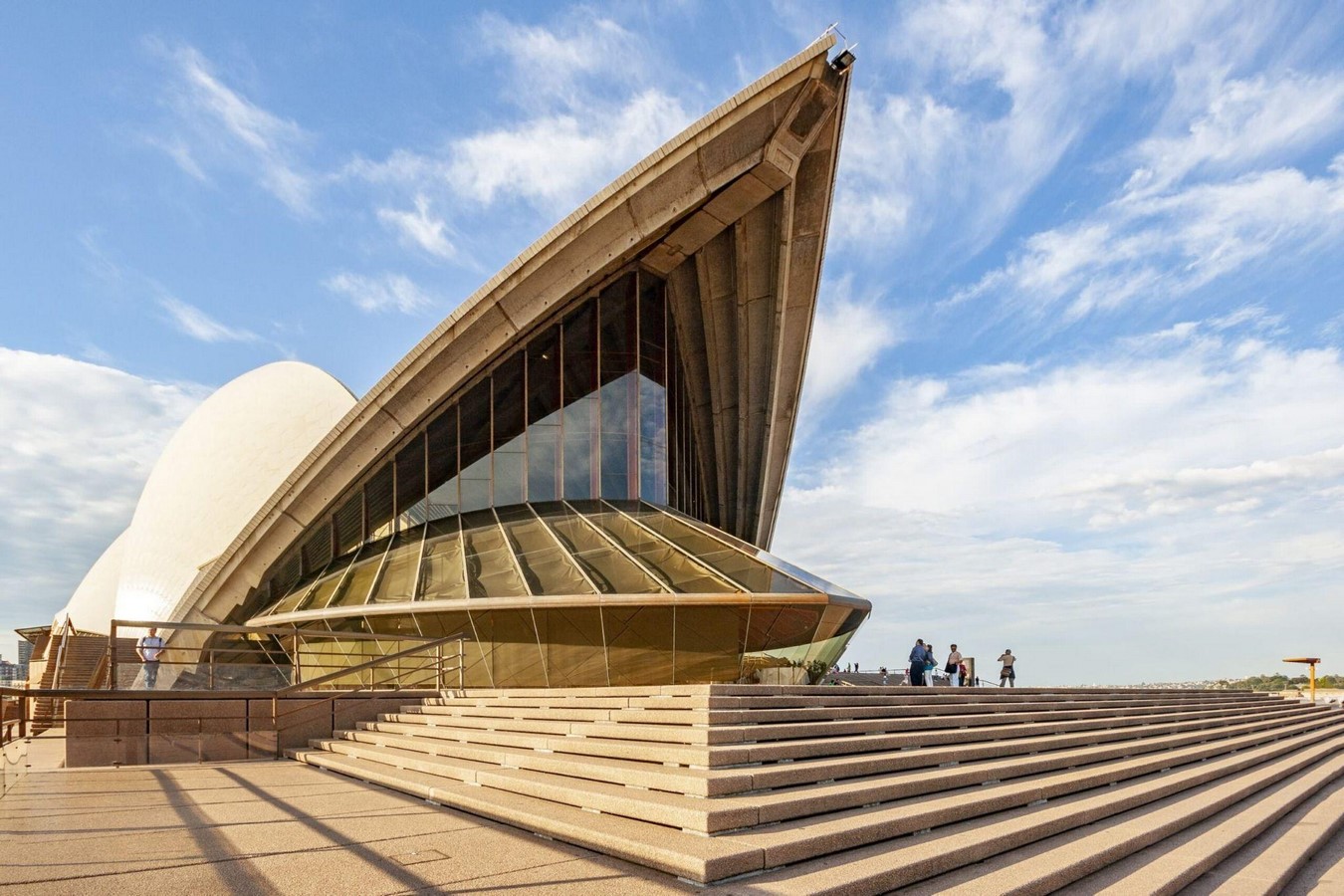
Architecture has the remarkable ability to encapsulate and express a community’s values, aspirations, and collective identity. The Sydney Opera House, designed by Jørn Utzon, is a globally recognised symbol of Australia’s cultural heritage and artistic excellence. Its distinctive sail-like forms and iconic silhouette have come to represent the city of Sydney and the nation as a whole. The Opera House serves as a space for artistic expression, hosting various performances and events celebrating diversity, creativity, and cultural exchange (“The Sydney Opera House: The Inspiration Behind the Scenes — Google Arts & Culture”). It has become a beacon of cultural healing, inspiring and uplifting individuals through the transformative power of the arts.
Conclusion
Architecture has the potential to go beyond mere functionality and aesthetics, acting as a catalyst for healing and well-being. Architecture can positively impact physical and mental health outcomes by creating healing spaces that prioritise comfort and tranquillity. Additionally, architecture is crucial in shaping human relationships, fostering social connections, and strengthening communities. Architects can promote social cohesion and combat social isolation by designing spaces that encourage interaction and a sense of belonging.
Furthermore, architecture can contribute to healing on a cultural and symbolic level by preserving and reimagining spaces of cultural and historical significance. These spaces become important sites for reflection, remembrance, and reconciliation. As we continue to shape the built environment, architects, urban planners, and designers have a unique opportunity to prioritize healing, well-being, and fostering human relationships. By recognising the profound interplay between spaces and human experiences, architecture can be integral in healing humankind and creating a more harmonious and interconnected world.
References:
“BBC Arts – Architecture is the best medicine: The story of Maggie’s.” BBC, 4 November 2016, https://www.bbc.co.uk/programmes/articles/5WShMbFYDmBP7dLNzBPxwfM/architecture-is-the-best-medicine-the-story-of-maggie-s. Accessed 18 June 2023.
Dawes, Michael J., and Michael J. Ostwald. “Christopher Alexander’s A Pattern Language: analysing, mapping and classifying the critical response – City, Territory and Architecture.” City, Territory and Architecture, 19 December 2017, https://cityterritoryarchitecture.springeropen.com/articles/10.1186/s40410-017-0073-1. Accessed 18 June 2023.
Frearson, Amy. “Gardens by the Bay by Grant Associates and Wilkinson Eyre Architects.” Dezeen, 19 June 2012, https://www.dezeen.com/2012/06/19/gardens-by-the-bay-by-grant-associates-and-wilkinson-eyre-architects/. Accessed 18 June 2023.
Gaete, Constanza Martínez. “Jan Gehl’s 5 Rules for Designing Great Cities.” ArchDaily, 16 December 2016, https://www.archdaily.com/801431/jan-gehl-5-rules-for-designing-great-cities. Accessed 18 June 2023.
Neuman, Scott. “9/11 Ceremonies Commemorate 20 Years Since The Attacks.” NPR, 11 September 2021, https://www.npr.org/2021/09/11/1035528744/911-sept-11-september-anniversary-20-year-memorials-ground-zero-pentagon. Accessed 18 June 2023.
“The Sydney Opera House: The Inspiration Behind the Scenes — Google Arts & Culture.” Google Arts & Culture, https://artsandculture.google.com/story/sgXh63bUjd6gRw. Accessed 18 June 2023.