Every architecture school paints the same story – it is five years of grueling hard work and endless deadlines, lots of coffee, and the best bonds with people. And of course, an abundance of technical knowledge. However, the technical knowledge one gains varies and is loosely based on their context and the train of thought their school follows. Different schools consider different technical skills to be sustainable.
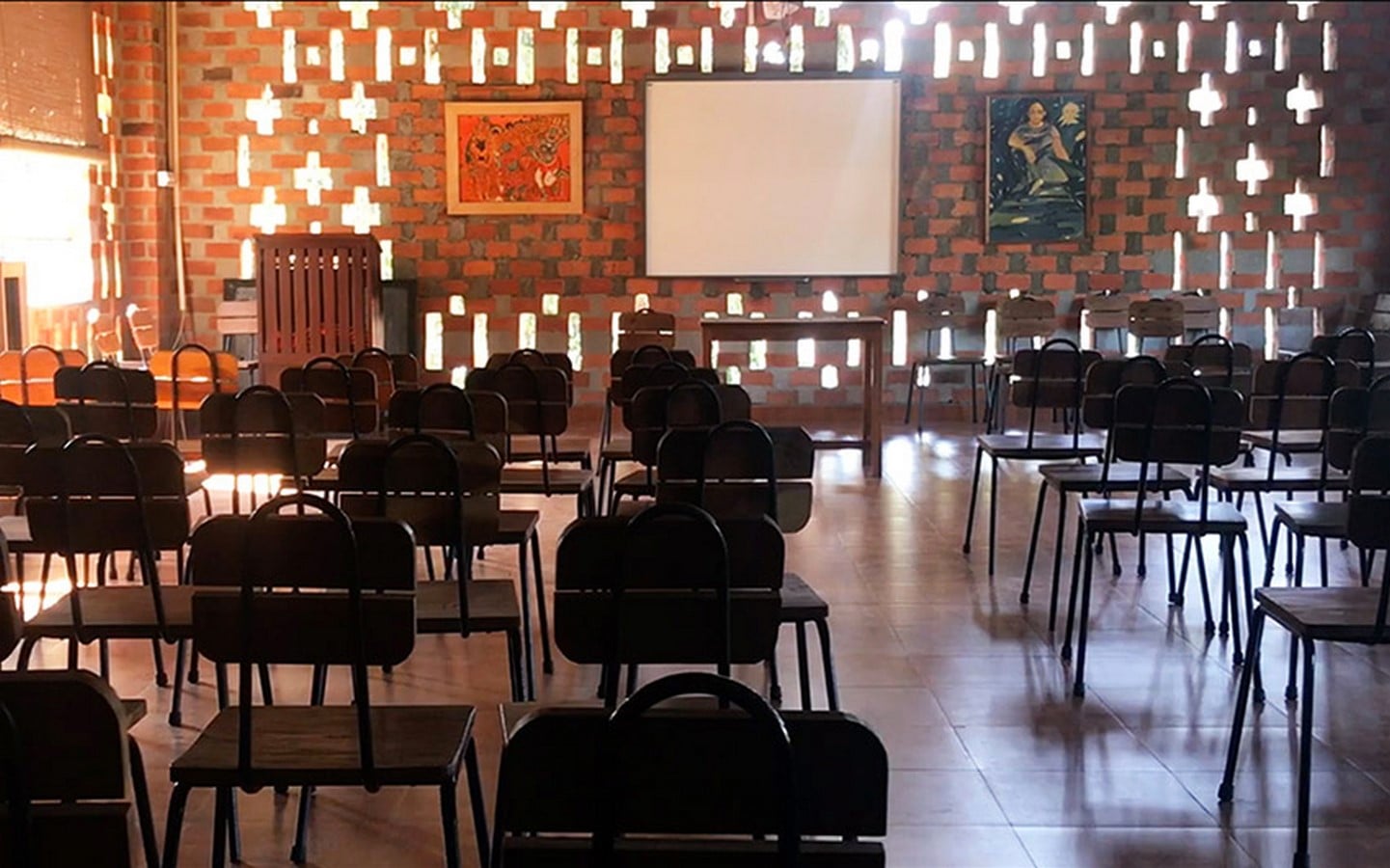
On a more relatable note, architecture school generously teaches you a variety of non-technical and life skills. Entering college, fresh-faced and optimistic eyes, the expectation is to sail through college with the artistic skills you are very proud of and your skewed knowledge of architecture – residential and “skyscrapers”. College crushes all those expectations and unifies all the students with its bare-bones approach. Nevertheless, it has its moments and teaches you valuable lessons for life. A few them are:
Don’t be too invested, you have to kill your babies:
The school will force you to work on a certain project (or babies as we’d like to call them) for months together just to get it shot down. Research, writing, and designing every day was the routine for 3-4 months of the semester. The time invested has no regard for the course. Thus, we learned to not be emotionally invested as you have to skip from ideation to work and rework and back to ideation. The design thinking will teach you that it’s a cyclic process and reworking is a definite step.
Walking the tightrope of accepting critique vs. defending:
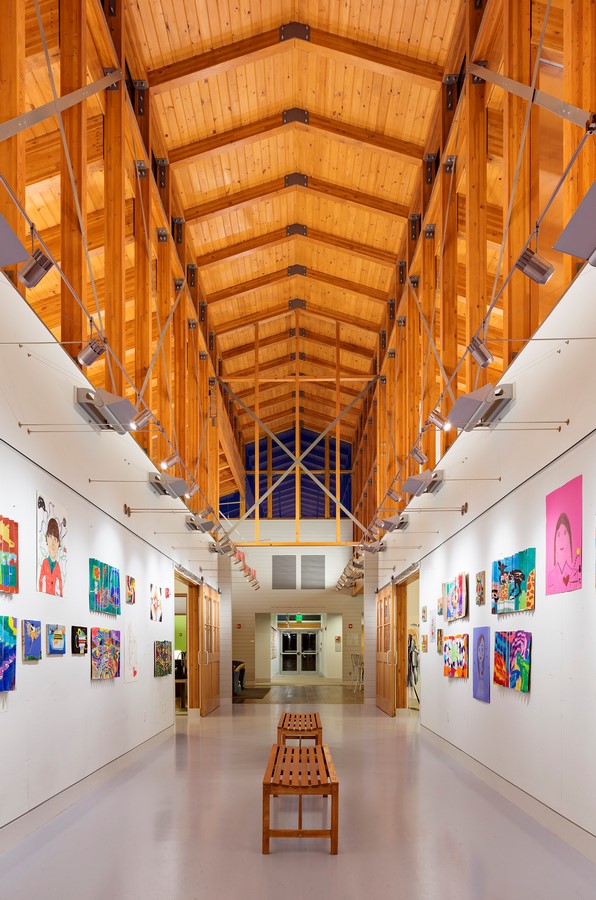
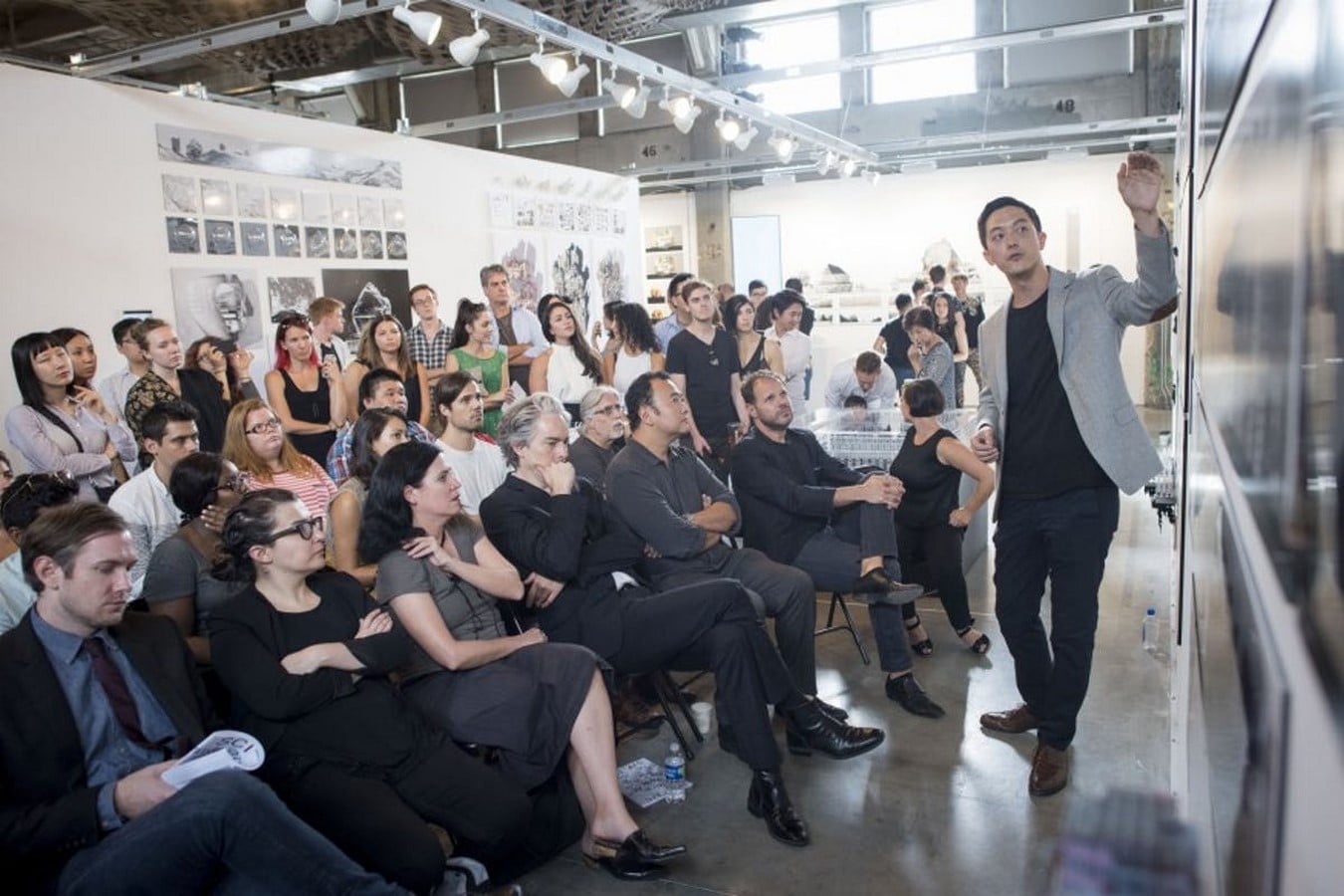
Juries are undeniably fatiguing and scary. Students wait for it with bated breath and every jury is like a snowflake, each one is unique and the experience has a lot of takeaways. Yet you start to notice that with every jury you get better. You begin the course by just accepting critique, but as semesters pass by you are bursting with confidence and are surer of yourself. However, you should never stop accepting comments. Analyze what critique is relevant to your design and future designs. This is an important life skill to help one push their design to a client/boss or knowing went to back down and rework.
The thin line between following the rules/breaking the rules:
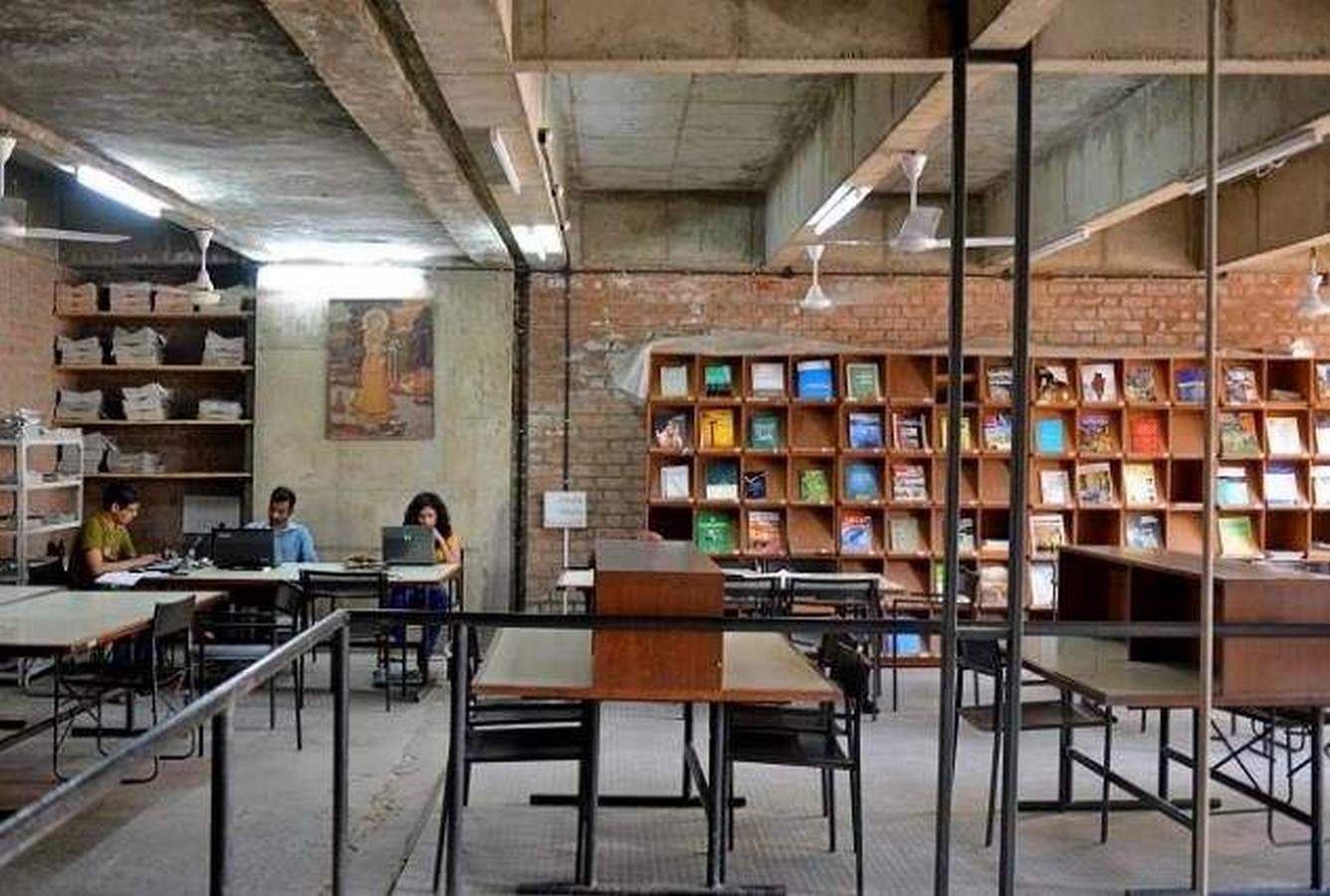
Creativity is the expertise you develop in college. Rules and guidelines help you hone this skill and improve your existing ability. But you should know when to break the rules, to create a design you truly believe in. Following the requirements and brief helps you achieve the most efficient and optimistic solution but breaking the rules helps you take it farther and produce innovation. Moreover, thinking out of the box allows you to discover your design ethic.
Ideas are only a prerequisite to experience:
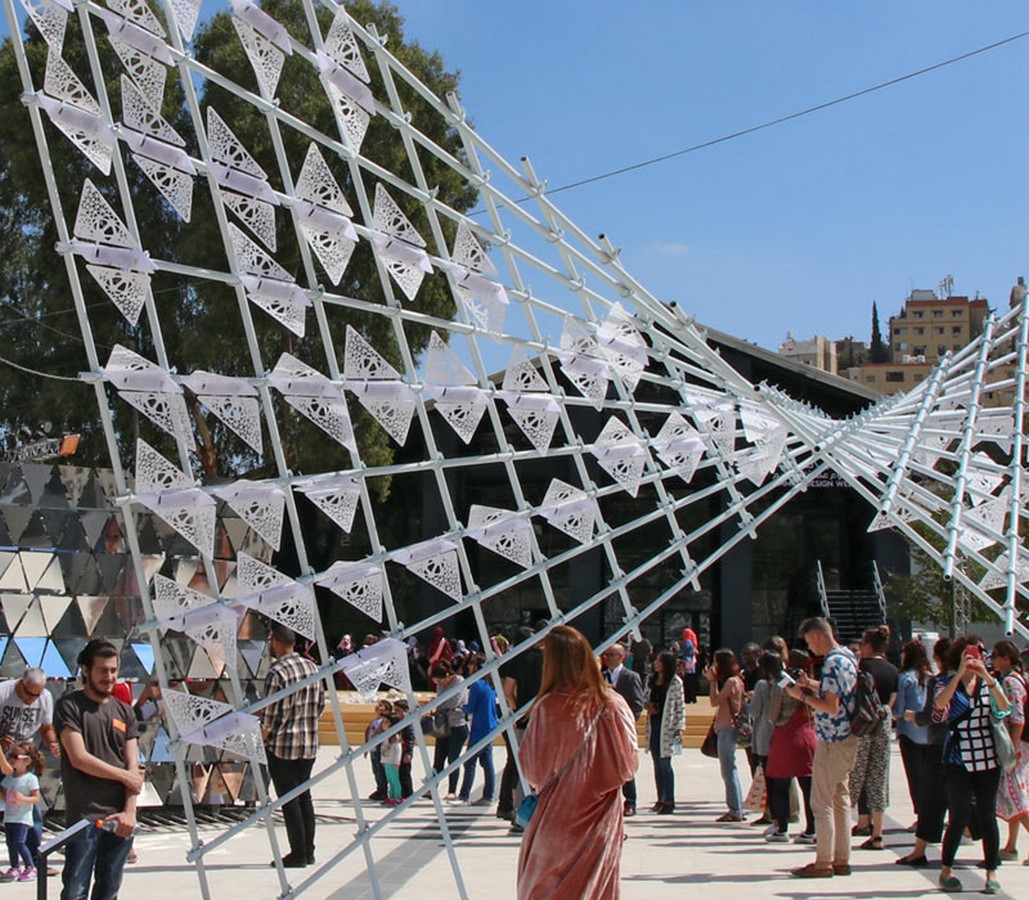
While designing buildings at the beginning of the course one is encouraged to think about Architecture as an amalgamation of new ideas, fighting the tide, and creating new facades or forms. As you go through the course, the travel and the projects that come with it, it changes the way you envision architecture. Not as a form or plan but as an experience. You are more critical and are more analytical about the buildings concerning the experience.
Existentialism is common:
Designing for a client is easy, you’re given a brief and you design for somebody else’s wants and needs. However, in school, you are forced to design for yourself. You are enforced to establish your likes and dislikes and wants and needs. It pushes you to introspect, decide, design, and then defend your choices. However, when things don’t go your way and the juror does not like it, get ready to fall into a pit of existentialism. However, you have to pick yourself up and get back to work as there’s another deadline approaching.

Making a fool of yourself:
After the existentialism stage, you’ll establish your design ethic. Architecture school constructs a whacky version of yourself and allows you to rethink the way you live life. From the way you dress, eat and even carry yourself, the school will redefine your image to align with your design outlook and it usually ends up with you steering away from the path. As if college already doesn’t make you look like a fool with the models, you’ll do it to yourself. Don’t take yourself too seriously.
Architectural skills are transferable:
Through school, you are exposed to different fields that encompass the horizon that is architecture. Video Game design, film set design, or even Journalism is something you’ll see your friends around you venturing into and it pushes you to try different things as well. Architectural technical skills like visual impact, sketching, spatial awareness are easily transferable to any career and once you make that connection you start honing it into a more comprehensive way.

Networking:
The best days of college are those which consist of seminars, workshops, and fests. These days, even though they come few and far are extremely fun and enjoyable. The span of these days helps you make memories for life that you will relive for days to come! But, more importantly, these events teach you how to talk to your peers, people on the top of their game, and others who are interested in the same things. You develop your soft skills, and aids that help in interviews, questions, and securing projects. These skills are vital as history as shown; the best architects are those who are great at selling themselves.
But most importantly, you learn to enjoy yourself in the hardest of times. You make relationships that are important and last for life. These friendships are congenial because everyone is in the same boat. So, travel with them, exchange ideas, and expand your worldwide view.