The territory of Belarus has a long and turbulent history. Although it officially became an independent country in 1991, when the Soviet Union was dissolved, the first signs of settlements in the region date back to the Stone Age, thousands of years ago. Its resilient architecture represents different times in history, and this diversity results in varied types of buildings, techniques, and styles.
The Belarus area contains examples of Gothic, Baroque, Classical, Modern, Eclectic architecture. Therefore, the timeline of the country’s architecture is rich and extensive.
Middle Ages
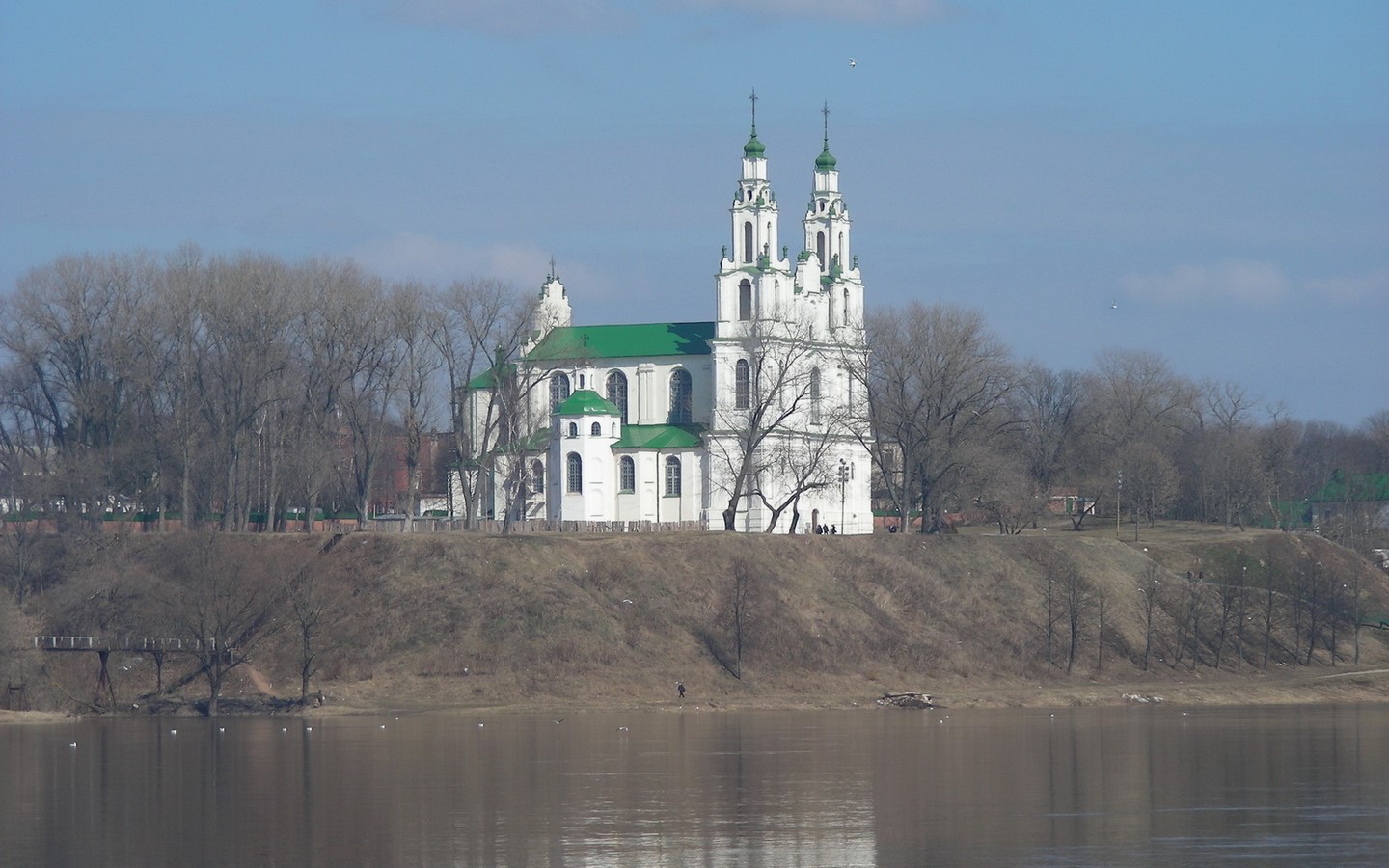
In the Middle Ages, the castles and fortified cities and towns were prevalent in Belarus. St. Sophia Cathedral in Polotsk is one of the most important buildings of this time, finished in 1066. It is on the UNESCO World Heritage List, and it is the main cathedral of a group of three. Hagia Sophia Cathedral in Constantinople, for example, was built to the same design as them.
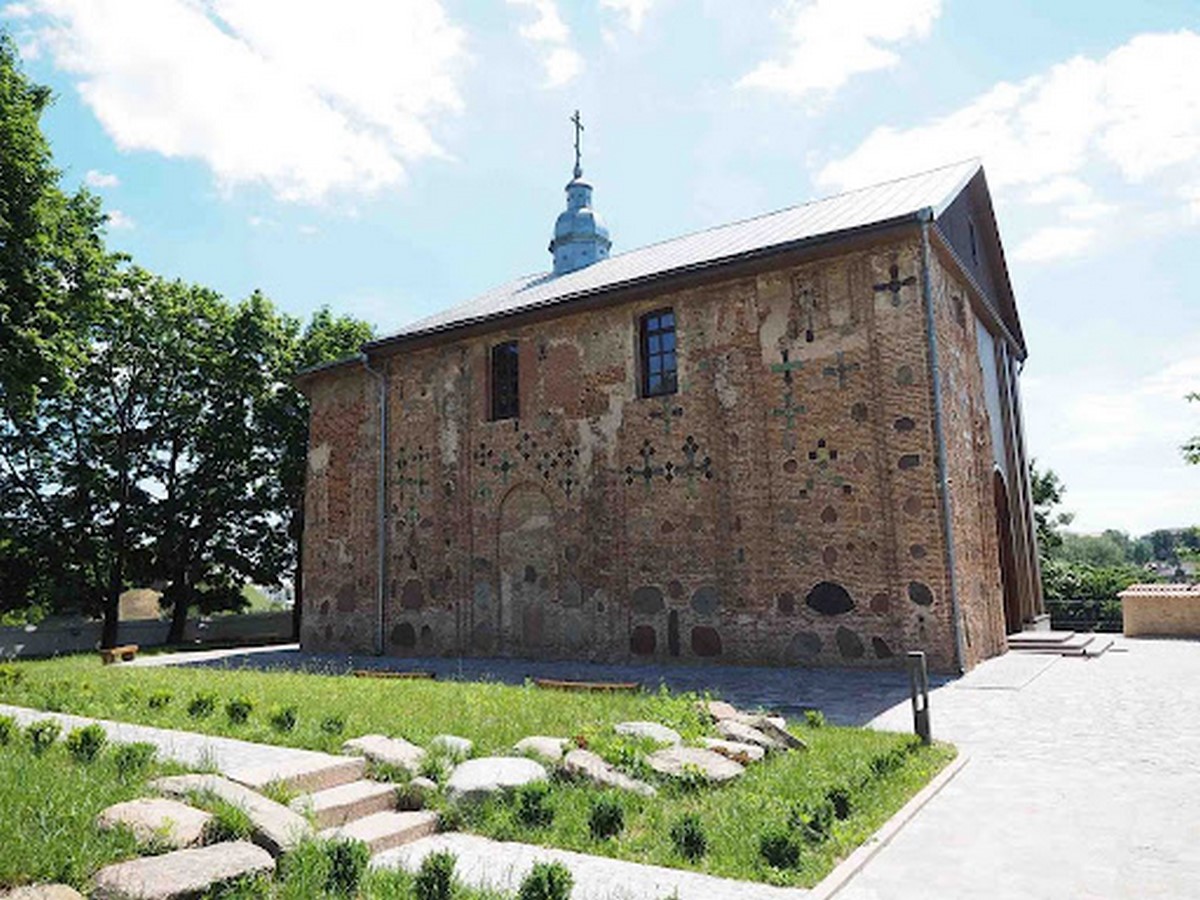
Although it was rebuilt in the mid-18th century, some elements of its original project remained almost intact, including parts of the ancient frescos. Today, the building is part of the Polotsk National Historical And Cultural Museum-Reserve. Moreover, Sts. Boris and Gleb Church in Grodno, erected in 1180, and Spaso-Evfrosinievsky Church, built in 1161, are two other important examples of old buildings that had a religious purpose.
Sts. Boris and Gleb Church is the oldest Christian church in the Grodno region, and Spaso-Evfrosinievsky was a female monastery. It is well-known that religion had a powerful presence in society in the Middle Ages, and the church was highly connected to the government. Therefore, the importance of religious architecture in this period represents how society functioned at the time.
16th – 19th Century
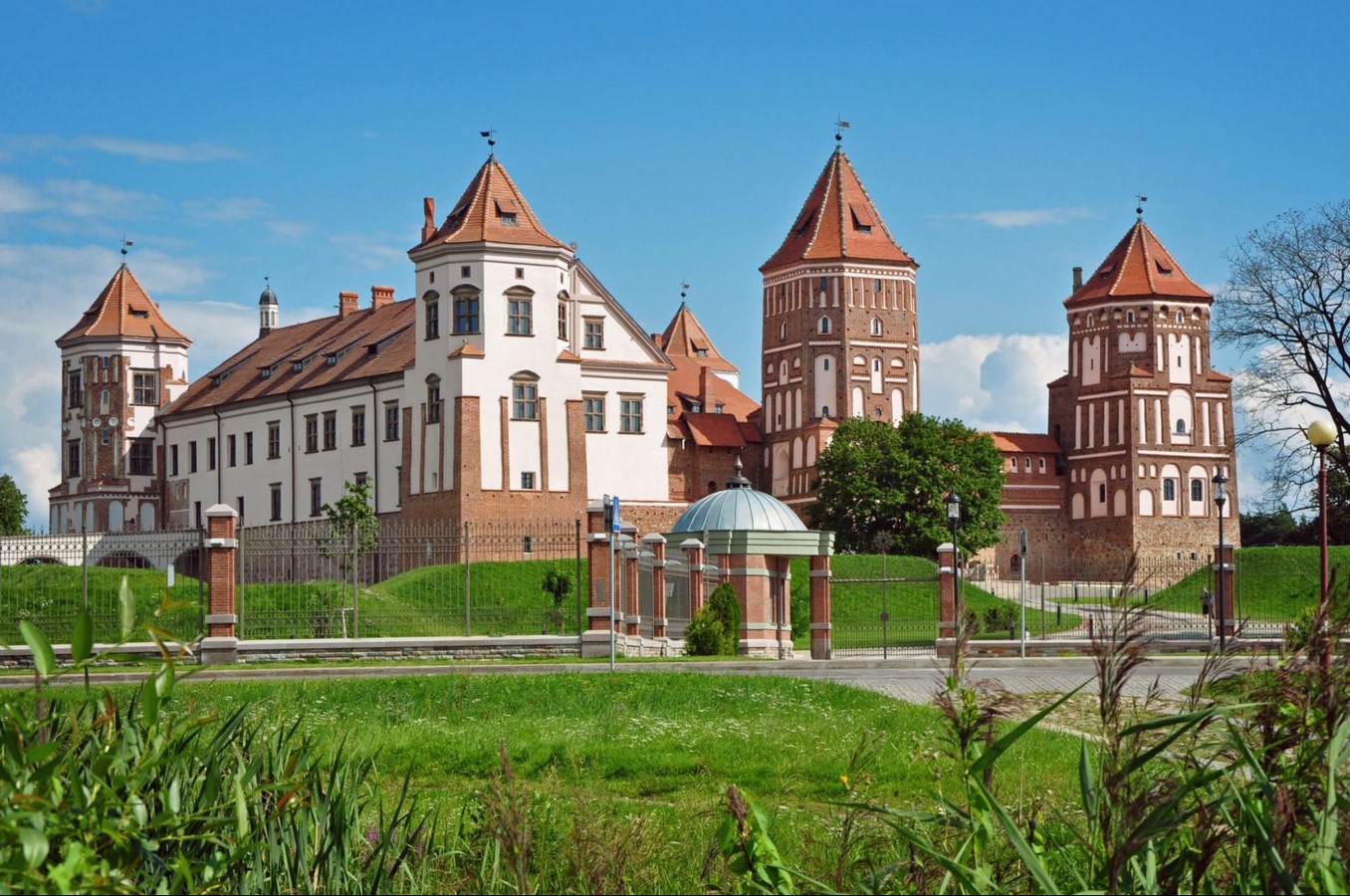
After the Middle Ages, the Renaissance emerged in Europe, which changed architecture in Belarus. One of the first constructions of this time is Mir Castle. Until today, it is one of the most famous icons of Belarus architecture. It is on the UNESCO World Heritage List as well. The castle started to be built at the end of the 15th century in Gothic style. It was extended in the Renaissance style and then reconstructed in the Baroque style.
Due to the abandonment and the destruction in the Napoleonic era, it was restored at the end of the 19th century, when many other elements were added. Unlike the buildings mentioned in the previous period, Mir Castle Complex was not built with a religious purpose, but a military one. To address this need, architectural elements were thicker and stronger than the ones used to build the churches. The castle and its survival through the years are a fine representation of Belarus’ turbulent history.
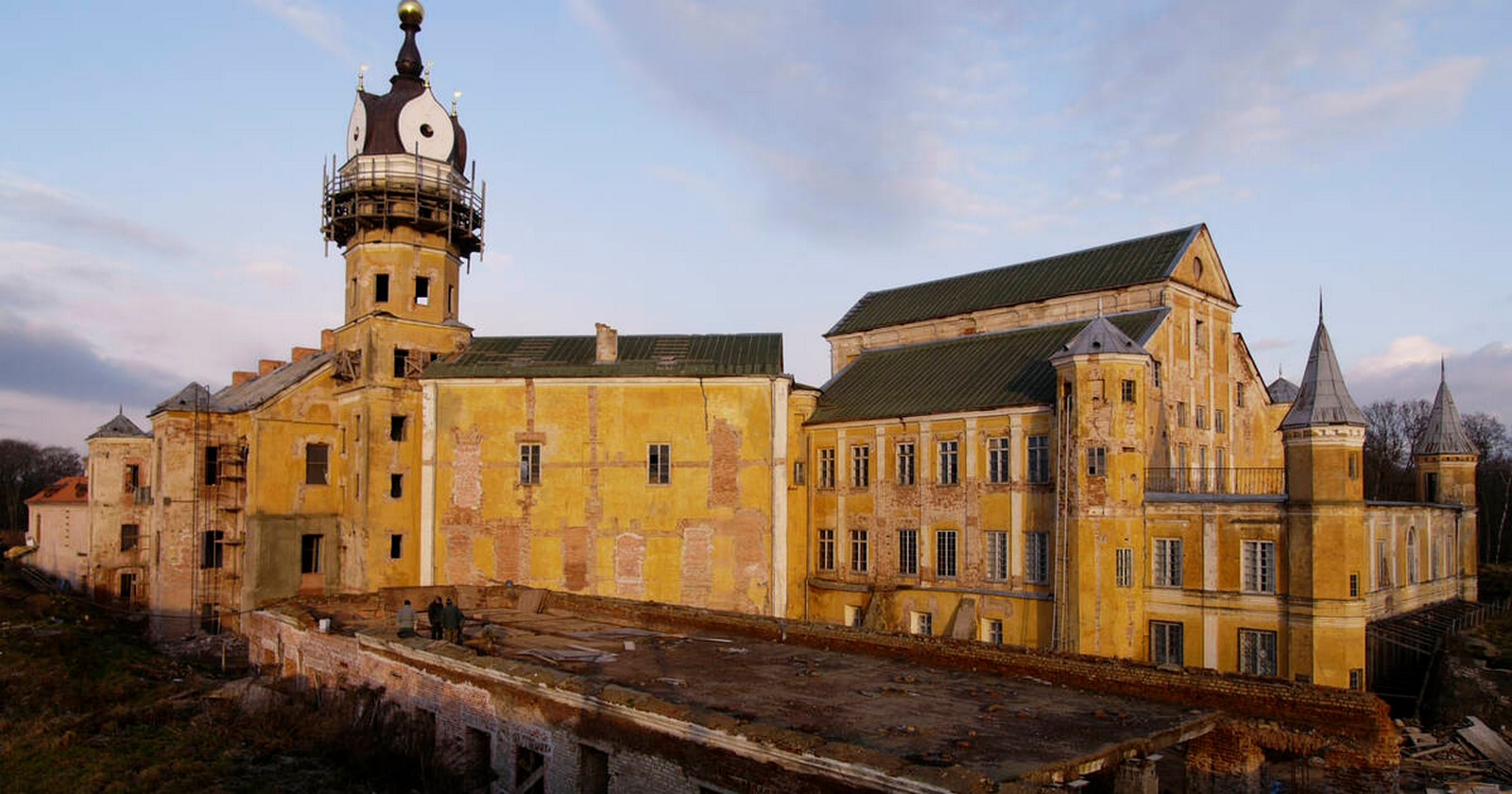
Also placed on the UNESCO World Heritage List is the Architectural, Residential and Cultural Complex of the Radziwill Family at Nesvizh, built-in 1596. It is a group of ten interconnected buildings forming the castle and the Corpus Christi mausoleum church. Due to the support of the Radziwill dynasty and the strategic location of the small town of Nesvizh, the place had a great influence on sciences, arts, crafts, and architecture. This influence also reflects one of the strongest characteristics of the Renaissance era, which is the fostering of scientific knowledge.
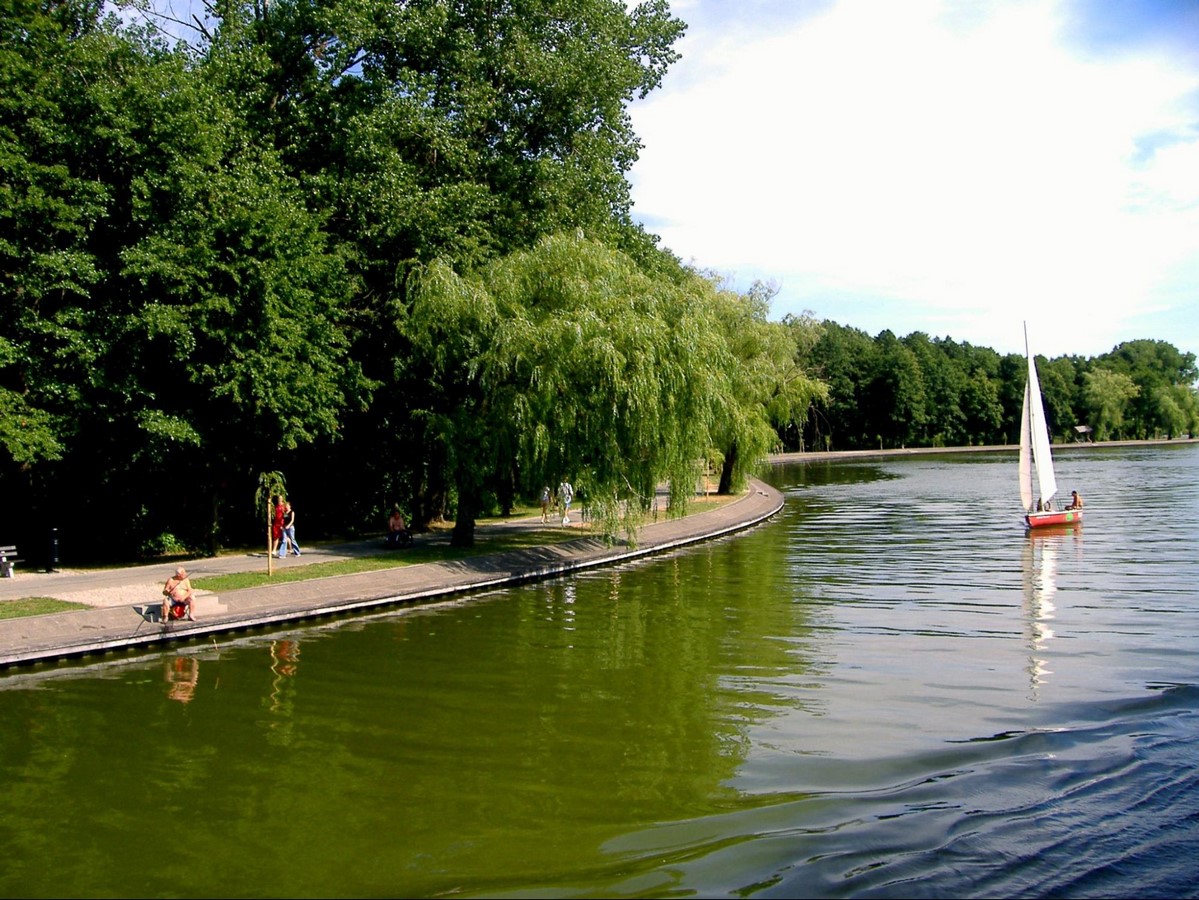
In the 19th century, another important sight was built: the Augustow Canal. As a complex system of waterways, it firmly represents European engineering achievements at the time. The waterway connects the Baltic Sea and the Black Sea, and it is located in the north-eastern part of Poland and the north-western part of Belarus. Its total length makes up 102,5 kilometres. Constructed for political and economic reasons, the canal is currently a scenic landscape attracting many visitors. Most of them use the waterways to travel on a motorboat or a kayak.
20th Century – Today
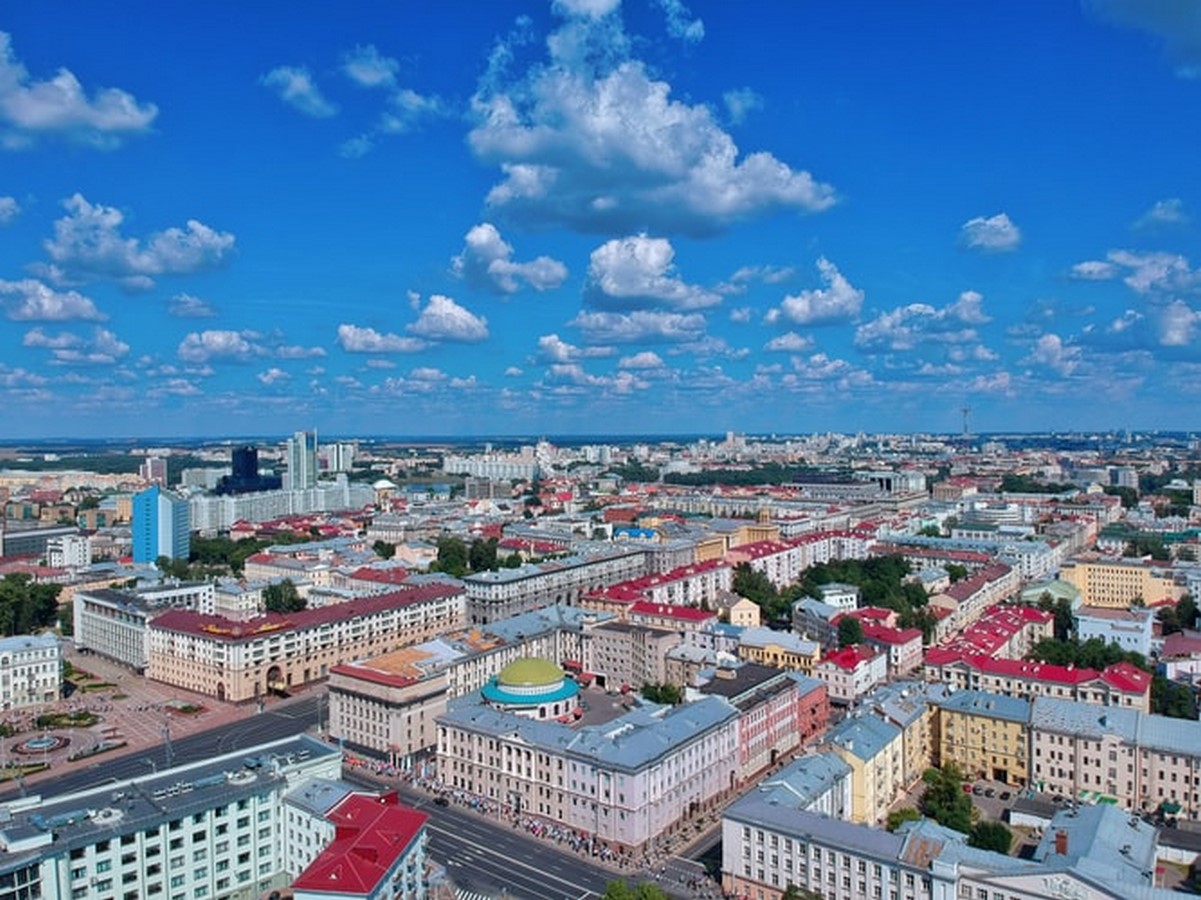
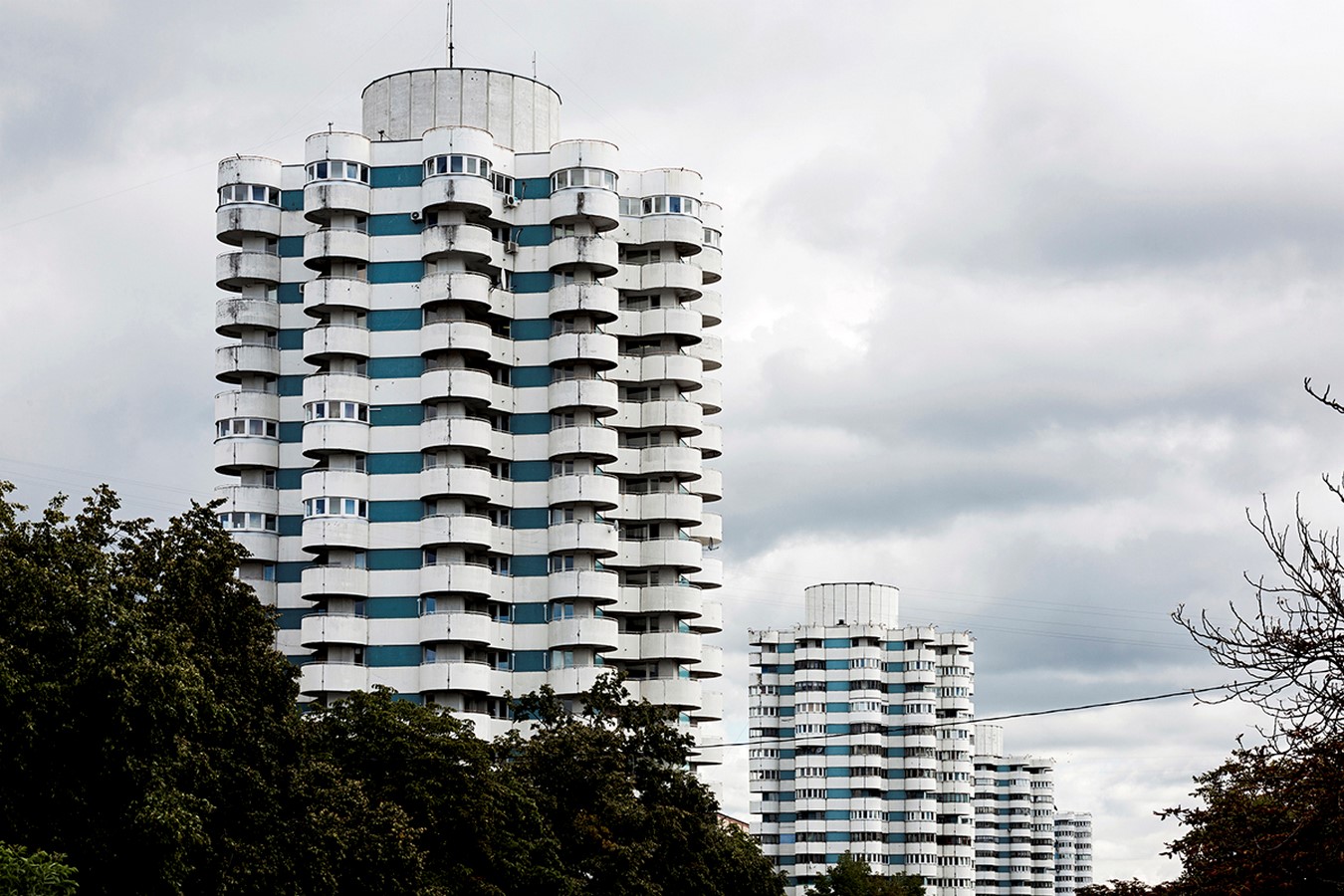
The 20th century in Belarus was marked by instability and destruction. After the two World Wars, several monuments of the traditional Belarus architecture had been destroyed. Since Minsk was chosen by the USSR as the capital of the Byelorussian Soviet Socialist Republic in 1919, the city concentrated USSR efforts of reconstruction and modernization in the territory.
After the wars, the most emergency demands were for residential buildings and public transportation infrastructure. Consequently, massive, concrete housing blocks emerged in the country, which was believed to be the most efficient way to build fast and cheap housing. This belief was guided by the concepts of modernist architecture, which had Le Corbusier as the main icon.
After becoming an independent country in 1991, Belarus has had the greatest development in its cities. The diverse examples of historic architecture influence new emerging designs. These constructions provide awareness of traditional materials, forms, and building techniques.
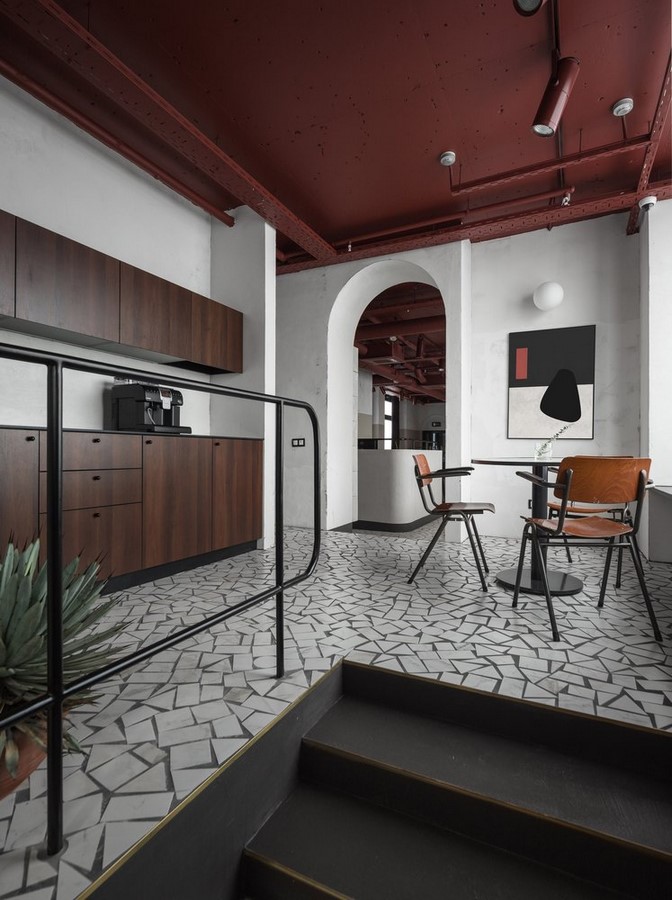
Vizor company, designed by Studio11, is one of the many interesting examples of contemporary architecture that was influenced by historical buildings. Its interior was inspired by Soviet architecture of the 70s and 80s and local modernist traditions. Studio11 calls the work: “a reinterpretation of the original local architectural and design tradition”.
References
Belarus.by. (n.d.). Architecture, Belarus | Belarus.by. [online] Available at: https://www.belarus.by/en/about-belarus/architecture. [Accessed 19 Aug. 2021].
Belarus.by. (n.d.). History, Belarus | Belarus.by. [online] Available at: https://www.belarus.by/en/about-belarus/history. [Accessed 19 Aug. 2021].
Centre, U.W.H. (n.d.). Belarus. [online] UNESCO World Heritage Centre. Available at: https://whc.unesco.org/en/statesparties/by/. [Accessed 19 Aug. 2021].
Centre, U.W.H. (n.d.). The Augustów Canal (Kanal Augustowski). [online] UNESCO World Heritage Centre. Available at: https://whc.unesco.org/en/tentativelists/2101/. [Accessed 19 Aug. 2021].
ArchDaily. (2021). Building Belarus: Office Culture, New Designs and Pop-Ups. [online] Available at: https://www.archdaily.com/936942/building-belarus-office-culture-new-designs-and-pop-ups. [Accessed 19 Aug. 2021].
ArchDaily. (2017). Vizor / STUDIO11. [online] Available at: https://www.archdaily.com/803618/vizor-studio11?ad_medium=office_landing&ad_name=article. [Accessed 19 Aug. 2021].
ArchDaily. (2017). The Fossilized Soviet Architecture of Belarus, in Photos. [online] Available at: https://www.archdaily.com/805576/the-fossilized-soviet-architecture-of-belarus-in-photos. [Accessed 19 Aug. 2021].
Belarus Facts.by. (n.d.). Contribution of Belarus to the world’s architectural treasury. [online] Available at: https://belarusfacts.by/en/belarus/culture/architecture/. [Accessed 19 Aug. 2021].
Belta.by. (2016). Top 10 historical sites in Belarus. [online] Available at: https://eng.belta.by/society/view/top-10-historical-sites-in-belarus-90594-2016. [Accessed 19 Aug. 2021].