Who was Luis Barragán? Luis Barragán (9 March 1902, Guadalajara – 22 November 1988, Mexico City) was Mexico’s master of colour, light and silence — an engineer by training and largely self-taught as an architect, who won the Pritzker Prize in 1980 as its second-ever laureate and the first Mexican honoured. His own house, Casa Luis Barragán (1948), is a UNESCO World Heritage Site, and his “emotional architecture” of saturated walls, still water and framed sky continues to shape design worldwide.
| Quick facts | Luis Barragán |
|---|---|
| Born / Died | 9 March 1902, Guadalajara, Jalisco / 22 November 1988, Mexico City (aged 86) |
| Training | Graduated as an engineer, Escuela Libre de Ingenieros, Guadalajara (1923); largely self-taught in architecture |
| Pritzker Prize | 1980 — the second laureate in the prize’s history, and the first Mexican |
| Signature works | Jardines del Pedregal (1945–53) · Casa Luis Barragán (1948) · Capuchinas chapel, Tlalpan (1954–60) · Torres de Satélite with Mathias Goeritz (1957–58) · Cuadra San Cristóbal (1966–68) · Casa Gilardi (1975–77) |
| Philosophy | “Emotional architecture” — serenity, solitude and beauty as architectural materials alongside wall, water and light |
| Legacy | Casa Barragán UNESCO-listed (2004) · archive held by the Barragan Foundation, Switzerland (since 1996) · decisive influence on Ricardo Legorreta and contemporary minimalism |
Luis Barragán (1902–1988) was a Mexican architect and 1980 Pritzker Prize laureate whose walls of saturated pink, orange, and violet made him modern architecture’s undisputed master of color and light. Trained as an engineer and self-taught in architecture, Barragán fused Mexican vernacular, Mediterranean gardens, and modernist abstraction into what he called “emotional architecture.” The 15 projects below — from his own Casa Barragán, a UNESCO World Heritage Site, to the equestrian estate of Cuadra San Cristóbal — explain why his serene courtyards still saturate design culture today.
Luis Barragan’s Famous Works at a Glance
| Project | Location | Year |
|---|---|---|
| Casa Barragán | Mexico City | 1948 |
| Torres de Satelite | Naucalpan, Mexico | 1957 |
| Casa Gilardi | Mexico City | 1976 |
| Casa Cristo | Guadalajara | 1929 |
| Cuadra San Cristóbal | Mexico City | 1968 |
| Chapel of the Capuchinas | Tlalpan, Mexico City | 1960 |
| Casa Iteso Clavigero | Guadalajara | 1929 |
| Gálvez House | Mexico City | 1955 |
| Casa Prieto López | Mexico City | 1950 |
| Jardines del Pedregal | Mexico City | 1945–1953 |
| Tetetlán | Mexico City | 1948 |
| Jardines del Bosque | Guadalajara | 1955 |
| Cuernavaca Racquet Club | Cuernavaca | — |
| Parque Revolución | Guadalajara | 1935 |
| Travesia Cuatro | Guadalajara | — |
Leading the line of architects from Mexico, Luis Barragan is a Pritzker prize-winning architect with a unique outlook on the design of buildings and the spaces in between them. Keeping in track with modern contemporary principles, Luis Barragan imagined spaces and designs full of emotions, letting out roars and voices rather than the functional aspects considered back then. Publishers and fellow architects often mistook this approach as a minimalist follower, while the usage of striking colours and immersion of light and landscape in his works contradicted the critic. His philosophies and projects are often backed up with complete research of culture, traditions, and local materials in their rough and raw form. Most of his works are within Mexico, and a few of his well-acclaimed works express the concepts regarding the critical regionalism of this sovereign mastermind in architecture.
1. Casa Barragan by Luis Barragan
In the working-class neighbourhood of Tacubaya, this building, which holds the architects’ residency and design studios, played a vital role in the conservation of the surrounding culture. It also pivoted the direction of development in the area. Its extreme use of raw materials to inhibit the colours of Mexican architecture, like yellow and pink, makes this a global yet local prodigy. Now declared as a UNESCO heritage site, the décor and detailing of the interiors, along with the play of light and shadow, create a magical aura.


2. Torres de Satelite
Marking the sparkling future of a new district, Ciudad Satelite, this sculptural marvel was designed in collaboration with painter Jesus Rayes Ferreira and sculptor Mathias Goeritz. Five isosceles pyramids in a central avenue painted in the three prime colours of red, blue, and yellow are accompanied by two neutral white icons. The cranky texture on the concrete created by the wooden frames during construction makes it a blend of art and architecture.


3. Casa Gilardi by Luis Barragan
This house, being the last of Barragan’s career, was designed just like his house, enhancing the facades and adding natural elements like light and water. The dark bold Mexican hues bring out the cultural respect the architect had for his works. This displays everything that Baraggan liked: brick, stucco, and Onix glass shades. Built around an existing tree and heavily influenced by painters, this might be the most colourful of all his works, with blue, pink, yellow, blue and whatnot!


4. Casa Cristo
This house designed for the mayor was a combination of the Mexican and Spanish architectural styles with bold raw details and parabolic arches. Currently functioning as the official quarters of the Colegio de Arquitectos of Jalisco, it has preserved crafts of local workers and excerpts from Moorish influence in the tiles and pillars.


5. Cuadra san Cristobal
Another spectacular work by Luis Barragan is the Cuadra san Cristobal. The spaces of this project are all about regional symbolism through emotions, geometric abstracts, and calculative movements. With a residence quarter of Egerstrom, the stables Cuadra san Cristobal and the fountain, this property is one of his notable works, with everything falling in harmony. The measure of the pond depth concerning the digestion canal of a horse brings out the detail which the architect explores to come out with such marvels in the field. The massive horizontal walls with smaller openings and the clever use of yellow and pink make it a pleasure to walk through.


6. Chapel of the Capuchinas by Luis Barragán
Everything from calmness to serenity to charm to solace to spirituality is all found in this chapel designed by Luis Barragan. Putting his soul into the work, the yellow prayer hall wall across the black stone-walled pond surrounded by a white massive wall, altogether made the whole premise very similar to a part of the heavens mentioned in the bible. Be it the huge cross inscribed into the wall, the perpendicularly placed floating bench or the light peeping through the small windows, the tiniest of the details is what makes this place unique.


7. Casa Iteso Clavigero
One among the many houses in the district of Guadalajara, the house is now converted into a cultural centre of a notable university. Built during the start of Luis Barragan’s career, the Mexican regionalist features mixed with a little of the Arabian details are quite visible in the building. The yellow hue, wide arches, and raw tectonic material display give it the local yet exquisite touch. The gardens and courts are as beautiful as the residence, a perfect example of how the architect blended nature into the creations.


8. Gálvez House
This project by Luis Barragan slips a little beyond modernism, bringing in clean finishes with Mexican hues, a new experiment undertaken by the architect. He considered creating poetic conversations between spaces, the adjoining streets, and the elements that surround them. Though the concept sounded vague, the result was an incredible piece of art, adding another feather to his cap. The stucco walls were painted with pink, yellow, and white colours, along with glass openings and wooden or gravel flooring, which made up the material palette of the product.


9. Casa Prieto Lopez
Painted vividly in a pastel colour palette, with small doors and windows in ratio to the walls, and ceasing the outrage into peace, this house spreads an exquisite aura. Built on the volcanic rock expansion of Pedregal, he considered home to be much more than a sacred place and very much less than a museum. The restoration of the same with Cervantes has regained the essence that the architects meant to convey in the actual sense.


10. Los Jardines del Pedregal by Luis Barragan
Los Jardines del Pedregal is another eccentric design by Luis Barragan. With curved streets flowered by jacaranda and bougainvillaea trees and explicit sloping contours over the cranks of the volcanic rock, this design of a residential neighbourhood erases the line between the built and unbuilt. With the high walled fences and facades, the casas and mansions are masked to show what’s needed and what’s not. The plaza with interesting sculptures and the modern gardens across the streets made the settlement a model to the rest of the nation.


11. Tetetlán | Luis Barragan
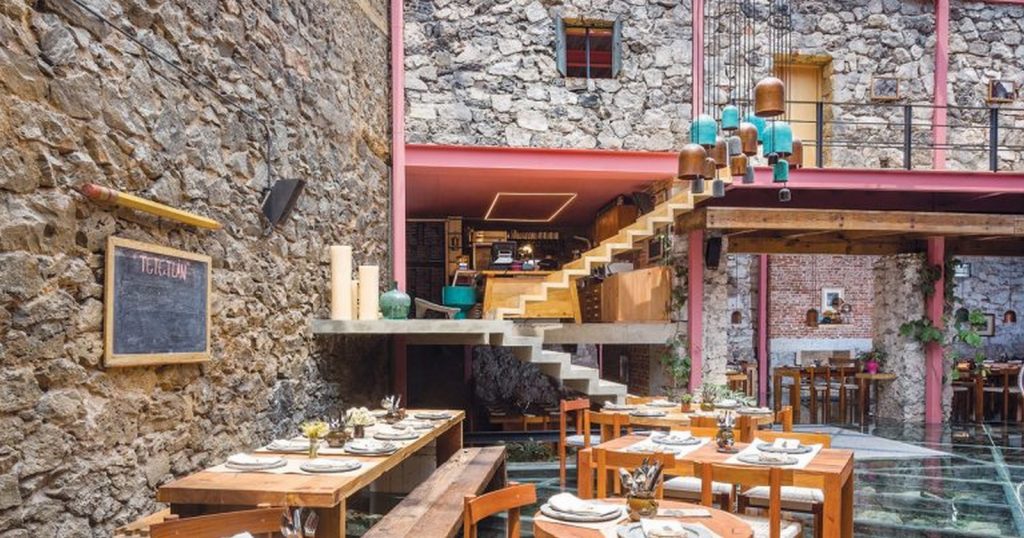
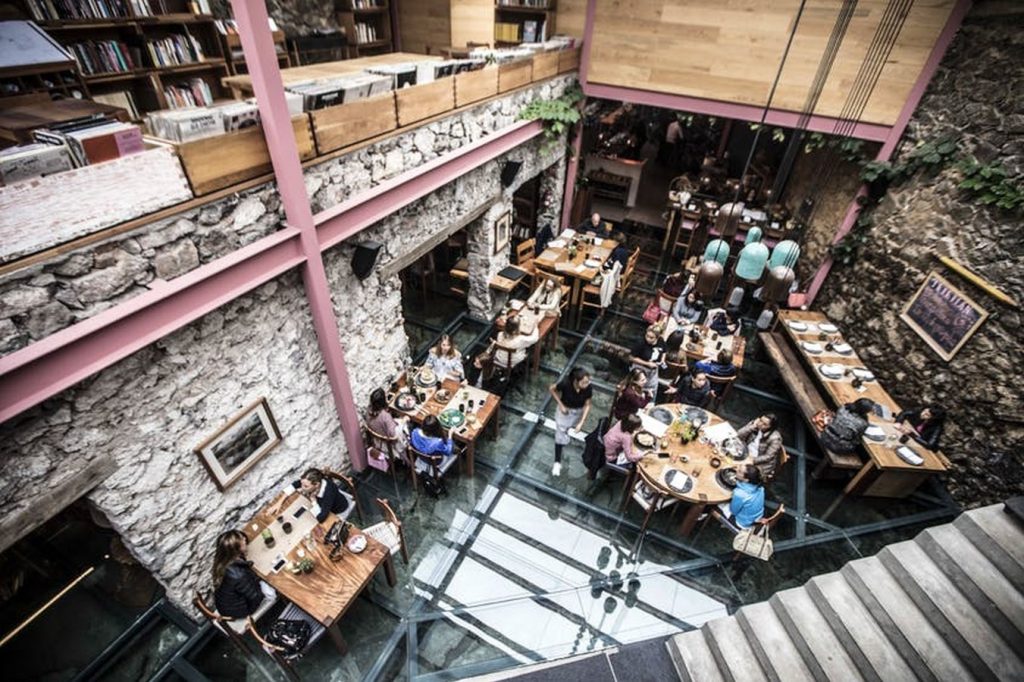
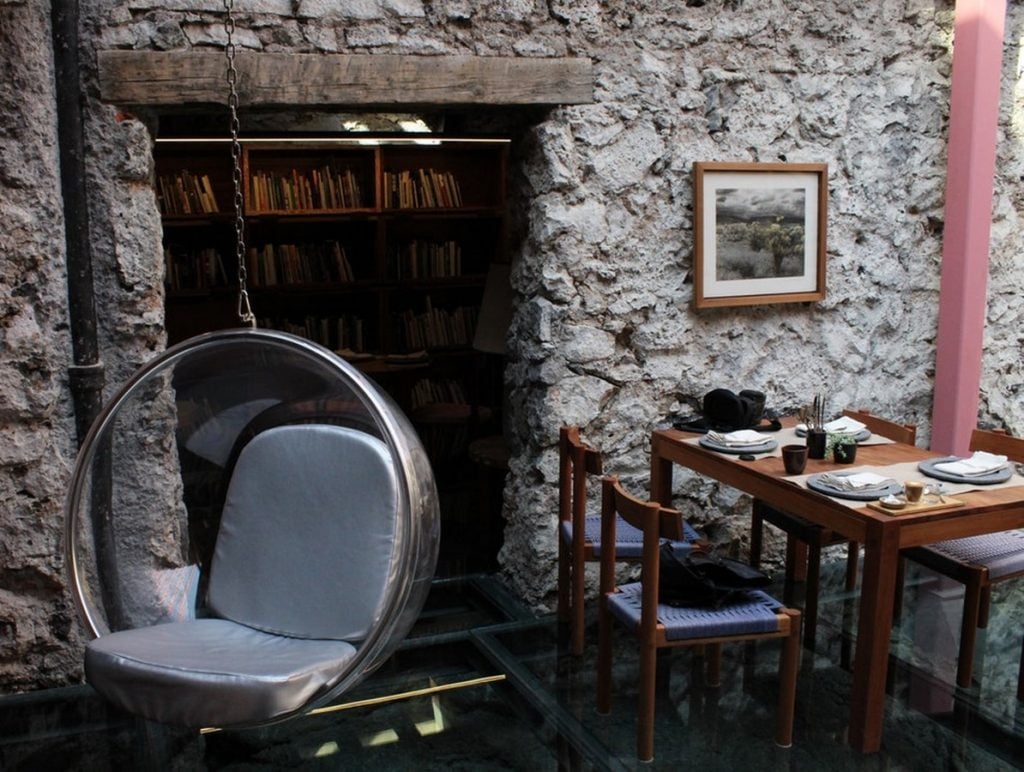
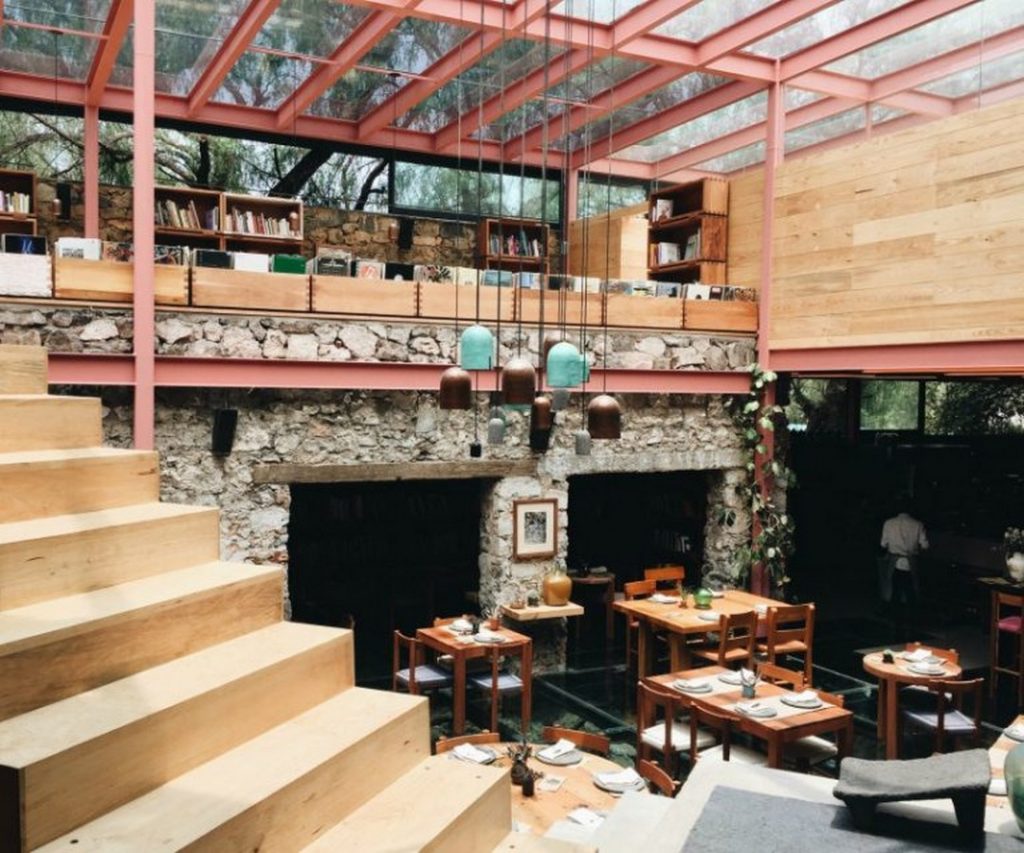
This stable-converted restaurant in the pedregal neighbourhood initiated with Cervantes is the perfect example of local materials used in its raw form. The glass floor shows the pipes and concrete tubes beneath, while the cantilevered staircase represents the modernistic apprehend of the project. The yoga and hotel spaces on the first floor add a spice of relaxation and guest friendliness to the structure.

12. Jardines del Bosque | Luis Barragán
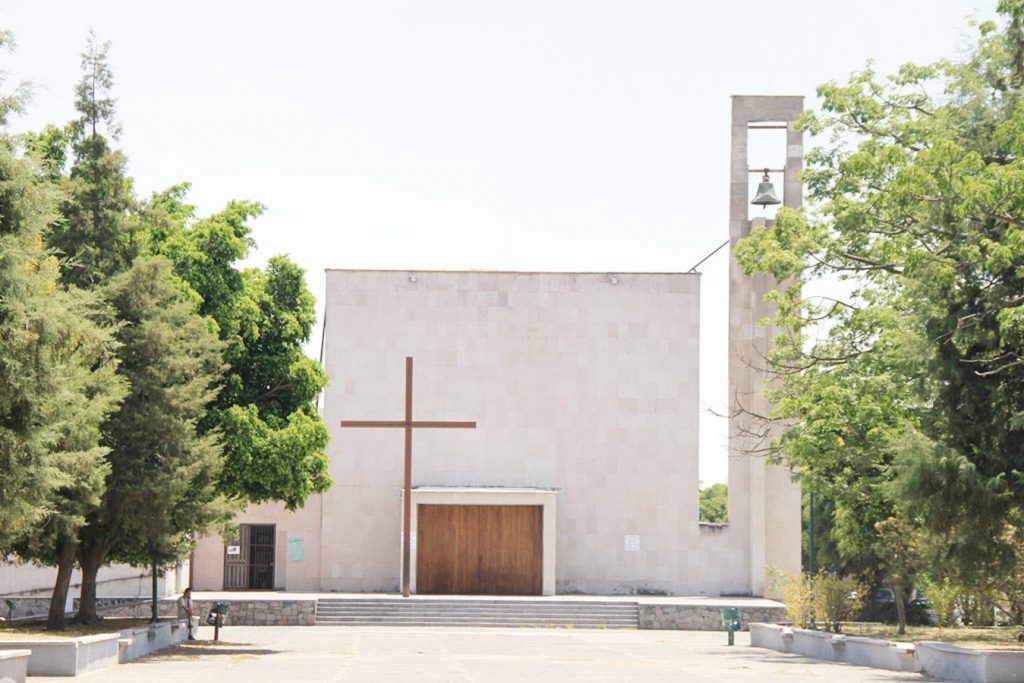
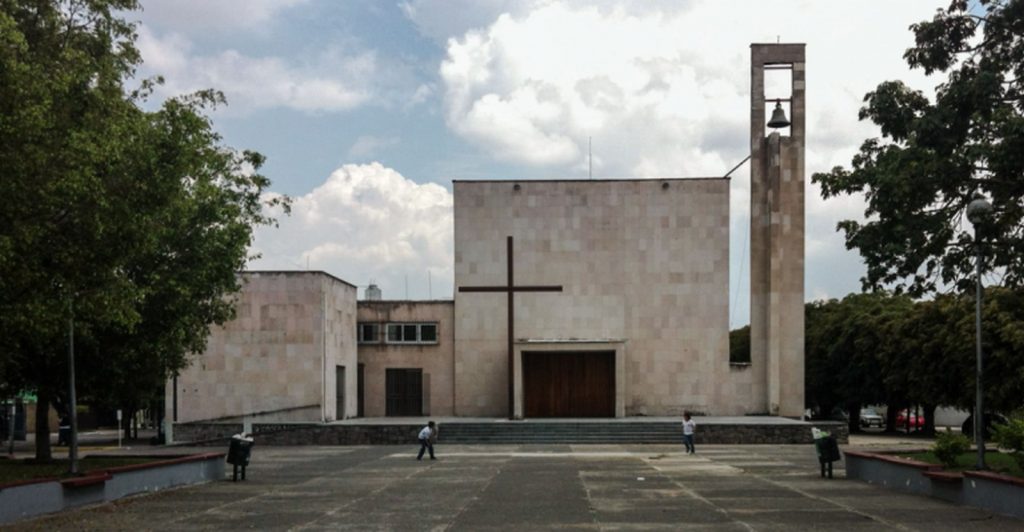
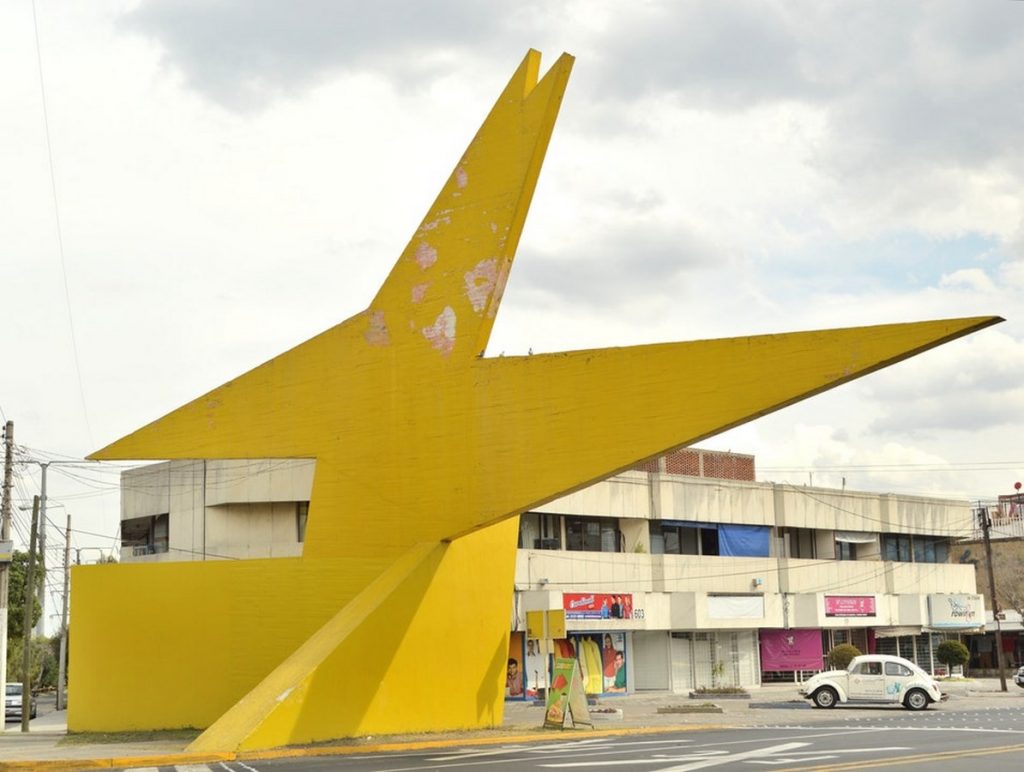
This has been the dream interpretation of Luis’ native place, with rainbow colours flourishing all over. Though the whole design didn’t come over like his visualization, the neighbourhood is another milestone in his career. With the help of sculptor Mathias Georitz, he supervised a monumental sculpture at the intersection point of the urban space. The Templo el Calvario is just one of the brilliant onsite works of the master architect.
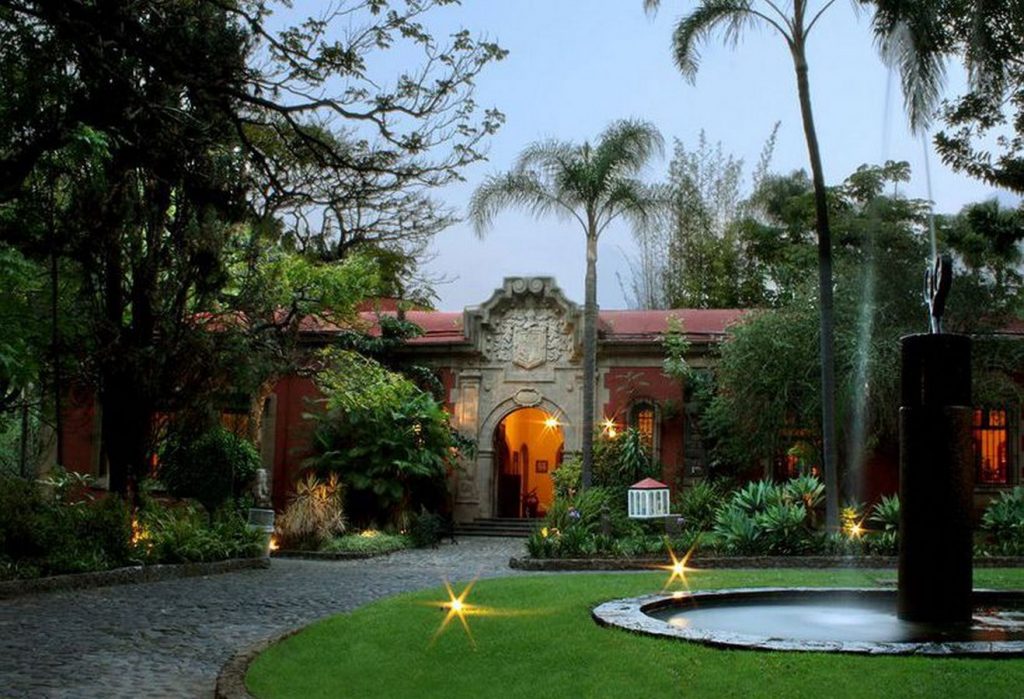
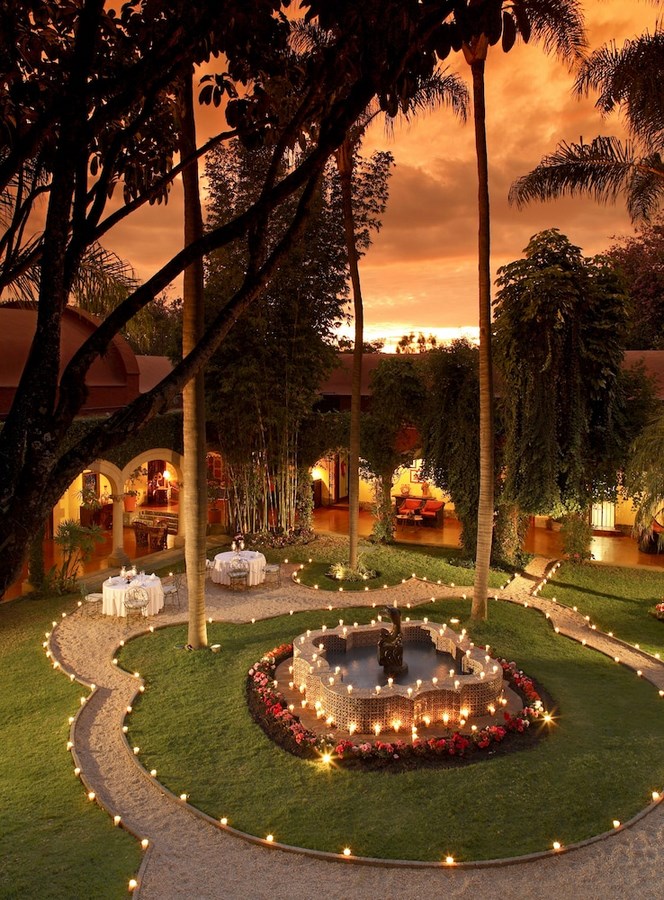
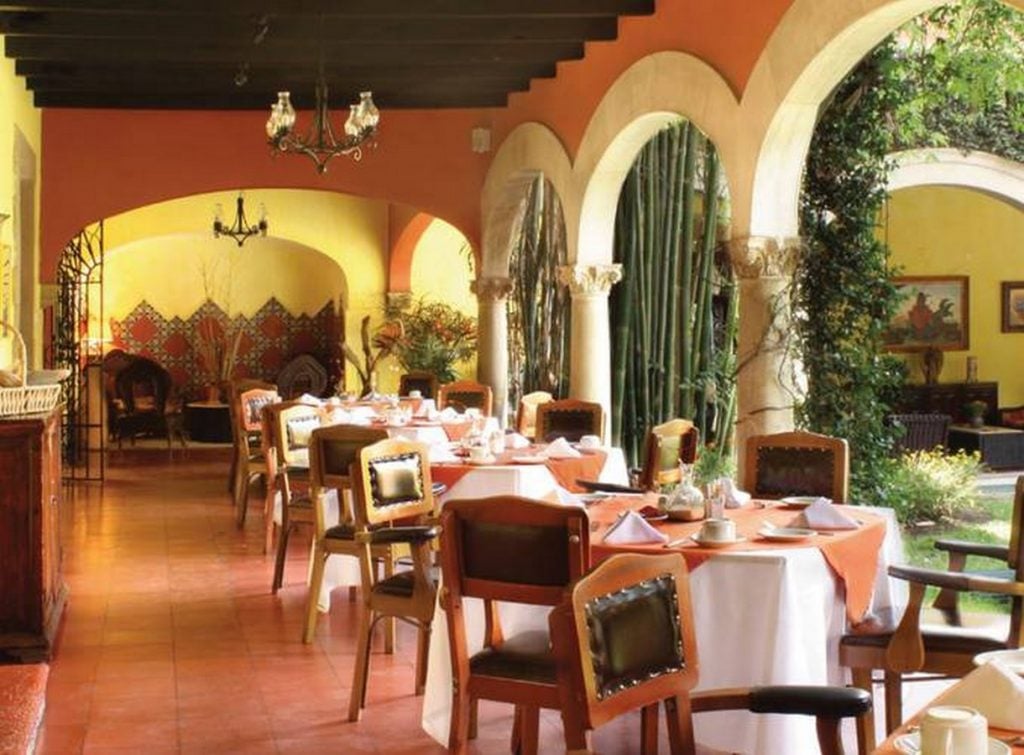
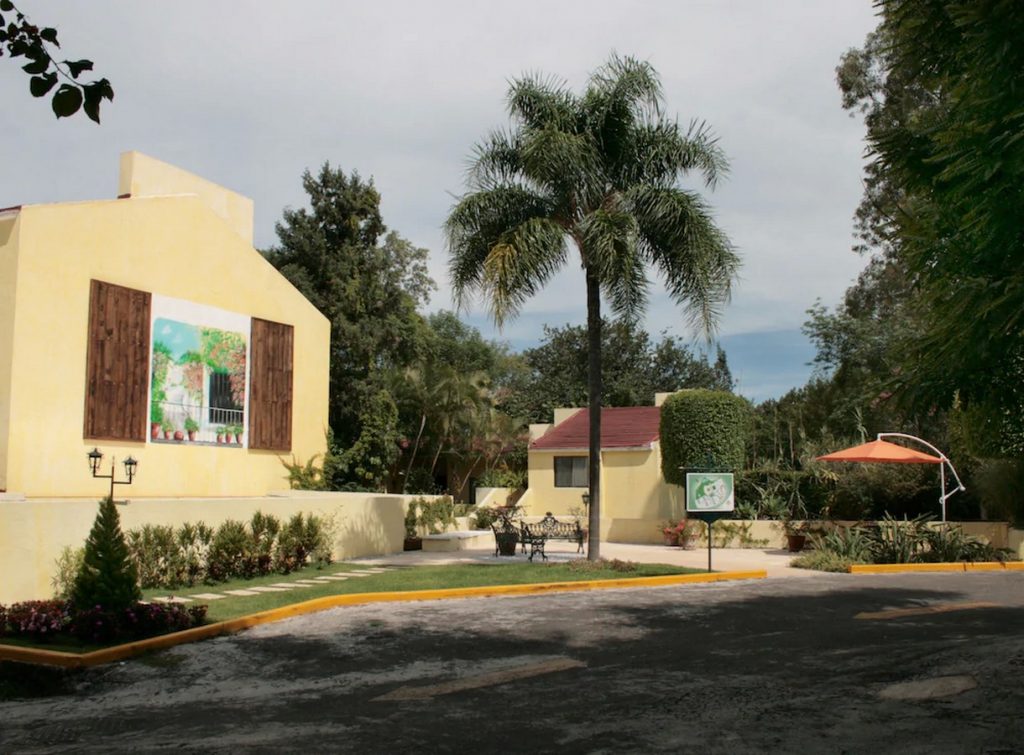
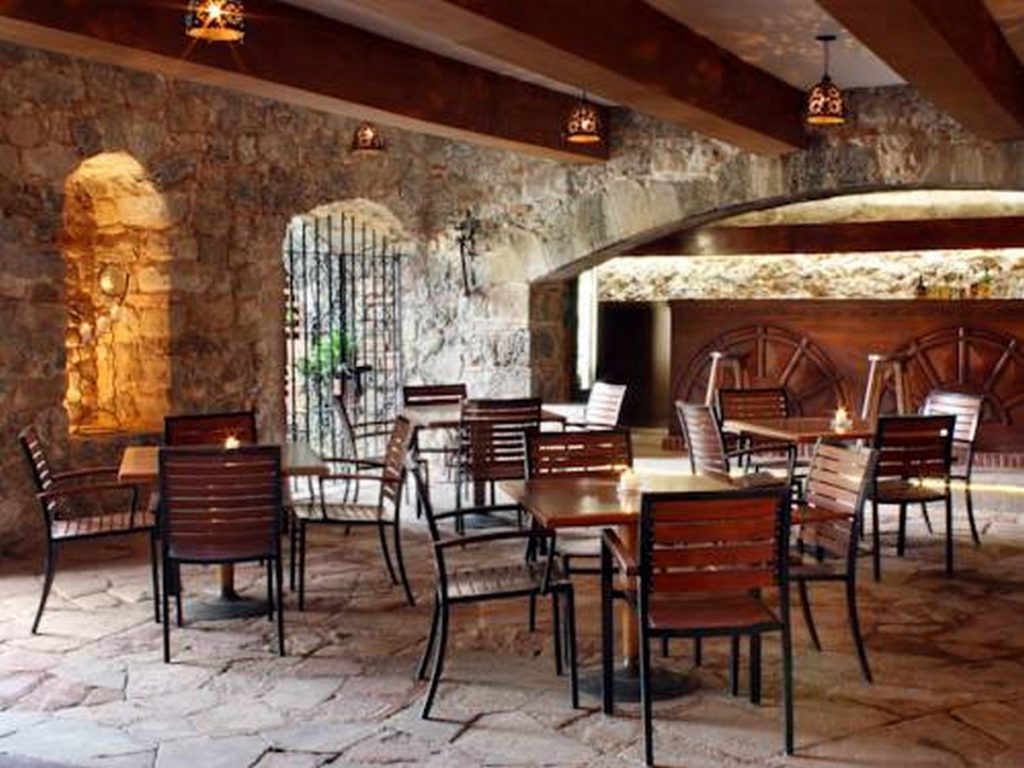
13. Cuernavaca Racquet Club
Blending all the architectural experiences of Luis Barragan, this hotel project has its details originating from Mexican, Arabic, Spanish, and Persian. With nature entwined throughout the planning, this is yet another marvel of the Luis Barragan.
14. Parque Revolucion by Luis Barragan
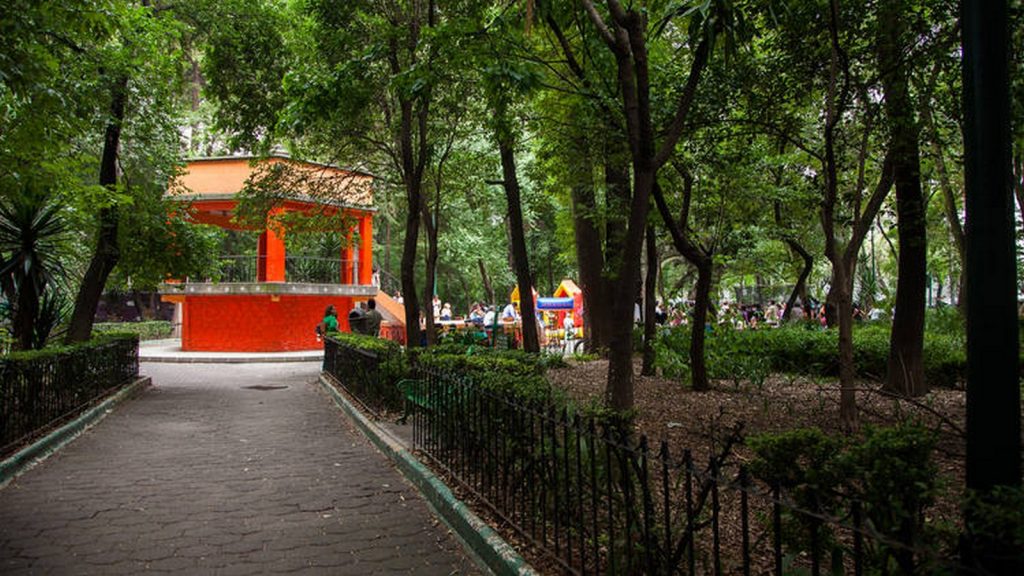
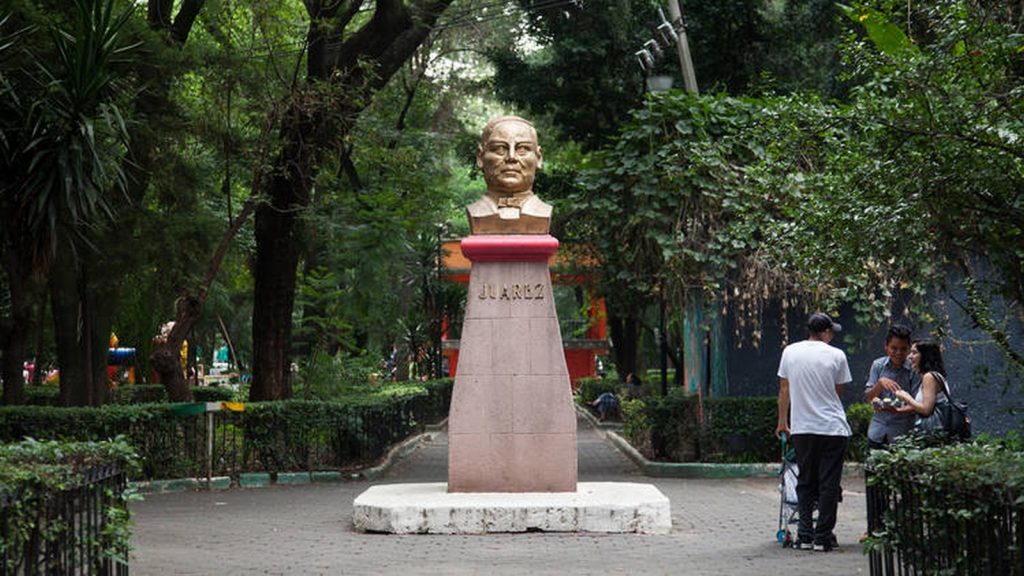
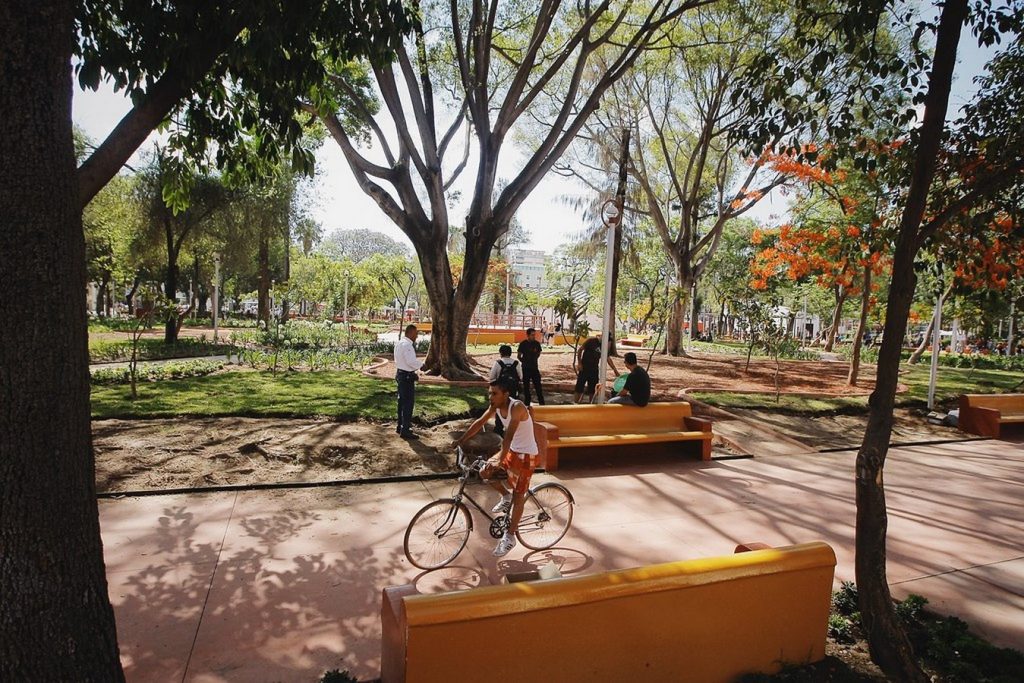
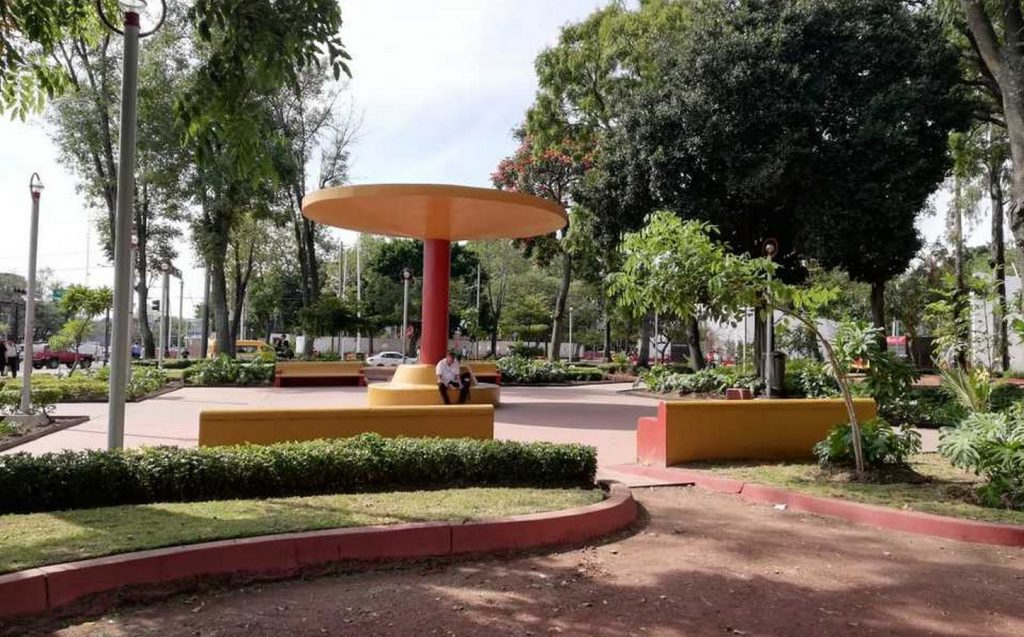
This landscape work of Luis Barragan comprising of plazas, fountains, and playgrounds is still intact with its elements from the Art Deco and french design styles. The red bold colour choice from the French architecture and the yellow-coloured benches and kiosks made it look like a scene from a virtual world.
15. Travesia Cuatro
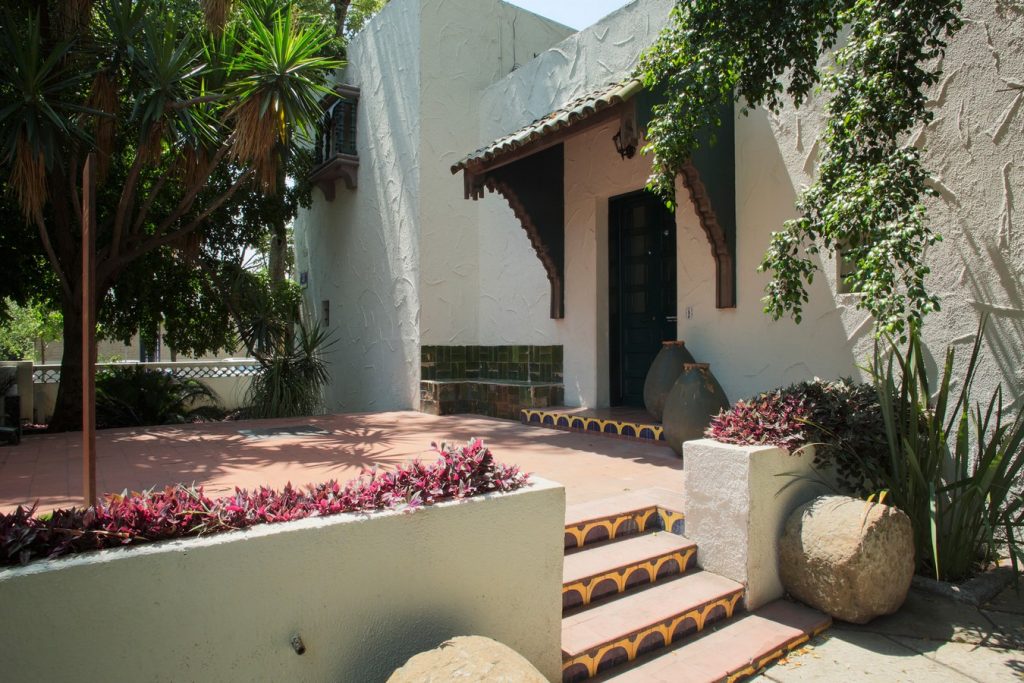
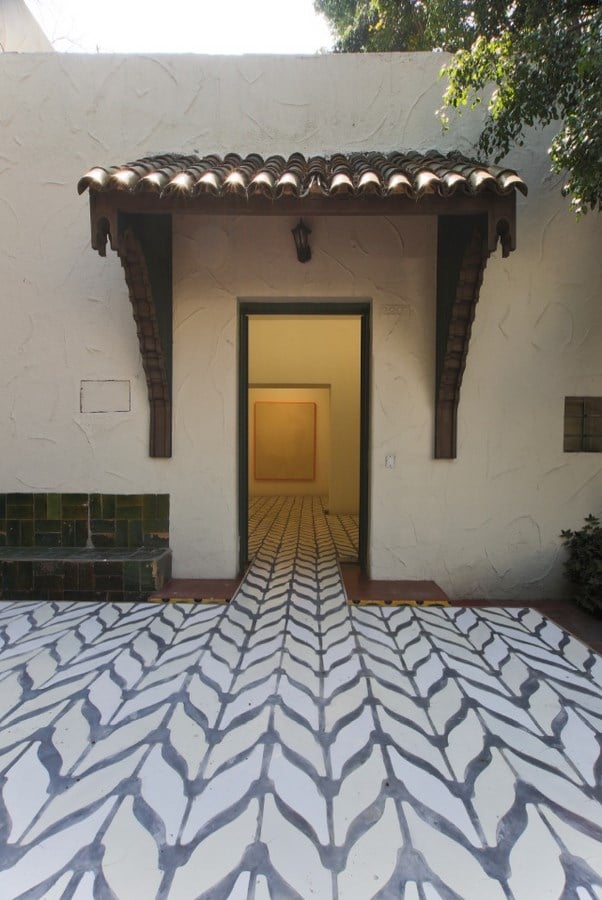
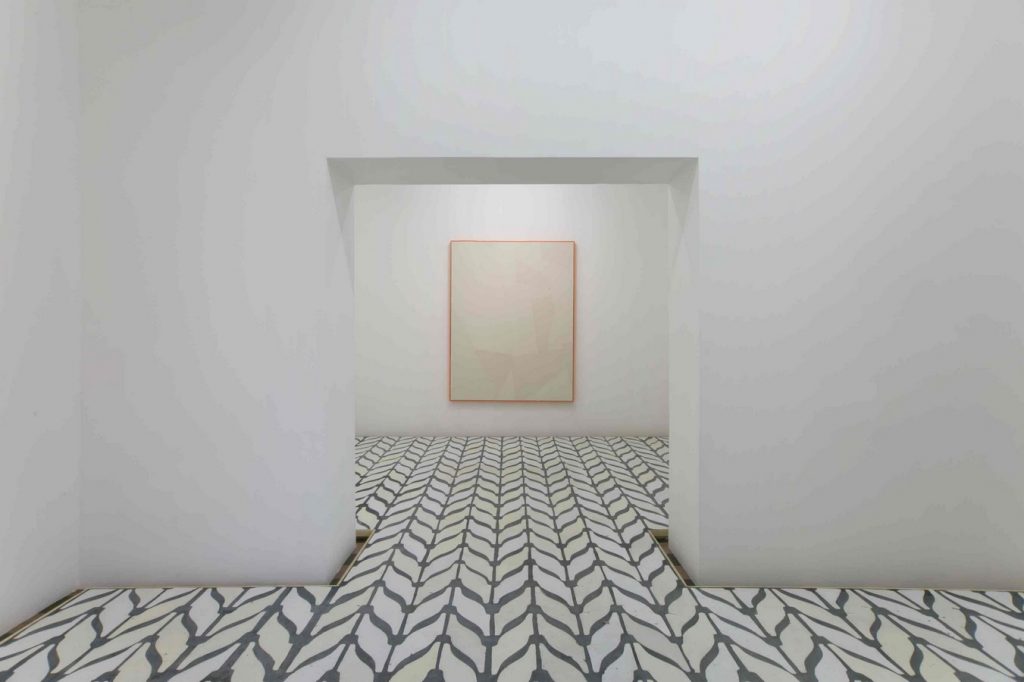
This art gallery was built by modifying the Casa Francos’ second floor into a display hall. With a home-like feel, this public space is designed to mix Mediterranean style principles with Mexican details.
Barragán in 2026: The Quiet Master’s Long Afterlife
Nearly four decades after his death, Barragán’s spaces have become pilgrimage sites. Casa Luis Barragán in Mexico City — the only individual house in Latin America on the UNESCO World Heritage list — is visited on booked guided tours year-round; the pink walls of Cuadra San Cristóbal and the fountains of Las Arboledas draw photographers and designers from around the world; and the Torres de Satélite still mark the gateway to Mario Pani’s Ciudad Satélite. His archive, held by the Barragan Foundation in Switzerland since 1996, continues to feed new scholarship on a body of work that grows in influence as architecture rediscovers colour and stillness.
Frequently Asked Questions About Luis Barragán
Who was Luis Barragán?
A Mexican architect (1902–1988) from Guadalajara, trained as an engineer and largely self-taught in architecture, whose compositions of saturated colour, water and light made him one of the 20th century’s most influential designers.
What is “emotional architecture”?
Barragán’s belief that buildings should move their inhabitants — that serenity, solitude, mystery and beauty matter as much as function. He declared that “any work of architecture which does not express serenity is a mistake.”
What are Luis Barragán’s most famous works?
His own Casa Luis Barragán (1948), the Jardines del Pedregal development (1945–53), the Capuchinas chapel in Tlalpan (1954–60), the Torres de Satélite created with sculptor Mathias Goeritz (1957–58), the equestrian estate Cuadra San Cristóbal (1966–68) and his last major house, Casa Gilardi (1975–77).
Did Luis Barragán win the Pritzker Prize?
Yes — in 1980, as only the second laureate in the prize’s history and the first from Mexico. His acceptance speech, on serenity, solitude and the garden, remains one of the most quoted texts in modern architecture.
Can you visit Luis Barragán’s buildings?
Yes. Casa Luis Barragán operates as a museum with pre-booked guided tours, the Capuchinas chapel receives visitors, and the Torres de Satélite stand in public space. For the planner whose city Barragán’s towers announce, see Mario Pani, the architect who built modern Mexico City, or browse the 20 greatest architects in the world.
Sources for the 2026 update
Wikipedia, “Luis Barragán” (2026). The Pritzker Architecture Prize, “Luis Barragán, 1980 Laureate”. UNESCO World Heritage Centre, “Luis Barragán House and Studio” (2004).