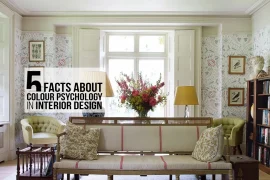
One of the most personal aspects of a person’s personality is their choice of color. When it comes to decorating their homes, many people find that choosing a color palette is both the most important as well as the most difficult part. “Color psychology” is a term used to describe the “vibe” of a color. Color has both subtle and profound physical and psychological effects. Repainting every part of the house will undoubtedly change the way it looks and feels. But why is it important to choose a color scheme with care?
Because, colors give a room consistency and change the ambience it conveys. A pleasant home can change your life. Colors instantly transform a drab environment into an appealing one, but selecting the proper palette can be complex. This article helps you narrow down the ideal color scheme for your home.
Look for Color Inspiration
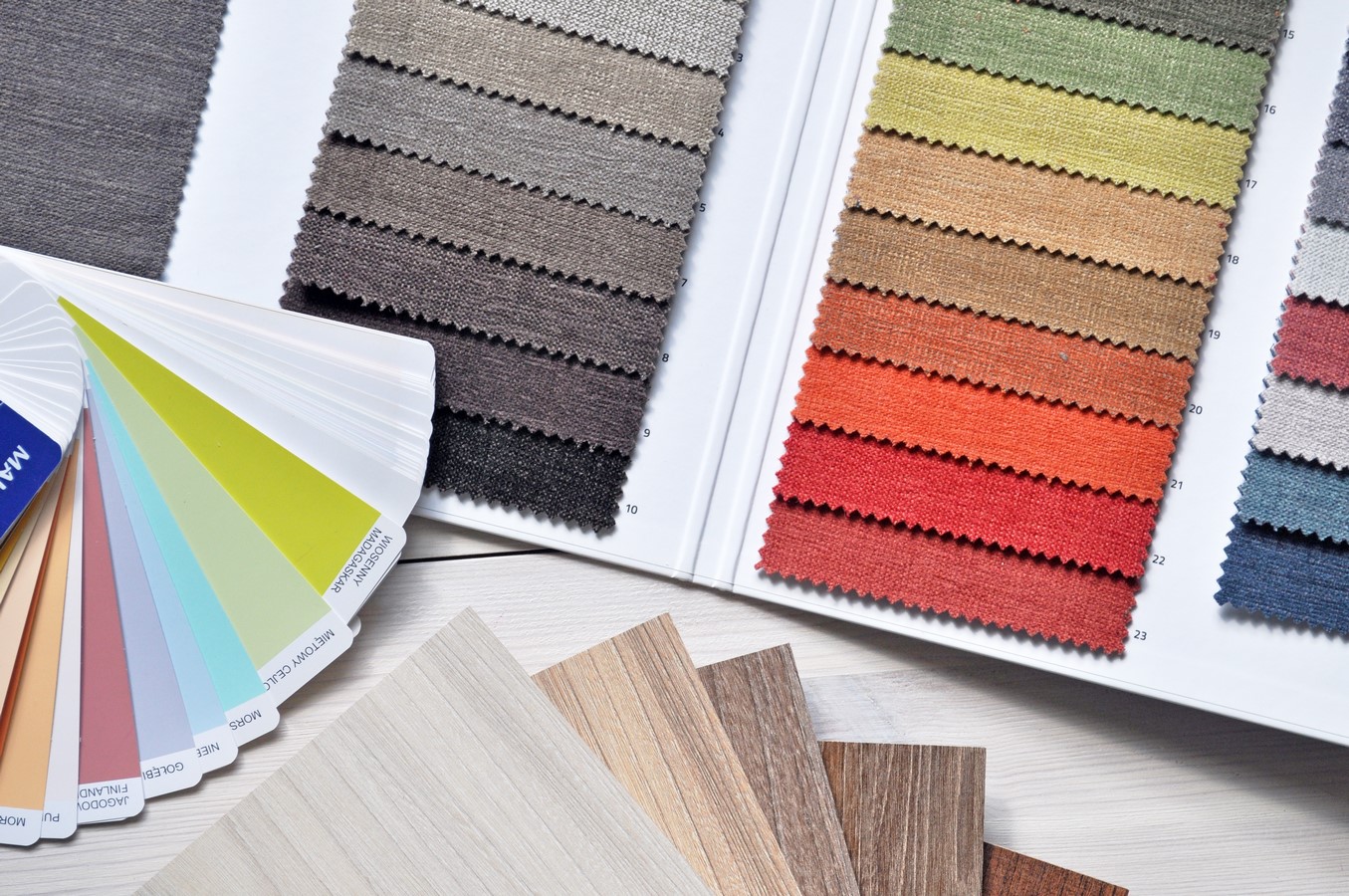
For a simple way to get started, choose a color scheme based on an image or item that you adore. It could be a favorite piece of clothing, artwork, a photograph of your favorite vacation spot, or even accessories. Use specific colors from that design in your home decor options. There are plenty of pages of inspiration on the internet. Interior design inspiration can still be found in magazines and catalogs. Color palette inspiration can be found on social media platforms that are updated in real-time, such as Pinterest, PearlTrees, Dribble, Instagram, and a lot more. Choosing a color for a single room can be challenging. Then consider selecting a color scheme for the entire house. Color palettes for your space are extremely personal. Rather than selecting a palette from a random paint catalog, look within yourself and your surroundings.
Decide a Color Scheme
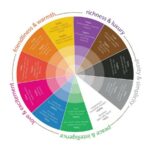
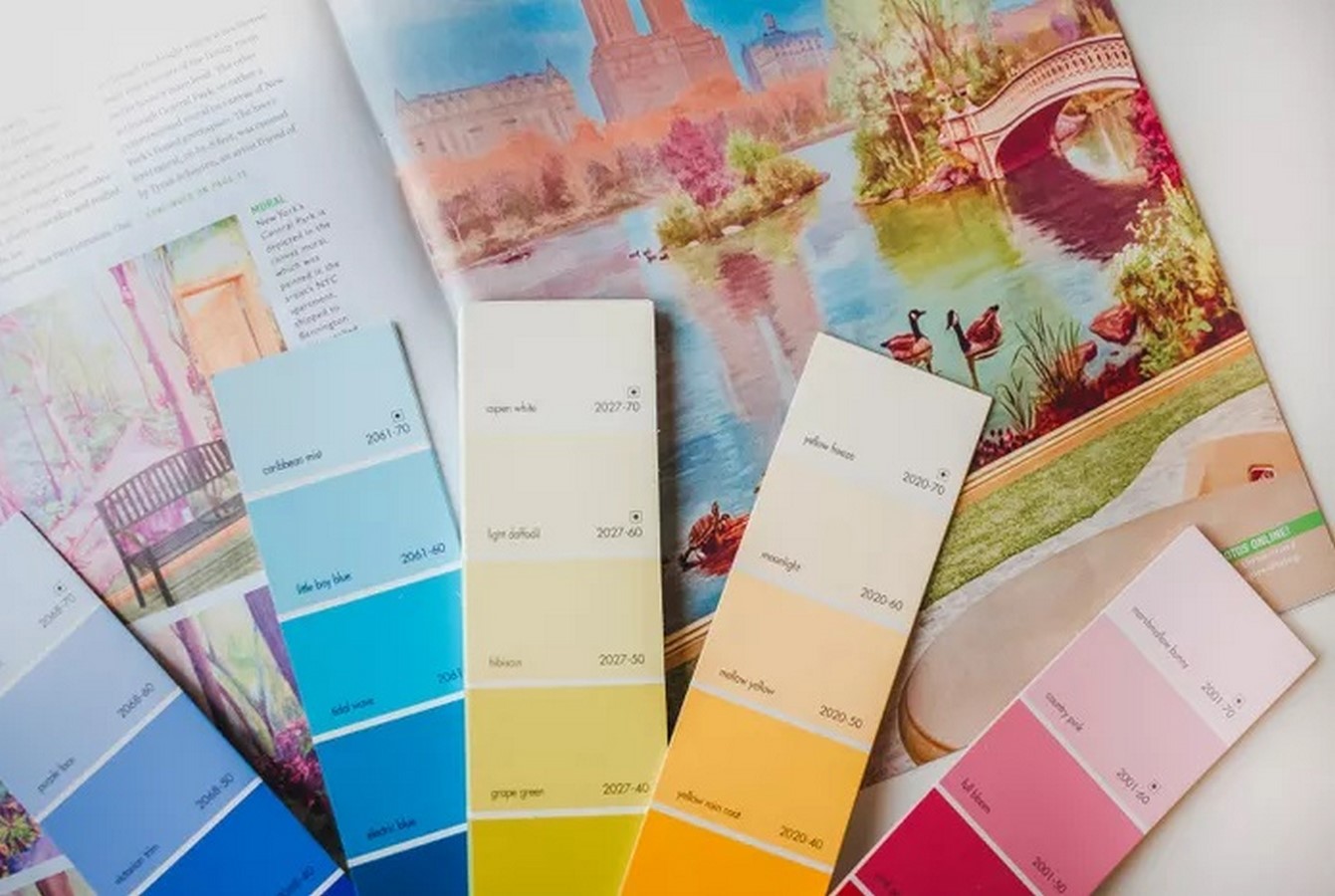
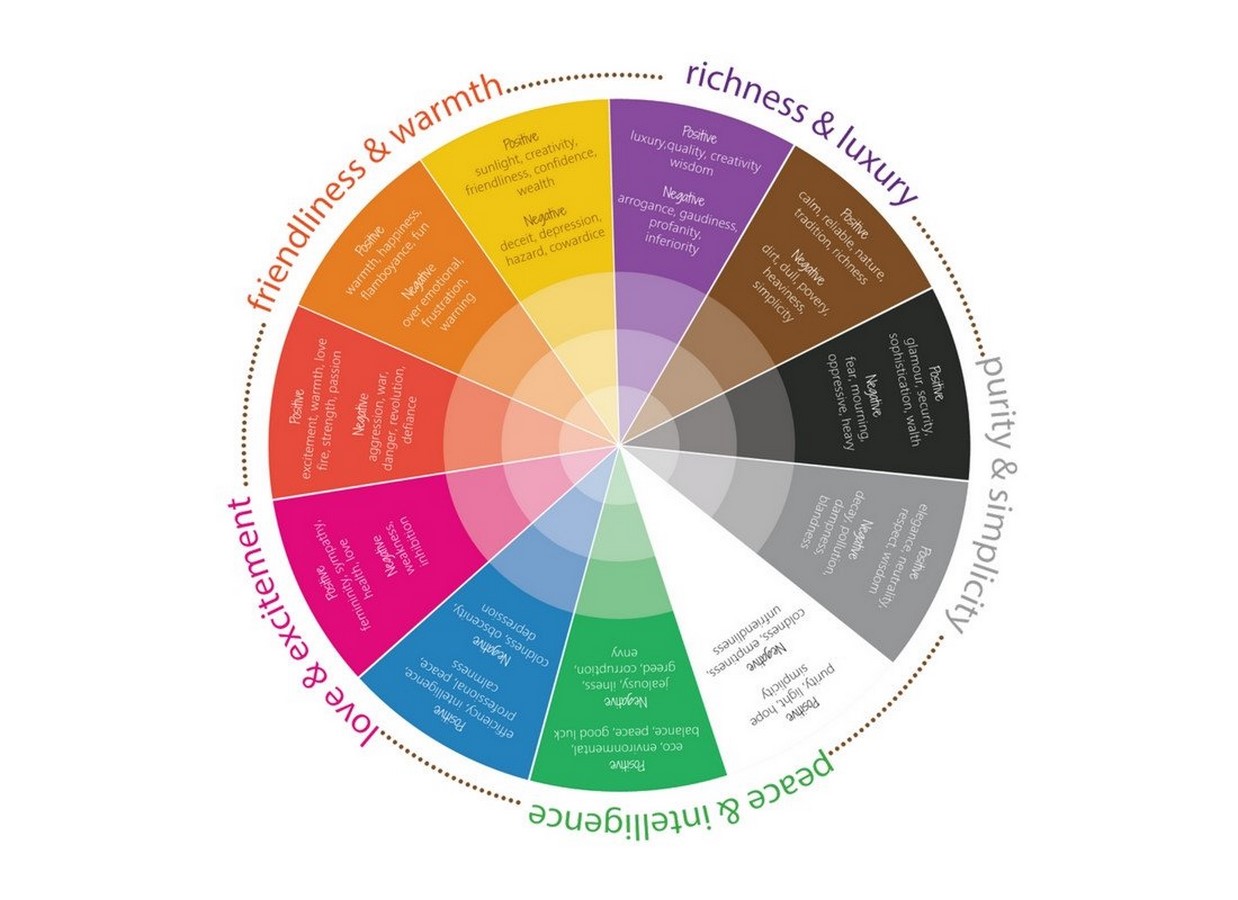
Create a floor plan for your home and a list of things in each room, such as carpet, artwork, and furniture. Examine the rooms in both positive and negative aspects and make a list. Consider how one room flows into another, the atmosphere you want to create, and the materials that can be used to create the palette. To obtain ideas from a color wheel, you don’t have to be a color theory expert. With a spin of the wheel, you can observe how colors connect and learn the basics of the color concept. Color palettes can be easily created using color wheels. A color wheel is used by people to help them select colors and create color schemes for their homes.

Effects of light on colors
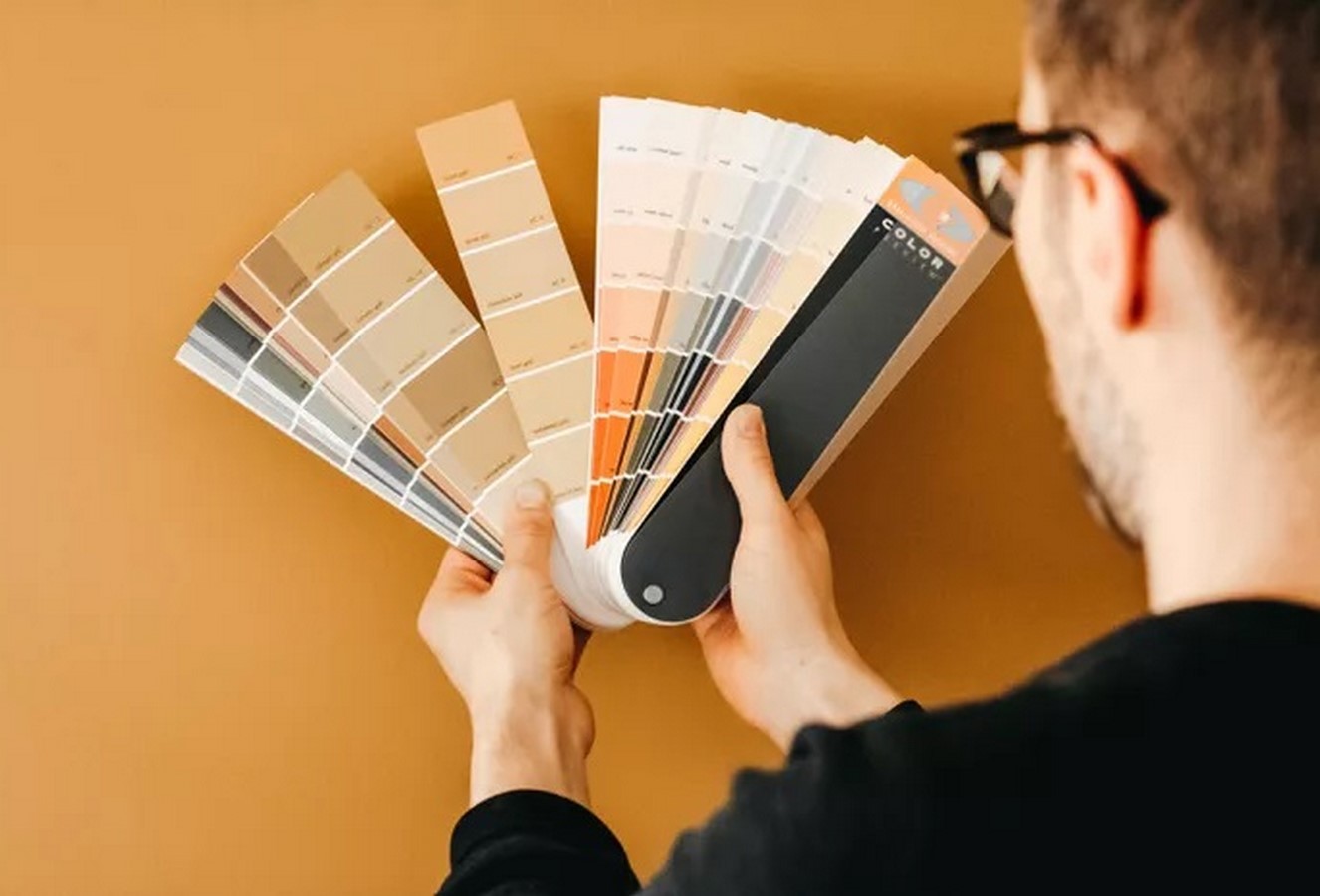
Daylight is considered the ideal light source because of its relatively consistent intensity over the whole visible spectrum of colors. Observe how natural light, as well as artificial lighting, influences the color of textiles, paint, furniture, and other surfaces. Because color is a reflection of light, the type and amount of light in space will have a considerable influence on a color scheme. In terms of artificial light, incandescent lights provide a redder and warmer light than sunlight, but fluorescent lamps produce a bluer, cooler light. Any color with white in it will reflect the colors around it. For example, a white wall will reflect the color of the carpet, the ceiling, and even the furniture.

Use Color Scheme Creatively
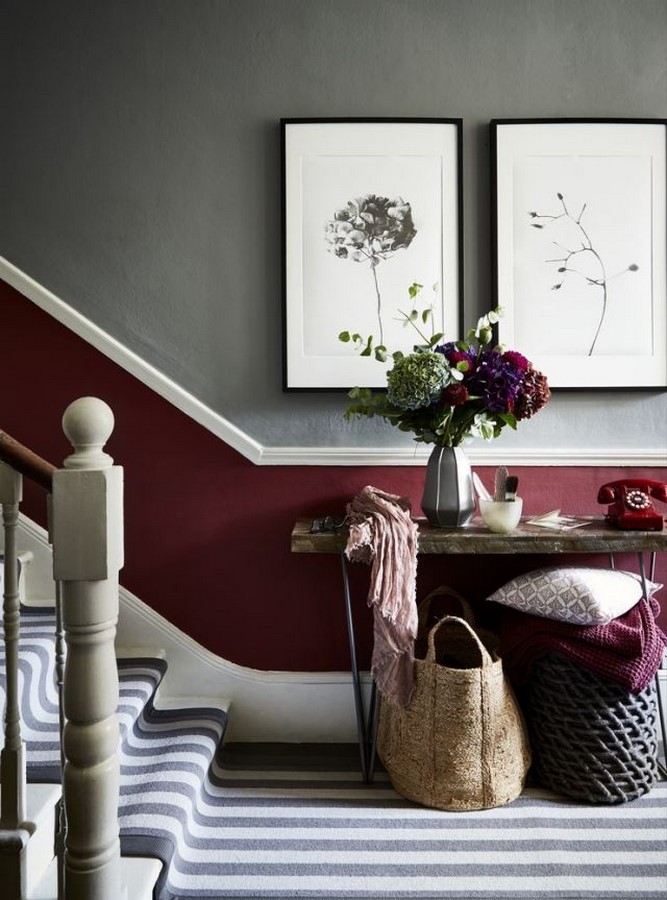
One of the simplest ways to choose paint colors is to start with printed fabric. Color inspiration might come from prints on cushions, beds, and even table linens. If you’re making an accent wall, go with the print’s boldest colors. Look at the color in the fine details of print fabrics for a subtler look. Use three colors for creating a palette. It is a balanced number that provides aesthetic value without being overpowering. Choose a neutral color along with two mid-tones, maintain the neutral color in every room. It helps to connect the home’s color pallet. Neutral paint colors don’t have to be boring. A striped wall in neutral colors provides a lot of flare yet keeps the space looking casual. Using a neutral color wall with a pastel ceiling and bolder colors for accessories like pillows and frames could be creative.

Sample Colors before Shopping
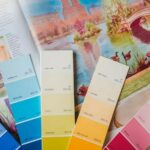
Consider catalogs and magazines when selecting paint colors for your home. A jumbled collection of color cards in fifty various shades of your preferred color will slow down the process of picking the perfect paint color. When you’ve found your ideal color strips, you can proceed with paint shopping. It will prevent you from picking up too many paint color options. You don’t have to know what color you want right away, but attempt to limit it down to two or three colors. Never buy paint without trying a sample of it. It’s not a good idea to realize that your paint color is incorrect when you’ve already painted the room. Also, make a note of how much paint you’ll need. Remember that sampling paint colors is the most crucial step in determining the correct color for your home.

Decorate to add Depth
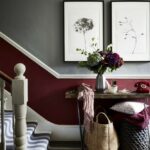
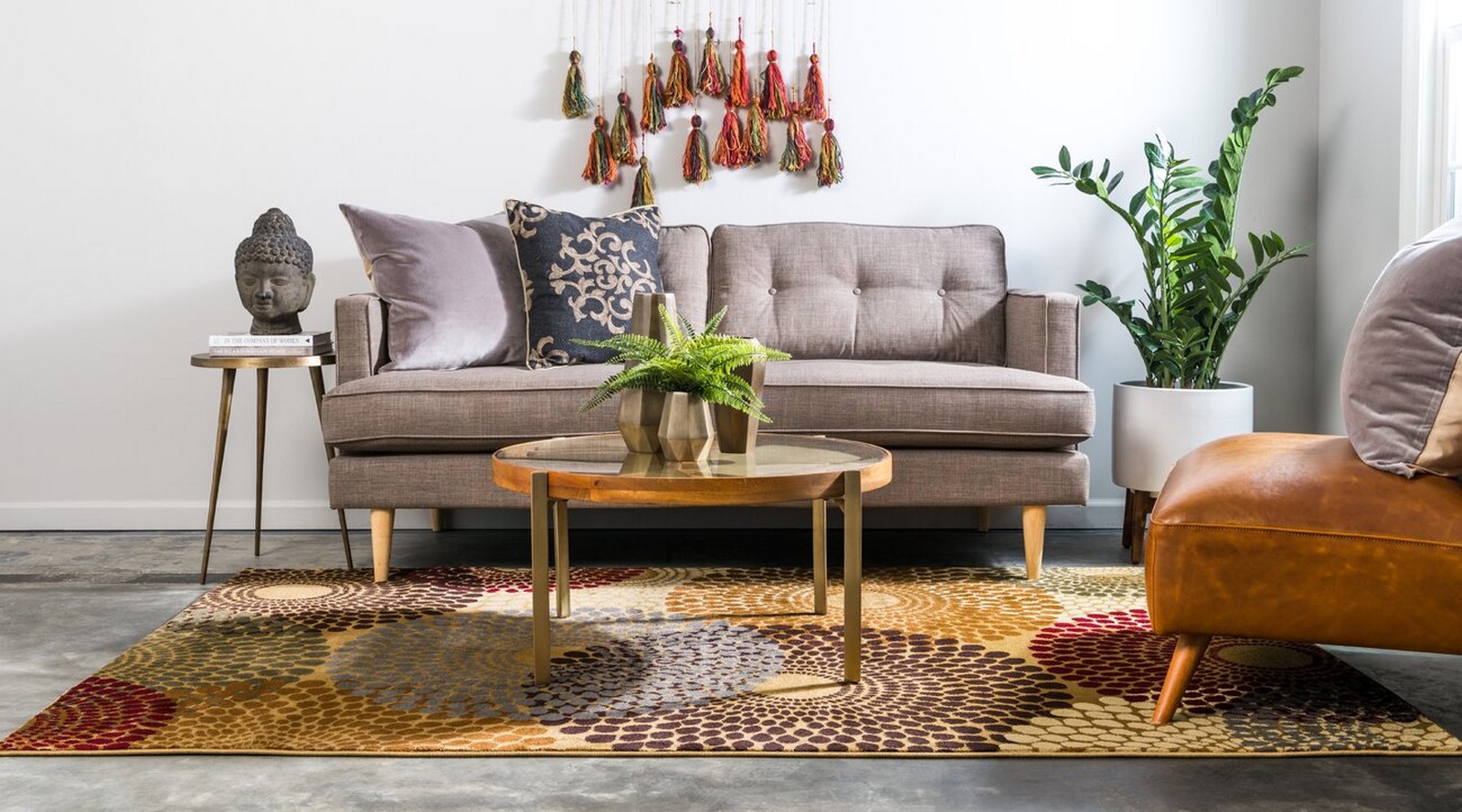
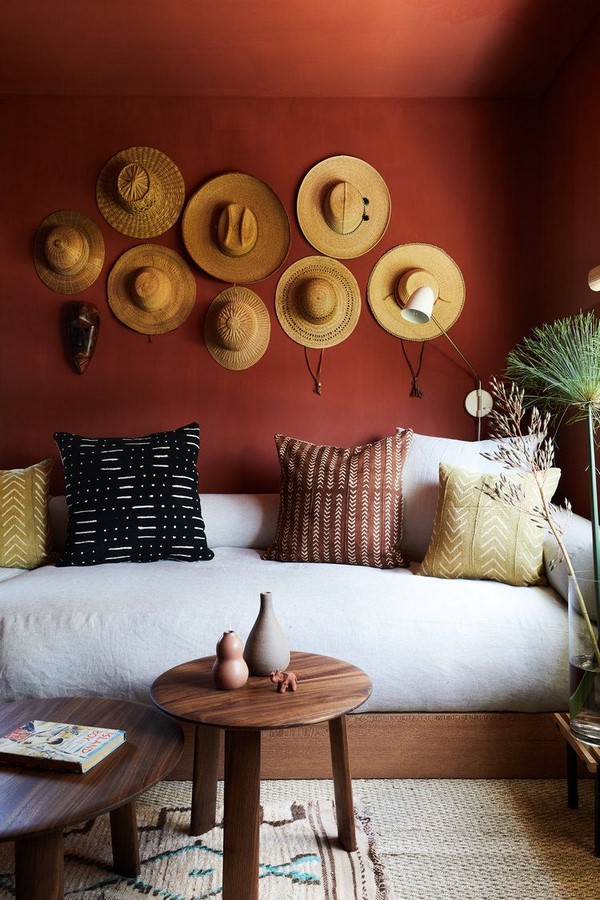
If you like the notion of adding color to your space but aren’t ready to put it on the walls. Consider painting a feature wall or the ceiling. Colors can be incorporated in several ways, like subtle details or big bursts of a chosen color scheme. Fabrics and linens, such as rugs, pillows, blankets, and window coverings, are perfect for embracing color and bringing pattern and texture to a space. Glossy metal coatings and multiple color glazes provide depth. Artwork infuses a room with color and personality. Personal collections and accessories may provide a splash of color to any space. Don’t overlook the colorful tones found in nature, such as flowers and fruit, particularly when placed in vases or containers, which provide a lively depth to any area. If you prefer the outdoors, use plants to blend in with nature.
Consider a color consultant
Using color in the home and being bold with your palette demands a lot of mood boards, as there are many various colors and textures. Remember to choose colors based on your style, and don’t be afraid to experiment. If you are still having trouble settling on the right color palette for your home, seek the assistance of a Color Consultant. A color consultant will assist you with color suggestions and also help in creating a customized color palette. Gather ideas and inspiration before engaging with the color consultant. A consultant can help to tackle the challenges in the place. Don’t be alarmed if the color consultant recommends revising your color palette.

Color suggestions for each room in your home
Begin with a color that is appealing to you. Then, look for multiple tints and shades of the chosen color. Some people suggest retaining hallways, landings, and connecting spaces in neutral shades. Choose subtle tones which will flow seamlessly in every setting. Color is classified into three categories: warm, cool, and neutral, each of which expresses a certain emotion.
Warm colors – Red, Yellow, Orange, and Pink variants- reflect optimism, zeal, and enthusiasm.
Cool colors – Green, Blue, Purple, and variants like Violet- reflect tranquil, relaxing, and subdued moods.
Neutral colors – Brown, Black, White, and variants like Grey- reflect a strong, clear, and grounded vibe.
Living Room – The living room is where families gather to spend quality time together. Design a space that radiates coziness and warmth. Choosing the right color scheme for your living room comes down to what you want the place to reflect. When visitors enter a house, the foyer is usually the first space they notice. Light colors provide a sense of openness and make the space feel welcoming. Color preferences and their vibe-
Beige – Solid Neutral, Subtle, and Sophisticated.
Gray – Elegant, Tranquil, and Provides a Spacious Feel
Green – Serenity, Fresh, and a Subtle alternative to Neutrals.
Blue – Appealing, Soothing, and has a Stabilizing Influence.
Black – Unexpected, Dramatic, and reduces the Glare of Natural Light.
Kitchen – The kitchen is the place where families gather together to cook, dine, and socialize. When choosing a color scheme, you must consider colors that will create a sense of spaciousness. A visually appealing kitchen will draw family and friends and wrap them in the warmth of your home. Color preferences and their vibe-
Yellow & Grey – Provides Balance, Vibrancy, and Tenacity
White & Greens – Evokes A Feeling of Abundance and Refreshment
Pastel & Patterns – Provides Neutrality, Openness, and Cleanliness
White & Natural Tones – Provides an Earthy Feel, Wholesomeness, and Calm look
Black & Metallic Tones – Provides an Elegant, Sleek, and Glamourous look
Study/Office space – Strong, vivid colors like blue, yellow, red, or green are ideal for home offices. Colors that make you feel enthusiastic, concentrated, and productive, according to experts, should be chosen. Choosing the finest one for your home office should be based on how you want your surroundings to inspire. Color preferences and their vibe-
Brown – Reduce Fatigue, feels Relaxed, and Productive
Red – Enhance Creativity and Sense of Alertness
Green – Provide Warmth, Focus, and Comfort
Blue – Creates a Sense of Well-Being and happiness
Yellow – Holds Attention and Fosters Creativity
Bedroom – Bedrooms can evoke a variety of feelings, ranging from calm, comfort, romanticism, or minimalism. Choosing the colors for your bedroom will have a massive effect on how it feels, depending on the mood you want to create. Children’s rooms are usually bright and bold, whereas guestrooms are subtle. If the master bedroom and master bathroom are attached, try using contrasting tones of the same color and possibly painting one room lighter than the other. Color preferences and their vibe-
Brown & Green – Grounding, Calming, and Fun
Red & Yellow – High Energy, Vibrant and Bold
Pastels & Greys – Sophisticated and Romantic
Peach & Coral – Minimalism and Simplicity
Purple & Blues – Royal and Luxurious
Bathroom – Bathrooms often have limited space and its elements must be considered when choosing a color palette. A neutral color palette is the safest option for the bathroom. A mix of grey and white can make the room appear larger while also creating a sense of cleanliness. Consider painting stripes in your bathroom to add some character. Color preferences and their vibe-
White – Classic Shade, Crisp, Clean, and Reflects Light
Black – Contrast, Moody, Bold, and Creates Drama
Gray – Calm, Soft, Sophisticated and trendy shade
Pink – Flattering Glow and Creates a Feeling of Warmth
Blue – Smoothing, cheerful, and suits Modern and Traditional settings.
According to a popular expression, the use of color correlates directly to our moods. We are drawn to color everywhere we go, but its significance is often overlooked. We cherish color in our homes and workplaces for a variety of reasons. A color scheme is what pulls the home’s appearance together more than the furnishings and accent pieces. If you look around your home, you’ll notice that every room has a color scheme, even if it’s only one. While the design style you select has a significant influence on how the space makes us feel, the color palette you select is the only thing that will bind all this together. Colors are powerful, and when used wisely, they can be a source of energy and drive. So make a sensible choice.
Online assistance
Using online Paint Visualizer applications to choose a paint color can make the process easier. Color apps will also give color palettes depending on user color preferences, allowing anyone to share personalized palettes. These tools will be useful-
- Benjamin Moore Personal Color Viewer
- Sherwin Williams ColorSnap Paint Visualizer
- Valspar Virtual Painter
- Rodda Color Visualizer
- Cloverdale Paint Colour Visualizer
Reference:
- Amazing Spaces Storage Centers. (2020). How to Select The Right Color Palette For Your Home. [online] Available at: https://amazingspaces.net/amazing-homes/color-palette-home
- Paint. (2018). Color Schemes for Houses: A Complete Guide to Choosing Paint Colors. [online] Dream Lands Design. Available at: https://www.dreamlandsdesign.com/color-schemes-houses/
- Heath, O. (2017). 5 tips to help you choose the right color scheme. [online] House Beautiful. Available at: https://www.housebeautiful.com/uk/decorate/looks/a2069/decorating-designing-with-colour-home
- HGTV. (n.d.). Paint Glossary: All About Paint, Color, and Tools. [online] Available at: https://www.hgtv.com/design/decorating/design-101/paint-glossary-all-about-paint-color-and-tools
- www.youtube.com. (n.d.). Wall paint color ideas – Complete guide | Know color theory|Pick wall paint for living room, bedroom. [online] Available at: https://youtu.be/6nNCZ_-bTJc