11. Singapore | Tourism – Effects
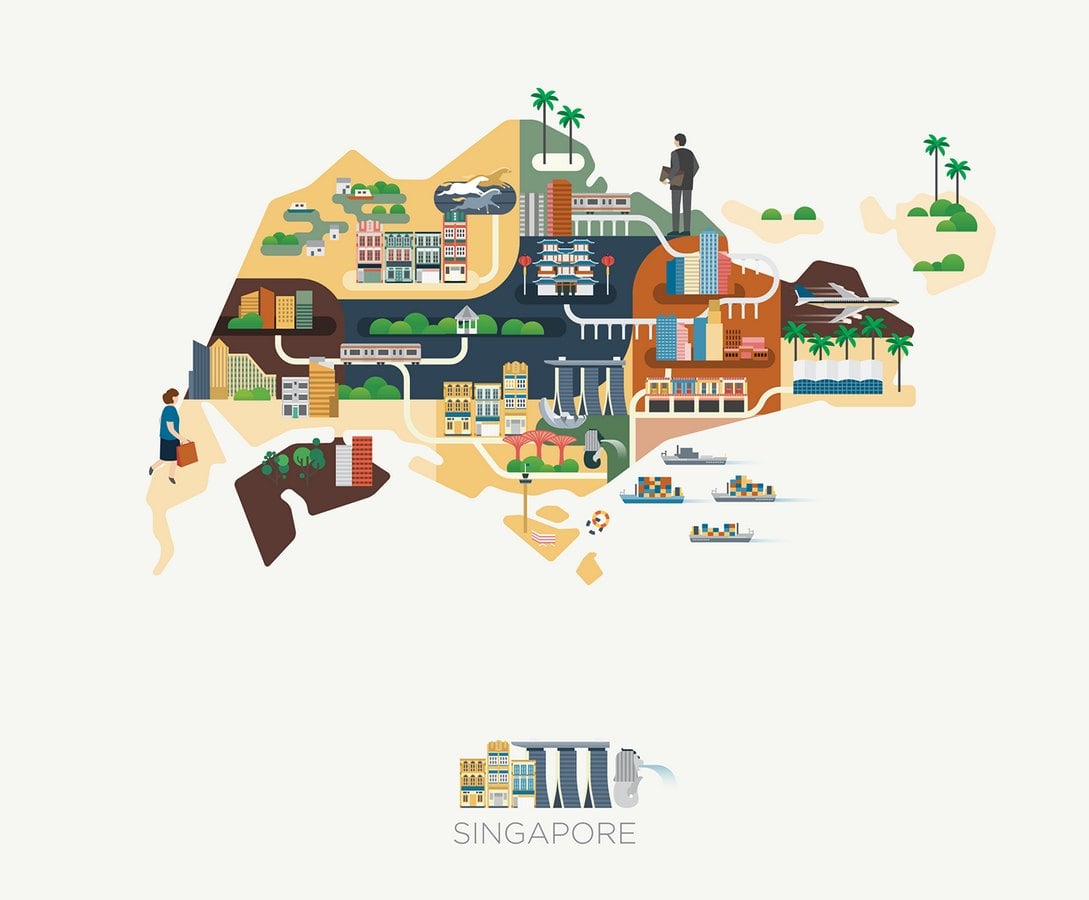
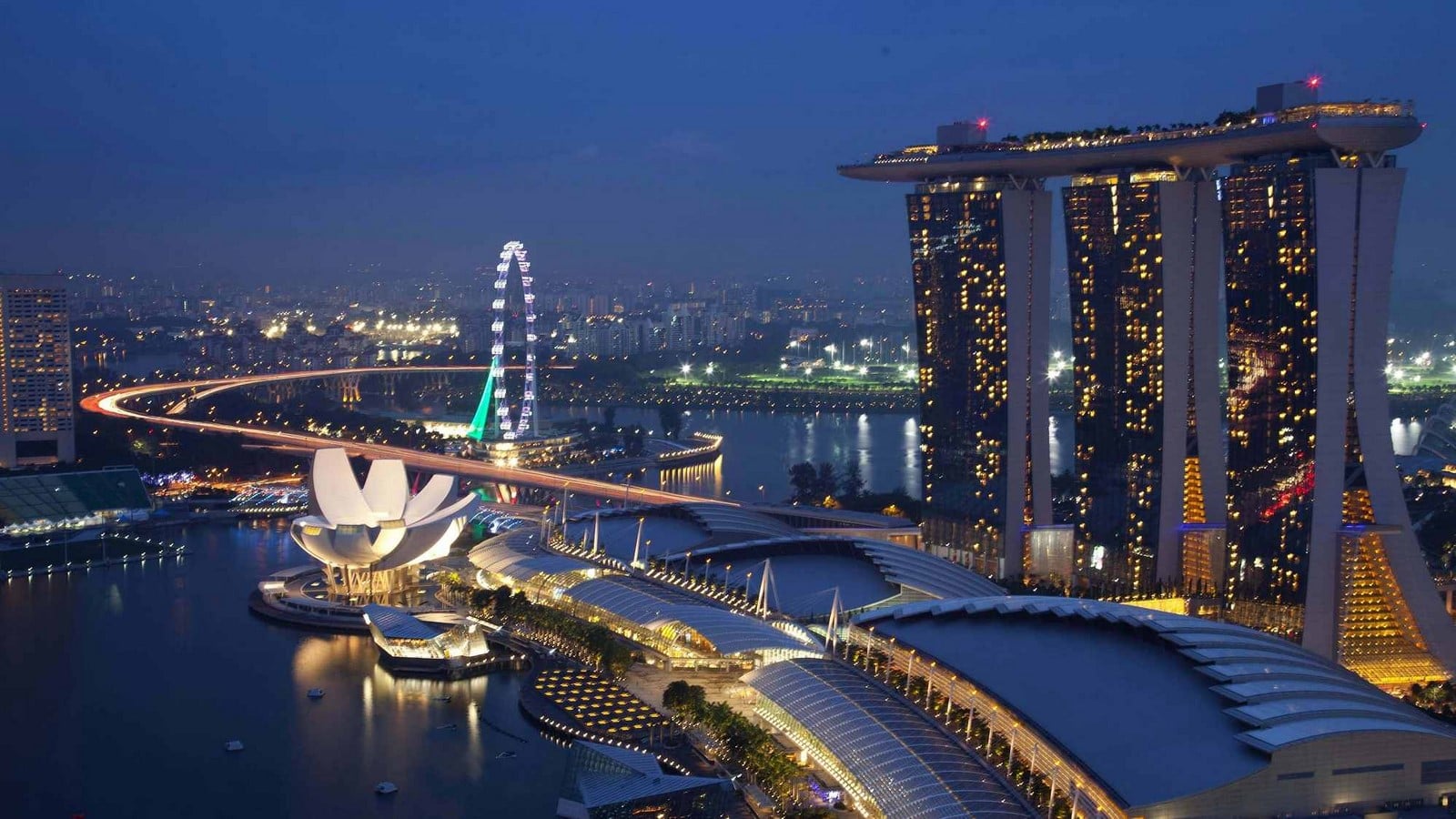
The very mention of Singapore brings to us images of bustling shopping streets, lush landscapes, and food festivals. The natural and architectural attractions in Singapore need no introduction. The city has quite a presence when it comes to cultural events and nightlife as well. The city has something to offer for tourists from all walks of life.
The city plan of Singapore is sculpted carefully by the tourism market. Tourism and trade became a priority for Singapore in the 1960s. It triggered the conservation and heritage policies of the city. The improvement of the transit and accommodation facilities was of prime importance as well. By the early 2000s, Singapore became the poster child of iconic architecture, cultural events, and sporting events.
12. Kuala Lumpur, Malaysia
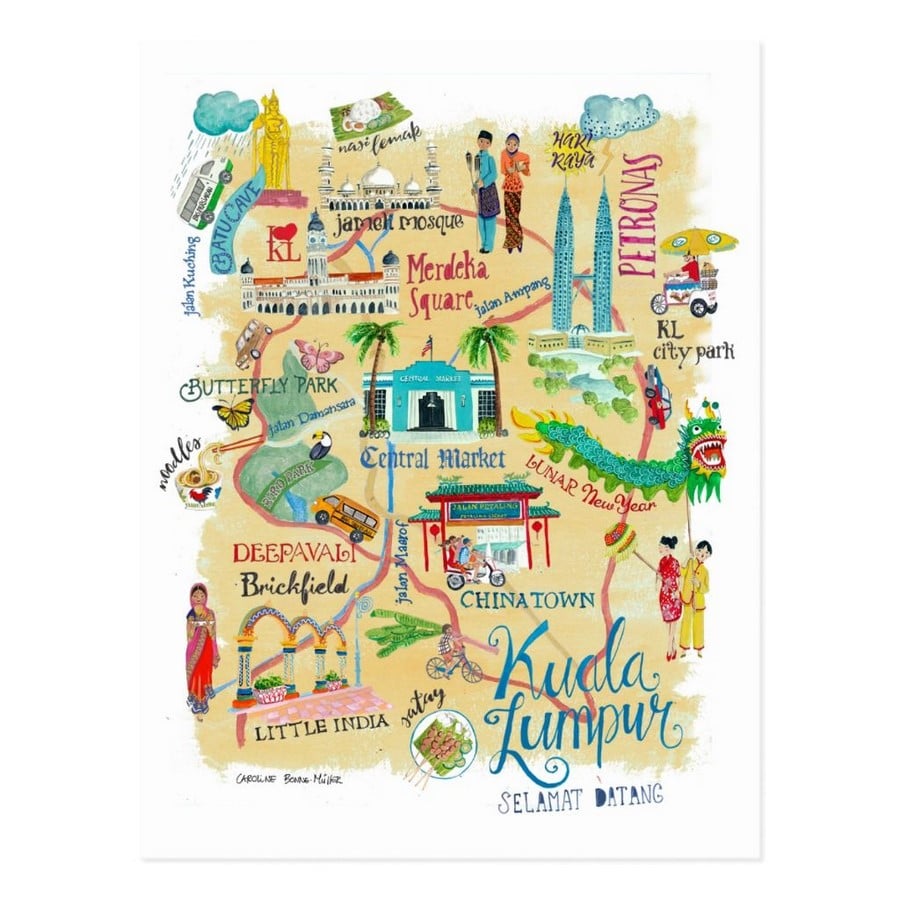
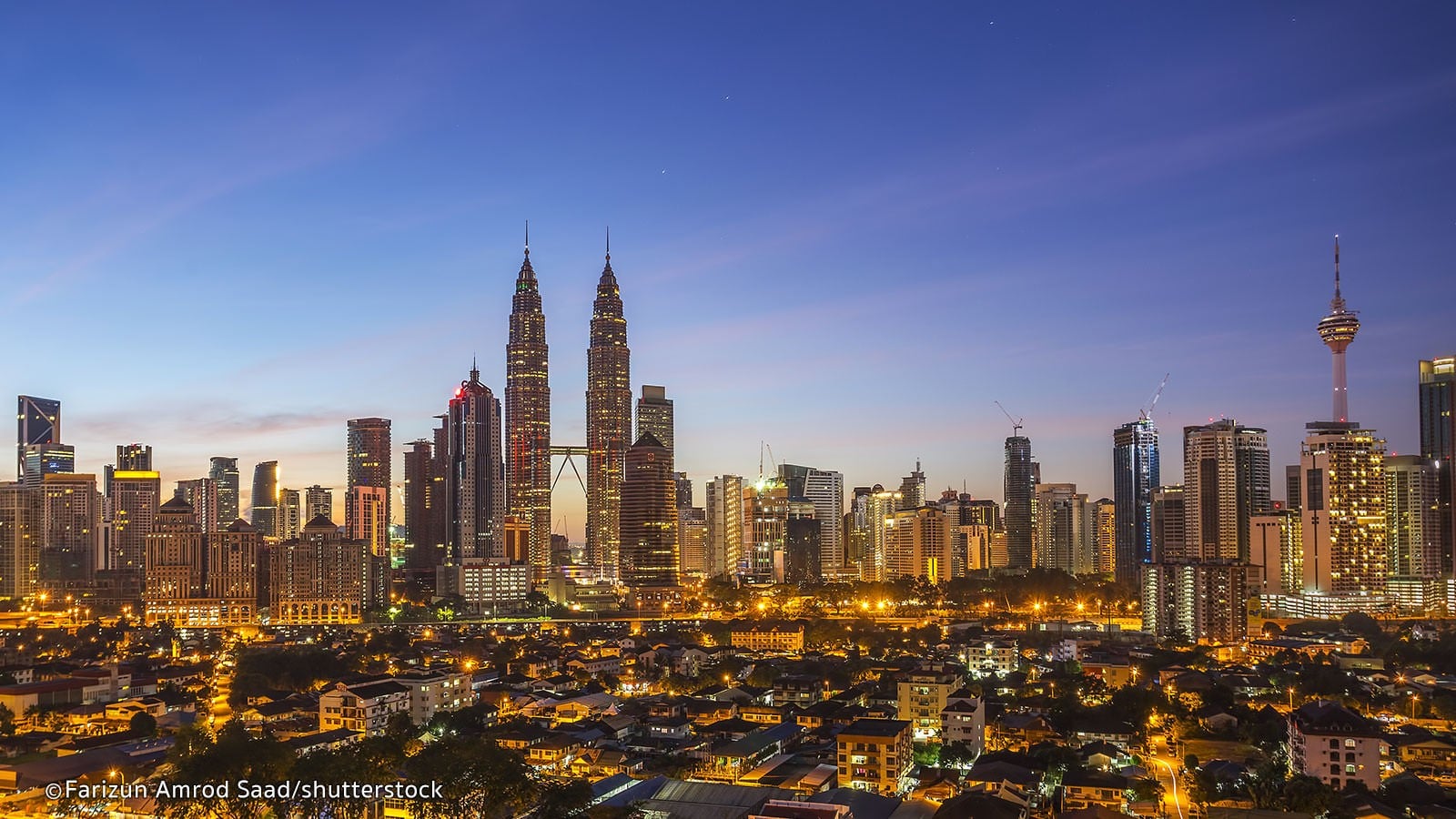
Kuala Lumpur turned to a service-driven economy in the 1990s. The city’s tropical climate and vibrant cultural and architectural history set the foundation for its growth in the tourism market. The capital city created a ‘Gateway effect’ through its infrastructural development. It also developed linkages to other tourist destinations within the country, thus taking on the role of a transit hub.
Kuala Lumpur eventually became the major center for MICE tourism in Malaysia. Strengthening of supporting infrastructure soon followed. Eventually, the city focused on catering to international tourism more. The establishment of shopping hubs and restoration and re-adaptation of the historic core was undertaken.
13. Shanghai, China | Tourism – Effects
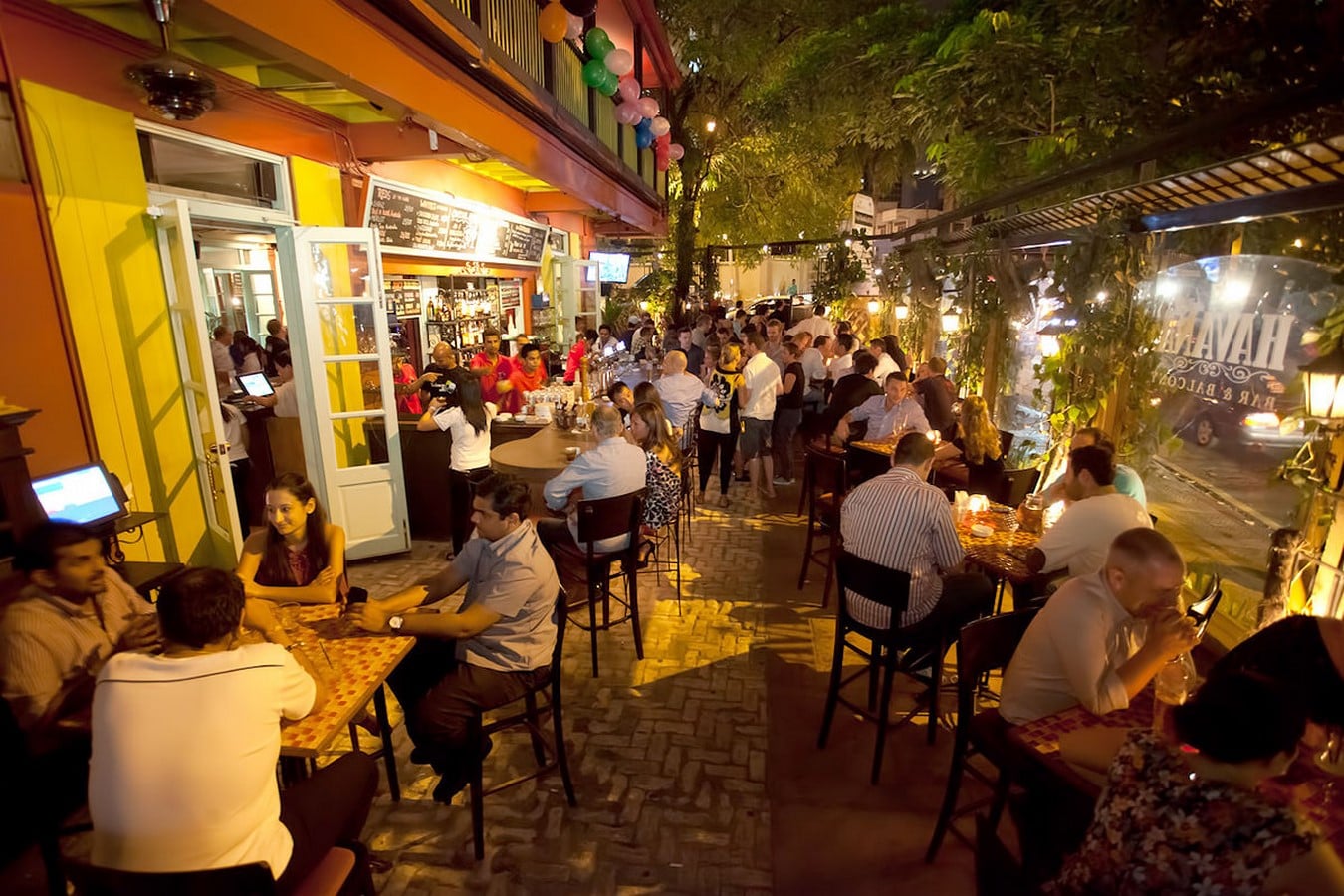
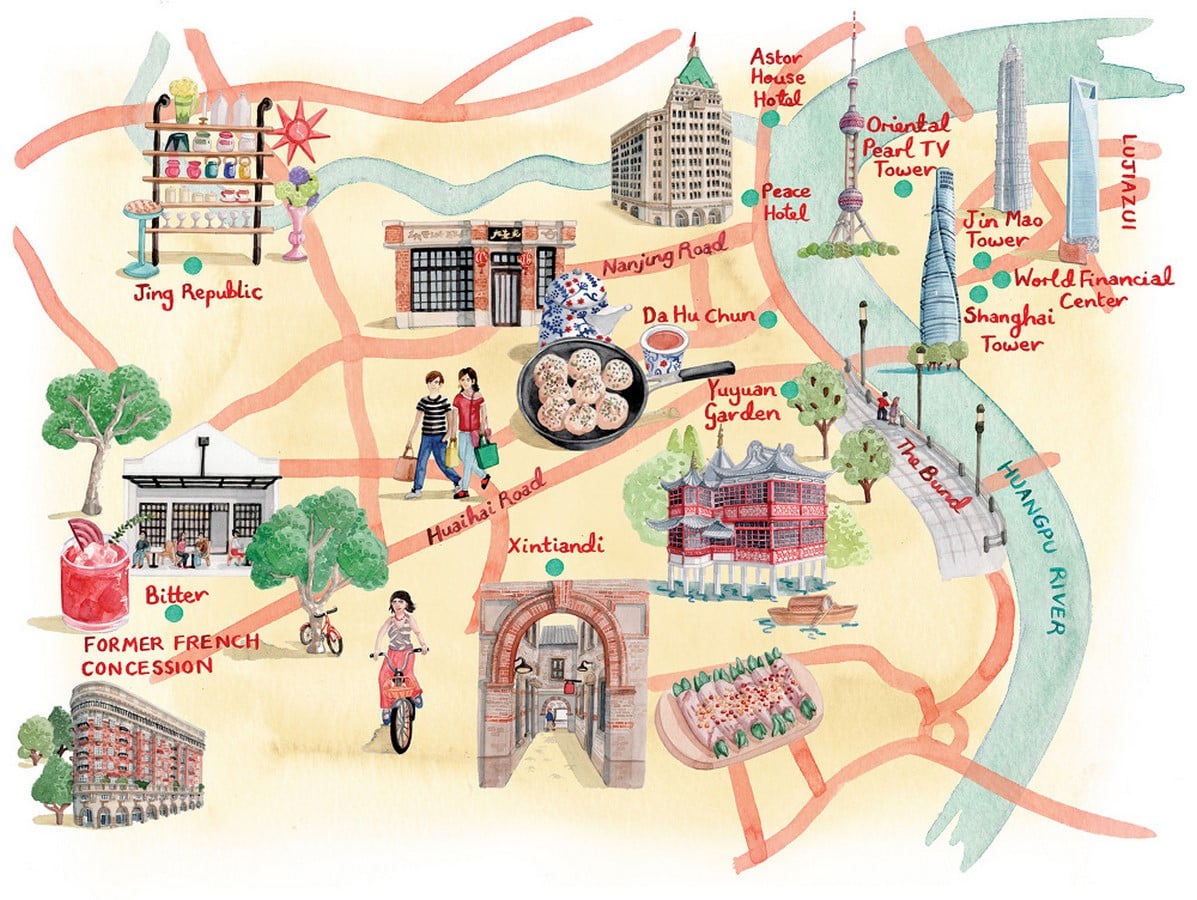
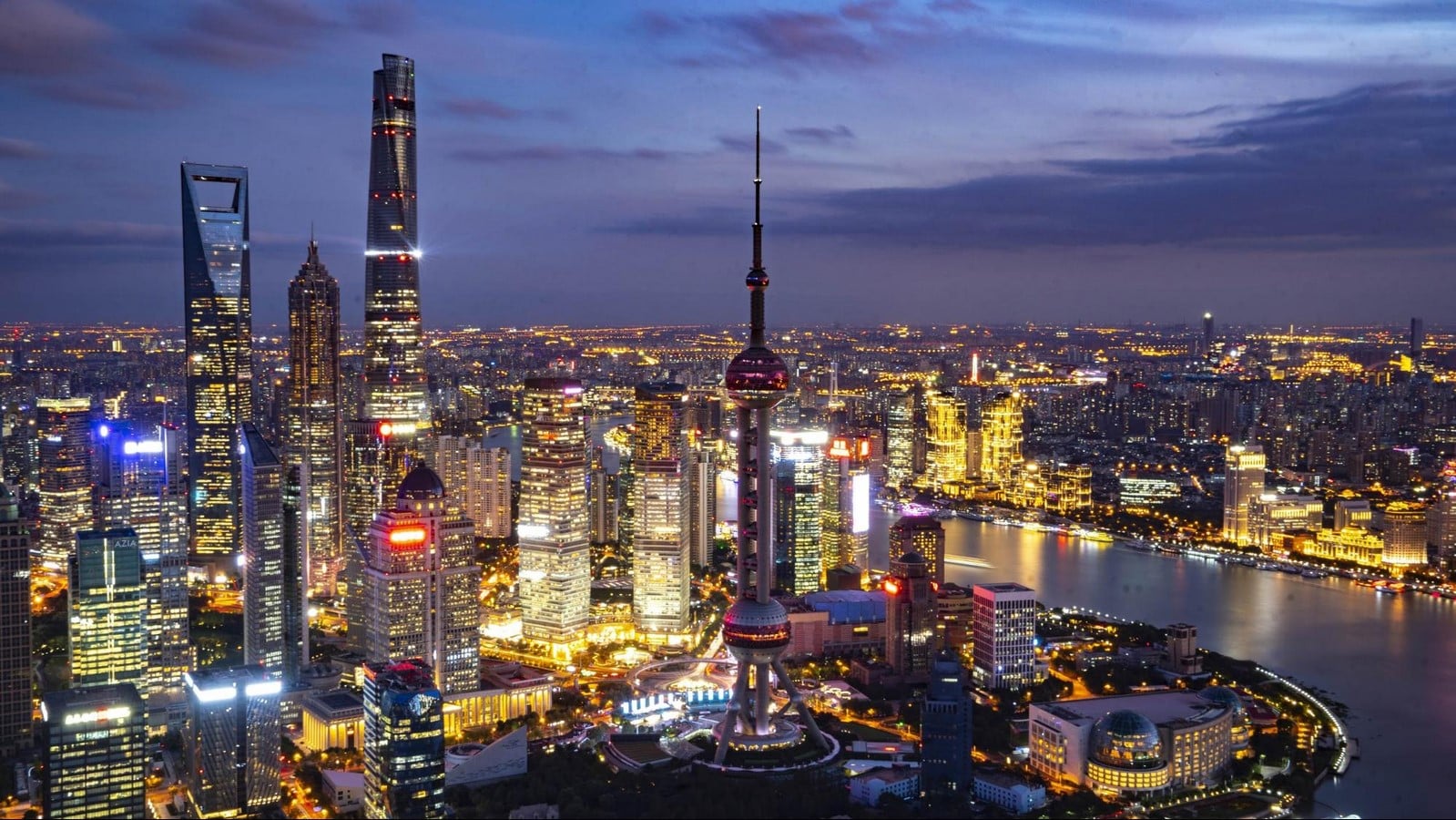
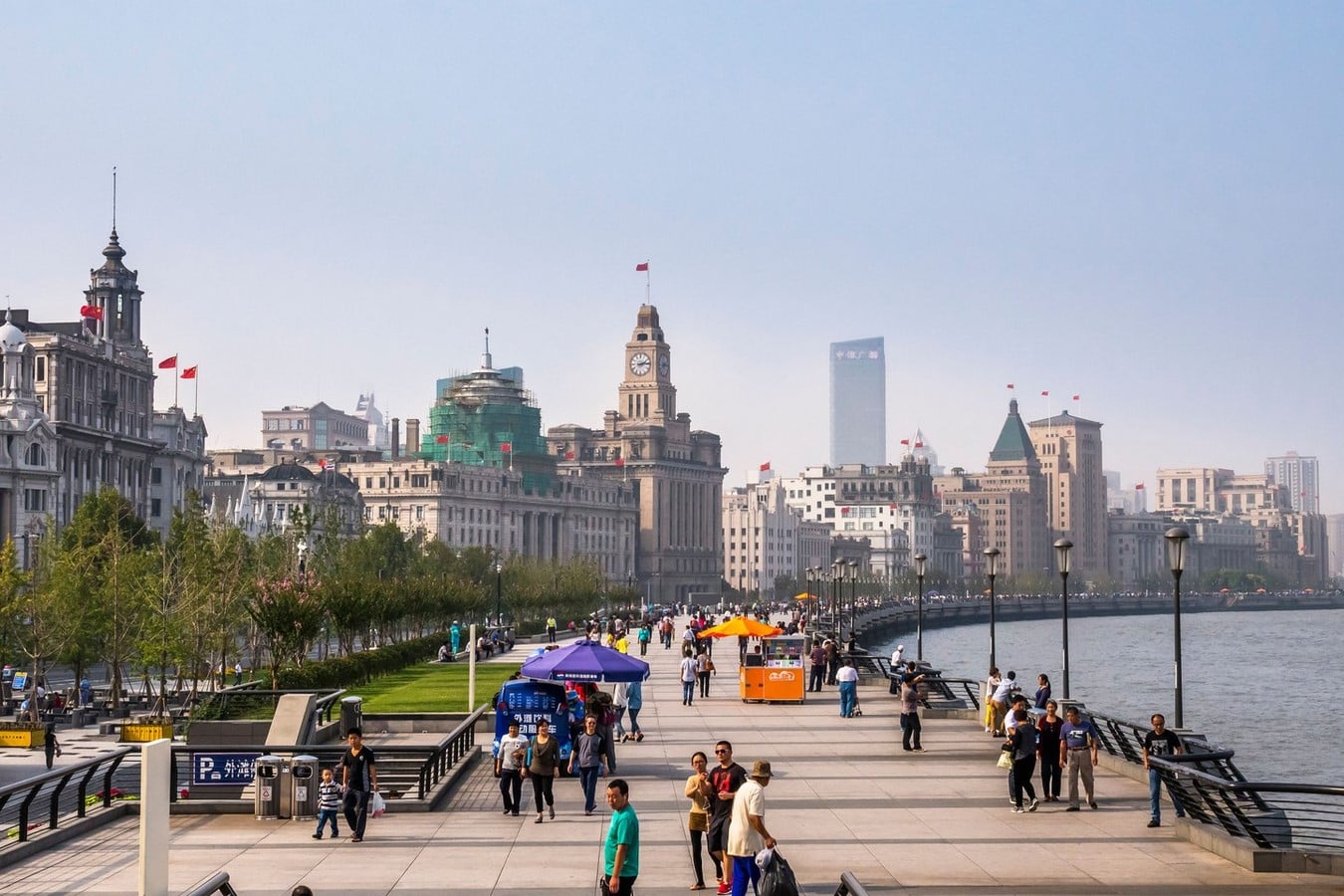
Shanghai is the definition of multiculturalism. The city is one of the major tourist destinations in the world. The city is a melting pot of vernacular and contemporary architecture. The renowned waterfront of Shanghai is one of the major commercial hubs within it. Shanghai sports a multidimensional urban system. The urban planning incorporates the interweaving of numerous cores and axes.
The planning of Shanghai involves the emphasis on its commercial hub. The area shows a balance between ecological development and high-tech architecture. The development of a comprehensive corridor assisted both tourism and transit. Equally, importance is provided to the development of green spaces, water networks, and AI-assisted tourism.
14. Goa, India
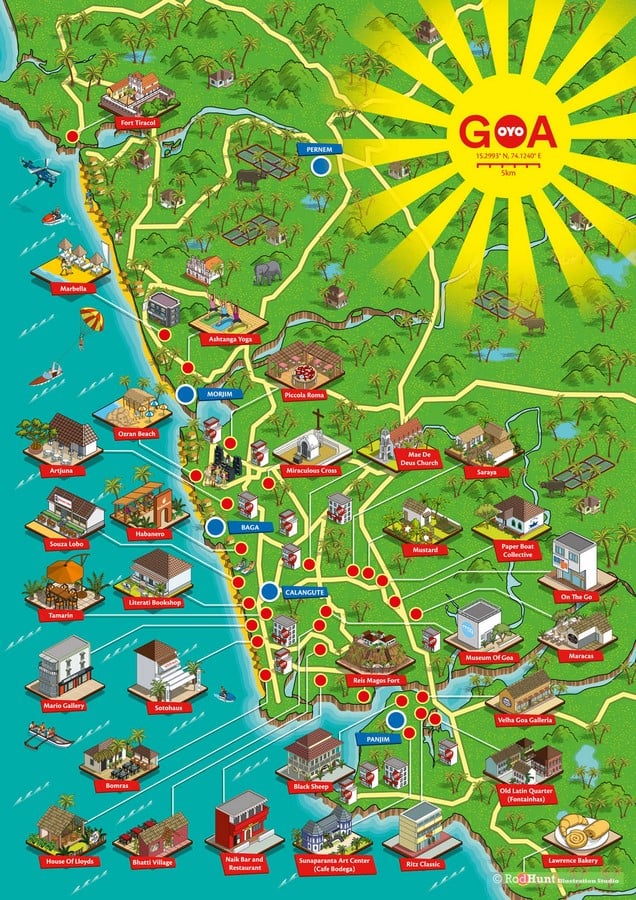
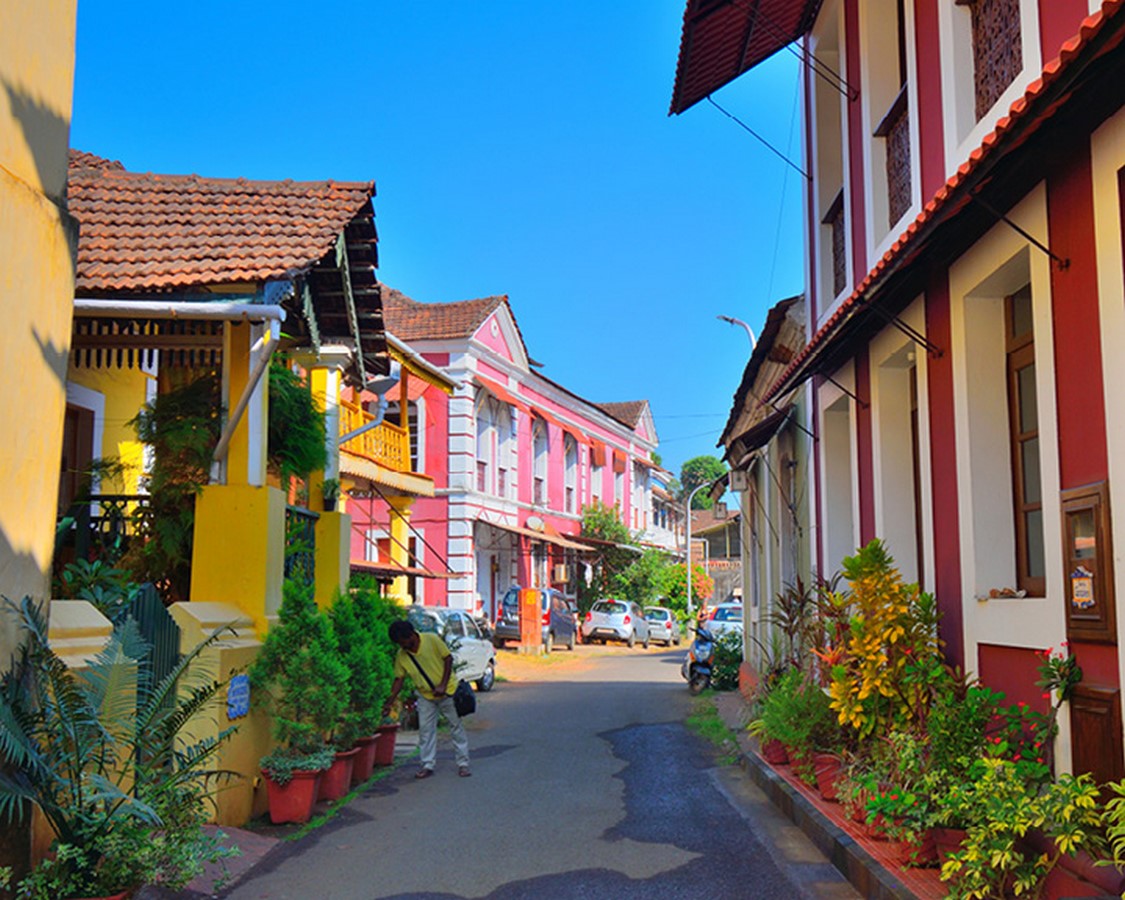
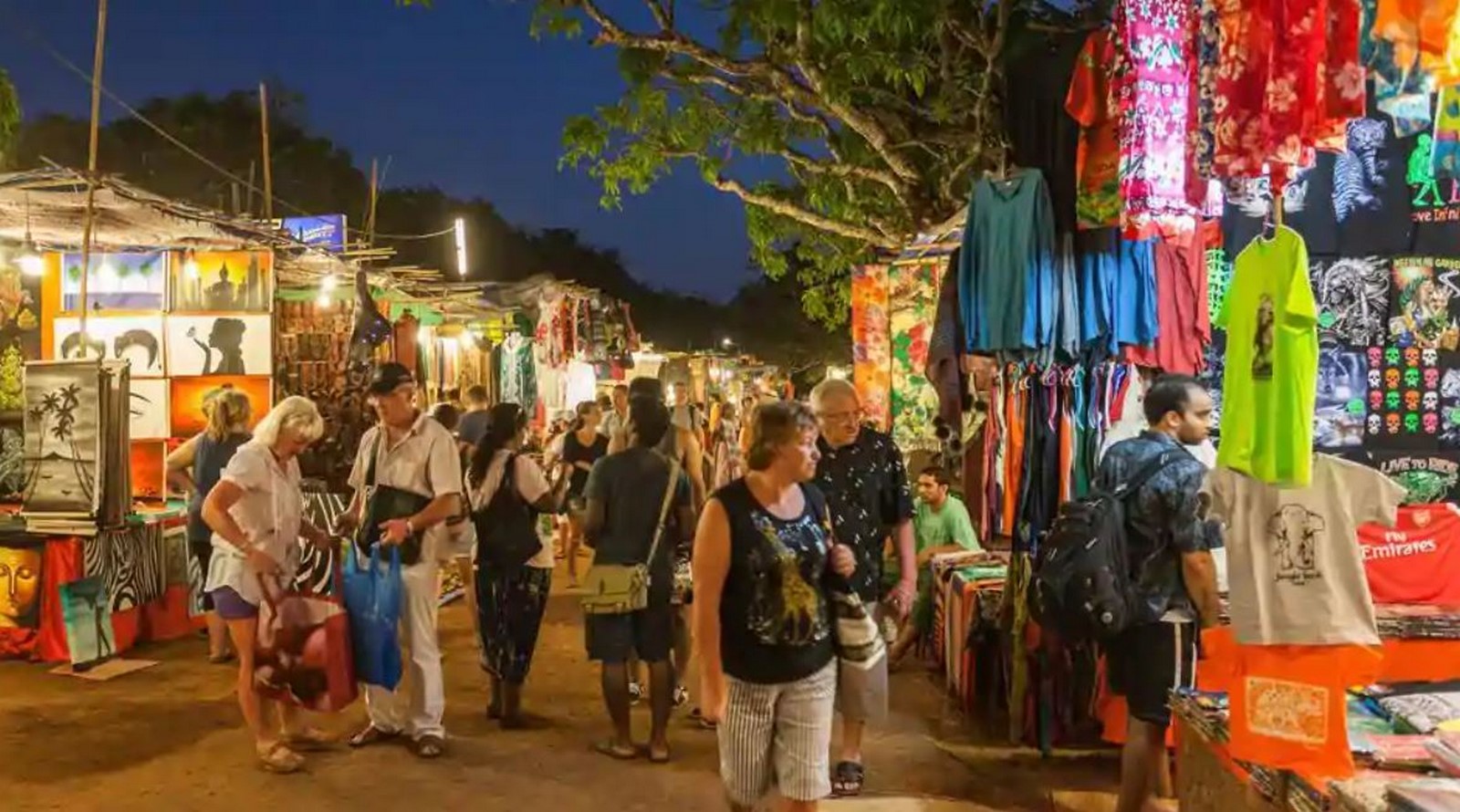
Goa is an old Portuguese colony, showing a multifaceted architectural character. The state has been a hub for tourism for a long time. The ill-effects of over-tourism were also beginning to show up. Goa underwent uncontrolled urbanization, and the impact was felt on its coastal landscape.
A new urban rejuvenation plan is in action for the destination. The new urban plan aims to create designated commercial areas and promotes sustainable tourism. Urban forestry, revitalization of the historic core, and linking the major heritage buildings through a pedestrian-friendly transit system are some of the initiatives.
15. Gold Coast, Australia | Tourism – Effects
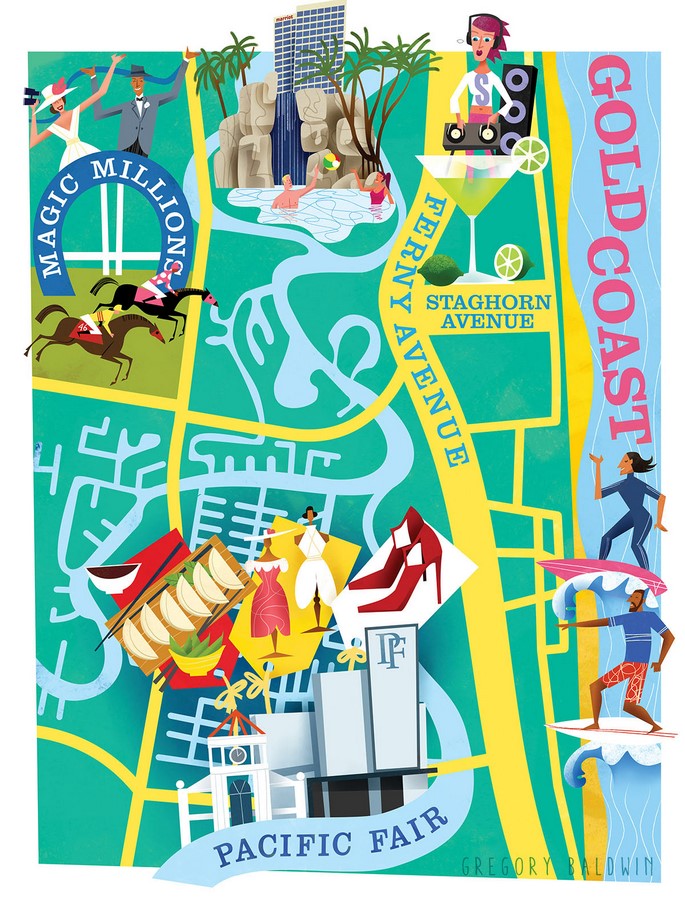
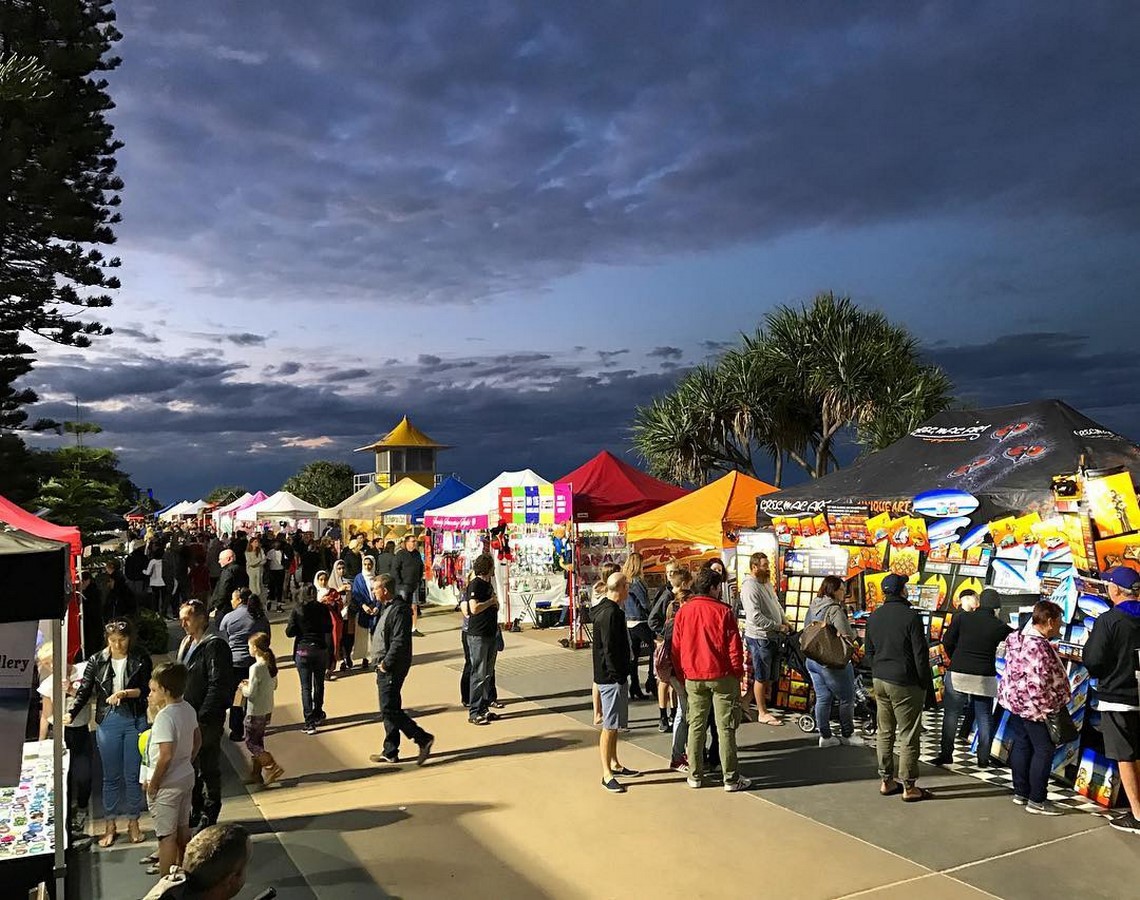
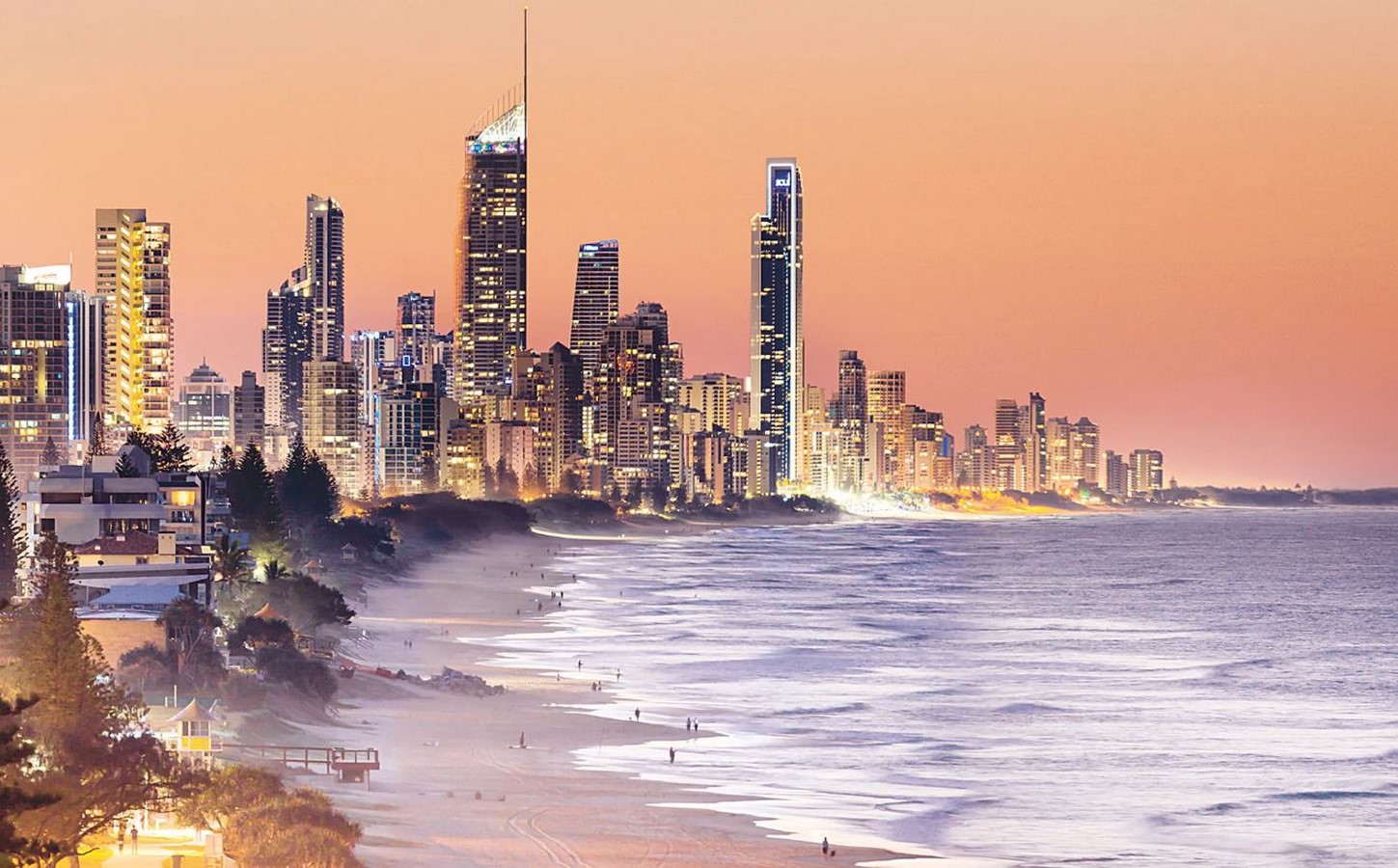
Gold Coast is one of the major 3S tourism zones in Australia. The urbanization of Gold Coast initially saw an unplanned growth fuelled by the sudden influx of tourists. In the 1990s, the authorities decided to use tourism as the backbone to create an urban design for the city.
The coastal landscape was already defined by high rise tourist accommodations. The improvement of transit links to nearby tourist destinations was implemented. The development of activity clusters that were springing up helped to create an urban character in Gold Coast. The city is an example of how tourist patterns can be utilized to formulate an effective urban plan.
16. Marrakesh, Morocco
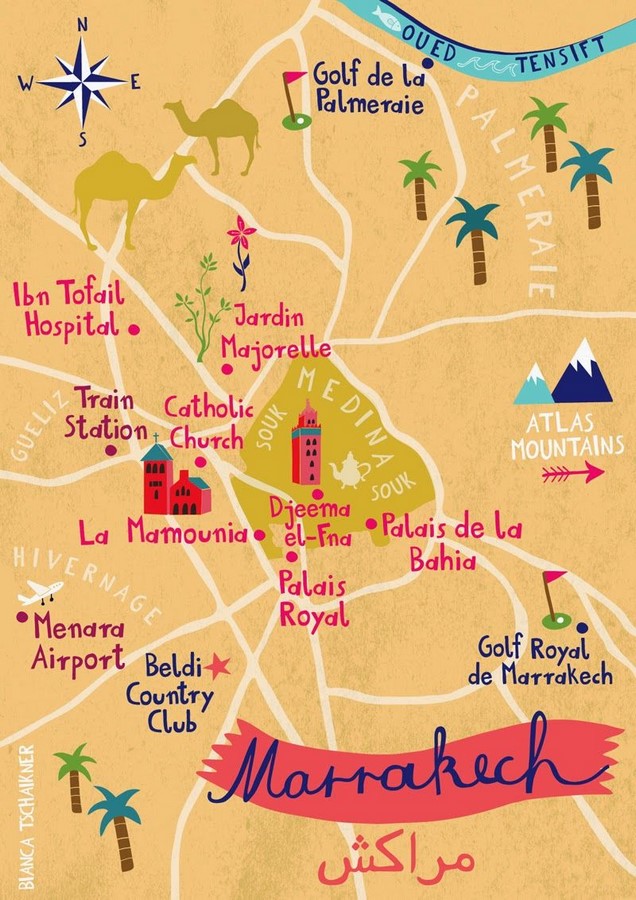
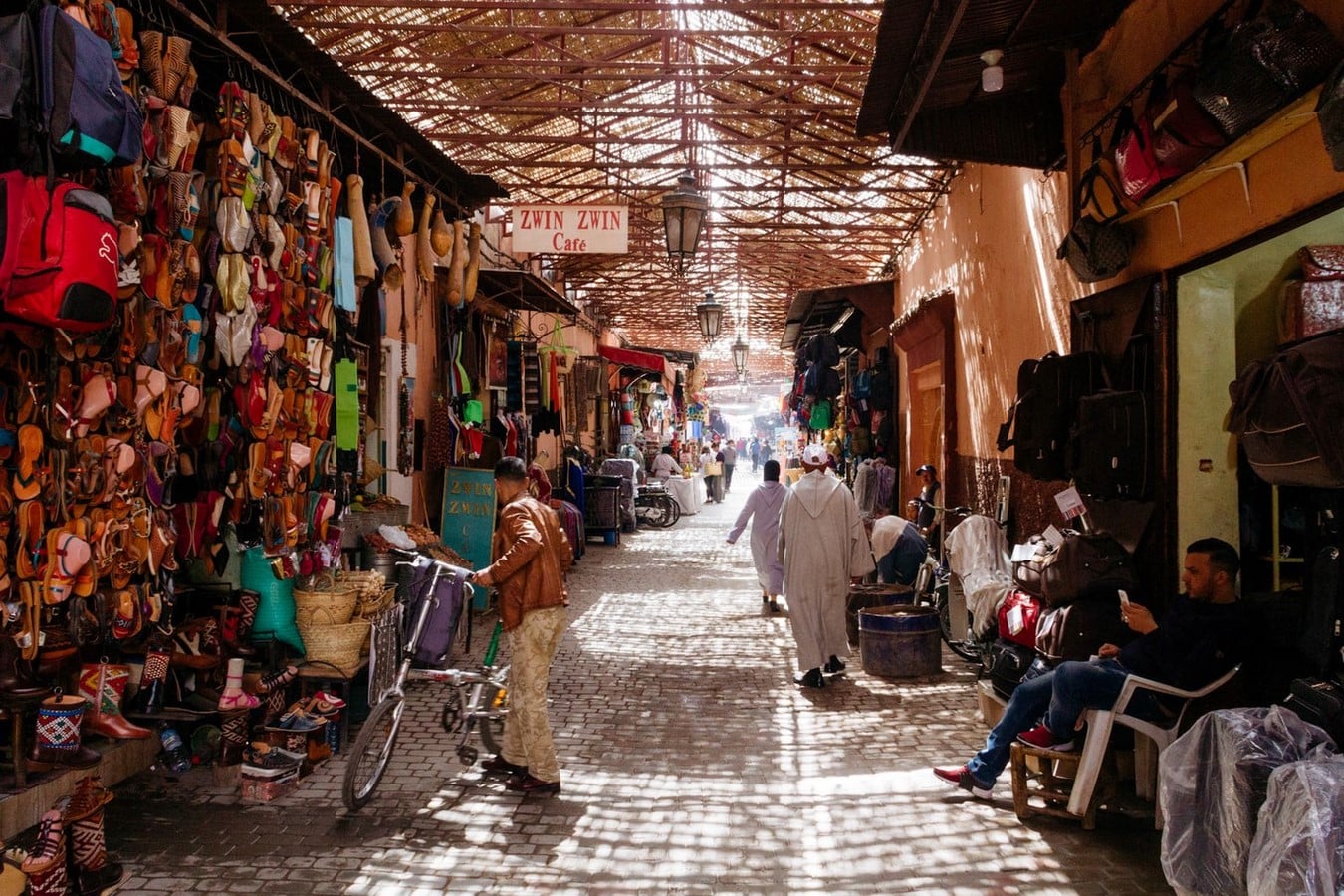
Marrakech has served as a major tourist destination in the post-independence era of Morocco. The city has a confluence of colonial and traditional Islamic architecture. The city came to be known as a ‘Hippie Mecca’ in the 1960s. The influx of celebrities spearheaded the tourism development of Marrakesh.
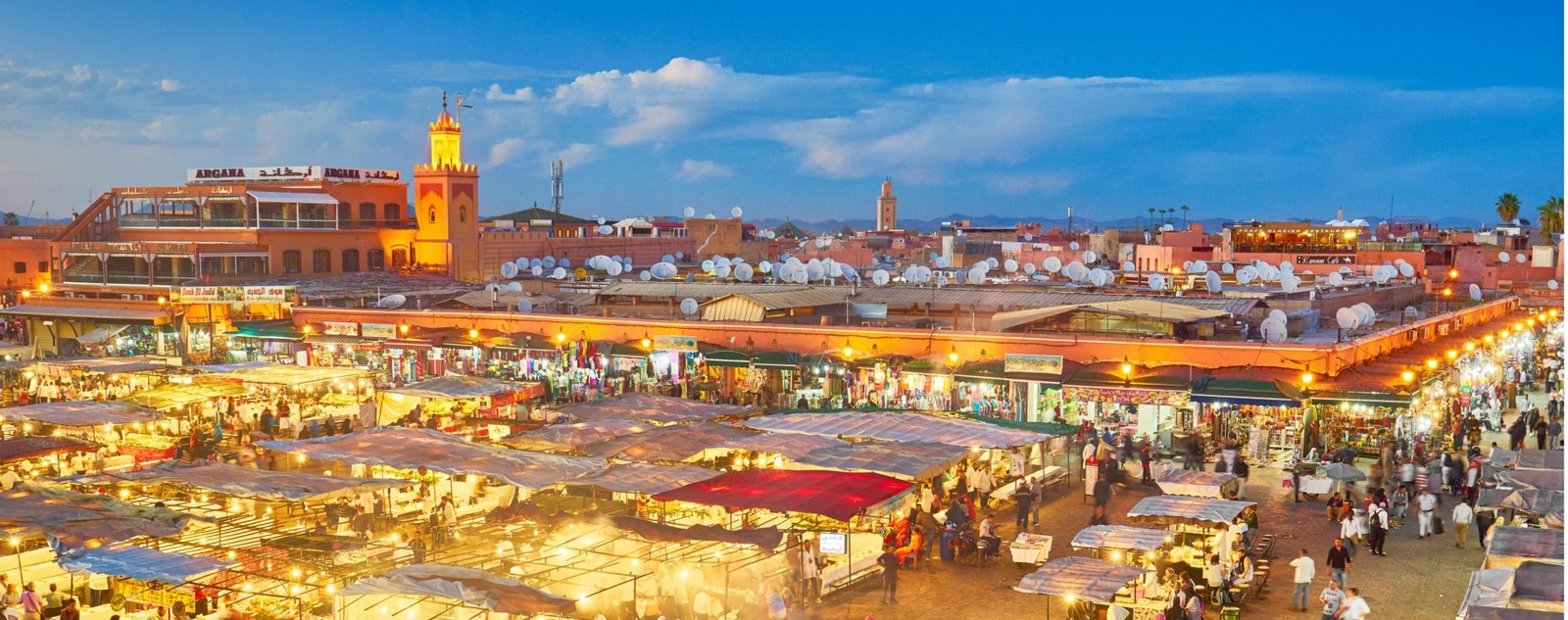
The urban character of Marrakesh was defined by the influx of western tourists. The traditional souks and vernacular street characters were the prime attractions. With time the souks developed into important commercial hubs within the city, defining the commercial zones. This was followed by the aestheticization of the associated urban spaces. Eventually, the transit links and tourist infrastructure developed focussing on these zones.
17. Medellín, Colombia
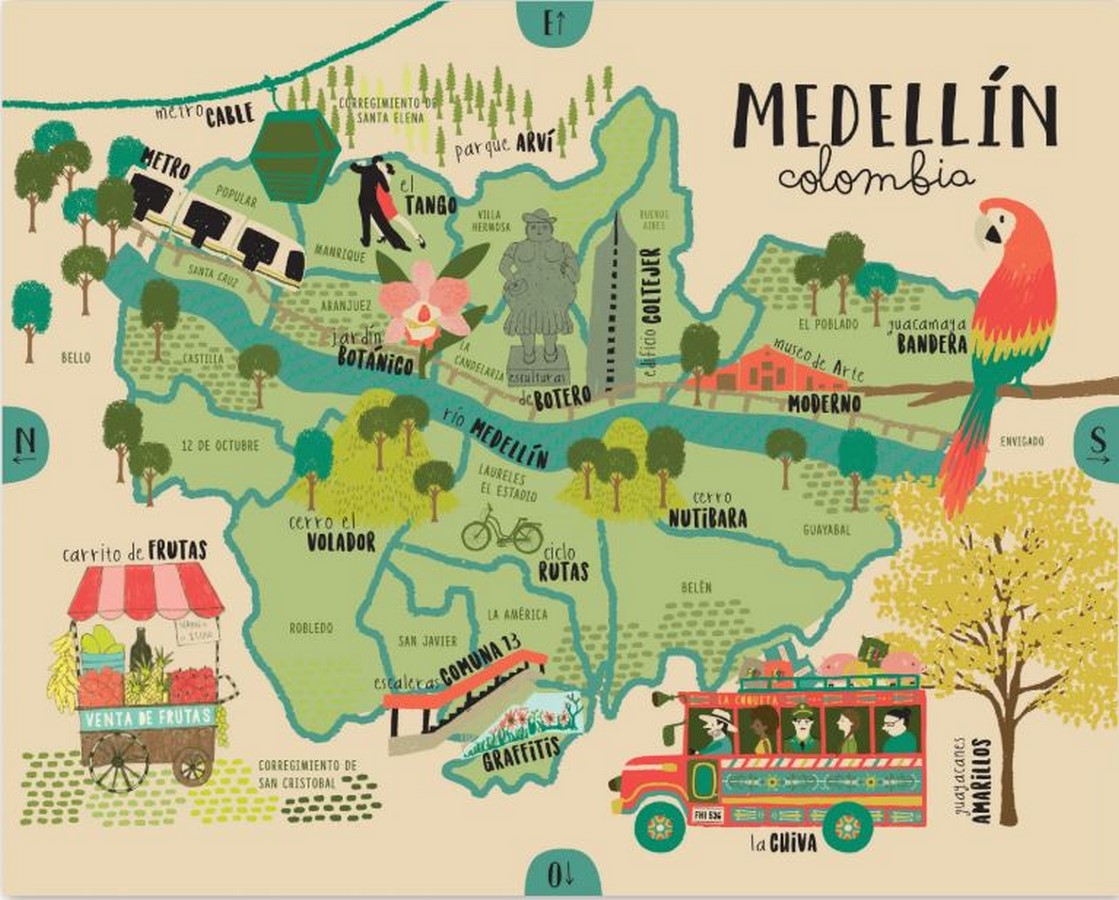
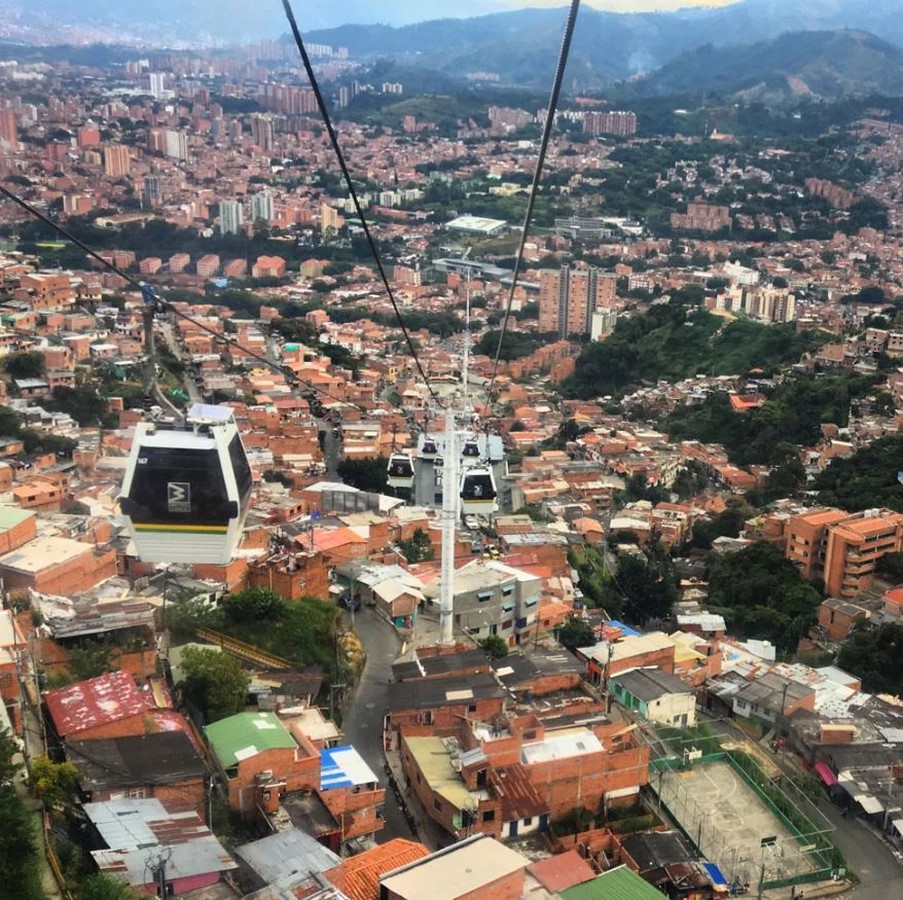
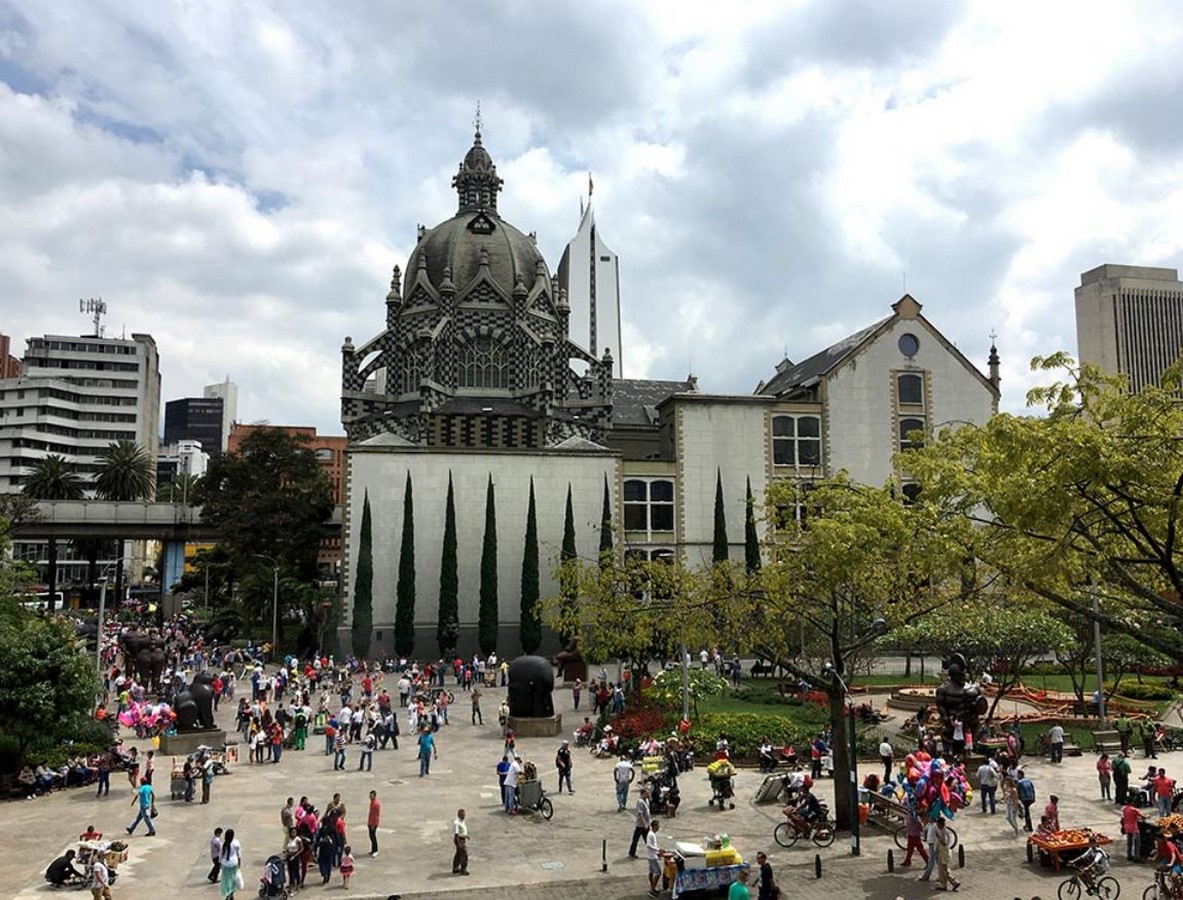
Medellín is a city with a Cinderella story of transformation. The city was initially viewed as a center for crime and poverty. The city utilized its weaknesses and emerged as a popular tourist destination in South America. The wave of Social Urbanism that took over Medellín was brought forth by a form of Slum tourism. The city took active efforts to strengthen the impoverished areas of the community. Eventually using a participatory approach, it focussed on creating a tourism-oriented economy. At present Medellín is a smart city with a sound social infrastructure. The anthropocentric design, cultural spaces, and digital tourism are some of the noteworthy aspects of its urban design.
18. Cancún, Mexico | Tourism – Effects
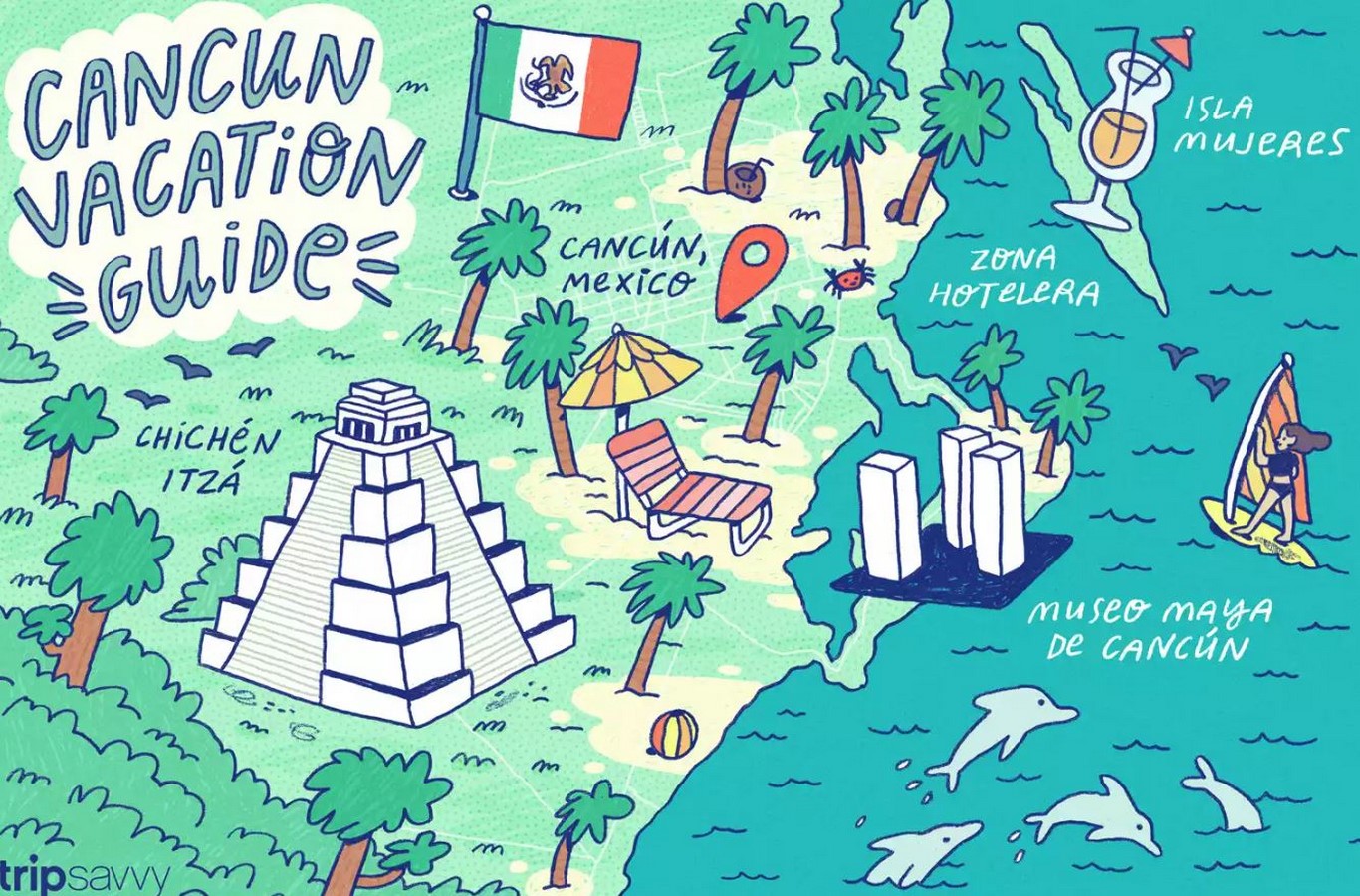
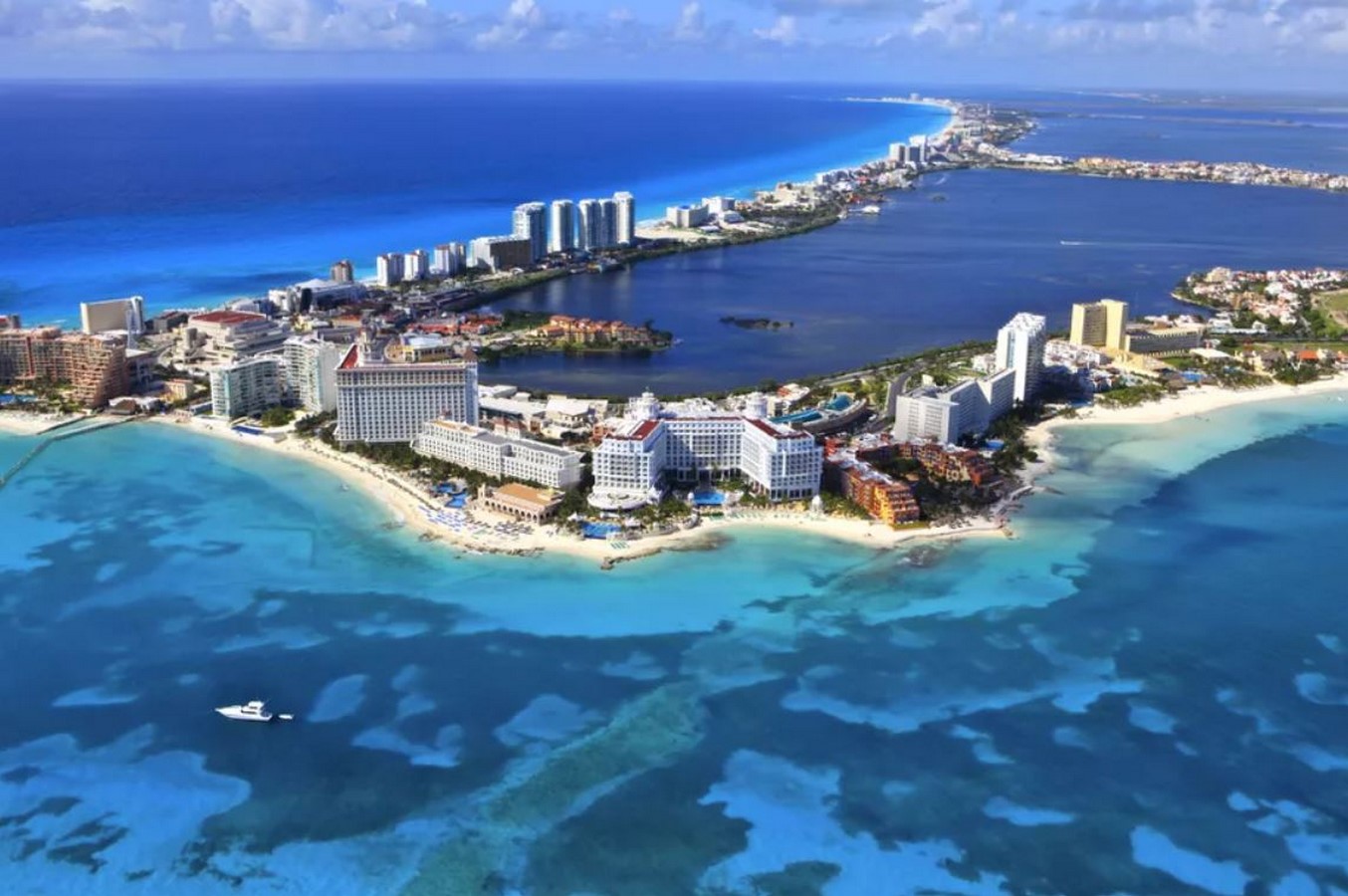
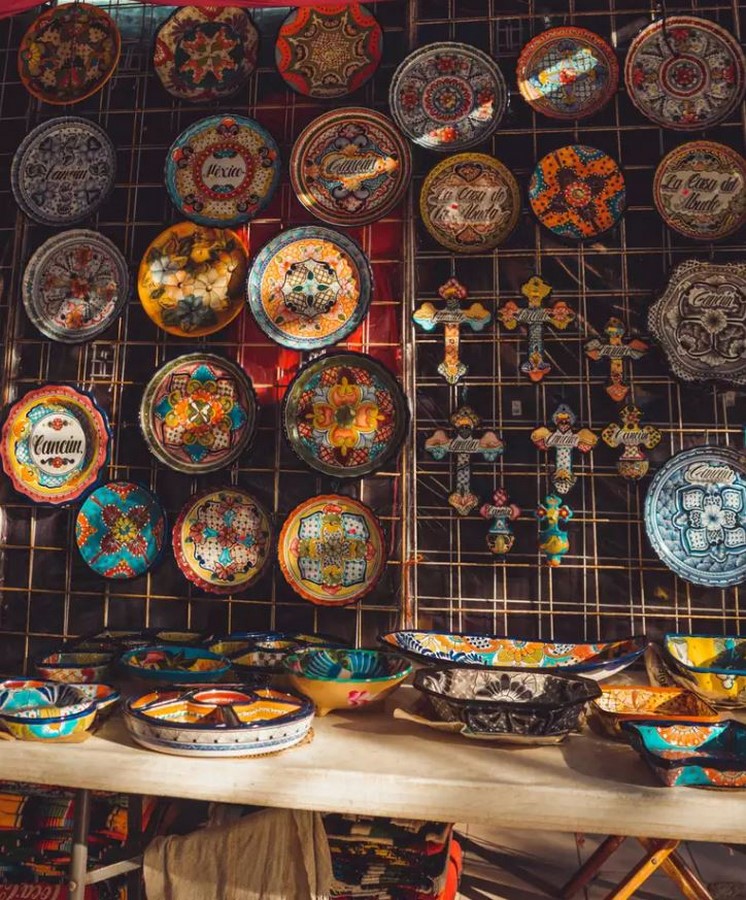
Cancún was once nothing like the vibrant tourist destination it is today. The city is a result of tourism-oriented planning in the late 1960s. The city was strictly zoned into tourist and resident zones. Ultimately, the development was controlled by the influx of tourists. The Caribbean city saw unprecedented urbanization. The physical and social infrastructure in the city began to prosper eventually. The planning, however, is highly determined by the needs of the tourism market. The city has vestiges of important Mayan sites, and they have been earmarked as potential sites as tourist attractions.
19. San Francisco, California
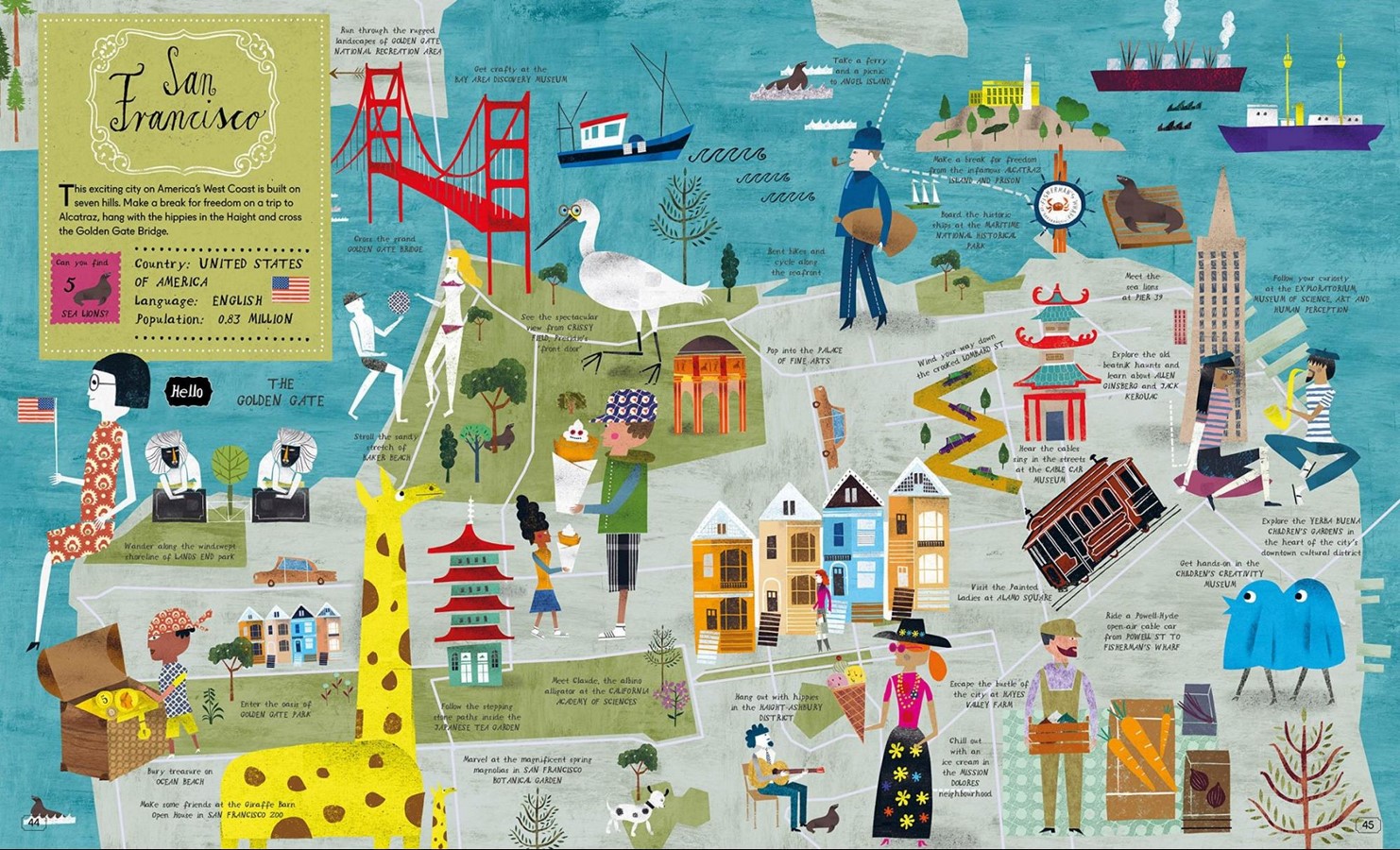
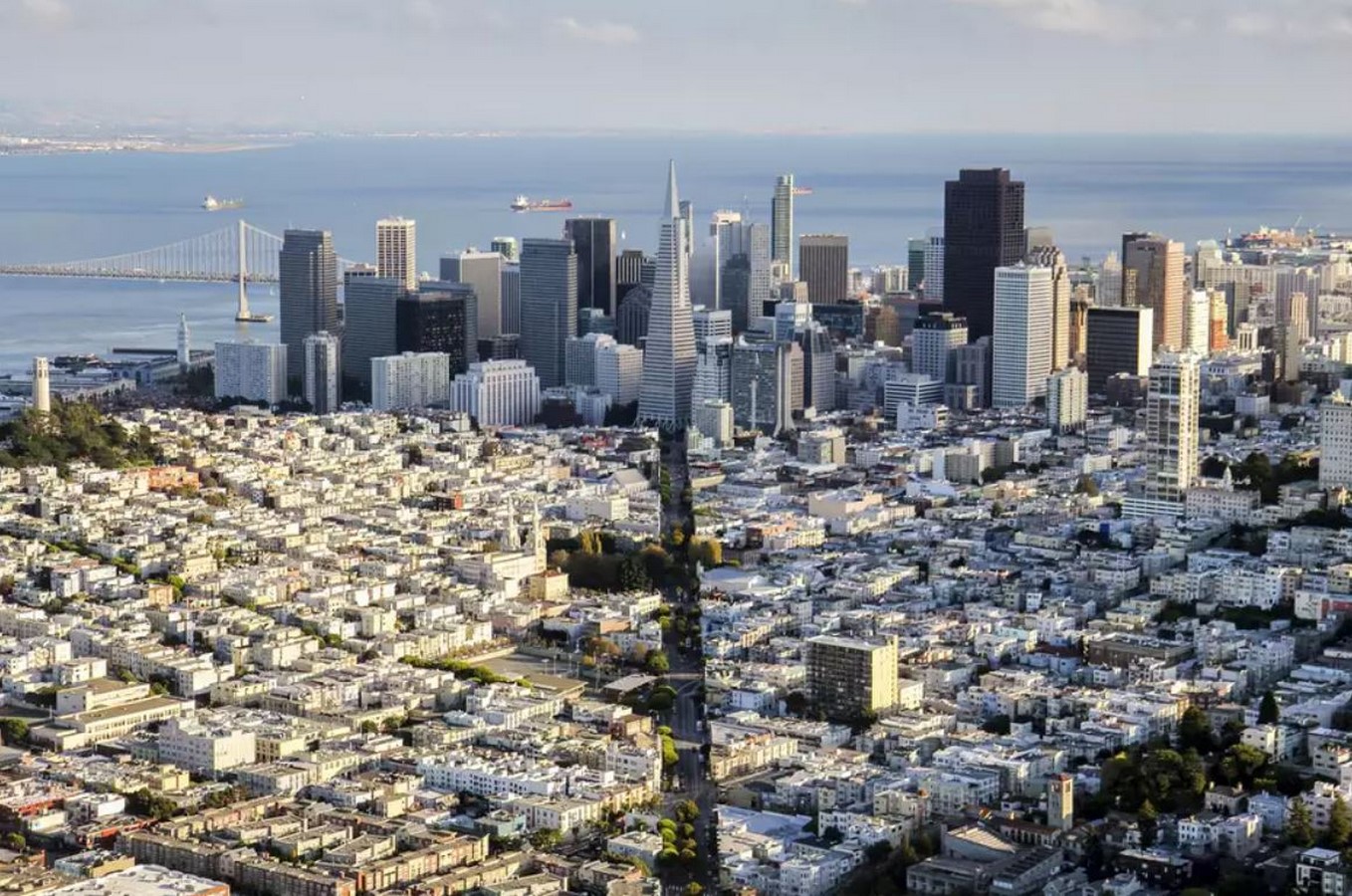
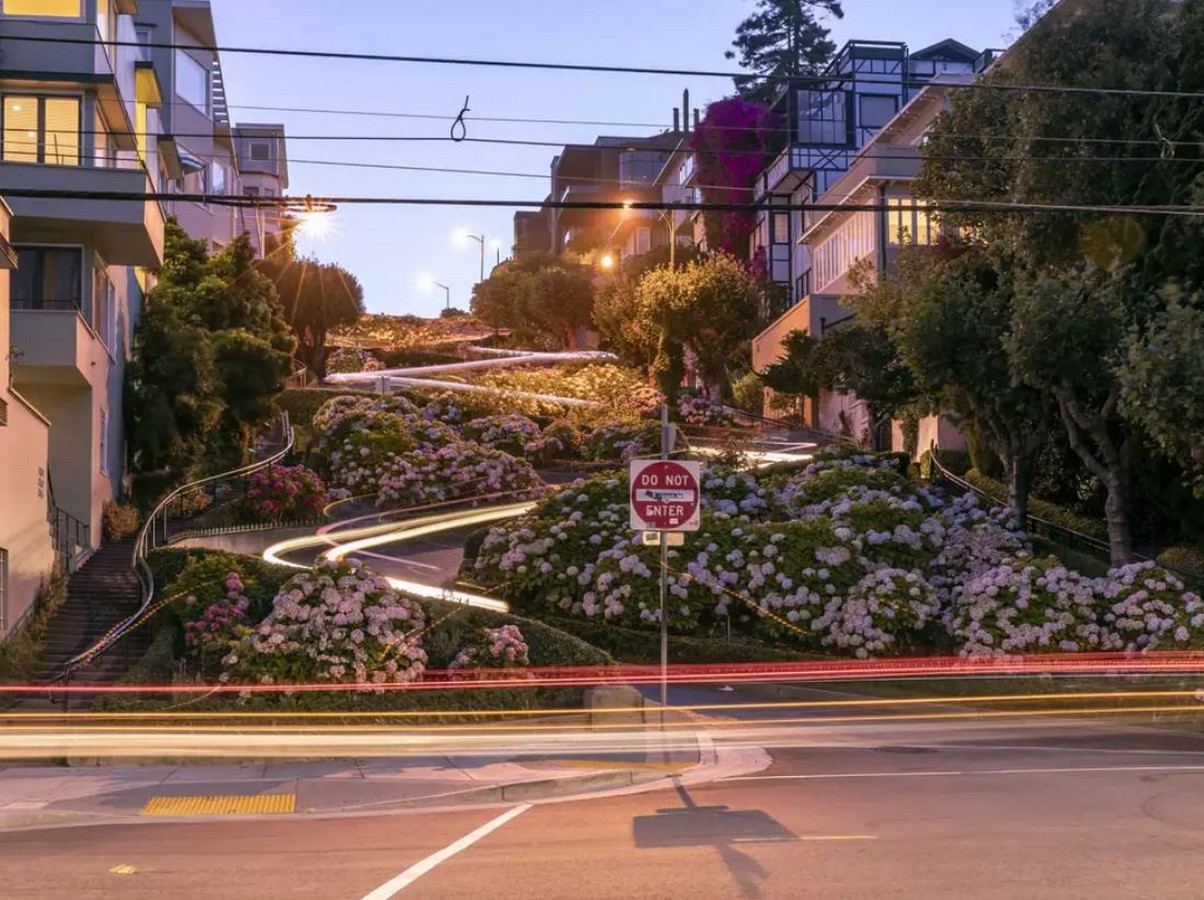
San Francisco is a major cultural and financial center in the USA. In the past, catered to maritime activity and industrial development. The city saw a growth in the residential sector due to that. Over time, the then prominent industries gave way to tourism and hospitality. The San Francisco waterfront played a symbolic role to the residents and tourists. The redevelopment of this region destroyed by industrialization adheres to this nostalgia. The eclectic built environment, culture, and contemporary lifestyle are the trademarks of San Francisco. Tourism is a thriving industry in this city, and the changing urban design of the area is a testament to that.
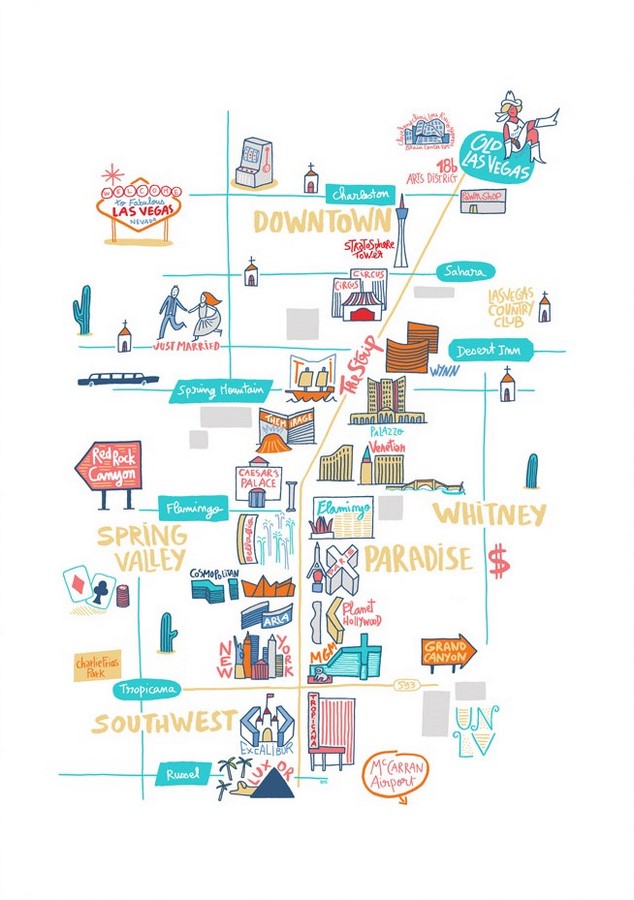
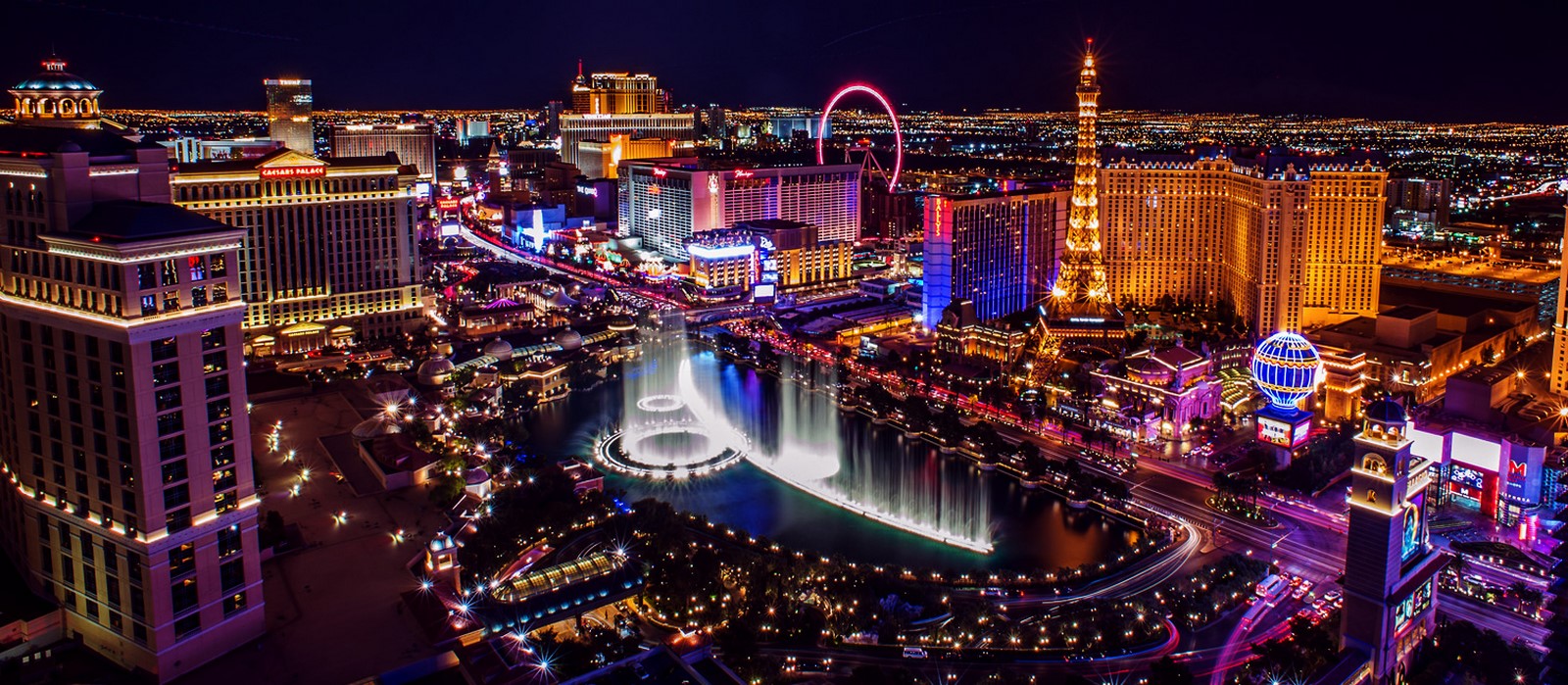
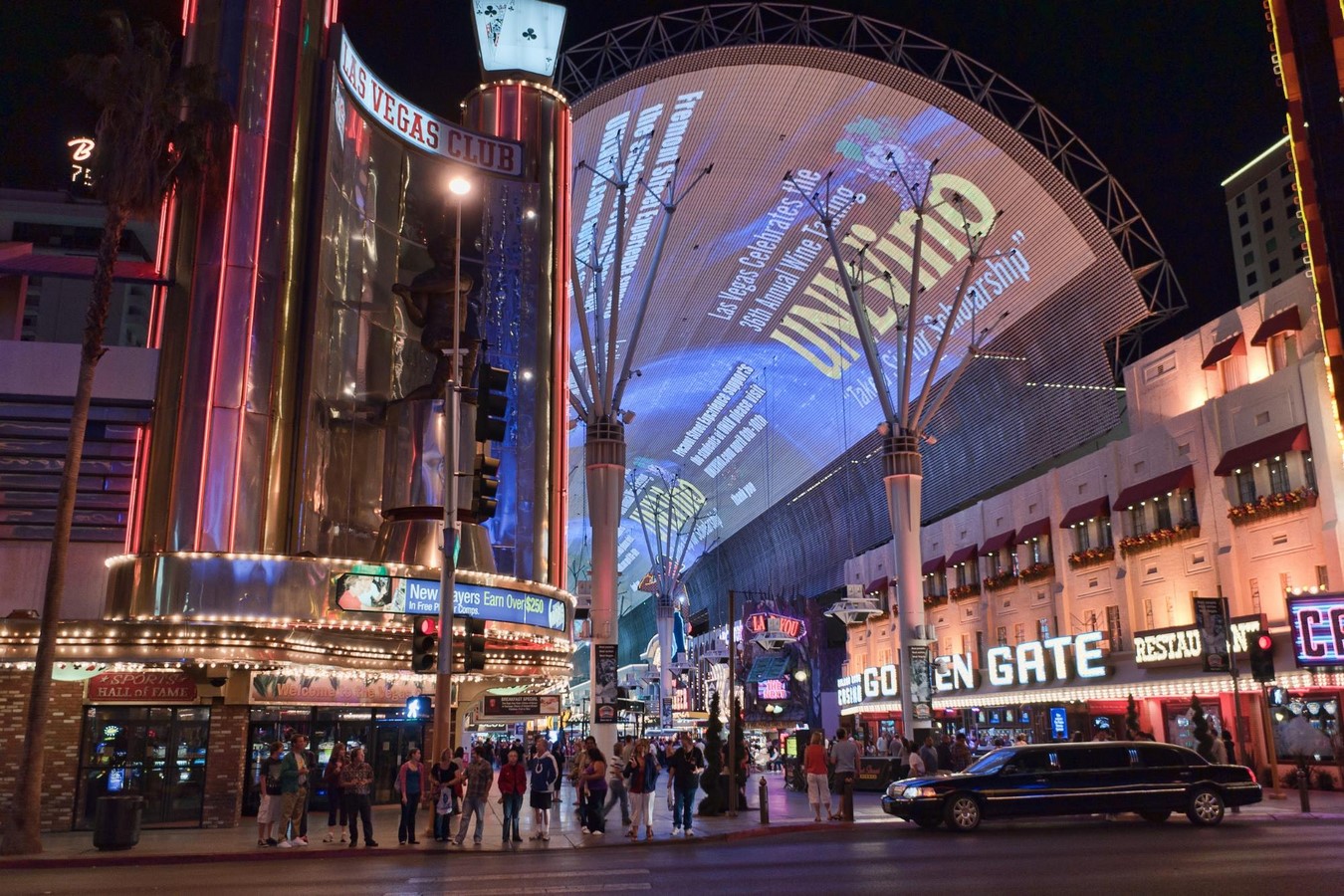
20. Las Vegas, Nevada | Tourism – Effects
The infamous ‘Sin City’ is a shimmering example of tourism-driven city planning. At first glance, it might appear like a cacophony of light and bizarre architecture. But as illustrated by the studies of Robert Venturi, Denise Scott Brown, and Steven Izenour, it has a unique nature of urban design.
The city sprung up as a result of the endeavors of a few tax-evading hoteliers. Eventually, the city grew to exhibit a sybaritic, and capitalism driven urban design. But the recent plans have shown evidence of the creation of an efficient urban environment. The city is dominated by tourism, but the urban design is beginning to incorporate notions of sustainability and anthropocentric design.