Not only in Australia but globally, industrial architecture such as warehouses, factories, distribution centres, power plants, data centres, etc., occupies massive, strategic locations, yet remains more or less disconnected from the flamboyant civic life, coming to life only with mechanical sounds during operating hours.
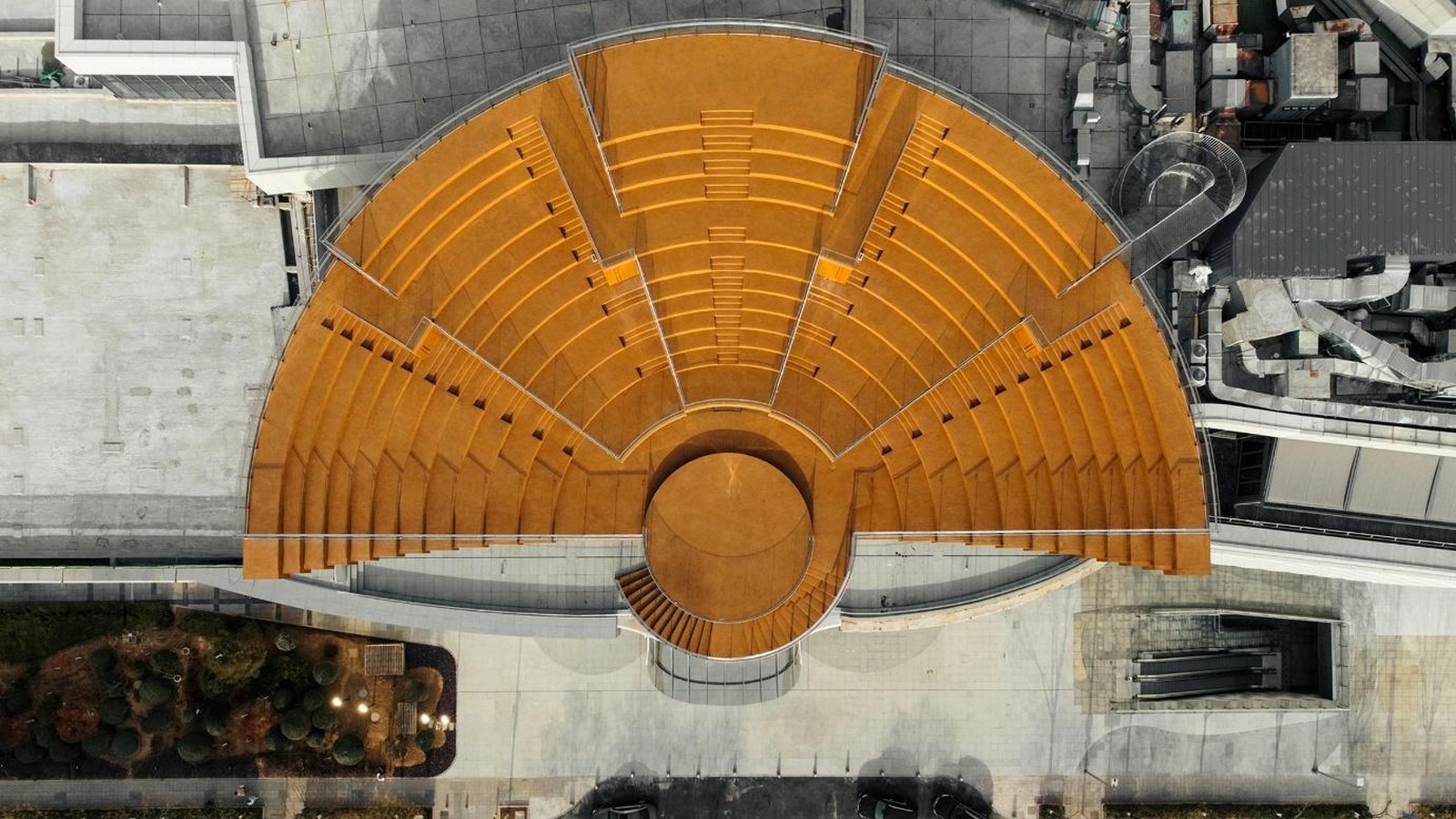
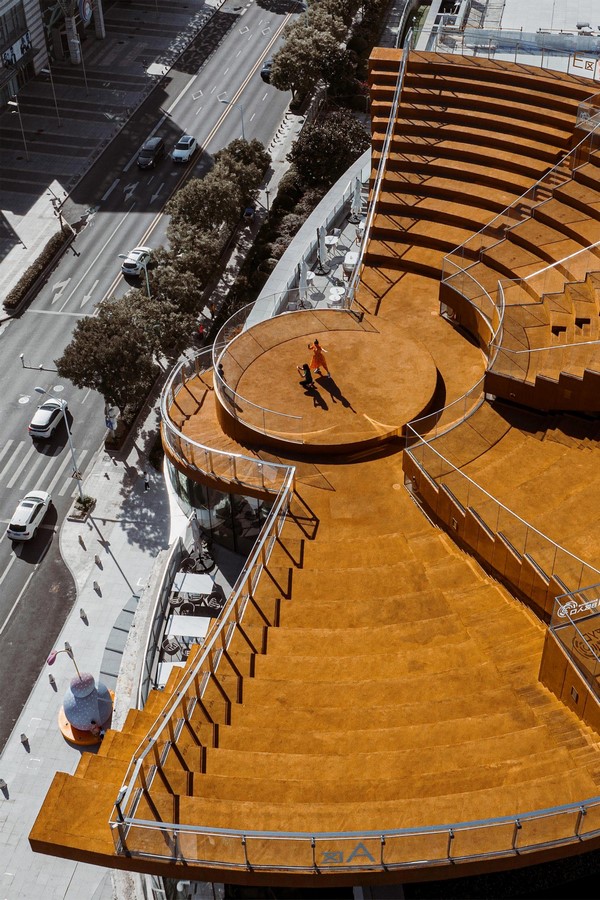
As Australian cities are wrestling with shrinking public space and urban densification, industrial buildings may be sitting as a gold mine yet to be explored. Adaptive reuse of industrial edifices into cultural spaces is nothing new. The Metro Arts Theatre at 109-117 Edward Street, Brisbane City, Queensland, which was originally built as a warehouse in 1890 as a warehouse, is now a heritage-listed building operating as a theatre complex. Or the proposal to introduce a new commercial tower above the corner building at 4-6 Wentworth Avenue – there are many more examples where the life of a structure is extended by changing or partially changing the character or use of the building.
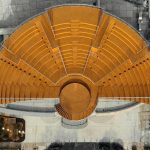
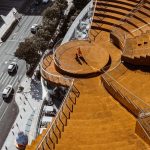
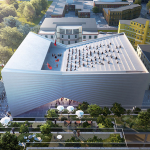
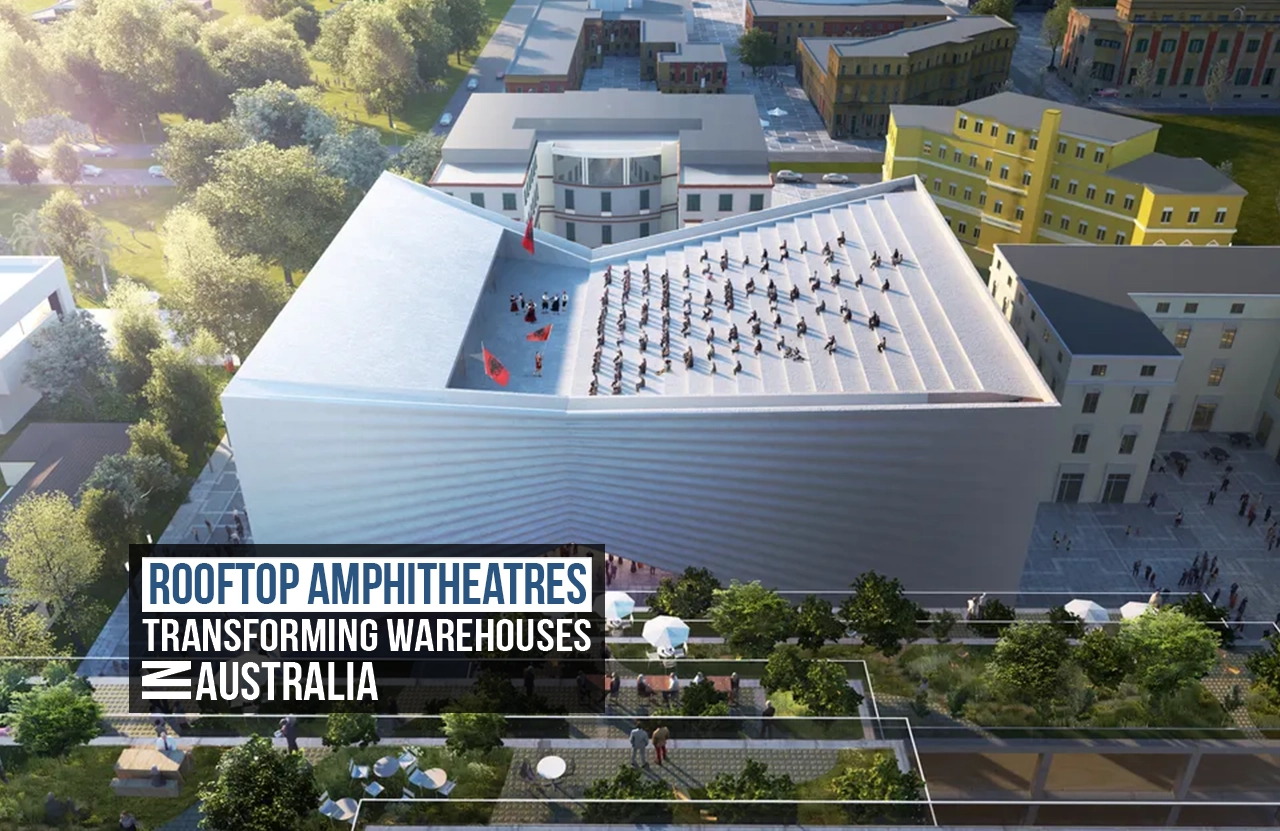
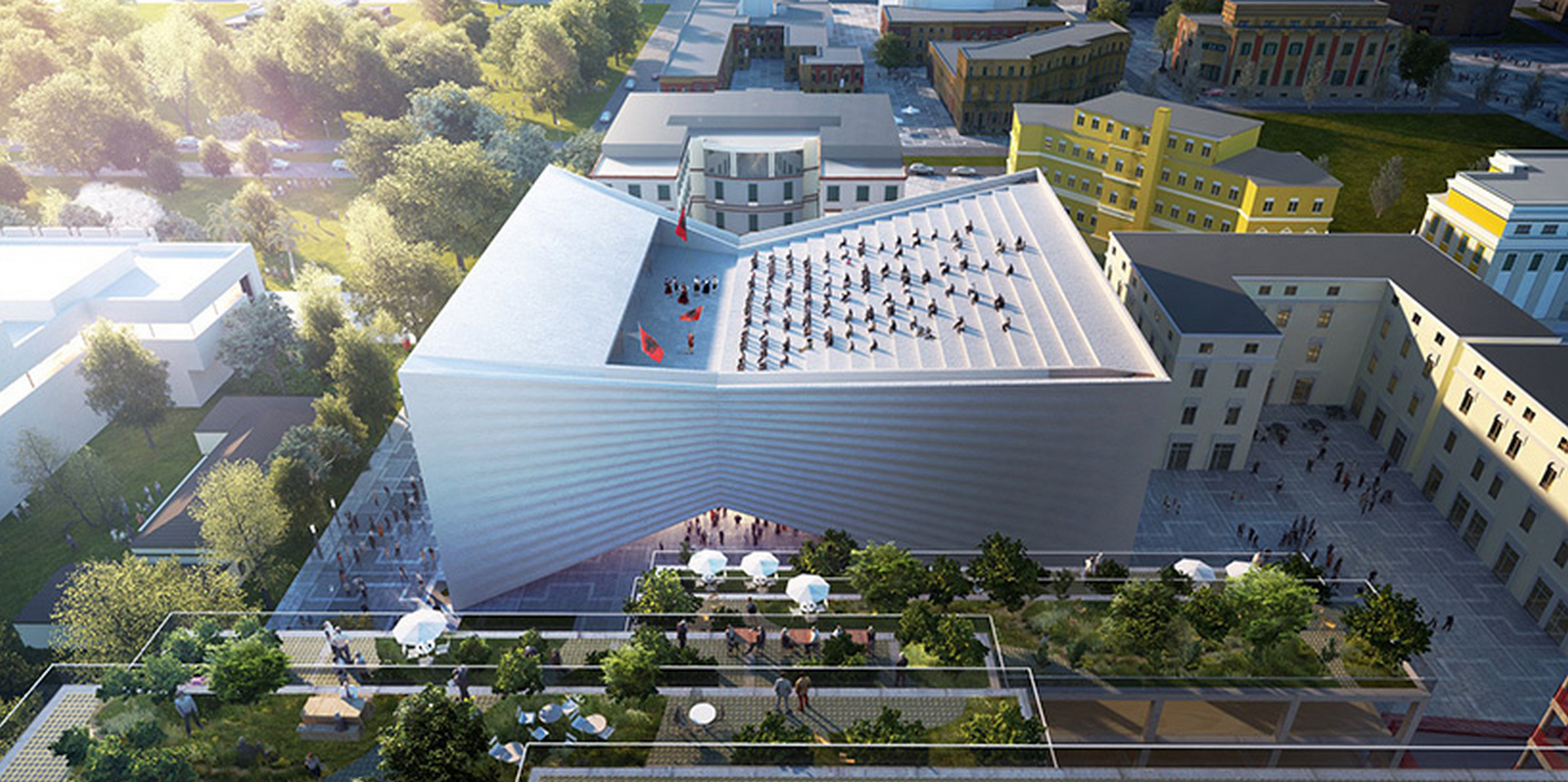
Australia’s outdoor culture and favourable climate present a unique blend of opportunities – rooftop amphitheatres over industrial warehouses. This article dives deeper into exploring possibilities of transforming warehouse roofs into experimental, diverse, vibrant and rich cultural landmarks in Australia.
A second look at Warehouses
Warehouses and other industrial buildings present an exclusive architectural framework for adaptive reuse, especially for rooftop interventions. The uninterrupted large spans, empty and barely in use roofs, robust structural design and mostly flat roof plates offer the best surface for the addition of lightweight amphitheatre structures.
The openness of the rooftop provides a slightly disconnected, yet still associated with urban life, backdrop for performances. The open and ever-changing sky, the roof and the ground below, with its own character, along with a view of the horizon, offer three different, layered backdrops that can be enjoyed by the performers and the audiences alike.
Beyond architectural and structural capabilities, warehouses usually sit within transitional urban zones, bordered by residential and commercial zones or sitting on the edge of urban and rural areas. In Australian cities, such as Melbourne’s inner North, Sydney’s Inner West and Brisbane’s river side industrial precincts, warehouses occupy large areas with good connectivity, yet limited public access. The introduction of rooftop amphitheatres at such locations can dramatically increase the public utility of these structures beyond just monotonous industrial use. Such activation of these largely ‘mechanical’ buildings can integrate these precincts into town life without disrupting ground-level operations, offering a multi-layered use.
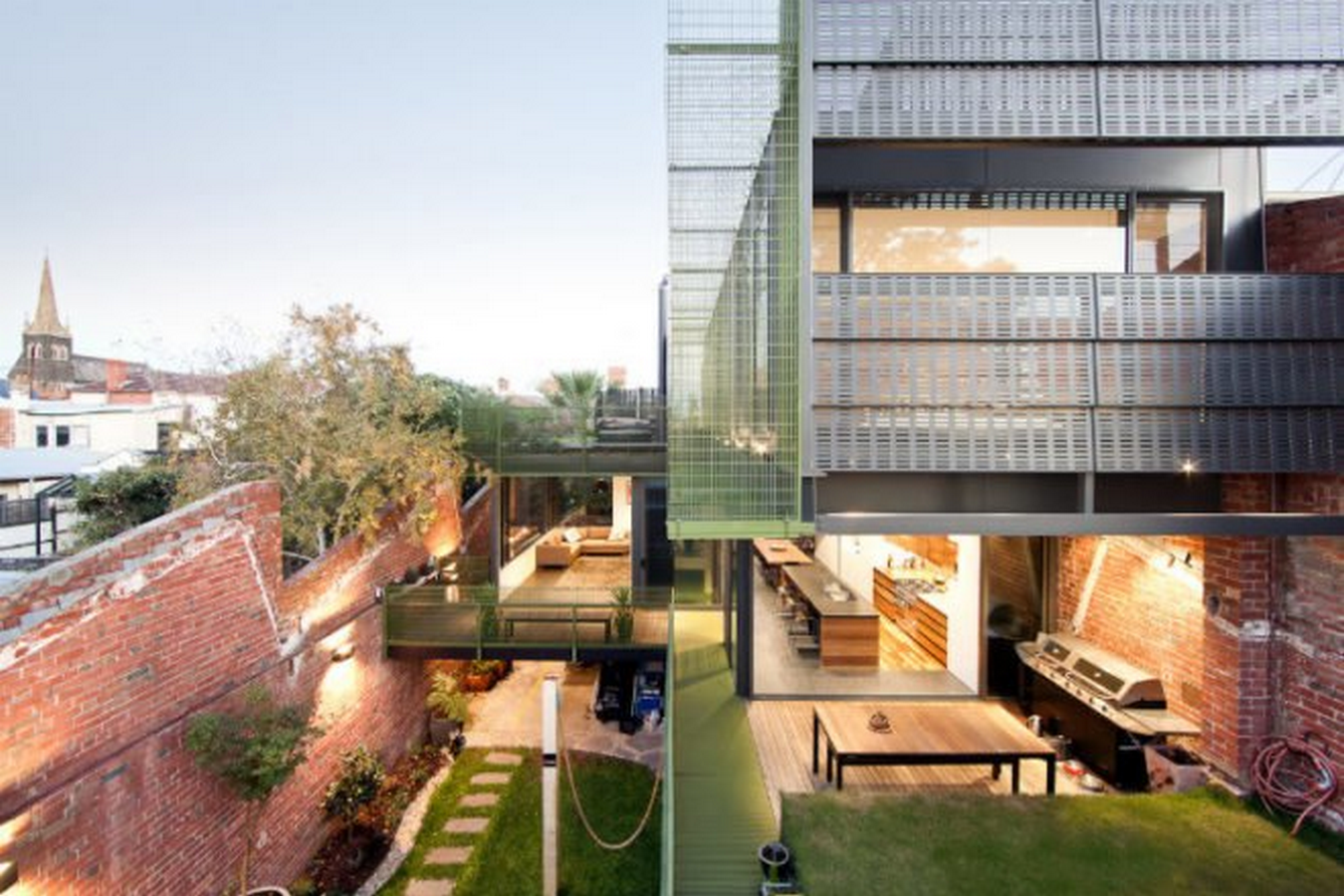
Looking up to warehouses
Standing atop a warehouse roof is an experience in itself – calming, slightly disconnecting with a clear view of the sky and the city lights in the distance.
Imagine a concert or a small theatrical performance here, with a naturally changing backdrop of the moving clouds and twinkling stars. The acoustics are not theatrical or technically precise. The music merges with the sound and feel of a warm summer breeze.
While conventional performance spaces like open-air theatres or auditoriums either merge with the surrounding landscape or are placed enclosed in monumental and technically brilliant buildings, the warehouse amphitheatres are raw. The intermixing of architectural aesthetics, technological structural mastery of a warehouse roof and the openness of the uninterrupted skyline gives birth to this new typology of public performance spaces.
Amphitheatres planned atop warehouses rely more upon spatial orientation, experimentation with materials that complement the warehouse as well as are technically sound, along with creative buffering and acoustic strategies. While classical performance spaces rely upon climate control, highly engineered acoustic design for mastering reverberation and open-air theatres specifically planned in less noisy areas, these rooftop performance spaces engage with the dynamic cityscape, using sunset and night sky as an ever-changing backdrop with industrial remnants.
They can emerge as a hybrid typology that is beyond the definition of public squares or enclosed traditional auditoriums, providing an experimental fusion of performance spaces, gatherings and a chance to observe the ever-changing urban landscape as the backdrop in contemporary cities.
This new architectural typology can be defined by tiered, lightweight, open or semi-open performance spaces. With one of the most iconic performance spaces – The Opera House, rooftop amphitheatres can not only bring warehouse buildings to life, but also create new, globally recognised landmarks in Australia.
The Australian Climate Context
With a diverse climate, yet extended periods of mild weather and a strong culture for outdoor social life, Australia supports the integration of open-air performance spaces within the ever-expanding urban sprawl.
A primary concern for many Australian cities is the afternoon sun, making it impossible to enjoy outdoor performances without glare and discomfort. Rooftops, especially the ones not treated with high SRI (solar reflective index) materials, contribute to increasing surrounding temperatures. To make the Australian sun bearable and improve the microclimate of the surroundings as well as improve the thermal comfort of the building below, the shade from retractable canopies, tensile shading systems, lightweight space frames and perforated screens can be a creative solution. These can provide adaptable solar protection without enclosing the space, allowing controlled daylight while maintaining openness and enhancing architectural character. Orientation and alignment can further reduce glare and overheating while facilitating evening gatherings that align with the local climatic comfort.
Natural ventilation is innate to rooftop settings, enabling passive cooling through cross breezes and the stack effect. In humid, coastal or river-adjacent cities like Sydney, Brisbane and Perth, patterns of prevailing winds can be harnessed to improve thermal comfort. Landscape elements like green roofs, native plants and grass pavers contribute to evaporative cooling, improving the microclimate, reducing the urban heat island effect and enhancing acoustic buffering in addition to improving the mood and well-being of the occupants. Features like urban rooftop farms, rainwater harvesting measures or simple green roofs can be integrated with rooftop amphitheatres, providing a multilayered experience.
Instead of resisting the climate, responding to it with adaptable and green rooftop amphitheatres is a sustainable, low-carbon and smart solution.
The Socio-Cultural Impact
Within Australia’s urban fabric, rooftop amphitheatres introduce a new layer of social and cultural engagement. By looking upwards and pushing the performative spaces a floor or two higher, remodelling the vacant roofs as amphitheatres, these interventions redefine how cultural activities can inhabit cities and towns, creating venues that are both visually prominent and spatially distinct.
This vertical transposition of industrial structures, often perceived as uninviting and inaccessible, allows them to become active contributors to urban life. A simple rooftop performance area makes a peculiar sight; look up, and there is a faint hum of music from the lively rooftop. Look down, and the ground below continues its own life with trucks loading, workshops humming and cars passing by.
As public platforms in less crowded industrial areas, rooftop amphitheatres support a wide spectrum of cultural re-programming, in the form of exploring experimental music, art, dance and theatre, that goes beyond carefully curated performances. The open and adaptable nature of these spaces lowers the threshold for participation, fostering quality informal interactions and broadening access to cultural experiences beyond the industrial identity of these spaces. In manufacturing zones, undergoing transition and blurred roles, such places can act as a catalyst for activating underutilised precincts and extending a new identity of cultural splendour to areas traditionally dominated by production and logistics.
Green Roofs and Adaptive Reuse!
Instead of demolishing the structurally robust warehouse buildings or completely or partially abandoning them, their lifespan can be increased by the integration of rooftop amphitheatres within existing or abandoned warehouse buildings, breathing new life into old structures. This method strongly aligns with the principles of sustainability and circular design, preserving the embodied energy of materials used during construction and exponentially reducing the waste and carbon emissions as well. In the Australian context, where large-scale buildings often outgrow their primary function or outlive their demand beyond their years of primary function, adaptive reuse offers a green, sustainable and low-impact substitute to demolition.
Rooftop interventions like these typically use lightweight construction systems that minimise additional material use while maximising spatial return. Steel frames and prefabricated components allow for efficient assembly and potential disassembly, supporting future adaptability and resource-conscious design.
Beyond technical competence, adaptive reuse through rooftop amphitheatres reframes sustainability as a cultural act. By implanting public life within existing industrial infrastructure, architecture becomes a tool for conservation not only of materials, but of urban memory and identity as well.
Integration of performative spaces with other typologies
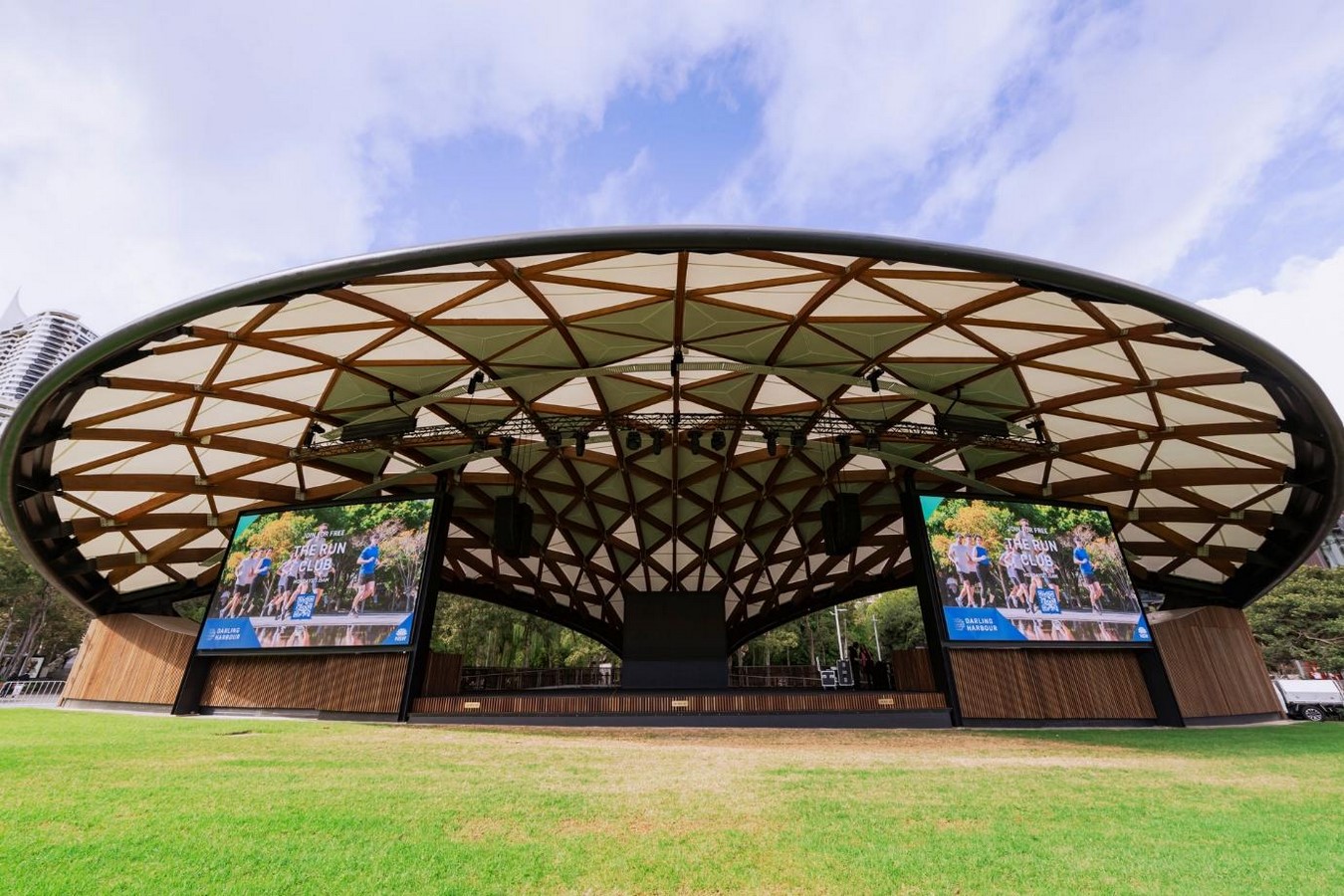
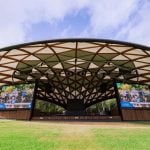
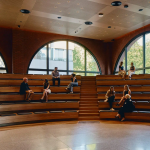
Numerous emerging examples in Australia illustrate how public spaces are seamlessly integrated with broader urban life. The Tumbalong Green Amphitheatre upgrade in Darlington Harbour, Sydney, demonstrates how a public space can serve as a focal gathering place in an urban park. The lightweight timber and tensile member sound shell contributes not only to enhancing the character of the venue but also smartly and acoustically supports cultural events and concerts at the edge of the CBD.
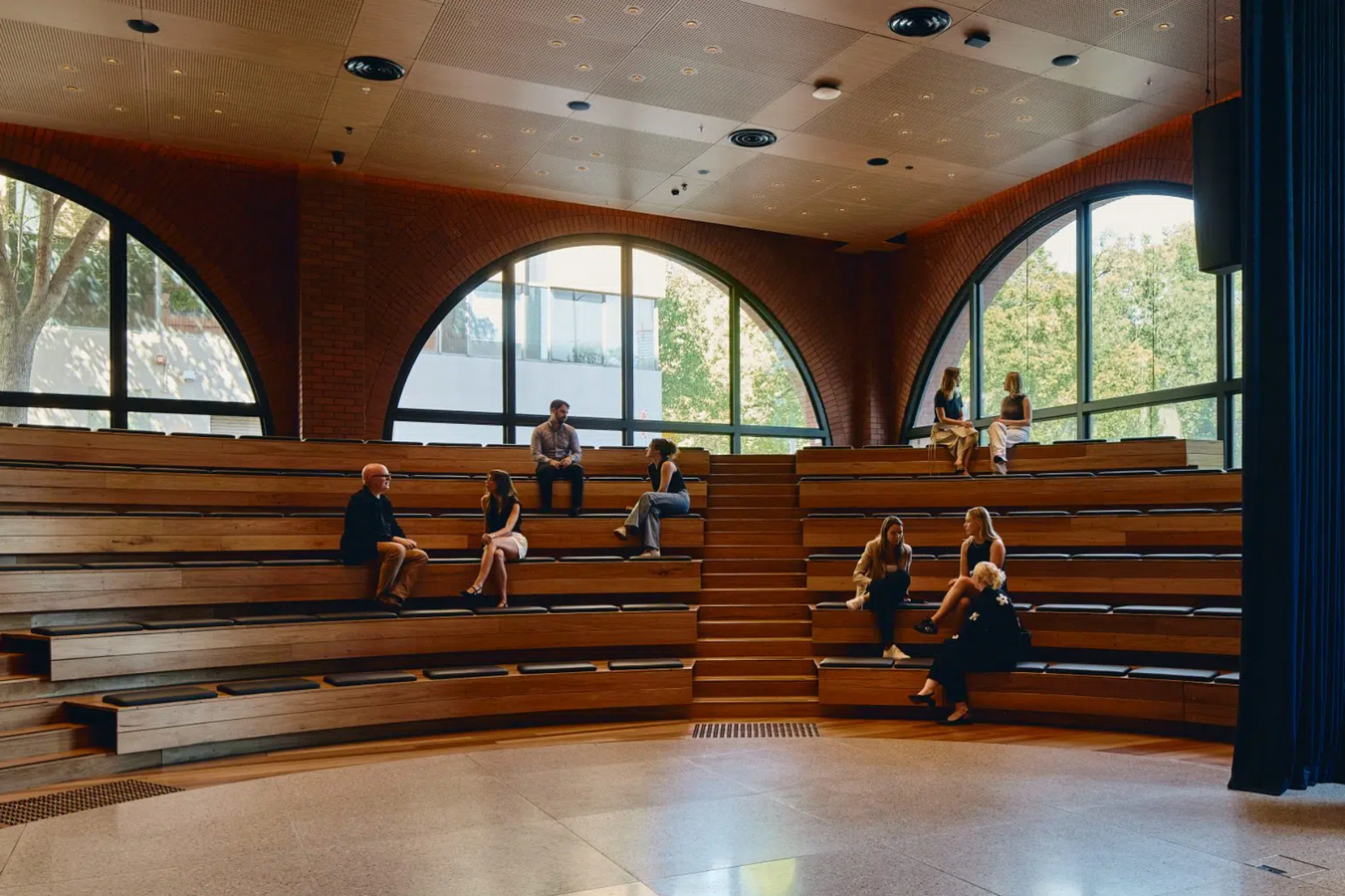
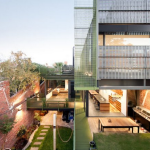
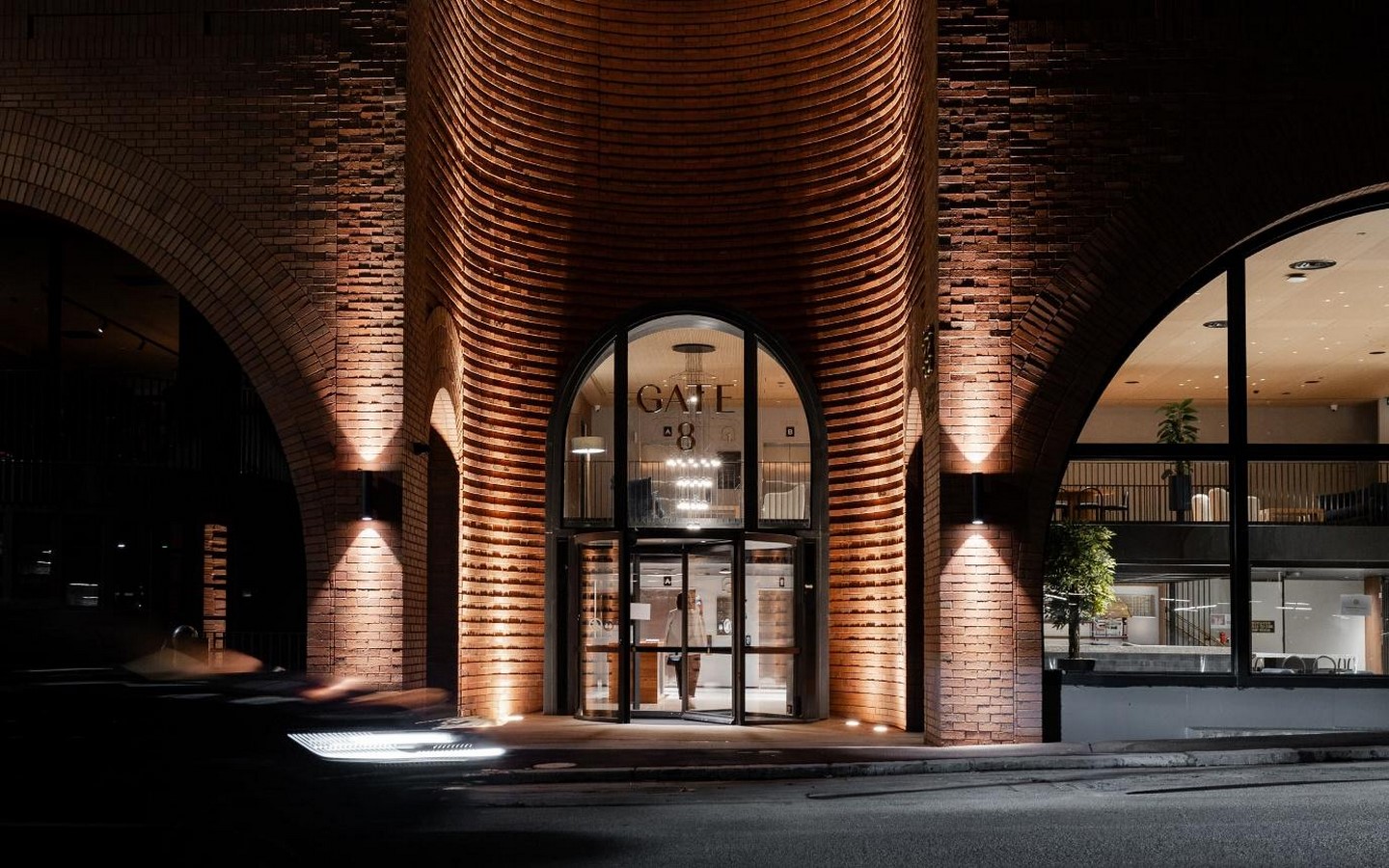
Melbourne’s Gate 8 reconfigures the traditional workspace by embedding social and cultural functions into a purpose-driven commercial building. It integrates an auditorium and flexible event spaces within its mixed-use office context, blurring the boundaries between work, community engagement and a larger public discourse.
The future of rooftop stages
As Australian cities continue to densify, the horizontal extension of public spaces becomes a challenge, prompting designers, architects and planners to explore vertical alternatives and decentralise various city functions, making rooftop stages a reality.
Alongside their promising scalability, rooftop amphitheatres are also remarkably adaptable to evolving cultural needs. Their modular design allows for easy handling, phased installation, temporary setups, and seasonal structural adjustments to meet climate needs. Due to their versatility, rooftop performance venues can act as innovative sites to investigate new forms of public involvement before significant city investments.
In the future, Rooftop Amphitheatres might encourage architects to reconsider architectural hierarchy so that cultural value is dispersed throughout the built environment of the city rather than being restricted to large structures and particular urban areas.
References:
- Bullen, P.A. and Love, P.E.D. (2011) ‘Adaptive reuse of heritage buildings’, Structural Survey, 29(5), pp. 411–421.
- Cantell, S.F. (2005) The Adaptive Reuse of Historic Industrial Buildings: Regulation Barriers, Best Practices and Case Studies. Los Angeles: University of Southern California.
- Carmona, M. (2019) Public Places, Urban Spaces: The Dimensions of Urban Design. 3rd edn. London: Routledge.
- Douglas, J. (2006) Building Adaptation. 2nd edn. Oxford: Butterworth-Heinemann.
- Gehl, J. (2011) Life Between Buildings: Using Public Space. Washington, DC: Island Press.
- Gehl Institute (2017) Public Life Diversity Toolkit. New York: Gehl Institute.
- Harvey, D. (2012) Rebel Cities: From the Right to the City to the Urban Revolution. London: Verso.
- Heath, T. (2001) Adaptive Reuse of Offices for Residential Use. London: Spon Press.
- MakMax Australia (2023) Tumbalong Green Amphitheatre Roof. https://www.makmax.com.au/project/tumbalong-green-amphitheatre-roof/
- Project for Public Spaces (n.d.) What Makes a Successful Place? https://www.pps.org
- Rothelowman Architects (2025) Gate 8 – Good Design Award Projecthttps://rothelowman.com.au/insights/gate-8-wins-good-design-award-2025
- Springer Nature (2023) ‘Adaptive reuse of existing buildings’, in Sustainable Building Design. Cham: Springer. Available at: https://link.springer.com (Accessed: Day Month Year).
- Urban Design Lab (2021) Adaptive Reuse and Modular Spaces: Transforming Urban Landscapes. https://urbandesignlab.in
- ArchDaily (2020) Recycling Warehouses: 25 Adaptive Reuse Projects. https://www.archdaily.com
- European Environment Agency (2021) Nature-Based Solutions in Urban Areas. Luxembourg: Publications Office of the European Union.
- UN-Habitat (2020) Integrating Health in Urban and Territorial Planning. Nairobi: United Nations Human Settlements Programme.
- World Health Organization (2017) Urban Green Spaces: A Brief for Action. Copenhagen: WHO Regional Office for Europe.
- Kaplan, R. and Kaplan, S. (1989) The Experience of Nature: A Psychological Perspective. Cambridge: Cambridge University Press.