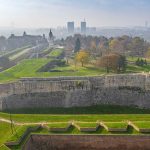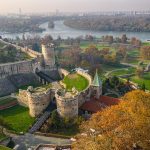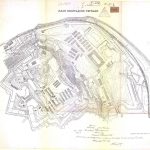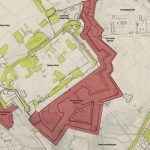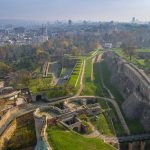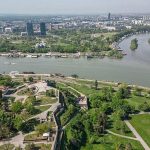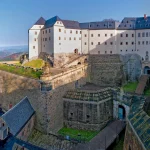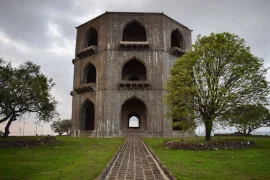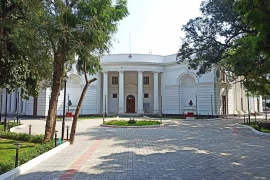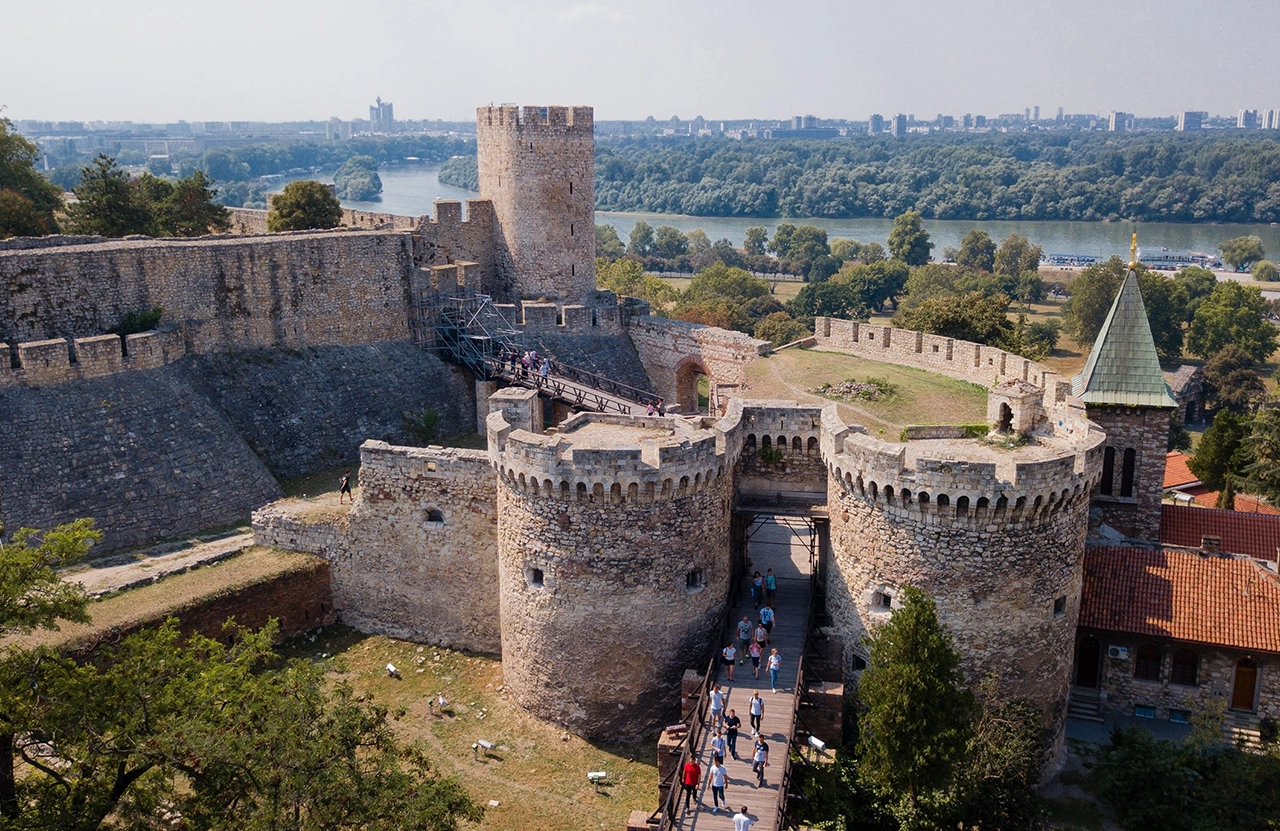
Located at the confluence of the Sava and the Danube, the Belgrade fortress is known to be the oldest urban space in Belgrade, tracing back to the establishment of the Roman Singidunum. The current architecture has been a culmination of work over more than two millennia. The Slavic name of both the city and the fortress, Belgrade, was first mentioned in 878 CE. It was mentioned as part of a letter from Pope John III to the Bulgarian prince Boris. The constant upgrades, renovations and demolitions reflect its integral role in Serbia’s history.
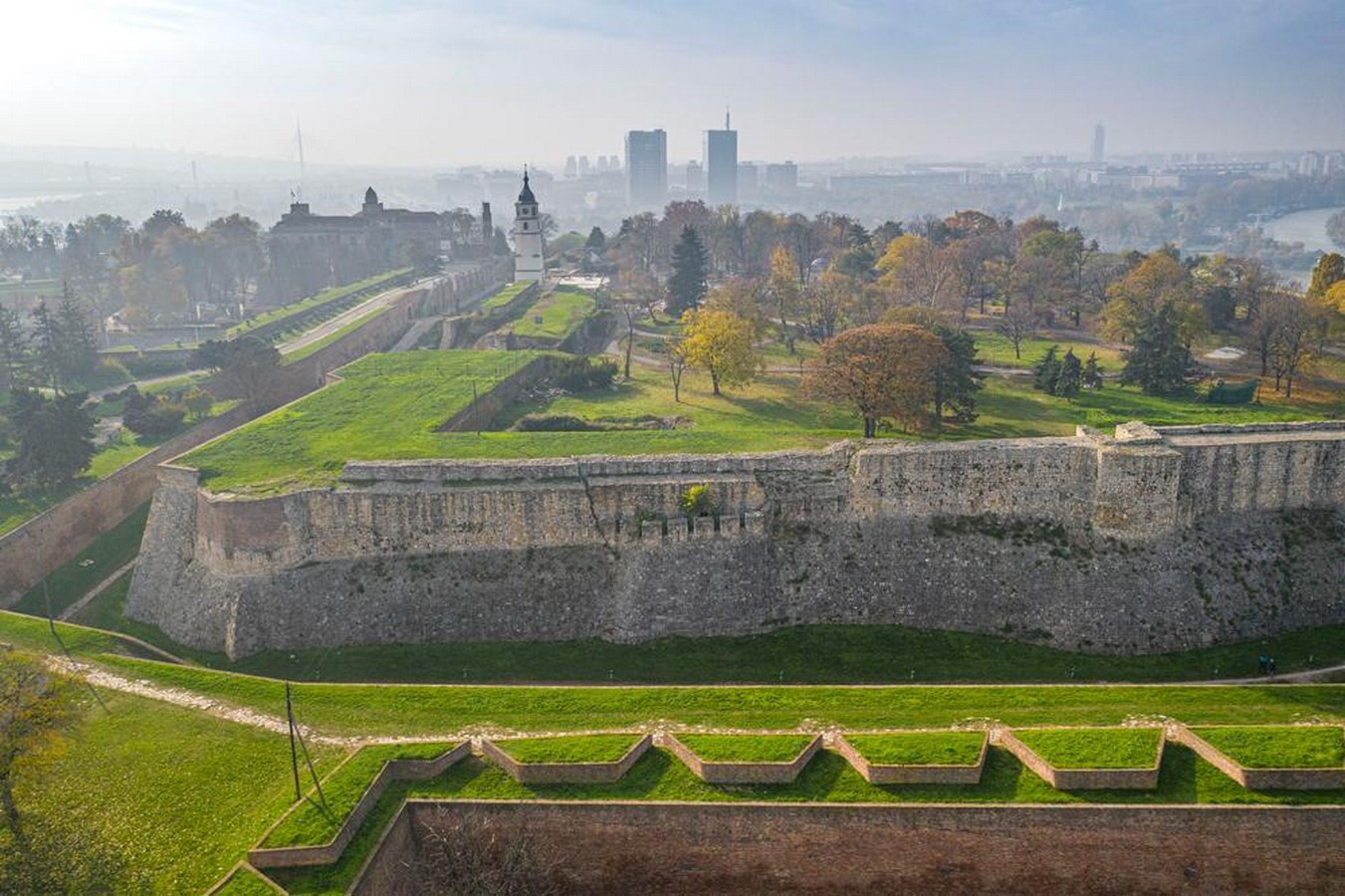
Location and Context
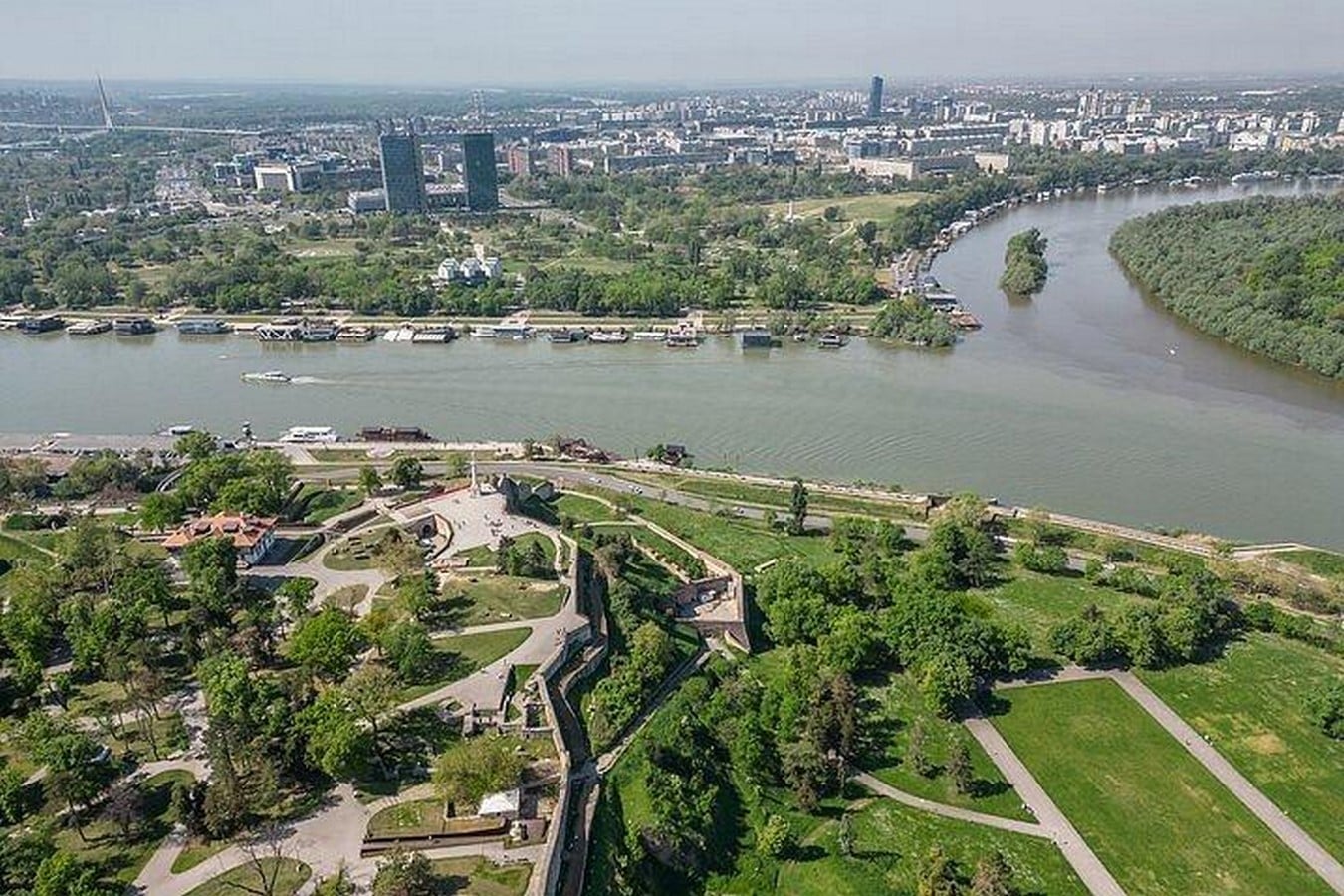
Strategically located at the intersection of trade routes from Europe to the east, the Belgrade Fortress has been a military stronghold from which several conquests have been launched. Its strategic positions at the top of the ridge at the confluence of the two rivers command the surroundings and allow for control over the plains to the north and west.
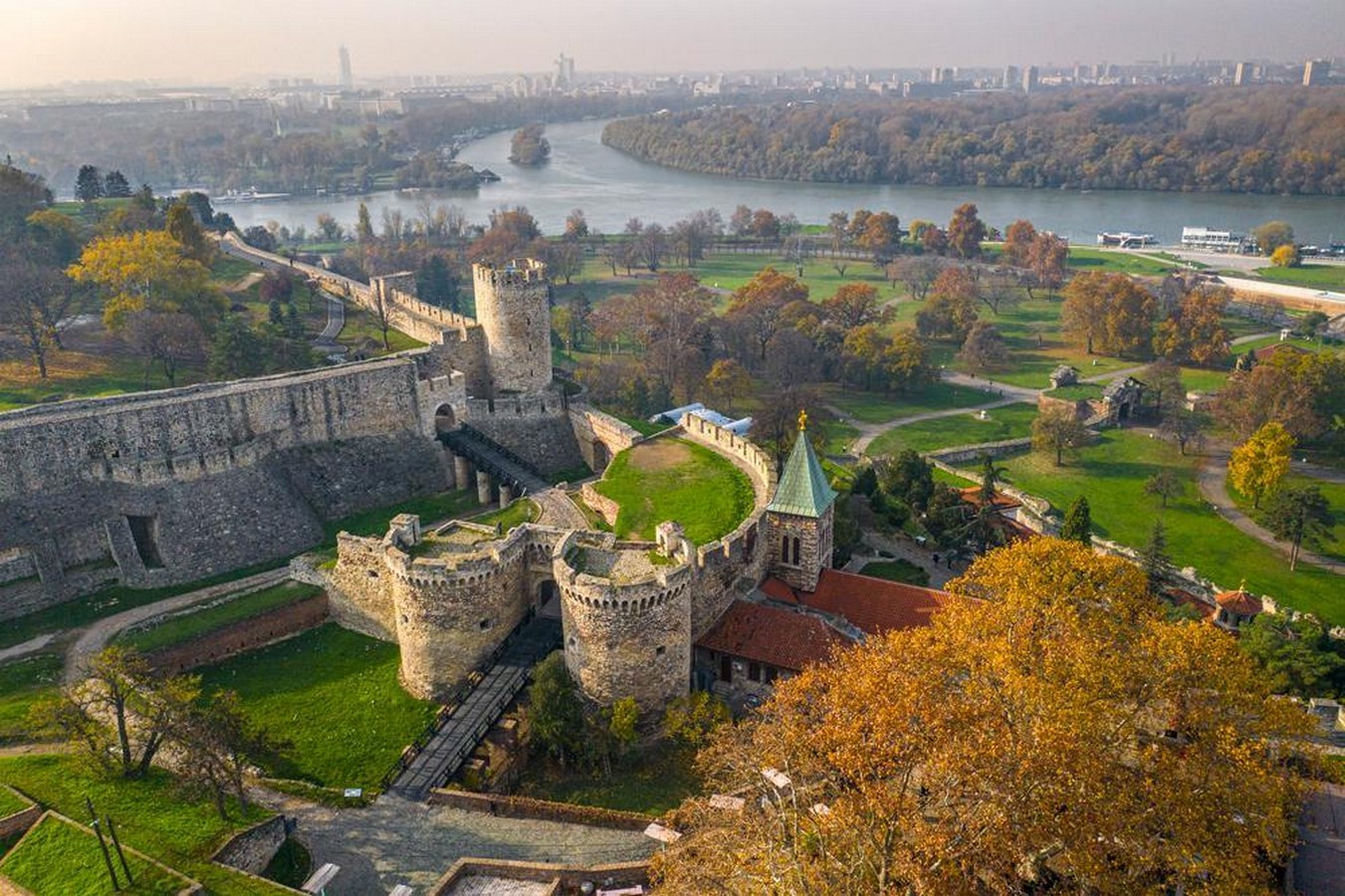
Located where numerous residents and tourists alike assemble for several sports and cultural events, the Belgrade Fortress and the Kalemegdan Park together symbolise an integral cultural monument within Serbia.
Evolution of the Belgrade Fortress over two millennia
Archaeological findings on the top of the Upper Town of the Belgrade Fortress reveal that the first settlement was established during the Neolithic period. Throughout its history, the Belgrade fortifications have evolved from being merely the Castrum, an ancient fortified camp, to the current artillery fortress.
Evidence points to the arrival of the Celtic Scordisci and the Illyrian tribe of the Autariatae, with the two different ethnic groups being reflected in the name of the city, Singidunum. It is a combination of the Thracian tribal name ‘Singi’ and the Celtic word ‘dunum’, which means city. Archaeological research has indicated their presence in today’s Karaburma.
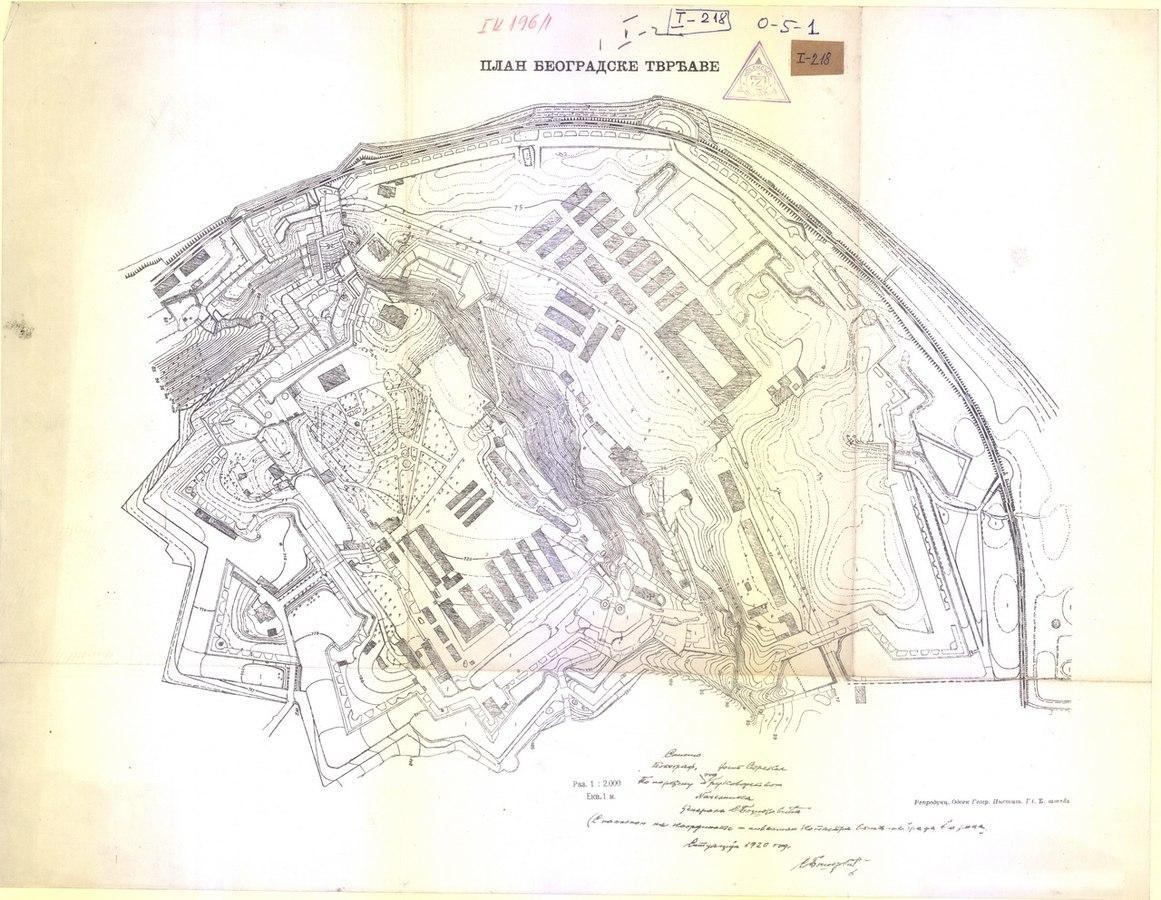
Belgrade Fortress’s oldest core also links to the occupation of the Romans in Serbia at the convergence of the Old Era and the New Era. The fortification was of the earthen-palisade type, after which a castrum, about 560 metres long and 350 metres wide, was built. Post the fall of the Roman Empire in the 5th century, up to the 15th century, the fortress underwent several changes in power under Byzantium, Bulgaria, Hungary, and Serbia.
Situated on a limestone ridge with remains of the old fortress built of the same geological composition and colour, the city provided the Byzantine empire with the Slavic name of the city, Beli Grad or White City, which became Beograd or Belgrade.
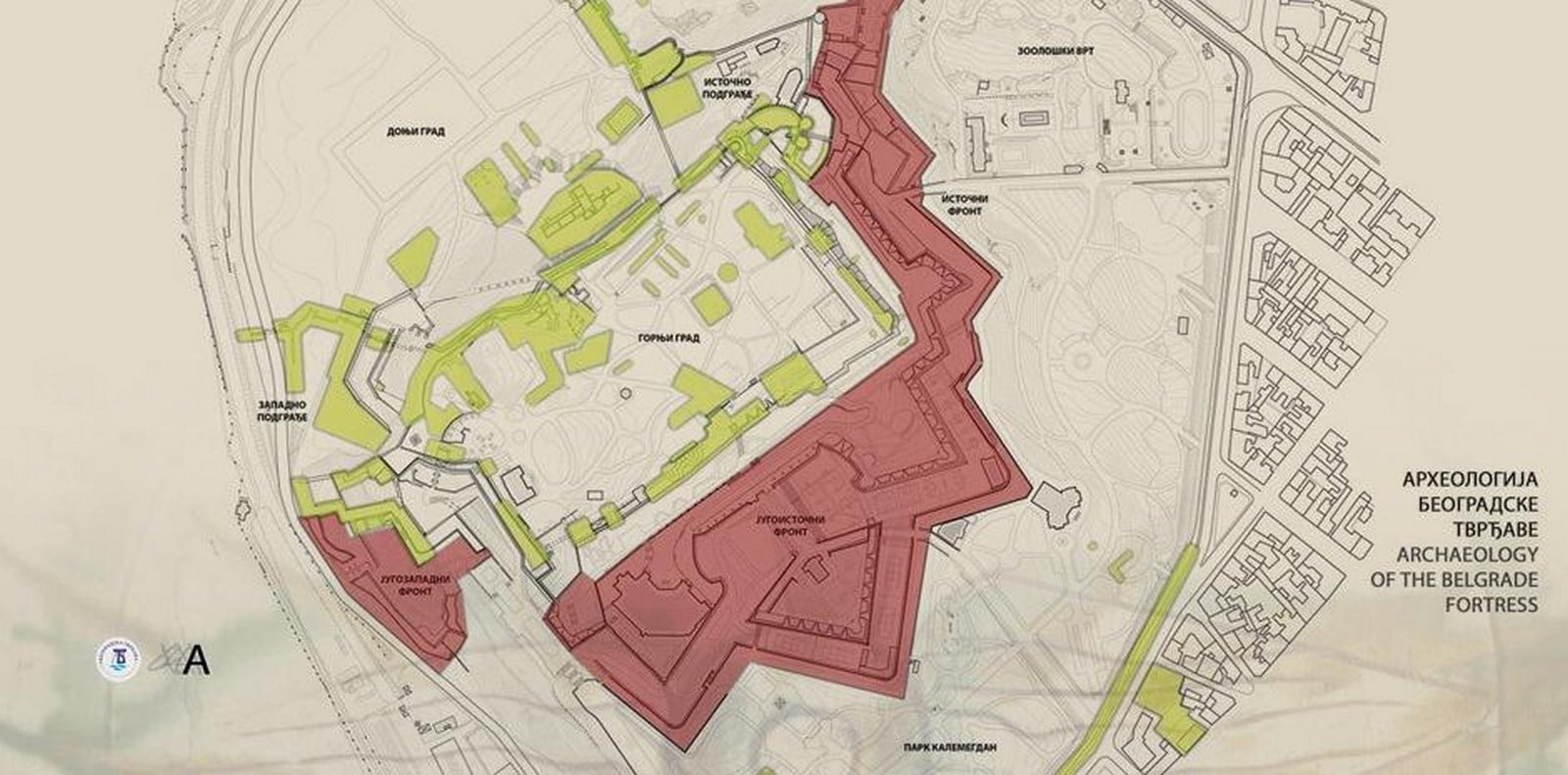
Under the rule of the despot Stefan Lazarevic, between 1404 and 1427, the fortress was developed with the addition of the Inner and Lower Towns, suburbs to the west and east of the fortress. It also became the capital of the Serbian state while also being the military, economic and cultural centre. As recorded by biographer Constantine the Philosopher, the Inner Town was extremely secure, housing the court of the despot, the treasury, the chapel, and the library. The mainland was surrounded by double walls with towers and a moat, with the Upper Town being selected as the location to construct a fortified castle.
Architecture Diversity within the Fortress
In 1521, the Turks, after repeated attempts, succeeded in capturing Belgrade. They called the city in front of the fortress Kalemegdan, ‘kale’ meaning city and ‘megdan’ meaning field, and the ridge Fićir-bajir or the hill of thinking. Of the multiple structures built during this reign, the fountain of Sokollu Mehmed Pasha (late 16th century) and the tomb of Damat Ali Pasha (18th century) survive to this day.
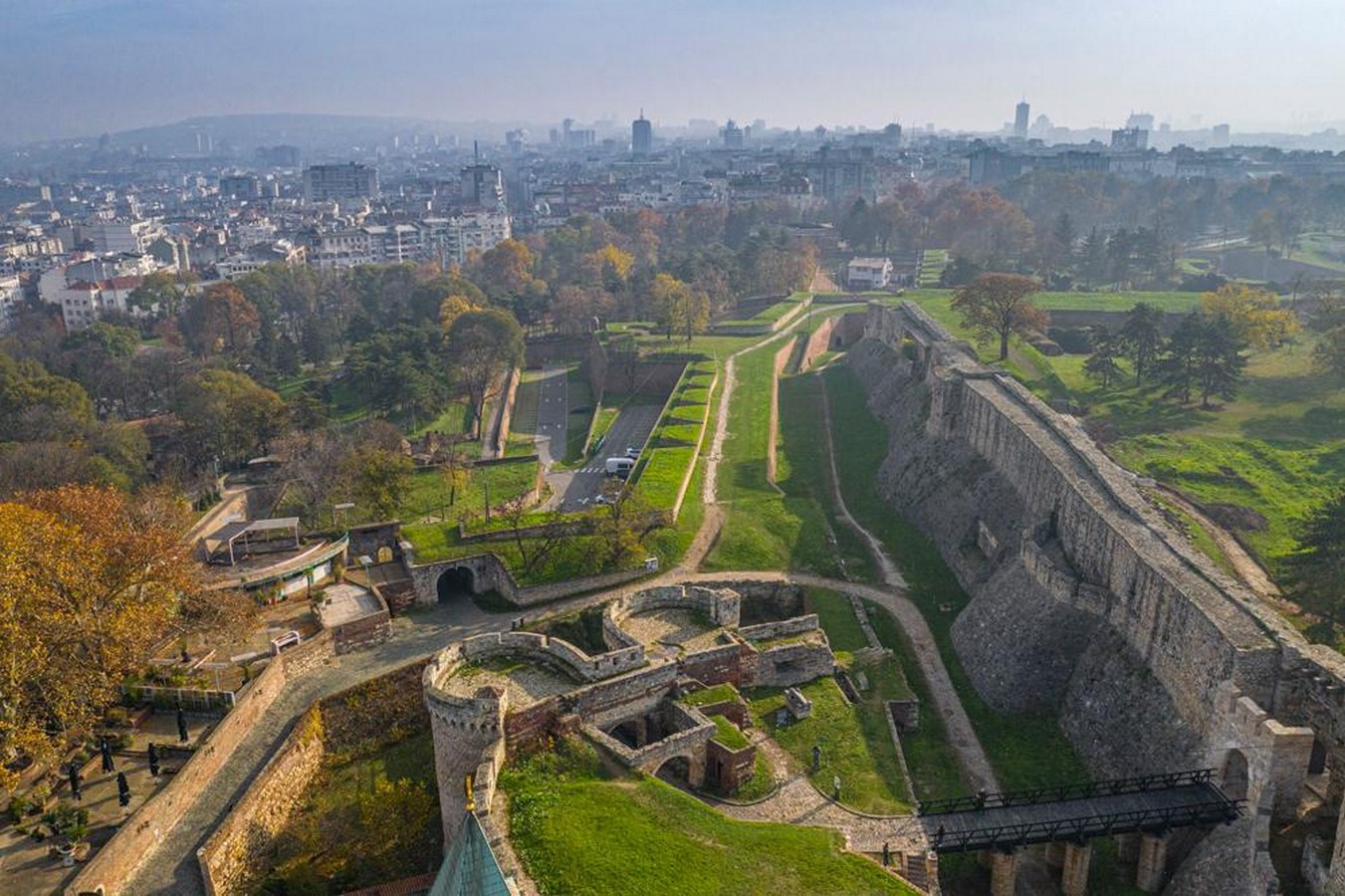
During Ottoman rule, the Belgrade fortress began to develop outside its original walls, which encouraged modernisation and significant modifications with the arrival of the Austrians in 1717. Most of the Ottoman structures within the Upper Town were demolished, apart from a mosque, with additional military facilities being established in the Lower Town. Despite being recaptured by the Turks in 1690, the Austrians, under engineer Andrej Kornar, laid out plans to begin work on the construction of a modern fortress, which the Turks continued.
In 1739, Austria gained control again and began building new Baroque-inspired additions to the fortress. The Serbs finally gained access to the Belgrade Fortress in 1867, with the Fortress being an important component in their military requirements, both for the Serbian and the Yugoslavian army.
In 1869, the first work on the landscape of Kalemegdan Park was initiated under Emilijan Josimović, an urban planner. Bohemian writer Siegfried Kapper described the essence of this landscape as “I wandered off in the Turkish part of the city and reached a vast, rugged meadow—Kalemegdan. No tree or shrub thrived here; the grass dry and sparse. Bones of horses and cattle lay scattered beneath the unforgiving sun. But the view—oh, the view—spread magnificently over the rivers, an unspoiled panorama unmatched by any garden’s bloom.”
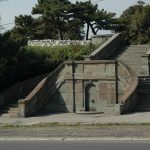
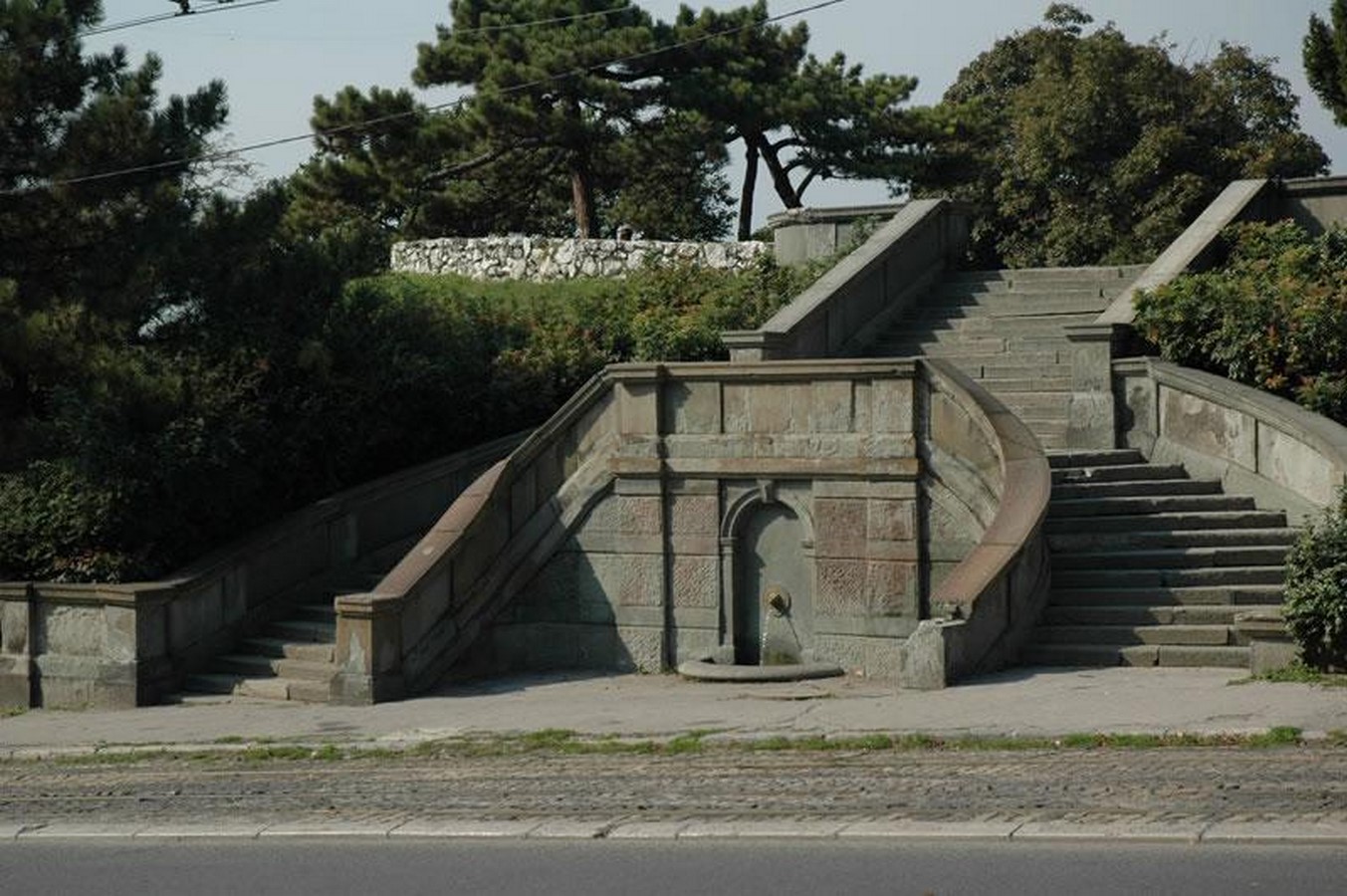
In 1903, the first female architect of Serbia, Jelisaveta Načić, designed the Small Staircase, which connected the fortress to Francuska Street.
Landmarks within Belgrade Fortress
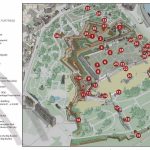
Among the various landmarks within the Fortress, there are several that serve as reference points to the various periods of rule
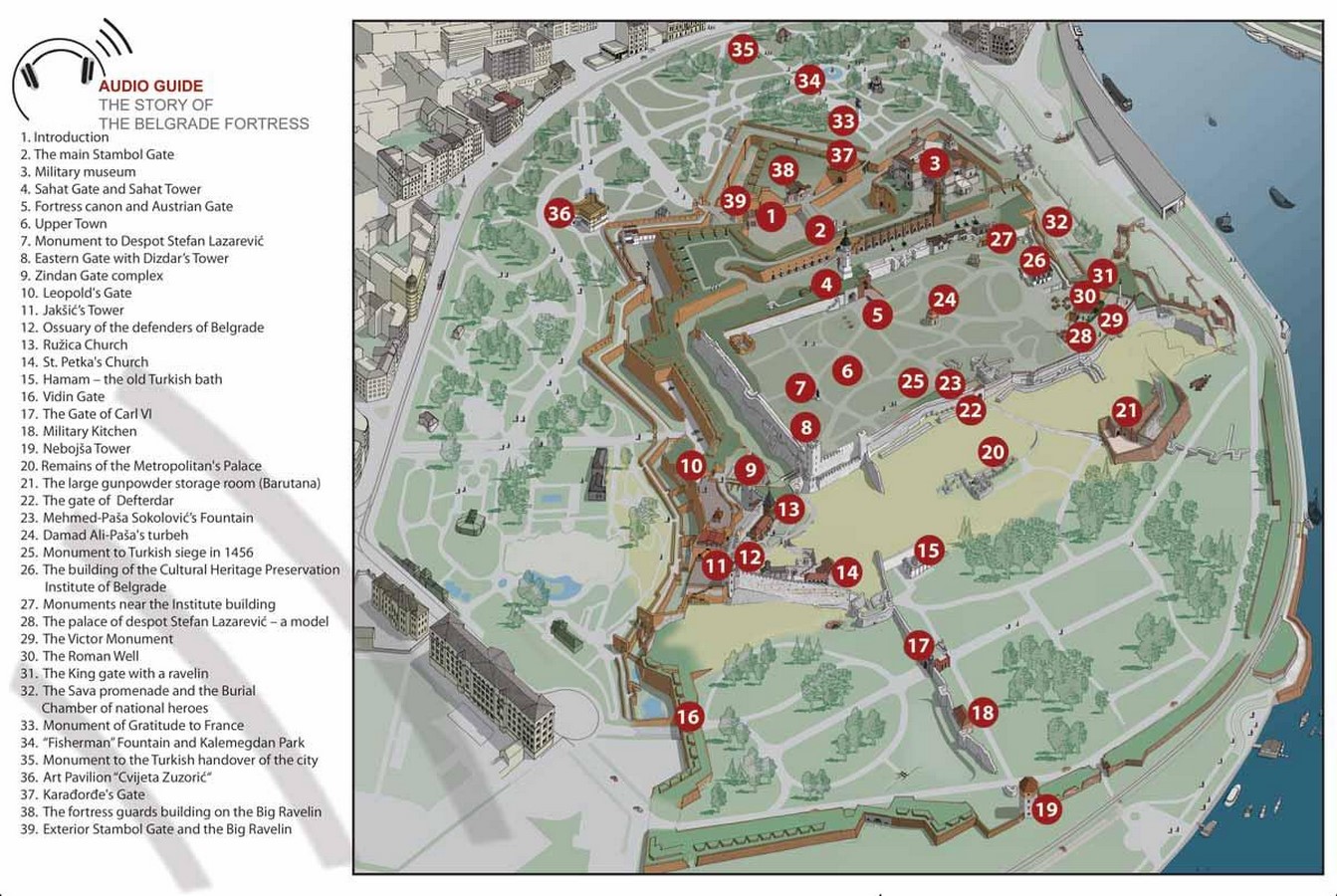
- Stambol Gate – Retaining its Turkish name, the Stambol Kapija served as the backdrop for the exchange of the keys when the control of the city was passed from the Turks to Serbia.
- Clock Tower – Called Sahat Kula, retaining its Turkish roots, is located above the Clock Gate and contains links to the architecture of both the Austrian and the Ottoman period.
- Sokovic Fountain – Built by Sokollu Mehmed Pasha as a symbol of one of his victories in war, it reflects architecture from the Ottoman period.
- Roman Well – Used as a granary and dungeon initially, it is not known how the water came to the well. Several conspiracies surround the well over multiple periods, but the 3.4 meter wide and 35 meter deep well represents one of the biggest achievements of military architecture.
- Gratitude to France – The monument was erected in memory of the French soldiers who defended Belgrade during the First World War.
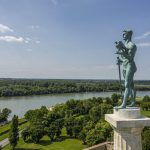
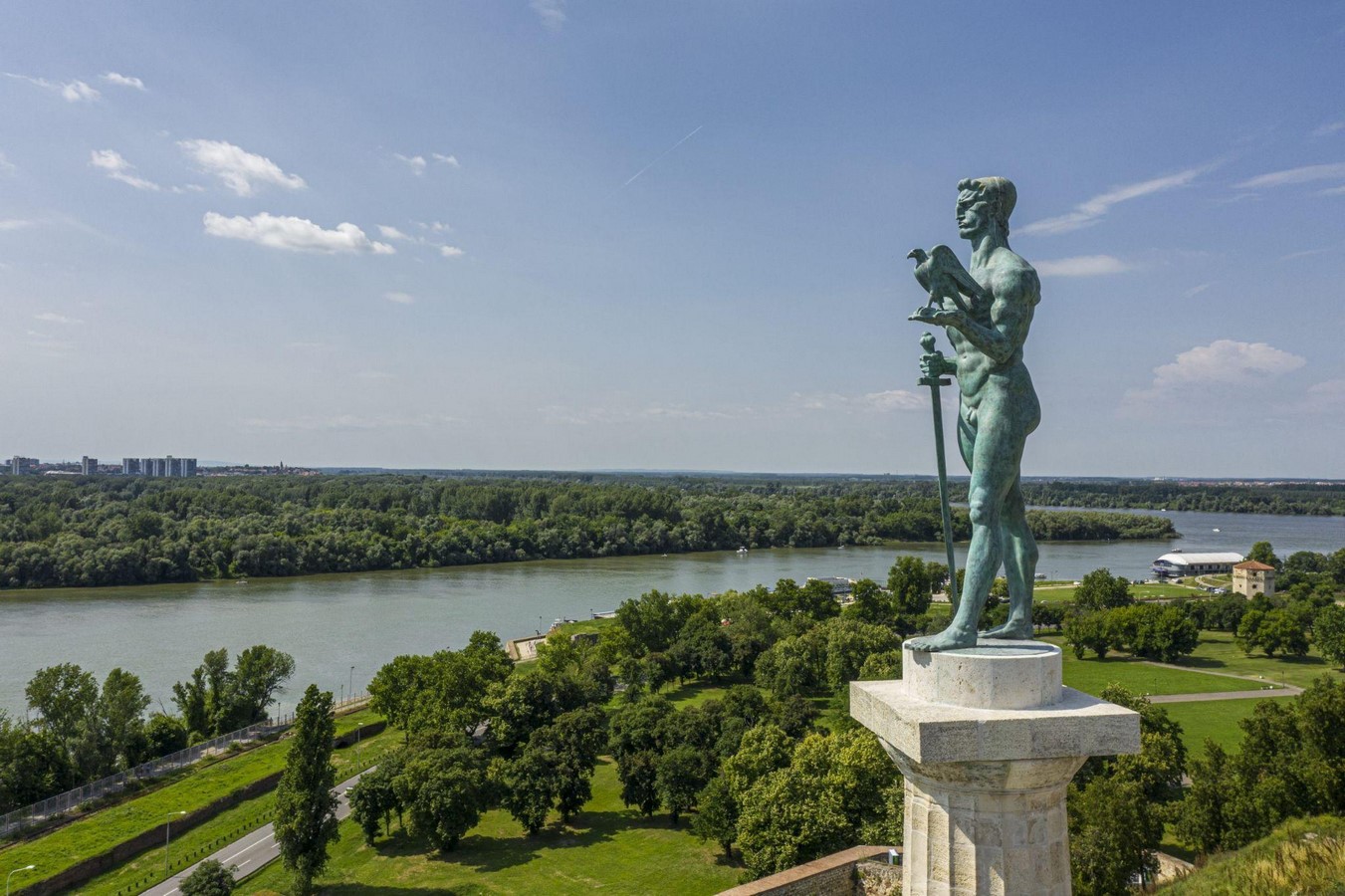
- Statue of the Victor – The statue symbolises Serbia’s victories in World War I and the Balkan Wars, initially planned to be placed in the city centre. It is now located at one end of the Pobednik Park.
- Church of Saint Petka – Believed to contain a spring with healing water, the church is dedicated to a female saint and was designed by architect Momir Korunović.
Current Scenario and Conservation
During the First World War, most of the old buildings were destroyed. The current architecture of the Fortress is a result of the changes made between the two world wars. Several influential monuments have been erected in this area over the past century, including the Grand Staircase and the Victor monument. It was also classified as a cultural monument of exceptional importance in 1979. Existing structures within the compound mostly consist of elements from medieval architecture that are combined with the baroque architectural style belonging to the 18th century. Kalemegdan Park, which used to be more akin to a military training ground before, as compared to what it is now, is also divided into Great Kalemegdan Park and Little Kalemegdan Park, which serve as the backdrop for numerous sporting, cultural, and artistic events.
Nikola Dobrović’s idea in 1946, published in the study Reconstruction and Construction of Belgrade: Contours of the Future City, envisioned a Political and Sports Stadium in the Lower Town, while facilities of national importance, such as the National Assembly and Pantheon Museum of the National Liberation War, were to be established in the Upper Town Plateau.
References:
Bina (2022) History of the belgrade fortress, BINA. Available at: https://bina.rs/en/history-of-the-belgrade-fortress/ (Accessed: 09 November 2025).
Jadresin Milic, R. and Nikezic, A. (2017) ‘Communicating heritage through intertwining theory and studio based course in architectural education’, Lecture Notes in Civil Engineering, pp. 626–635. doi:10.1007/978-3-319-57937-5_65.
Belgrade Fortress History (no date a) Beogradska Tvrdjava. Available at: https://www.beogradskatvrdjava.co.rs/%D0%B8%D1%81%D1%82%D0%BE%D1%80%D0%B8%D1%98%D0%B0-%D0%B1%D0%B5%D0%BE%D0%B3%D1%80%D0%B0%D0%B4%D1%81%D0%BA%D0%B5-%D1%82%D0%B2%D1%80%D1%92%D0%B0%D0%B2%D0%B5/?lang=en (Accessed: 09 November 2025).
Nikolay (2025) Kalemegdan Park: Belgrade’s Fortress of History and Nature, Balkan Kaleidoscope. Available at: https://balkankaleidoscope.com/serbia/kalemegdan-park/ (Accessed: 09 November 2025).