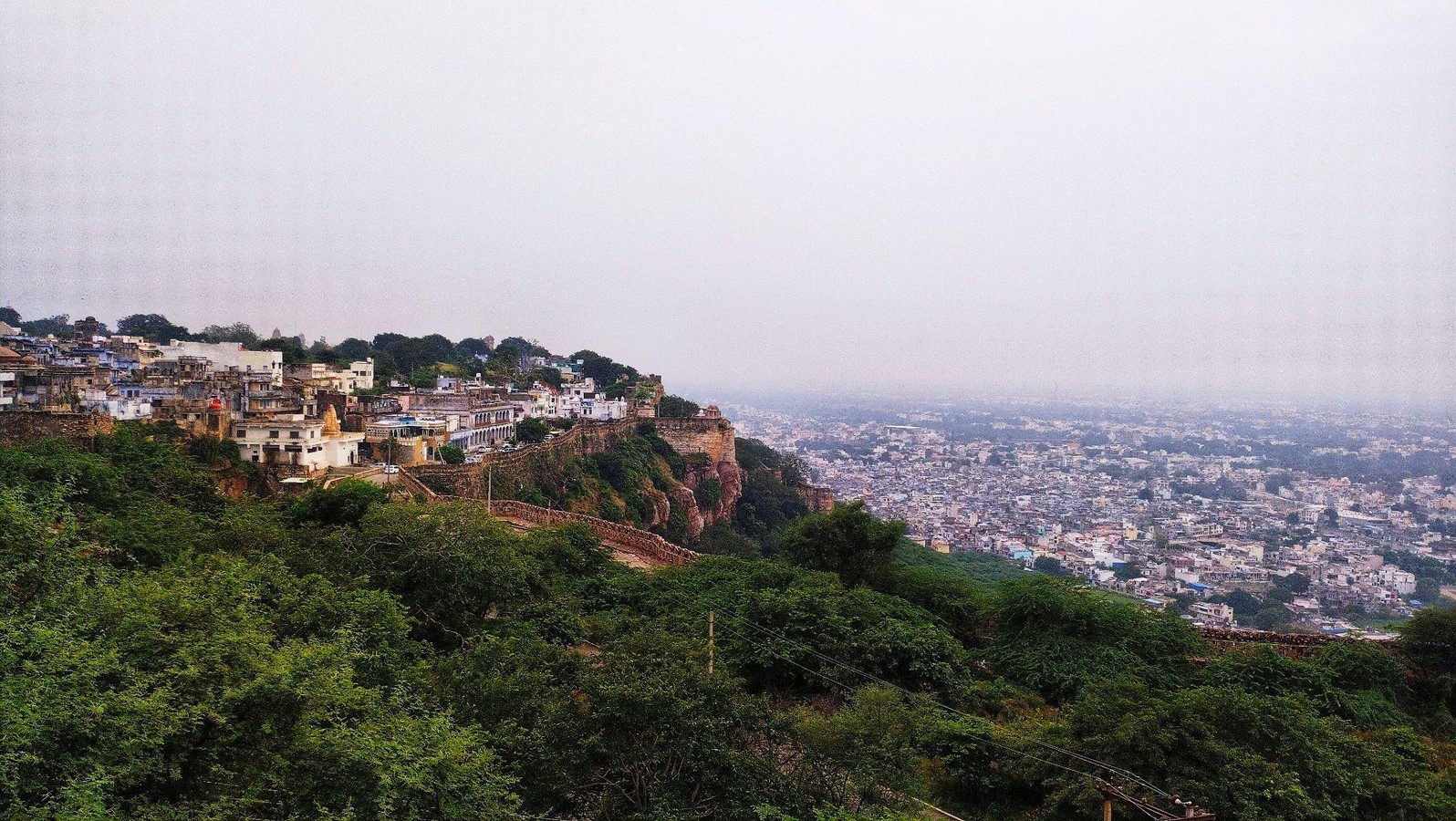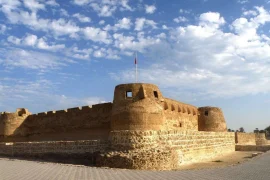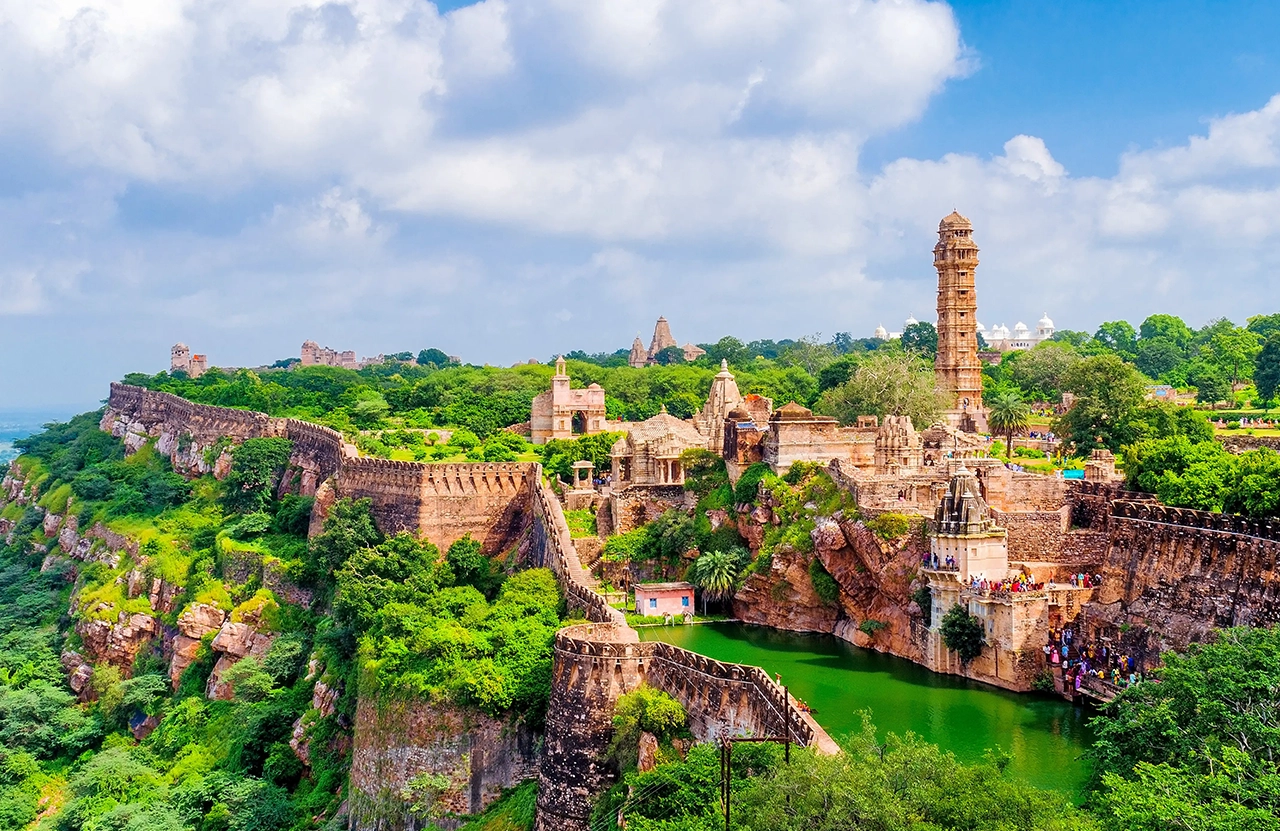
At Dawn, Chittorgarh fort comes alive with the reminiscence of the light washing the stone ramparts. The entire monument tells us a story of valor and loss, the beauty and belief in every carved motif, every shadow formed in the hallways, and every ornate wall and gate. High above the plains of Rajasthan, Chittorgarh Fort is much more than an architectural wonder. It stands as a symbol of bravery, a geometry where form and idea blend into one another, where the structure itself screams the spirit.
The Fortress as a Philosophy
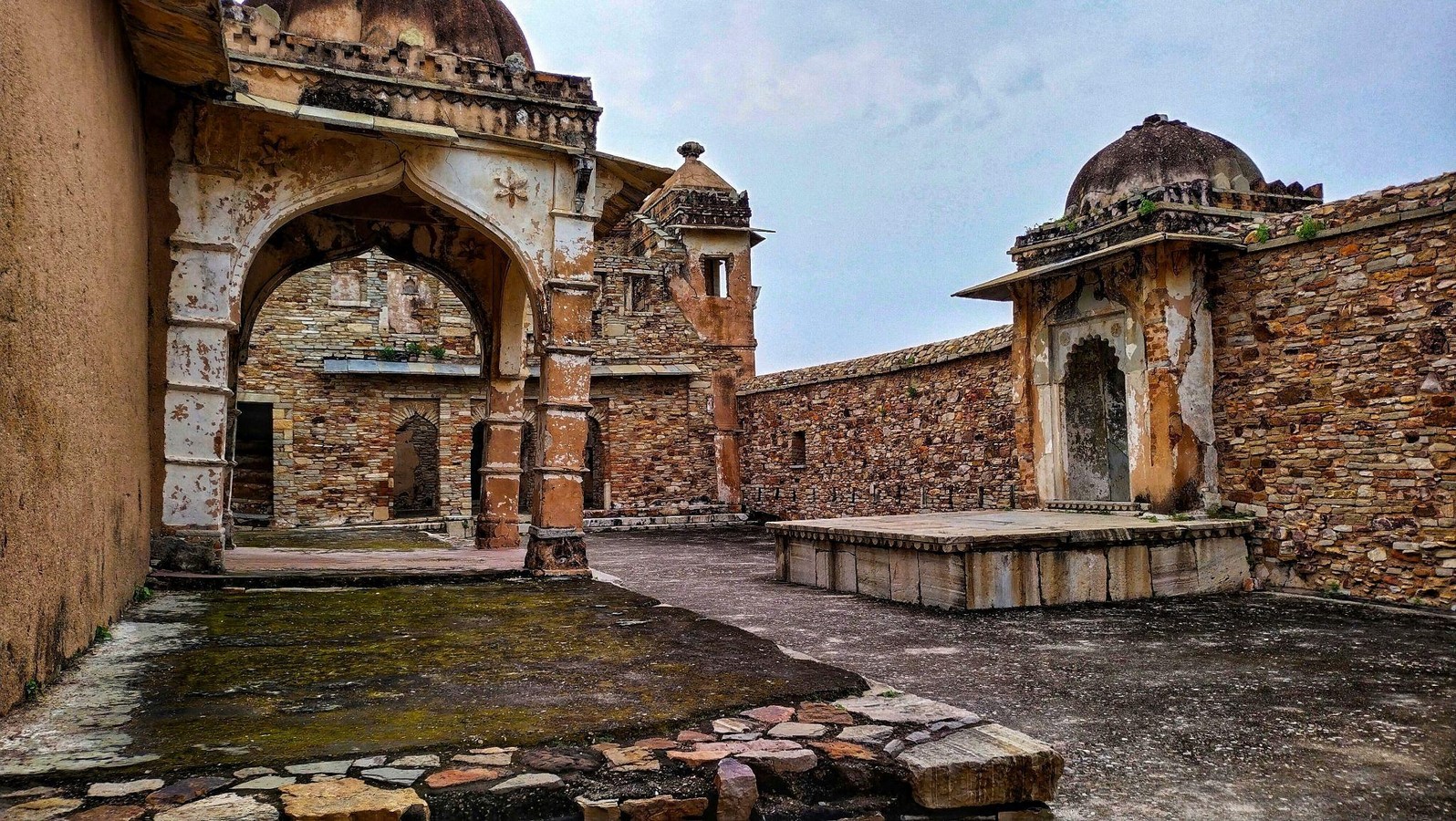
We have seen forts that function to protect, a few forts that provoke, but Chittogarh fort stands as a definition of a story. Built on a hill at 180 meters high, it covers an area of 700 acres and was indeed an ancient military fortification; however, it was also a concept and an instantiation of Rajputana pride and the moral code of “dharma for honor.” To walk through its seven monumental gates, each gate higher and narrower, is to walk through layers of meaning. The journey through the stairs to reach the most elevated built mass is a philosophical process in itself. Through this journey, we experience the narrative of strength, tenacity, and unwavering spirit.
A City on a Hill
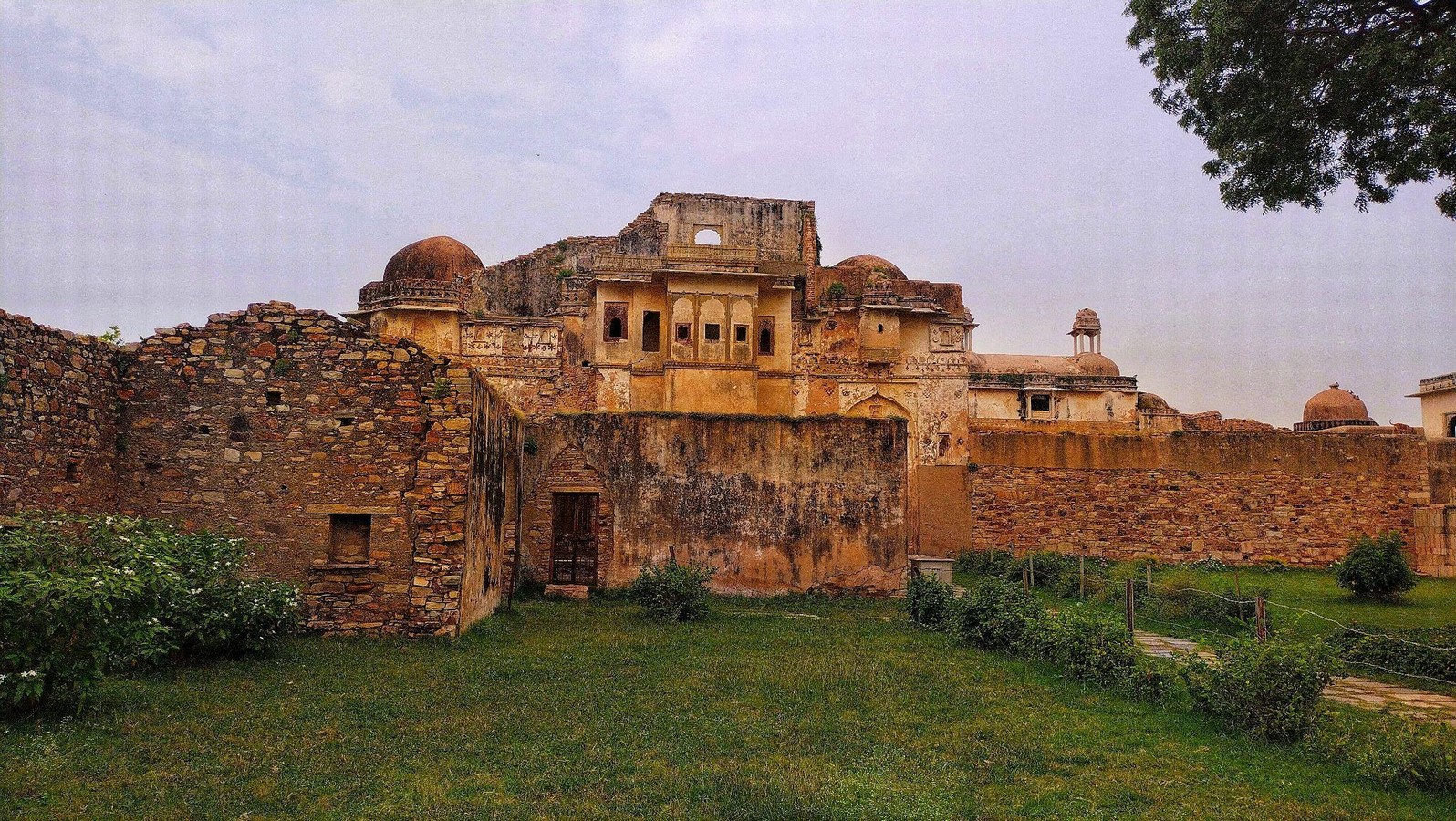
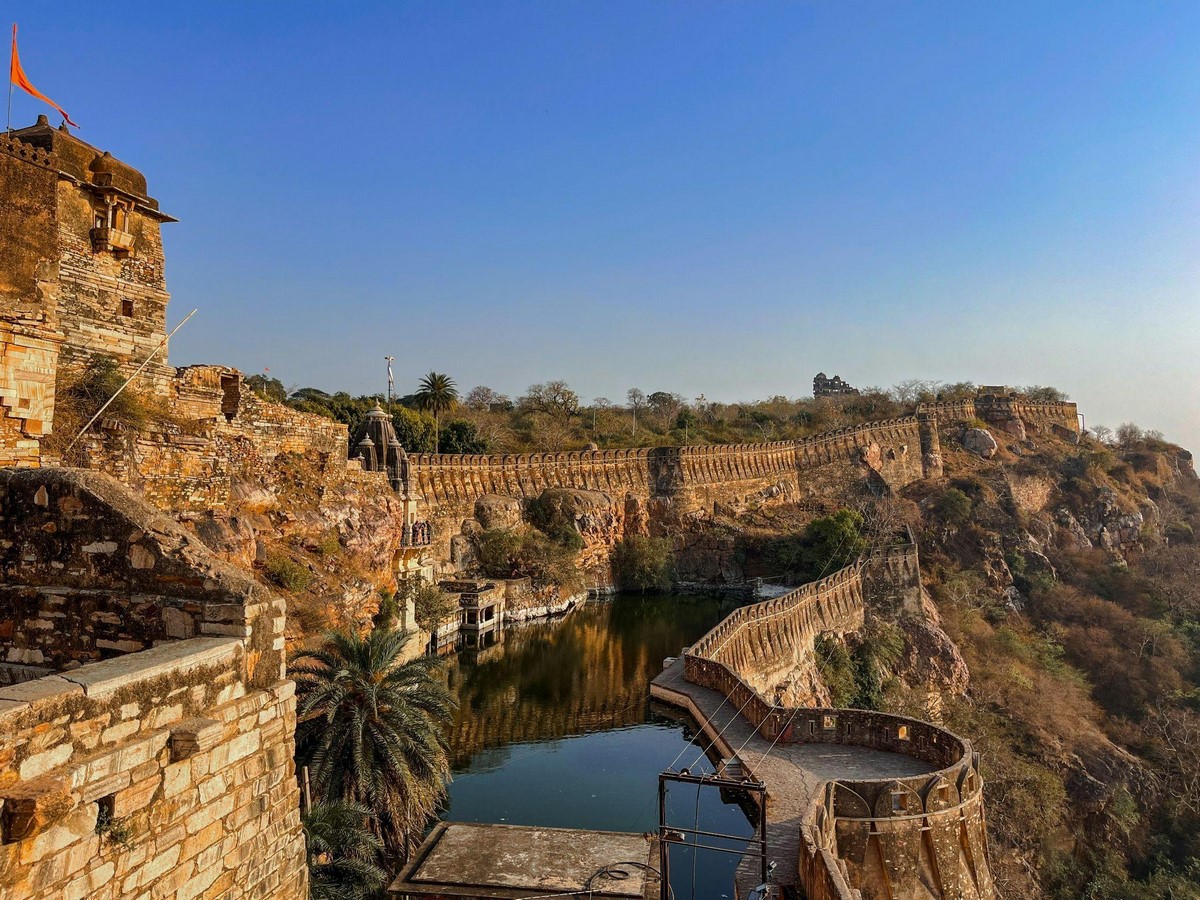
The fort is more than a fortress; it is a living, breathing city. The city represented its people. Inside was a maze of palaces, temples, tanks, and courtyards that once sheltered thousands. It was designed both to protect and to venerate. The raised plateau provided safety, while a system of 84 water bodies fed by rain and springs made the city self-sufficient during sieges. The fort’s height was both a defensive strategy and a statement enduring through time.
Beneath the plateau is the rugged and resilient Aravalli range, which reflects the people who built upon it. If you stand on one of the fort’s perches and look down over the plateau to the city of Chittor below you, you can feel the place is conscious of itself, looking down into the world below, not in any sort of arrogant gaze, but steady reassurance.
The Vertical Spirit : Towers That Touch the Sky
At Chittorgarh, one of the most dramatic architectural elements are the towers as a vertical expression of human faith and belief.
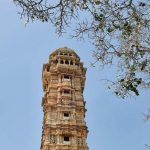
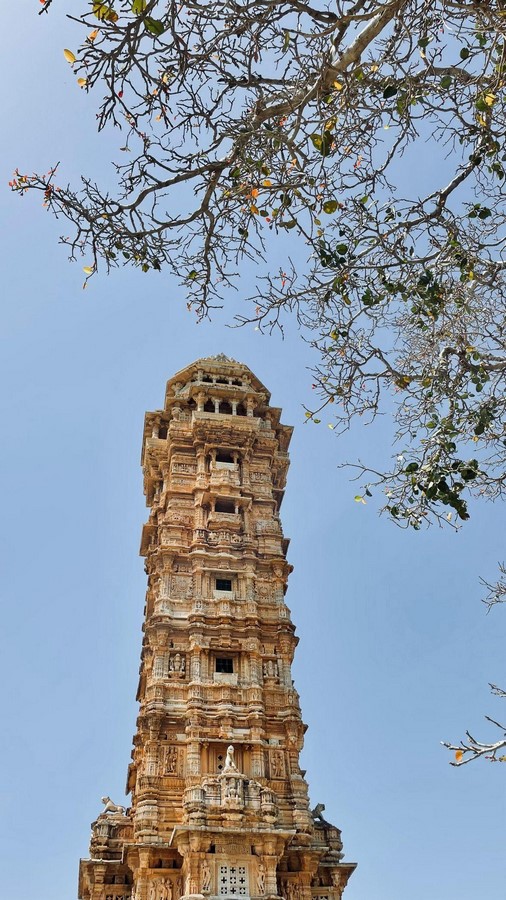
The Vijay Stambh, or Tower of Victory, was commissioned in the 15th century by Rana Kumbha. It rises nine stories high, with carvings of gods, warriors, and divine beings. Its construction commemorated more than military victory; it declared that victory without virtue was hollow. Climbing the tower’s narrow stairwell, you move through light filtering in from latticed windows, experiencing a shifting interplay between darkness and light, a possible metaphor for life.
Nearby, there is the Kirti Stambh, or Tower of Fame. Smaller, yet older, in devotion to Adinath, the first Tirthankara of the Jains. These two structures stand in contrast, depicting power and peace, conquest and reflection. Their geometry is speaking the same language – the vertical as aspiration.
The Feminine Geometry : Grace and Strength in Balance
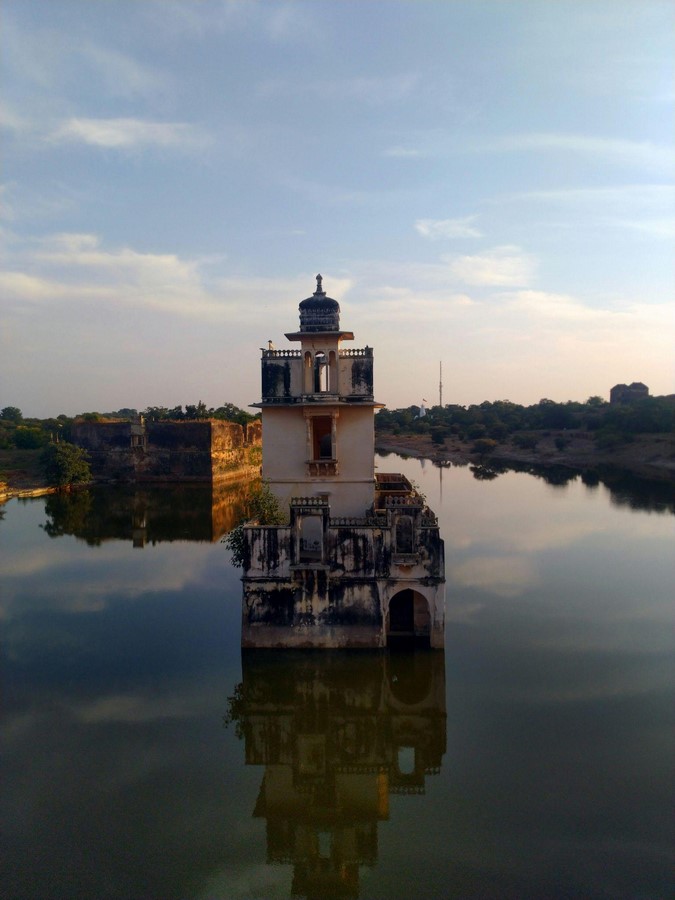
The Rani Padmini palace portrays grace, a space of geometry and tranquility. The palace floats in the centre in a water body in the form of a lotus, with a deep reflection of all the intricacies. Legend has it that Alauddin Khilji first saw Queen Padmini’s beauty in the reflection of this water, a sight that fueled an invasion, and thus the tragic story was born, or perhaps even immortalized.
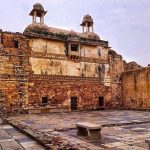
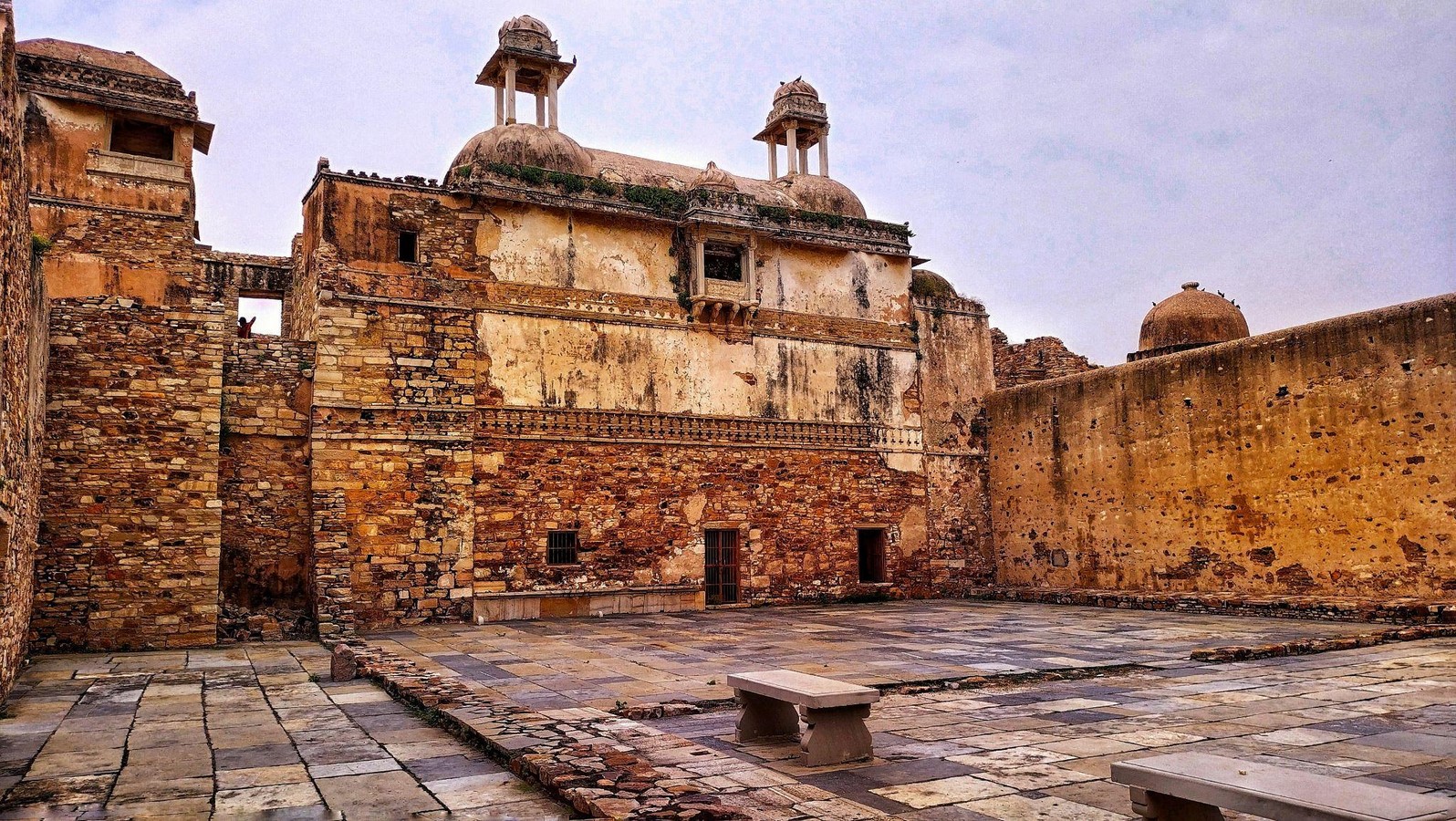
In the present age, the palace symbolizes feminine strength rather than tragedy. It is poised in water, its delicate pavilions reflect the vaulted beauty of the water surrounding it, thus it subtly hints at a balance of power and vulnerability. The story behind Chittorgarh is more than a statement of bravery and valor; it is a story of the women who chose honor over surrender. The courtyard houses the shadows of three jauhars, where queen and kins chose flames instead of captives.
The Architecture of Resistance
Over the centuries, Chittorgarh underwent three significant sieges : by Alauddin Khilji in 1303, by Bahadur Shah of Gujarat in 1535, and by Emperor Akbar in 1568. Each siege brought destruction, but none broke the fort or those within it. With each fall, its story grew.
It was never designed to capitulate. Its very form conveyed resistance. The seven grand gates : Padan Pol, Bhairon Pol, Hanuman Pol, Ganesh Pol, Jorla Pol, Laxman Pol, and finally Ram Pol, were intended to create a series of barriers. Each gate constricted and rose higher than its last counterpart, exhausting and confusing the enemy while allowing the defenders to harm them from above.
The thick and curved ramparts protected against cannon shots, while the steep, winding path to the top ensured that no army could attack head on. Every edge, curve, and corner allowed each batch of soldiers to regroup, delaying, staggering – upsetting the attackers.
The architecture at Chittorgarh was not decorative; it was a philosophy in stone. It changed defense to dignity, survival to an act of pride. Even when the fort was lost, the people never really surrendered. What Chittorgarh lost in battle, it recaptured in belief.
Inside the fort today, you still feel that subtle defiance : not the aftershock of destruction, but an afterglow of resilience. Chittorgarh is fundamentally a geometry of courage, a geometry designed to defend a kingdom and a way of being.
Lessons in Courage for Today
In today’s world, where strength is often associated with scale and speed, Chittorgarh is a living example that reminds us that true strength lies in its purpose and story. Every element in this monument, from a stone to a balcony to a window, is inscribed with purpose, faith, and harmony.
Evidence of modern design today is often spoken of through ideas such as resilience, sustainability, and emotion in space. But ages ago, Chittorgarh fort already spoke the same language. It stood against tougher times, through wars and urbanization, through changing intentions of spaces, and will continue standing strong for ages to come to be a living form of the powerful stories it holds.
As dusk falls, the walls of the fort cast amber tones as shadows are drawn long across the empty courtyards. There is a louder silence that embodies knowledge and history. All forts may ultimately fall, but what they stood for never falters.
Forts are a timeless form of storytelling for us to relate to and understand our history and roots. To stay connected to our origins, one must know and learn the stories these monuments whisper and await for us to experience the past.