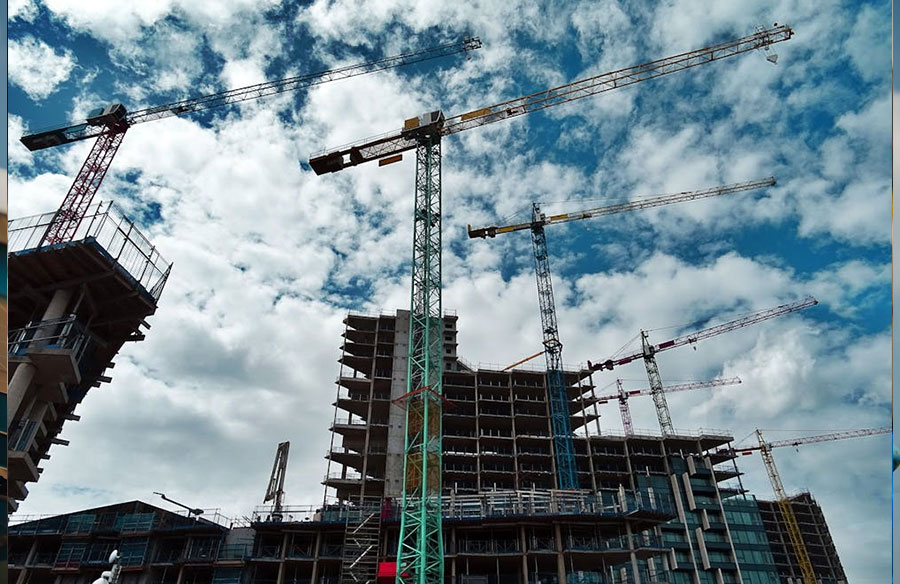
Structural integrity in design separates buildings that last from ones that don’t. You can have the most beautiful architectural concept in the world. But if the structure can’t support itself, you’ve got nothing.
Buildings face forces every single day. Gravity pulls down constantly. Wind pushes from the sides. Earthquakes shake the ground. People move around and use the space. Smart designers plan for all of this before anyone breaks ground.
Check Load Paths Throughout Your Building
Think of load paths like highways for forces moving through your building. Gravity loads travel straight down through columns and walls. Lateral forces from wind or earthquakes move sideways through floors and bracing. Everything needs to connect properly or you get weak spots.
Here’s what happens when load paths break down. One missing connection can overload adjacent members. A beam that doesn’t tie into the column right can’t transfer its load. Pretty soon you’ve got a problem area that spreads.
Professional engineers map these paths using calculations and software. Arizona’s Trusted Engineering Firm has tackled this work for over 15,000 clients across four decades. They catch issues during design when fixes cost less. Verifying load paths early beats dealing with structural failures later.
Pick Materials That Actually Work Together
Modern buildings mix different materials all the time. Steel beams support concrete floors. Wood frames sit on concrete foundations. Masonry walls connect to steel columns. Sounds simple until you realize each material behaves differently.
Temperature changes affect materials in different ways. Steel expands and contracts more than concrete does. Put them together without planning and you get stress cracks. Different metals touching in moisture cause galvanic corrosion. Wood shrinks as it dries out and can loosen connections.
Here’s what you need to account for:
- Expansion joints where materials with different thermal movement meet
- Protective barriers between dissimilar metals in wet conditions
- Fasteners that accommodate wood shrinkage over time
- Long-term aging patterns when materials interact for decades
Material compatibility affects structural integrity in design throughout the building’s life. Something might look fine right after construction. Five years later you notice cracks or corrosion. Good engineering prevents this by choosing compatible systems from the start.
Add Backup Support For Critical Areas
Redundancy gives your building options when something goes wrong. One column shouldn’t be able to take down an entire structure. You need backup load paths that kick in if a primary member fails.
Buildings perform better with multiple support routes. Adjacent columns can temporarily carry extra load if one gets damaged. Continuous floor reinforcement spreads stress instead of concentrating it. The National Institute of Standards and Technology research shows this approach saves lives during unexpected events.
Yes, redundancy costs more upfront. But hospitals, schools, and packed buildings need this protection. You achieve it through extra columns, continuous ties between members, and robust connections. The goal is pretty straightforward. Local damage shouldn’t cause progressive collapse.
Get Connection Details Right
Connections transfer forces between structural members. More failures happen from bad connections than from undersized beams. Every single connection needs documentation showing how parts fit together.
Bolted connections need specific details. What grade bolts? How much torque? What size holes? Welded joints require weld types, dimensions, and inspection criteria. Even basic wood connections demand exact nail patterns and spacing requirements.
Connection details have to work in the real world:
- Account for construction tolerances because nothing’s perfect
- Allow for slight misalignments with slotted holes
- Consider how workers actually access and install each connection
- Plan for field conditions that differ from ideal shop settings
Structural integrity in design depends on contractors following these specs exactly. A perfect detail on paper means nothing if builders can’t install it in tight spaces. Smart engineers design connections that work with real site conditions.
Factor In Your Local Environment Early
Location dictates what forces your building faces. Arizona buildings don’t need heavy snow load capacity. Colorado structures better plan for it. Earthquake requirements vary dramatically by region. Soil conditions change how foundations perform.
Snow loads differ across the country by huge amounts. Flat roofs in warm climates handle minimal snow. Mountain areas need serious capacity for accumulation and drifting. The American Society of Civil Engineers publishes standards for every climate zone. Engineers size members according to these regional requirements.
Seismic zones need special attention. Connections must bend without breaking during ground shaking. Ductile detailing allows controlled deformation instead of sudden failure. Soil type matters because soft ground amplifies seismic waves. Rock provides more stable support than clay or fill.
Wind pressure varies by location and building height. Coastal areas face hurricane-force winds. Tall buildings catch more wind than short ones. Your structural system must resist both sustained pressure and sudden gusts.
 Watch Quality During Construction
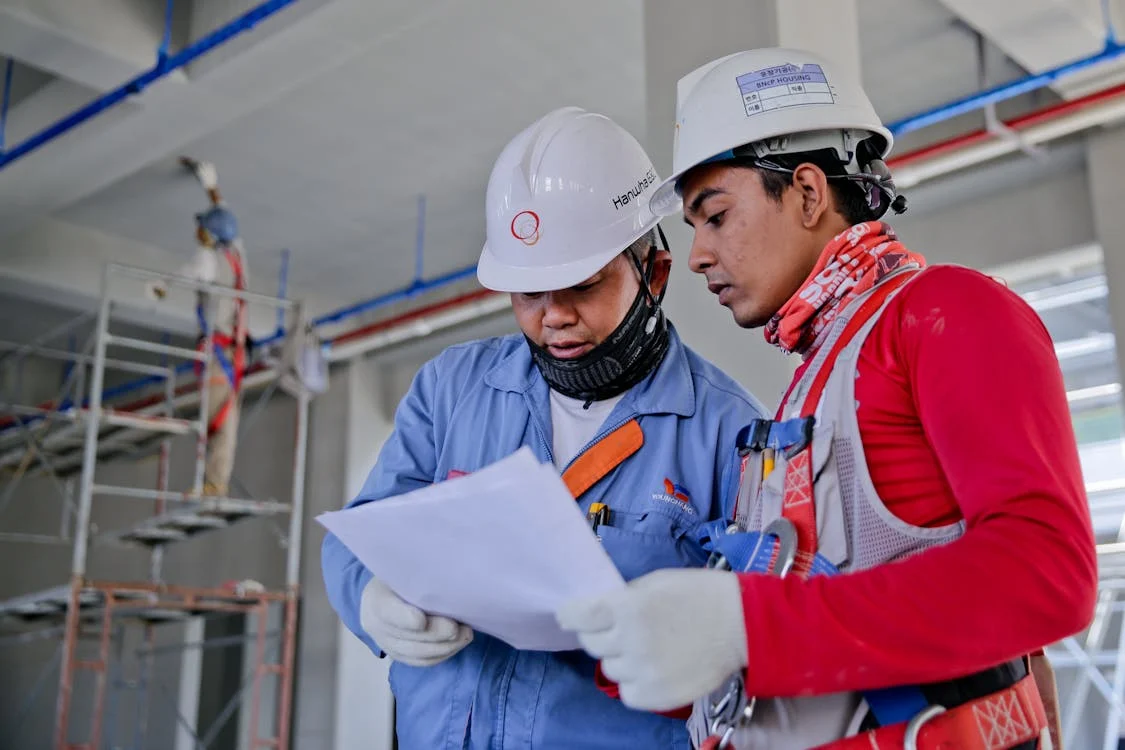
Design quality doesn’t matter if construction doesn’t match the plans. Regular inspections catch errors while you can still fix them easily. Quality control protects structural integrity in design from start to finish.
Inspectors verify actual materials against specifications. They check concrete strength with test cylinders. Rebar placement gets compared to structural drawings. Steel connections get examined for proper bolt installation and weld quality. These checks happen at critical stages before work gets buried.
Documentation creates accountability on site. Photos record work at each construction phase. Test reports confirm material properties and installation quality. This paper trail resolves disputes and proves code compliance. Future renovations or repairs benefit from these records too.
Communication between designers and field crews prevents mistakes. Sometimes a quick site conversation clears up what drawings alone can’t explain. Regular coordination keeps projects moving in the right direction.
Getting It Right From The Start
Structural problems after construction cost serious money to fix. Way more than getting it right during design. Time spent on proper structural planning pays off through safer buildings and avoided headaches.
Work with licensed engineers who know local building codes and site conditions. They bring technical knowledge that makes creative designs buildable. Their expertise turns architectural concepts into structures that actually work. Start these conversations early in your project timeline.
Good structural design goes beyond minimum code requirements. You’re creating buildings that serve people safely for generations. These six methods help you build structures that last and perform the way they should.