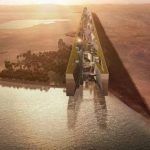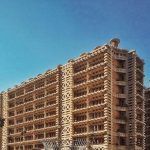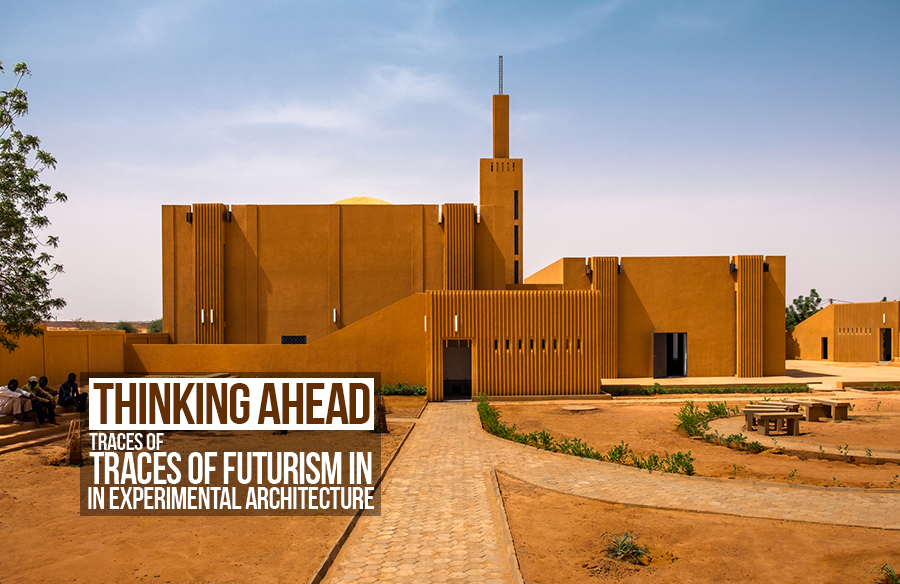
The last few decades have seen a phenomenal architectural evolution with brave ventures and innovative designs. The Line in Saudi Arabia and Habitat 67 in Canada, though each is decades apart, appear to have been taken straight from the pages of speculative fiction. These groundbreaking works propose an unconventional architectural vision; one that not only challenges the conventional design language but also coerces us to reconsider our perception of what the future could emulate. However, does experimental architecture truly correspond with the architecture of the future, or does it occasionally subvert traditional notions of what that future ought to be like?
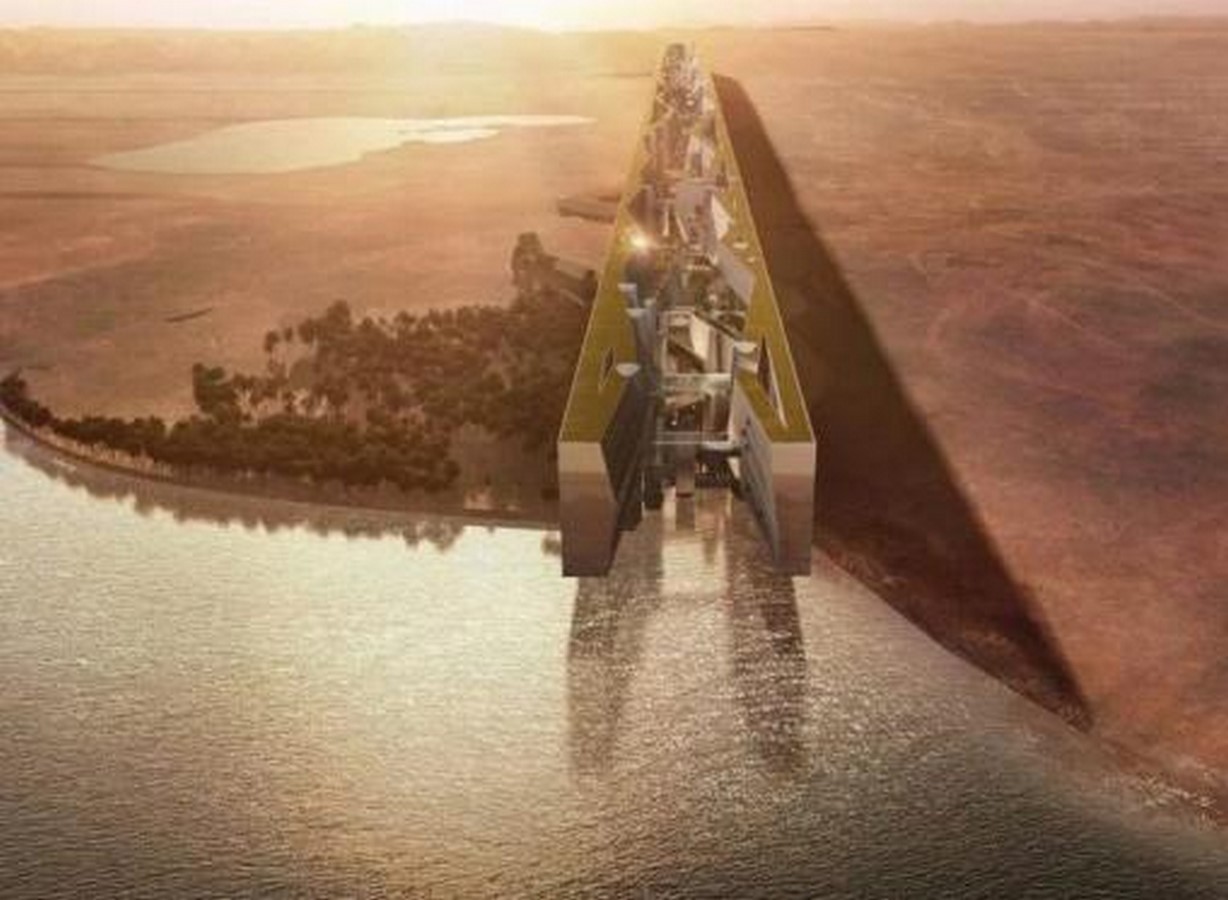
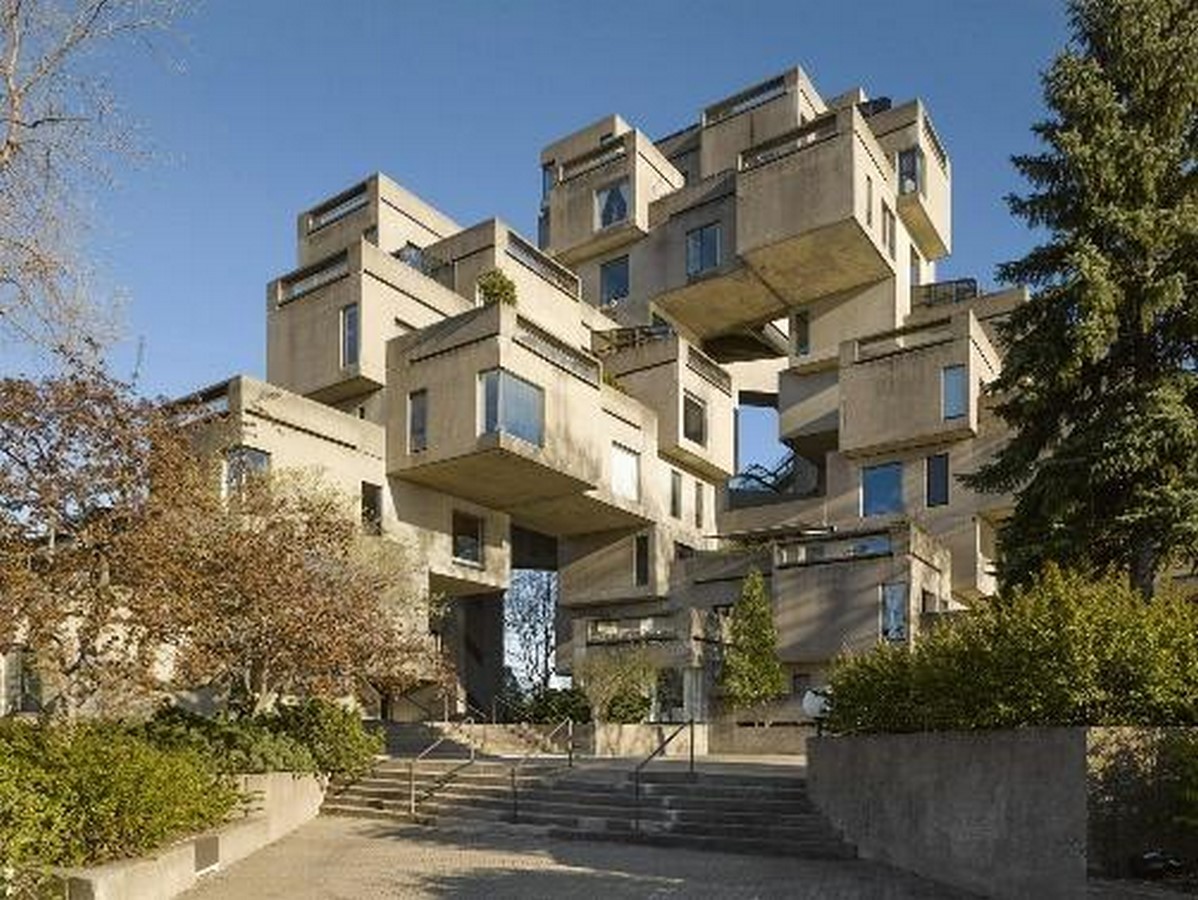
Experimental architecture usually refers to the pursuit of new methods, ideas, materials, and technologies that are yet to be discovered, mainly in a bid to venture into unknown territory. It goes beyond conventional norms to test boundaries as designers seek to innovate and challenge in ways never imagined before.
Futuristic architecture often goes hand in hand with sleek, high-tech designs that are seemingly very unconventional. It is the epitome of what the future might be, at least in terms of technological development and aesthetics. Though it is often associated with cutting-edge materials such as glass and steel, futurism also implies a hint of visual drama or iconic design that honours progress.
While both terms indicate a flair for innovation, the crucial difference lies within their respective methods. The way I understand it, futurism is often associated with buildings given their visual and technological aesthetics, whereas something is deemed experimental because of its inception; the pursuit of novel ideas, methods, or concepts.
Peter Cook and the Genesis of Experimental Architecture
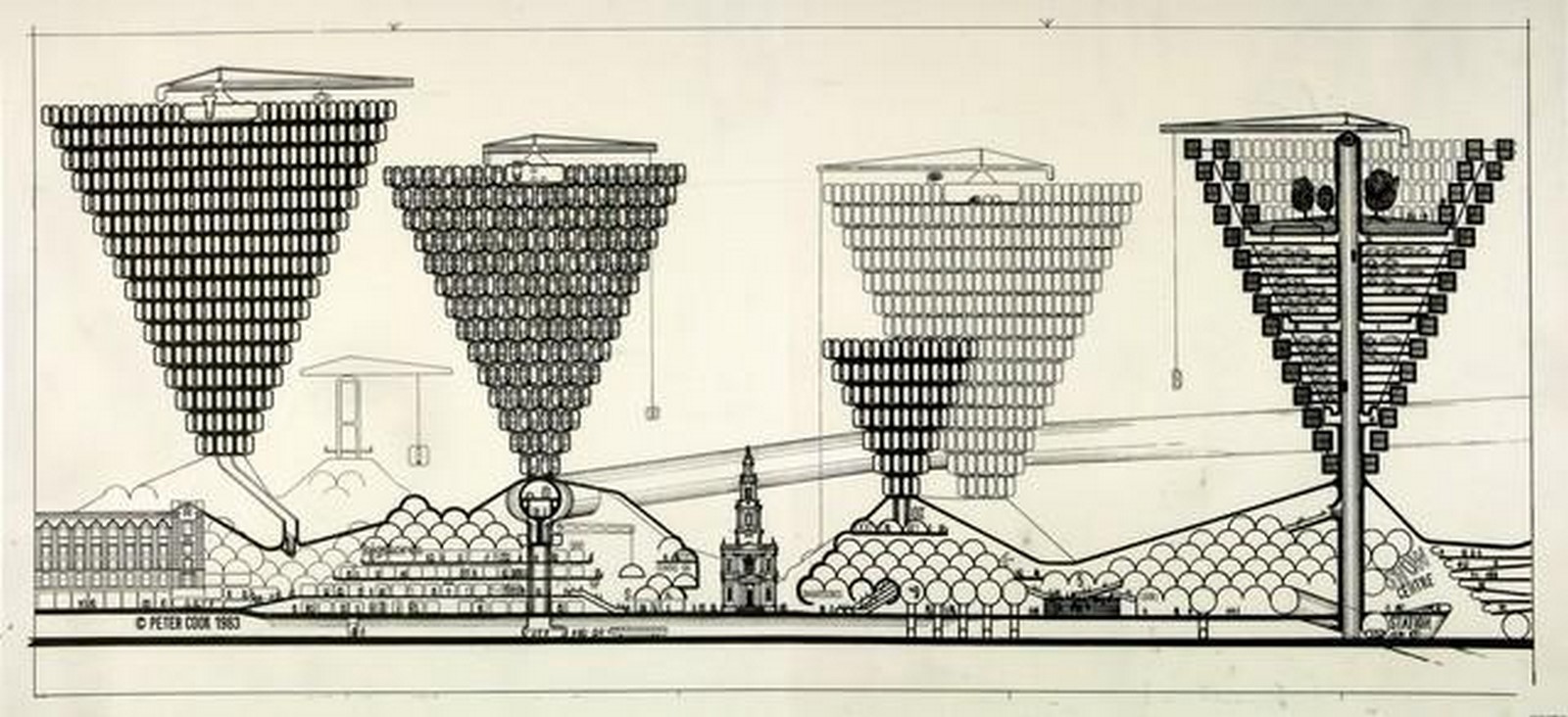
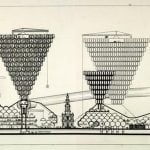
Peter Cook coined the term ‘experimental architecture’ in the 1960s. As a founding member of the British architectural collective Archigram, he played a major role in steering the discourse away from the rigid conventions of his time. Archigram’s work revolutionized architectural thinking with its concepts of modular cities and a new perception of physical space.
The Plug-In City was an incredibly radical idea against the then-existing conventions of urban planning: a space where one could plug, unplug, or even redesign elements of living environments to one’s whims. It epitomized a new form of modularity, adaptability, and flexibility that eventually defined experimental architecture to a certain degree.
The importance of their work lies not only in its audacity but also in the challenge it poses to the very concept of permanence in cities. Their ideas were rooted in questioning how architecture could fundamentally evolve in response to technological advancements, societal changes, and environmental concerns.
The Search for Radical Solutions
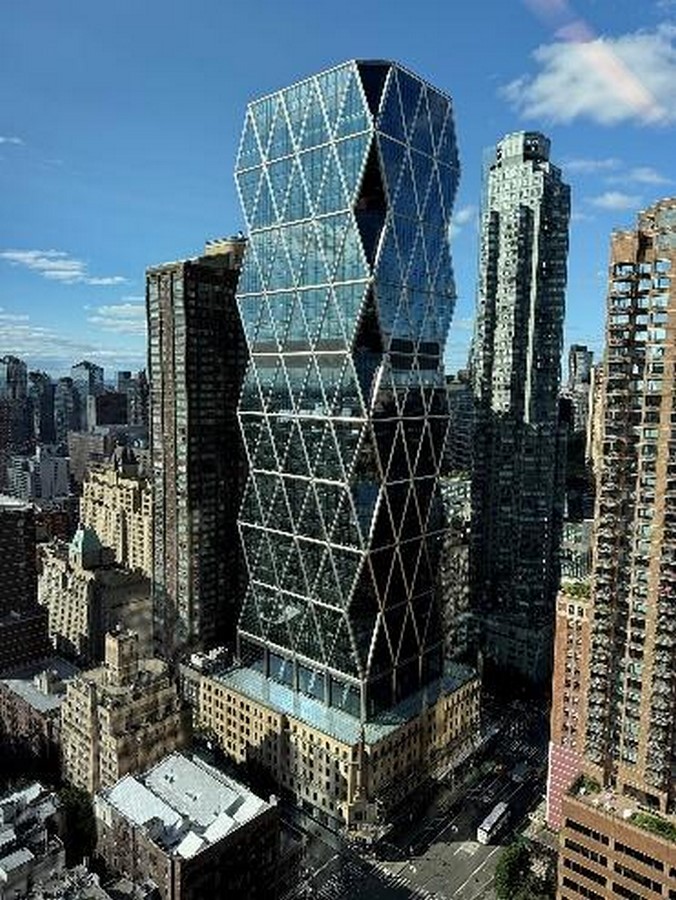
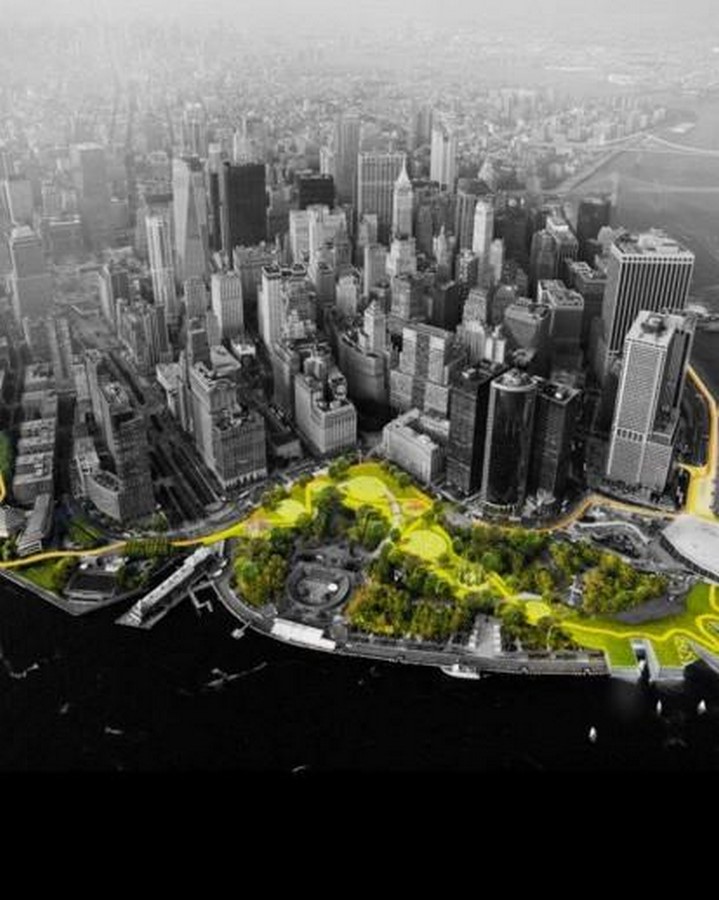
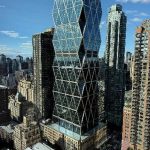
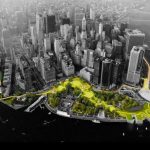
Experimental architecture is essentially a precursor to what lies ahead, where notions and technologies are explored over what may become more commonly accepted. It thereby forges futurism beyond, contributing to the vision of how architecture could appear in the years ahead. Think about Norman Foster’s Hearst Tower in New York or Bjarke Ingels’ BIG U project for flood protection in lower Manhattan. The innovative techniques Foster applies in a high-rise office building or the reimagining of urban infrastructure through Ingels’ perception, indicate that experimental designs could serve radical visions with aesthetic concerns taking a backseat.
A Duality
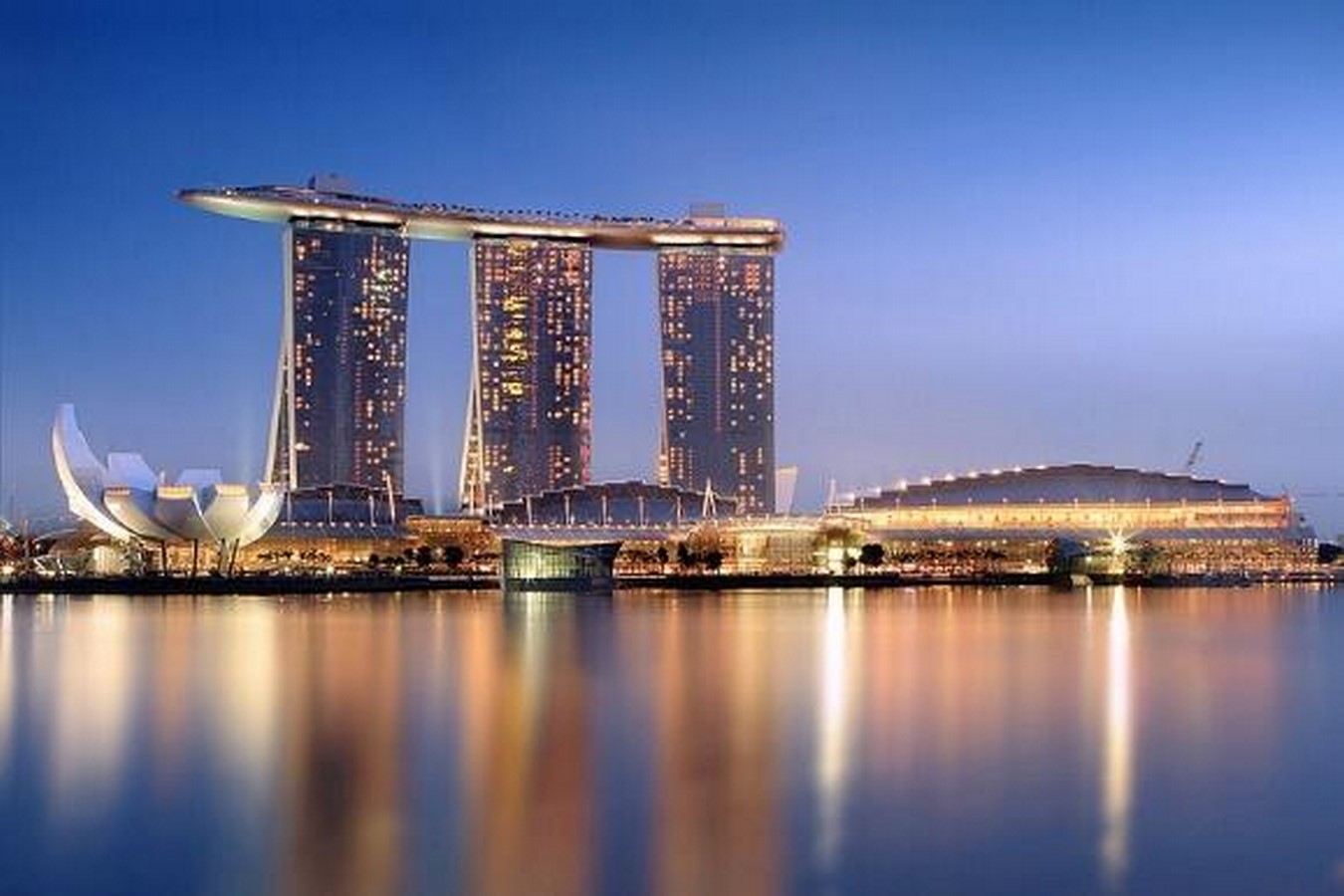
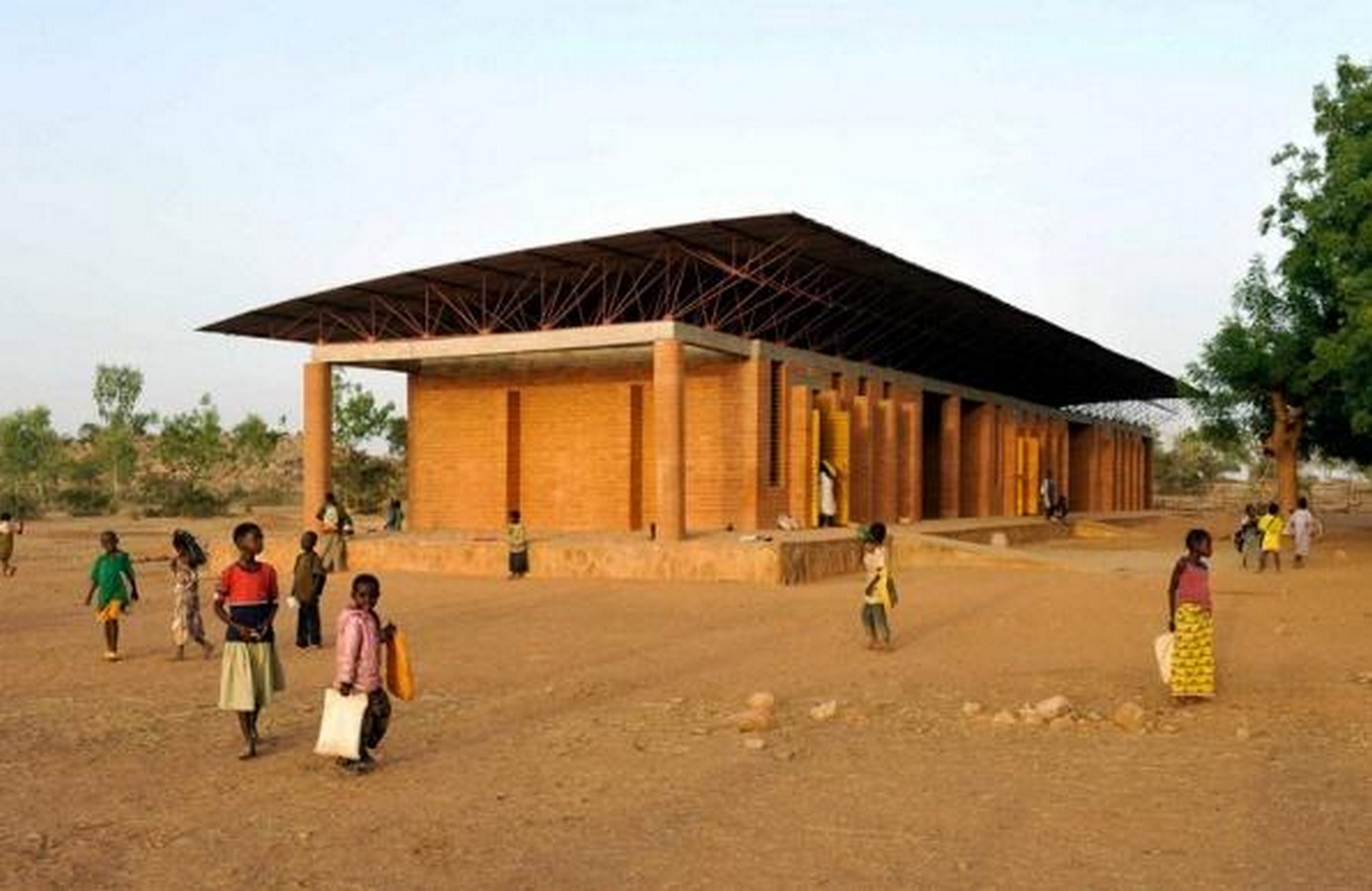
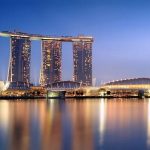
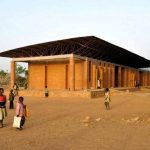
Experimental architecture inherently has a multifaceted character– typically combining visionary forms with pragmatism in the face of the challenges of our time. It can focus on producing iconic structures, such as the Marina Bay Sands in Singapore, whereby cutting-edge engineering aggregates into something dramatic and otherworldly. At the same time, experimentation can meet local, close-at-hand needs–as is evidenced by the design of Francis Kéré‘s Gando Primary School in Burkina Faso. Here, Kéré’s use of local materiality and traditional techniques showcases a great example of novel strategies against urgent challenges, such as sustainability, climate resilience, and affordability.
It is imperative to understand that innovation in architecture goes beyond the creation of aesthetically shocking forms. It often involves finding creative ways to address major issues while proposing a solution that is both sustainable and responsive. Unconventional architects often navigate a complicated terrain where functionality, cultural context, and aesthetic audacity are all bound in a delicate balance.
Futurism / the Architecture of Tomorrow
While futuristic architecture might often conjure up images of gaudy, high-tech designs, the future of architecture will not be shaped by aesthetics alone. Many of the challenges faced today—namely climate change, resource depletion, and rapid urbanization—demand practical, sustainable solutions that may not necessarily fit the rather fictitious mould of the future.
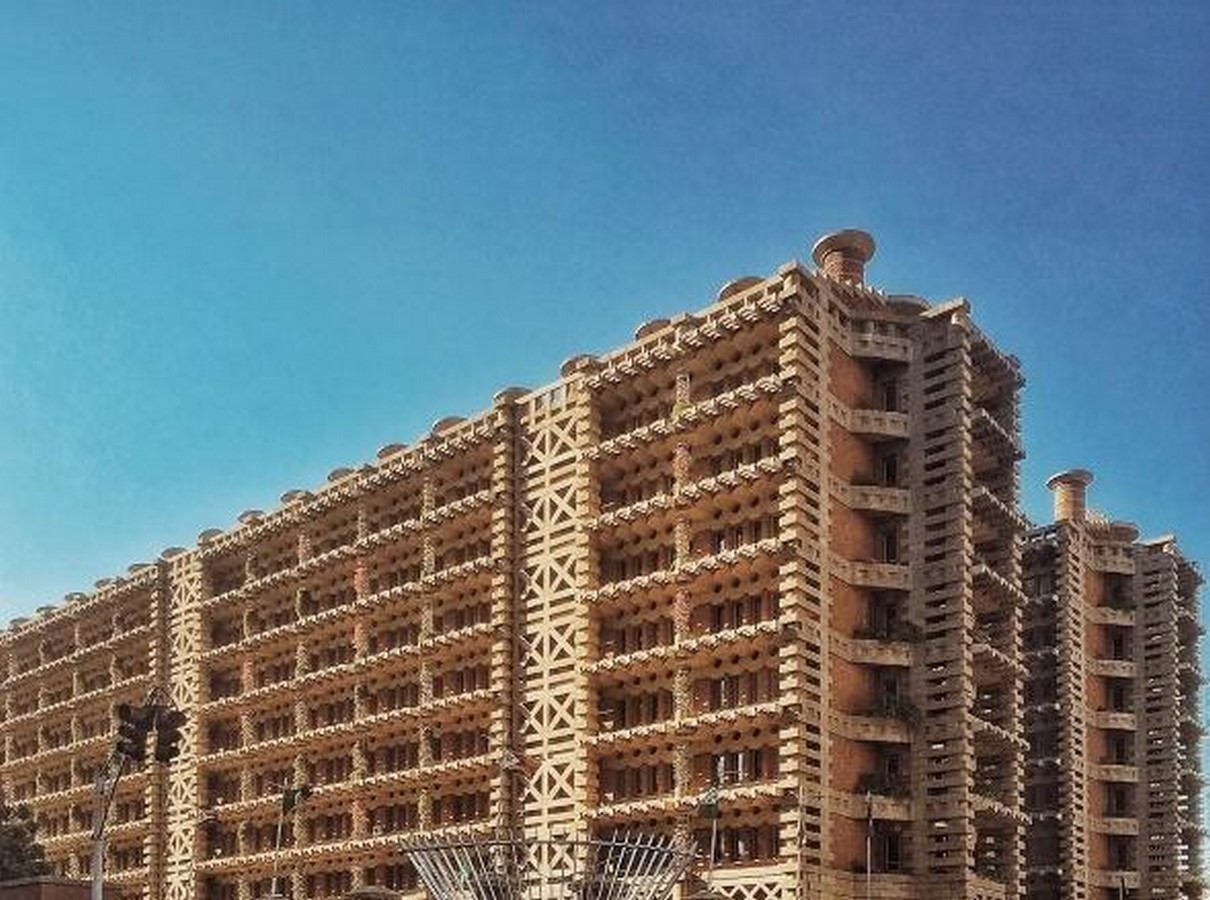
Take, for instance, Mick Pearce’s Eastgate Centre in Zimbabwe. Although the building does not reflect the bright, ultramodern look, characteristic of traditional futurism, its design is a great example of innovation. By mimicking the natural cooling processes of termite mounds, it offers a sustainable and environmentally friendly solution. This example challenges the idea of futuristic design as conventionally thought, showing how innovation can occur in many different ways, not necessarily through high-tech materials or strong visual statements.
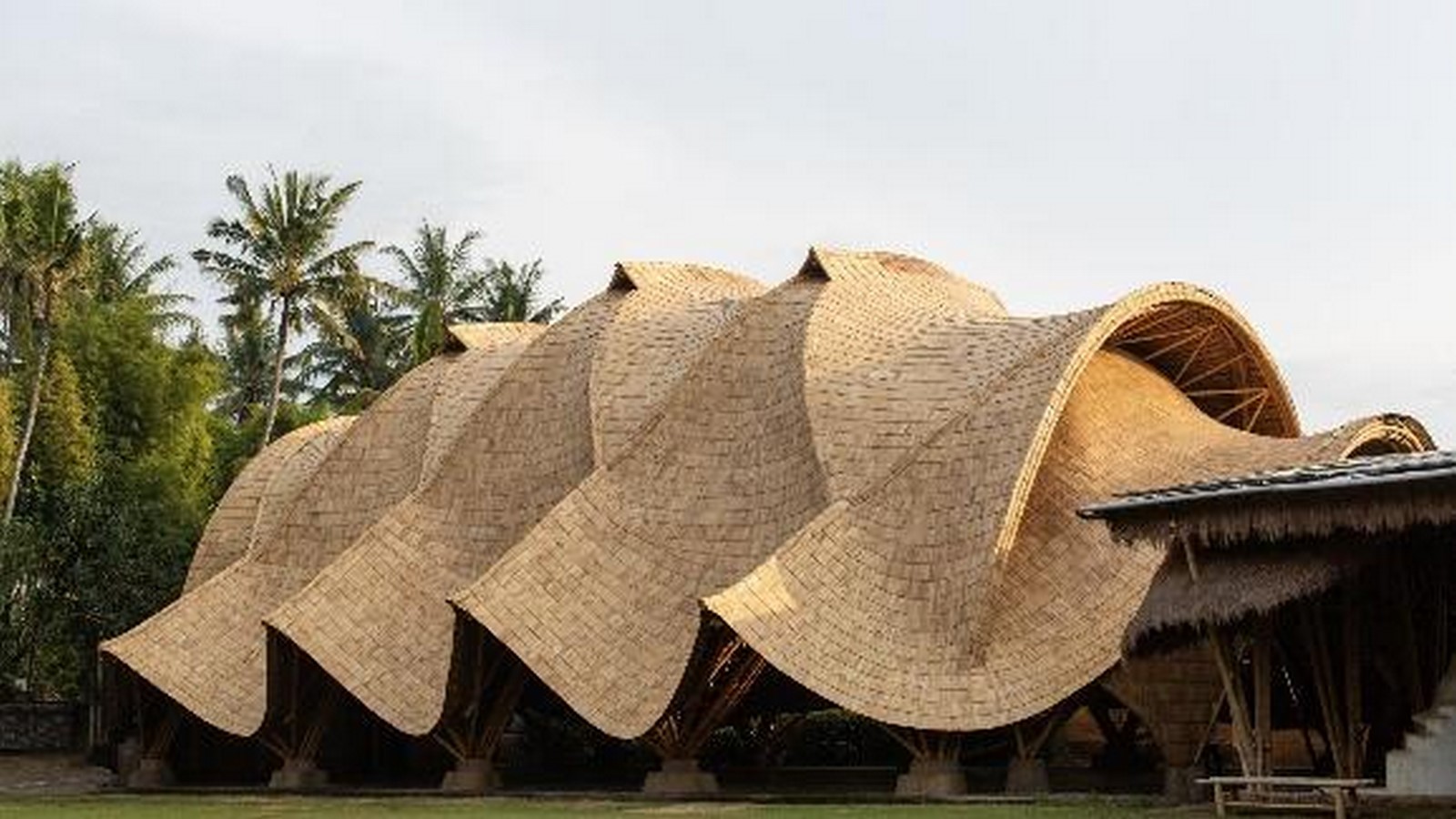
Similarly, projects such as the Green School in Bali, which prominently features bamboo as a key material, demonstrate how future architecture can harmoniously integrate sustainability, innovation, and cultural significance. These designs exhibit a progressive approach by incorporating local materials and eco-friendly practices, presenting a vision of the future that reconciles environmental stewardship with safeguarding cultural heritage.
At its best, experimental architecture is a powerful tool for designing architecture of the future. It compels us to move beyond superficial aesthetic conventions and reimagine spaces that are not only functional but also sustainable, adaptive, and transformative. While sleek, high-tech structures often symbolize the future, the true architecture of tomorrow will be shaped by innovative solutions to the global challenges of climate change, resource depletion, and urbanization. As we continue to challenge the limitations of materials, technologies, and design methods, the architecture of tomorrow will not merely be futuristic in appearance—it will be a radical force for addressing the pressing needs of our time.