From the prehistoric periods, colour has always been an important part of human evolution. Colour is one of the basic elements of visual perception. Humans perceive the colours of the…


From the prehistoric periods, colour has always been an important part of human evolution. Colour is one of the basic elements of visual perception. Humans perceive the colours of the…
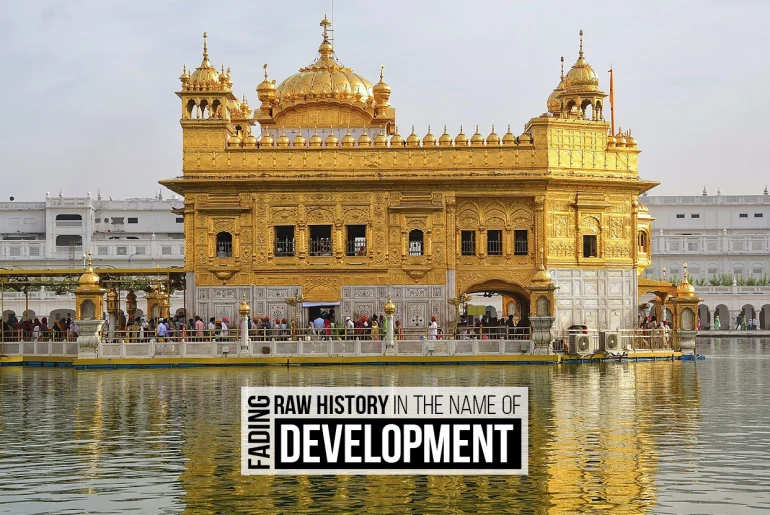
They say without memory, there is no culture. Without memory, there would be no civilization. If the memory is demolished for greed, there is not soul left in neither culture…
Urban life is enabled through the experience of the public space of a city – from the bus stops used by millions of people on the daily, to the parks…
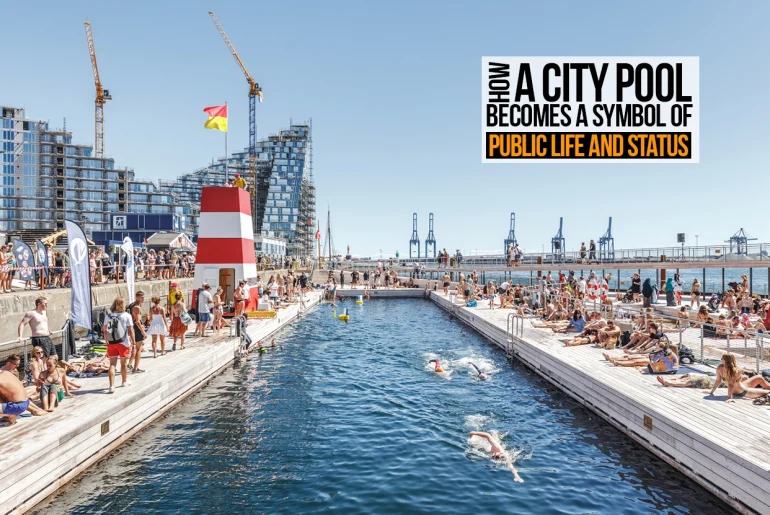
I picked up this book, My Friends by Fredrick Backman and it immediately drew my attention – not the story but the cover. Something about quiet belonging made me pause…
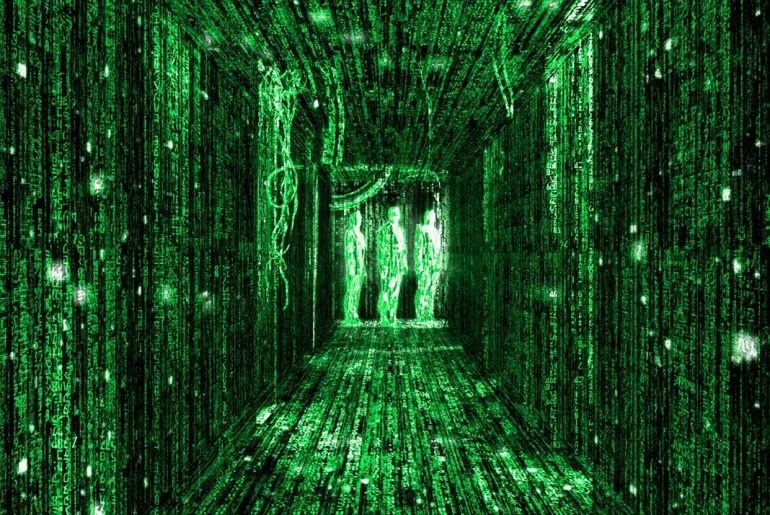
The Matrix (1999) is a science fiction film that interestingly weaves together philosophy, technology, and action. Residing in a dystopian future, the protagonist Neo discovers that the reality he perceives…
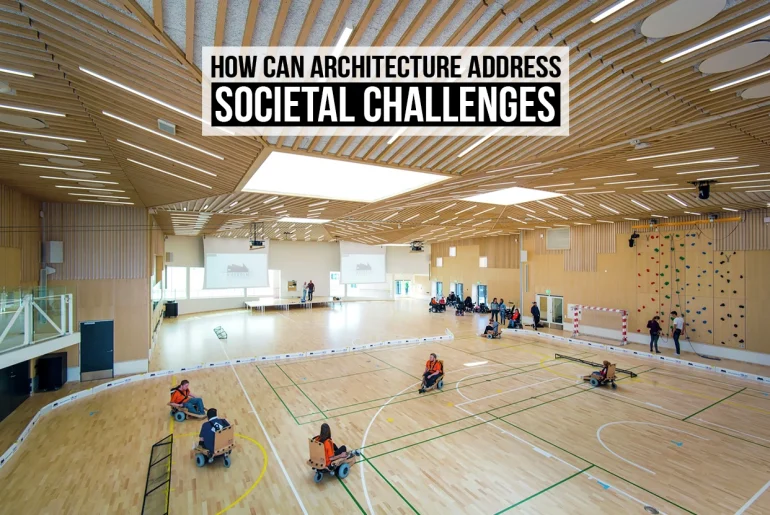
Since the advent of humanity, architecture has been intrinsically connected to how society functions. It determines the spaces where people live, work, and play, eventually impacting every individual’s quality of…
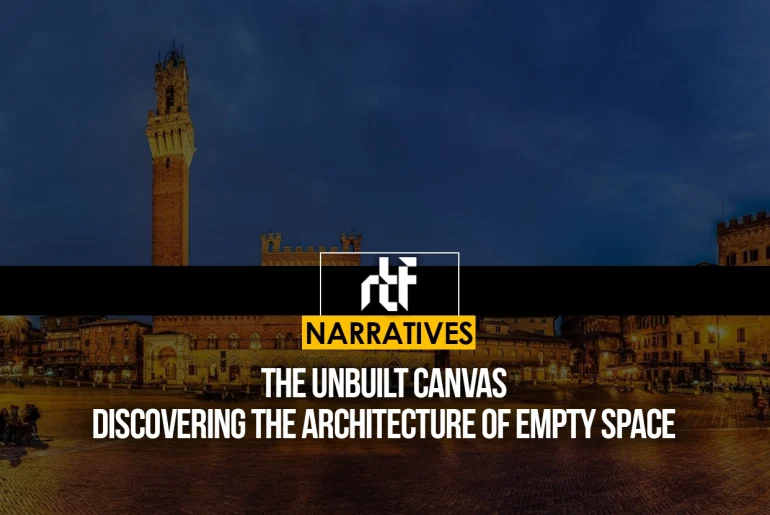
A Moment in Siena Stand in the Piazza del Campo on a late afternoon in autumn, and you will notice something peculiar. The space itself- not the buildings framing it,…
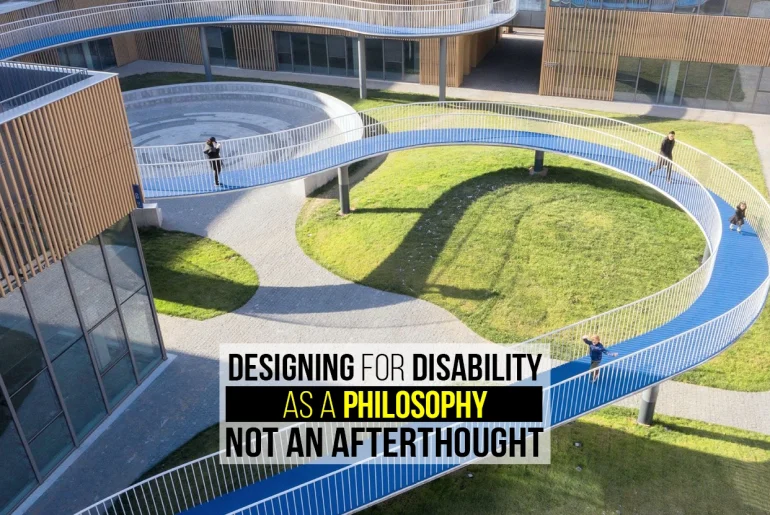
In the Cambridge Dictionary, disability is defined as “an illness, injury, or condition that makes it difficult for someone to do some things that other people do, and that is…
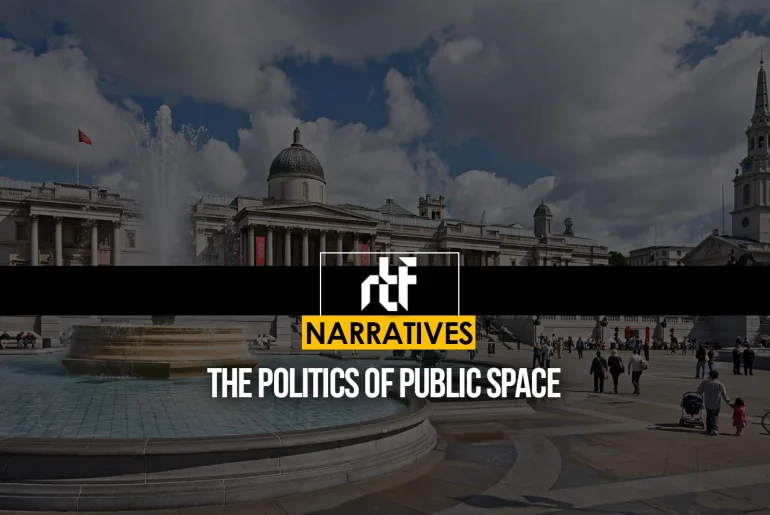
A city’s identity is not just expressed via its architecture, but also through the spaces between its buildings. Parks, squares, streets, sidewalks, and other public areas are public spaces open…
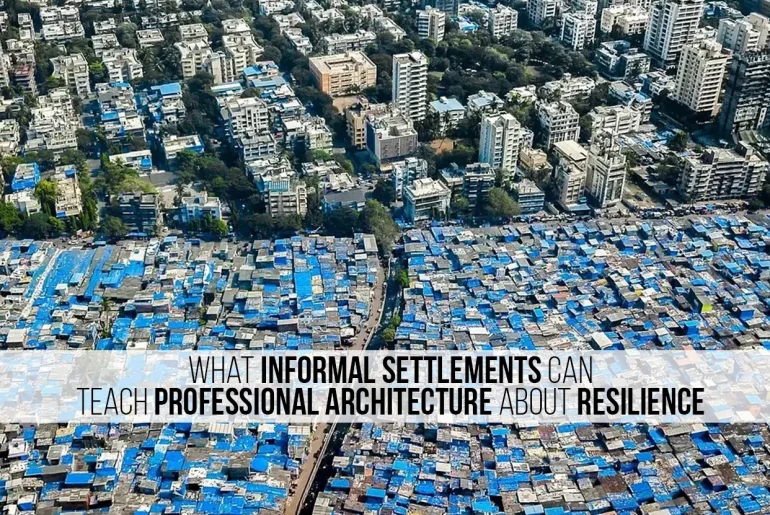
The Global Growth of Informal Settlements and the Shift Toward Inclusive Urban Planning Urban populations are expanding at an alarming rate globally, with current estimates suggesting that more than half…
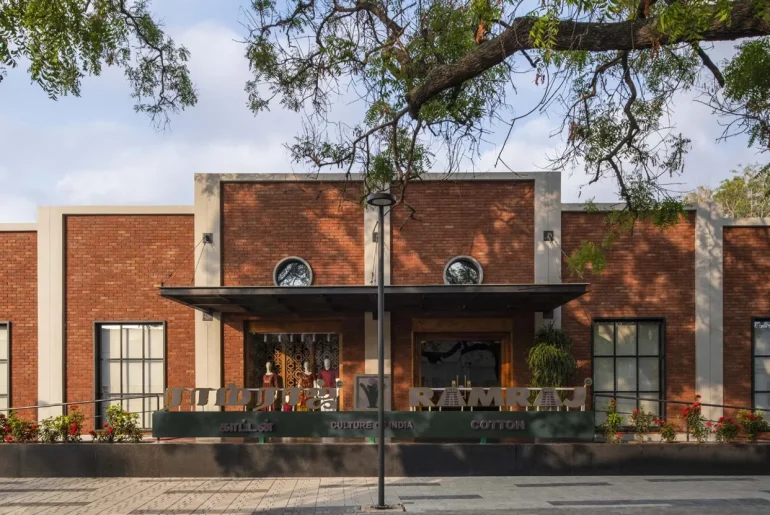
What should happen to industrial buildings when the industries that were present no longer exist? Cities evolve when urbanisation and industrialisation happen. While many industrial sites that are no longer…
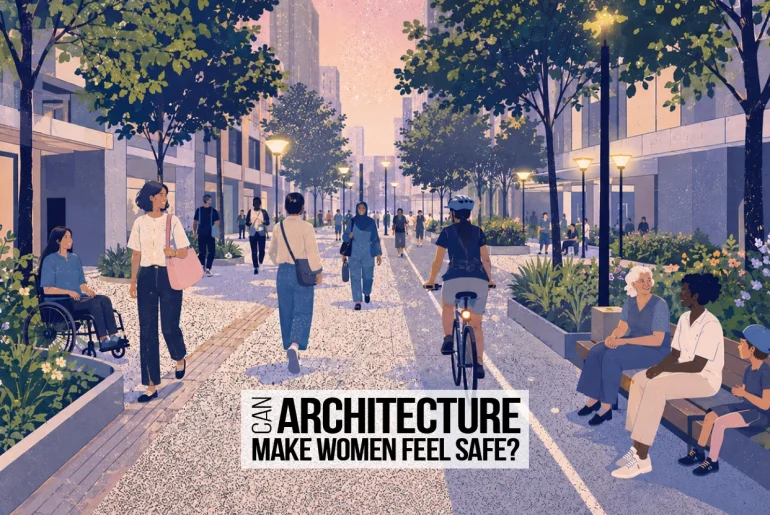
The Same City, Two Different Experiences Now imagine a woman who leaves her workplace at half past eight in the evening. First, before going out of her office building, she…