The Evolution of Indian Cities Through Historical Archives Historical archives throw light on the transformations that have taken place in Indian cities. Maps, surveys, photographs, and administrative records are valuable…
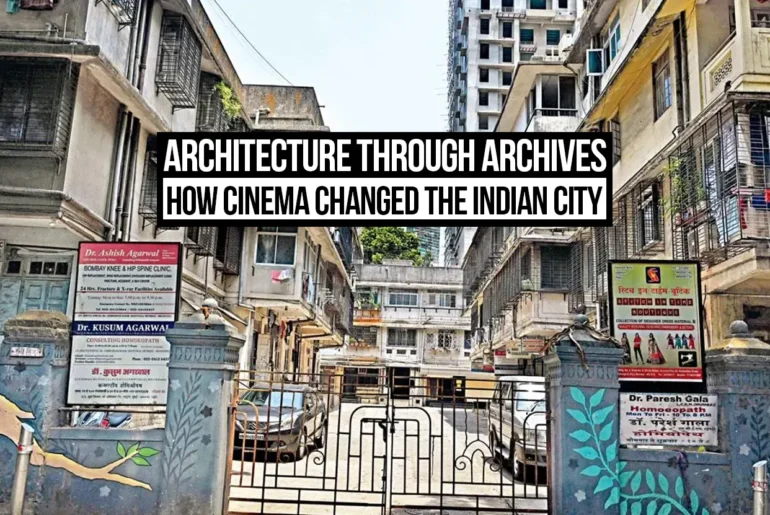


The Evolution of Indian Cities Through Historical Archives Historical archives throw light on the transformations that have taken place in Indian cities. Maps, surveys, photographs, and administrative records are valuable…
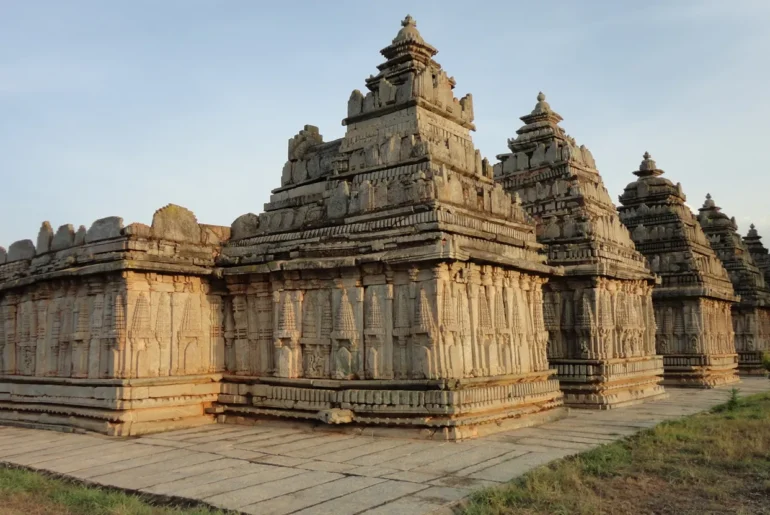
As the morning bells ring, the Panchalingeshwara Temple complex in Begur welcomes worshippers into a sacred landscape that has endured for more than a millennium. Surrounded by the expanding urban…

While some architecture books inform us about buildings, others transform how we understand them. One such book is Space, Time and Architecture: The Growth of a New Tradition by Sigfried…
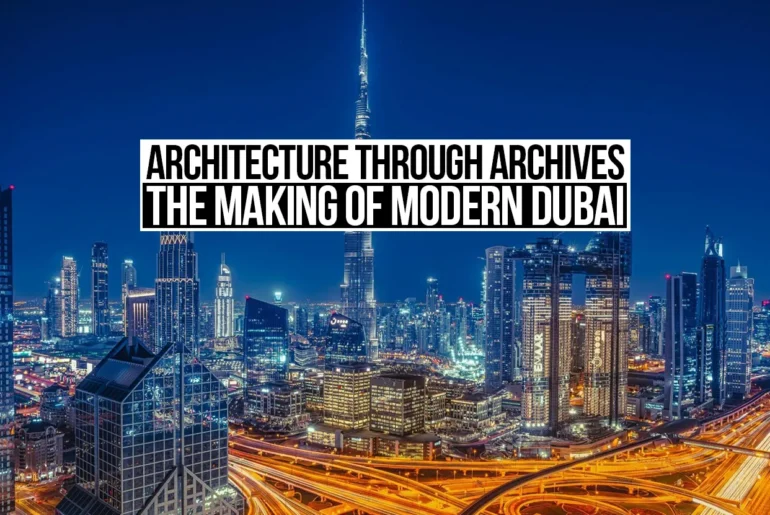
Dubai’s urban development traces back to the Creek. The waterway connected the settlement to the Arabian Gulf and wider trading networks. At the same time, its banks provided the setting…
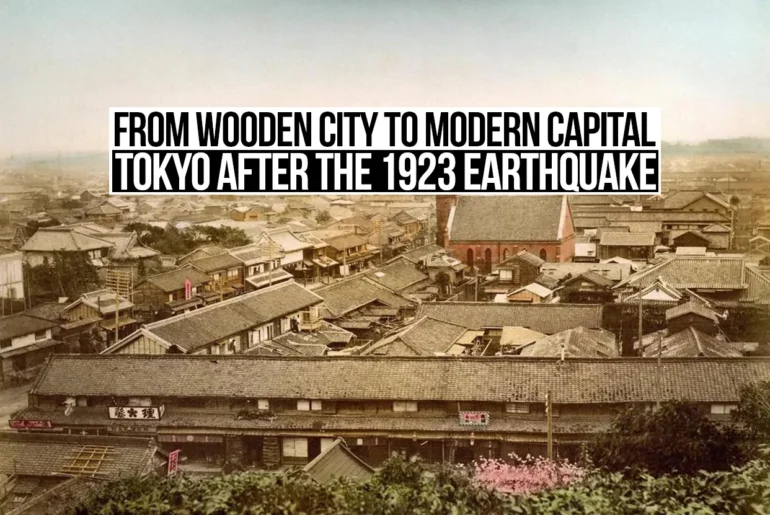
Present-day Tokyo is known for its glass skyscrapers, futuristic technology, earthquake-proof construction, and well-thought-out city planning. However, a century ago, Tokyo was primarily a wooden city. The Great Kantō Earthquake…
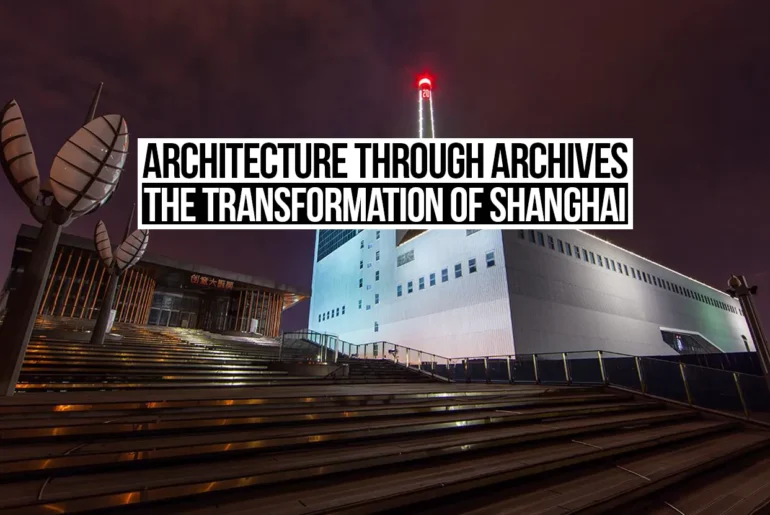
An idle power station along the Huangpu River in Shanghai had stopped producing electricity. Still, the city was looking forward to what the future held, skyscrapers going up and a…
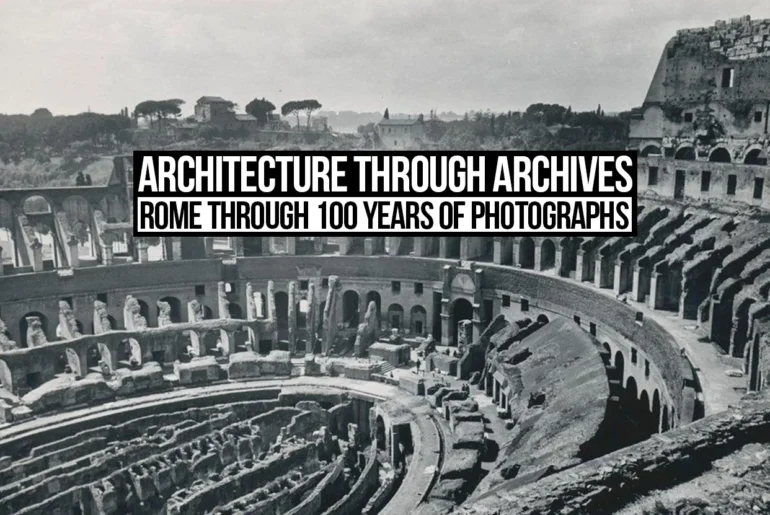
“I found a Rome of bricks; I left to you one of a marble”, proclaimed Emperor Augustus, founder of the Roman Empire, while lying on his deathbed in 14 CE. …
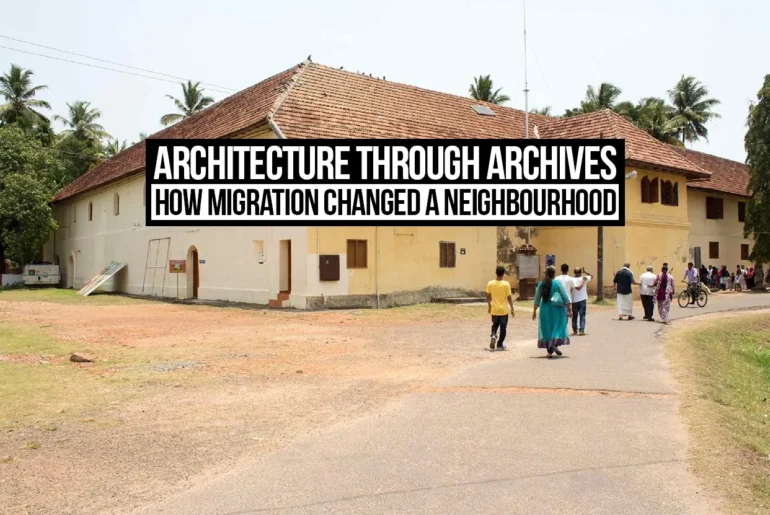
The history of a neighbourhood is often recorded not only in monuments but also in its streets, houses, places of worship and everyday commercial spaces. The Mattancherry neighbourhood in Kochi,…
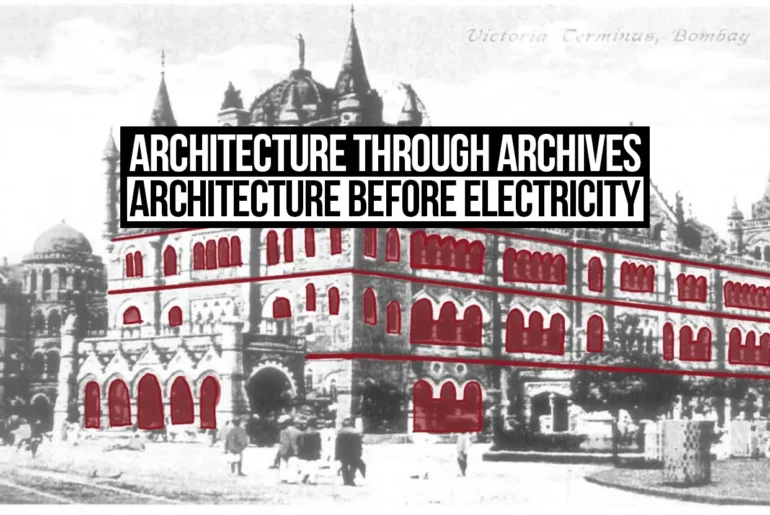
At the Chhatrapati Shivaji Maharaj Terminus, what’s intriguing is that even sunlight must permeate through a certain amount of architecture. It slips through numerous architectural features before reaching the passengers…
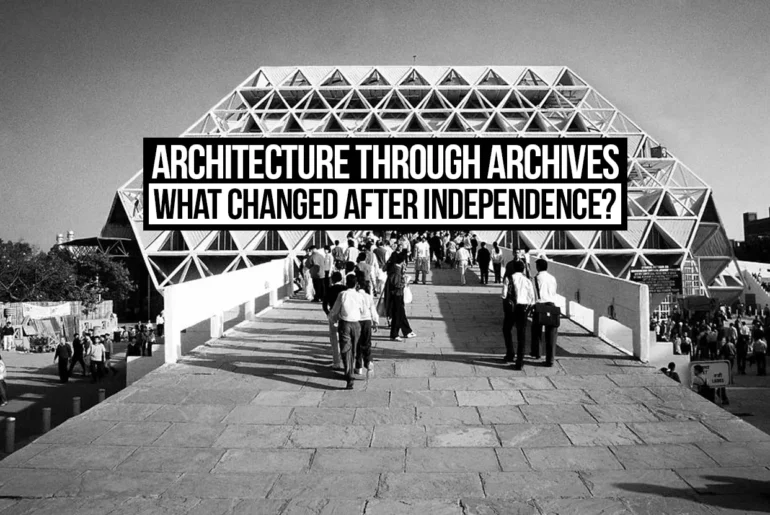
A familiar street can look entirely different in an old photograph. Set beside a present-day view, it becomes more than a mere trace of the past; it offers clues to…
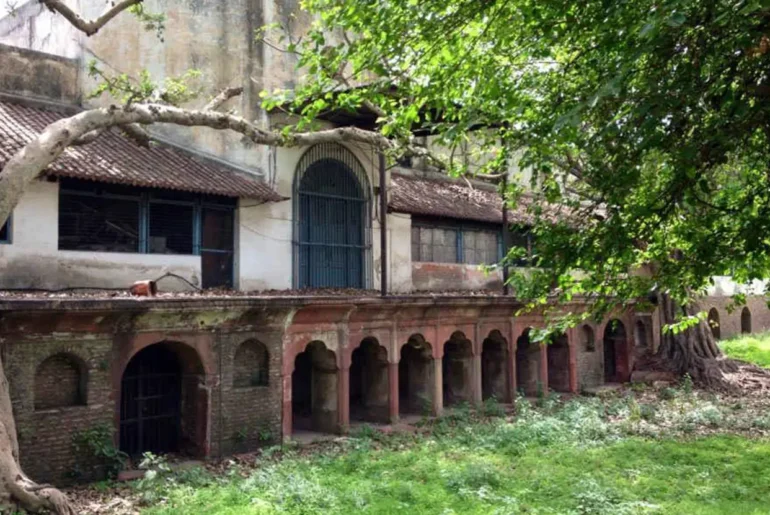
Few buildings in Delhi have changed their purpose as often as the Dara Shikoh Library. The name suggests a single purpose “reading room”, but its typology is much more complex.…
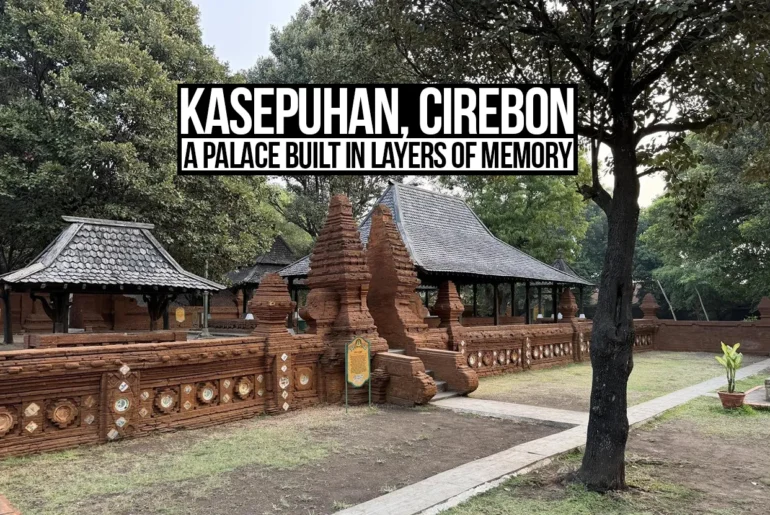
Walking through Keraton Kasepuhan (Kasepuhan Palace) in Cirebon, West Java, one would first notice its multilayered architectural language: Hindu-Buddhist, Javanese, Islamic, Chinese and European influences. Those different histories became embedded…