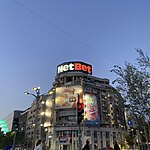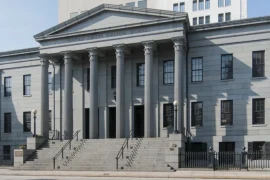
A Little Paris- that is what the world knows Bucharest. The largest city and capital of Romania lies in southeastern Europe. Bucharest is one of the oldest and largest metropolises of Romania standing on the river Dâmbovița. With its ethnic and political history, it represents collective memory through its architectural style of buildscape and landscape.
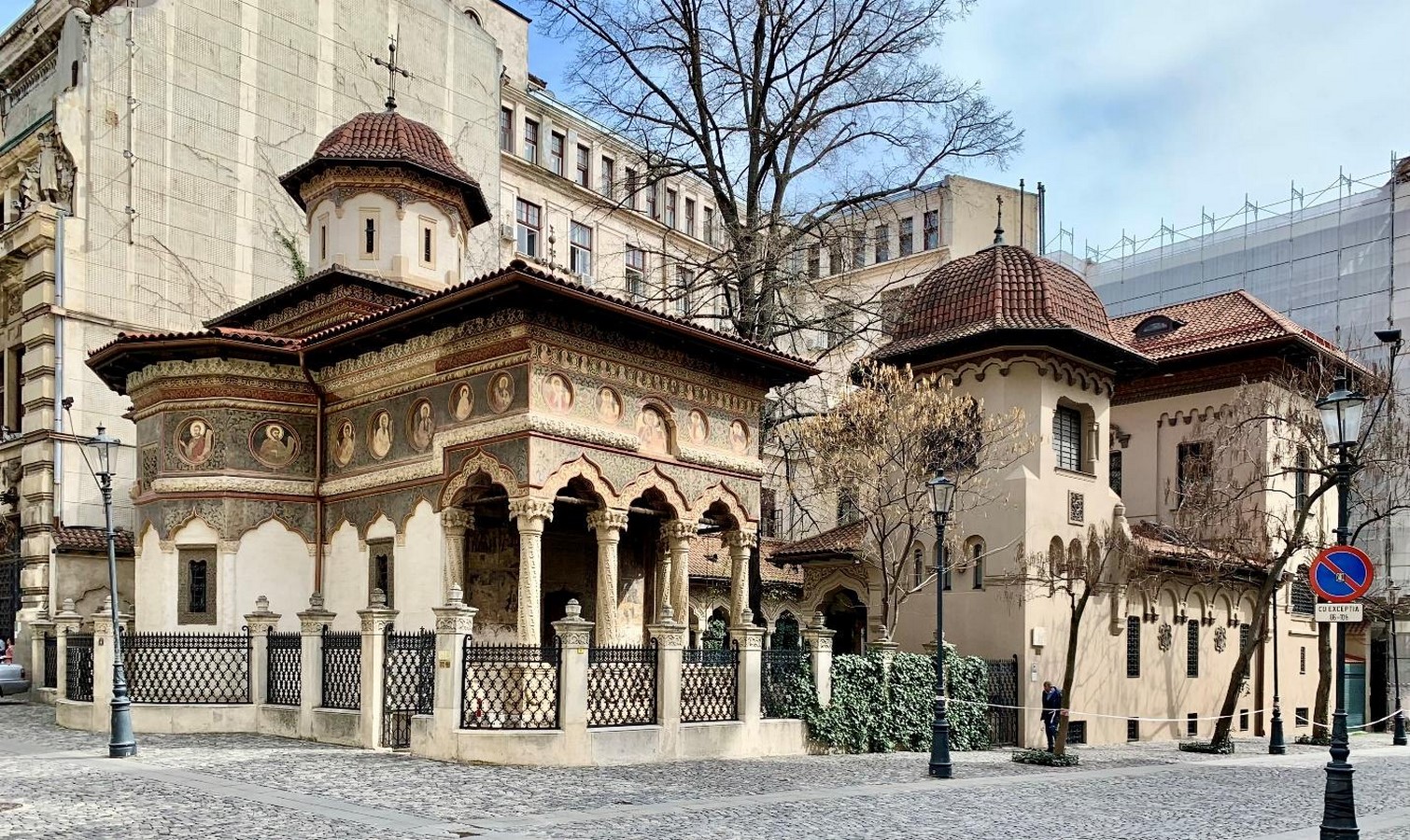
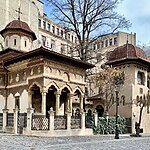
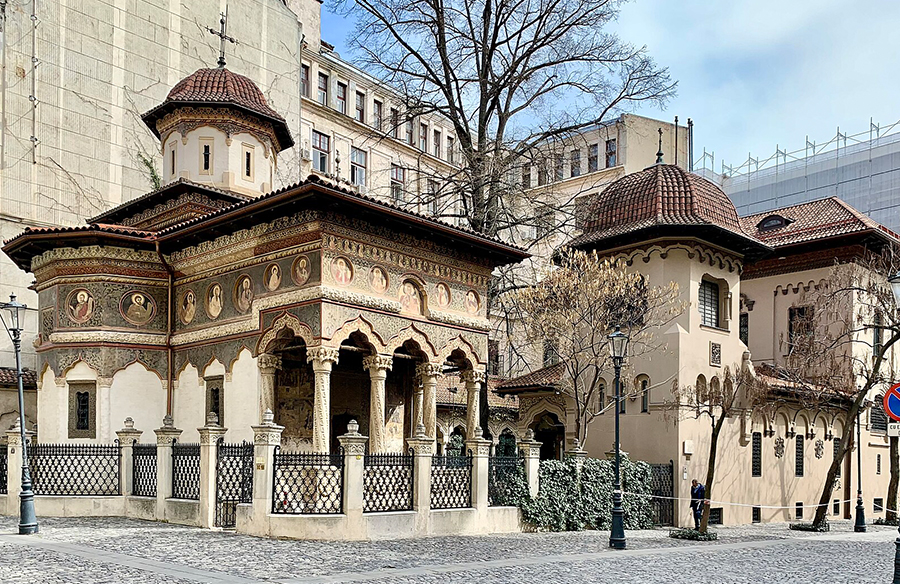
Stavropoleos monastery Source: https://en.wikipedia.org/wiki/Stavropoleos_Monastery
Navigating through historical pages, Bucharest is one of the wars-affected lands of Romania. But in today’s time, it embraces its past and becomes an image of Romania’s cultural and economic growth.
Bucharest is celebrated through its historical events. The most authentic capital exists in Europe. Bucharest celebrates a beautiful blend of classical and modern architecture, which attracts visitors from around the world. Bucharest continuously adapts and grows in its architectural capacities and cultural expressions.
Dive Into the Past of Bucharest
The historical events claim that Bucharest was founded by a shepherd named Bucur. It was established in the 14th century by the medieval prince Mircea on old ground with a small fortification. Due to its apt location for commercial activity, it linked to Ottoman Empire with central Europe. Two hundred years later it became the capital of Romania.
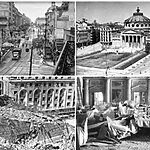
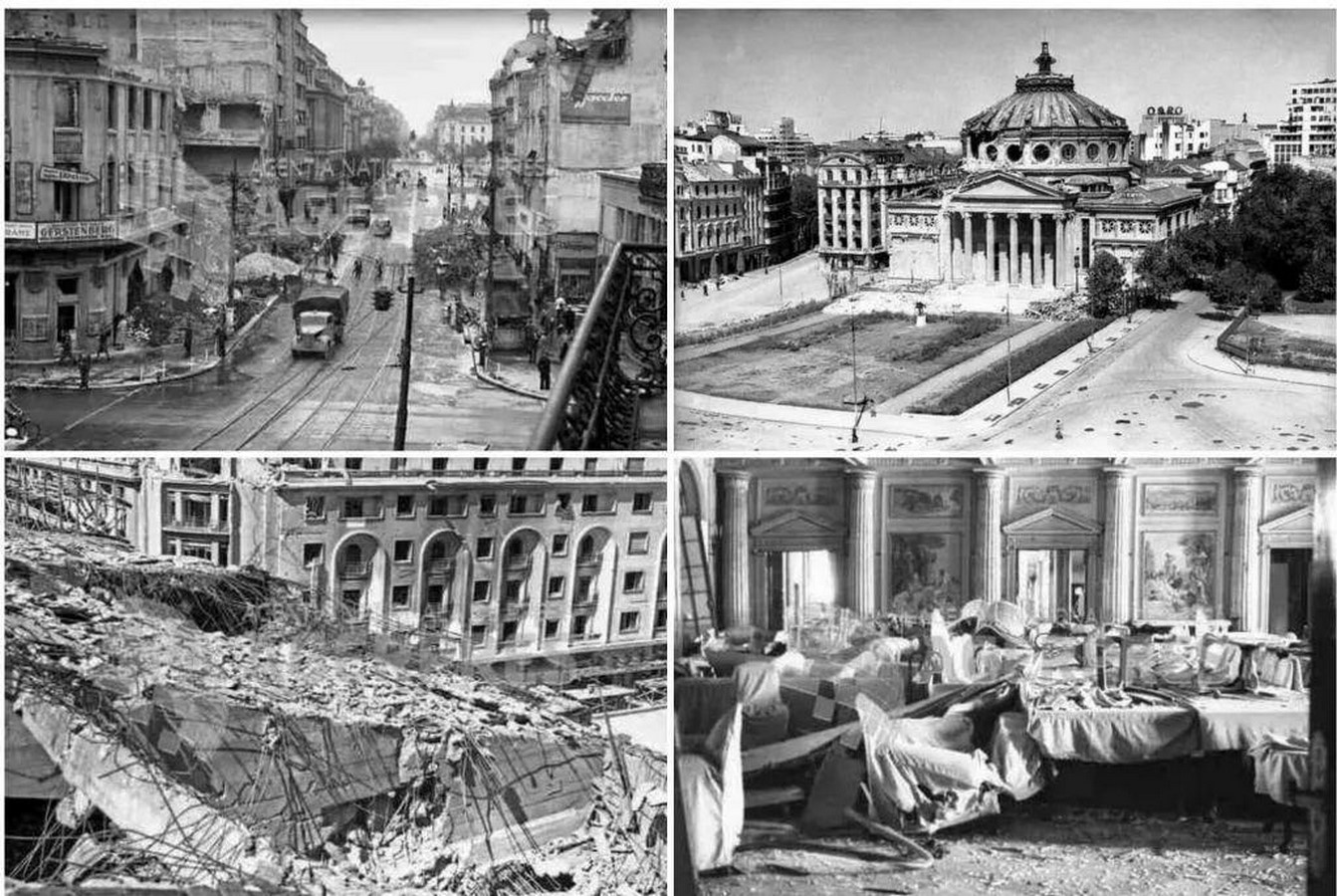
King Carol who governed Bucharest in 1866, modernized the capital. All the monumental sites of Bucharest were built during the time of the royal family of Romania. During World War II, many beautiful Art Deco and Art Nouveau buildings were destroyed. The Germans and Allies bombarded Bucharest in 1944.The landmarks vanished and were damaged marking the attack on the cultural entity of Bucharest.
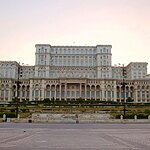
The communist government came into power in 1947 which destroyed societal harmony and completely changed the city dynamics by promoting forceful architecture. Despite poor living conditions, the regime projected a powerful image of itself by building gigantic palaces. The proposed master plan clearly shows the dictator’s approach to architecture. The cultural expression of society has been suppressed.

All these events gave rise to the anti-communism movement in 1989 and the fall of the communist government. A new neo-communist government then emerged, bringing rapid development in the 21st century.
Clash of Architectural Styles
A democratic government and joining the European Union are the crucial steps that lead Bucharest towards development. Bucharest has been open for its ways towards globalization and capitalizing on social and economic strength. The new era brings clashes between cultural buildings and modern trends.
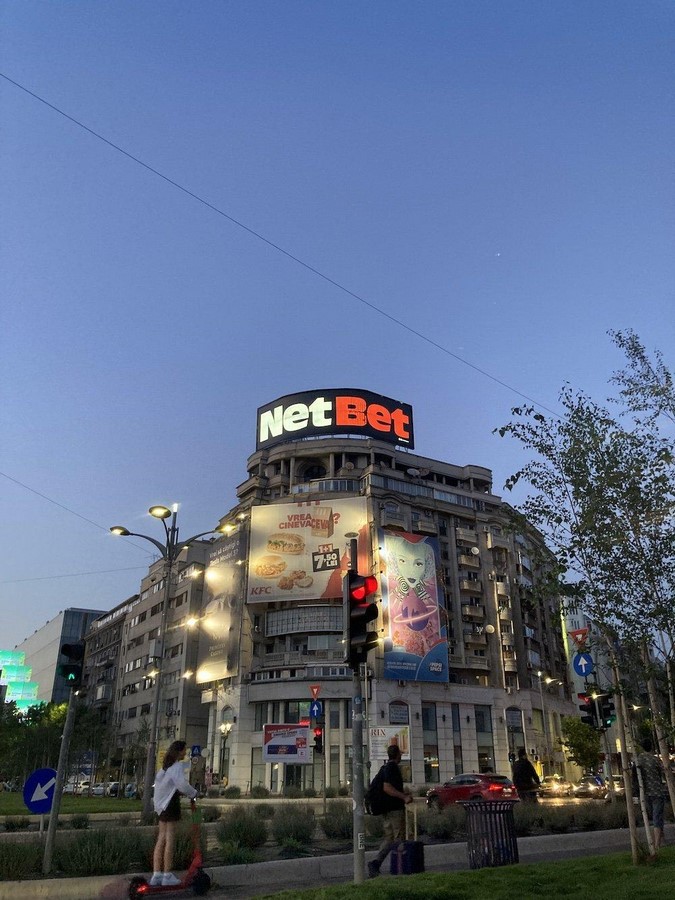
The government try to restrict and conserve the old art deco building to maintain the cultural image of the city. On the other side modernism continuously makes its way. The city is in clashes between various styles of architecture making it more porous and clueless of image of the city.
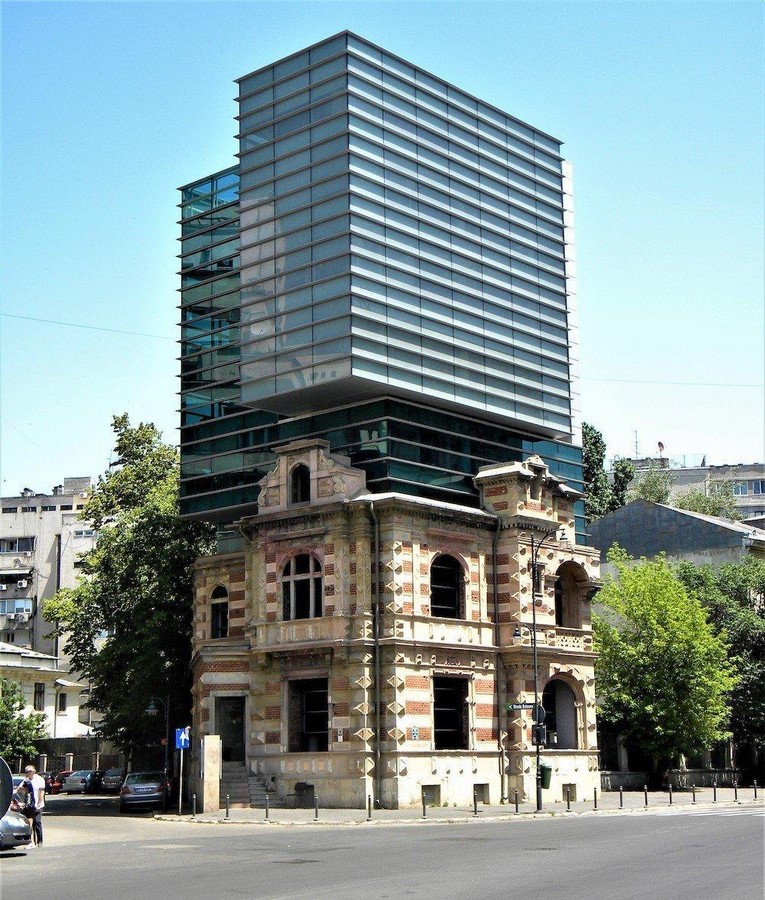
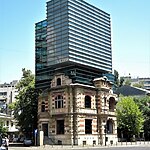
The postmodern approach encourages more contemporary buildings in the city. 70% of Bucharest was built after communism which enabled modernism in the city built by heavy use of glass and steel structures. The Union of Romanian Architects Tower the best example is in Revolution Square, adjacent to the Ministry of Internal Affairs. The remnants of a previous historical building, which still bears the scars of revolution bullets, now house a modern skyscraper made of glass and steel. This juxtaposition of styles creates a controversial clash.
Heritage from the Bucharest timeline
As most of the city is flooded with modern architecture there are still some buildings and locations that move one’s attention in the golden era of Bucharest. The art nouveau-style villas and orthodox churches have been a prominent part of the history of Bucharest during the 17th -18th century.
- The victory boulevard (Calea Victoriei) Still stands on the site of the medieval wood-paved road called Podul Mogosoaiei. Calea Victoriei features villas of boyer’s families, historic passageways, fancy coffee shops and interwar architecture.
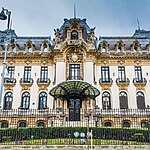
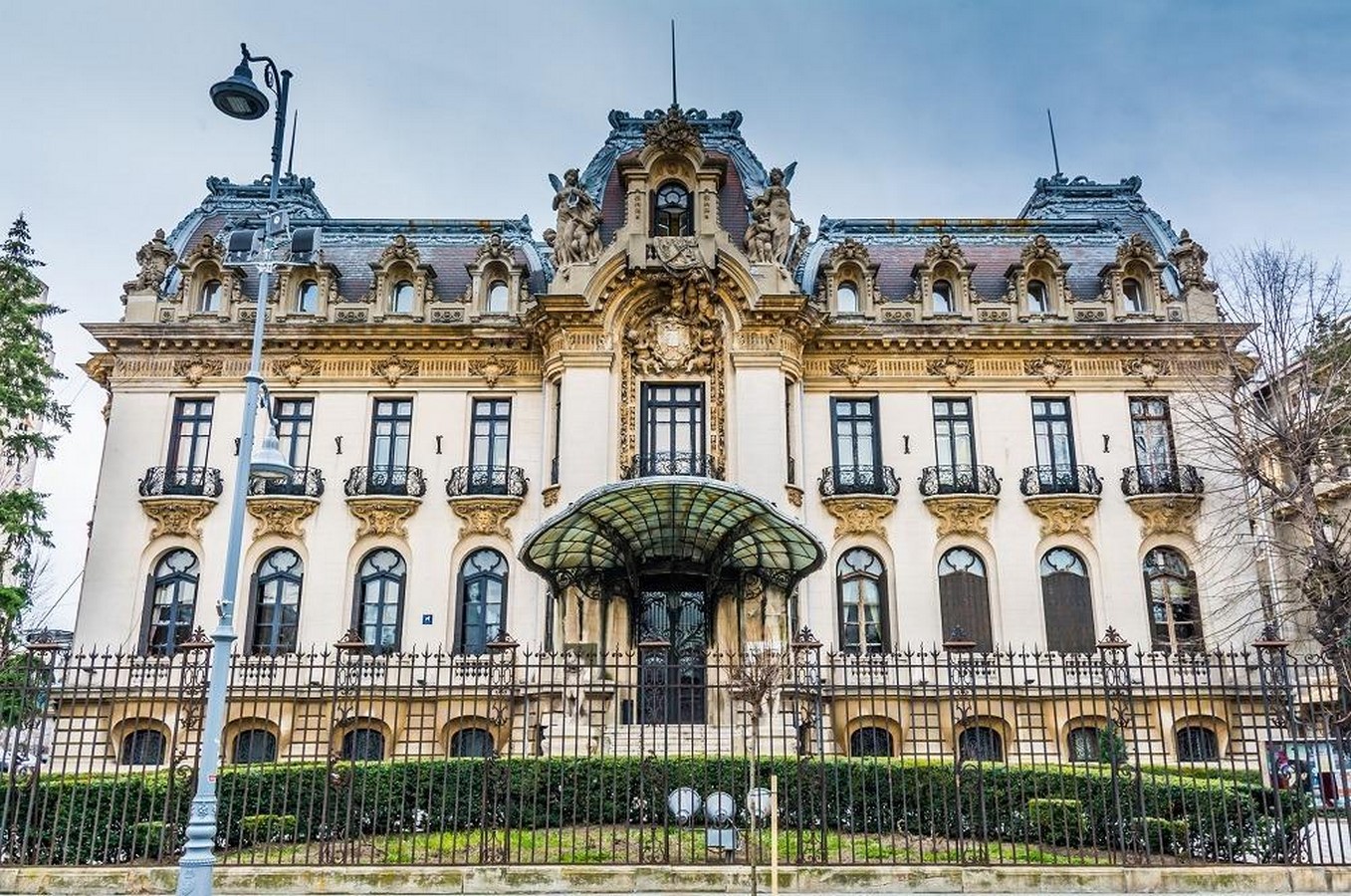
- Cantacuzino Palace is a historic palace built in French Beaux-Arts and Rococo Revival styles, housing a museum dedicated to the national composer George Enescu.
- Entered during the interwar period, Telephone Palace was the city’s first “skyscraper,” constructed in the American Art Deco style.
- The Romanian Athenaeum is listed among the UNESCO World Heritage Sites.
- The aristocratic neighbourhood of Coroceni features tree-lined lanes, well-kept gardens, and traditional Art Nouveau walled mansions. The official residence of the Romanian president, Cotroceni Palace, is located here as well.
- Kiseleff Boulevard is a long avenue named for the Russian general Kiseleff that is bordered by lime trees and is modelled after Parisian urban planning. Some of Bucharest’s most exquisite homes from the Francophilia movement that swept across Romania’s educated classes in the 19th century may be seen on this route.
- The Triumphal Arch is the main feature located on one edge of the avenue. The 27-meter arch, which honours Romania’s 1918 reunification, was constructed in 1935 and is modelled after the monument of the same name in Paris.
- Victory Square and Street are connected to the Triumphal Arch via Aviator Boulevard, a wide and extended thoroughfare. It has museums, Old Villas, lush gardens, and embassies.
The enormous building costs played a part in the 1989 revolution’s overthrow of the regime. The new government agonized for a long time over acceptable architecture.
- Union Boulevard was originally meant to be the Champs Elysees of the communist era. Although it was never finished, the sheer size reveals some of the intention. Paradoxically, the demolition project preserved a few important mediaeval churches, including the Patriarchal Cathedral, Prince Michael Monastery, and Antim Monastery. Remarkably, these small Orthodox churches made it through the reconstruction. They are currently concealed by the Civic Center’s row of modern structures. When you go around these neighbourhoods.
- Revolution Square:
The starting point of the 1989 anti-communist revolt. As the crowd began jeering Ceaușescu, he delivered his farewell address from the balcony of the Communist Party building, where he formerly presided over the central committee. Many people were killed when the army opened fire on the masses while he was momentarily able to flee from the roof by chopper.
- House of Free Press:
Located in the city’s north, this enormous white Stalinist structure formerly served as the hub for the government’s propaganda machine.
Bucharest is continuously growing through its dark history. It is Stuck between a conflict of past and future. A mixture of architectural styles makes a city vibrant but vanishes its origin at the same time. The beautiful Art Deco and Art Nouveau buildings profoundly speak about the richness of Bucharest culture. Today Bucharest become a famous destination where one can witness the evolution of architecture developed through social and national events.
References:
A brief history of bucharest bucharest (no date) A Brief History of Bucharest. Available at: https://www.inyourpocket.com/bucharest/Bucharest-History#google_vignette (Accessed: 23 February 2024).
Condrea, A.D. (2022) Short history of bucharest: From the medieval centuries to communism, Uncover Romania. Available at: https://www.uncover-romania.com/attractions/cities/history-of-bucharest/ (Accessed: 23 February 2024).
Erin (2023) Why visit Bucharest? The Ultimate Travel Guide, Curiously Erin Travel Blog. Available at: https://curiouslyerin.com/why-visit-bucharest/ (Accessed: 23 February 2024).
Zilli, E. (2023) Welcome to Bucharest! an urban tour through the history and Architecture of Romania, ArchiPanic. Available at: https://www.archipanic.com/bucharest-architecture-guide/ (Accessed: 23 February 2024).
Varga, C. (2024) This is the untold story of bucharest: You could travel, This is The Untold Story of Bucharest | You Could Travel. Available at: https://www.youcouldtravel.com/travel-blog/this-is-the-untold-story-of-bucharest (Accessed: 23 February 2024).