History has seen the rise and fall of mankind, kingdoms, the evolution of lives, rise in culture, religion, architecture, civilisations—innumerable things that are impossible to jot down. While this makes it interesting for some people, others have a hard time concentrating on these. History is a topic that is sometimes not appreciated for what it offers. Timeline, a show by YouTube, does its best to offer the most authentic and entertaining information on the said topic.
Introduction to Angkor Wat
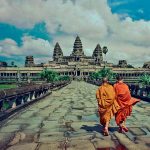
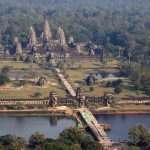
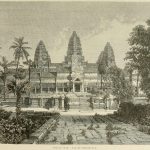
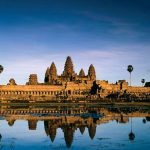
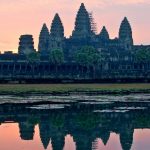
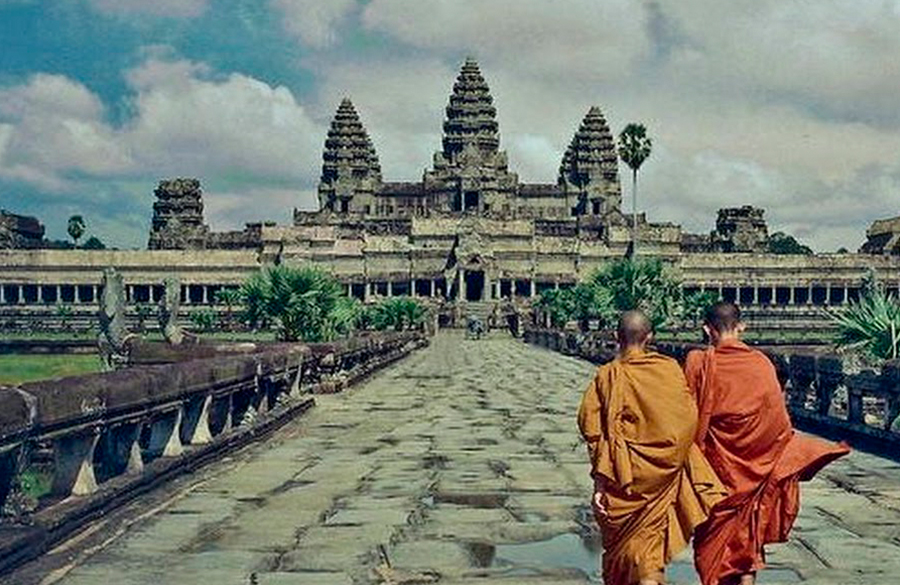
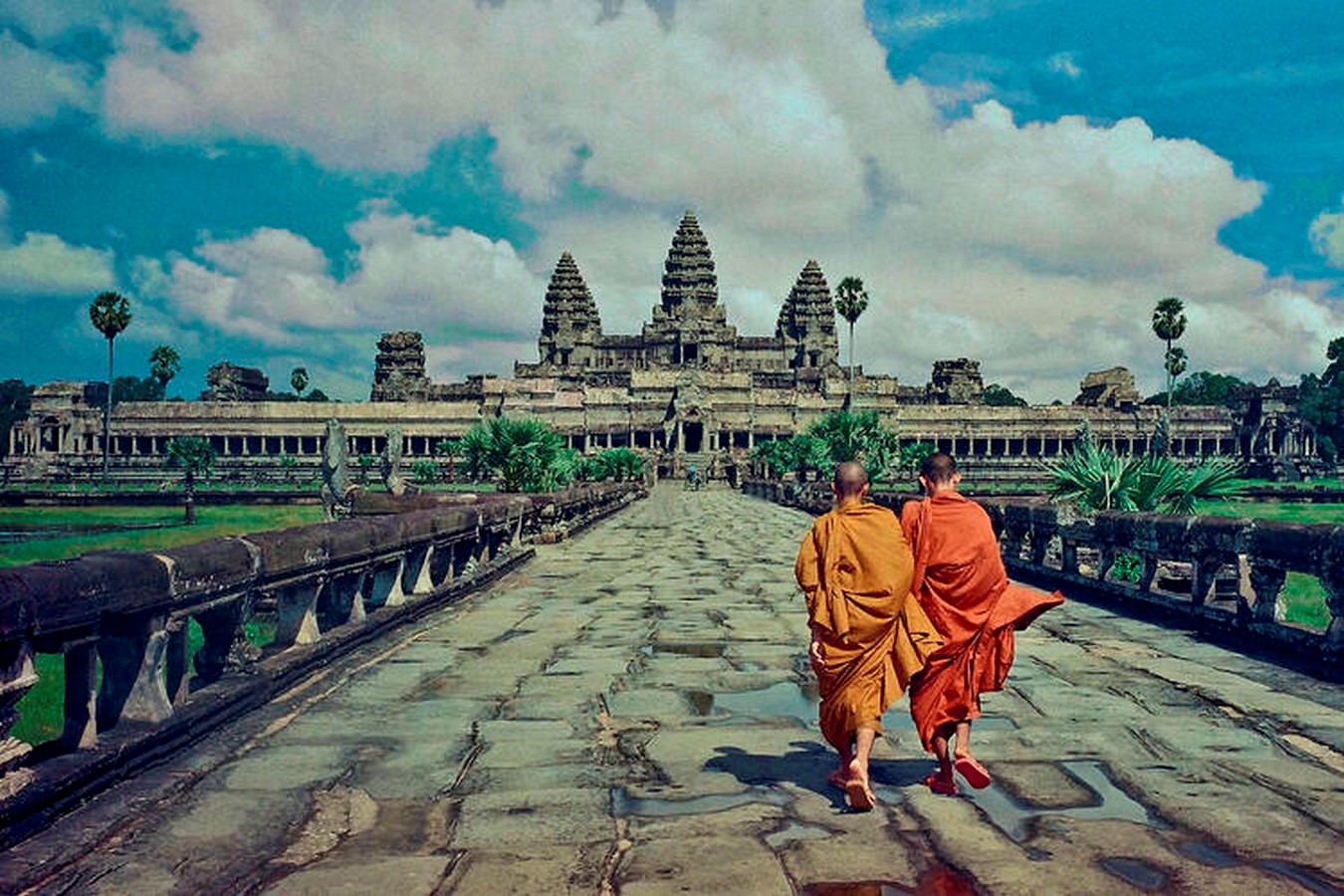
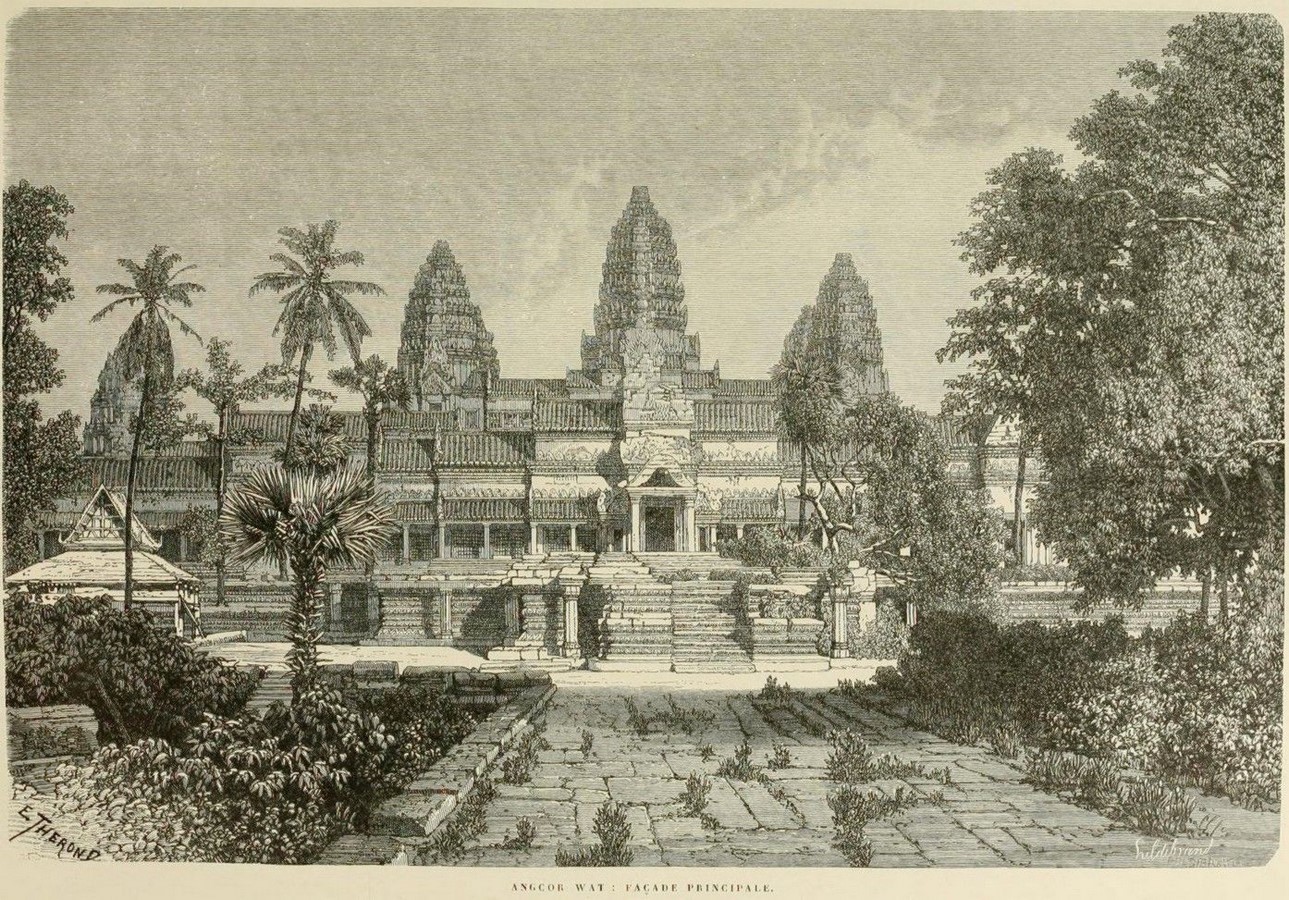
Angkor Wat, known as the temple city, situated in Cambodia, is the largest temple complex in the world. This is the information we have known for forever. The recent discovery has changed the whole history of the place, and the video gives information on that. Angkor Wat has always been celebrated as one of the greatest architectural marvels of the world. The centre of the complex contains spires rising to 65m.
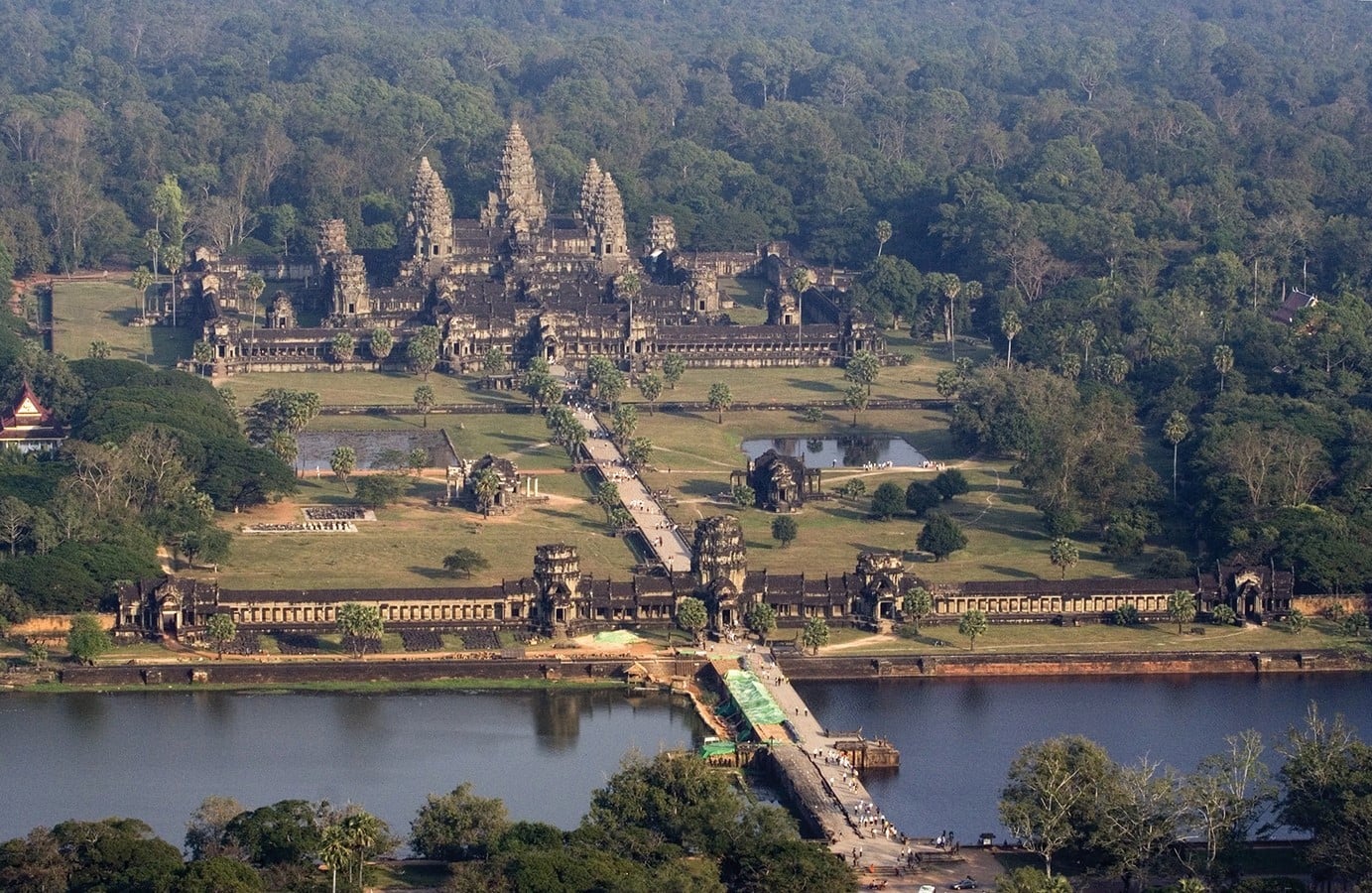
The video focuses more on the evolution of the civilization and the whole events that led to it. Angkor Wat lies in the northwest floodplain of Cambodia. It is an enigmatic monument that is truly baffling. While people know it as an architectural marvel, it is also renowned for its culture and rich history. The stone cathedrals look like they are reaching out for heaven. Artists still believe that excellence is difficult to achieve even with lasers today.
The structure was a mausoleum to the sun king where his ashes were supposed to be buried. While some believe that this was built by some heavenly power, and some believe it was always there. Either way, it is one of the most sophisticated civilizations.
Introduction to the Show
This show is referred to by history nerds as their go-to and is revered by everyone. The video starts off with the basic history of the topic and goes ahead for a more consolidated explanation. To give a comprehensive idea of the topic, renowned researchers, archaeologists are interviewed. This gives perspectives from various sources and a more veracious outlook.
What can be the Takeaways
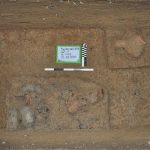
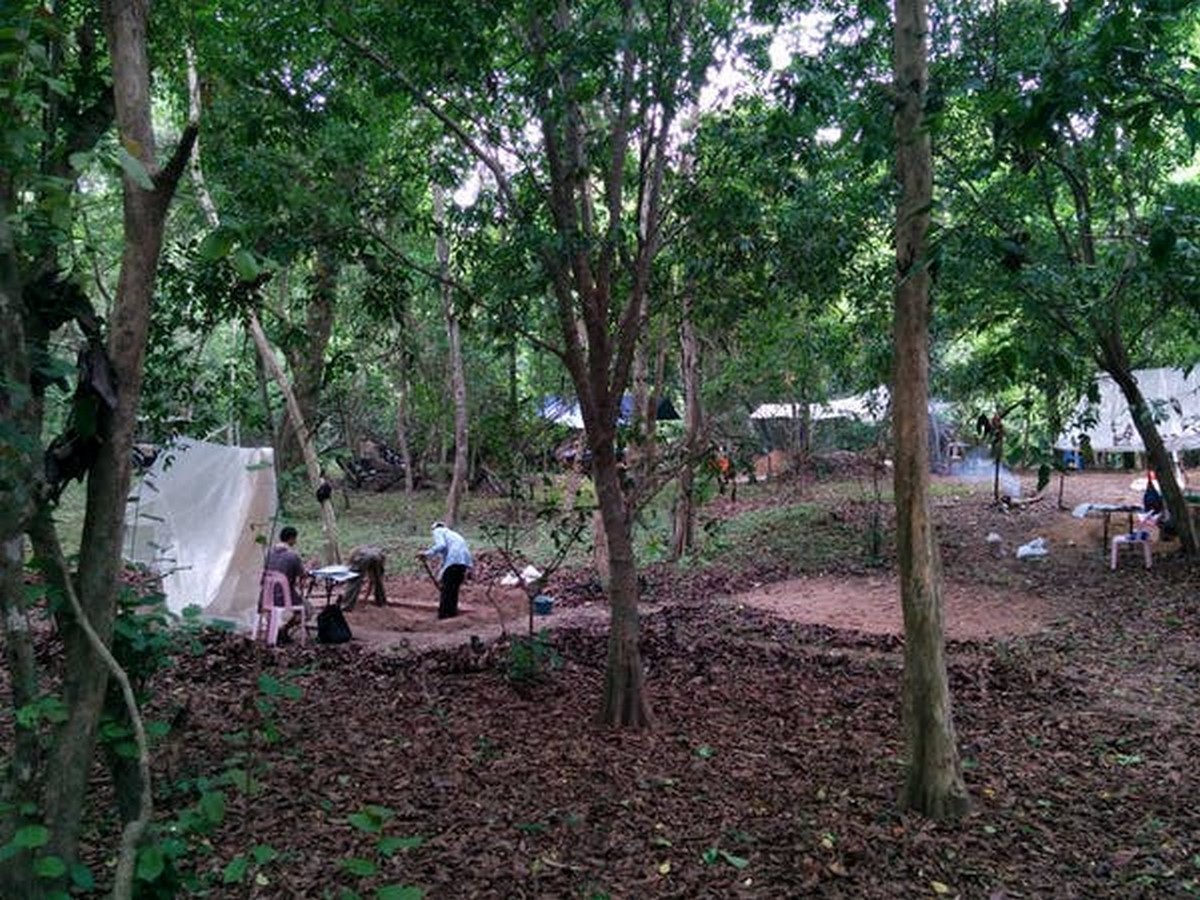
I found out things about Angkor Wat and the way things functioned which I never knew existed. It starts with the description of Henri Mouhot, (an archaeologist) discovering Angkor Wat in 1860 and the events that led to this discovery of the complex. It leaves us with a fleeting question as to why the site was chosen and left isolated. Then the video shows how the site has recently been intriguing the scientists. It shows how Angkor Wat was not just a temple complex but the most sophisticated civilization in the world.
We get to learn about the structure a bit at the start and the complexity that involves achieving even through machines today. The video then mentions Charles Highman and his research. The video largely focuses on the kings and especially King Jayavarman and his amazing eye for design. We come across some legends on the construction of the temple, which is difficult to trust. The main work started after Henry Mouhot’s work was published, then the researchers fled to Cambodia for more research.
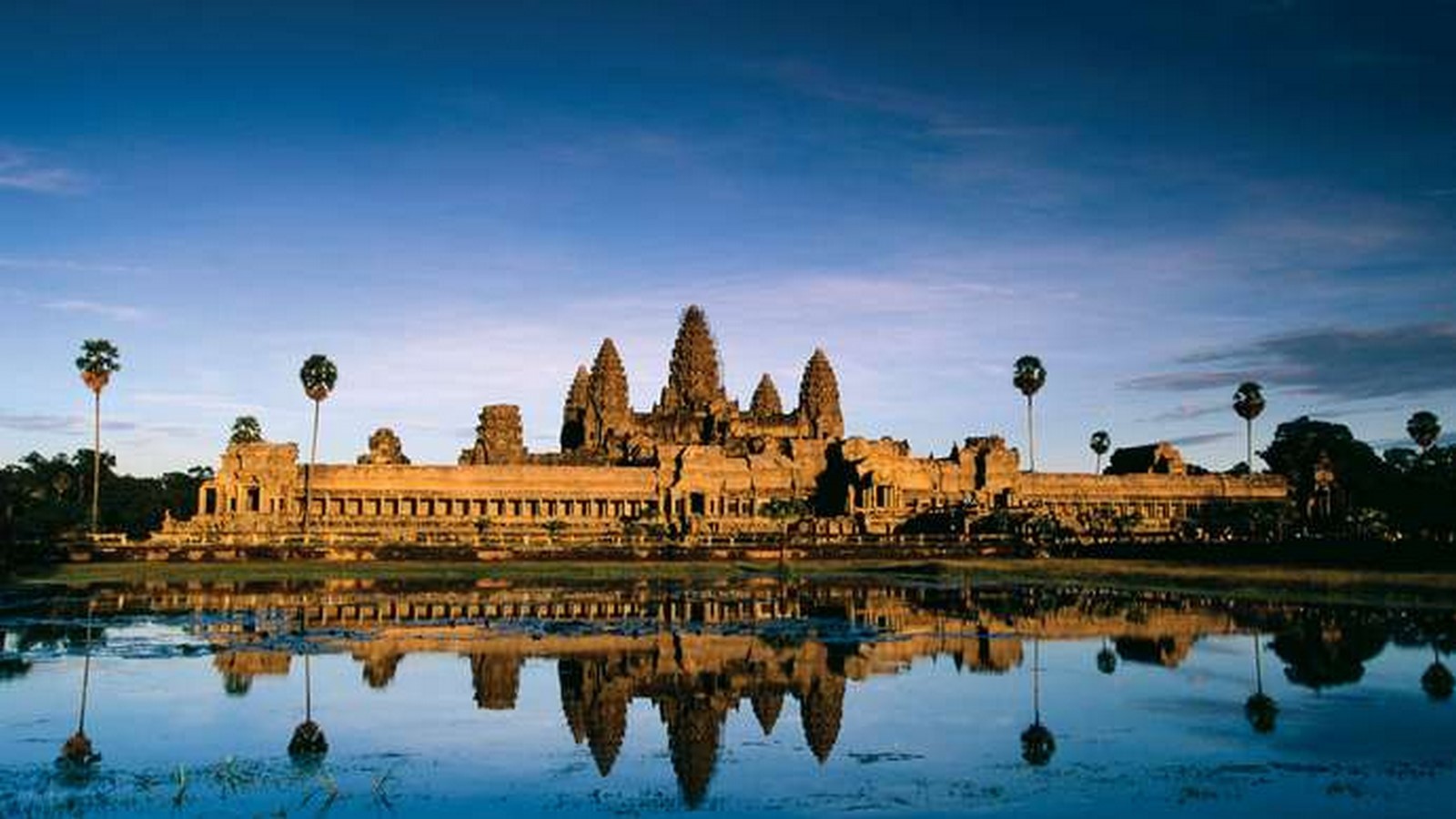
As we go through the video, we understand the amount of intricate work involved in the structure and the amount of time that might have taken to complete it. We understand that the research is continuous work that involves the people involved in the project. After decades of work by various archaeologists, you get to know about the structure and form basis of your research. After stating the importance of research, we understand from the video the beginning of this civilization—how the ruler emerged, how the civilization spread and how it kept expanding. The video informs us about the recent developments and archaeological moves underway. Because of this, we have a basic idea of the home, the services there.
The video takes us to the era where we can understand the lives in Angkor Wat then. We learn about some myths which are ridiculed by the researchers. Furthermore, we get to know about the festivals and the way they were celebrated.
We know that the complex is humungous, but it is difficult to guess the exact number. We get the exact number of people in the complex from the video. The actual population of the city is baffling if compared to other cities at the time. As the research on land had limitations, the research continued through space with the help of NASA. This unravelled a lot of mysteries, and the search took an unexpected turn.
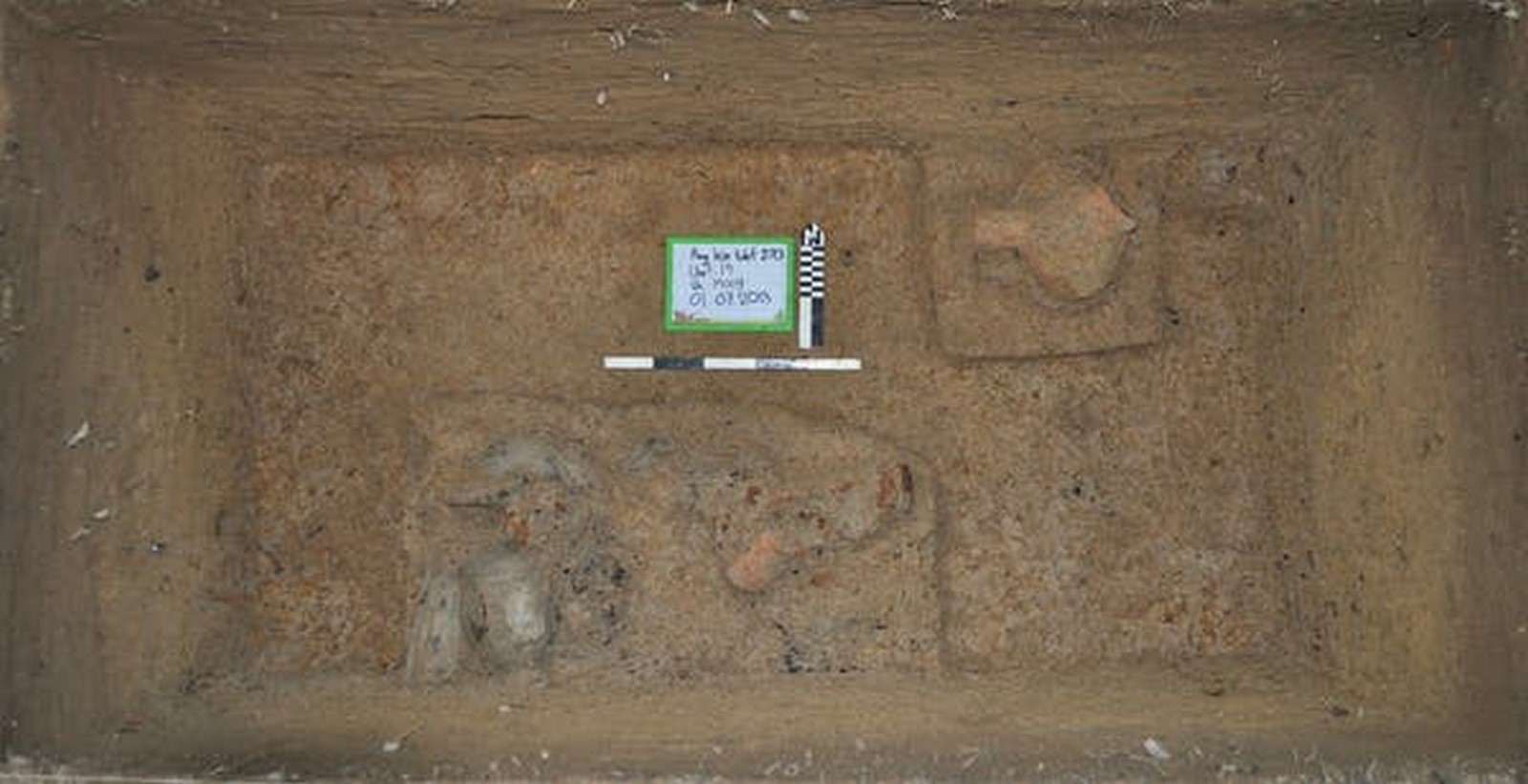
We get to know about the other temple complex and intricate network of canals, the planning strategy, use of the terrain and landscape to their benefit, the road network, etc. This brings us back to the amazing eye of Jayavarman, the king. The researchers have always been in awe about the type of design he went for.
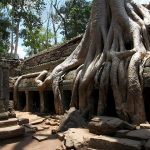
However, the question arises how did such a huge population manage to survive in the jungle and extreme climates. This takes us to the resourceful use of the available resource – water, which helped in the extensive rice produce and fish. As human nature tends to thrive on greed, the rulers here did the same—for more rice produce, forests were cleared. This had its drawbacks. The most amazing feature of this civilisation was the use of canals and interconnected channels. The next question that arises is why would the people devote their energy and time to the king’s name?
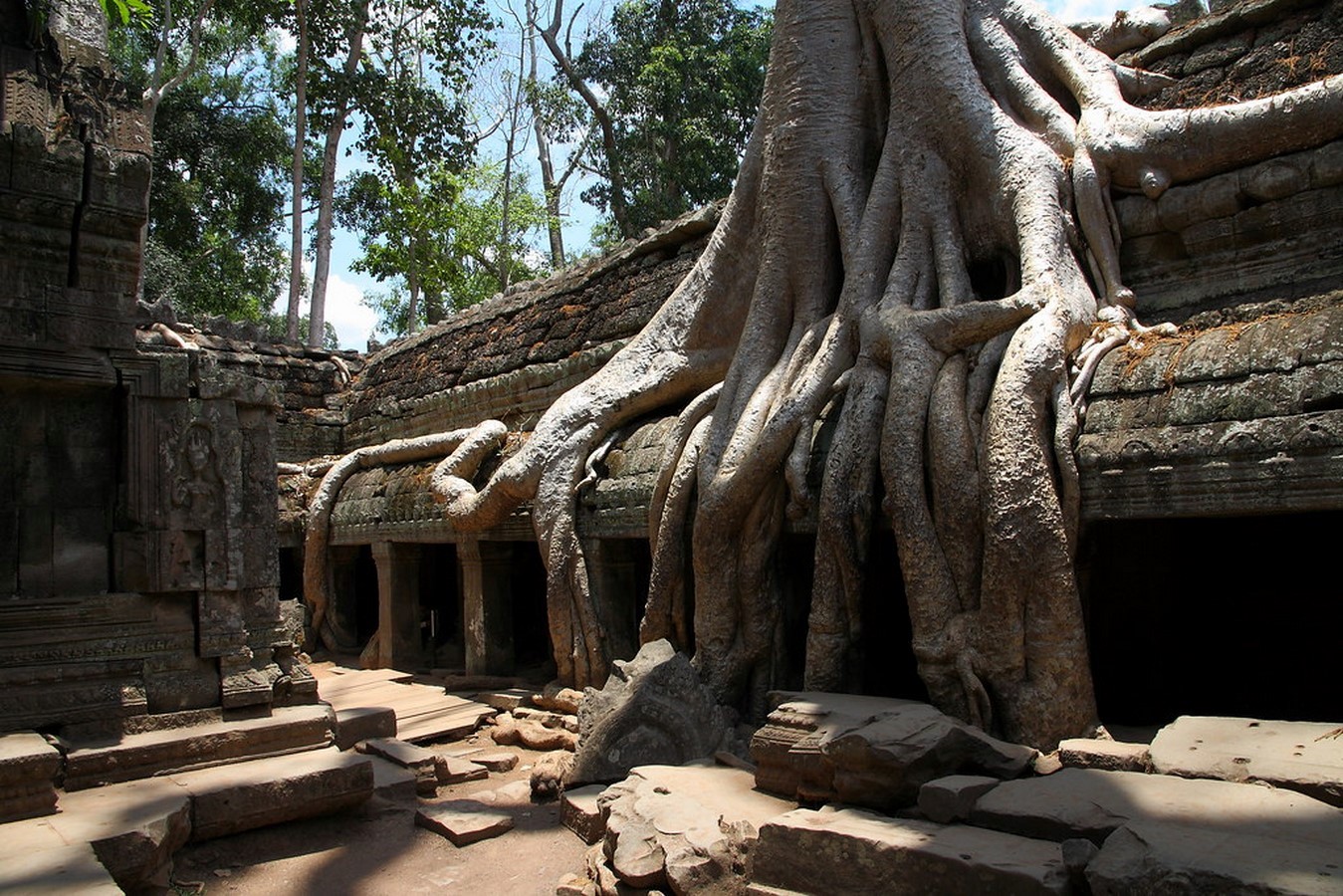
Along with this, we learn about the hierarchy system that prevailed even then. We also know about the horrendous punishment for crimes and the death penalty. The society was developed to deal with trade to sustain themselves. Society thrived on women’s business skills; hence trade always involved women and their power. They had authority and power and were given similar stature as men.
What was the reason for the civilization to fail? Each civilisation that peaks hit bottom at least once. The same happened here. However, multiple factors played a role in this decline. Be it the changes in nature, exhausting resources because of a grand vision, fragile water system, war and disputes or finally the belief of people to seek as a king and not god—Angkor Wat saw it all. However, it still remains to be one of the most sophisticated, advanced civilizations to ever exist that still holds everyone’s attention.
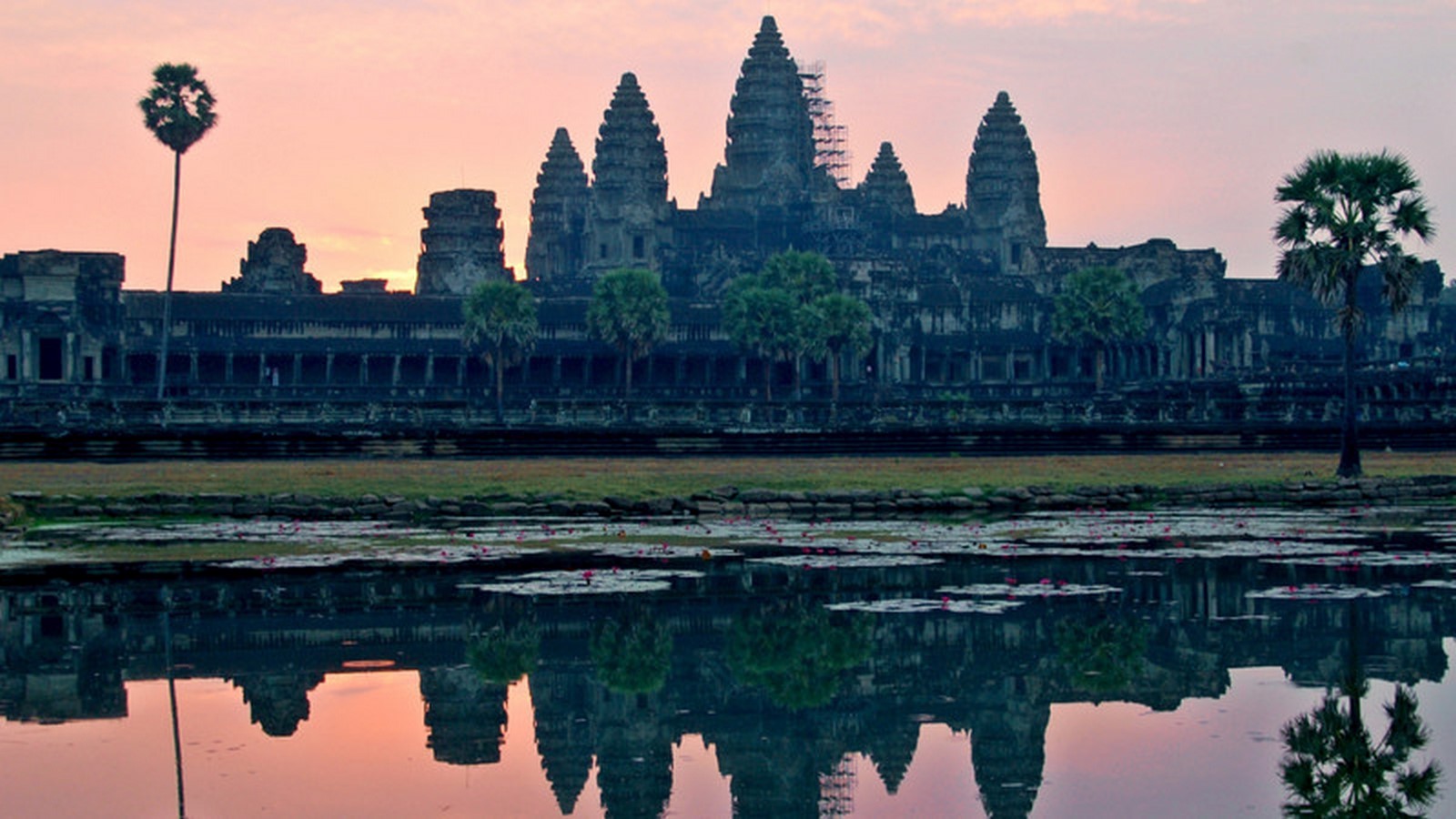
As we go through the video, there is no doubt that it is a treasure of knowledge. While it gives an in-depth knowledge of the topic by giving an exact timeline and the whole team of researchers involved. It sometimes gets confusing, and you lose track of it. A visual timeline would have been helpful. The video lacks a focus on the architecture of the temple complex, its style, the rulers who built them, the hardships faced, but if focused on architecture and materials, it could have been more helpful.
The show is beautifully written with no compromise in collecting the relevant data. To conclude, this video is a treat for everyone who views it. It doesn’t matter if you have prior knowledge about the topic; you will emerge wise after watching this.
Reference:
- Timeline – World History Documentaries ( 2018 ). The Buried Mysteries Of Angkor Wat | The City Of God-Kings | Timeline. ( Youtube Video )
Available at – https://www.youtube.com/results?search_query=timeline+angkor+wat
Accessed – 9 – 07- 21