The Korean series, known by its anglicized name, “It’s Okay to Not be Okay” is a sixteen-episode long drama featuring Seo Yea- Ji as Ko Mun-Yeong, Kim Soo-Hyun as Moon Gang-Tae and Oh Jung-Se as Moon Sang- Tae. The drama is directed by Park Shin-woo and written by Jo Yong.

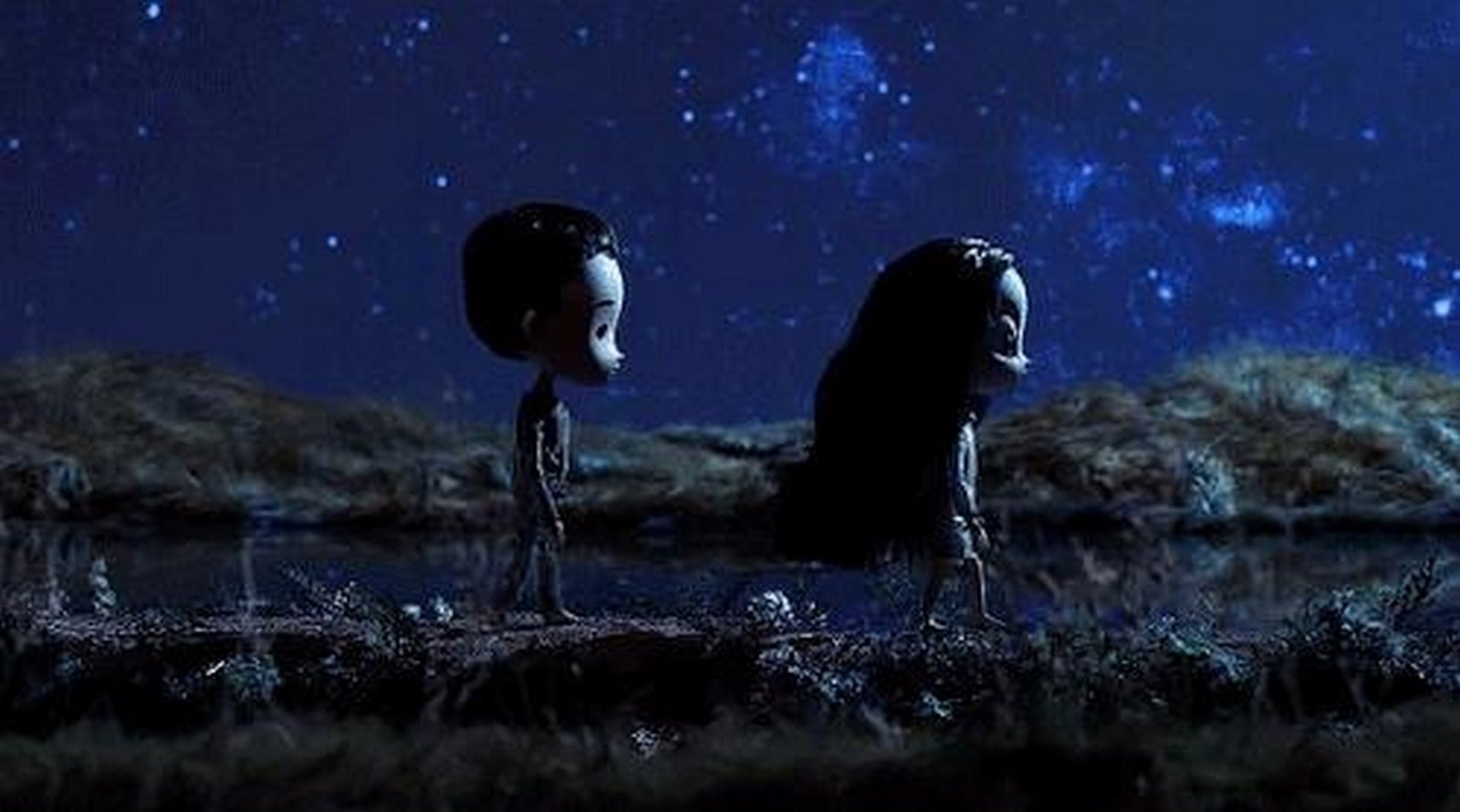
Many times, the core soul of a story gets overshadowed by the extravagance of the visuals. However, in this drama, the intricate use of the narrative through visual metaphor, striking cinematography, and carefully calculated spatial environments bridges the viewer’s soul with the melo-fantasia. On the surface, the series is just an unconventional romance involving three central characters: an empathetic yet emotionally guarded psychiatric caregiver; his older brother, an artist on the autism spectrum and a celebrated children’s book author who lives with antisocial personality disorder.
But, as the series transcends, from one layer to another, the unvarnished spirit of the chronicle unravels, and creates a comforting narrative throughout. The character development, as the story progresses, becomes an uncanny journey of a compelling masterclass in how psychology can coalesce into metaphysical spaces and engender human emotions.

The Magical Symphony of Illusions and Reality
This drama doesn’t shy away from showing the dark-suffocating reality of mental illness, nor does it whitewash the agony of familial guilt. While entering the realms of this modern fairytale, one must brace themselves to travel into a dimension of all the terrors and sufferings of the human mind, wrapped in a fantasy of dream and delight. This tale of love, guilt, agony and comfort plays with all human emotions in a synchronized music with the tranquil settings of backgrounds and dramatic foregrounds.
The characters are raw, untouched, seemingly real; they possess the charm of binding the viewers to their lives, their experiences and unconsciously root for them. Their vulnerabilities are so natural that at times the viewer might even mirror themselves into those fictional beings. The mere creation of such characters, showcases that both the writers and the actors did a phenomenal job.
At any point, throughout the drama, the characters were speaking through the screens, calling to them, asking them to witness their pains and miseries and be a part of it. The melodramatic appeal of this K- series is encaptivating. Every emotion is thoroughly experimented through the characters; be it the main characters or the supporting ones. The set decoration and designing adds to the true magic of the storyline. The sets encapsulate the essence of the scenes to its purest form and break the unseen barrier between illusions and reality.
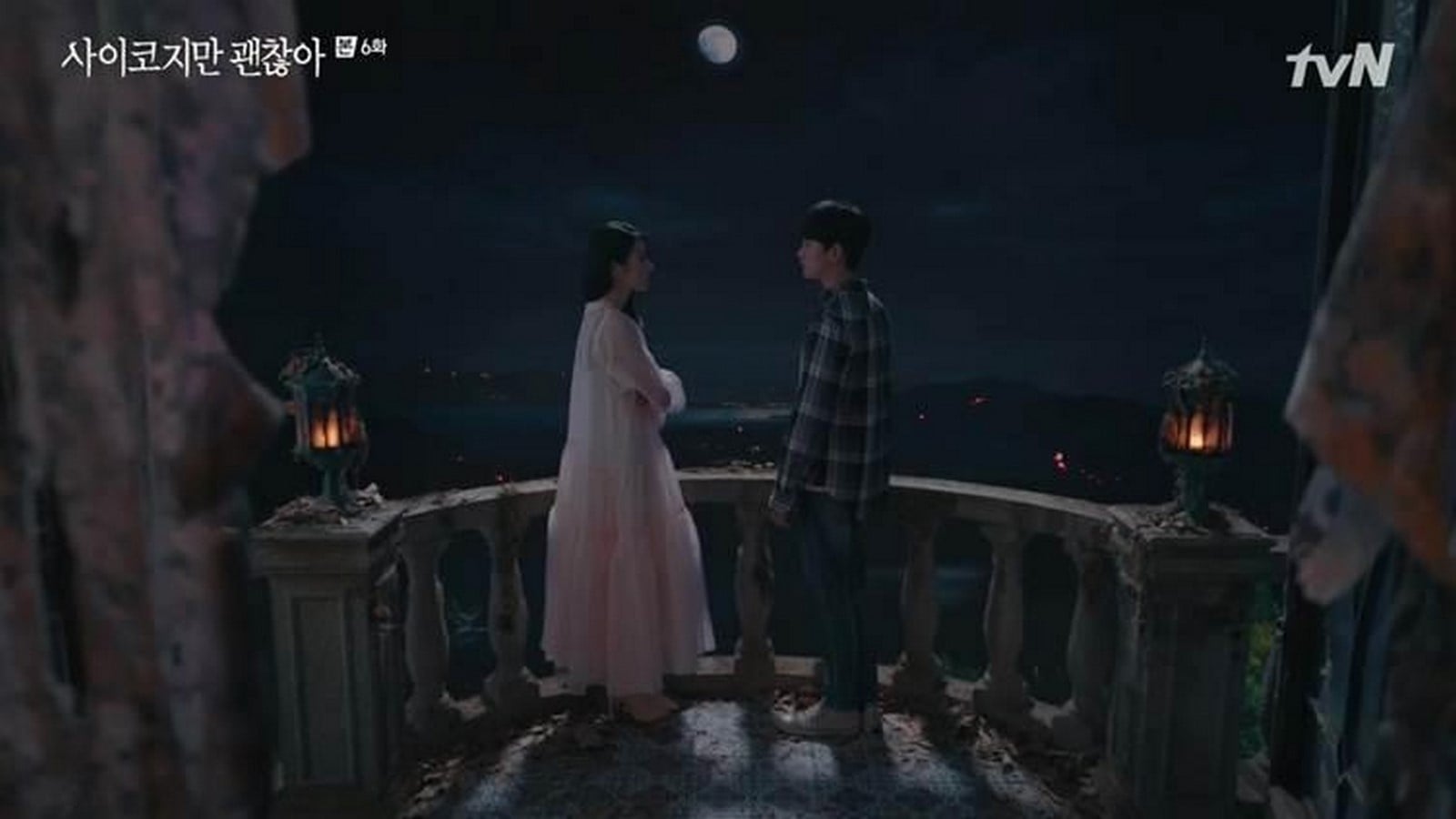
The mesmerizing blend of gothic romance, sudden-disarming warmth and surreal melancholy creates a slow-motion effect of nightmares which melt seamlessly into lived reality, reminding the viewers how, childhood terrors rarely stay buried, they resurface creating a sombre melancholia. The drama uses the shadows stretches like grasping fingers and the walls dissolve under the weight of suppressed memory; thresholds act as physical battlegrounds between isolation and human caress. All these metaphorical visualizations take hold of the viewer’s emotions and carefully create a fondness for the scenery in their unconscious minds; trapping them.
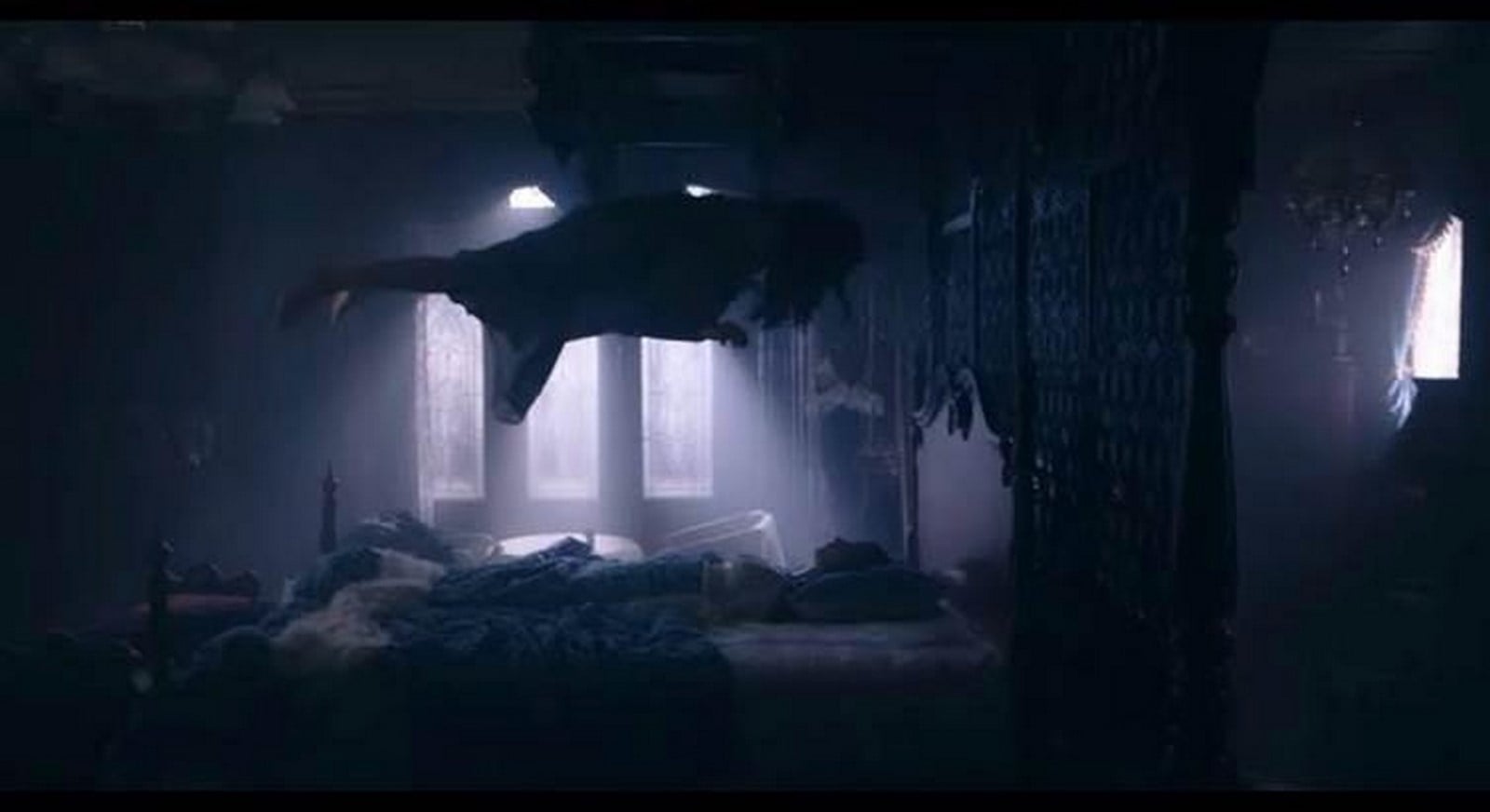
The Hidden Milestones through an Architectural lens
Looking at this drama through the lens of architects, designers and planners, the series is far more than a visual panorama. It is a meticulously blended masterclass in environmental psychology, demonstrating acute precision as to how the built environments can actively aggravate, shape, or heal the human spirit. The set- design for this drama is mesmerizingly captivating and elevates the storyline with utmost visual appeal. It connects the viewers to the story and establishes itself as the primary anchor of the narrative. From the Hospital to the old villa, the background encapsulates the cinematics with raw features and presents the viewers with the true form of their imaginations.
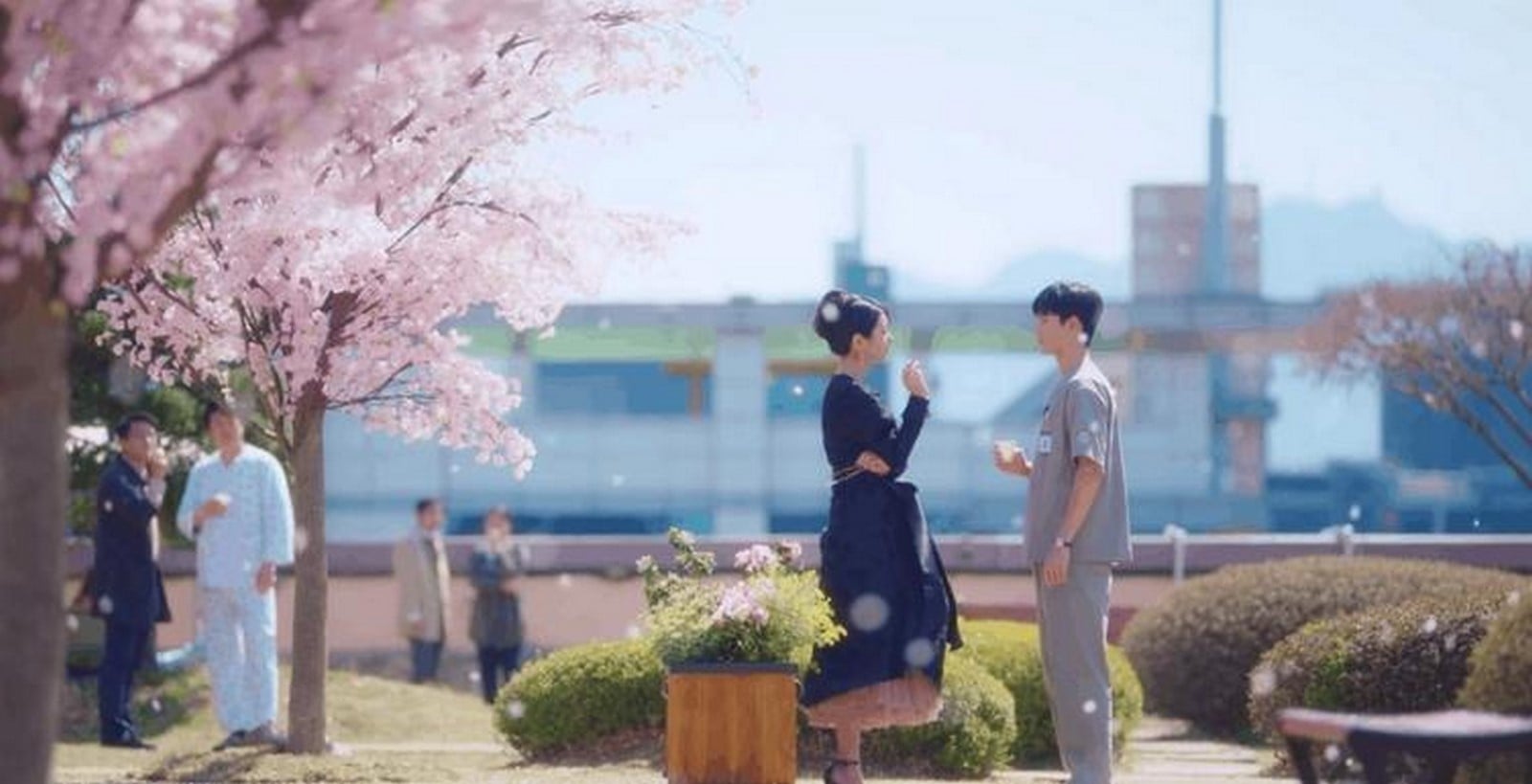
The OK Psychiatric Hospital, situated dramatically on an open coastal bluff defies the oppressive trope of institutional spaces by serving an ode to the biophilic de-escalation. The soft play with the lights, hues, horizon and orientations brings in the real magic. The immense floor-to-ceiling apertures frame the boundless ocean horizons and provide the patients of the storyline a perpetual visual exhale, which helps them to actively combat claustrophobia and anxiety. These visuals go beyond the screens and often catch the viewers in a relaxed tone of setting during the hospital scenes as if it is a safe haven. This feeling is amplified through the materials and finishes.

If we travel from the mesmerizing hospital settings to Ko Mun-Yeong’s ancestral home, hidden deep within the encroaching, imposing forest, there’s a drastic shift of mood in both the on-screen narrative and the viewer’s minds. The gothic styled mansion stands as a manifestation of trauma and hyper- defensiveness. The cavernous vertical volumes, towering vaulted ceilings, dust-veiled chandeliers, and oppressive dark woodwork dwarf the inhabitants making them feel small and petite. This scale is weaponized against the characters forcing them to suffer under a quiet regiment of cold, crushing isolation. When the scene shifts to the structure, it creates a feeling in the subconsciousness of the viewers, that it’ll swallow them whole alive and terrorise them for eternity.
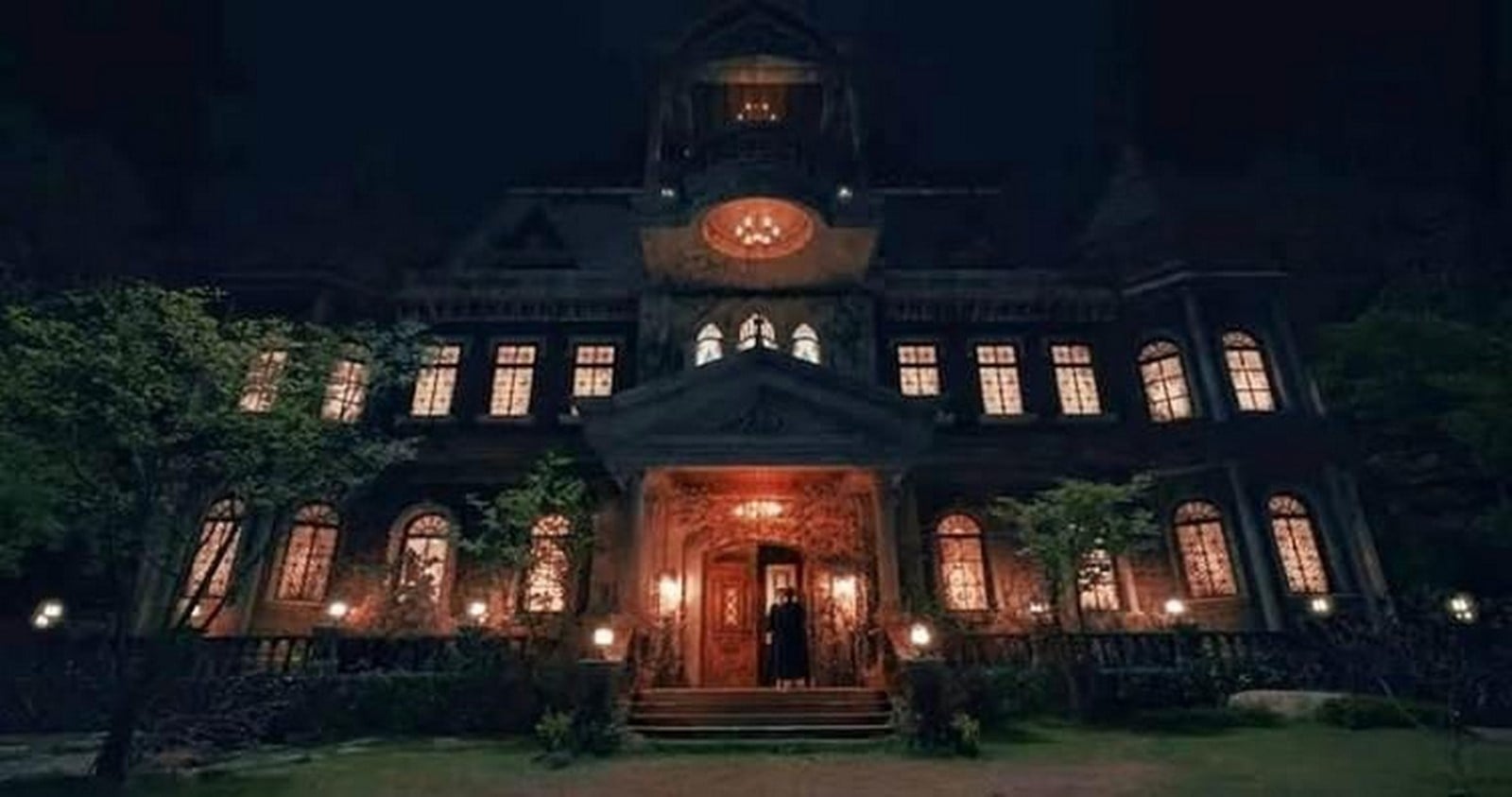
This drastic shift of scenes not only decides the tone of the particular part of the drama but experiments with the emotional viewpoint of the viewers. All these plots and plays are just through a mindful arrangement of design elements and principles: balance, mass and void, sizes, colour, contrast, light and acoustics.
An impromptu author’s conclusion
This drama is not just a visual fantasy; it holds the viewers in its clutches throughout the narrative journey. It has always been a roller-coaster of emotions, each and every segment forces them to analyse their perspectives and thoughts to derive varying conclusions; question those conclusive philosophies and repeat the whole process again and again. This series is a wholesome journey of love, drama, mystery, life and human psyche. Hence, it becomes a must watch for all the melo-fantasia lovers.