Preface to the Gamechanger
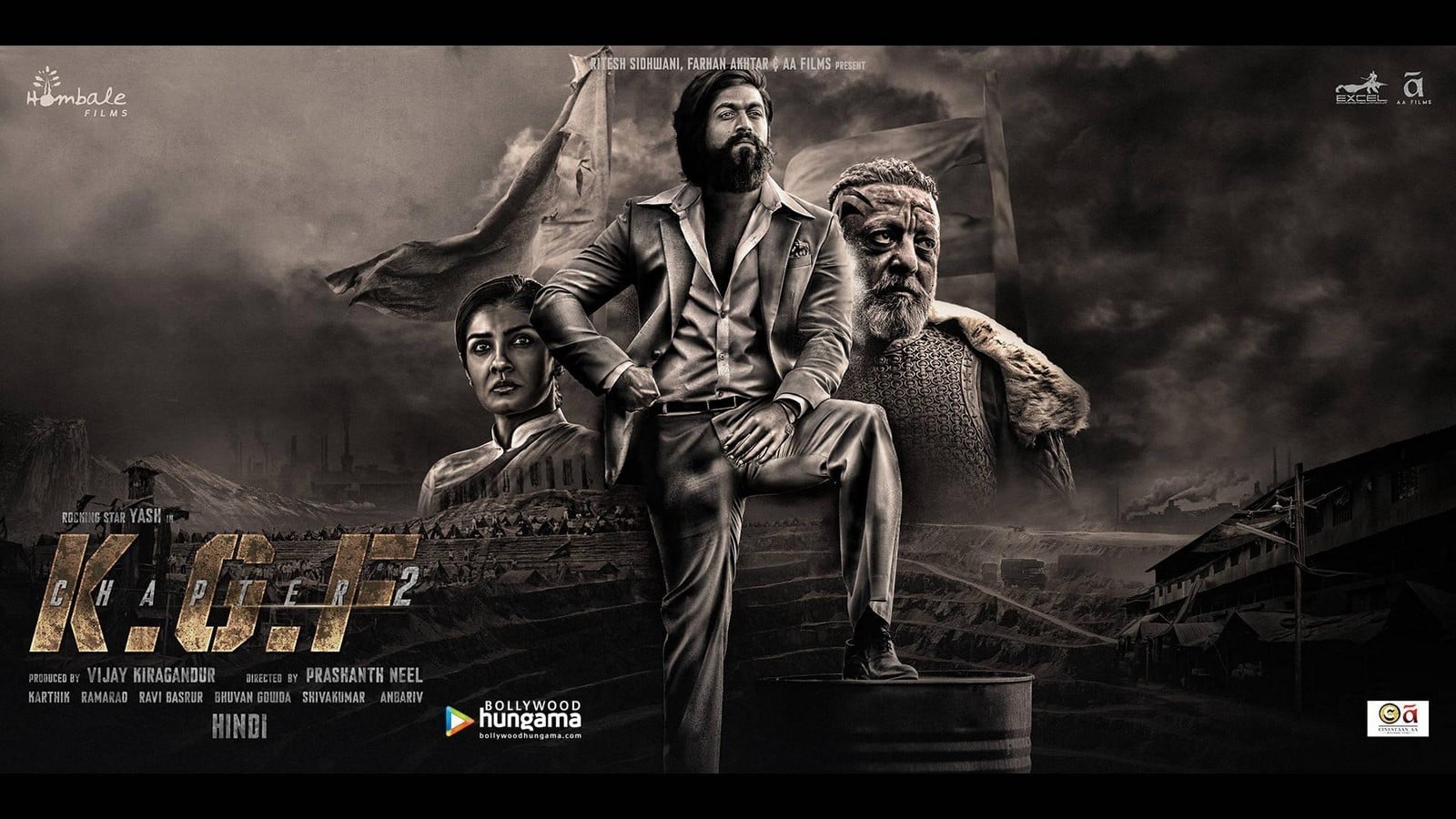
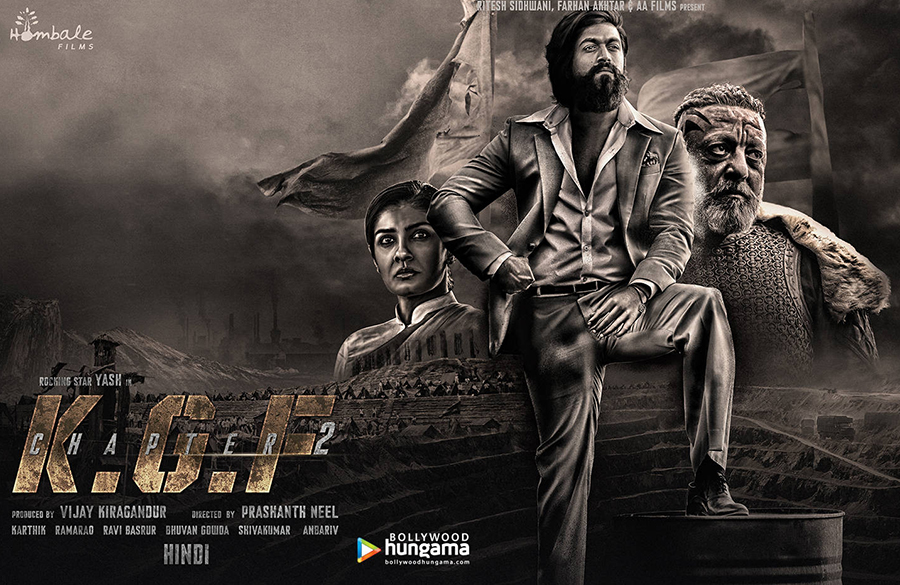
KGF series, which has yet released only two of its trilogical ventures, has earned its place as one of the most thrilling and gripping period action films, establishing a niche for the Kannada Film Industry in the Pan-India sector. Hailed as the most expensive Kannada movie ever made at the time of its release, the film recounts the tale of how Rocky, the protagonist, fights his way through the lines of poverty and fate to mold himself into a tycoon of the gold trade, one who would be feared and revered by many. Directed by Prashanth Neel and produced by Vijay Kiragandur, the movie under the banner of Hombale Films, explores themes of power, poverty, and injustice, political influence and revenge, exceptionally acted in justice by an ensemble cast constituting Yash, Srinishi, Ananth Nag, Sanjay Dutt, and Raveena Tandon, among others. Most of the principal videography was carried out in locations such as Mysore, Bangalore, Mumbai, and Kolar Gold Fields.
The movie transcends through the rural lanes of Karnataka’s villages, Bombay’s local settlements, to a palace fashioned to quench his affluence and opulence, all outlining how architecture and set designing can be wielded to provide context and capture the viewer’s attention. The advent of a story with a novel genre as such has not only transformed the landscape of Indian Cinema but has instituted a need for generating sets and identifying location catering to such narratives and cinematography. While the movie predominantly engages in dark scenes and halls screaming of the ruthless underworld of mafias and networks, the set designers have brought about the diversity in alluding human personalities and characters to the vocabulary of the spaces portrayed, ultimately weaving the fabric of the story.
Rural Character of Karnataka’s Villages
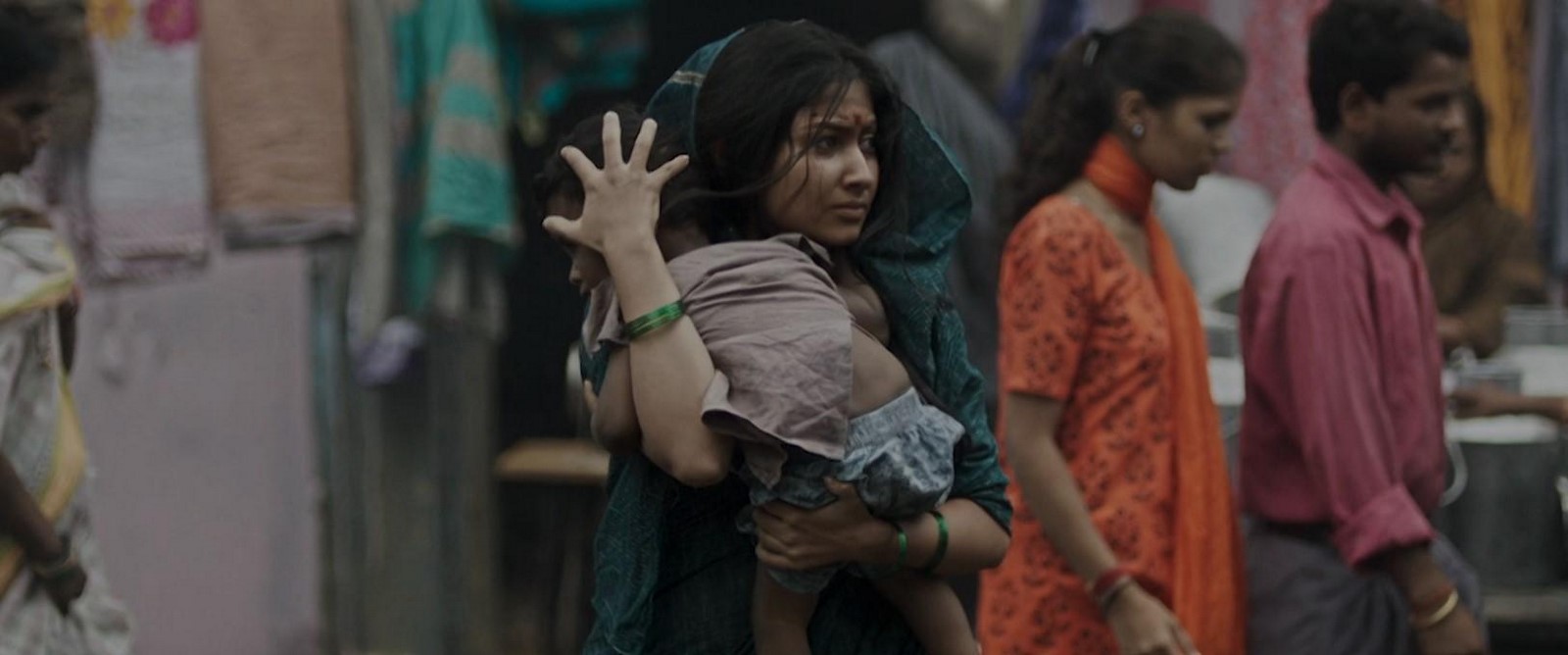
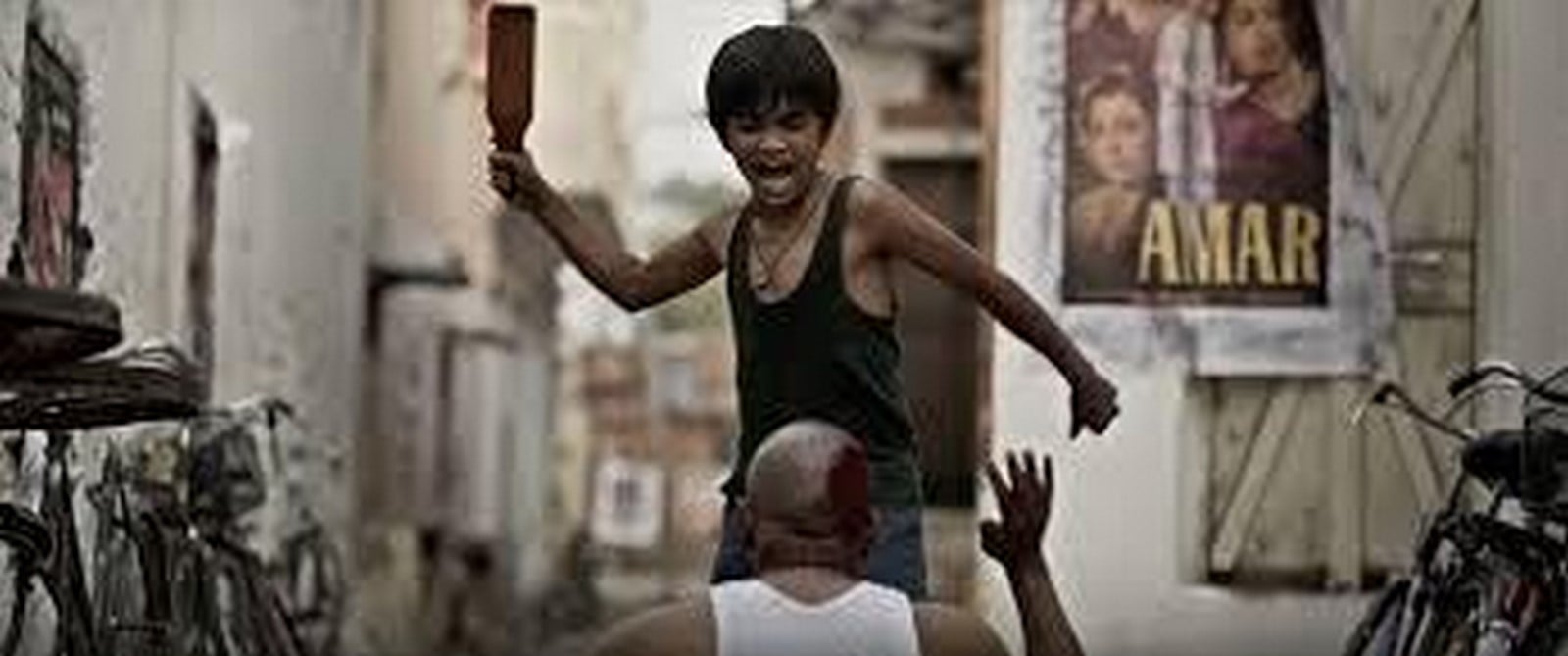
The movie, which begins with the childhood of Rocky, encapsulates the audience in a poignant backdrop, showcasing his mother’s courage and values while bringing him up. Set in a village nestled in the north of Karnataka, the lanes scattered with small shops and vendors, thatched roof and mud houses, poorly distinguishable roads and land seem to highlight the social and economic state of the household and the background they come from. The dimly lit house in which he was born into, devoid of any solid structure or fully plastered walls, lacking any functional furniture and a spacious plan, represents their condition, connecting viewers to the adversity and circumstance the characters were living in. The house was shown to be in a dilapidated plight, made with bamboo roofing, poorly plastered mud brick walls, and concrete forms for separating spaces.
Kolar Gold Fields: Creating the Non-existent
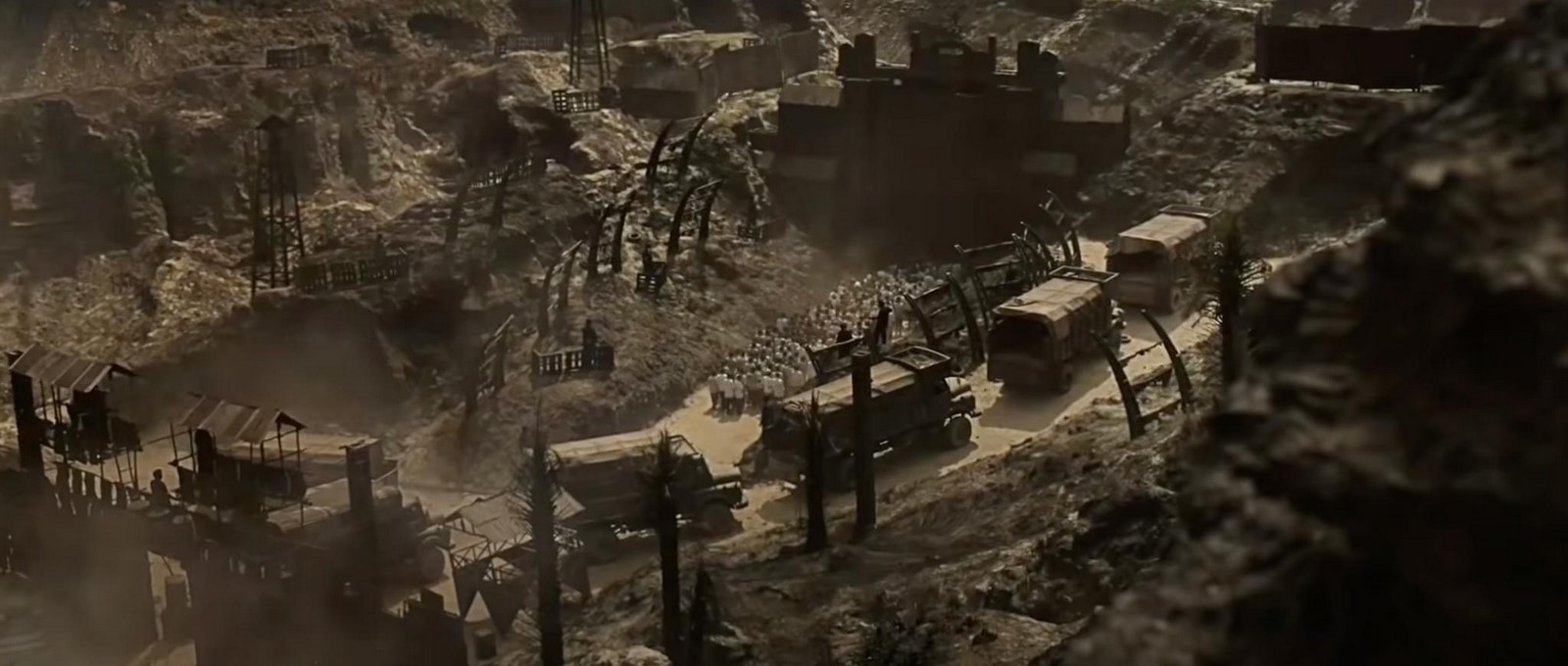
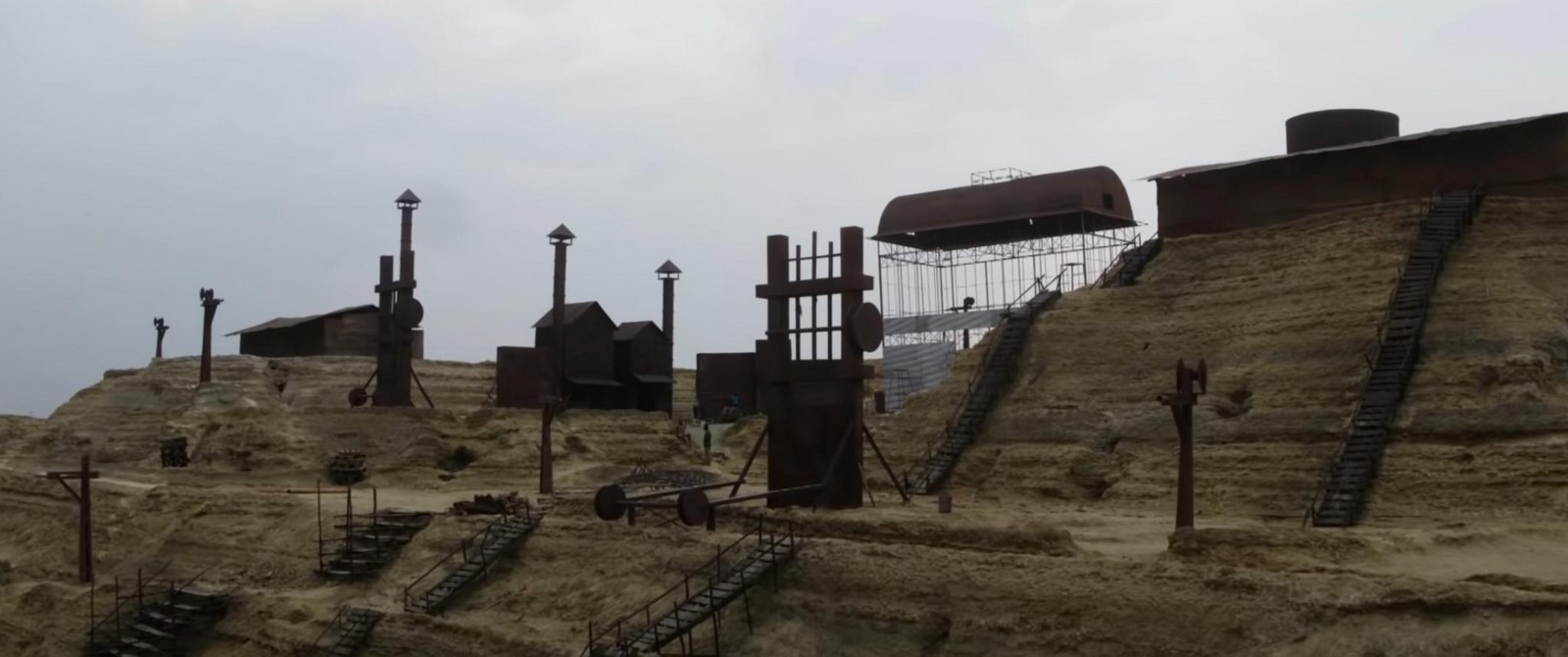
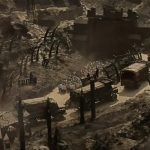
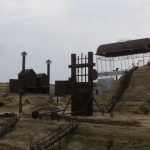
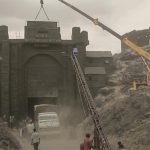
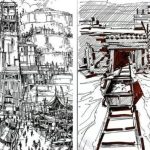
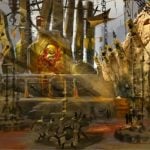
Old, rugged minescapes swarming with bonded labourers living in temporary sheds of sheets and cloths, ill maintained and utterly uncomfortable looking, gave the viewers a sense of the running predicament as well as an emotion of sympathy, corroborated by setting a dark and sombre mood. The use of steel, tin, and aluminium sheets, wooden scaffolding, rusted metallic joineries, and torn, tattered tarpaulin clothes amalgamated to create an eerie-looking scene, depicting the social, economic, and political conditions of those living in the huts, forced to survive by mining, depriving their children of any light, realistically and figuratively. Nestled on top of the Narachi gate is the statue of the Divine Feminine, crafted in folkstyle, holding an immensely powerful position in the vicinity. She commands worship, respect, and fear while also showering people with hope and refuge. She stood constant despite the upheaval and fall of dynasties and people trying to assert their jurisdiction over the place, an element which the director has rightly placed to portray cultural connotation.
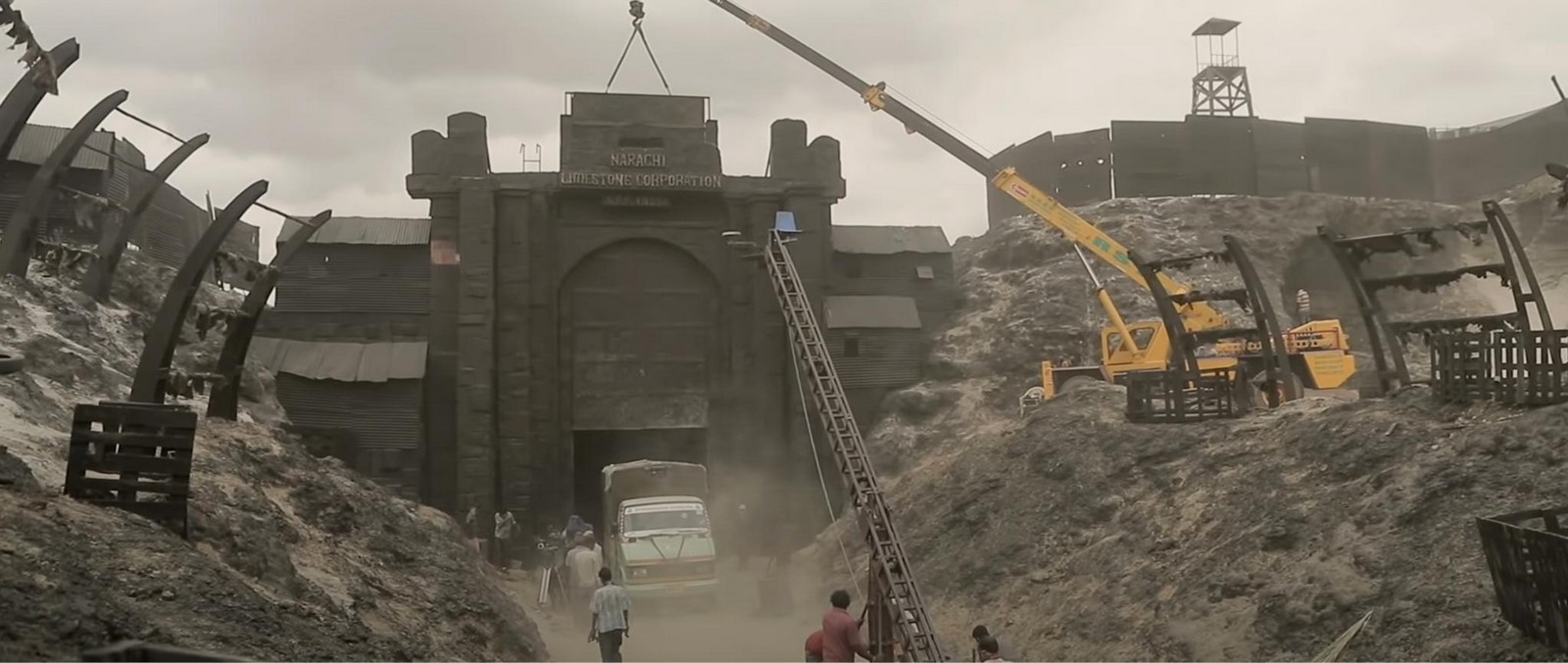
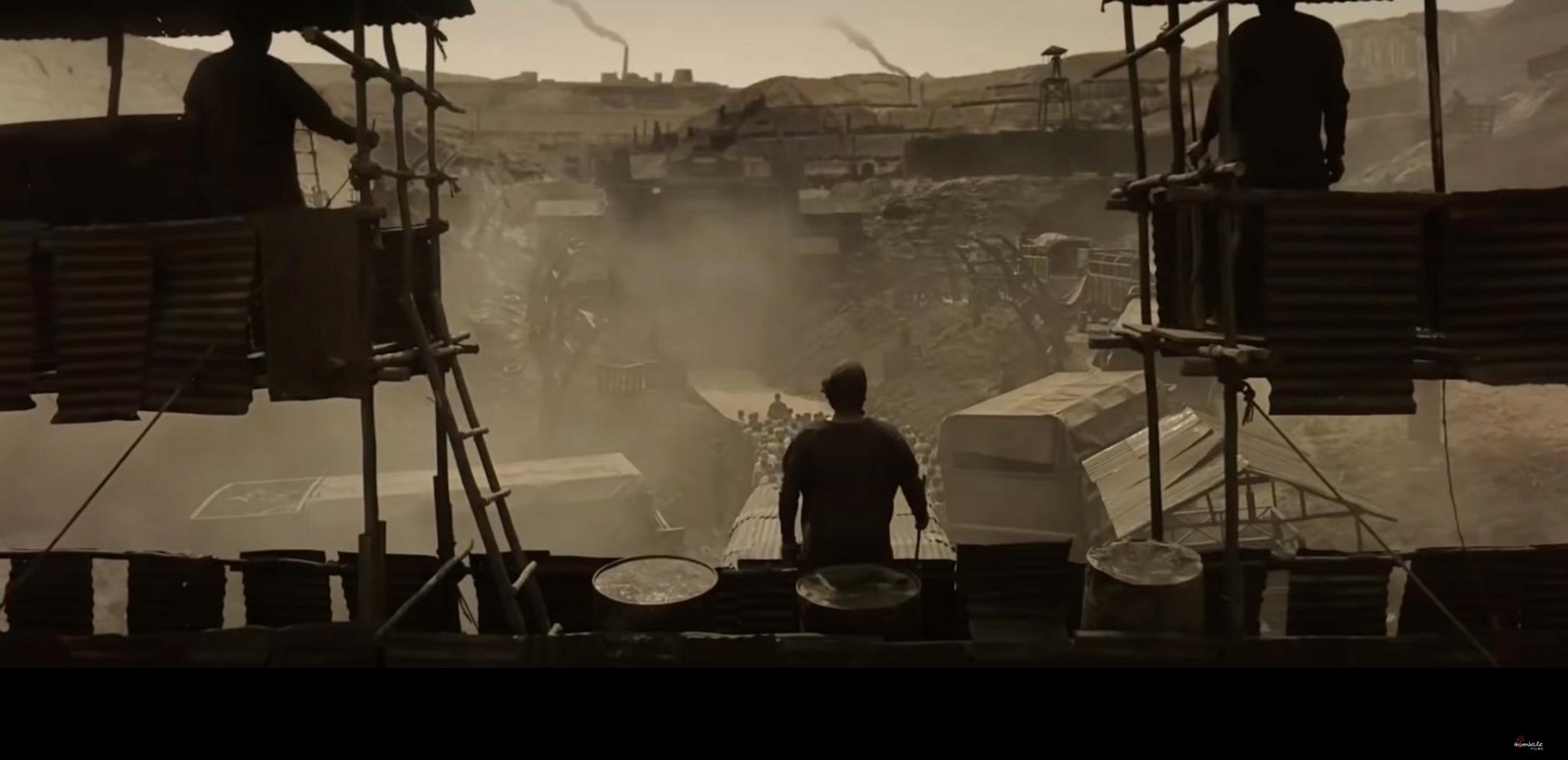
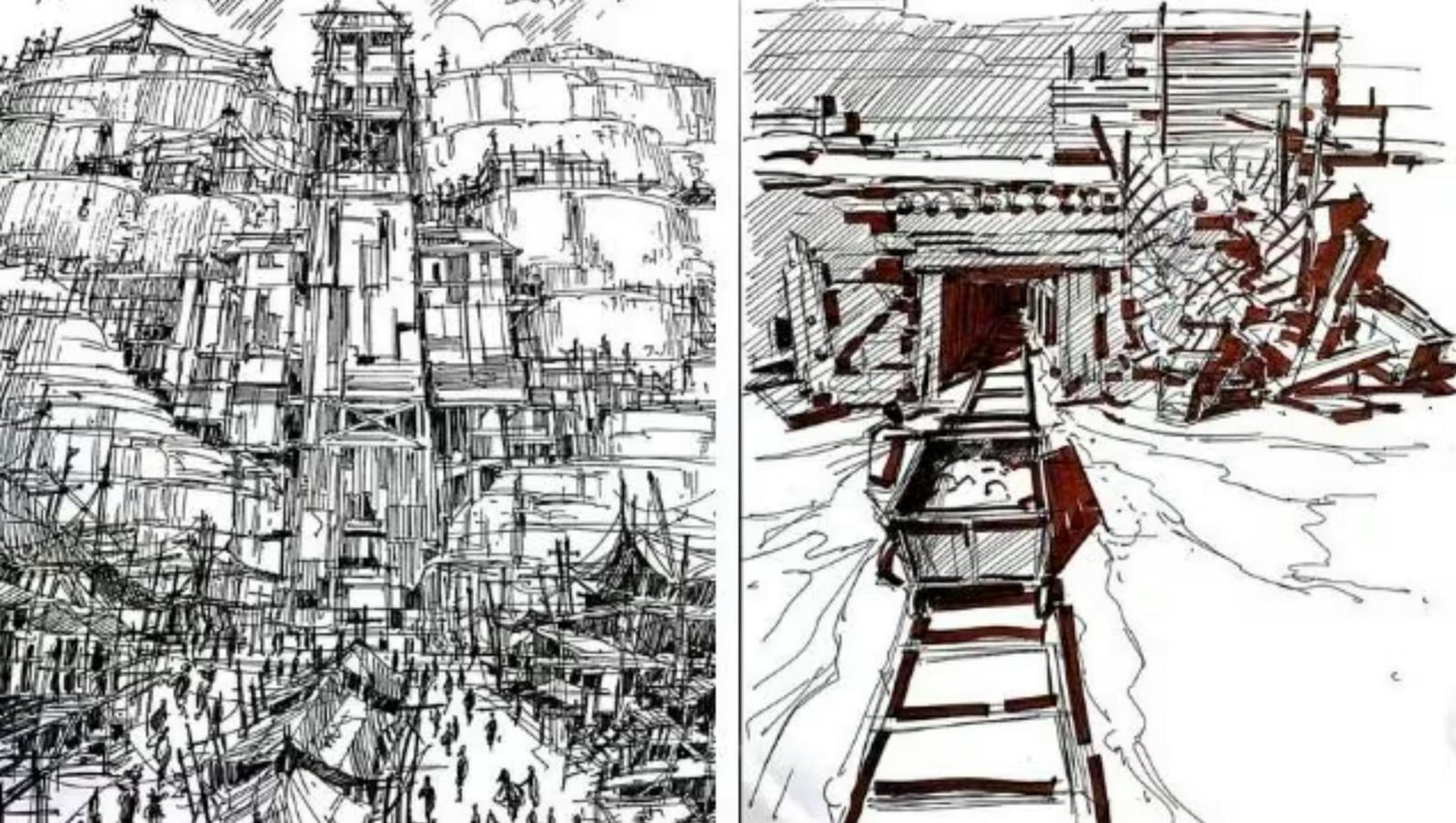
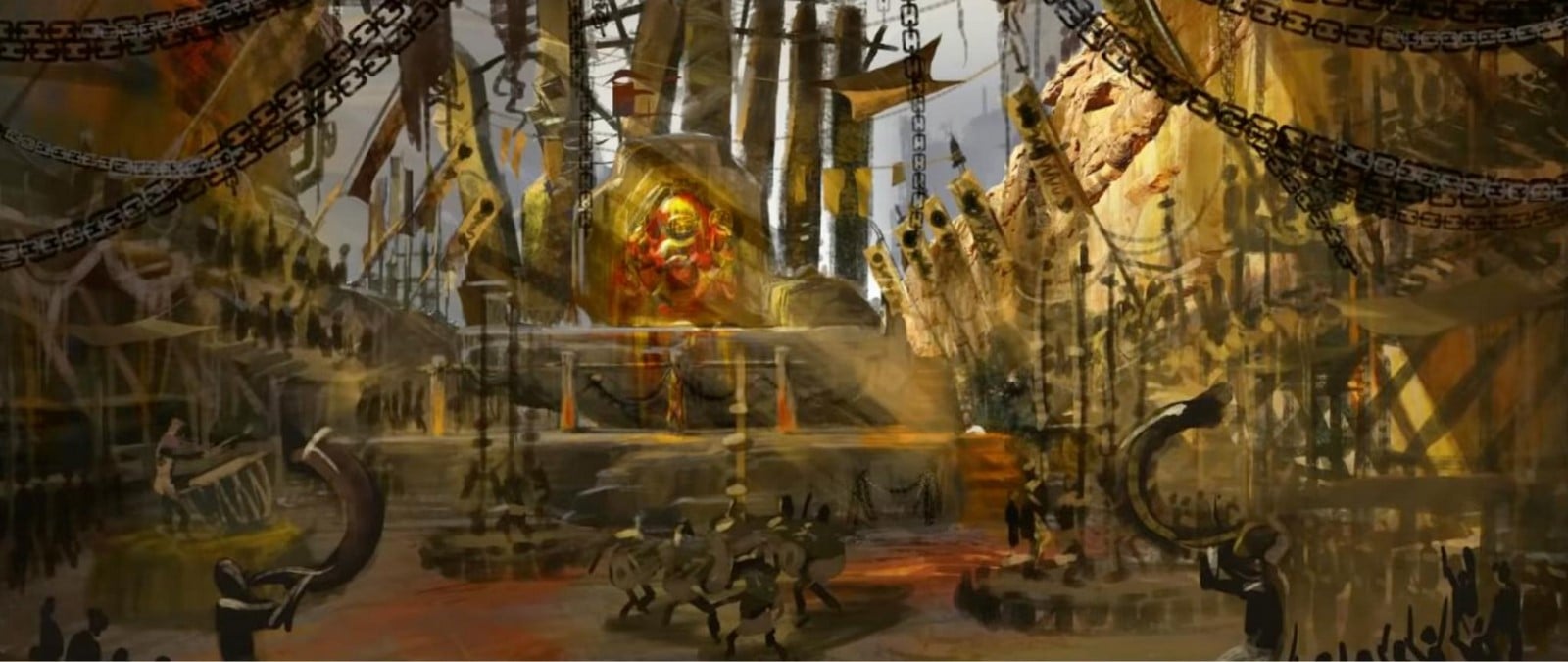
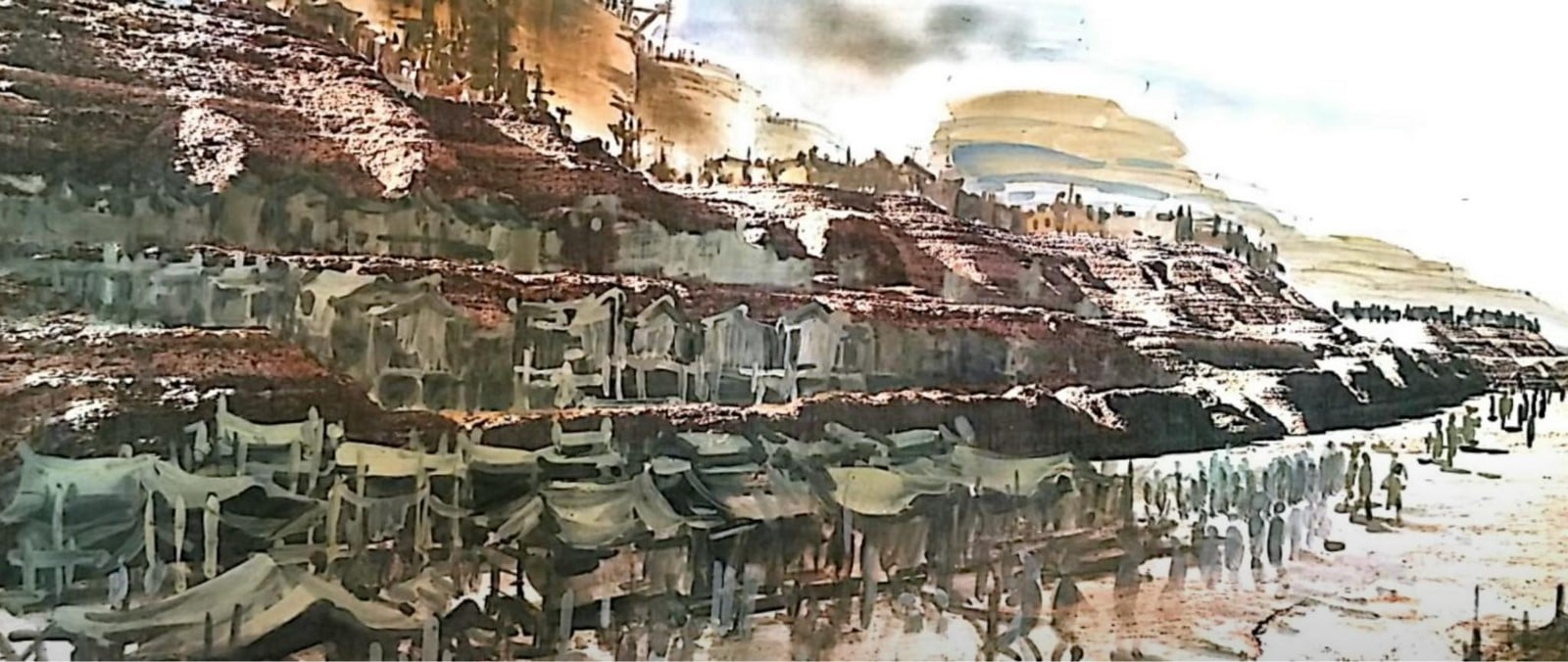
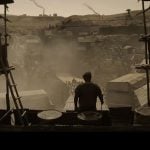
The filmography for the mining scenes were predominantly taken on the Cyanide hill, where piles of waste could be found marring the erstwhile glorious gold fields. It was in this undulating topography that several sets of tunnels, shafts, workers’ settlements, graveyards, and the infamous Narachi Gate were constructed. Tiers and ranks of pathways and rails for the movement of people and goods, narrow passages, and poorly built infrastructure reflect the treatment and darkness inflicted upon the workers. To accentuate features of Rocky’s mansion, Chiariscuro technique was used to spotlight certain nooks and corners or people to bring about a dramatic and theatrical effect. Despite the dark and monochromatic sense of the cinematography, a colour palette had been adhered to to break monotony and create gradations in emotions and scenes. The art director, Shivakumar, recounts that whatever the director, Prashanth Neel, had envisaged as the backdrop for all the scenes was meticulously sketched out and brought to reality after much research and forethought about mining areas, labour quarters, and their living conditions, given that it was privately run by influencers and mercenaries.
Matching the Majesty: The Indian Parliament Simulation
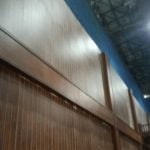
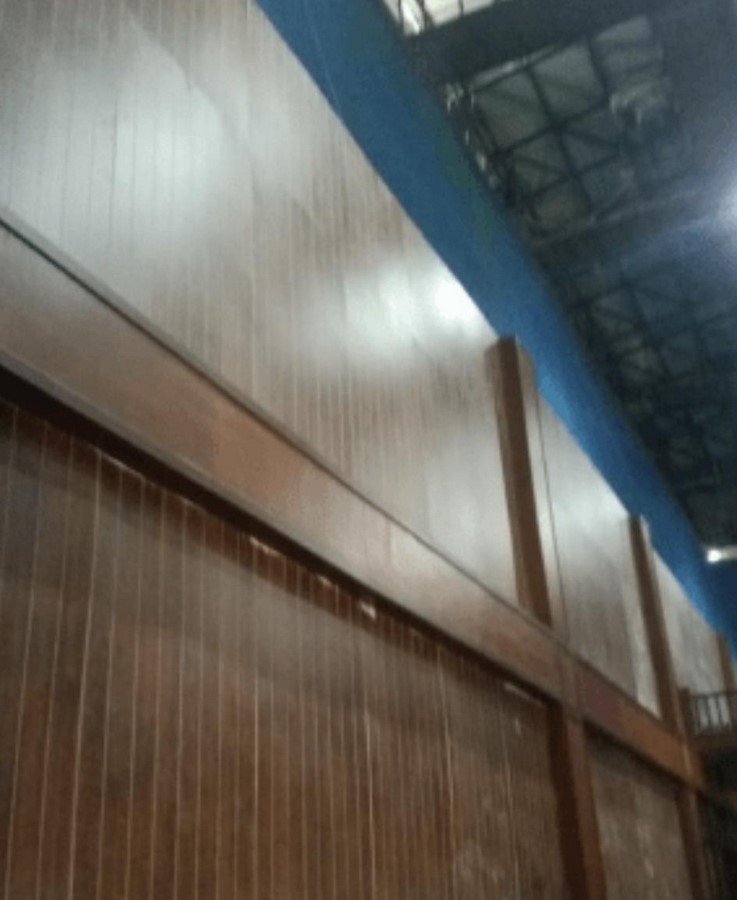
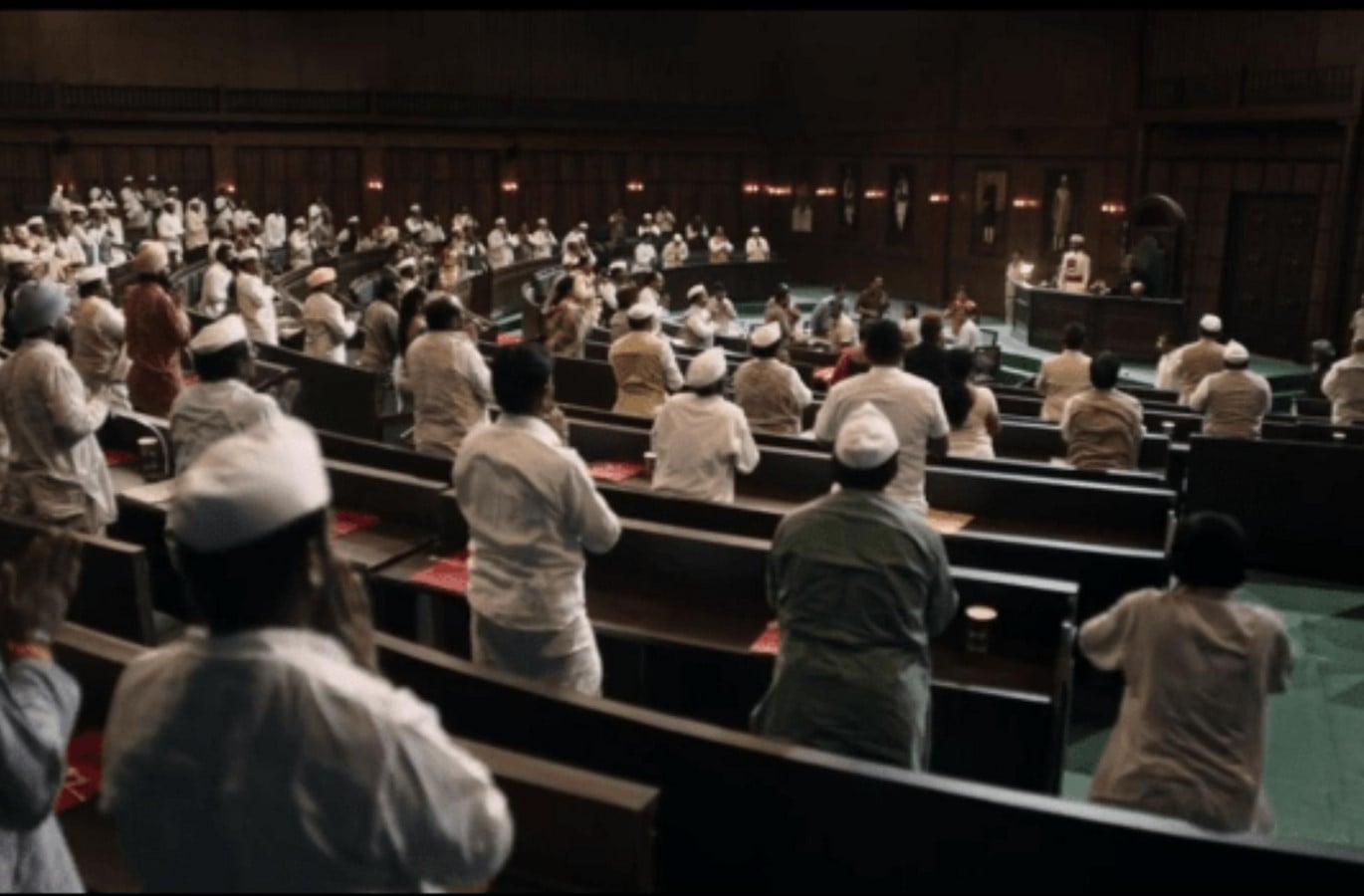
For the scene involving a parliament discussion, the art director sought to turn to eco-friendly choices to build the democratic symbol that would aptly represent the authority and might of the place. Going along the lines of environmental and financial feasibility, the organisation with the contract created surfaces with twenty feet high panels to reflect the grandeur and sleekness of the building with an antique finish, providing qualities such as fire-resistance and efficient acoustical control. Minimal ornamental works, sculptures, and furniture were provided appropriately to fit in with the majesty and mood of the scene, which formed an integral part of KGF-2.
Set Designing: A Cinematic Marvel
Right from the choice of material to the placement and arrangement of different structural and aesthetic elements, the film set seeks to create a narrative through visuals, imparting both context and character through the director’s and designers’ vision and hard work. After years of toiling, several sketches, deliberations, and executions later, it can be rightly said that KGF, through locations, properties, and graphics, has delivered its promise of an immersive experience, broadening the horizons of art departments and the design fraternity collectively working in the film industry. Set design is a creative feat that has the power to bring a scene to life, establish a mood and status for the characters and circumstance, and ultimately resonate with the audience.
Given below are the references in Harvard Citation style:
Rao, S.J. (2022). Inside KGF art director Shivakumar J’s drawing board, and his fictional world of Narachi. [online] Firstpost. Available at: https://www.firstpost.com/entertainment/inside-kgf-art-director-shivakumar-js-drawing-board-and-his-fictional-world-of-narachi-10573191.html [Accessed 24 Aug. 2025].
Youtu.be. (2025). Available at: https://youtu.be/MsvlsUAnc0Q?si=g9tjiKyo4gjAaggt [Accessed 24 Aug. 2025].
Ecoyou. (2024). Film Set Design for KGF 2 – Ecoyou. [online] Available at: https://ecoyou.in/case-studies/film-set-design-for-kgf-2/ [Accessed 24 Aug. 2025].