The British Museum in London is among the most iconic and historically revered museums worldwide and is considered a learning centre for Art and History. It consists of galleries depicting different historical events, accommodating precious artefacts from around the world. The museum has about 6 million visitors every year, marking its significance among the museums of the world.
Norman Foster, in his book about the museum, tries to capture the challenges and successes throughout the reinvention of the museum, from sketches made initially for ideation to the final project being documented. The book brings essays, design drawings, and remarkable photographic documentation of the development and completion of the project. Norman Foster also describes the details of the technology incorporated to achieve the transformation, which drastically changed the look of the museum into a remarkable iconic piece of art in itself.

The Visionary Architectural Transformation
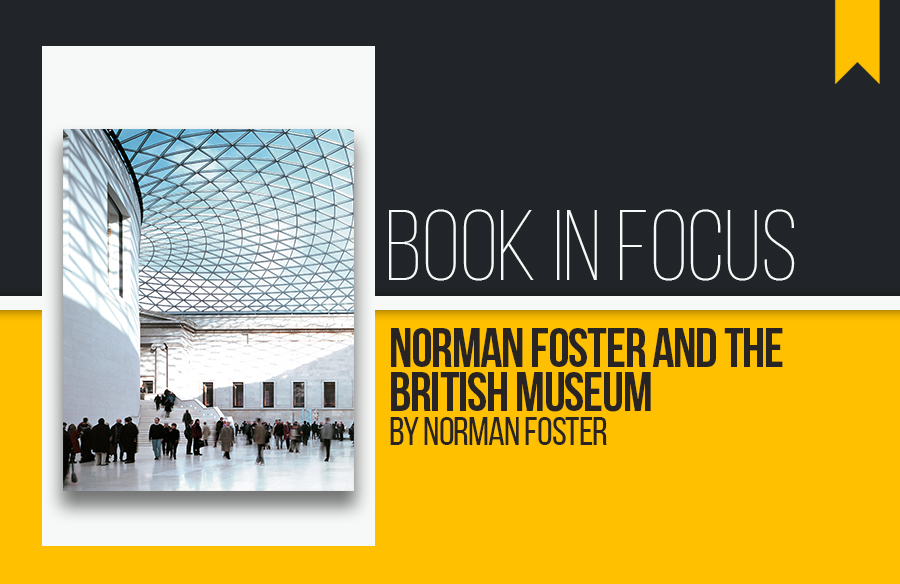
The project is considered to be a reinvention of the courtyard. A round reading room had been built around its centre which gradually added buildings because of the increase in the collection of books. The museum with time began to lose its navigation and a sense of balance into vagueness. The central and grand courtyard is like the core that binds the entire museum into a single entity. The British Library later relocated to the St.Pancras to redesign the museum’s courtyard which came to be known as “The Great Court”. The Great Court accommodates galleries, exhibition space, auditorium, shops and restaurants.

In the book, Foster talks about his architectural vision for designing a space that integrates all the buildings into one. He tries to bring in a modern design yet tries to keep the balance with history by preserving the historical membrane of the existing structure. The British Museum was originally built in the classical style, and Foster talks about how he uses technology and contemporary designs to rebuild it. The demolition of Post-War buildings was done to enlarge the Museum’s entrance Hall and to meet the requirements of using the Great Court in all weather conditions, It is covered with an undulating glazed roof.

The glazed roof has a unique geometry that covers the irregular gap between the reading room, courtyard and facades. It is designed in a way that reduces solar gain. It is supported with a minimal steel lattice work with unique triangular glass panels, which were designed in exclusive programming software to work out the exact dimensions and angles. Foster tries to overcome the challenges of blending traditional architecture with a contemporary style, He also emphasises the importance of collaboration and teamwork, which is very crucial towards having a successful project. The Book also talks about the need to maintain the balance of preserving the old while also using modern solutions to maintain the needs of the future. The British Museum can be considered a landmark case study on how to achieve balance between the old and the new.

What Can The Reader Expect?
The architectural community can easily refer to the book for inspiration for its designs. The book consists of in-depth detail into the design process from ideation to completion offering readers a peek into the whole process. Foster presents a detailed narrative of the entire process and valuable insights into the creative process. It consists of drawings, in detail, and valuable images of the process of development of the design. The book reiterates the importance of preserving architectural heritage and how modern interventions can help in retaining the contextual narrative of the site. He talks about the challenges faced throughout while trying to restore a historic site, and the technologies used while preserving the core of the site. It is a very informative insight specifically for people looking for inspiration on restoring the old in a contemporary contextual setting connecting the past and present.

In conclusion, the book is written in a compelling tone to inspire designers to approach design uniquely and can also use some inspiration to bring about a meaningful change in the architectural narrative. The Book is very informative and engages the readers, enlightening them with an understanding of the use of innovation and technology to bring meaning to a culturally significant site. The Book is very impactful and can serve as a point of reference while emphasising how to achieve a balance between history and modern influences. It also takes a practical approach to using technology to incorporate intricate design structures that are key to the overall composition of the site. It also helps in giving the readers a chance to understand the entire architectural process, with the complexities involved and how it can serve the larger purpose in a broader context for a society. The book overall showcases the excellent design execution and restoration of a complex in the culturally historic and relevant site in the city of London.