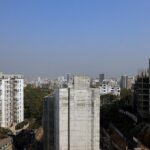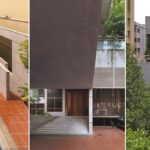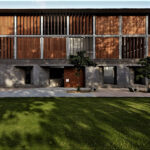
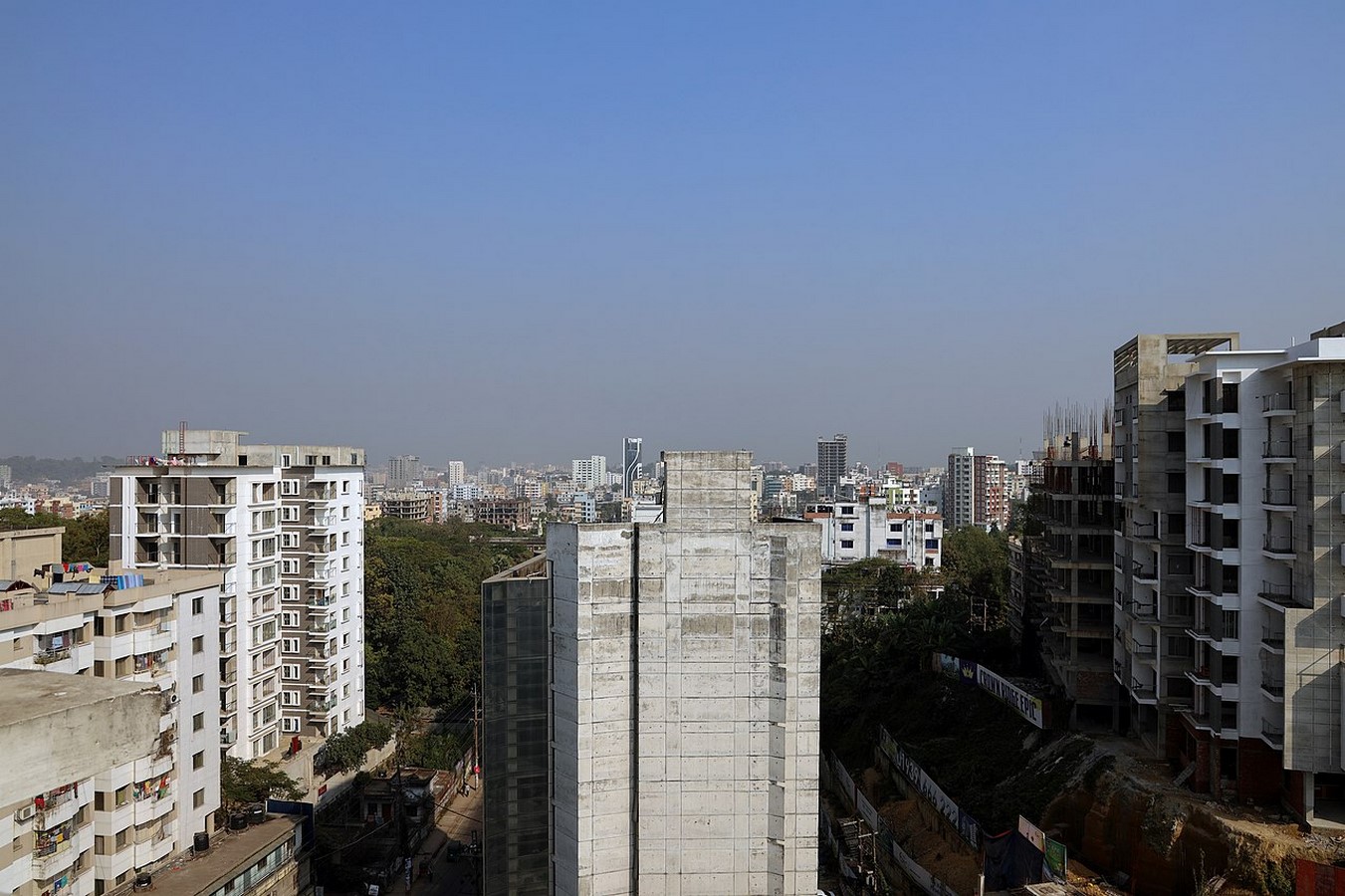
Chittagong District, also known as Chattogram, is a coastal district in southeastern Bangladesh. It is located next to the Bay of Bengal and the Chittagong hill tracts naturally outline its eastern borders. The port city of Chittagong resides on the banks of the Karnaphuli River; it is the largest city in Bangladesh with a population of over 4 million. The city embraces cultural diversity and a progressive history through its urban fabric of traditional and contemporary architecture. It is prolific and diverse due to its history of great Buddhist, Hindu, and Islamic kingdoms that can be traced back to the 4th century BCE. Today, contemporary structures define Chittagong as a city that is in a continual progression of new cultures and identities.
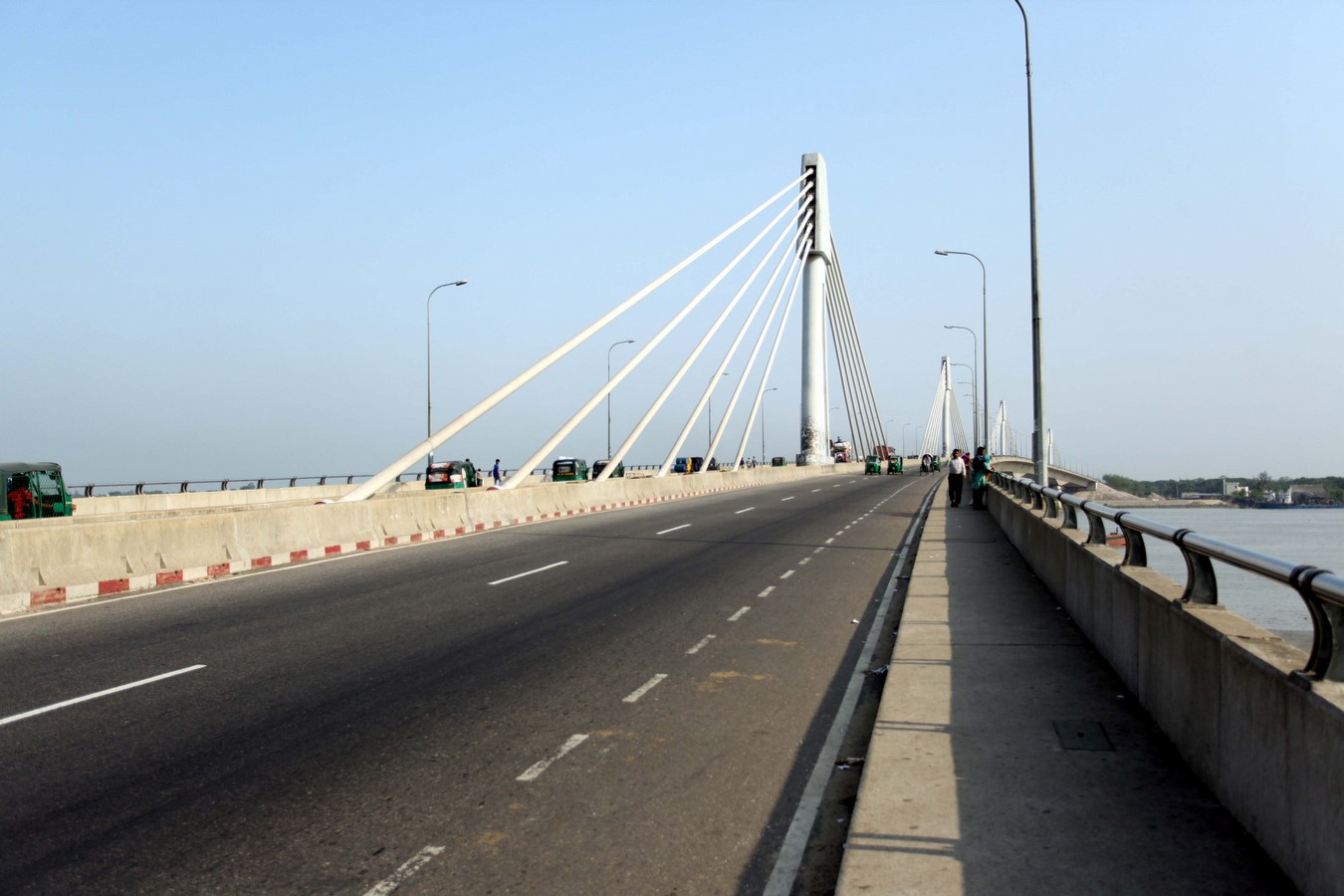
Shah Amanat Bridge
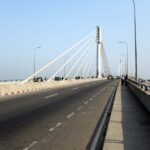
Shah Amanat Bridge is an extradosed bridge that runs across the Karnaphuli River in Chittagong, Bangladesh. It is a part of the national N1 highway and connects Cox’s Bazar, Bandarban, and the southern division of Chittagong, making it an important structure of the area. It is 950 meters long and 24.47 meters wide providing four lanes for vehicles, two 1.5-meter lanes for manual vehicles, and a 1.5-meter walkway on each side. Its name follows after Chittagong’s 18th-century Islamic Saint Shah Amanat. The project started in August 2006 under the Chinese Major Bridge Construction Company and the bridge was officially opened on 8 September 2010, projecting a cost of approximately 55 million dollars provided by the Kuwait Fund. The extradosed Bridge gains its delicate appearance as the concrete cell box bridge deck cantilevers from the central cable support members that are around one-tenth of the deck span length. The stay cables are continuous between deck anchorages and create a beautiful network of tension-supporting members. The structure is eloquent and convincing and serves as an essential unit of the transportation system that is Indispensable for the economy and livelihood of the South Chittagong division.
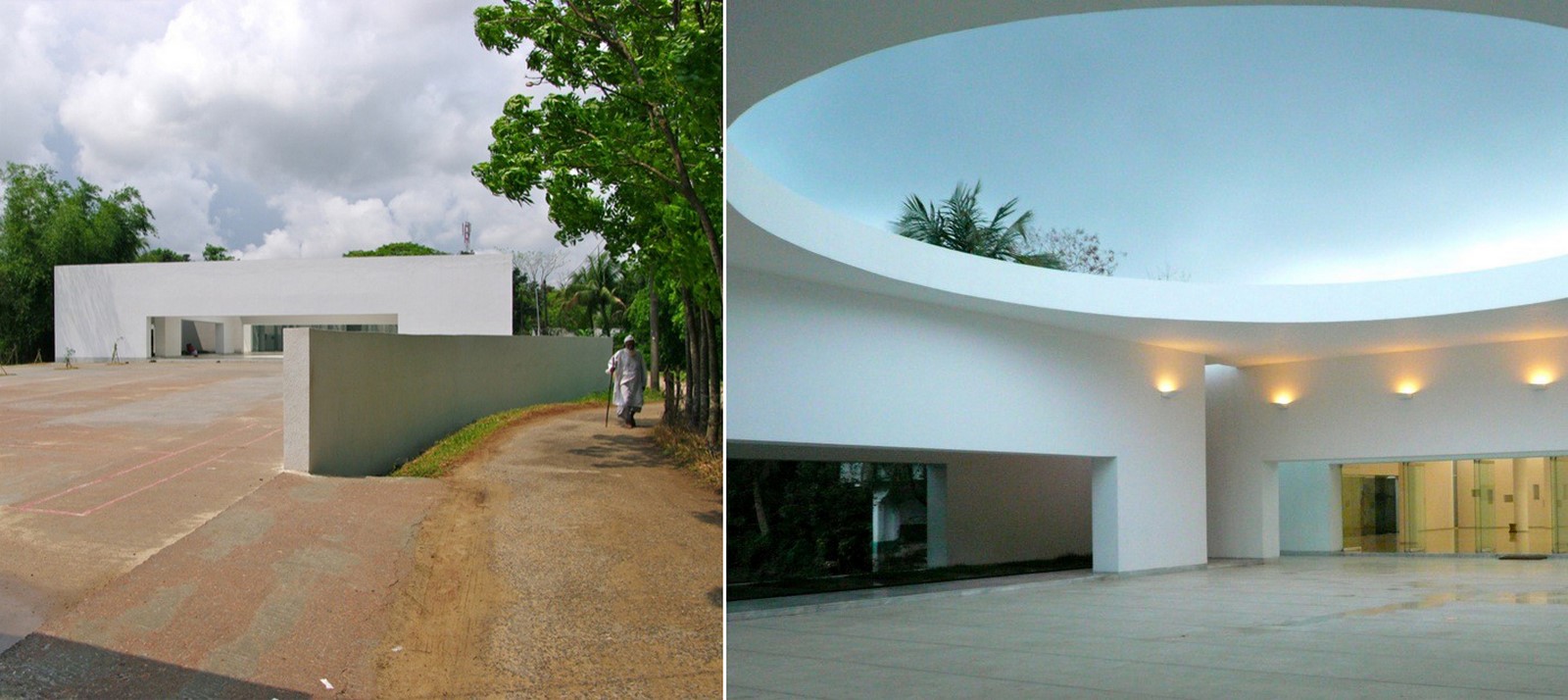
Chandgaon Mosque
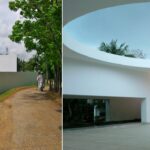
The Chandgaon Mosque built in 2007 by Urbana Architects resides in the suburban area of Chittagong, as a place of prayer and social gathering. Its monolithic orthogonal appearance and its cuboid structure is a new approach to designing a typology that is well defined through conventional structures. The Chandgaon Mosque is a contemporary approach to creating a place that is distinctive and pavilion-like. The 1048-meter square of built area is defined by the front masonry wall with a wide opening that leads to the front courtyard which has a large circular opening to the outside environment. This space advances towards an identical area that has a cut dome ceiling and cylindrical columns that resonates with the typology of conventional mosques. The overall layout of walls and openings in the ceilings promote ventilation and provide daylight while its delicate and coherent geometry creates a place of calmness and spirituality. The Chandgaon Mosque is successful in becoming a place for the people, its openness and distinct character offer new perspectives and redefine conventional typologies.

‘Matter Space Soul’ pavilion in Bangladesh
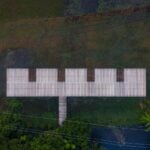
The ‘Matter Space Soul’ pavilion is built with indigenous materials of porous bamboo and wood, it stands as a model for sustainable and vernacular building. The pavilion was designed by Two Fold Studio and resides in Noakhali, Chittagong district in Bangladesh. The pavilion is imbued to its locus by the use of local materials and vernacular construction techniques; it is exposed and lacks density. It is delicate and mostly a mesh-like shell that defines a beautiful geometry, the structure is open to the environment and minimal in structure. The restaurant pavilion was designed to provide an open and natural space for the expansion of the client’s existing restaurant. The tropical climate of the region requires a lightweight permeable pavilion that is complete with natural ventilation, daylight, and beautiful views of the surroundings. The pavilion’s deck is connected to the mainland by a narrow elevated walkway and its 155 square meter linear plan consists of bays that serve as seating areas for the public. The structure enforces the use of local materials and vernacular construction techniques and is truly a great approach to creating sustainable architecture that is in harmony with nature.

Mamun Residence / Shatotto
Mamun Residence is a single family residence located in Chittagong, Bangladesh; it was built in 2013 and designed by Shatotto Architecture. The building structure is designed to be like a “mathal,” a traditional hat worn to protect from rain and the sun, it is designed to confront the forceful southwest winds from the Bay of Bengal and the intense heat of the coastal area. The exposed concrete structure is protective and creates a central open space with gardens and a swimming pool. The building walls of exposed Concrete bear a grid-like pattern of tie-hole impressions and the structure is brutalist and minimal at the same time. The building is fond of layered sunshades, deep overhangs, and large glass walls promoting shade and ventilation. The overall structure is designed for seismic and wind loads, and the monolithic exposed concrete seems massive and dominating. The building structure is a response to the site conditions and a great example of integrated modern design.
Reference:
- Astin, D. (no date) Design of the third Karnaphuli Bridge – IABSE-bd.org. Available at: http://www.iabse-bd.org/old/y.pdf (Accessed: 22 July 2023).
- Structurae (no date) Shah Amanat Bridge (Chittagong, 2010), Structurae. Available at: https://structurae.net/en/structures/shah-amanat-bridge (Accessed: 22 July 2023).
- Unknown (no date) The heavenly chittagong!, The Heavenly Chittagong! Available at: https://theheavenlychittagong.blogspot.com/ (Accessed: 22 July 2023).
- Saieh, N. (2010) Chandgaon Mosque / kashef Mahboob Chowdhury, ArchDaily. Available at: https://www.archdaily.com/81700/chandgaon-mosque-kashef-mahboob-chowdhury (Accessed: 22 July 2023).
- Chandgaon Mosque (no date) Al Fozan. Available at: https://mosqpedia.org/en/mosque/103 (Accessed: 22 July 2023).
- Ahuja, A. (2022) Framing eloquence in the vernacular with ‘matter. space. Soul’ pavilion in Bangladesh, STIRworld. Available at: https://www.stirworld.com/see-features-framing-eloquence-in-the-vernacular-with-matter-space-soul-pavilion-in-bangladesh (Accessed: 22 July 2023).
- Mamun residence: Shatotto architecture for green living (2022) ArchiDiaries. Available at: https://www.archidiaries.com/projects/mamun-residence/ (Accessed: 23 July 2023).
- Aguilar, C. (2019) Mamun residence / shatotto, ArchDaily. Available at: https://www.archdaily.com/531800/mamun-residence-shatotto (Accessed: 23 July 2023).