Concrete Sheets – Cost effective materials in construction
In the dynamic landscape of modern construction, architects and builders are continually seeking materials that strike a harmonious balance between functionality, cost-effectiveness, and design versatility. Concrete sheets emerge as a formidable contender in this quest, offering a blend of structural reliability and adaptability. This article explores the myriad applications, advantages, and technical nuances of concrete sheets, emphasizing their role as a transformative force in cost-effective construction solutions.
Unveiling Concrete Sheets in Construction
Concrete sheets, often referred to as fiber-cement sheets or cementitious boards, represent a pragmatic evolution in building materials. These sheets comprise a composite of cement, fibers, and additives, resulting in a robust, lightweight, and versatile construction material.
Composition of Concrete Sheets
- Cement: The fundamental component, providing the structural integrity and binding properties essential for construction applications.
- Fibers (Cellulose or Synthetic): Reinforcing fibers enhance the sheets’ strength and flexibility, contributing to their resilience against impact and bending stresses.
- Additives: Various additives, such as silica, fillers, and stabilizers, are incorporated to enhance specific properties of the concrete sheets, such as fire resistance and dimensional stability.
Advantages of Concrete Sheets in Construction
Concrete sheets have garnered attention for their diverse array of advantages, making them an attractive choice for architects and builders alike.
-
Structural Strength and Durability
Concrete sheets inherit the inherent strength and durability of traditional concrete. This characteristic ensures their longevity in diverse environmental conditions, making them suitable for both interior and exterior applications.
-
Lightweight Construction
Despite their robust composition, concrete sheets maintain a relatively lightweight profile. This characteristic facilitates ease of handling, transportation, and installation, reducing overall construction time and costs.
-
Design Versatility
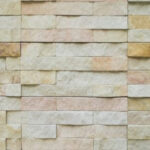
Concrete sheets offer architects a canvas for creative expression. They can be molded and textured to mimic various materials, providing flexibility in design while maintaining the benefits of concrete.
-
Fire Resistance
The mineral composition of concrete sheets imparts excellent fire resistance properties, making them suitable for applications where fire safety is a priority.
-
Moisture and Weather Resistance
Concrete sheets exhibit resistance to moisture, preventing issues such as warping, rot, or mold growth. This resistance extends to various weather conditions, ensuring their suitability for exterior applications.
Applications of Concrete Sheets
Concrete sheets find a diverse range of applications across the construction spectrum, contributing to both functional and aesthetic aspects of built environments.
-
Exterior Cladding
Concrete sheets serve as an effective and visually appealing exterior cladding material. Their ability to mimic the appearance of traditional materials, coupled with durability, makes them an excellent choice for enhancing the facades of buildings.
-
Roofing Systems
The lightweight nature of concrete sheets makes them suitable for roofing applications. They provide an additional layer of protection against the elements while contributing to thermal insulation.
-
Interior Partitions and Walls
Concrete sheets are utilized in interior construction for partitions and walls. Their versatility allows for the creation of sleek and modern designs, and their durability ensures long-lasting performance.
-
Fascia and Soffit Panels
Concrete sheets can be employed in the creation of fascia and soffit panels, contributing to the aesthetic appeal and protective functions of building exteriors.
-
Decorative Elements
Due to their moldability, concrete sheets are often used to create decorative elements such as cornices, panels, and textured surfaces, adding a touch of architectural elegance.
Installation and Handling of Concrete Sheets
The successful integration of concrete sheets into construction projects requires meticulous attention to installation and handling procedures.
-
Cutting and Shaping
Concrete sheets can be cut and shaped using standard construction tools. However, safety precautions and appropriate equipment are crucial to ensure accurate cuts and prevent damage to the material.
-
Fixing and Fastening
The fixing and fastening of concrete sheets depend on the specific application. Proper anchoring systems and fasteners must be used to secure the sheets in place, ensuring stability and longevity.
-
Sealing and Finishing
Sealing concrete sheets is essential to enhance their resistance to moisture. Additionally, applying appropriate finishes, such as paints or coatings, can further protect the material and contribute to its aesthetic appeal.
Considerations for Concrete Sheet Implementation
While concrete sheets offer numerous advantages, architects and builders should consider certain factors to optimize their use in construction projects.
-
Structural Design Compatibility
Assessing the structural design requirements of a project is crucial to ensure that concrete sheets are compatible with the intended applications. Consulting with structural engineers is recommended for complex projects.
-
Climate Considerations
The performance of concrete sheets can be influenced by climate conditions. Understanding the local climate, including temperature variations and humidity levels, is essential for selecting the appropriate type and thickness of concrete sheets.
-
Maintenance Requirements
Concrete sheets, like any construction material, require regular maintenance to ensure their longevity. Assessing the maintenance requirements and establishing a routine maintenance plan is vital for sustained performance.
Innovations and Future Trends in Concrete Sheets
As technology advances, innovations in concrete sheet manufacturing continue to shape the future of construction materials.
-
Integration of Sustainable Components
Manufacturers are exploring the integration of sustainable components, such as recycled fibers or eco-friendly additives, to enhance the environmental credentials of concrete sheets.
-
Smart Concrete Sheets
The incorporation of sensors and smart technologies into concrete sheets is an emerging trend. These innovations aim to provide real-time data on structural integrity, moisture levels, and other parameters, contributing to efficient building management.
Conclusion
Concrete sheets stand at the intersection of tradition and innovation in the construction industry. Their ability to merge the durability of concrete with design flexibility positions them as a valuable asset in the architect’s toolkit. As the construction landscape continues to evolve, concrete sheets offer a pragmatic solution for cost-effective, resilient, and aesthetically pleasing built environments. Architects and builders, recognizing the diverse applications and advantages, are increasingly embracing the transformative potential that concrete sheets bring to the forefront of modern construction practices.