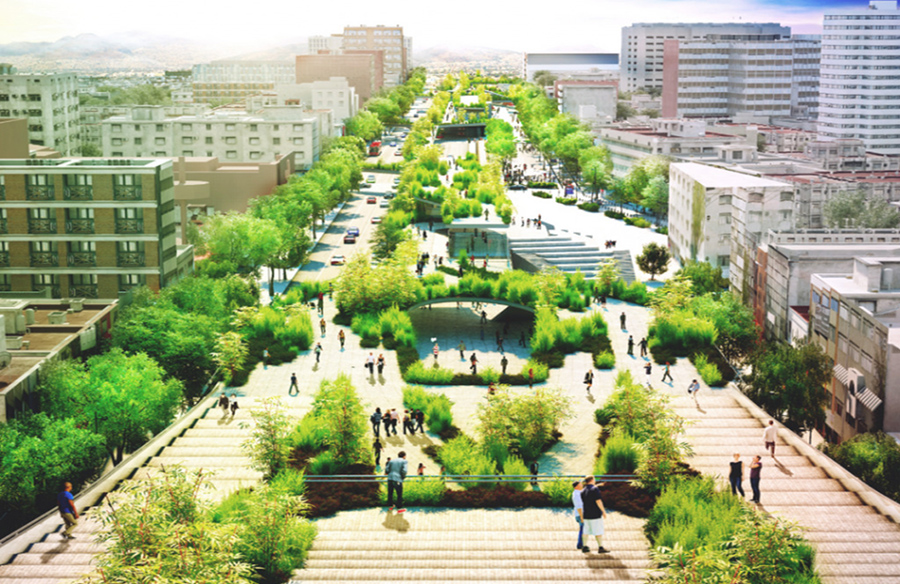
Urban Parks – Topics related to Sustainable Architecture
In the realm of sustainable architecture, the integration of urban parks stands as a testament to innovative and eco-friendly design principles. This article delves into the multifaceted aspects of urban parks, exploring their significance in sustainable architecture, the intricacies of design, and the pivotal role they play in fostering environmentally conscious urban spaces.
Introduction: Redefining Urban Spaces
Urban parks represent more than just green patches within concrete jungles; they embody a paradigm shift towards sustainable urban development. As burgeoning cities grapple with issues like pollution, congestion, and climate change, architects are turning towards the concept of urban parks as catalysts for positive transformation.
The Green Lung Effect: Mitigating Environmental Impact
Urban parks act as the lungs of a city, absorbing pollutants and emitting oxygen. Through strategic placement and thoughtful design, these green spaces contribute significantly to mitigating the adverse environmental effects of urbanization. The incorporation of native flora further enhances biodiversity and aids in the overall resilience of the ecosystem.
Sustainable Design Principles: A Blueprint for the Future
Architects undertaking the challenge of designing urban parks under the umbrella of sustainable architecture adhere to a set of principles that prioritize environmental responsibility. Utilizing renewable materials, incorporating energy-efficient lighting, and implementing water conservation strategies are integral components of sustainable park design.
Community Engagement: Fostering Social Sustainability
Beyond environmental considerations, the social aspect of sustainability is equally crucial. Urban parks serve as communal hubs, promoting physical activity, social interaction, and mental well-being. The integration of inclusive design ensures accessibility for all community members, fostering a sense of belonging and unity.
Case Studies: Pioneering Sustainable Park Designs
Examining successful implementations of sustainable urban parks provides valuable insights for architects and urban planners. Notable examples include the High Line in New York City, where repurposed railway tracks transformed into an elevated park showcase the potential for adaptive reuse in sustainable design.
Green Infrastructure: A Pillar of Sustainable Urban Planning
Urban parks contribute to the establishment of green infrastructure, a critical component of sustainable urban planning. The integration of permeable surfaces, rain gardens, and sustainable drainage systems aids in water management, reduces the urban heat island effect, and promotes overall ecological balance within the cityscape.
Economic Benefits: Sowing Seeds for Future Prosperity
Investing in sustainable urban parks not only yields environmental and social benefits but also proves economically advantageous. Increased property values, boosted local economies through tourism, and reduced healthcare costs due to improved public health outcomes all contribute to the financial viability of such projects.
Challenges and Solutions: Navigating the Complexities
While the benefits of sustainable urban parks are evident, architects must navigate various challenges during the design and construction phases. Balancing the need for green space with limited available land, addressing potential conflicts with existing infrastructure, and ensuring long-term maintenance require thoughtful solutions to guarantee the success of these projects.
Technology Integration: Paving the Way for Smart Parks
The advent of technology opens up new avenues for enhancing the sustainability of urban parks. Integration of smart irrigation systems, sensor-driven lighting, and the use of renewable energy sources exemplify how technology can be harnessed to optimize resource utilization and minimize environmental impact.
Future Outlook: Sustaining Urban Parks in a Changing World
As cities evolve and face new challenges, the role of urban parks in sustainable architecture becomes increasingly paramount. Future developments in materials, technology, and urban planning strategies will undoubtedly shape the next generation of urban parks, contributing to the creation of resilient and sustainable cities.
Conclusion: A Greener Tomorrow through Sustainable Urban Parks
In conclusion, the exploration of urban parks within the realm of sustainable architecture unveils a rich tapestry of interconnected elements. From environmental impact mitigation to economic benefits and community engagement, the design and construction of urban parks represent a holistic approach towards creating sustainable and resilient urban spaces. As architects continue to innovate and adapt, the integration of sustainable urban parks stands as a beacon, guiding cities towards a greener and more sustainable future.