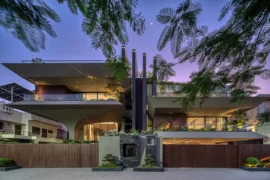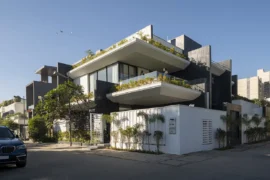
De las Formas House is more than a residence; it is an architectural experiment in
geometry, light, and spatial continuity. Located on a site with strict urban constraints, the
project skillfully integrates a new 143 m² construction with the renovation of a pre
existing 135 m² home. The design responds to the needs of two generations living in
separate yet connected spaces, ensuring independence while maintaining interaction
through shared courtyards and visual connections.
Project Name: De Las Formas House
Studio Name: Ethelett
Location: United States
Site Area: 186 Sq. m.
Built Up Area: 278 Sq. m.
Status: Under construction
Image Credits: Ethelett
A Home for Two Generations
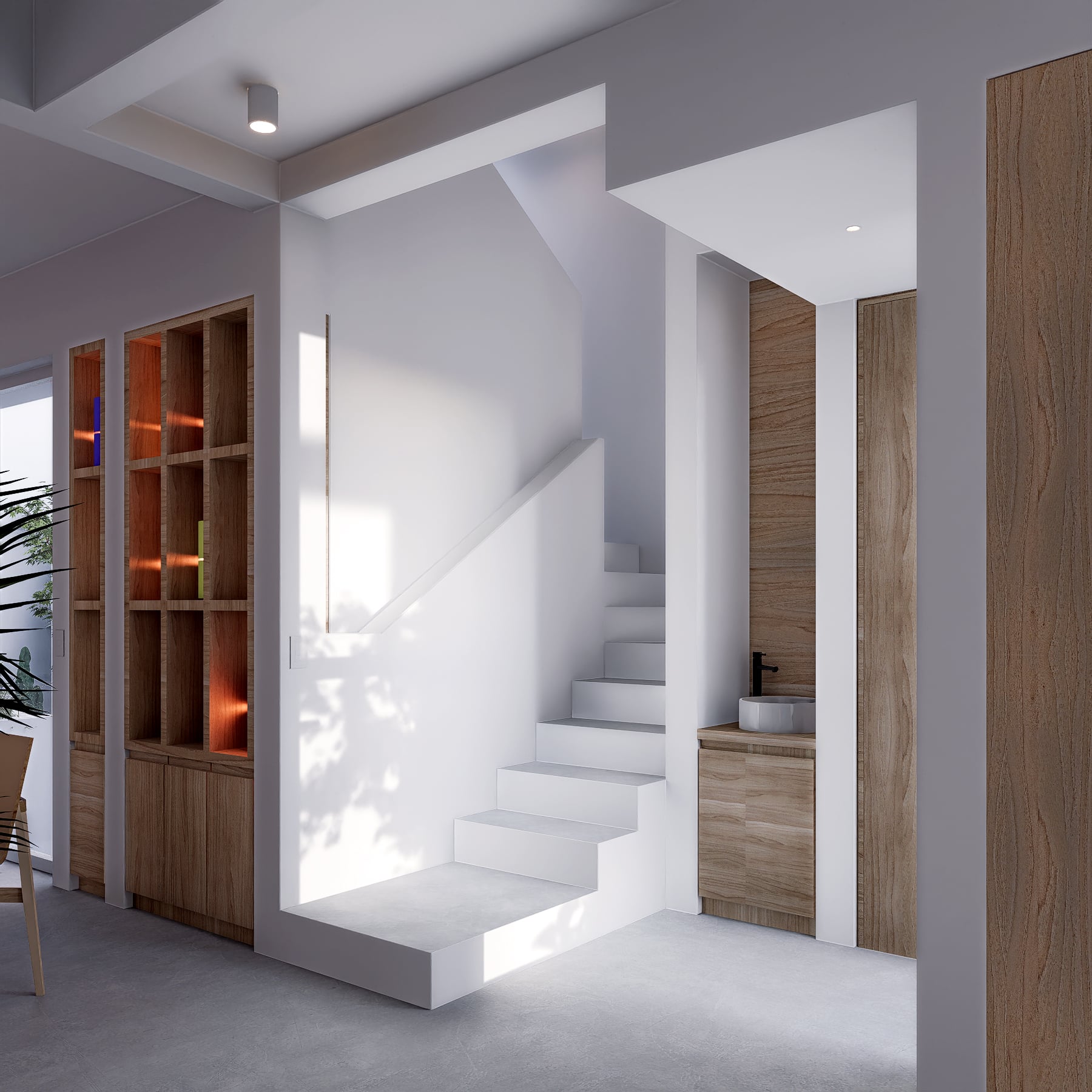
The challenge was to merge old and new without compromising identity. The renovation
improved circulation and quality of life, replacing a narrow spiral staircase with a broader,
more accessible structure. Courtyards serve as points of connection, fostering light and
greenery while preserving privacy. These spaces function as dynamic interfaces between
the two homes, balancing openness and intimacy.
Overcoming Spatial Constraints
With only 60% of the lot permitted for construction and 35% already occupied, every
square meter had to be optimized. The design incorporates double and triple-height
spaces, suspended nets, and strategic openings to create an expansive spatial experience.
Natural light is a key design element, shifting throughout the day to shape atmospheres
and highlight architectural details.
Aesthetic Integration through Form
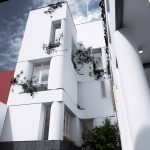
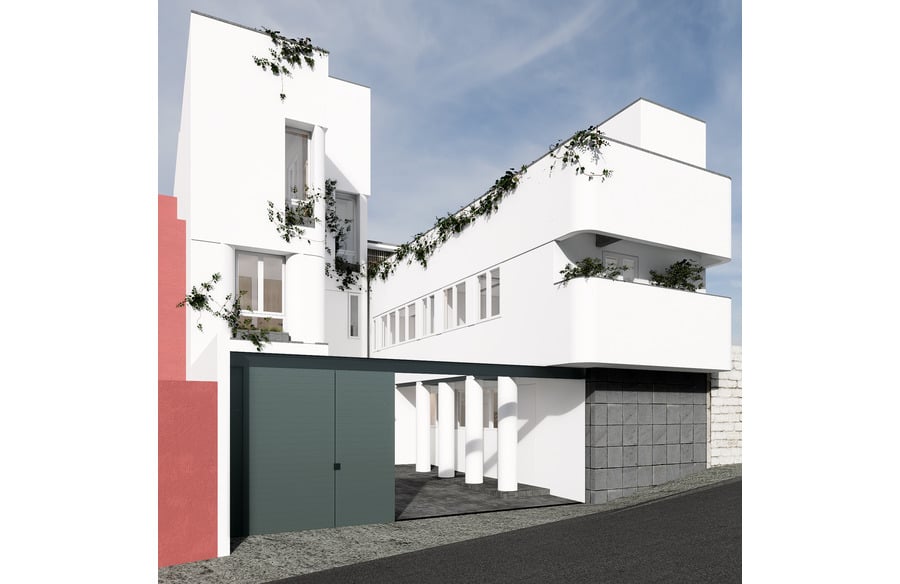
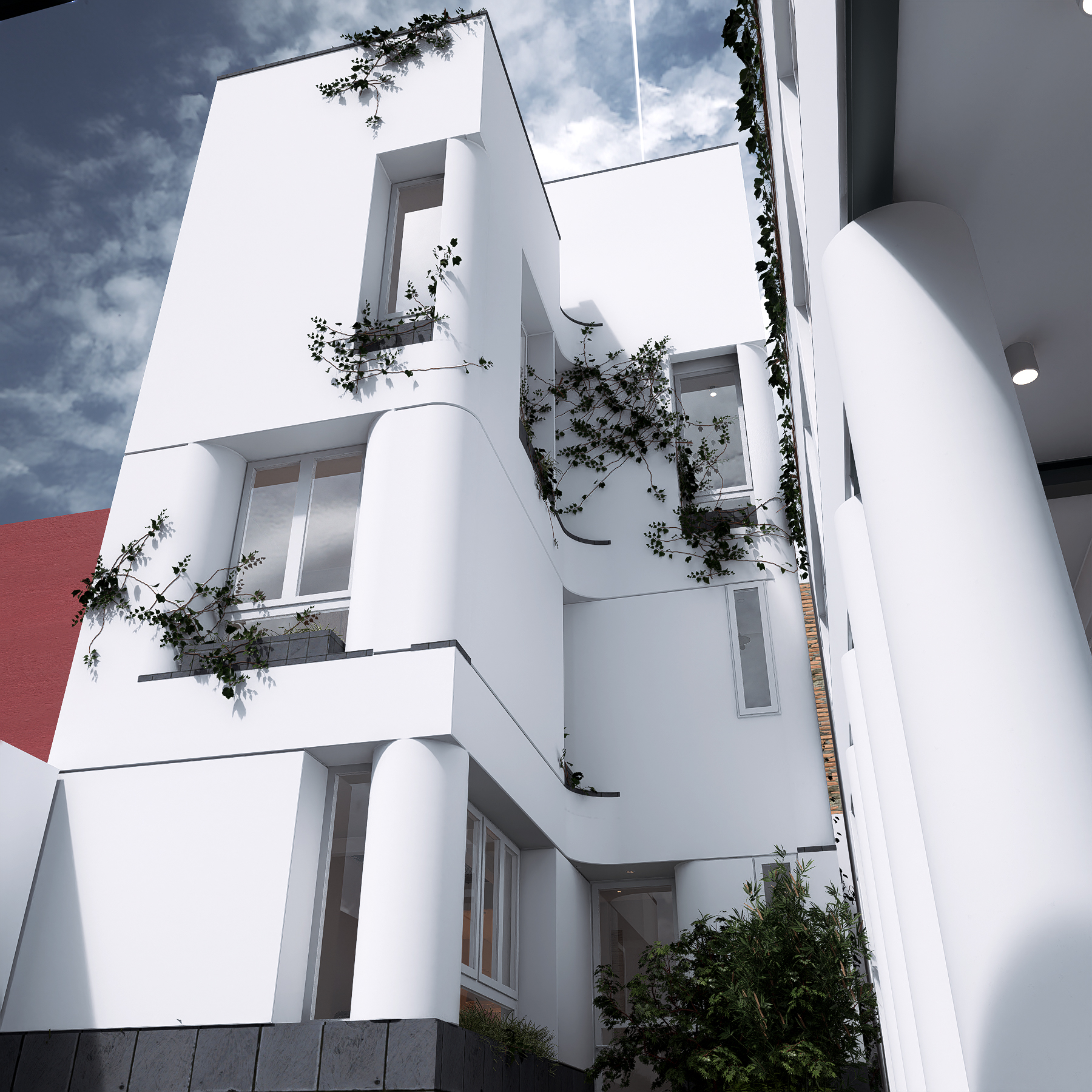
Curved elements soften the geometry of the volumes, avoiding a rigid composition of
stacked cubes. These forms extend into the existing structure, ensuring a cohesive
architectural language. As light interacts with the curved surfaces, subtle gradients
emerge, enhancing depth and spatial flow.
Spaces That Adapt
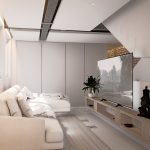
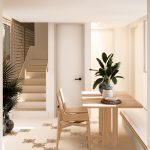
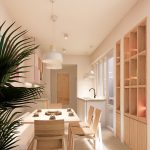
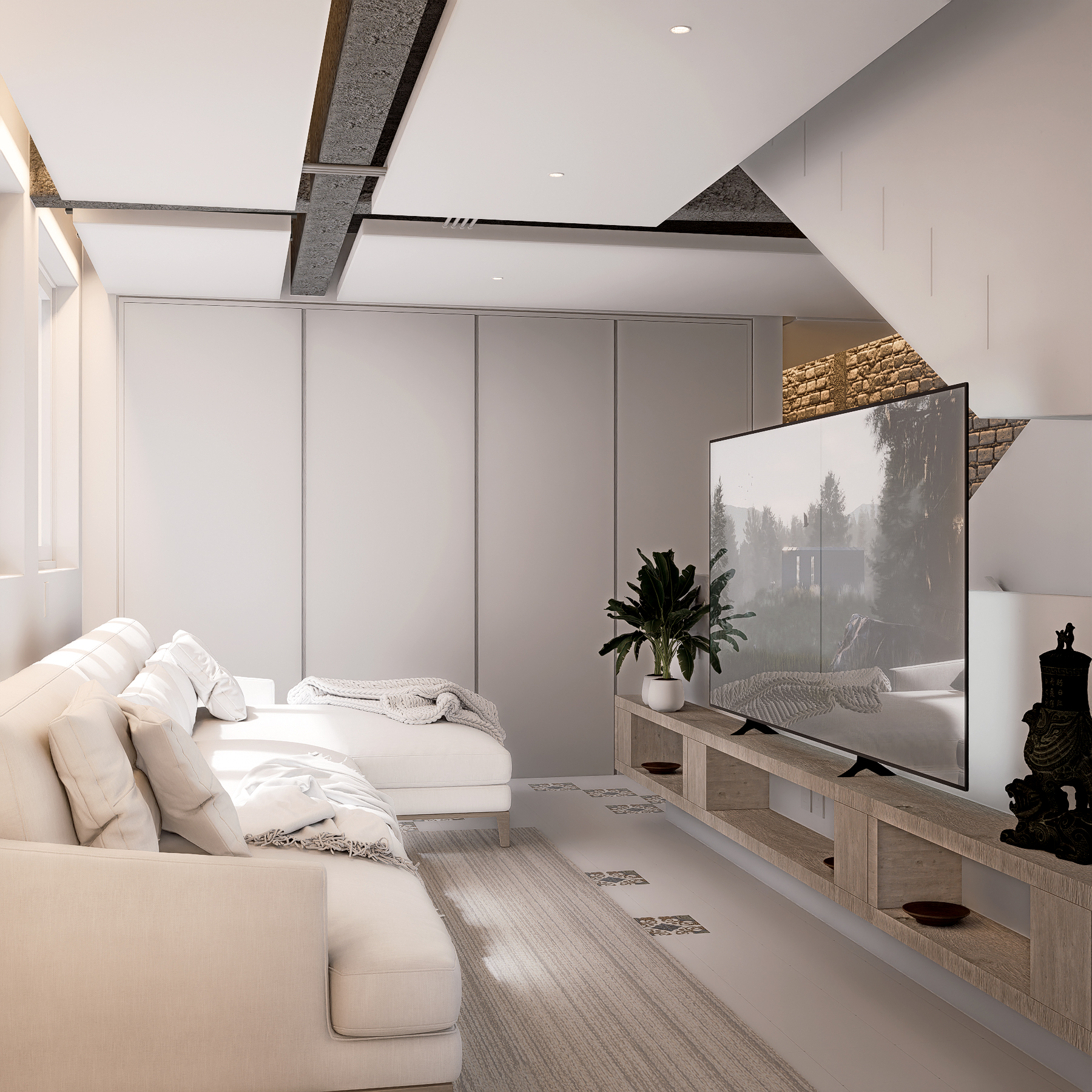
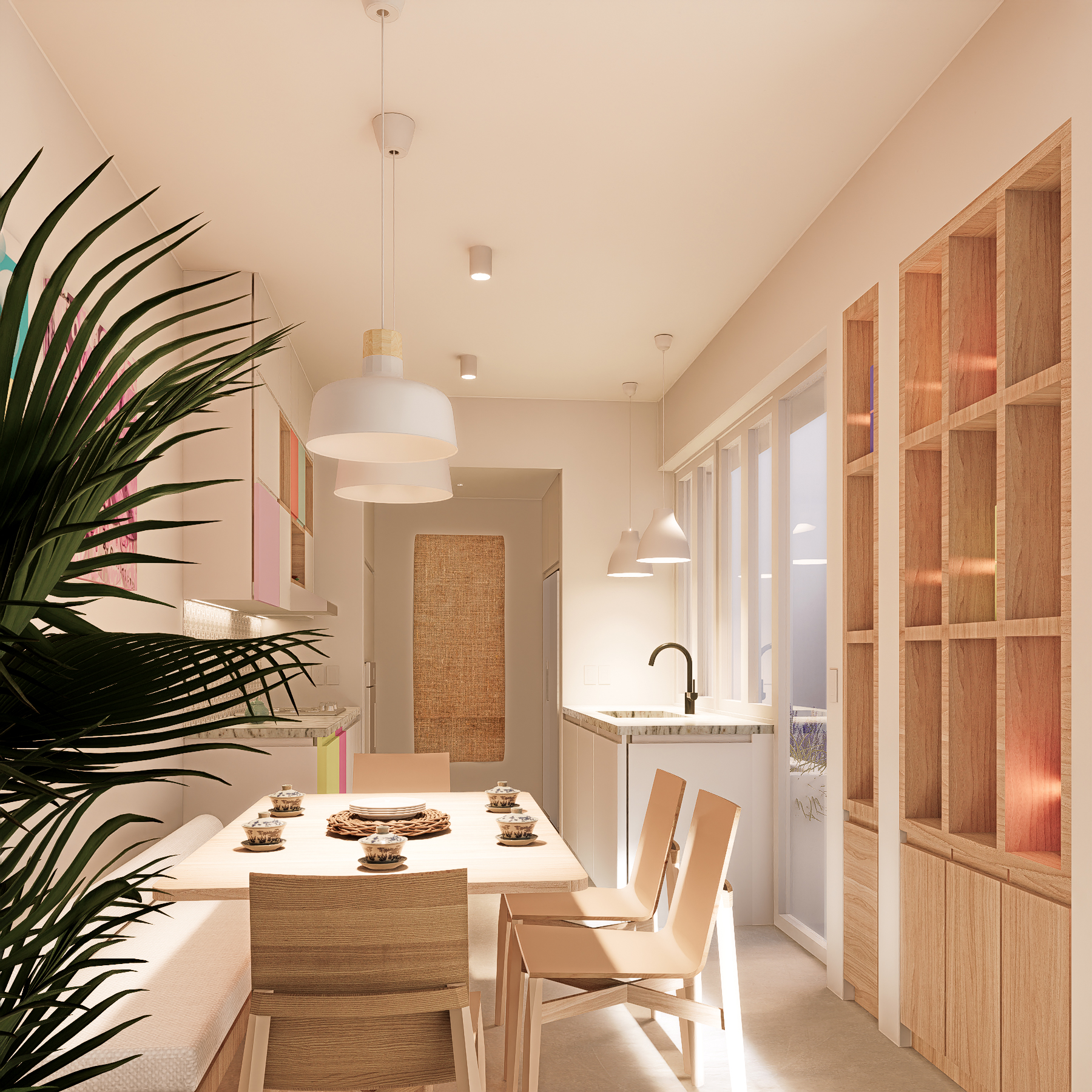
The ground floor features an open layout where the living area, dining room, kitchen, and
atrium connect seamlessly. A bridge on the second level links the bedrooms while
preserving openness. The third floor includes an art studio, workspace, and a
multipurpose lounge, designed to evolve with the inhabitants’ needs. A habitable rooftop
provides a serene retreat, extending the living space into the open air.
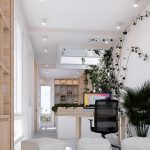
The Home Office: A Space for Focus and Creativity
Acknowledging the shift towards remote work, De las Formas House includes a dedicated
workspace designed for productivity without rigidity. Natural light, vegetation, and
carefully curated materials create an inspiring atmosphere that balances comfort and
focus, blending functionality with aesthetics.
Vegetation as an Architectural Element
Integrated greenery softens the geometric lines, connecting the house to its
surroundings. Hanging gardens, planters, and climbing plants enhance spatial fluidity
while improving thermal comfort. A triple-height atrium filled with cascading greenery
establishes a continuous link between interior and exterior, enriching the sensory
experience of the home.
Light as a Material
The triple-height atrium acts as a light well, ensuring natural illumination throughout the
house. Openings are strategically placed to maximize daylight while reducing artificial
lighting needs. Light not only reveals space but also transforms it, creating a dynamic
interplay of shadows and textures that shift with the passing hours.
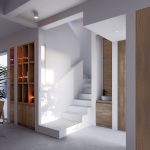
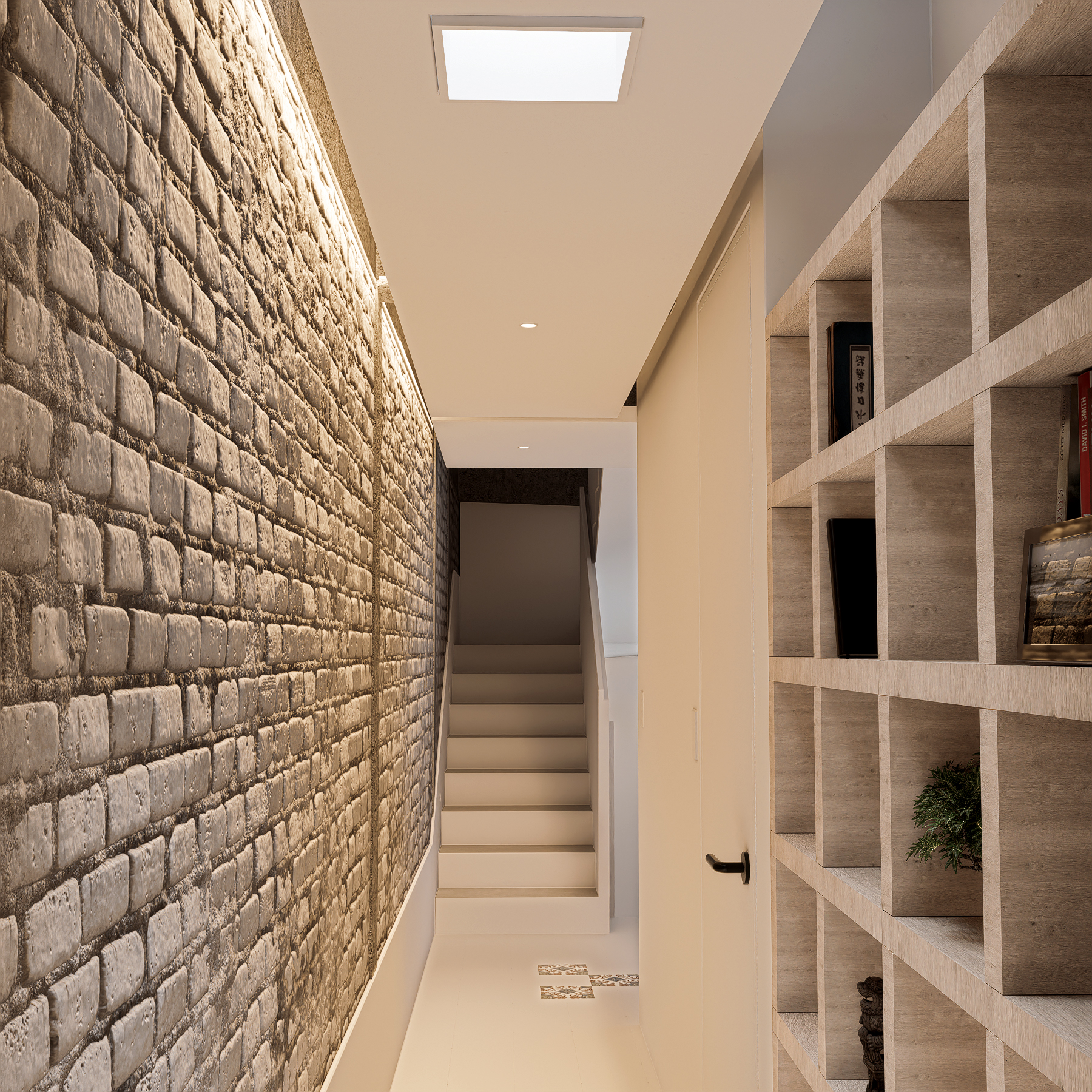
The Staircase as a Sculptural Element
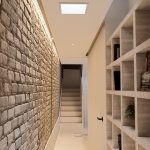
In both the new and existing structures, staircases serve as focal points. Rather than
purely functional elements, they are sculptural pieces that shape the character of the
interior. Geometric lines create movement, guiding the eye and reinforcing the project’s
architectural coherence.
Materiality: Honoring the Past and Innovating the Future
The material palette balances continuity and contrast. Stucco-covered masonry walls
unify the renovation with the new construction, preserving the original structure’s
essence while introducing a contemporary language. Wood elements add warmth, while
microcement floors provide a neutral, seamless surface. Painted furniture and artworks
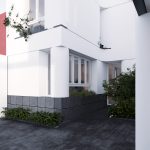
inject color, offering a dynamic yet harmonious contrast. Stone cladding on the facade
serves both an aesthetic and functional purpose, protecting walls while reinforcing the
project’s geometric intentions.
A Living Experience
De las Formas House is designed to be more than a structure—it is an experience. The
fluid transitions between spaces invite movement and discovery, while the interplay of
light, form, and materiality fosters a deep connection between inhabitants and their
environment. Every detail is crafted to create a home that feels timeless, offering both
comfort and architectural intrigue. This is a house that evolves with its residents, proving
that thoughtful design can transform limitations into opportunities for beauty and
innovation.