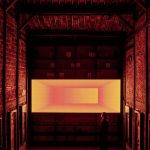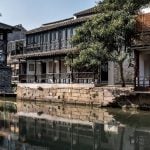
On March 20th, 1896, Emperor Guangxu of the Qing Dynasty approved the establishment of the Great Qing Imperial Post Office, heralding the inception of modern postal service in China. The Great Qing Post Office at Zhujiajiao is the sole post office site in the Eastern region of China that has persistently been operational since the Qing Dynasty.
Project Name|Qing Dynasty Post Office Renovation
Project Location | Shanghai,China
Project Area|188 ㎡
Design Team|More Design Office
Design Directors|Justin Bridgland, Jaycee Chui
Completion Date: January 2023
Space Photography|Pianfang Studio
The Qing Dynasty’s bronze dragon-shaped mailbox located outside the post office serves as a testament to the flow of time. Nonetheless, it continues to operate to this day by accumulating letters from the public on a daily basis. With this 127-year-old architectural space at hand, our team believes in the core principle of “gentle renovation”. We are committed to the preservation of cultural relics and embracing dynamic reuse, by which we carefully preserve the original structures, materials, and features of the building and revitalize its historical architecture with contemporary design elements. Our goal is to create an all-embracing, interactive community through our architectural design that not only offers a gathering place for local residents to communicate and connect, but also gives them a sense of belonging and true happiness.
Ensuring the preservation of the cultural and historical significance of heritage buildings is at the heart of our ethos. Alongside this, we understand the need to incorporate contemporary elements while preserving the building’s relevance and functionality in today’s world. To achieve this, we have facilitated a dialogue between legacy and modernity as a foundational step in our design process.
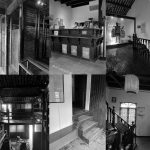
The Great Qing Post Office boasts an amazing history that is filled with captivating insights. Located amidst the lively streets and serene waters of the town, the building holds immense value. When we first laid eyes on it, we were awestruck by the intricate details of its interior and exterior. However, over time, we noticed that some of its allure had waned, and certain aspects of its presentation appeared outdated, almost as though the building had lost some of its narrative appeal. Nevertheless, armed with an understanding of its deep-rooted history and context, we felt compelled to renew the enchantment of this architectural gem.
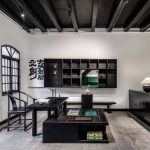
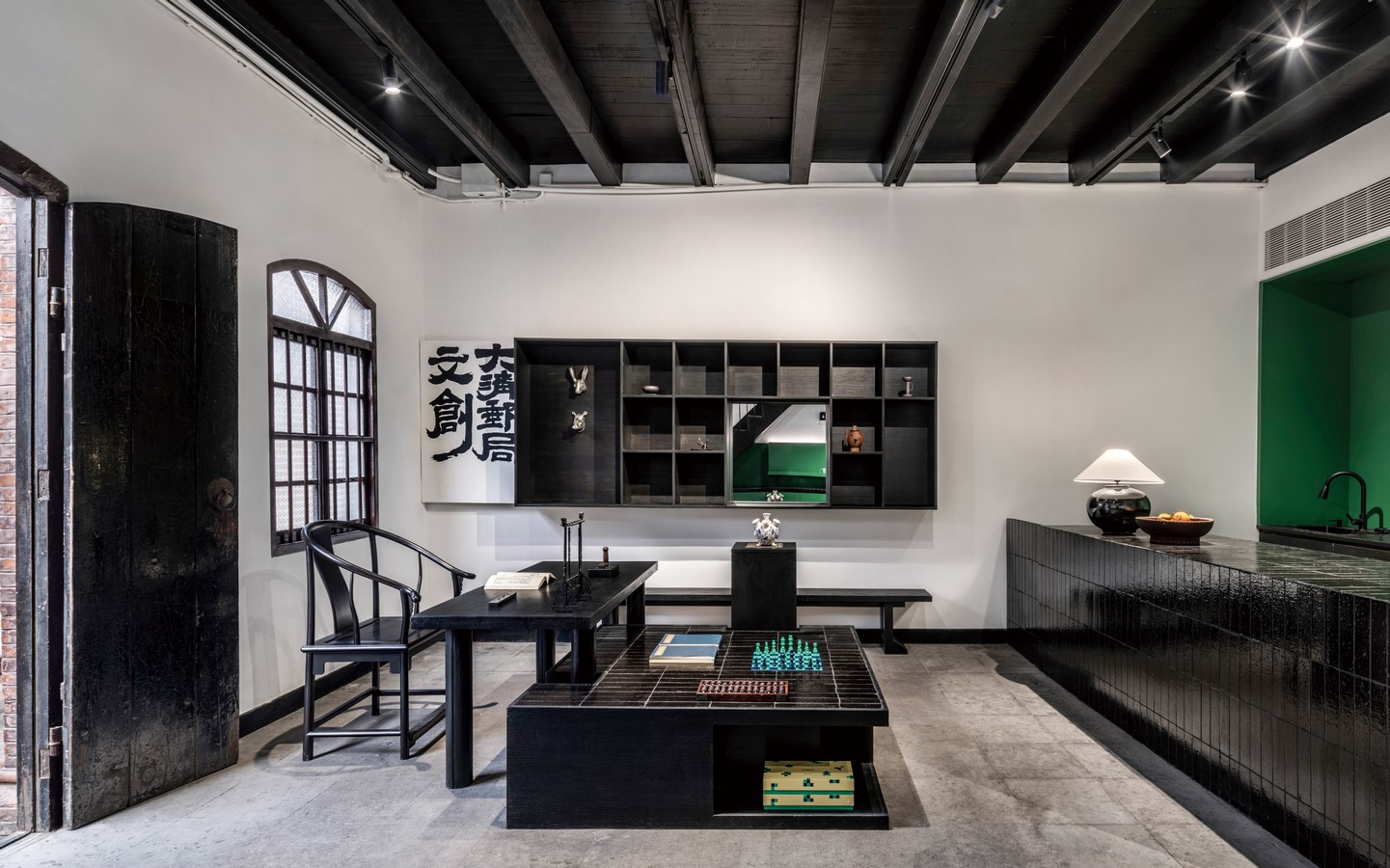
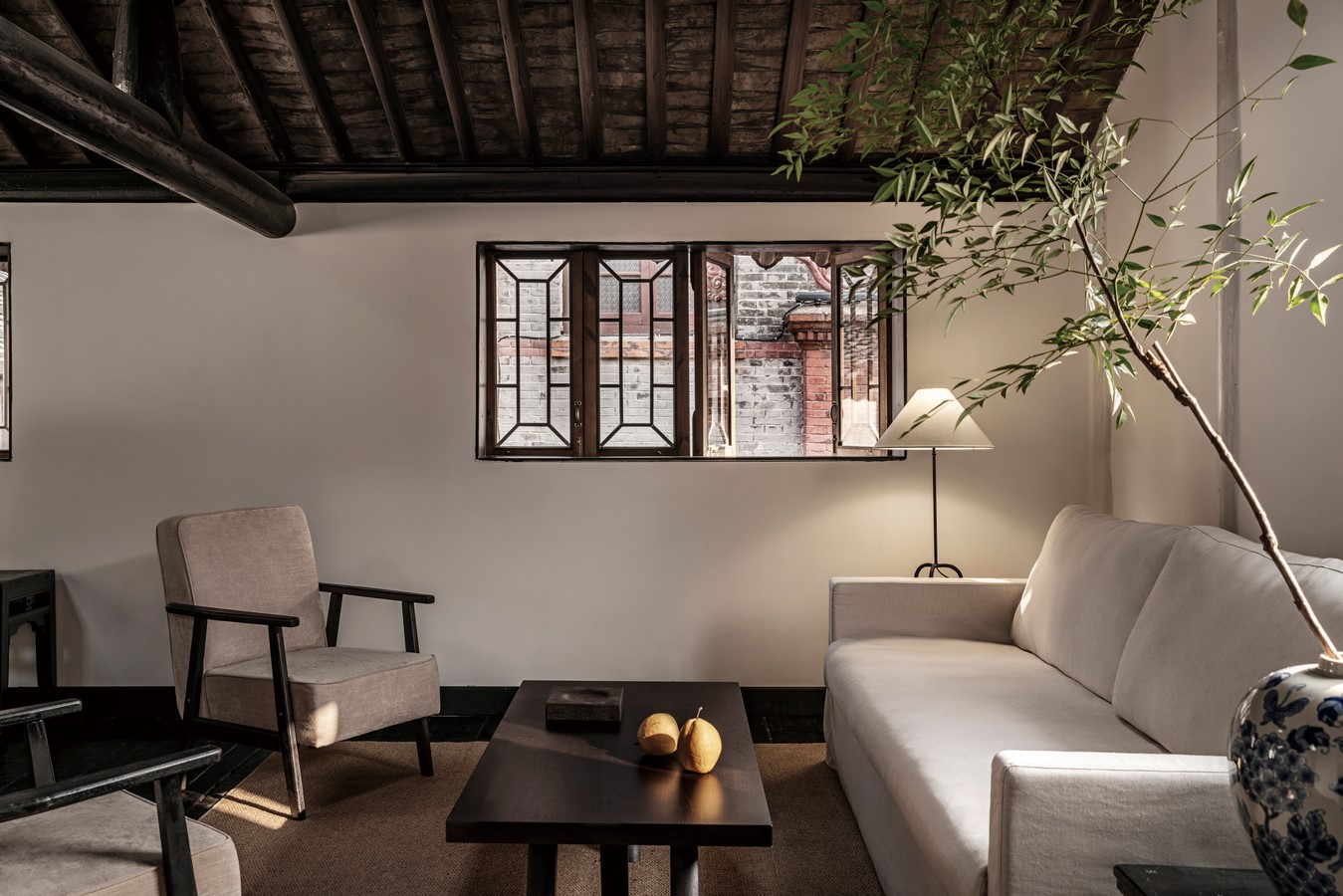
Our primary goal was to pay homage to the building’s legacy while also infusing the space with a sense of vitality and dynamism. In pursuit of this, we devised a design process that placed an emphasis on preserving and repurposing the structure’s original elements, including doors, windows, chairs, benches, roofs, wooden frames, scattered bricks, letters, and postmarks. This meticulous attention to detail proved crucial in eliminating obsolete and redundant items from the building. Meanwhile, we also constructed a new staircase that seamlessly integrated with the existing architecture. On the second floor, we created a more flexible and communal space designed to enable collaborative efforts in cultivating a new history.
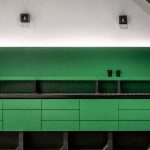
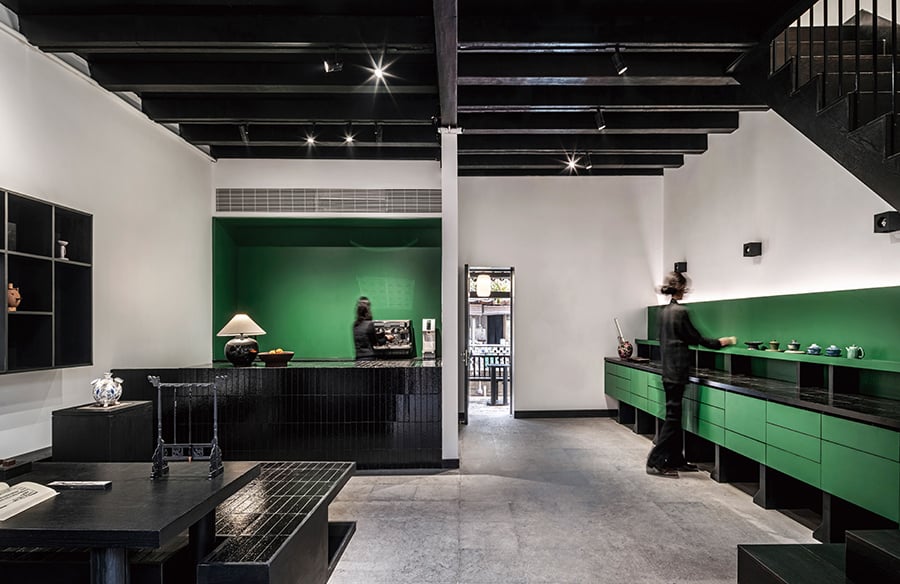
In our pursuit of a harmonious fusion of historic elements and contemporary design, we drew inspiration from the building’s location, historical significance, and the community’s expectations of spatial functionality. Our goal was to explore novel ways of interpreting these elements using modern design language. For example, we took inspiration from the local “Qingpu blue” fabric and the “green water” characteristic of the water transport post office, which inspired the building’s primary color palette. Employing modern craftsmanship and materials in line with contemporary sensibilities, we introduced a revolutionary green block into the old structure. The cabinets were designed with a pivot structure that mimics the ancient information transmission’s most critical “footwork,” showcasing reverence for history while generating a conversation between the old and the new.
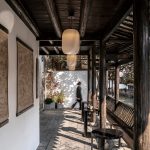
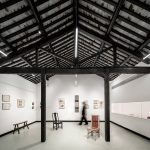
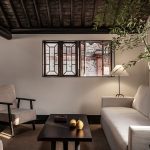
The architectural space has transcended its original purpose as a post office and evolved into a versatile complex that offers a host of amenities. These include, but are not limited to, a coffee area, cultural and creative zone, pavilions – complete with a time capsule and a boarding gate – a multi-functional space, and an art gallery. Our vision is to establish a new community hub that fosters learning and sharing experiences. The multi-functional space accommodates a range of events, from education to discussions and speeches. Modern furniture, lighting, and fixtures integrate seamlessly with the historic structures, creating a beautiful amalgamation of old and new.
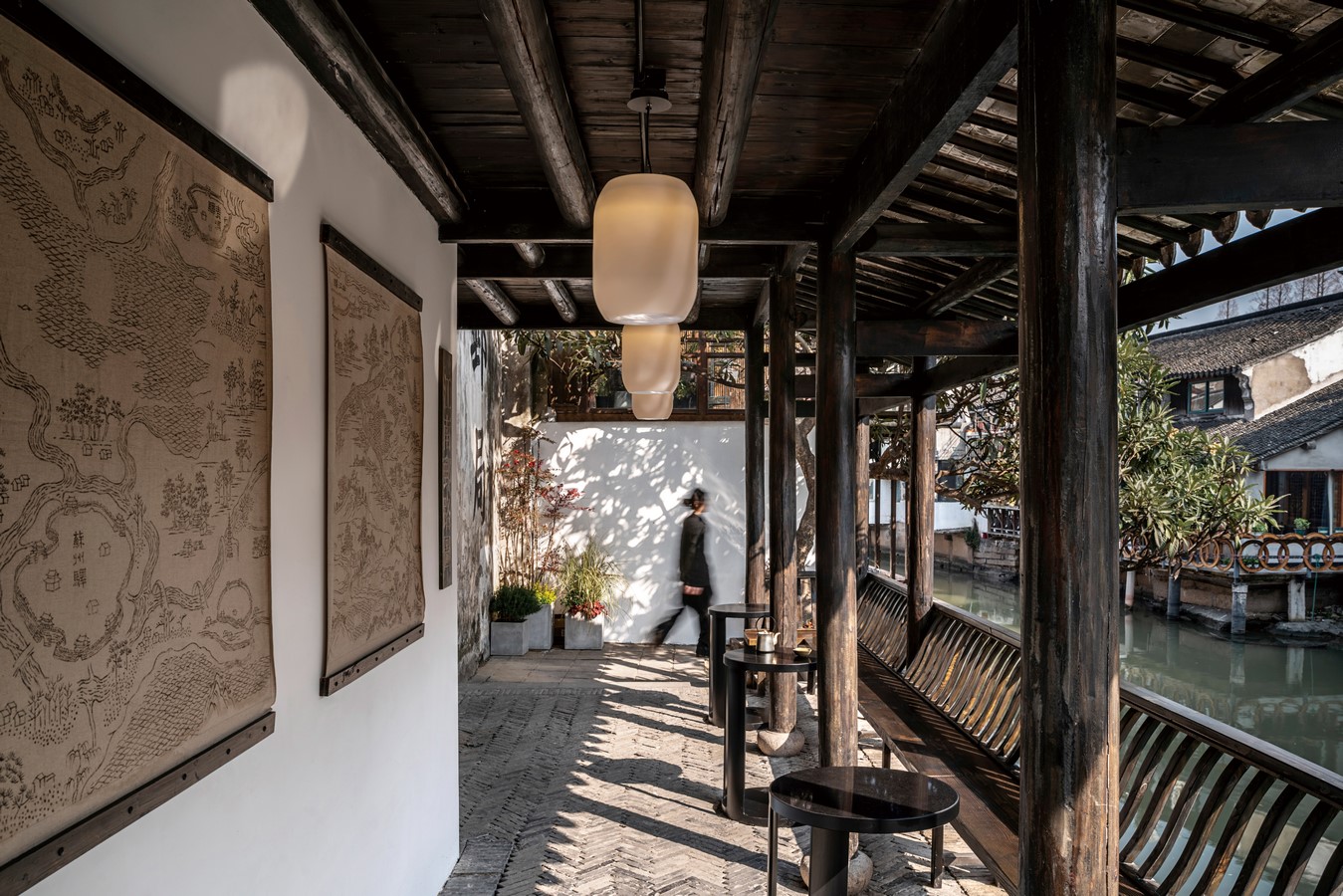
In order to express the interplay of light and shadow, we have intentionally incorporated both natural and artificial lighting into our design. The Great Qing Post Office’s fortunate positioning, with views of both the street and the water, allows us to artfully utilize the ever-changing patterns of natural light and controlled artificial lighting to accentuate the building’s distinctive structural elements, including the facade, arches, and stone columns. Moreover, this lighting design creates diverse indoor atmospheres, adding to the building’s overall aesthetic appeal.