Awakening with Architecture
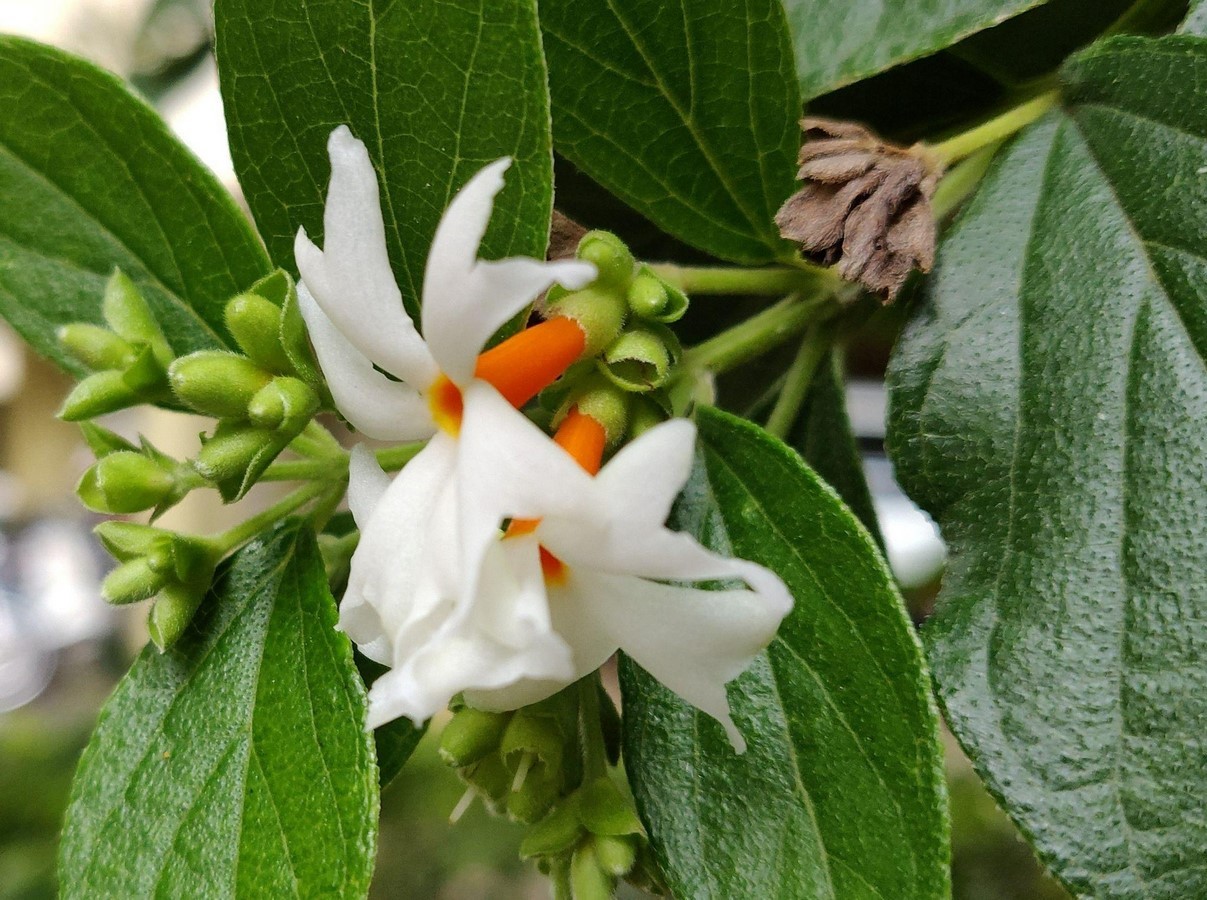
She wakes up in the morning and the first thing she does, maybe everybody does, is go to the washroom. After sitting in the commode for 2 to 5 minutes she opens the large windows present on the wall next to the basin in her bathroom. She also opens the small ventilation present on the other side of the wall. The little portion of branches of the Coral Jasmine tree entering from the window and the soft breeze that hits her cheeks and the fragrance that enters through her nose make her morning heavenly. It’s a companion, a source of comfort, a morning catalyst for her creativity, a reminder of the simple joys in life.
Chaos and clarity
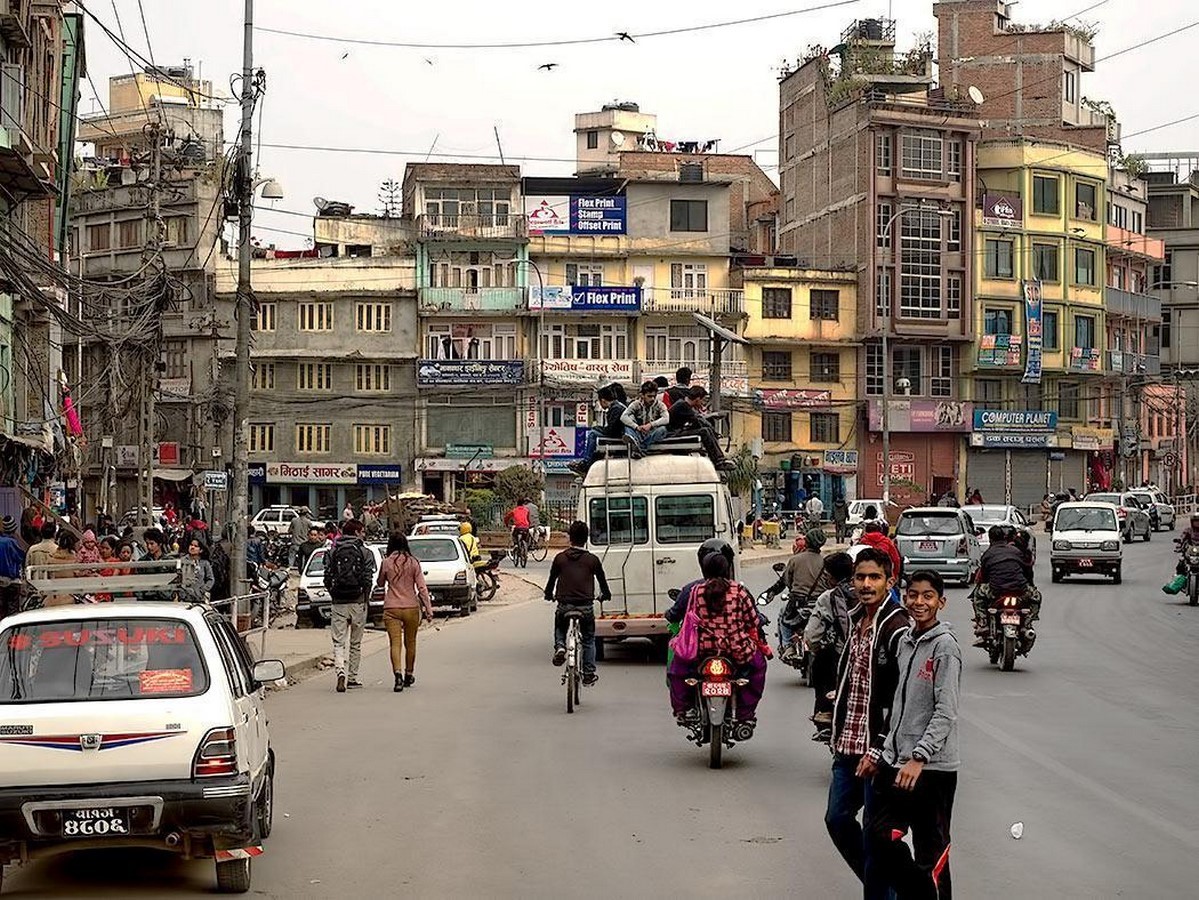
Being an architecture student, she notices these small things that affect the frame of mind. As she heads for her college, the streetscape blows her head. The pollution in the cities of Kathmandu Valley is at its peak. The smoke and the noise of the horns from the vehicles on the street just keep getting irritating. The small and congested footpath hits the shoulders of the passer-by making pedestrians like her feel chaos. The tall and congested buildings near the streets leaving no setbacks make them feel like there is no airflow going on and if an earthquake comes any time they have no chance of escaping the building crushing over their body.
Beauty and aroma of the urban jungle
However, these streets have something that breaks in the clouds. Building facades, falchas and some temples that come across the street with traditional Newari architecture characterised by hand-moulded bricks, intricate wood carvings, and layered mud plaster embodies the tactility associated with vernacular design. Textures tell stories about a building, inviting physical interaction and emotional engagement. The materials speak of resilience, spirituality, and tradition, inviting the act of touching as a means of connecting to its history and craftsmanship (Niels Gutschow and Bijay Basukala, 2011).
In addition to these, the lines of the green trees along the street freshen up the air to some extent. The scent of the freshly baked loaves of bread, air kissed by the freshly brewed coffee and warm and malty chia, and the aroma of the deeply fried hot and crispy samosas give a promise of warmth and comfort. It’s the gentle warmth that spreads through the nose, a moment of pure joy and unadulterated pleasure.

A breath of fresh air
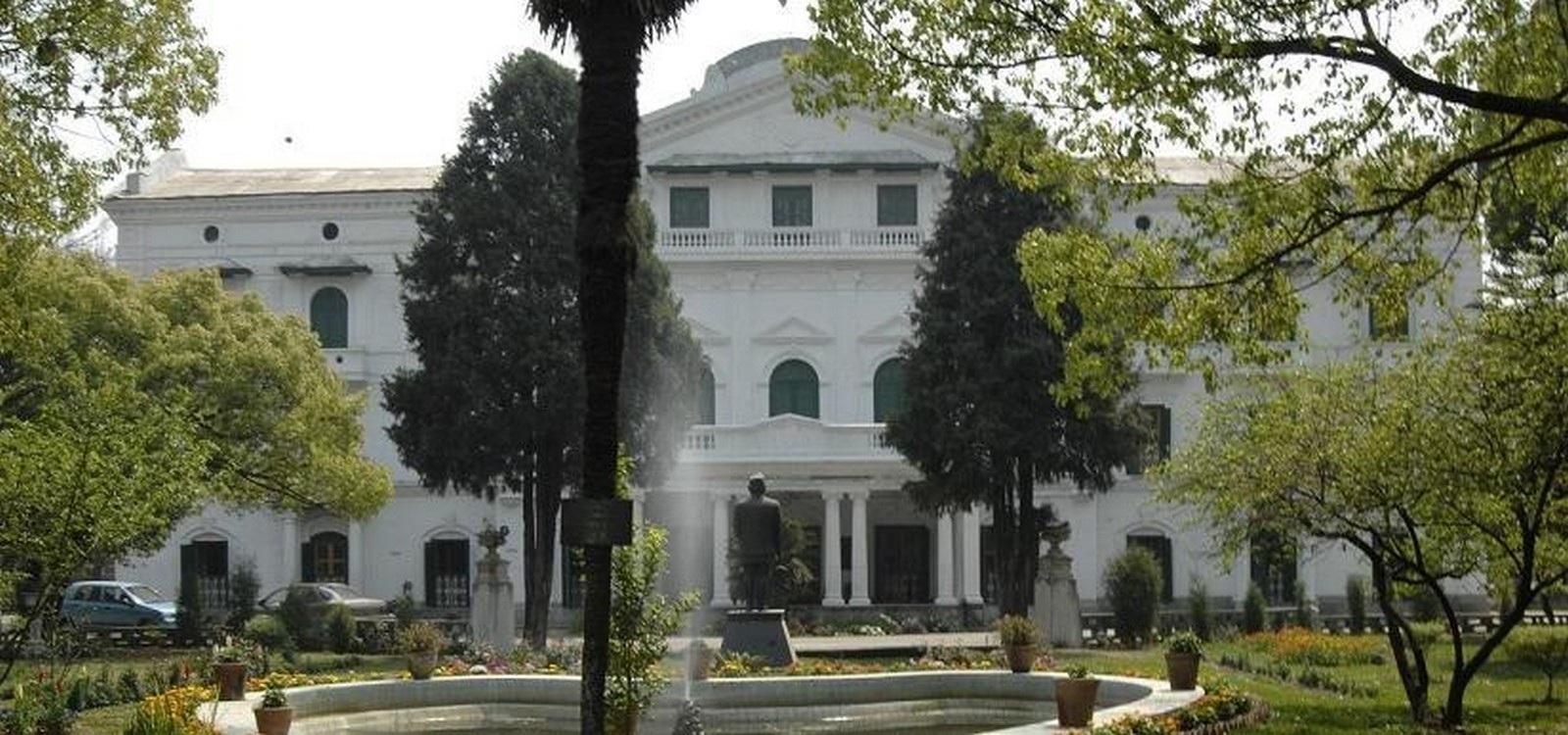
As she enters the campus gate and the moment she opens her mask, the lush green trees, flowers blooming in the garden and a small pond with a water fountain in between the garden, bring a pause in the chaos of daily life, a moment of peace and tranquillity. The chirping of the birds and the cool breeze that carries the fragrance of the flowers make the place a versatile heaven that can be enjoyed in a myriad of ways.
History woven into the form
The white building present in the center axis of the garden in Neoclassical (Post-Victorian) style, which is the office of the dean (known for Ananda Niketan palace in the past), weaves the tapestry of the architectural history of the ruling dynasty of Nepal, Rana dynasty. The building is the historic Rana-era palace built by Prime Minister Bir Sumsher for Aanand Sumsher (Edusanjal, 2024). The white stucco building maintaining the axial configuration and scale dominating the human proportions standing at the center adds much to its grandeur and monumentality. The visually dominating building projects Rana’s autocratic hold on power flaunting their superiority.
Light, Texture and Flow
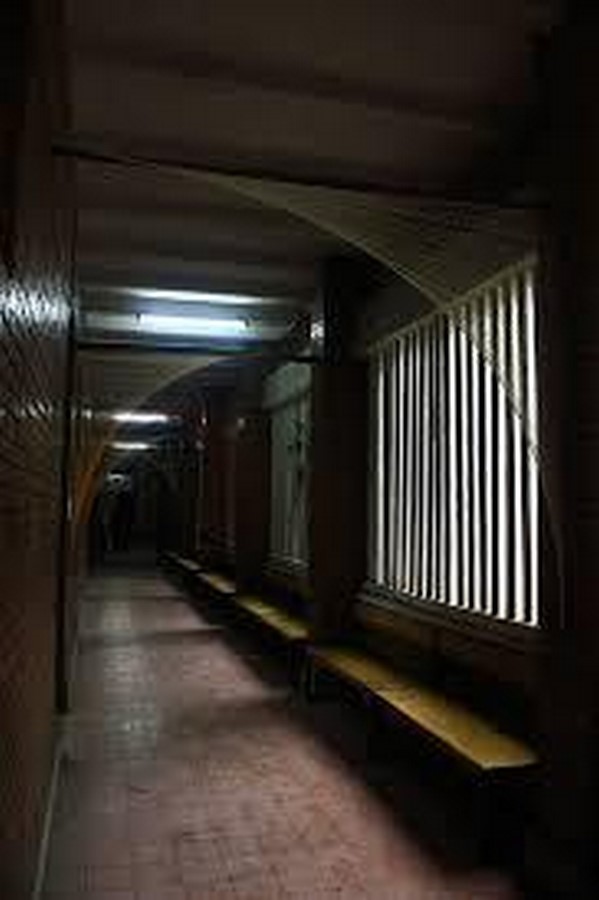
While she passes by the corridors of her department building the vertical louvers present in the walls of corridors show the mesmerizing dance of light and shadows throughout the day that gives a visual delight. It also keeps the building cool through enhanced ventilation improving the indoor air quality. Exposed brick walls of the building add character, coziness and warmth to the spaces reducing the stress because of their rustic charm and the unique texture they add to the space.
Social and architecture
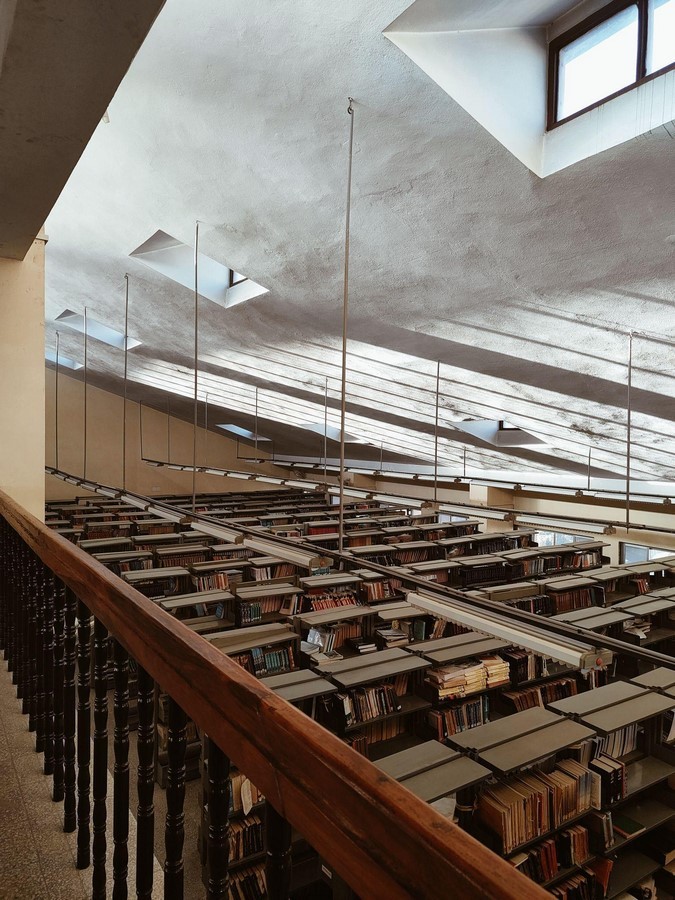
During leisure time, she jumps to the open ground present in front of the building. It is the go-to place for every student during break time. It serves as a gathering place for social interaction and provides opportunities for various recreational activities. Access to this green land surrounded by tall trees can improve the physical and mental well-being of the students while keeping up with the workloads. Another place to visit is the library which offers quiet and calm spaces and diverse resources that motivate social connection and learning where they can escape the pressure of daily life and find solace in reading. The musty smell from the books of the library evokes a feeling of calm and focus. Exposure to the daylight from the large windows and skylight provides visual comfort to the readers and also improves productivity enhancing their mood. Natural light suppresses melanin and hence people feel happier and more energetic (Ibraheem, 2023).
Sacred stillness
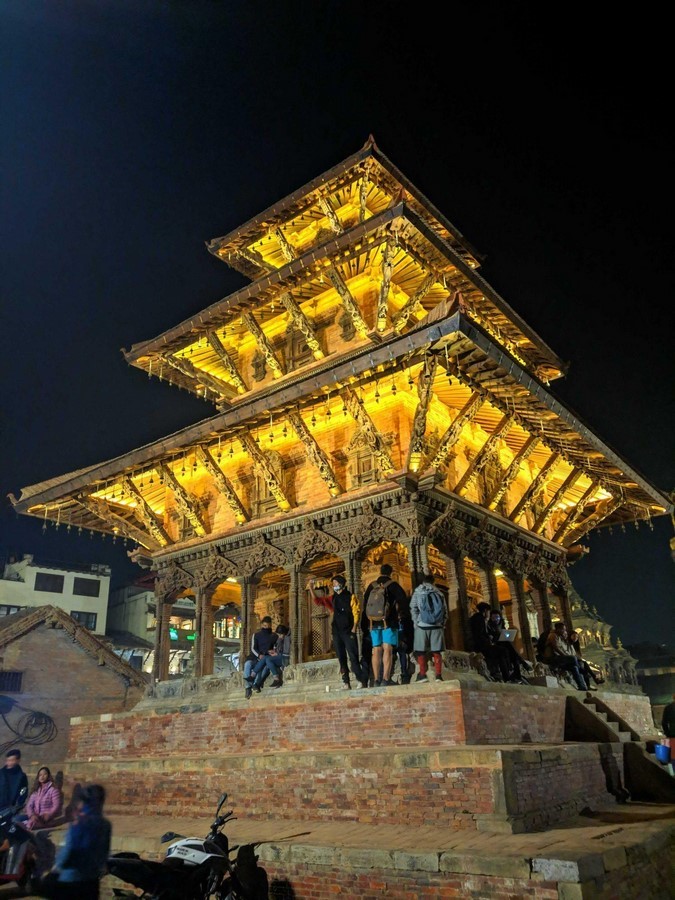
In the evening, she goes to Patan Durbar Square to pause the race she was in all day. With the cup of tea, she also sips in the rich cultural and historical experience of that place through its stunning architecture, intricate carvings and vibrant atmosphere. Just before the sun sets, the sun’s beams pass through the intricately carved wooden windows that show the dynamic patterns of light and shadow. After the sun sets, the yellow light in the temples creates a warm environment reducing eye strain and providing comfort and relaxation. Seeing people busy with the puja and prayers and hearing the sounds of the ringing bells in the temples disengage from worldly thoughts and focus their minds on the divine bringing hope for dispelling the negative energies and welcoming well-being.
In a nutshell, architecture is present intimately in every rhythm of daily life. It is reflected in every built space and influences human behaviour, mood and emotion. It engages all five senses (sight, smell, touch, hear and taste) to create immersive and meaningful experiences that exceed function and aesthetics.
References:
- Niels Gutschow and Bijay Basukala (2011). Architecture of the Newars : a history of building typologies and details in Nepal. Chicago: Serindia Publications.
- Edusanjal (2024). Challenges and Triumphs of Anand Niketan Durbar Reconstruction in Lalitpur. [online] Edusanjal. Available at: https://edusanjal.com/news/challenges-and-triumphs-of-anand-niketan-darbar-reconstruction-in-lalitpur/ [Accessed 10 Apr. 2025].
- INJ (2023). 10 advantages of natural light in buildings | INJ Architects. [online] INJ Architects. Available at: https://injarch.com/10-advantages-of-natural-light-in-buildings/.