The discipline of architecture has influenced me as an individual to be sensitive, receptive and critical of the built environment and of the role and responsibility of the professional in determining its course and influencing the lives of those who inhabit it.
I spent my formative years in the field of architecture in Ahmedabad, India where my design skills and research abilities were honed through exposure to a variety of architectural projects and cultural contexts. My graduating thesis was based on the transformations of historic urban environments situated in the city of Calcutta in the former European quarter of the first colonial capital of British India. The research identified historic public buildings that enveloped courtyards and urban water bodies analyzing their role as contemporary urban public and collective spaces. The study included the on-site documentation of historic landmarks and urban water bodies, a practice that we were familiar with having documented several Indian villages for five years, mentored by professors who insisted on rigour and accuracy in recording, and evocative drawing techniques for their representation.
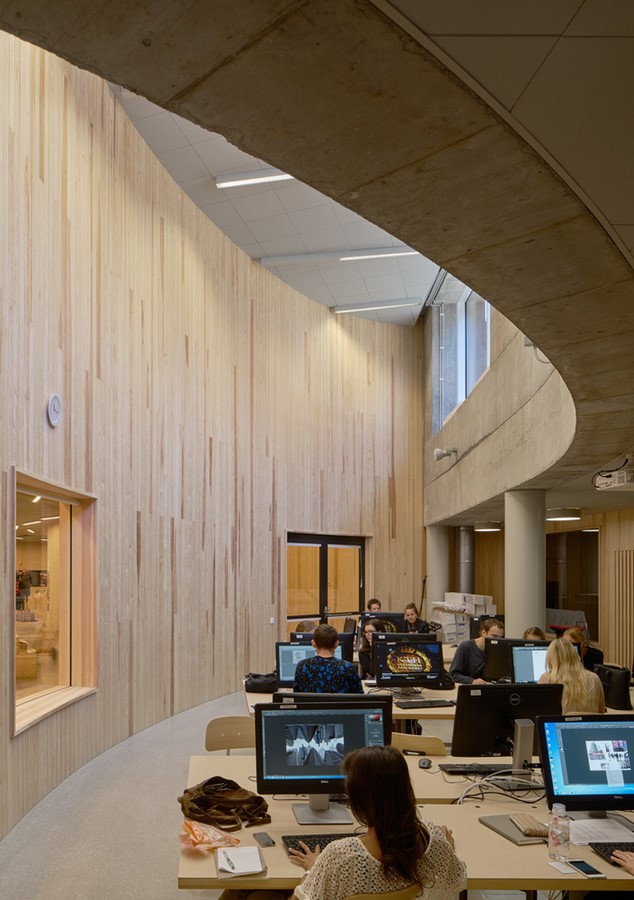
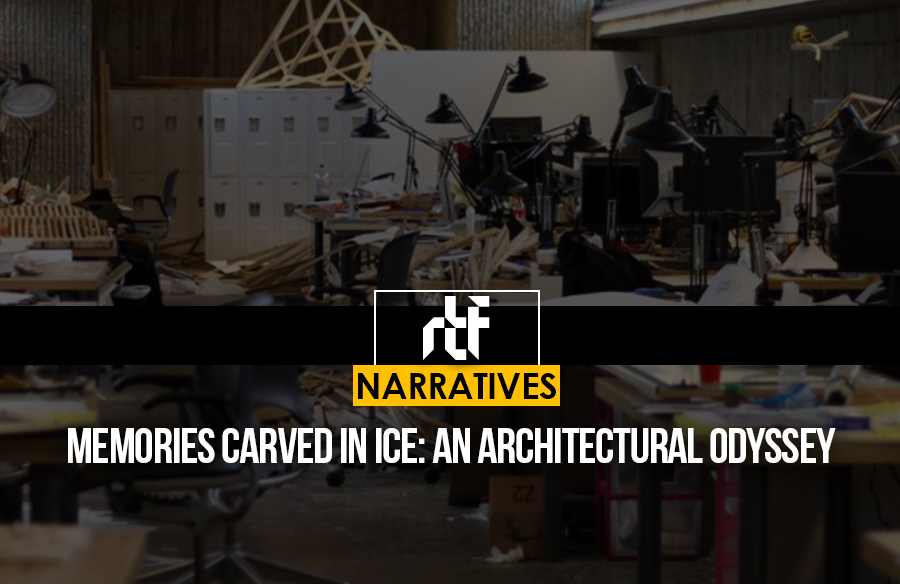
This interest in historic and vernacular architecture was instilled in our very first year of studies in Architectural school. Unpacking these years, of wide-eyed wonder, confusion and passion bring back memories from a time when computer-aided drawing was not considered a mandatory or even a significant medium of expression and representation. As a result, our design philosophy, material knowledge and method of exploration and conceptual understanding differ greatly from students currently enrolled in undergraduate programs across the country. We dabbled in a variety of media ranging from graphite, Rotring, clay, board, wood, and Plaster of Paris. We spent hours sprawled over A1 sheets hand-draughted and inked to perfection all the while feeling like manual labourers which in a twisted way, brought us closer to the professionals working on site. We were introduced to several other avenues of design thinking that sadly remain unexplored by students today, along with a part of our own skill sets that lay dormant.
To recall one incident that occurred during our first year in a vernacular architecture class, I must turn back time to almost 15 years ago. We were to choose an architectural style from any region across the globe and recreate its basic form in a miniature model using the same materials that were used in its original scale. Incidentally, I reached class late on that particular day and was left with the one topic no-one else wanted. I had to make a miniature igloo. In ice.
At first, I was shocked and devastated as I had previously scored well in that subject and was depending on it to improve my cumulative GPA. There was no way I could make an igloo with ice blocks when I had no prior building knowledge or experience in a class full of architects and engineer kids who wanted nothing to do with it. Nevertheless, I was not going to back down from the challenge.
After weeks of research, coffee breaks and late-night conversations with sought after senior students, someone recommended an ice storage facility, that I could approach as an architectural student, who might be willing to give me access for a week to create a make-shift studio. Overjoyed with this discovery, I visited the facility the following day to make introductions and present my proposal. After much deliberation, they agreed but warned me that I had to take necessary precautionary measures like wearing multiple layers of clothing beneath a protective suit, a face mask and gloves if I wanted to work in this unconventional environment. I spent a week making ice bricks, sizing and cutting them to proportion and creating a foundation for the model. When the pieces were ready, I placed them in a circular spiral moving northwards to the apex. The manager was quite impressed with my efforts and helped me in polishing the ice and taking photographs of the entire process.
Next, I had to face the impossible challenge of transporting my model to class, in a hot, dry and dusty city, where no public transport vehicle would permit a non-native speaking stranger with a strange contraption in tow that would potentially melt over patchy and worn, but precious seats. I was therefore advised to cover my model in salt for insulation which had the added benefit of creating a texture likening it to snow. With a friend’s assistance, I biked the ride to class with my model igloo proudly on display at every red light. I reached the studio, igloo intact, covered in a bucket of salt.
As luck would have it, my professor was away on business on the very day my presentation was scheduled. After the enormous effort that was put in coupled with ingenuity to avoid potential obstacles and a consistent lack of confidence in my ability to complete the assignment, I was a little disappointed by this revelation, when at last I had made it through. I was indignant, and much to the class’ amusement, I insisted on videotaping the presentation for my professor especially because the model would not last until the next class.
The incident bears an uncanny resemblance to the current times of videotaping presentations, spending hours in unconventional work environments wearing masks and protective gear.
I topped the class, albeit with another’s equally strange model, but that’s another story.