Is Architecture going to be more sustainable or will it be a repetition of buildings? As populations rise, the design holds the key to the long run of living on our planet. Architects are progressing to have a stronger place within the design of the long run. They’re going to be key to the sea-change in attitudes on planning where at the present it’s a negative process: ‘how developers or house owners are reigned in on proposals’.
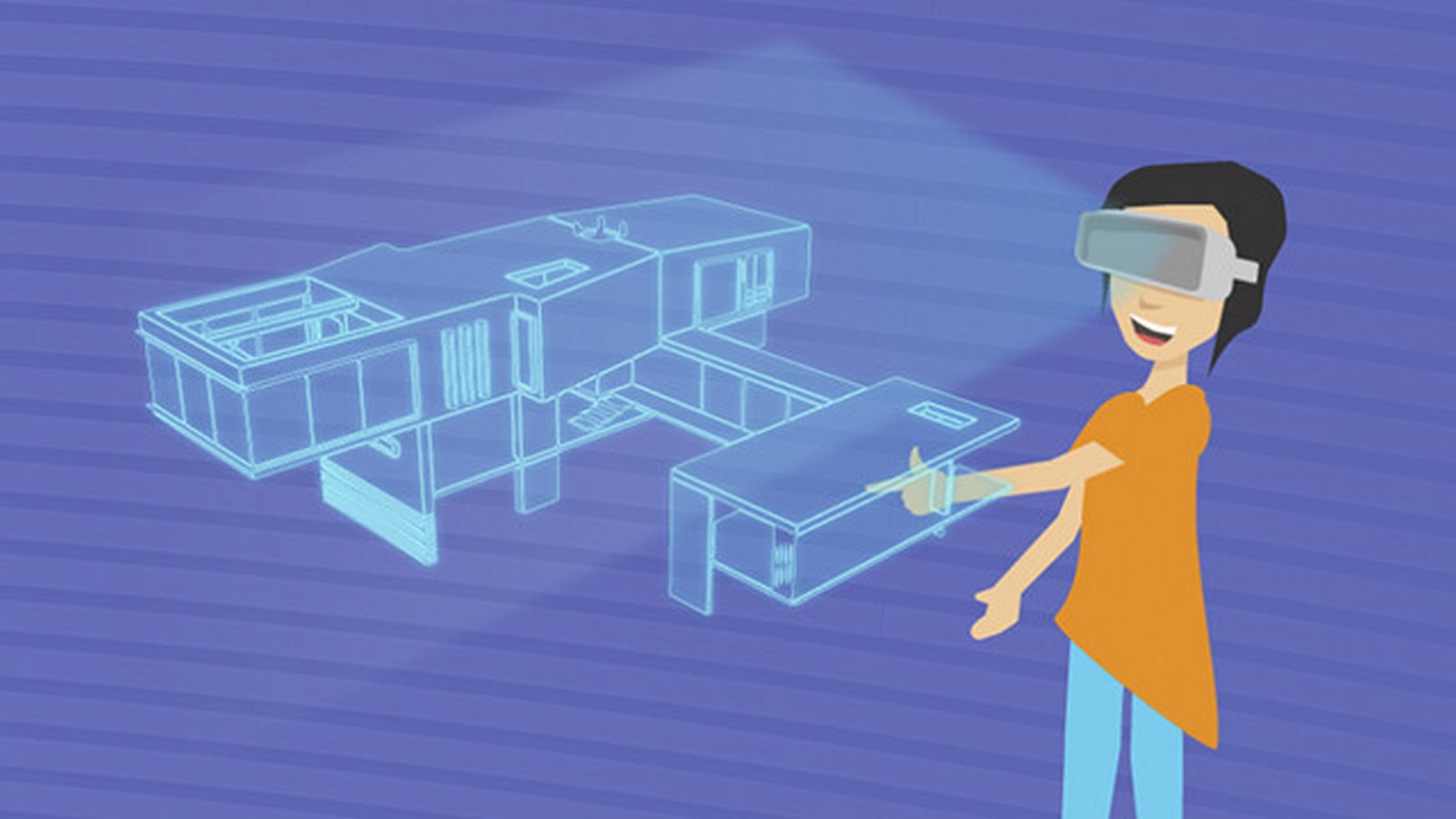
In the future, designing can become an encouraging and positive method. However, a property or land is best-made by house owners who are going to be inspired to assume holistically instead of ‘what am I able to get beneath the design rules’. Architecture is the answer to poorness, overcrowding, and land depletion. New technology within the field of design can guarantee humans will, if truth be told, still continue to exist on earth.
Architecture within the future can have to be compelled to be innovative within the materials used, and future building structures. It is not enough to make a concrete or brick house and decide on a day! Planning should move into the materials used for building. Sustainability, carbon footprint, price, and innovations are currently concerns all architects have to be compelled to absorb once preferring their building materials. What we tend to see in design these days will inform what architects are going to be doing within the close to future.
“Architecture should speak of its time and place, but yearn for timelessness.”
– Frank Gehry

Technology And Architecture
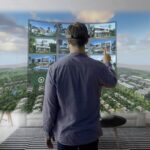
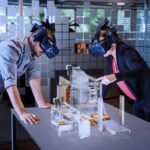
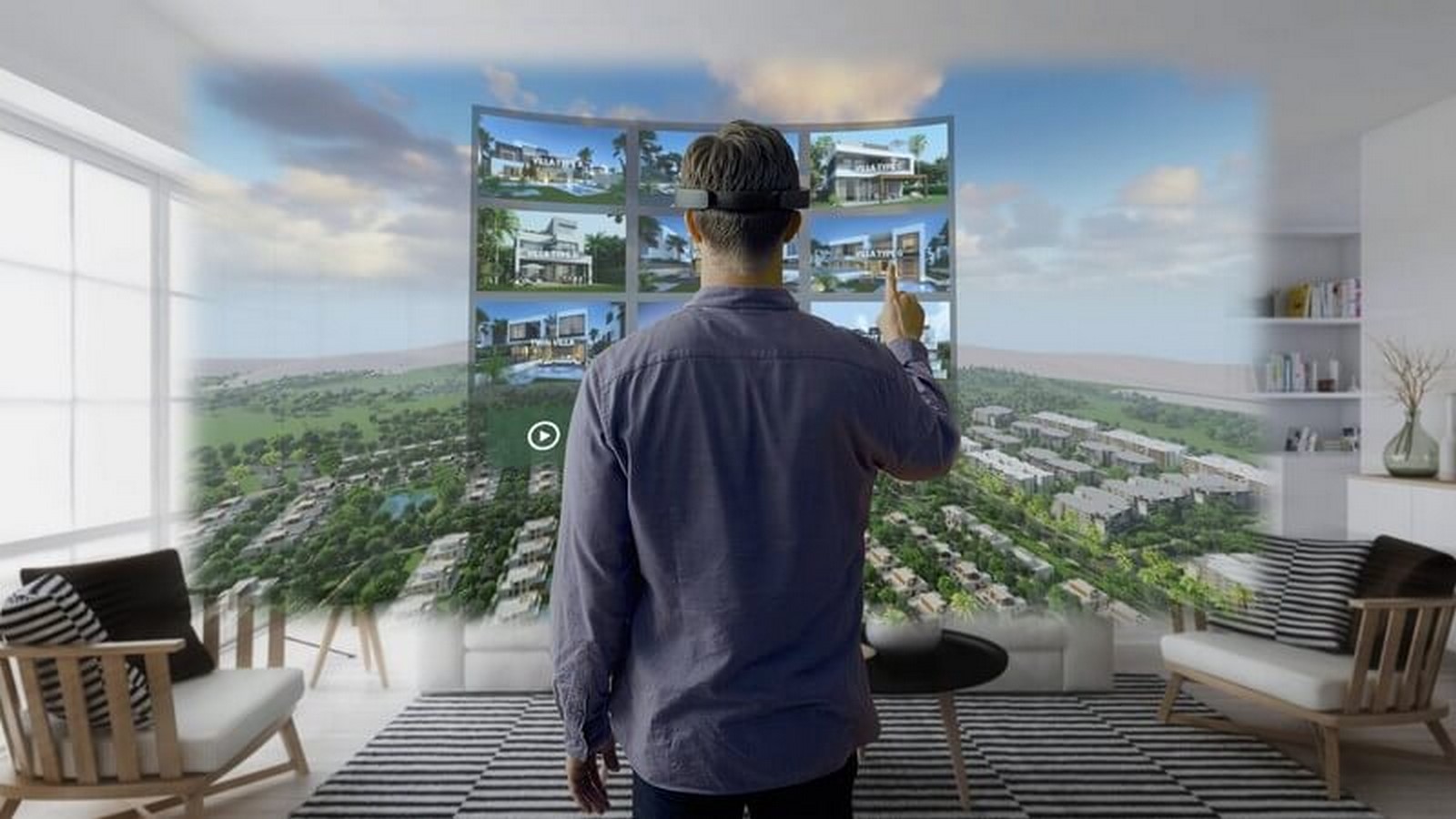
When observing how architecture is about to remodel over the future decades, we can’t rest on our laurels once it involves the increasing role technology has got to play. Technology has already become a necessity to the appliance of data across all industries, and architecture is not any exception. Virtual reality (VR) is the next massive factor in design evidently. within the next ten years, providing VR as a part of the planning is going to be standard practice throughout the industry, even for smaller firms.
The virtual environment makes it simple to specify totally different materials to envision specifically how a precise style selection can modify the design and feel of an area, in addition to simulating the consequences of various lighting and weather. The VR approach to the planning method places emphasis on the enjoyment and usefulness of an area, instead of a strictly aesthetic approach. It additionally permits purchasers to feel additional concern and provides them one thing visual to urge excited regarding before construction has begun.
Future Architecture Evolution
BIM Modelling, Parametric architecture, robots, and 3d printers, Vertical cities, etc are paving the way for a future architecture in which traditional spatial concepts are longer valid.
BIM will most likely be the mainstream tool to style design within the coming years. Parametric Architecture could be a generative style system. Adjusting the parameters can figure to form different types of outputs.
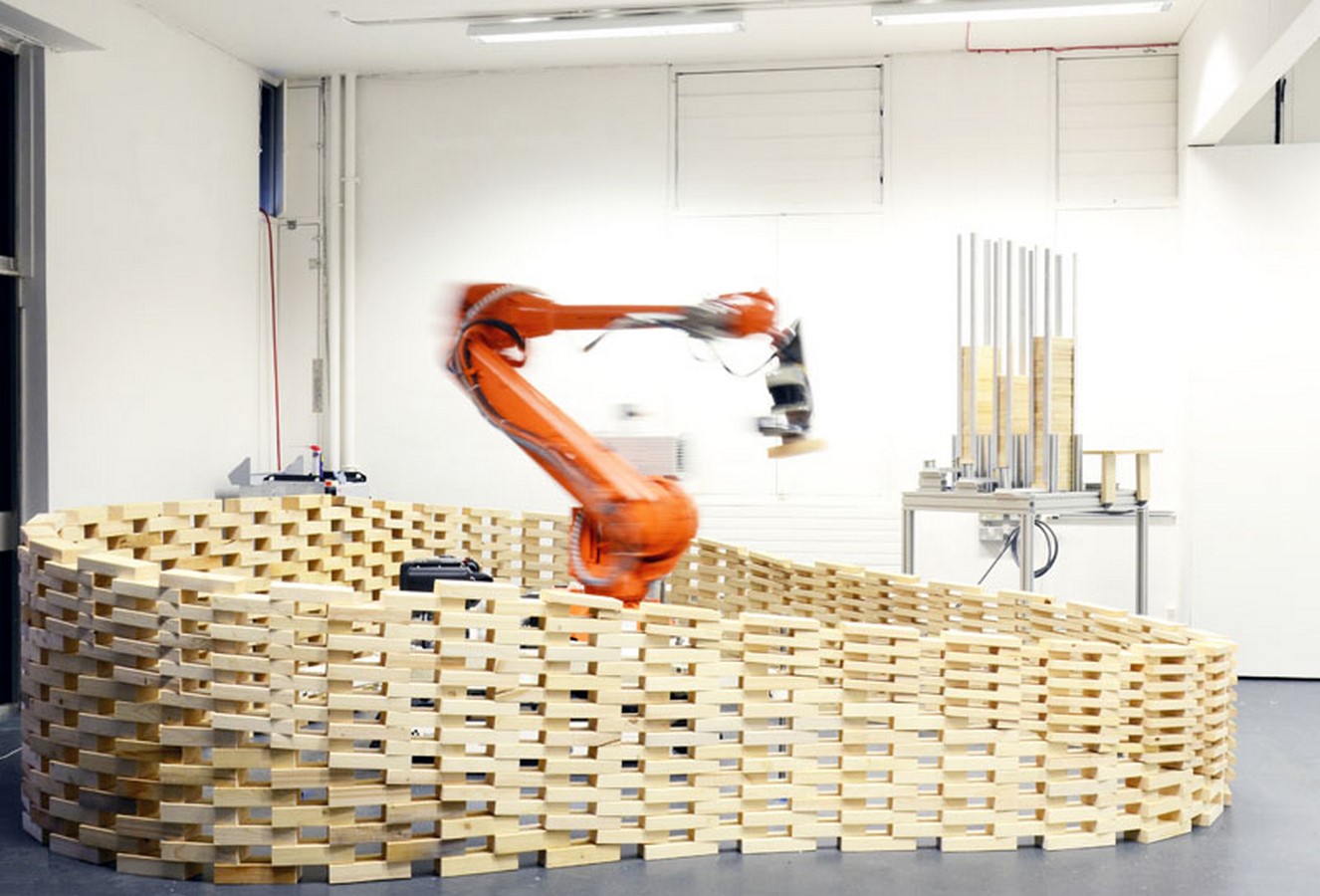
Also, it’ll produce forms and structures that might not have otherwise been attainable. Robotics is coming to the construction industry. It won’t be long before we are planning a construction method that involves assembly robots. assisted artificial intelligence, within which a person’s and mechanism work along to direct the construction process, is additionally on the horizon. Now the employment of large-scale 3D printers can help push the materiality of these structures.
3D-printed construction can greatly expand the boundaries of construction technologies. To be sustainable, cities will have to be compelled to become additional space-savvy. they have to create space for not solely additional commercial and residential areas but infrastructure and public services. These are ready to address an enhanced population, like roads, schools, and hospitals.
It is clear that the architectural world and therefore those who style and create it are dynamically staggering. Technology is advancing our generation quicker than the other and with it, we should adapt and evolve.
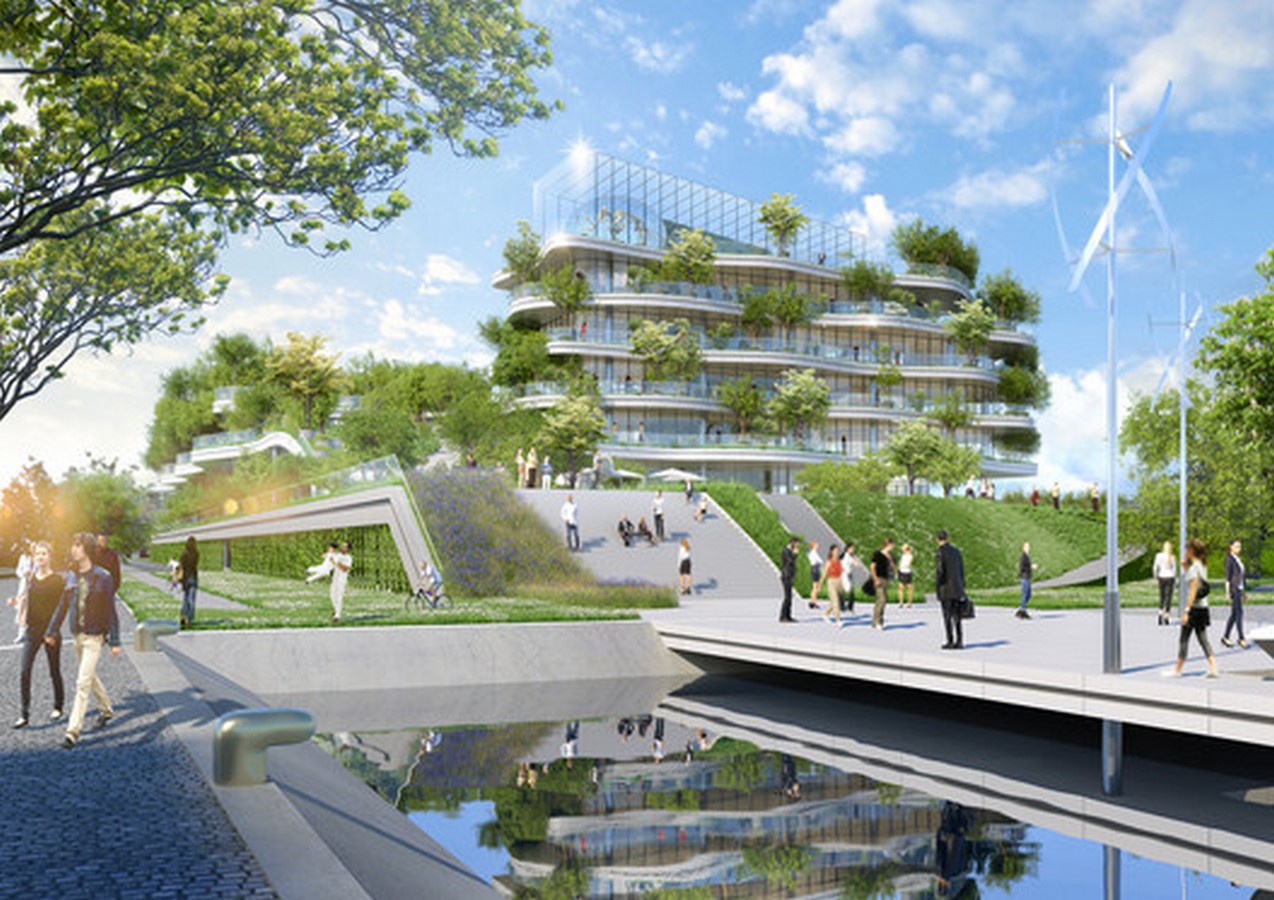
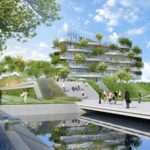
The building of the long run can reach the sky, the need to use property materials, and therefore the areas can get tighter. Population rise and therefore the importance of environmental impact can dictate the parameters architects have to be compelled to work in. All of the trends are at the forefront of the many massive thinkers and fine arts pioneers’ minds.
If you hope to unlock the key to an environmentally friendly future that lasts for generations to return, think about contemplating learning additional about the rising trends. The next decade is going to visualize a wealth of chance to modernize our cities and industry. This modernization should be sustainable and innovative, rising to the challenges exhibited by global climate change and also the integration of technology to form something fitting.
Visionaries are already Victimising the most recent techniques and imagining the long run nowadays. Solely, time can tell what trends can stick and what is going to fall away, however one issue is bound, we’ve got to build smarter.
References:
- https://www.archdaily.com/tag/virtual-reality-for-architects
- https://archicgi.com/architecture/vr-in-architecture-and-construction/
- https://www.kezu.com.au/blog/2019/11/22/virtual-reality-uses-in-architecture-and-design-vr-is-going-to-be-more-powerful-than-cocaine/
- https://spectrum.ieee.org/automaton/robotics/industrial-robots/robots-in-architecture
- https://www.allcadblocks.com/semaphore-an-ecological-utopia-proposed-by-vincent-callebaut/