Storytelling; we often hear this word while discussing the past and how it has blended with the present, but what exactly is it? So the story is just a narration of a sequence of events involving individuals and, generally, some underlying messages or themes. The phrase is widely used to analyse novels and plays, but it also has a major presence in the field of design. Each story is subject to time; through re-telling, re-remembering, re-visiting, and re-starting, the story changes in composition and meaning.
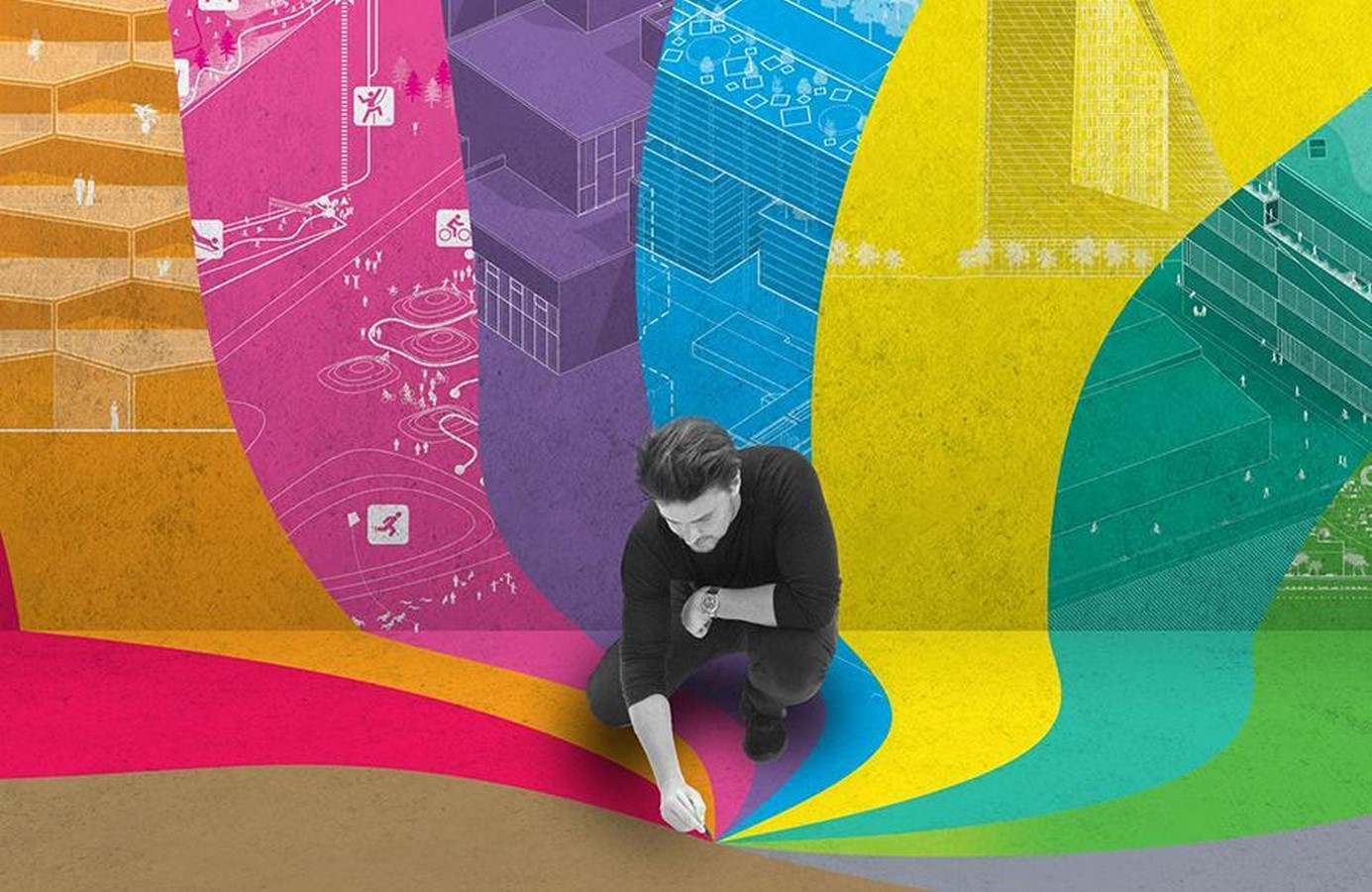
Stories, whether in the form of a movie, a book, a song’s lyrics, or even a work of visual art, are the essence of imagination because they present a different reality to us. But what if we talk about architectural stories? Can a structure convey a narrative, and if so, how?
Architectural Design as Storytelling
“When a place is lifeless or unreal, there is almost always a mastermind behind it. It is so filled with the will of its maker that there is no room for its own nature.” – Christopher Alexander
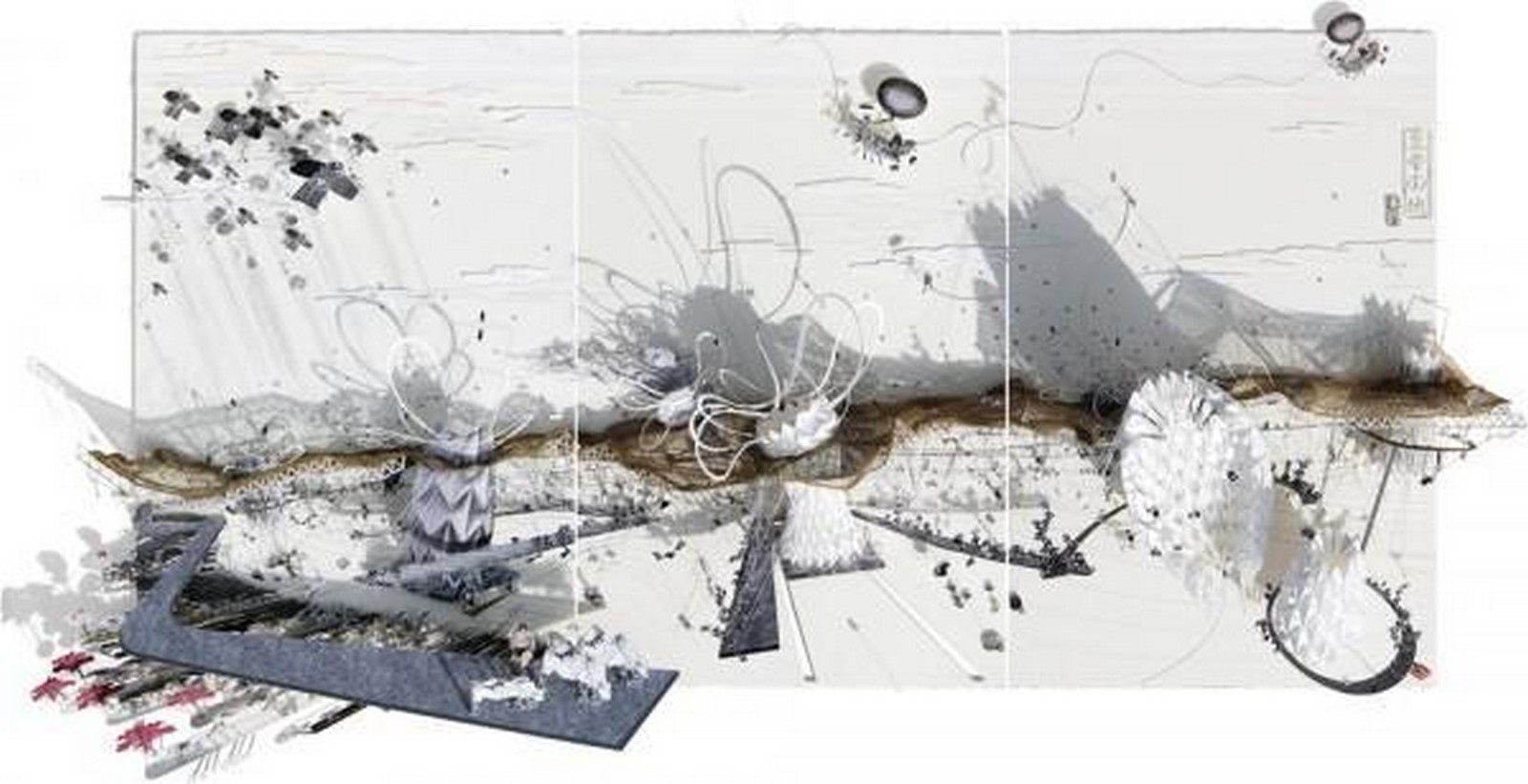
Architecture has always been considered a carrier of messages. Since the conscious formation of space began and the earliest attempts to understand the world around us, stories and architecture have been intertwined. The stories concealed in the act of giving shape to the environment around us are what Eisenmann puts into focus, maybe for the first time on this scale.
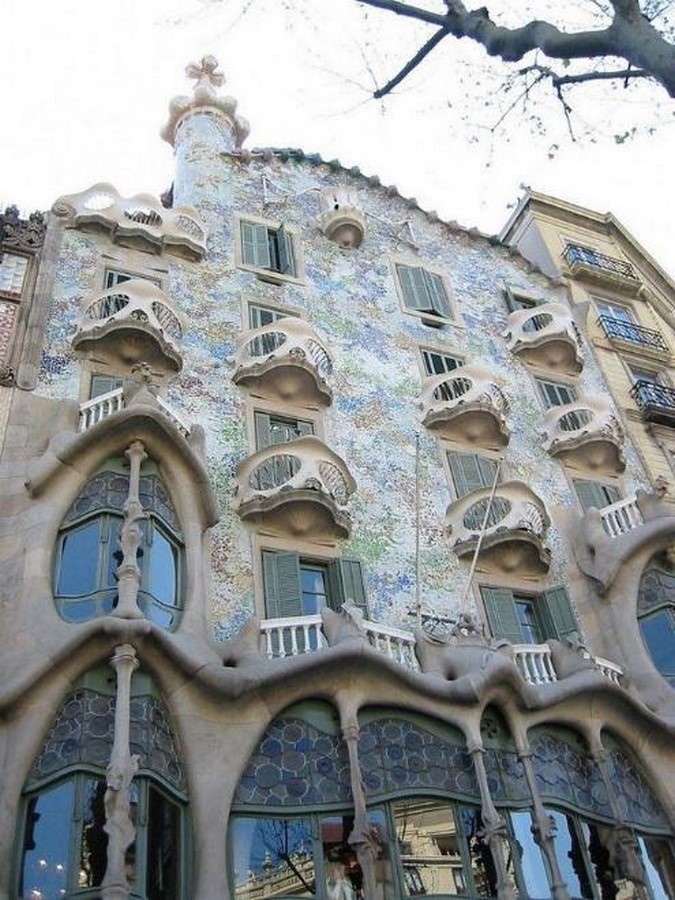
One way to create connections between one’s prior experiences and those of others is via storytelling. Architecture is typically motivated by a pre-existing story, and the building itself should express that story while perhaps developing a new one. This occurs when visitors to the space become a part of it and learn the story as they go around the building. Throughout history, architects have tried to convey their ideas via building imagery. As a result, there have been many different architectural styles across time. Whether displaying the power of their clients with the strength of a façade like the Palazzo Farnese for the Medici, or the extraordinary other-worldliness inspiring Gothic cathedrals with their flying buttresses and soaring groin vaults, or the solidity of a corporation like Mies’ Seagrams Building, each communicates a message greater than the function contained within.
How an Architect Tells A Story?
A method that is ingrained in an architect’s creative process, storytelling comes naturally to them. Because they typically create a narrative to aid them through the design process, architects frequently become excellent storytellers. Similar to “Method Acting,” which mixes an actor’s interpretation of the psychological motivations and personality qualities of their character with their own individual experiences and recollections in an effort to produce a more lifelike portrayal.
Research by Gensler found that architecture and literature share four key storytelling elements, namely:
- Characters
- Image
- Backstory
- Theme
Characters: The characters in a building are the people who are associated with it, whether they are customers, users, or visitors.
Image: the image is the building’s outward appearance and the impression it conveys.
Backstory: the backstory is the place’s historical context.
Theme: the theme is the overarching idea or moral that the architect is trying to convey.

The art of storytelling is a steady progression that keeps the audience on the edge of their seats for each major narrative turn the storyline generates. When discussing architecture, this refers to the impressions a user has when exploring the places created, which accurately reflects the designers’ intentions. Instead of seeing the structure and its narrative as an interconnected and complex whole, architects sometimes try to convey a complicated story through only one aspect of a building.
How Story Is Actually Created?
Architects create stories primarily in three ways:
- The first is through specific uses of shapes, materials, scale, light, heat, and sound, particularly in ways that improve functionality by connecting form to form.
- The second method employed by architects to generate stories is by paying attention to the location and physical characteristics of the building’s site and utilizing them rather than fighting against them.
- Utilizing historical references to ensure continuity of architectural form and meaning is the third and last method narrative is formed.
Space-Inspired Architectural Stories
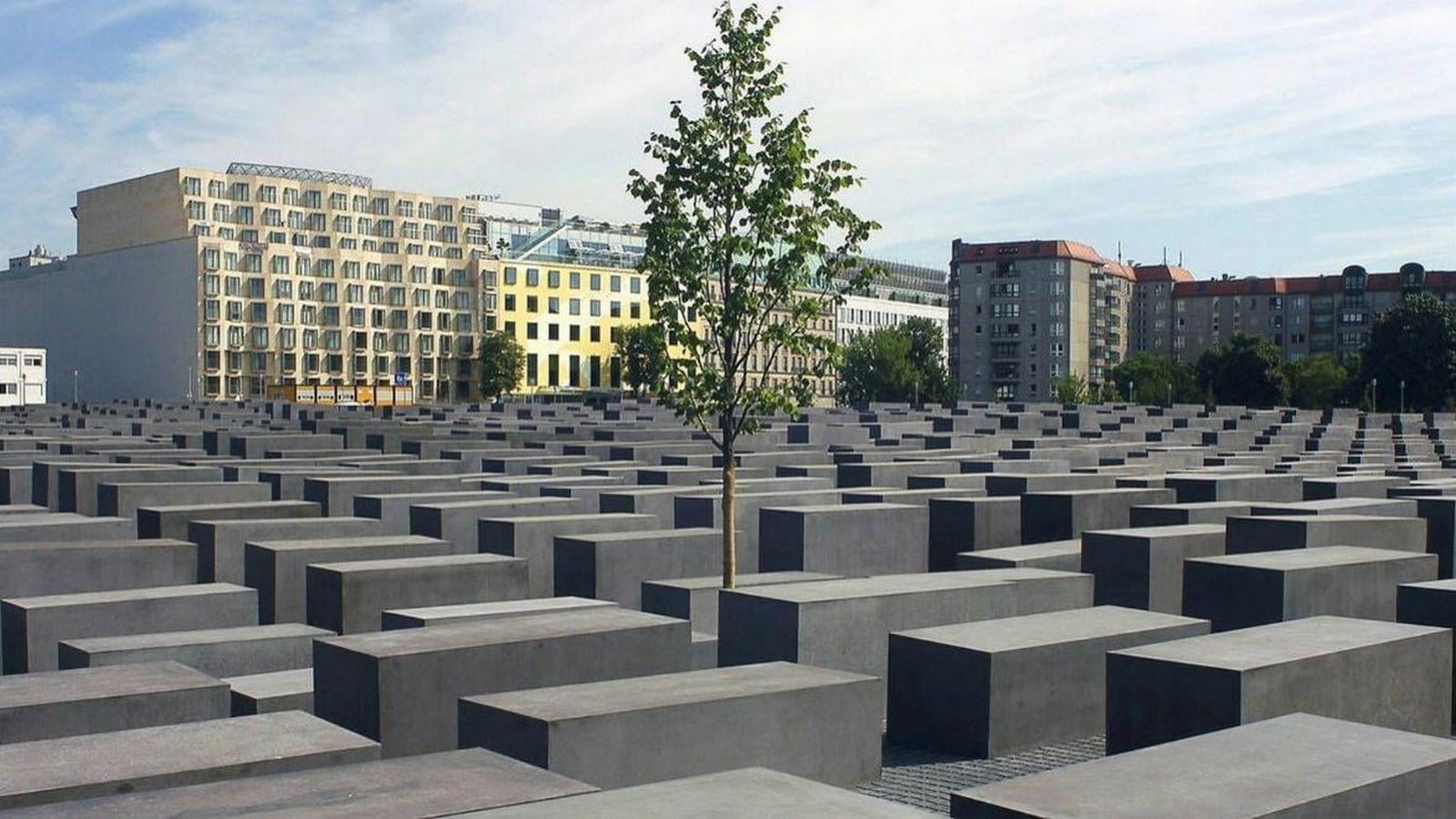
Architecture has the power to communicate stories through its use of space. It explains how the experience process of traveling through constructed environments and deciphering messages that are embodied in architecture may have an impact on the perceiver on a spiritual and emotional level in addition to the design’s intended physical characteristics.
-
The Bilbao Effect: In order to capitalize on what is known as the “Bilbao Effect,” spaces also seek for “signature buildings” that add to the space’s narrative and aid in developing a distinctive character for the area. The Spanish city of Bilbao is referred to as the “Bilbao Effect.”
Event-Inspired Architectural Stories
Stories frequently serve as inspiration for architectural design, as evident in occasion-based structures like the recently renovated “Mehr” Theater in Hamburg, Germany. In late 2021, the eagerly awaited German debut of “Harry Potter and the Cursed Child” will take place at the theater, which was constructed for the occasion. A circular 1,660 square meter semi-permanent Theater Pavilion was built especially for the event, and it had to embody the Harry Potter mystique to serve as a showcase for the play. The building was intended to be a timber structure wrapped in an oblique aluminum façade that makes it look like a silver flying disc.
Scenography and Sensory as Storytelling Elements
The scenography project is one of the aspects of architecture and film that share the closest similarities. Like an architect, a set designer begins with an idea to construct settings that have a function. The architect creates living environments, and the set designer creates narrative settings. Due to the similarities between the occupations, scenography is a popular medium for architects to employ.
The concept of “Reflections” served as the basis for the design of the Swiss Pavilion, which was built both physically and conceptually. The pavilion is seen from the outside as a cube-shaped building with a sizable mirror façade with reversed writing and a Swiss cross reflection incorporated into the modular building‘s top. The building’s entry then resembles a crystal cave, from which point a hazy slope leads tourists on a journey with Alpine influences that ends at a top with sweeping views of the Swiss Alps.
Citation:
- Planetizen – Urban Planning News, Jobs, and Education. (2019). Storytelling in Architecture. [online] Available at: https://www.planetizen.com/node/46878.
- Anon, (n.d.). Architecture Narratives – The Storytelling of Design – archisoup | Architecture Guides & Resources. [online] Available at: https://www.archisoup.com/studio-guide/architecture-narratives.
- Expomobilia MCH Live Marketing Solutions AG. (2021). THE POWER OF ARCHITECTURAL STORYTELLING» Expomobilia MCH Live Marketing Solutions AG. [online] Available at: https://www.expomobilia.com/en/knowledgehub/2021/the-power-of-architectural-storytelling/#:~:text=Architecture%20is%20usually%20driven%20by [Accessed 1 Oct. 2022].