The long-awaited and frightening finale in the life of an Architecture Student arrived—the Jury. An Urban Design Studio with a culmination of endless working hours, sleepless nights, and looming deadlines for documenting a famous neighbourhood in the city was approaching its end. A team of well-dressed zombies with eye bags the size of luggage stood like robots on the brink of a battery breakdown. The group started the presentation, explaining turn-wise in detail about the studio brief and the neighbourhood documented. The juror comforted himself on the throne of criticism, adjusting to the environment. Just when the group thought that the jury was accelerating smoothly and began explaining about the significant local activities taking place, the juror suddenly hit the brakes with a seemingly simple yet profoundly complex question: “Why?” that kept repeating like a broken tape recorder echoing around the room for the next fifteen minutes.
The juror’s relentless pursuit of “Why?” acted like a thunderbolt, jolting the team’s foggy minds into sharp focus. Despite numerous attempts to answer from various perspectives, the juror remained unconvinced. It appeared as if a determined soldier on a battlefield was shooting with a powerful intellectual weapon of “Why?”. The team members were standing, staring at each other confused, exchanging the weirdest facial expressions possible. After a long loop of relentless “Why?”. The question was rephrased into a simple scenario asking the students to “Imagine the locals in the neighbourhood but without the buildings?” The students stood blank picturing the scenarios in their minds. Daily work and busy routines left everyone blinded about the importance of the architecture profession, surviving without which appears to be unimaginable. The juror eventually pointed out that architecture shapes not only spaces but the very essence of human existence.
Well, to understand this more precisely, we need to roll back into the past and picture a life with human existence but without Architecture. To decode this complex question, we must comprehend the architecture to which time or era it is being addressed. It can be classified into three distinct categories or phases.
The Architecture of Present and Future (Late 19th to 21st Centuries)
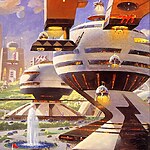
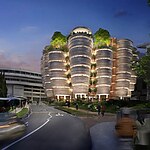
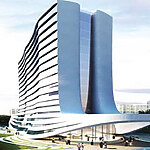
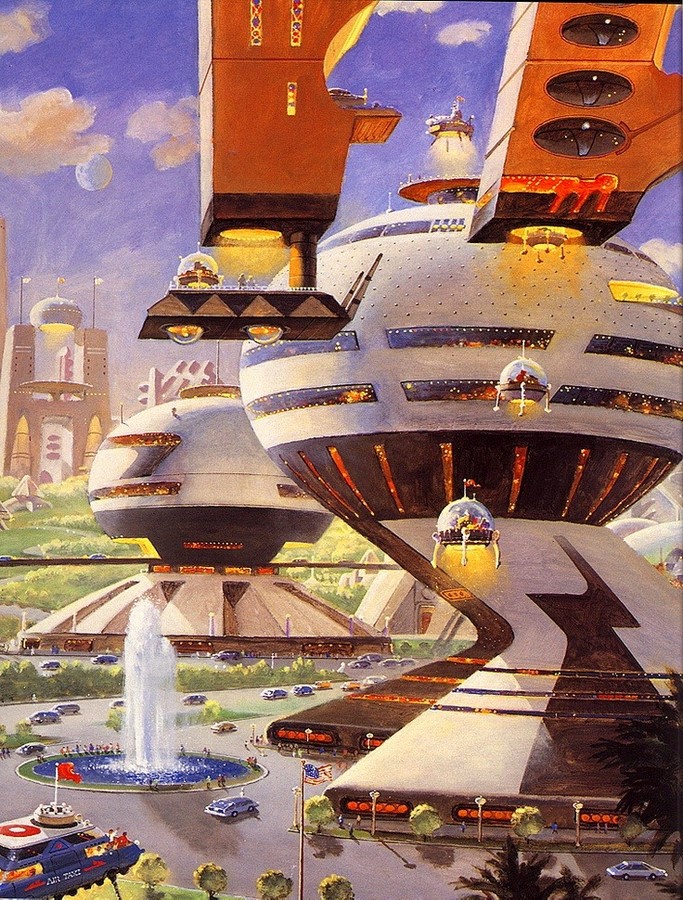
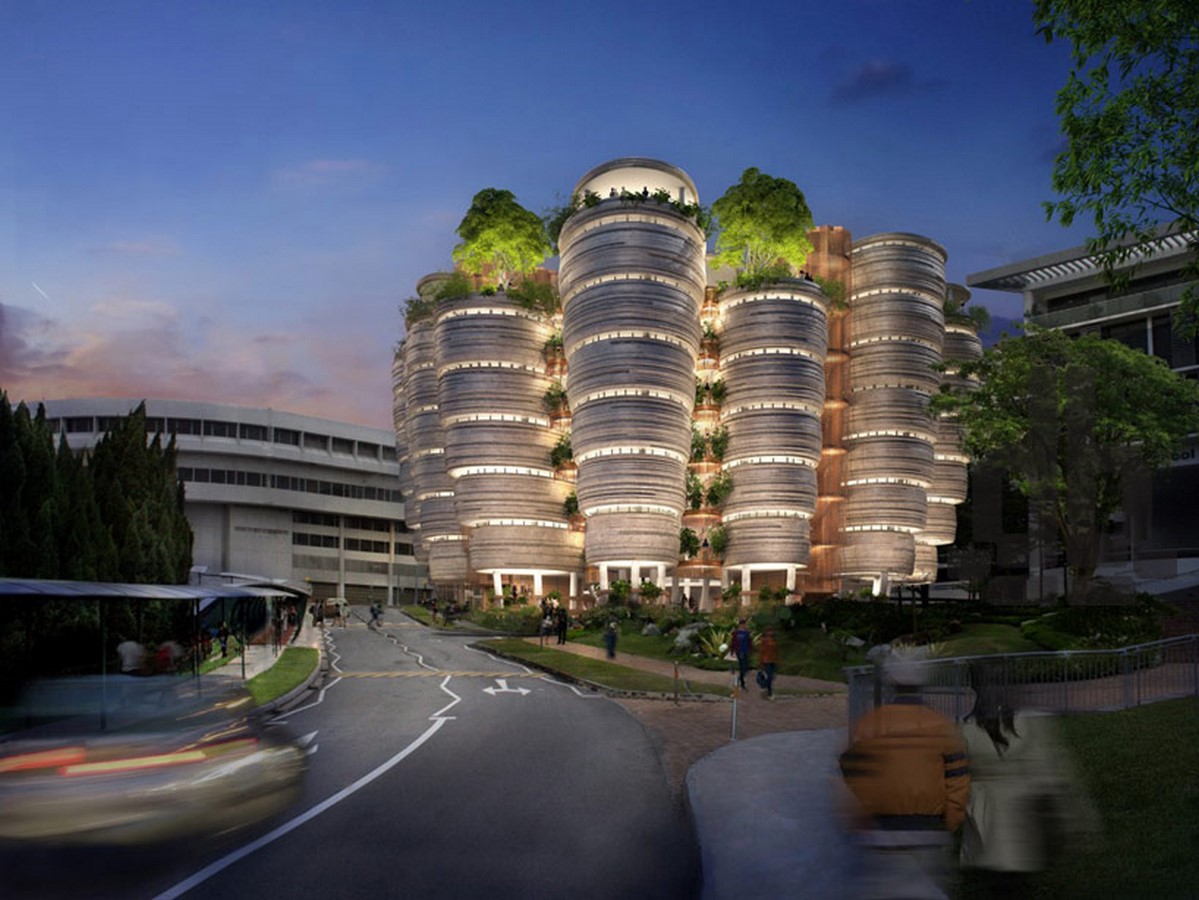
Architecture emerged as a living timeline, narrating the evolving tale of technology and societal progress. Architecture today depicts the strong wave of technological advancements and the terrible environmental issues that pose a challenging impact on the planet. For instance, from Futuristic to Parametric Architecture, each era reflects industrial developments and changing aspirations. The construction of skyscrapers and sustainable buildings symbolizes the continuous innovation in materials and structural systems. Therefore, architecture not only mirrors technological growth but also drives it forward.
The absence of architecture poses a substantial challenge to technological innovation, particularly in the Information Technology sector, which heavily relies on structured spaces for computers, software, and telecommunications equipment. Without architectural frameworks, these industries would lack suitable environments. If these operated from inadequate shelters like caves or shaded trees, they would fail to meet the security and the required operational needs. Therefore, as technology advances, architecture must evolve to provide the necessary infrastructure and support to meet the endless demands of modern societies.
The Architecture of the Past (Ancient and Medieval Centuries)
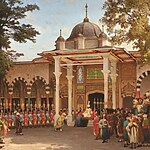
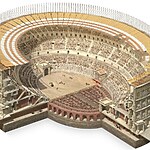
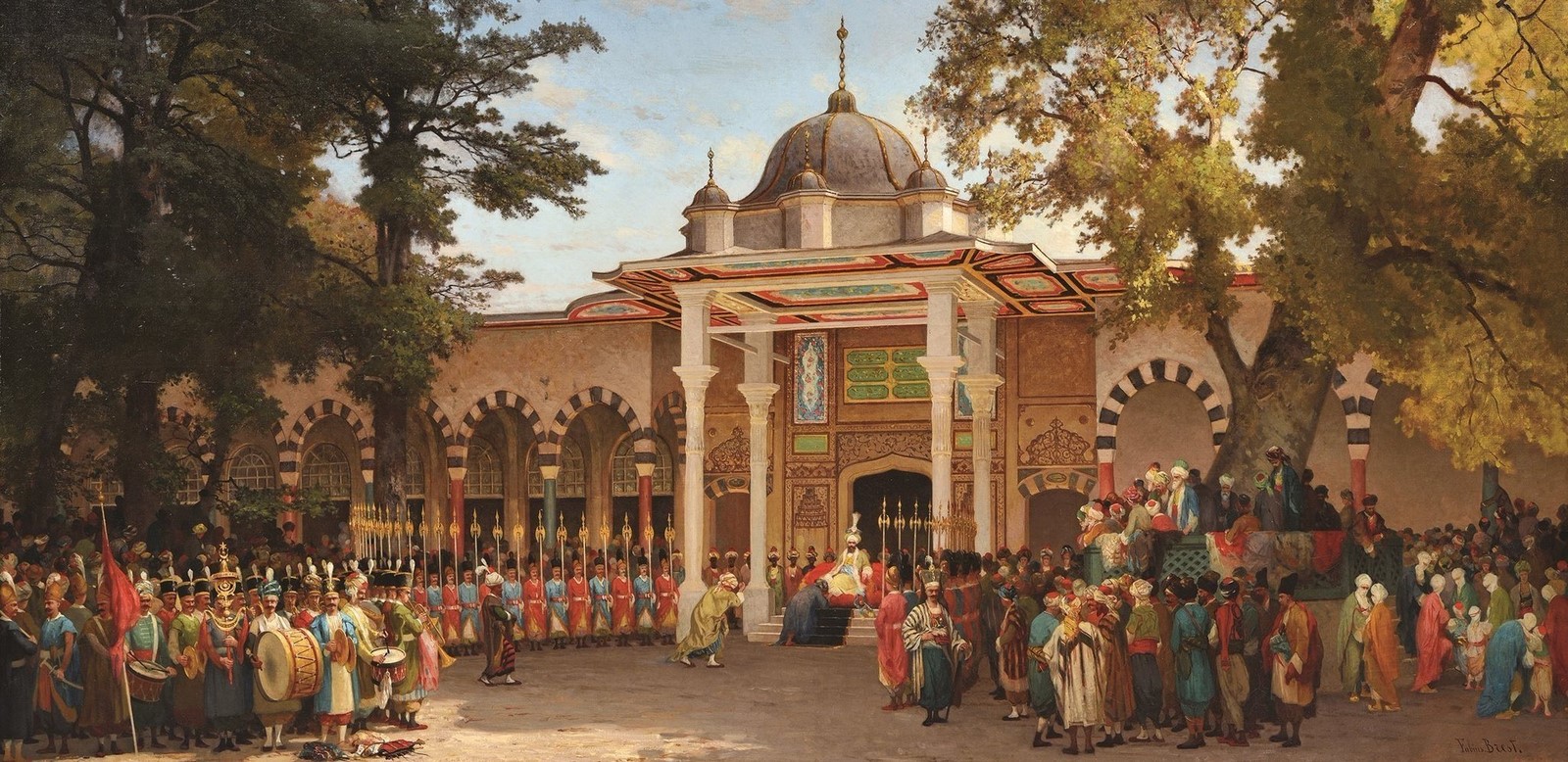
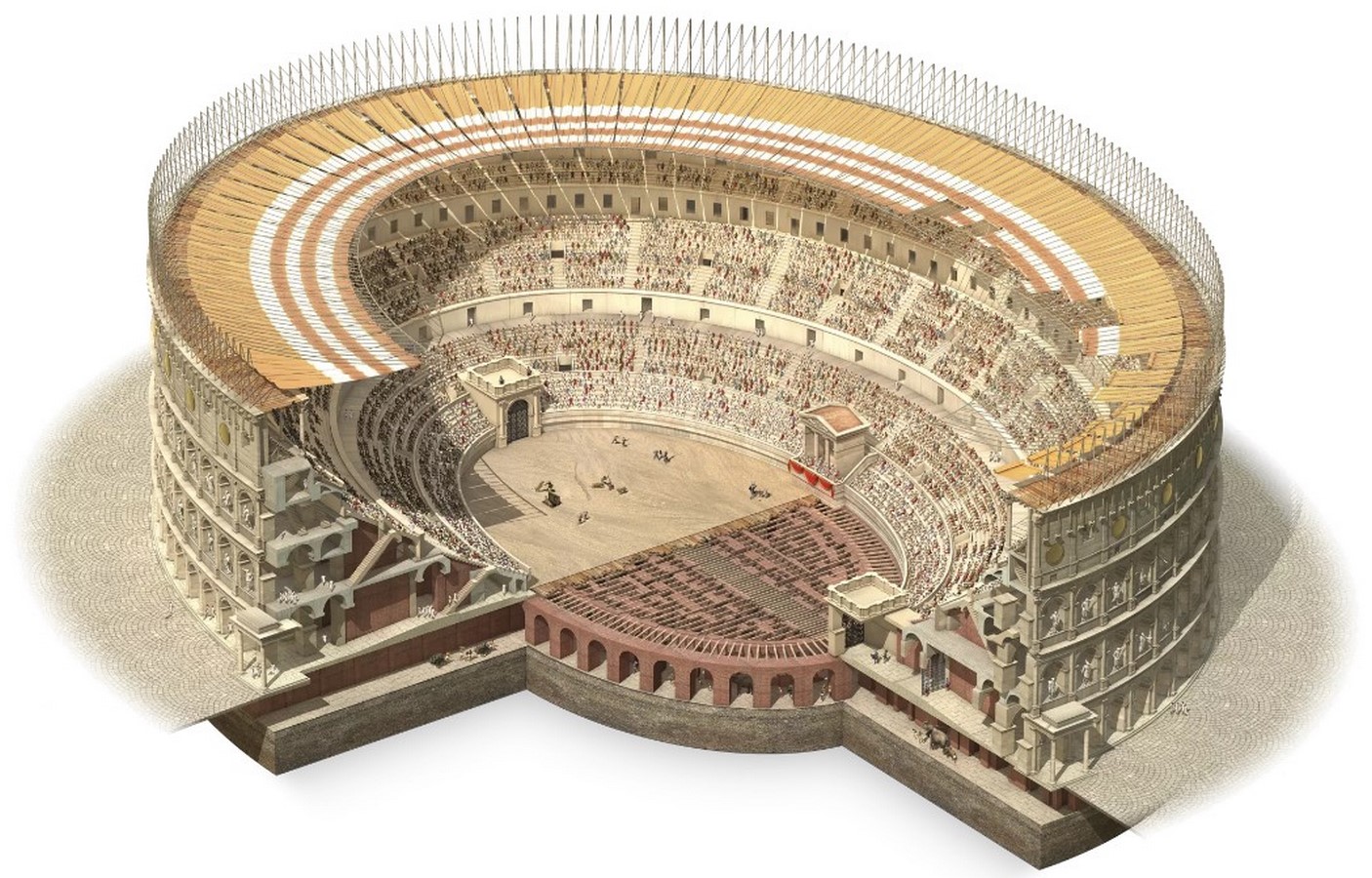
Architecture is like a time capsule that showcases different cultures and values throughout history. From Egyptian to Gothic, each design reflects the ideas and beliefs of the humans during that time. Buildings are not just structures; they shape how we live and what we believe. For example, colonial periods tell stories of cultural blending and community change. Architects were not merely creating structures; they were weaving narratives about humans showcasing their beliefs, and cultural amalgamation.
Landmarks like the Eiffel Tower or the Sydney Opera House are not only aesthetic marvels; they represent the identity of a place and attract people from around the world. Picturing a life without architecture deprives us of our cultural ideologies, creativity, and uniqueness. We would be lost in a loop of confusion, trying to trace our origin. Each Architectural style showcases its unique tale, showcases materials, construction styles, concepts, societal hierarchies, and characteristics of that era. Thus, if humans lived without architecture, it would deprive us of our culture which would lead to an identity crisis.
The Architecture Without Architects (The Unknown Past)
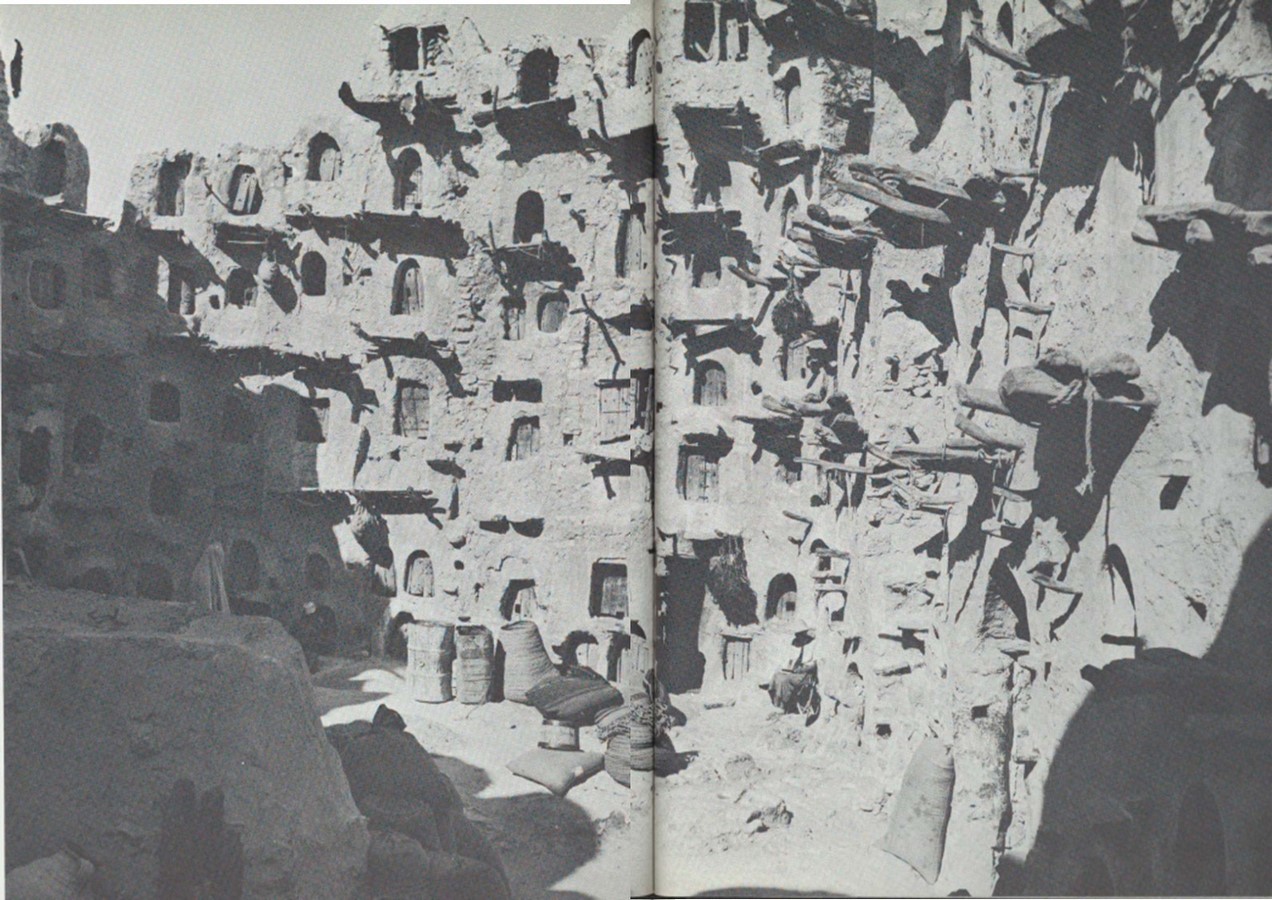
In the past, a phase of architecture often gets overlooked, despite being the birthplace of brilliant and idealistic ideas. It’s called Vernacular architecture, showcasing communal settlements designed with adaptability and precision. These spontaneous, indigenous structures perfectly blended with their surroundings, creating harmony. As architect Bernard Rudofsky notes, “Vernacular architecture does not go through fashion cycles. It is nearly immutable, indeed, unimprovable, since it serves its purpose to perfection.”
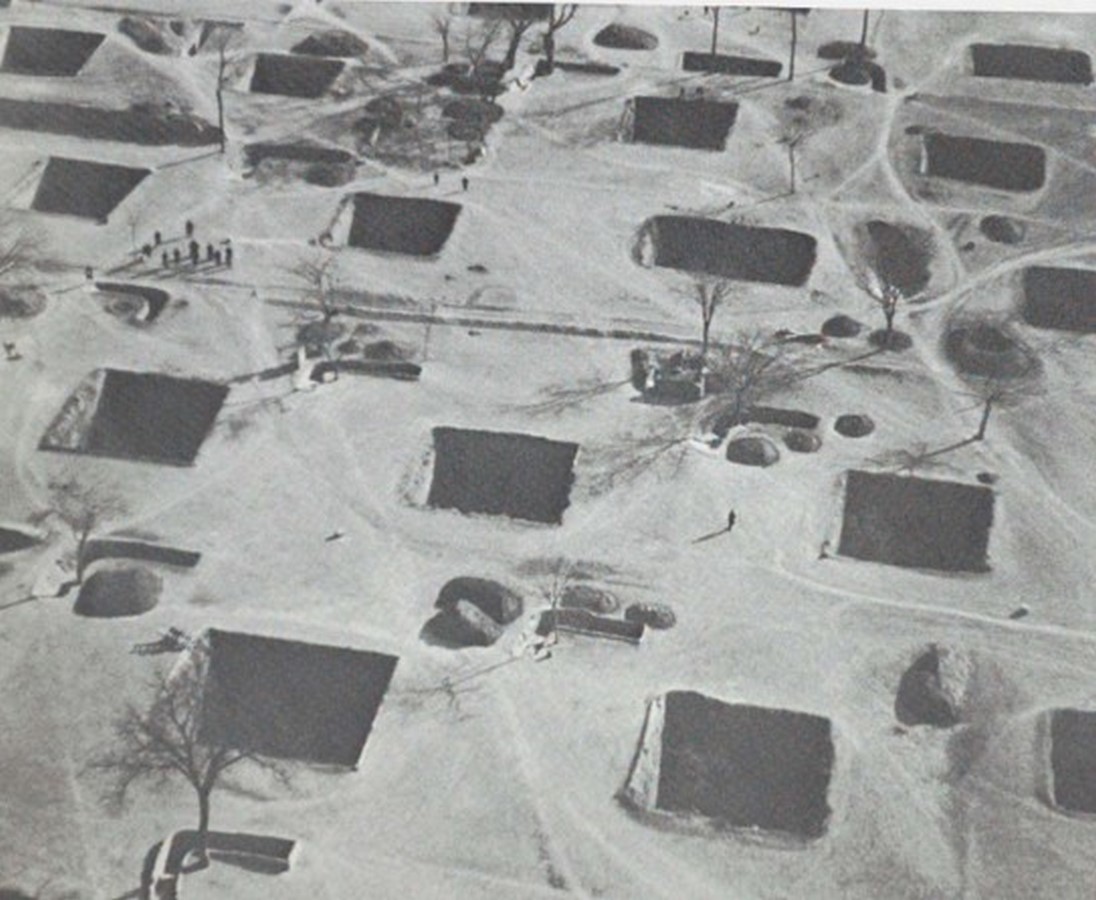
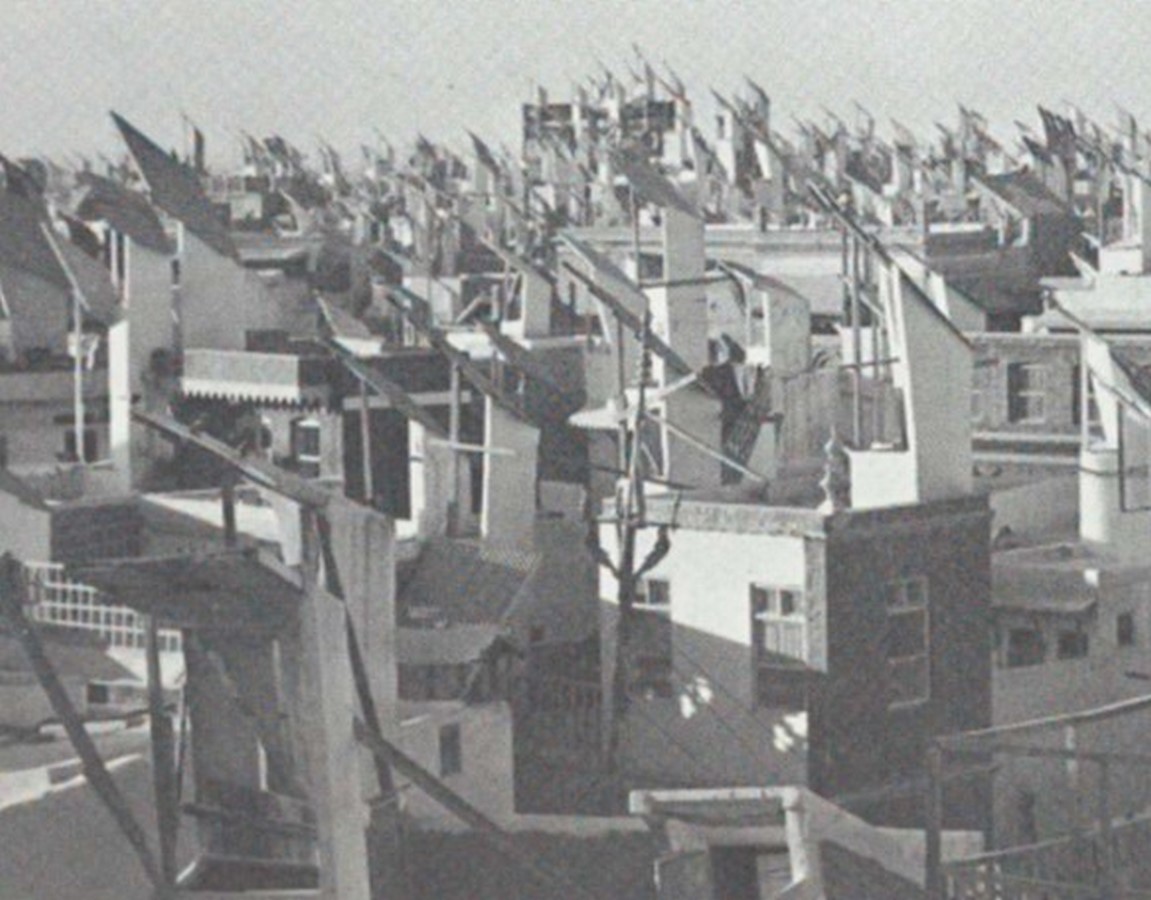
Today, when we think of architecture, we usually picture buildings designed by architects; However, that is not the case. Architecture is an art that intricately combines various requirements to create the ultimate living space. In the eras when vernacular architecture thrived, it played a crucial role in providing shelters that could withstand extreme climatic conditions. Imagine a world without these vernacular structures; it would make life not only difficult but also miserable.
Conclusion
In conclusion, our architectural journey unveiled the layers of human existence woven into the fabric of buildings. From the evolving present to the known past and the ancient vernacular, architecture served as a silent narrator, chronicling our technological prowess, cultural identity, and the untapped wisdom of communal builders. As aspiring architects, our role goes beyond erecting structures; it is about narrating stories, fostering cultural understanding, and, most importantly, creating spaces that resonate with the human spirit. For in these echoes in concrete lies the essence of our shared human experience. Hence, in either of the three phases, Human existence without architecture is beyond imagination.
References:
The connection between architecture and culture (no date) Indus University – University Ahmedabad. Available at: https://indusuni.ac.in/the-connection-between-architecture-and-culture.php (Accessed: 10 December 2023).
Miletic, B. (no date) Futuristic Architecture: Top 8 futuristic buildings of All time, Architecture & Design. Available at: https://www.architectureanddesign.com.au/features/list/8-examples-futuristic-architecture (Accessed: 10 December 2023).
Rudofsky, B. (1964) Architecture without architects: A short introduction to non-pedigreed architecture. Garden City, NY: Doubleday & Co., Inc.