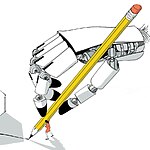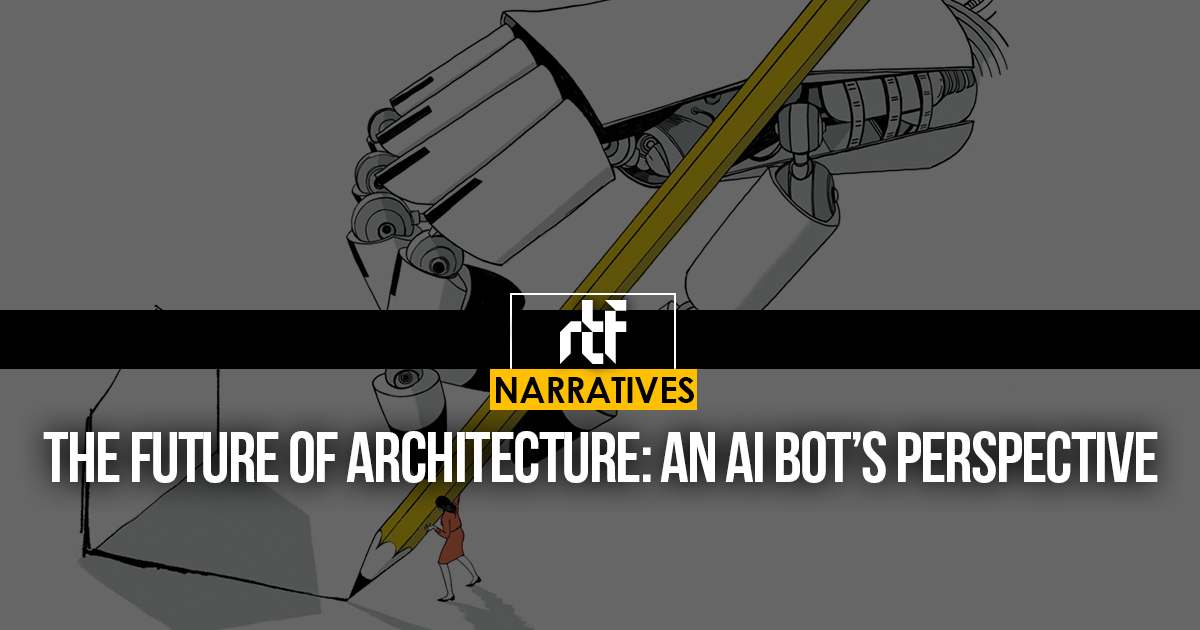
The constant development and improvement of technology has created an intense shift in the methods used in building, construction, and design. Even though many people may think that the digital revolution is only getting started, the industry has come a long way from AutoCAD – 2D Design to BIM – 3D Design. The biggest fear among the construction industry is the possibility of AI completely replacing architects and designers. According to AIA “90 percent of architecture firms anticipate that they will be using or having an increase in the usage of AI over the next three years.” However, can the complexity of an architect’s vision outweigh that of the machines?

The following article is interview-based which gives us an insight into the future of architecture through the lens of an AI Bot. Does AI itself believe that it could fully replace the need for humans in the profession of architecture or is there still a need for human input in this field in the foreseeable future? Read more to find out and have a look at what AI has to say on this matter.
What does AI think about the future of architecture?
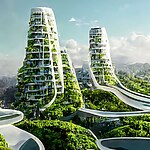
The future of architecture, from an AI perspective, involves a harmonious blend of innovative design, technological integration, and sustainable practices. It believes that technology, such as artificial intelligence and smart systems, is likely to play a role in creating a pivot in the field to produce more adaptable and responsive structures. As AI continues to evolve, grow, and better itself in areas of precision and other detailed measurements, it may also influence the design process and decision-making in architecture by helping to foster a more dynamic and forward-thinking industry. The future with the integration of artificial intelligence holds the potential for efficient project management, generative modeling, and optimization of designs as vast datasets can be analysed to inform design decisions. Additionally, AI-driven simulations can assess environmental impacts, energy efficiency, and occupant well-being such as indoor air quality, amongst other factors which will contribute to the creation of smarter and more sustainable buildings in the future.
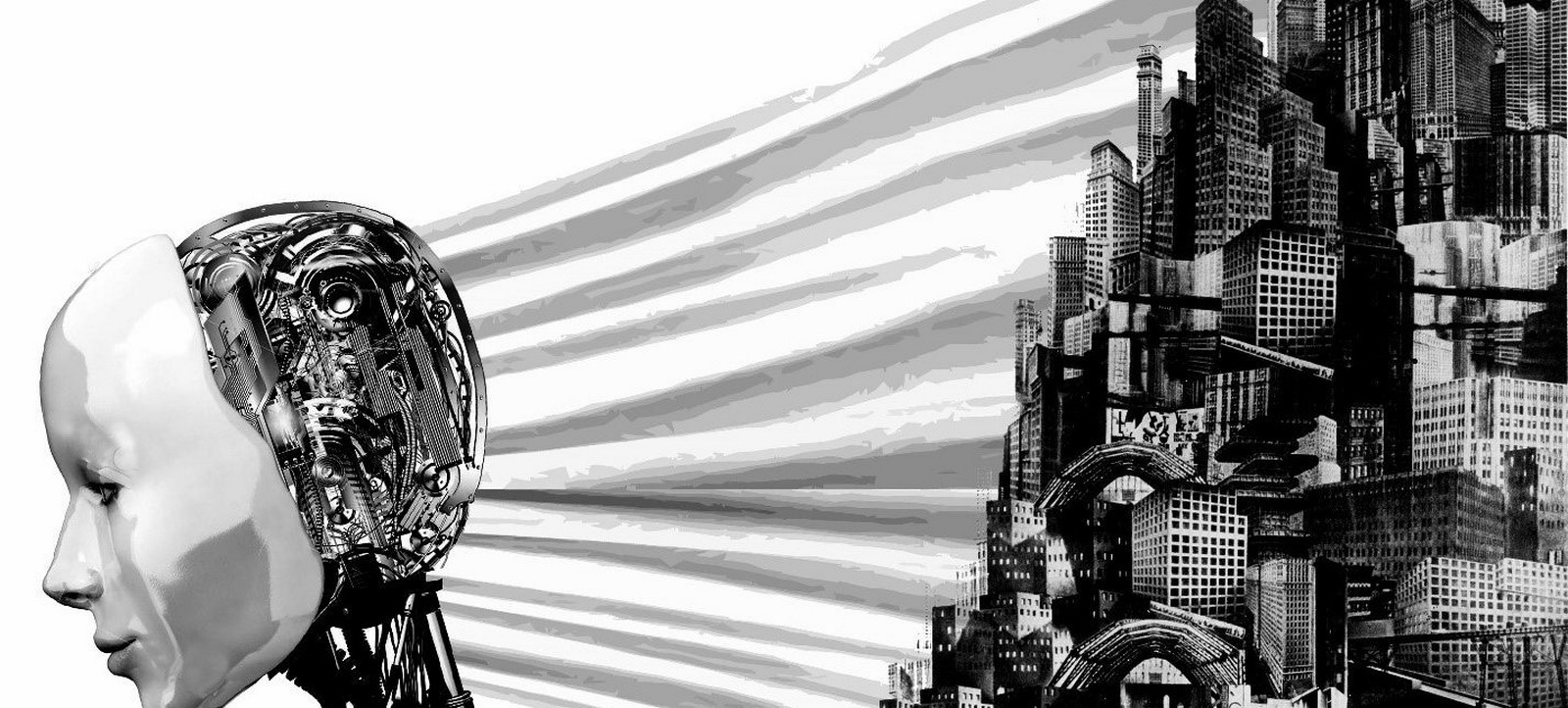
How can AI embrace cultural diversity and promote inclusivity in its designs, especially in a globalised world?
In today’s world, cultural diversity and EDI plays a huge role in everyone’s life as the aim is to be more diverse and inclusive in everything that is done.
AI believes that it can embrace cult
ural diversity as the foundation and future of architecture through inclusive training data, collaboration with culturally diverse professionals, and a pledge to understanding and respecting the unique aspects of the construction industry and communities. Another approach to embracing cultural diversity and facilitating inclusive design can be by actively involving diverse stakeholders in the design processes. Ensuring that the input and perspectives of various communities are taken into account helps avoid biases and safeguards the resulting architectural solutions which will be sensitive to different cultural nuances.
In the context of smart cities, sustainability, and urban development, what role does the development of intelligence play in interconnected urban environments?
As cities become increasingly complex and crowded, AI can play an important role in overseeing urban infrastructure. The most challenging job for an architect is city planning and development which requires a lot of precision planning as the way your city looks now will be very different from what it does in the coming future. AI systems, for example, can help to optimize energy use, manage waste disposal, control traffic flow and even predict and prevent crime hence helping to improve the functioning of smart cities and urban areas.
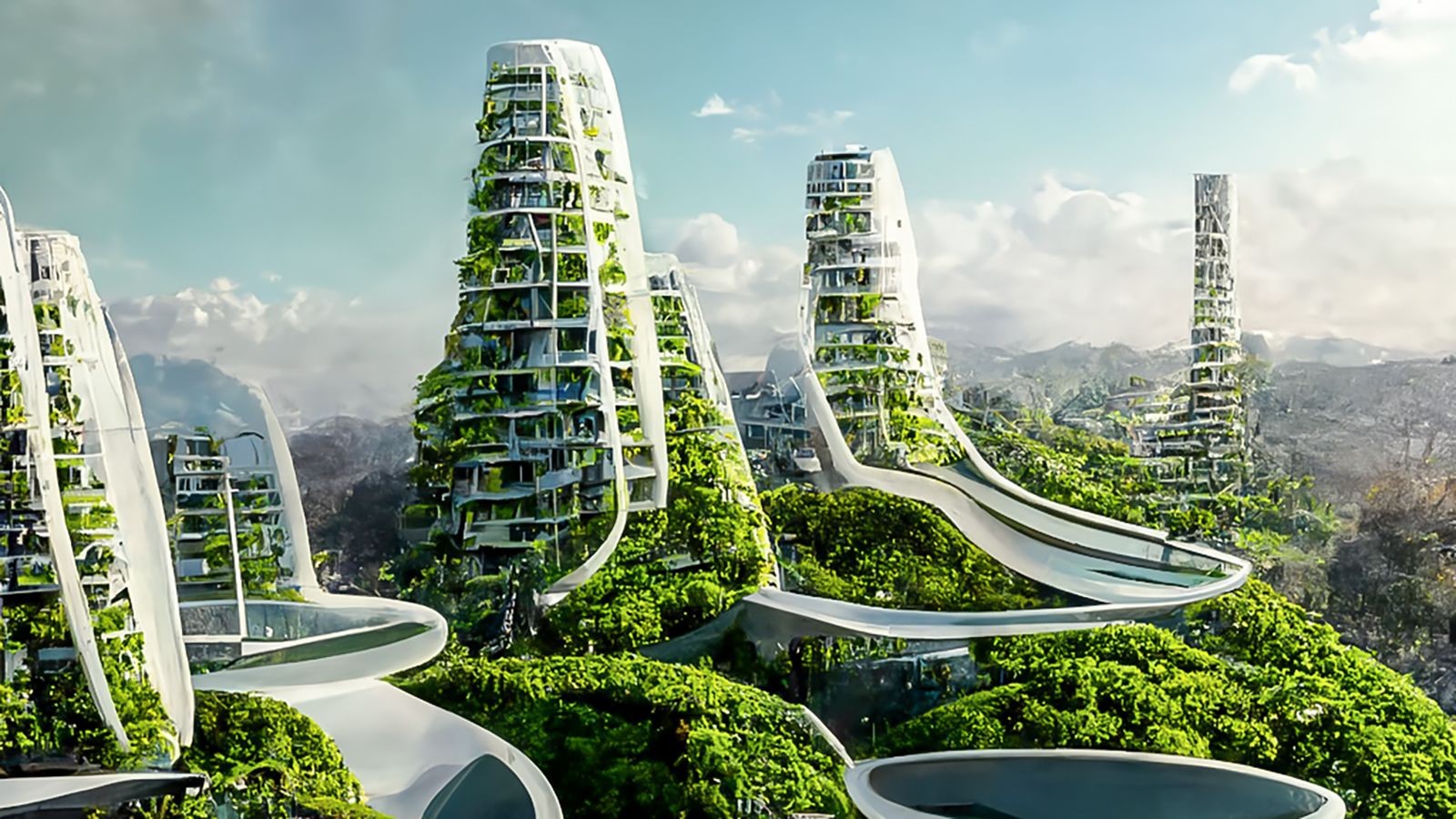
Another area that will undoubtedly see tremendous growth as the sector embraces the use of technology is sustainability. By analysing data on energy use, waste management, and water consumption, artificial intelligence (AI) can be used to develop sustainable designs that can lower the environmental impact of buildings while also lowering construction costs and increasing internal energy efficiency.
Does AI believe that it will be the sole future of architecture, or will human input still be a requirement?
AI is a powerful tool that can improvise and modernize many aspects of the architectural process, but AI itself believes that it is unlikely to replace human inputs and powers entirely. The human touch brings creativity, cultural understanding, empathy, and intuition to a design process which are qualities that are stimulating for AI to replicate fully. While AI can be very good at certain tasks, including data analysis and generative design, it is not always good at comprehending human emotions, cultural context, or the social impact of architecture in general. AI-assisted design software is one of the most significant ways AI is transforming the architectural sector. Hundreds of thousands of design choices would be generated and evaluated by the algorithms in these programs, assisting architects in creating the most visually beautiful, economical, and sustainable designs. In addition to this, AI algorithms can also monitor building systems in real-time and adjust their settings automatically which may not be possible through the human mind. This however does not mean that it can match an architect’s ability to analyse solutions, make decisions, and solve problems adequately.
In conclusion, the Future of Architecture is constantly and rapidly evolving and improving, and AI and technology are increasingly playing a major role in modelling the future. AI is here to stay, and the construction industry is quick to embrace this challenge as it continues to advance and data flows improve across the entire project network, one can conclude that the future of architecture will give fewer efforts in the business of drawing and more into satisfying user requirements with the help of AI. By using the power of AI as an advantage, architects can create buildings that are not only functional but visually appealing, sustainable environmentally friendly, and responsible. That being said, while AI brings advanced tools to the table, architects also remain critical for their humanistic approach to design in the future of architecture.
References:
- 5 ways that Artificial Intelligence Will Change Architecture (no date) Maket. Available at: https://www.maket.ai/post/5-ways-that-artificial-intelligence-will-change-architecture (Accessed: 11 December 2023).
- AI in architecture: The key to enhancing design efficiency and gaining a competitive edge [2023 guide] (no date) AI in Architecture: The Key to Enhancing Design Efficiency and Gaining a Competitive Edge. Available at: https://www.e-zigurat.com/en/blog/ai-in-architecture-guide/ (Accessed: 11 December 2023).
- Brian, J. (2023) The Future of Architecture: How Ai Is Changing the game, LinkedIn. Available at: https://www.linkedin.com/pulse/future-architecture-how-ai-changing-game-joseph-brian/ (Accessed: 11 December 2023).
- Lurdes (2023) What artificial intelligence means for the future of Architecture, Uncover IE. Available at: https://www.ie.edu/uncover-ie/what-artificial-intelligence-means-for-the-future-of-architecture/ (Accessed: 11 December 2023).
- Montjoy, V. (2023) What is the future role of architects in the age of AI and data?, ArchDaily. Available at: https://www.archdaily.com/995781/what-is-the-future-role-of-architects-in-the-age-of-ai-and-data (Accessed: 11 December 2023).
- Says, Cruiseoxlp et al. (2022) How is Artificial Intelligence (AI) changing the future of Architecture?, AiThority. Available at: https://aithority.com/guest-authors/how-is-artificial-intelligence-ai-changing-the-future-of-architecture/ (Accessed: 11 December 2023).
- Submissions, R. (2023) Architects vs. AI: Who will design the future?, ArchDaily. Available at: https://www.archdaily.com/1006681/architects-vs-ai-who-will-design-the-future#:~:text=According%20to%20AIA%2C%20%E2%80%9C90%20percent,optimizing%20design%20and%20automating%20tasks. (Accessed: 11 December 2023).