Is space a machine for living in? As famously said by Le Corbusier, ‘a house is a machine for living in’ in the early 90s. Now-a-day space is equipped with many appliances and gadgets; hence, the machine is in space rather than space being a machine. So does it still feel relevant? Space being a machine means space has a solution to every listed problem. But how will we as architects and designers know the undiscovered problems coming towards us in the future?
The future of architecture depends on technological advancements, which leads to what we build and how we build eventually, i.e. materials, methods, and lifestyle needs.
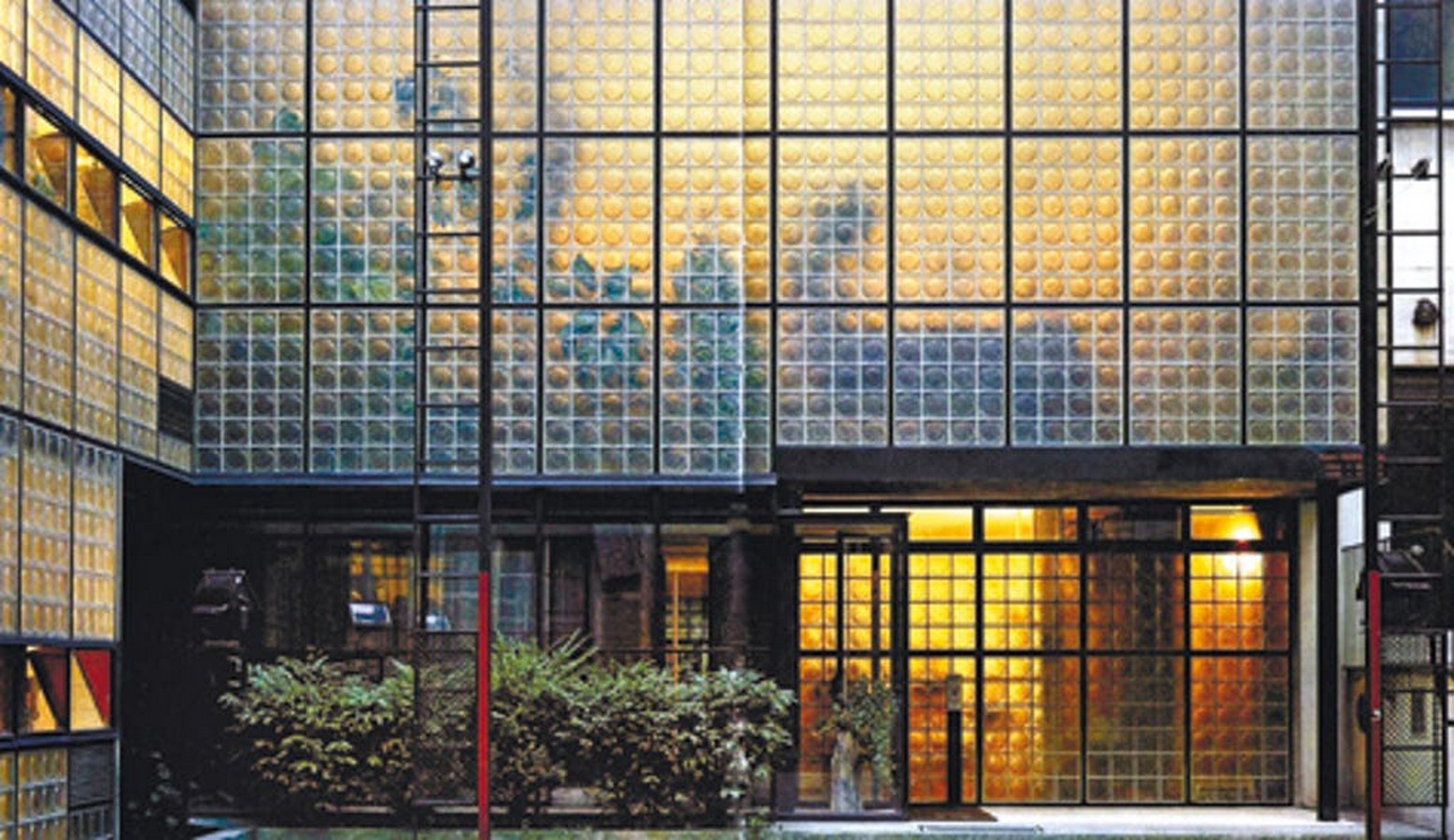
Future architectural trends
There are coming and long foreseen future architectural trends we can envision by looking at the tangent of architectural practice we are moving from the past few decades. Identifying what present is leading us towards. Change in living, family structure, working styles, home, workplace, public place, community, privacy, belonging, and social involvement is all we can include. All of these affect the functionality of a space and are led by technology which affects raw material to process to end product.
Whatever the future of architecture will be, the fundamental aspects remain constant in the past and today. Hence to build will still be a basic need in the future.
- Wave of change

Everybody talks about how the world will change, and people showcase different perspectives through sci-fi movies where Mars is being colonized and building holiday homes on the moon. That may be too far to think of right now because we have to get ourselves busy thinking about the immediate future of architecture. We should instead be thinking about what architecture will look like on future earth.
- Collaborative architecture

After the most talked about COVID-19 pandemic, we live in an era of unpredictability, and architecture needs to be ready for adaptability. Future spaces should be efficient enough to spontaneously repurpose themselves if those are not providing enough in present times.
The design has to collaborate with everything that intersects with architecture and design. Environmental science and social anthropology are already finding a place in current architectural practice. Hence, today’s architecture needs to be sustainable with energy-efficient green buildings.
But soon, we will witness the collaboration of architecture with other fields like agriculture, aeronautics, information technology, waste management, and definitely medicine after the pandemic. Hence collaboration will be no more a choice but a necessity to meet the complex system needs.
- Technological advancements
Spaces have to be self-sufficient, which can be made possible through collaborative architectural practice. But to create autonomous spaces for future needs, architecture has to keep up with the technology wheeling forward every day.
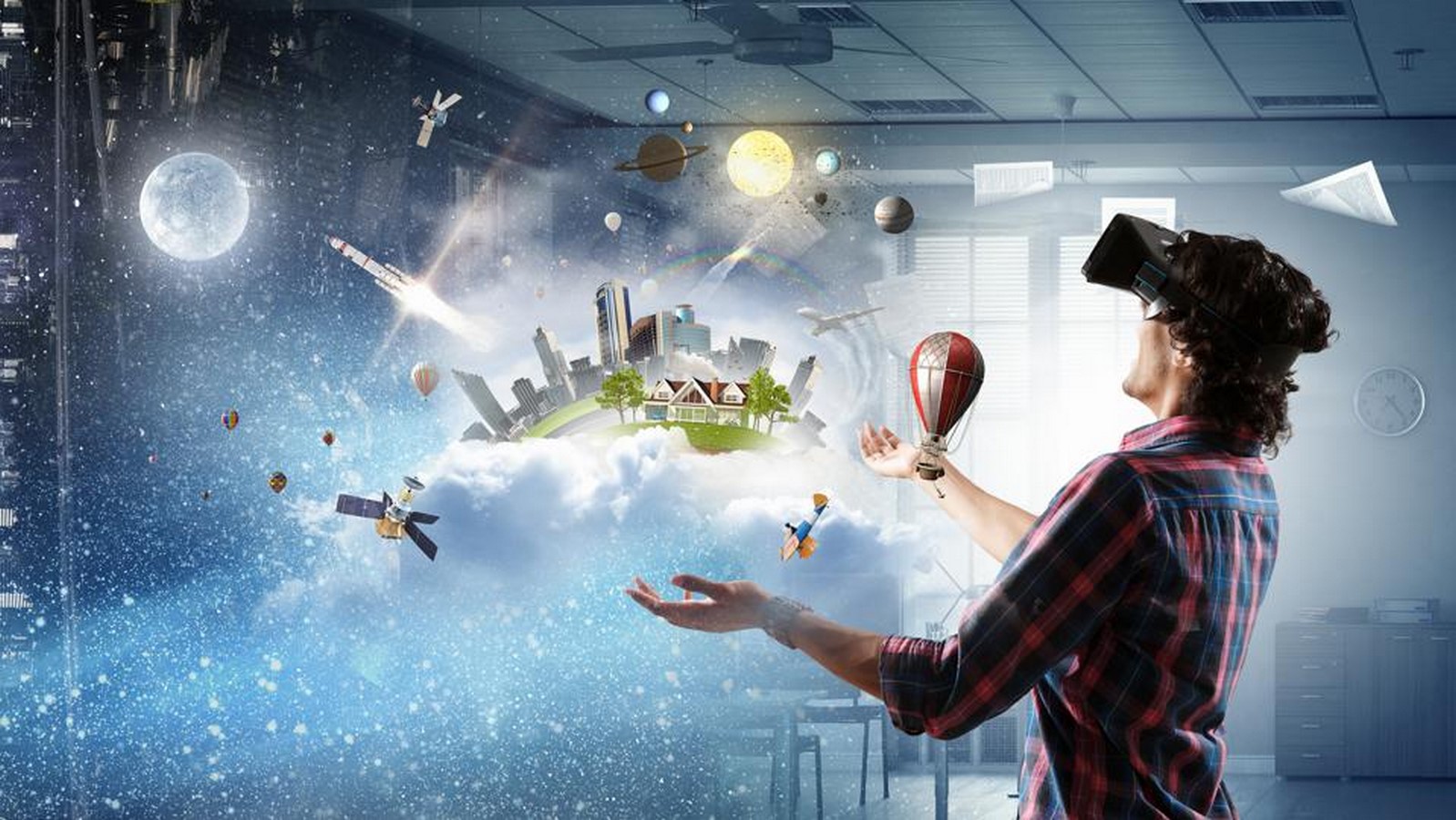
The world is shifting from reality to virtual, where we find ourselves in an age of balanced virtual reality right now. The focus of built architecture will dematerialize user-focused experiential spaces to create a designed user experience from materialized buildings made out of stones and bricks. Immersive architecture is rising to create opportunities and make living mechanisms a lot effortless when it comes to experience.
Virtual reality and augmented reality have the potential to create a designed and calculated experience in any possible space. Virtual reality seems to be replacing interactive real-life experiences but with more possibilities and efficiency (STATON, 2019). Hence architecture will be no more about creating tangible sensorial spaces if the only intangible spatial experience replaces concrete built forms.
Not only do the spatial experiences change, but the practice of creating such spaces also becomes more tech-oriented. Architects have been witnessed to be helped by many technological advancements in Softwares since the beginning of modernism. And Building Information technology (BIM) is another level of progress that helps architects design buildings with high performances (STATON, 2019). Technology only levels up in the future, and architecture is no exception.
What should it be then?
The future is not about how we build because that depends on the technology available, interactive inputs from other domains, and its application possibilities. Instead, the future is all about ‘what’ we need to build hence ‘how’ will follow. As we try to foresee the future of architecture, we have to sensibly understand how we inhabit spaces and move through them (Kennicott, 2020).
As architects, we are nervous about the future in the unexpected present to remain relevant tomorrow. With the rising technology and the need for collaborative design, the role of an architect can be questioned. But architects and designers have to swing through its domain as a responsibility to create sensibly built environments for the future. And the role in creating a balance between form and function, art and science and technology and human intuition (STATON, 2019).
References
Kennicott, P. (2020). Designing to Survive. [online] Washington Post. Available at: https://www.washingtonpost.com/magazine/2020/07/13/pandemic-has-shown-us-what-future-architecture-could-be/ [Accessed 18 Apr. 2021].
STATON, B. (2019). What is the future of architecture as a profession? [online] Building Design + Construction. Available at: https://www.bdcnetwork.com/blog/what-future-architecture-profession [Accessed 15 Apr. 2021].