How will the Architecture of the future be? What might be the challenges revolving around it? Will there be a role for us as architects? What might be the probable complexities that influence Architecture? What if we exhaust our resources and have no more land to build? Will design fundamentals remain relevant, or will there be new concerns to cater to?
Every designer has once been caught in this web of questions and concerns towards the future, which naturally is the response towards the immediate context of the world. The constant evolution in architecture was driven by forces like nature, function, culture, and politics. Various art and architecture movements symbolized the coexistence of diverse approaches towards the creation of a built environment. It was observed that the use of design principles, diverse analogue mediums or tools helped in deriving the process and structure. With time, advancements in technology made it possible to use these tools in a direct digital manner to not only execute but also design and fabricate. This changed the way architects perceived and practised design and structure. Hence with the fundamental forces, technology too played a prominent role in shaping the course of Architecture all these years. Despite the fact that the exact future remains unknown, as we move forward in this post-pandemic world, it is possible to identify some of the ideas that might shape the future of architecture.
The “Co” factor
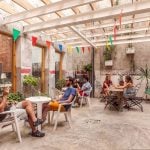
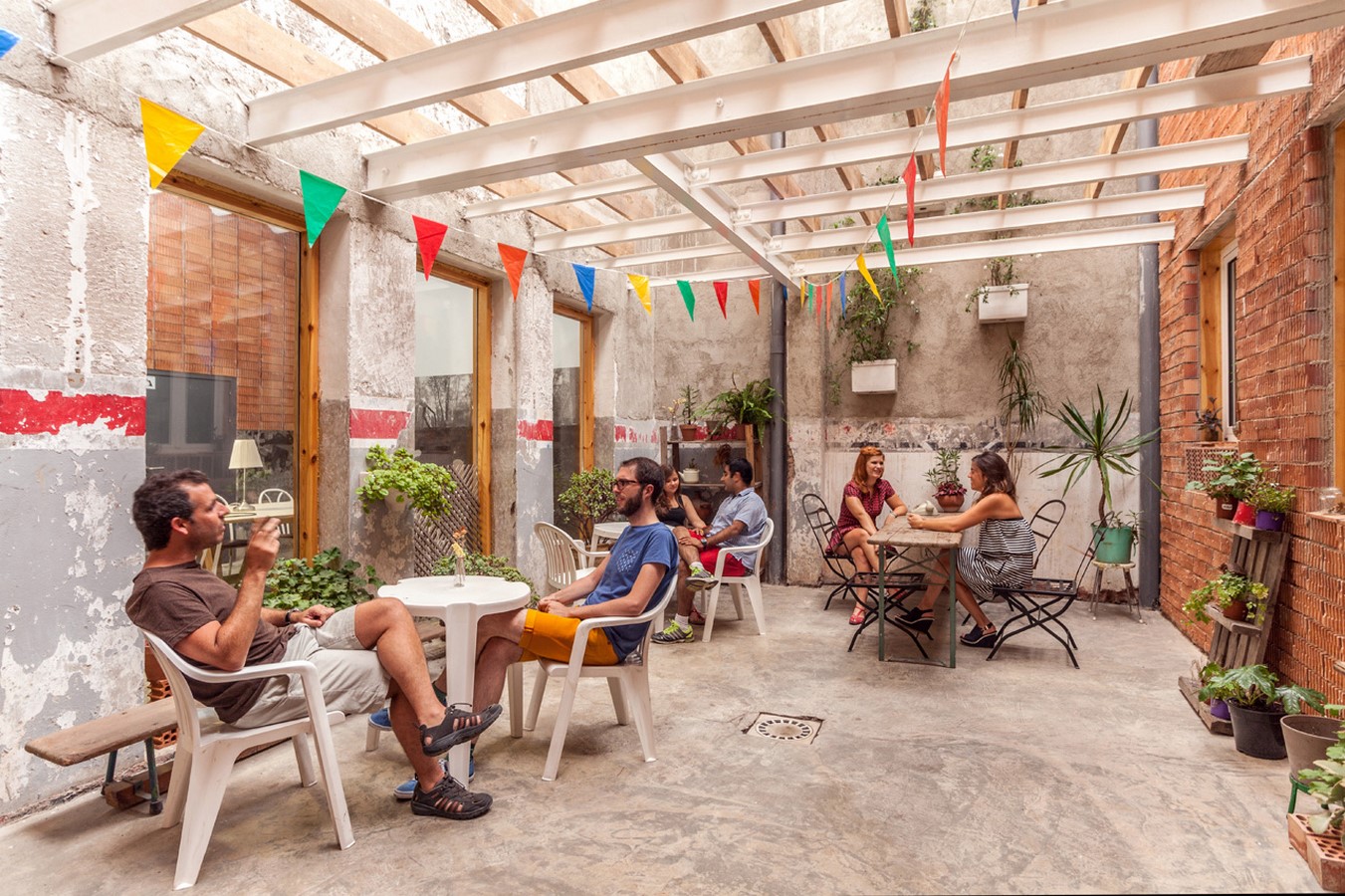
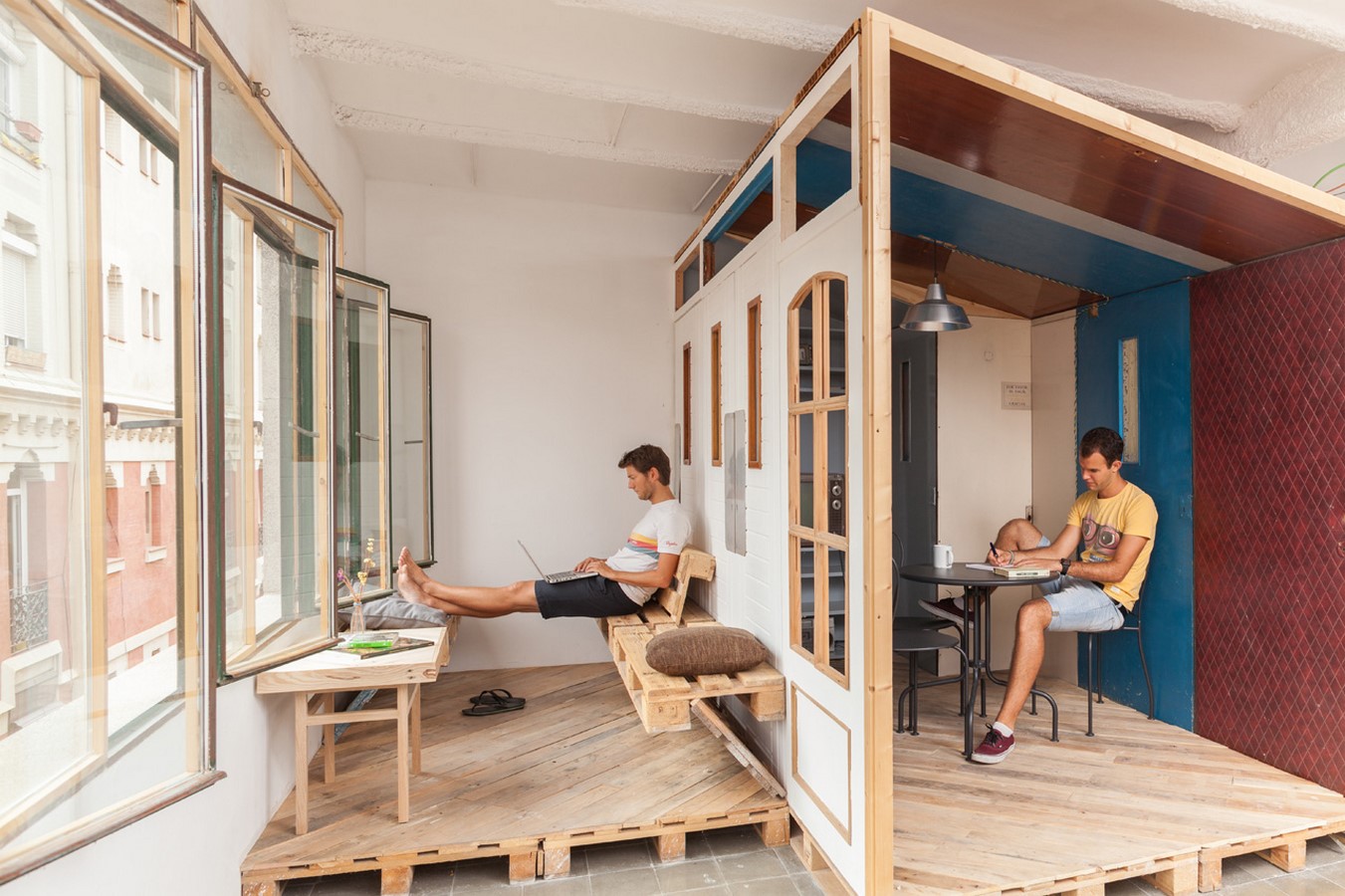
Designing spaces for specific functions and users has long been a way to approach architecture; growing multidirectional needs make it essential to design for flexibility and adaptability. The lines between public and private need to be blurred to enhance ideas like coworking, co-living, where users from diverse backgrounds, ages can use the same space. The coexistence of functions, all genders, age groups, and working classes is a factor that will reduce the demand for space. It will not only facilitate social interaction and a sense of connectivity but also equip designers for changing the complexities of the urban fabric.
Adaptive Reuse
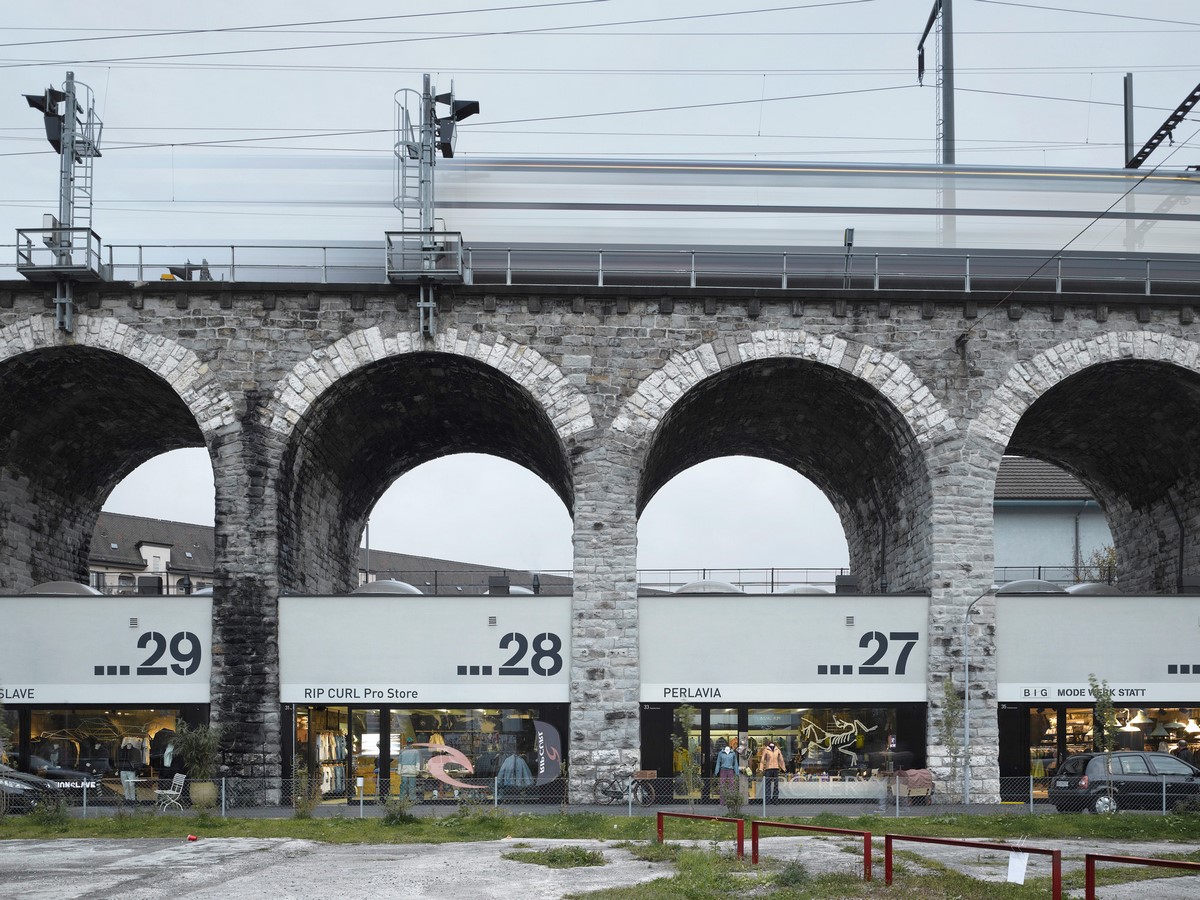
With the growing needs of the increasing population, the space to build became scarce. With years it gave rise to the concept of verticality, which too can prove to have limits. Vertical cities are considered to be a potential solution to this increasing demand for space. Along with this solution, another way that we need to shed light on is the adaptive reuse of spaces. The conscious effort to use existing buildings for a different purpose or function, fulfilling the needs through existing instead of building new ones, proves to be a sustainable approach. It acts as a counter to urban sprawl; unused/ abandoned buildings can serve as spaces for newer requirements by minimal alteration.
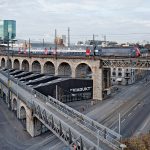
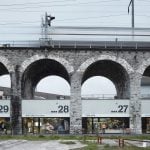
The Refurbishment of Viaduct Arches in Zurich is an example, where the existing protected monument, which was originally a bridge with the railway line, expands its functionality and becomes an active urban link between people. This function of public space transforms the linear built mass into an important entity that has life beneath it.

Sustainable
As the advancements benefit mankind to progress, it does disturb the immediate as well as global ecosystem. To survive in the long run, Built and nature equally are essential components to be catered to. Building methods, approaches, technologies, materials, all these choices need a conscious thought behind them. Factors like Reducing physical waste, consumption of energy, increasing recycling and regeneration will have to proceed at an equal pace as we build.
Digital tools
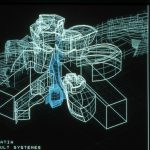
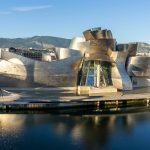
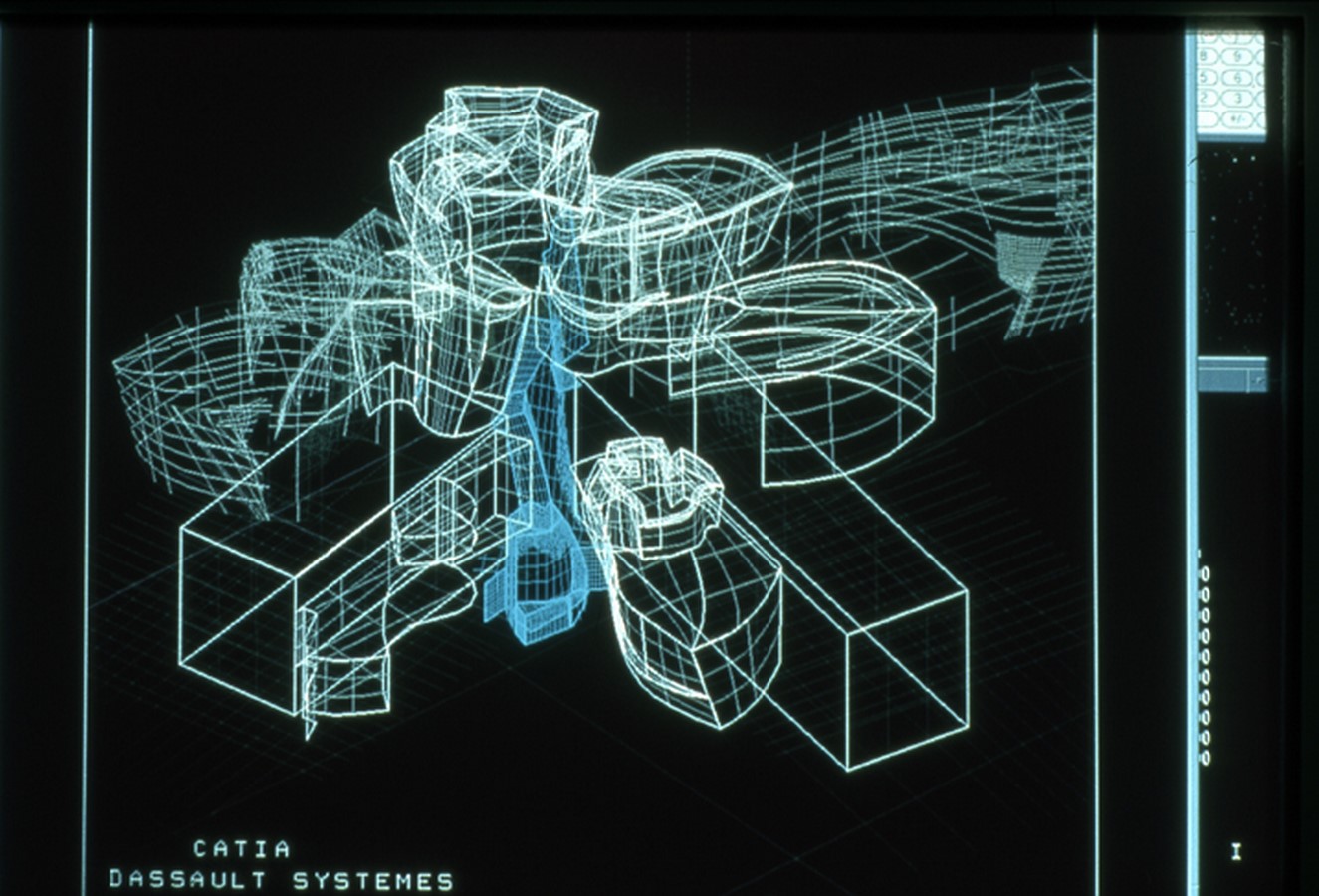
As there were advancements in science and technology, analogue computations evolved into digital ones that helped in digital design and digital fabrication. Architects like Greg Lynn, Frank Gehry experimented with computational tools, technologies and developed digital design methods as well as software. There has been increased convenience and accessibility of these tools to architects, which will make designers rethink and help articulate the environment in a better way.

Augmented reality
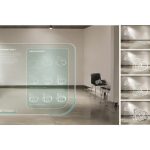
This term refers to the combined perspective of a computer-generated image and a user’s view of the world around. It has become possible to determine human responses, behaviour, and expression towards space. Designs can be improvised simultaneously considering the user experience and feedback; this allows the designer to carry out two processes at a time.
reBENT
Virtual Reality is another such tool that helps to visualize the design before execution, defining conceptual phases for the user as well as the designer. This tool is an instrumental medium that will connect people to the experience beforehand and get them closer to the design process in the future.
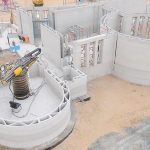
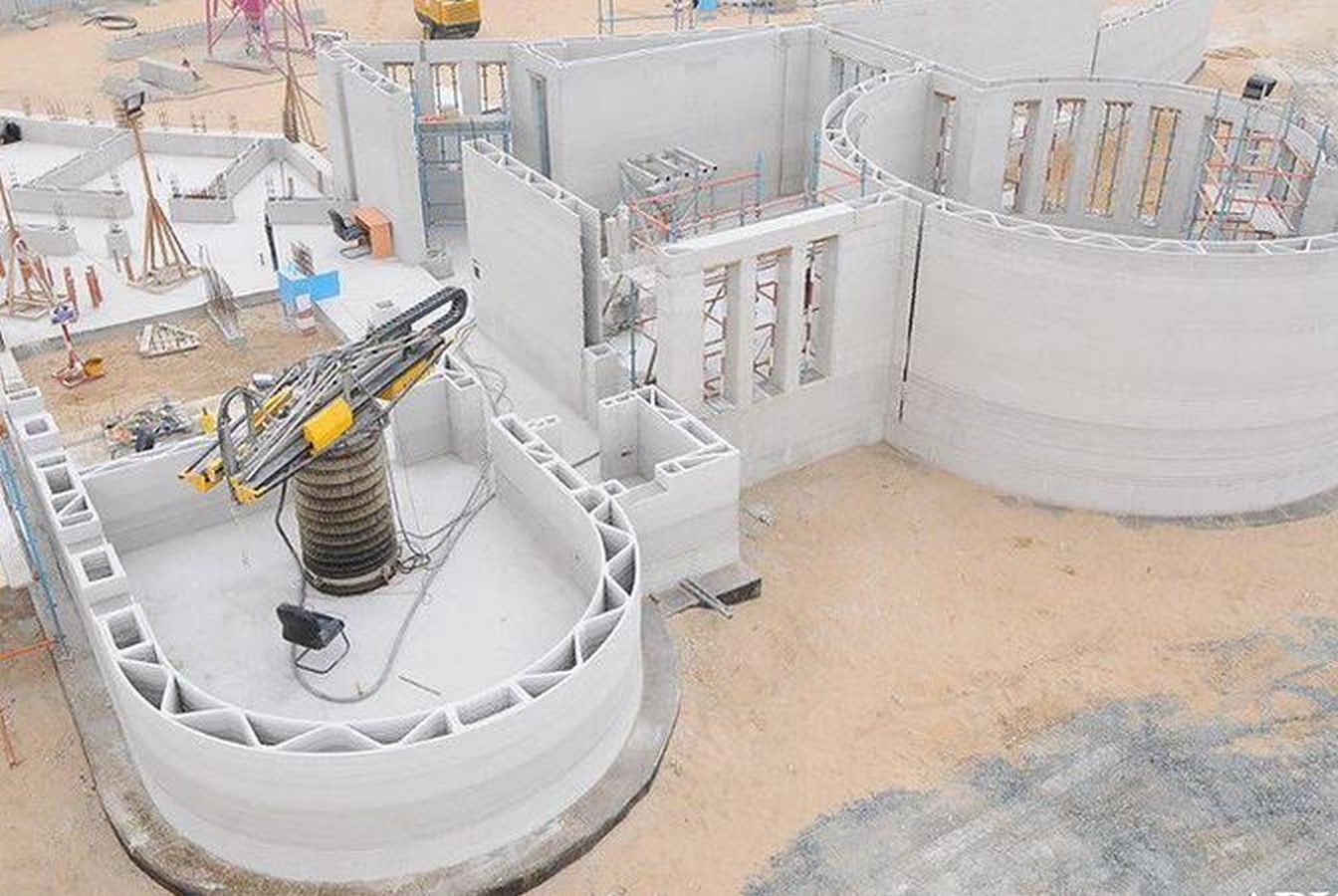
The technique to 3D print structures will drive the design process and design choices, the aesthetic, structural setting, and people involved in the execution. It will practically push the limits by allowing immense flexibility and reducing construction waste at the same time.

Ar. Gottfried Bohm says, “I think the future of Architecture does not lie so much in continuing to fill up the landscape, as in bringing back life and order to our cities and towns”.As the world grapples with chaos and crisis at various fronts, not just the pandemic but economic, social, and environmental complexities too, it becomes essential to look forward with optimism. Present uncertainties faced by the world make it evident that architecture can never be an answer to everything. However, the need to have an integrated approach towards scattered complexities, connections with other disciplines, breaking the self-isolation of the field, conscious use of resources, awareness of design consequences, and the role of architecture in ecosystems are the potentially necessary steps that might change the course of future.
Citations
- TMD Studio Ltd (2017). Emerging Trends That Will Shape the Future of Architecture. [online]. Available at:https://medium.com/studiotmd/emerging-trends-that-will-shape-the-future-of-architecture-356ba3e7f910
- Mollie Claypool. The Digital in Architecture: Then, Now and in the Future. [online]. Available at: https://space10.com/project/digital-in-architecture/
- Space10. The Ideal City: Exploring urban features. [online]. Available at: https://space10.com/project/the-ideal-city-exploring-urban-futures/