One is taught since childhood about human history and how the nomads and hunter-gatherers lived in caves, and then as societies came about, so did architecture. Naturally, one must ask why and how architecture came into existence. And is everything constituting the built environment architecture? What is architecture anyway? Does one need it?
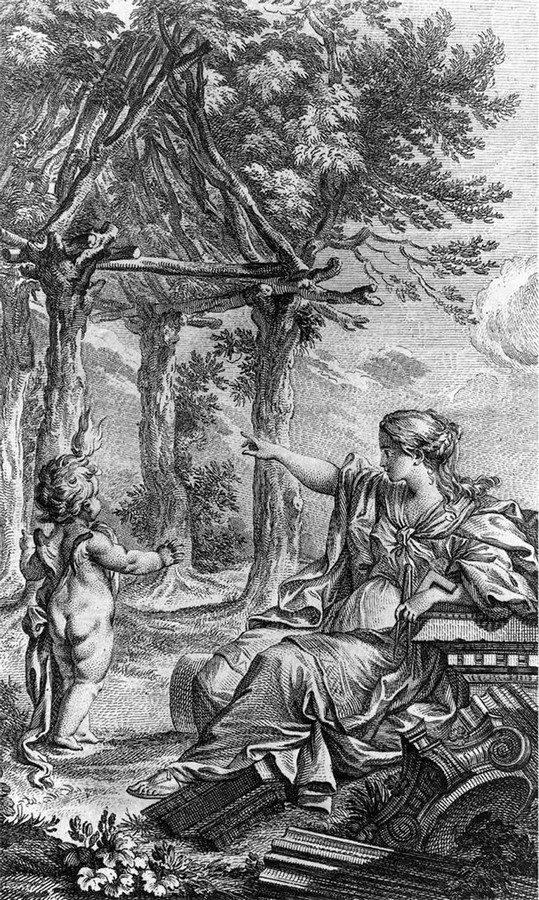
As for the origin story of architecture, it starts with the Neolithic period and some other historical jargon. To put it simply, architecture came into existence when humans realized slowly yet steadily that they could do more than simply find natural shelters; they could create their own. Hence started the experimentation with stone, wood, and mud; soon enough, this practical necessity had become an art form of sorts, and special people called ‘architects’ honed their skills and incorporated aesthetic elements into their designs. Architecture (and everything in the built environment), in a way, shaped the world (as one has been experiencing in this reality).
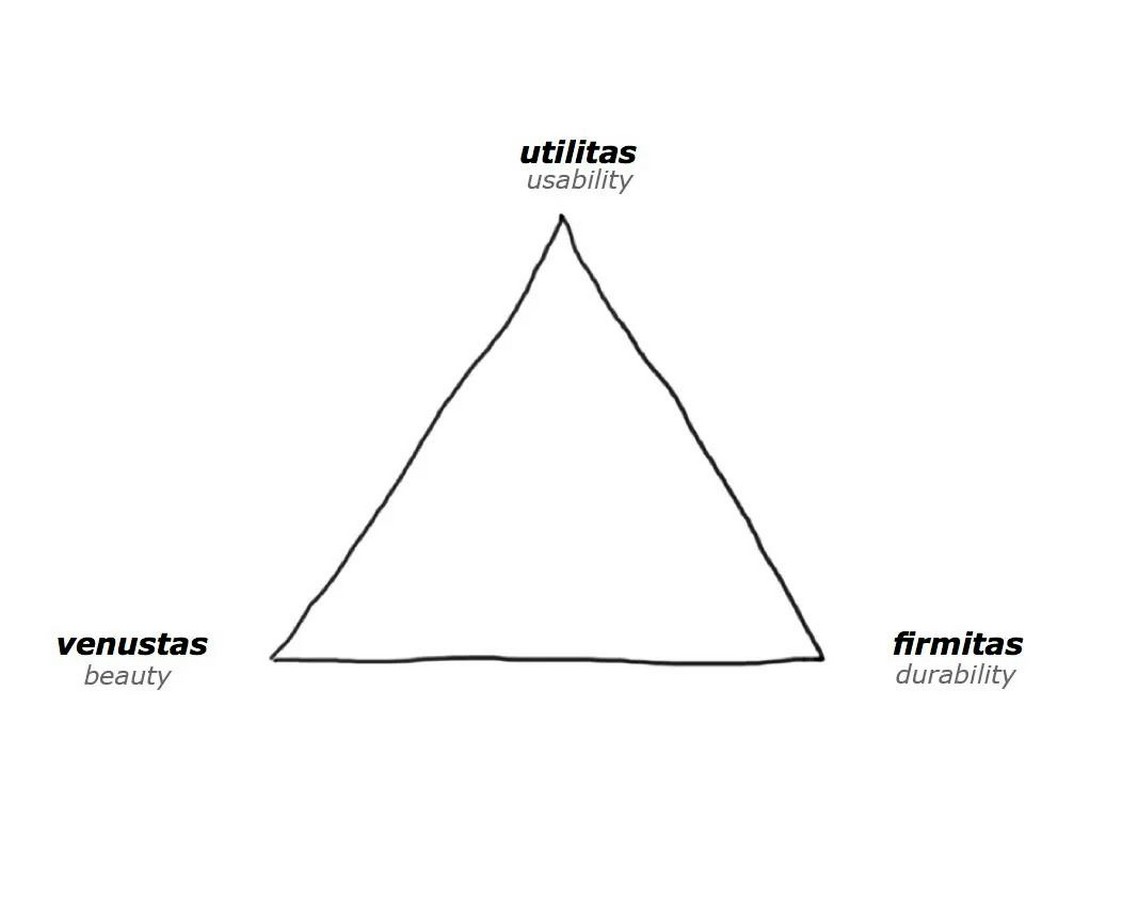
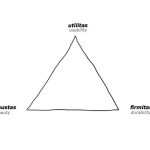
According to Vitruvius, architecture comprises beauty, structural integrity, and utility. In contrast, the formalist perspective emphasizes the significance of architecture’s formal qualities, including proportion, symmetry, and aesthetic composition. On the other hand, the functionalist perspective focuses on architecture’s practicality and ability to meet its users’ needs and activities. Lastly (for now), the essentialist perspective asserts that architecture has immutable qualities that define it as a distinct discipline, transcending cultural and temporal boundaries. Hence architecture is whatever theory one aligns themselves with!
Whether architecture includes all built structures revolves around the inclusivist and exclusivist perspectives. Inclusivists argue that architecture encompasses all designed objects in the built environment, while exclusivists believe it includes only a specific subset. Examples of exclusivist subsets could be structures like houses, temples, or office buildings that people can occupy or structures designed primarily for aesthetic purposes. Inclusivists argue for a broader understanding, including all built structures as architectural objects, even if they may not be considered art. The discussion includes aesthetics, creator intentions, cultural context, and the distinction between a creative medium and an art form. Again, to decide what architecture is and what is just part of the built environment, one has to align themselves with one of the various theories.
The subjectivity surrounding architecture makes it an art form, while many would still argue that it is as much a science as an art form! But one must remember that science is objective; art rarely is. Now one agrees that architecture is art, then architecture must be synonymous with beauty; a human existence without architecture is an existence devoid of beauty (yes, even beauty is subjective). To further explore this, one must forget the reality of this world and imagine a world stripped of architecture—a realm where chaos takes the reins, and society unravels.
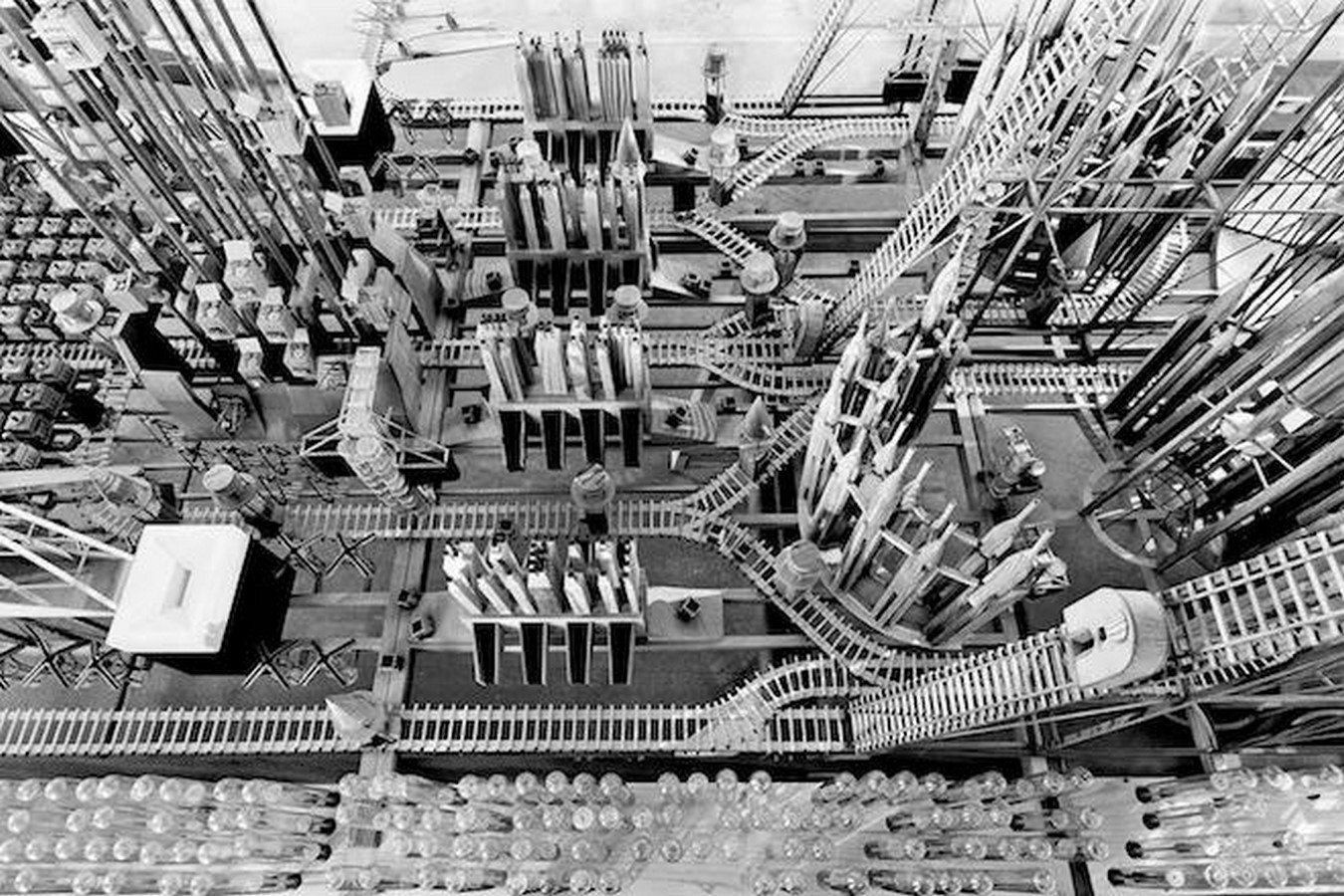
An Architectural Apocalypse
Within this dystopian nightmare, buildings become a mere echo of the past. Gone are the orderly streets, awe-inspiring skyscrapers, and cozy homes that once shaped one’s cities. Instead, humanity aimlessly roams through a tumultuous landscape of confusion. Without the architectural marvels that once defined one’s surroundings, one might stumble over chaotic mounds of asymmetrical structures and hastily constructed dwellings.
The Functional Fiasco
In this world, bereft of architecture, functionality becomes an elusive dream. The absence of well-designed spaces leaves individuals fumbling for purpose. Finding a grocery store becomes daunting as one navigates through a labyrinth of disorganized structures. Seeking a peaceful meal at a restaurant becomes an exercise in frustration, with seating arrangements reminiscent of a twisted game of musical chairs. Every basic human activity becomes a struggle to find order amidst the architectural anarchy.
Aesthetic Armageddon
Gone are the pleasing symmetries, elegant lines, and harmonious proportions that once adorned one’s cities. In this architectural wasteland, beauty becomes a rare commodity. Instead, the eye is met with an eclectic mishmash of clashing colors, jumbled materials, and designs that defy comprehension.
The Social Circus
The absence of architecture’s social spaces sends society spiraling into disarray. Human interaction descends into chaos without carefully planned parks, plazas, and communal areas. People gather in disorganized clusters, desperately seeking a semblance of order amidst the surrounding pandemonium. Conversations devolve into shouting matches, with sound waves bouncing off nonsensical structures that dominate their surroundings.
One might like to return to reality from the exaggerated portrayal of a world without architecture, as it serves as a poignant reminder of architecture’s crucial role in human lives. While it may be difficult to stick to a single theory that definitively defines what architecture is and is not or what constitutes it, one cannot overlook the vital role it plays. Architecture provides the structure and order that are often taken for granted, offering functional spaces, aesthetic delight, and social cohesion. These aspects eloquently provide the answer to the question of whether architecture is a necessity or not. Architecture is woven into the fabric of human existence; it is about finding order in chaos, for in this reality of existence, that is exactly what one strives for as it provides a framework to foster efficiency, aesthetics, and a sense of harmony, all of which enhance the quality of life of not only individuals but also communities.
References (Articles):
Fisher, S. (2015) Philosophy of architecture, Stanford Encyclopedia of Philosophy. Available at: https://plato.stanford.edu/entries/architecture/ (Accessed: 04 June 2023).
The history of architecture in a Nutshell (no date) Widewalls. Available at: https://www.widewalls.ch/magazine/the-history-of-architecture (Accessed: 04 June 2023).
Shah, V. (2015) The role of architecture in humanity’s story, Thought Economics. Available at: https://thoughteconomics.com/the-role-of-architecture-in-humanitys-story/ (Accessed: 04 June 2023).
Images
(No date) Vitruvius. Available at: https://i0.wp.com/misfitsarchitecture.com/wp-content/uploads/2014/11/vitruvius.jpg?resize=624%2C501&ssl=1 (Accessed: 04 June 2023).
Watson, C. (no date) The Origin of Architecture. Available at: https://images.squarespace-cdn.com/content/v1/52e092e7e4b02d88a30c378f/1412133093527-DS8UTKN6GI5EERGDFJOU/Laugier_PrimitiveHut_print.jpg?format=1500w (Accessed: 04 June 2023).
grimm1 (no date). FleaFolly. Available at: https://media.wired.com/photos/59330964d80dd005b42b0e42/3:2/w_1600%2Cc_limit/grimm1.jpg (Accessed: 04 June 2023).