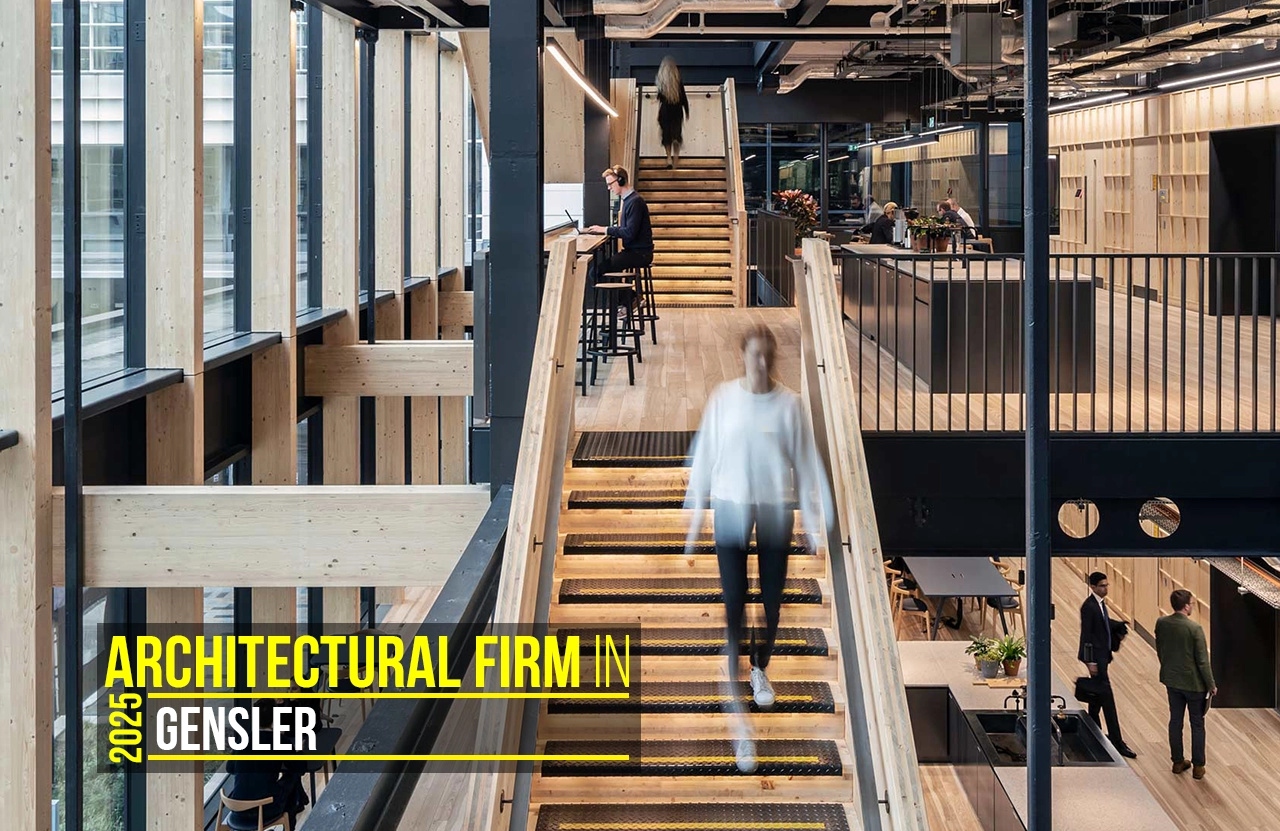
Gensler, the name that sketches the sky and redraws the city street, doesn’t just design buildings; it choreographs the human drama within them. In 2025, Gensler continues to stand as one of the most influential architectural firms in the world, shaping how we live, work, and connect through design. Founded in 1965 by Art Gensler, the firm has evolved into a global leader with offices across more than 50 cities, redefining architecture as a catalyst for positive change. What makes Gensler stand apart in 2025 is not just the scale of its projects but its unwavering commitment to sustainability, innovation, and human experience.
Design Philosophy: Human-Centered and Data-Driven
Architecture today faces unprecedented challenges, rapid urbanization, digital transformation, and environmental urgency. Gensler’s response has been to integrate empathy with analytics. The firm’s design philosophy in 2025 merges human-centered thinking with data-driven insight, allowing spaces to evolve with the people who inhabit them.
Artificial intelligence and digital twins now play an integral role in Gensler’s design methodology. By simulating how buildings perform under real-world conditions, the firm can anticipate issues before construction even begins. This shift has elevated architectural practice from a static process to a dynamic dialogue between data, creativity, and human behavior.
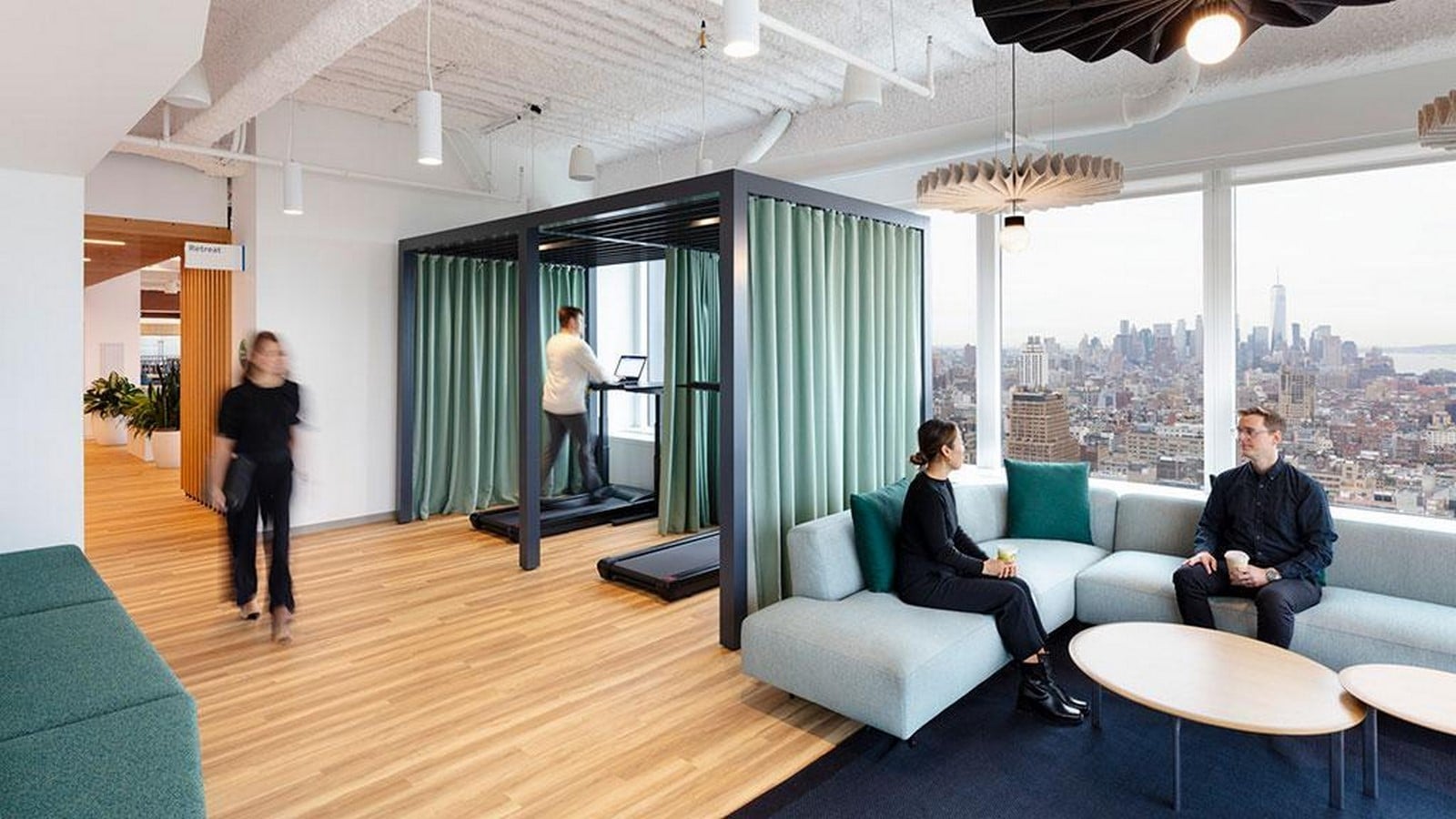
For example, Gensler’s recent workplace projects combine real-time environmental data with behavioral research to enhance comfort, productivity, and well-being. These innovations reflect a broader trend in 2025, architecture that learns from its users’ well-being rather than dictating to them.
Sustainability at the Core
Gensler’s commitment to sustainability is not a passing trend; it is embedded in its DNA. The firm has reaffirmed its net-zero carbon goal for 2030, aligning with the global movement to mitigate climate change. Every project is evaluated through a lifecycle lens, from materials sourcing and energy efficiency to post-occupancy impact.
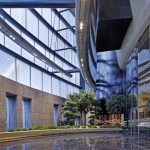
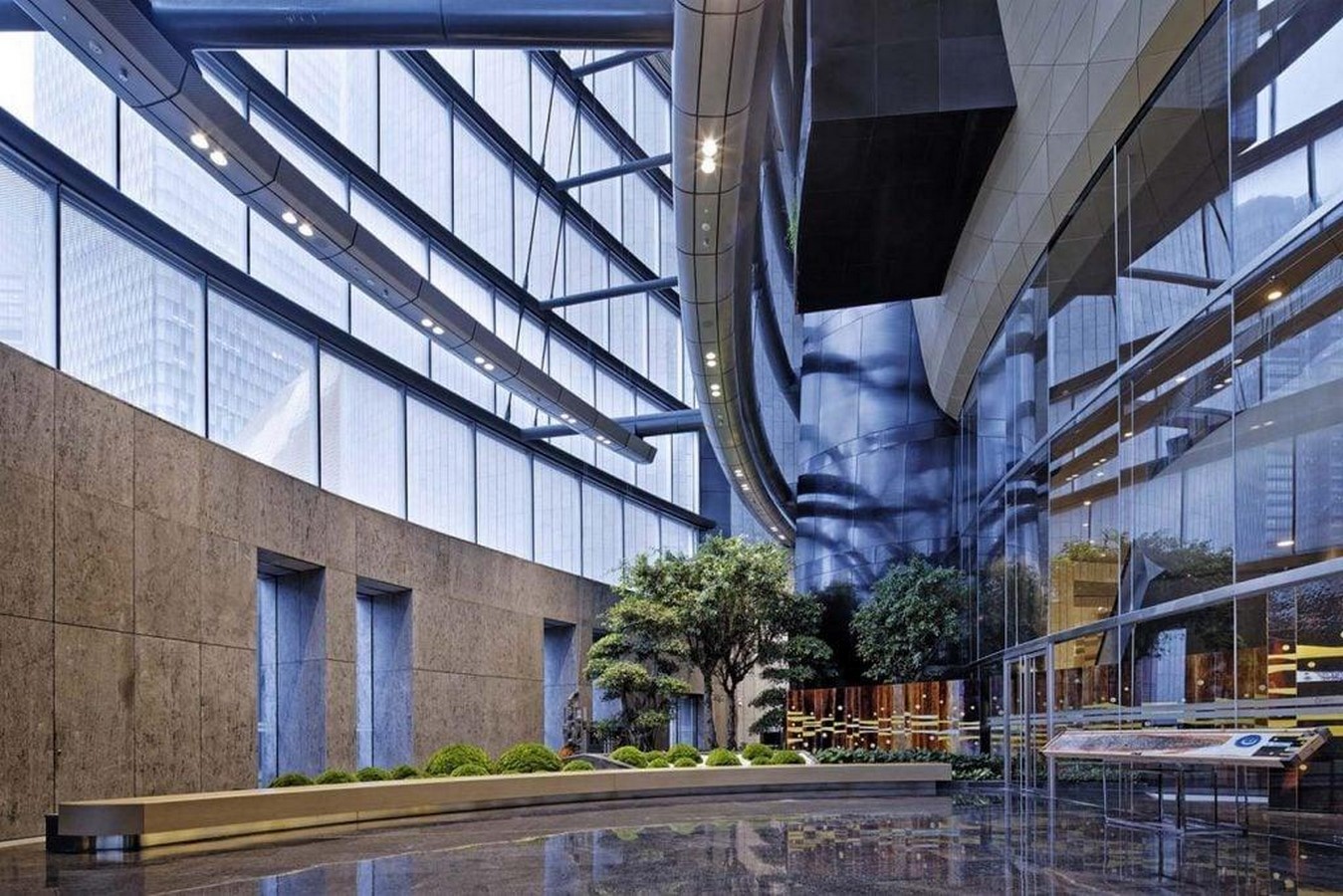
Projects like the Shanghai Tower and Salesforce Tower continue to serve as benchmarks for sustainable innovation. Both structures emphasize energy conservation, passive design, and responsible material usage. However, in 2025, Gensler’s sustainability practice extends beyond iconic towers to everyday architecture, schools, hospitals, neighborhoods, and mixed-use hubs designed with renewable systems and biophilic integration.
Through its Design for a Radically Changing World framework, Gensler promotes adaptive reuse and circular design principles. Rather than demolishing outdated structures, the firm transforms them into vibrant, resilient spaces that preserve cultural memory while reducing carbon footprints.
Technology and Innovation: Designing the Future
In the ever-evolving digital landscape, Gensler has positioned itself as a leader in integrating advanced technologies into architectural practice. By 2025, the firm’s workflows will include artificial intelligence, extended reality (XR), and parametric modelling to create smarter, more intuitive environments.
AI-assisted design tools now allow Gensler teams to simulate energy performance, daylight distribution, and circulation patterns. Virtual and augmented reality platforms enable clients to experience spaces before they are built, creating a participatory design process that bridges imagination and reality.
Moreover, the Gensler Research Institute plays a pivotal role in driving innovation. Its publications explore emerging themes such as the metaverse, urban resilience, and climate-positive design. This continuous research culture ensures that Gensler’s creative decisions remain grounded in evidence and anticipation rather than assumption.
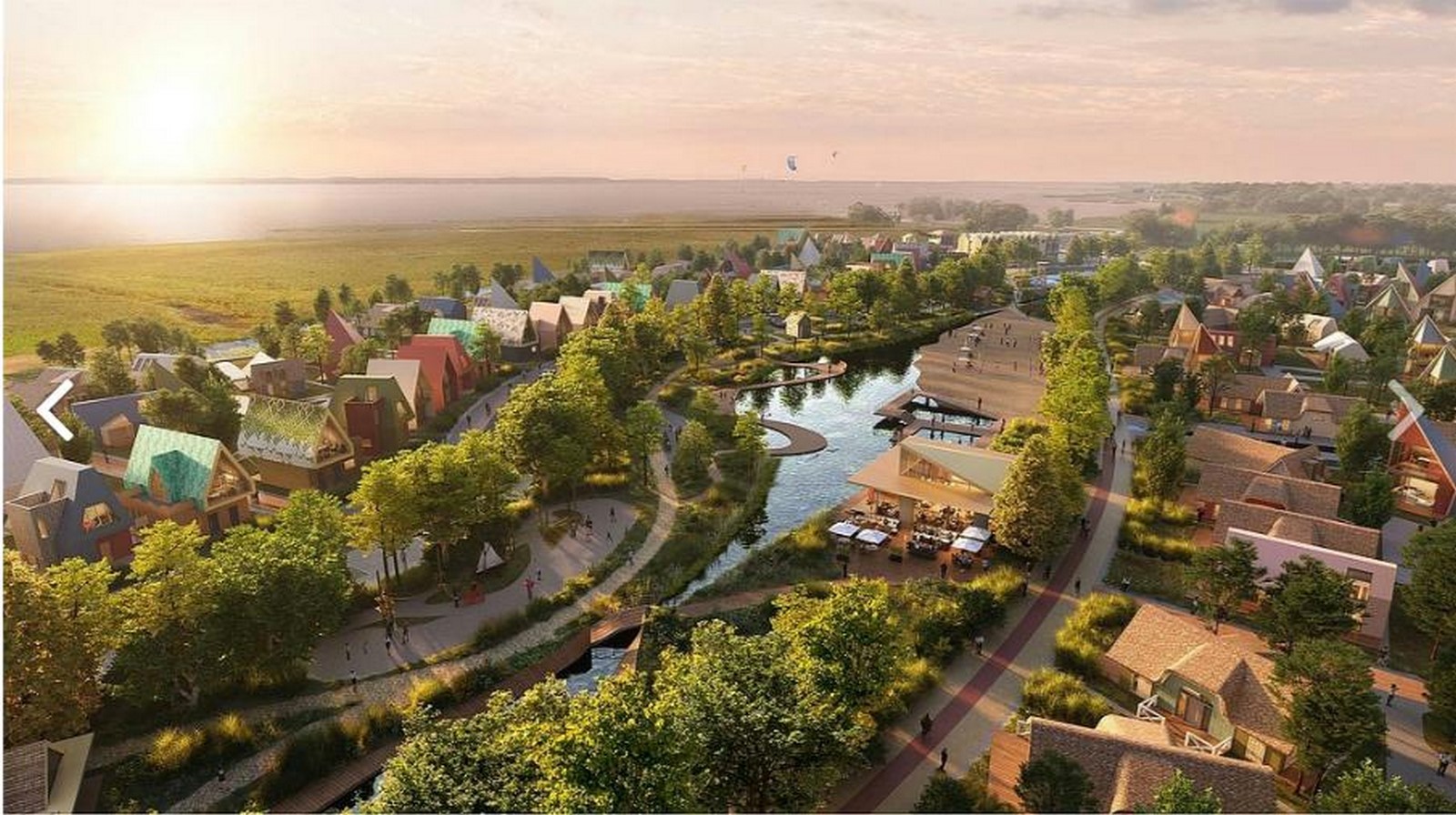
The global pandemic transformed the way people work, and in 2025, Gensler continues to reimagine the post-pandemic workplace. The firm’s studies reveal that employees no longer view the office as a mandatory space but as a destination for collaboration and culture.
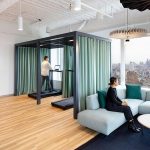
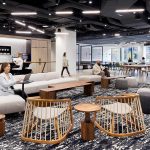
Gensler’s “Hybrid Work Ecosystem” design model focuses on flexibility, wellbeing, and community. Offices are now conceived as multi-modal spaces that blend physical and digital experiences, places where teams connect both in person and virtually. Natural light, air quality, acoustic comfort, and social zones have become central to spatial planning, while smart systems monitor occupancy and environmental quality in real time.
Through projects for companies like Microsoft, Accenture, and Adobe, Gensler has demonstrated how workplace design can enhance engagement, belonging, and performance. The firm’s approach aligns with its broader belief that architecture is not about square footage but about human experience.
Diversity, Inclusion, and Culture
At its heart, Gensler is a people-first organisation. In 2025, the firm’s workforce reflects a broad spectrum of cultural, professional, and social diversity. This diversity fuels creativity; different voices, experiences, and perspectives come together to redefine how architecture interacts with society.
Gensler’s internal studio model encourages interdisciplinary collaboration. Architects, urban planners, interior designers, digital strategists, and researchers work side by side, sharing insights that lead to holistic solutions. The firm’s inclusive design initiatives prioritise accessibility, gender equality, and community engagement, values that extend beyond its office walls into every project.
Its mentorship programs, research grants, and global exchange initiatives ensure that young designers find a voice within the firm’s ecosystem. By empowering new talent, Gensler sustains its reputation as both a global leader and a learning organization.
Urban Regeneration and Community Impact
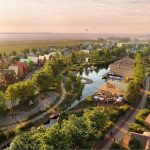
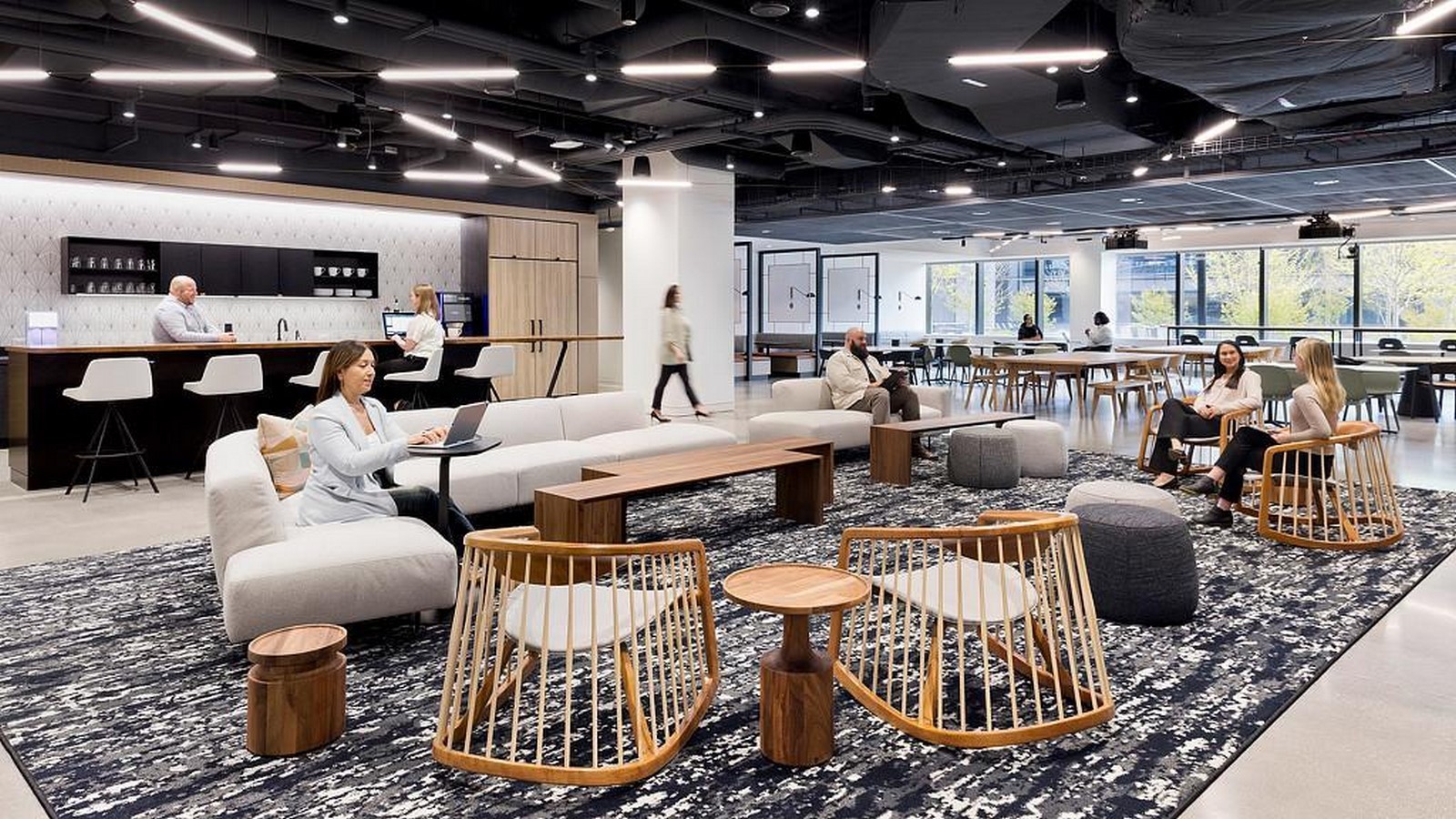
Gensler’s work increasingly focuses on urban resilience and regeneration, reviving underutilized areas into dynamic, sustainable communities. The firm’s master plans in 2025 demonstrate how architecture can be both visionary and restorative.
Projects such as the Downtown Dallas Urban Core Redevelopment and the London Future Vision Plan showcase how Gensler reimagines city spaces through public participation and environmental stewardship. The designs integrate public parks, pedestrian networks, and mixed-use hubs that promote social interaction and biodiversity.
Furthermore, Gensler advocates for 15-minute cities, compact, inclusive neighborhoods where essential services are within walking distance. By prioritizing walkability and accessibility, Gensler’s urban projects aim to reduce emissions while improving the quality of everyday life.
Global Presence and Local Relevance
Despite its vast global network, Gensler maintains a strong local focus. Each regional office is encouraged to adapt the firm’s global principles to cultural and contextual realities. Whether designing in Asia, the Middle East, or North America, Gensler respects local heritage while introducing global innovation.
For instance, Gensler’s India Design Hub explores vernacular materials and passive cooling techniques to create climate-responsive architecture. In contrast, its Nordic offices emphasize social equity and green mobility. This dual approach, global perspective with local empathy, strengthens Gensler’s identity as a truly international yet contextually grounded practice.
Education, Mentorship, and the Future of Practice
In 2025, Gensler recognizes that architecture’s future depends on education and mentorship. The firm collaborates with universities worldwide to nurture emerging designers through workshops, research partnerships, and internships. These programs not only train the next generation of architects but also keep the firm connected to evolving academic discourse.
Gensler’s NextGen initiative, for instance, brings together young professionals across disciplines to co-create experimental projects addressing social and environmental challenges. Through this, the firm continues to cultivate leadership, curiosity, and innovation within its ranks.
A Vision for 2025 and Beyond
Looking forward, Gensler’s mission remains clear: to shape a future where architecture harmonizes people, planet, and technology. The firm envisions self-sustaining cities, workplaces that nurture creativity, and buildings that generate more energy than they consume.
As climate challenges intensify and technologies advance, Gensler’s philosophy serves as a reminder that progress and empathy must coexist. The firm’s projects, from reimagined urban centers to digital metaverse environments, demonstrate a consistent belief that design can be both innovative and humane.
In 2025, Gensler is not merely an architectural firm; it is a movement of ideas, a collaborative force using design as a language of hope, sustainability, and transformation. Its legacy continues to grow, not through monuments of steel and glass, but through the positive impact those monuments leave on people and the planet.
Gensler’s journey reflects the evolution of architecture itself, from form and function to empathy and innovation. By combining human-centered design, sustainability, technology, and cultural inclusivity, the firm continues to shape the architectural narrative of the 21st century. In 2025, Gensler remains a model for what architectural practice can achieve when creativity meets conscience.
Its story is a living testament to the power of design: not to dominate, but to connect; not to impose, but to inspire. Through its work, Gensler continues to remind the world that architecture, at its best, is a conversation between people and place, a dialogue that will define the future of our built environment.
References:
Architectural Record (2024) Designing the Future: How Gensler Integrates AI and XR in Architecture. [Online] Available at: https://www.architecturalrecord.com
Gensler (2023) Gensler’s Path to Net Zero 2030. Gensler Publications.
Gensler Diversity Report (2024) Designing for Inclusion. Gensler.com.
Gensler Research Institute (2024) Data-Driven Design: The New Frontier in Human Experience.
Gensler Research Institute (2025) Design Forecast 2025: Resilient Futures. Gensler.com.
Gensler (2025) Firm Overview and Global Initiatives. Gensler Annual Report.
World Architecture Community (2025) The Role of Global Design Firms in a Sustainable Future. [Online] Available at: https://worldarchitecture.org