As a field, the practice of architecture is undergoing a tectonic shift. In an era where climate change poses a threat, and innovations in technology post its new possibilities, architects and architectural practices are breaking the mold to envision the future of architecture as a vehicle for ecological restoration, community empowerment, and engagement in history.
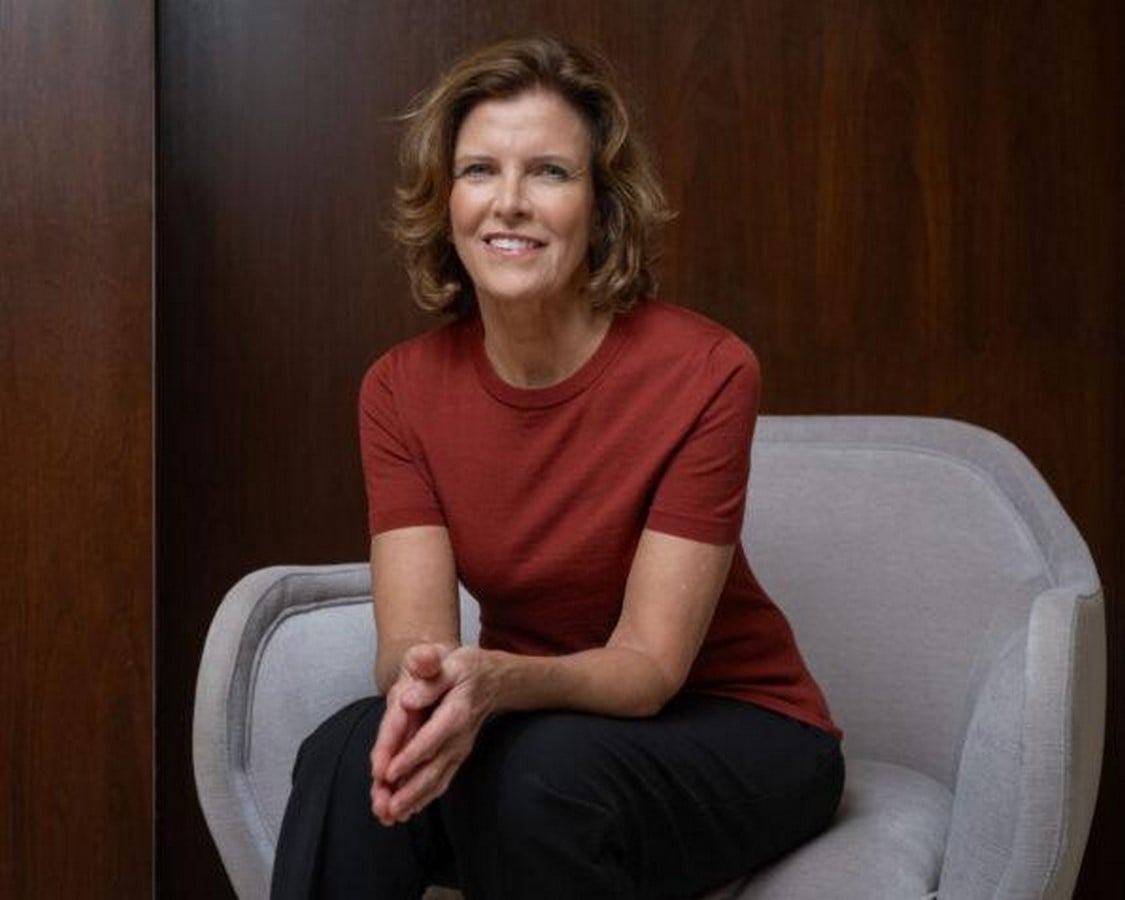
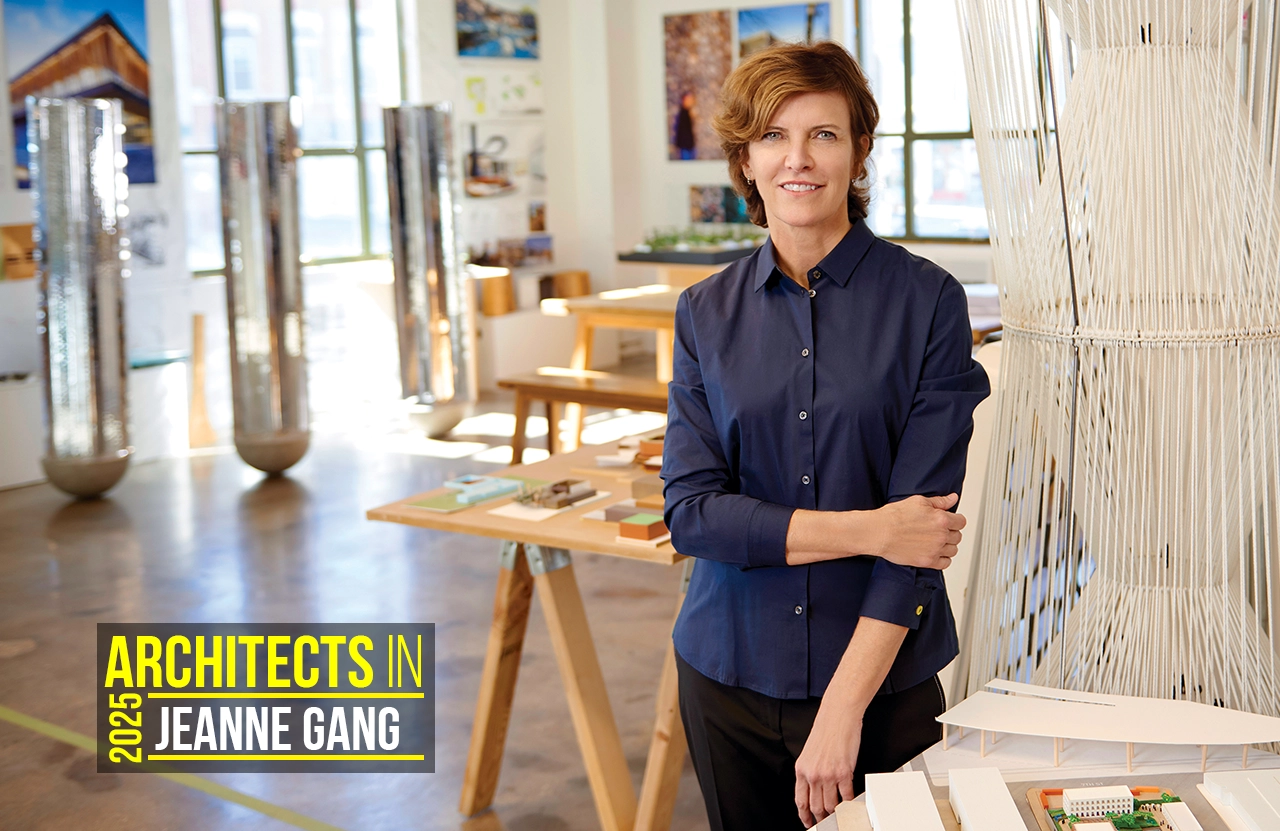
Amidst this transformative wave stands a figure whose career has long foreshadowed this shift: Jeanne Gang. Jeanne Gang, the founding principal and partner of Studio Gang, is known for her forward-looking approach to design. She designs spaces that connect people to one another, to their community, and to the environment. For Jeanne Gang and her firm Studio Gang, 2025 is not a time of radical reinvention but simply comes as a more deepening and amplification of their core principles that have guided their practice for decades.
Studio Gang: A Design Ethos.
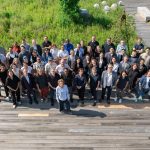
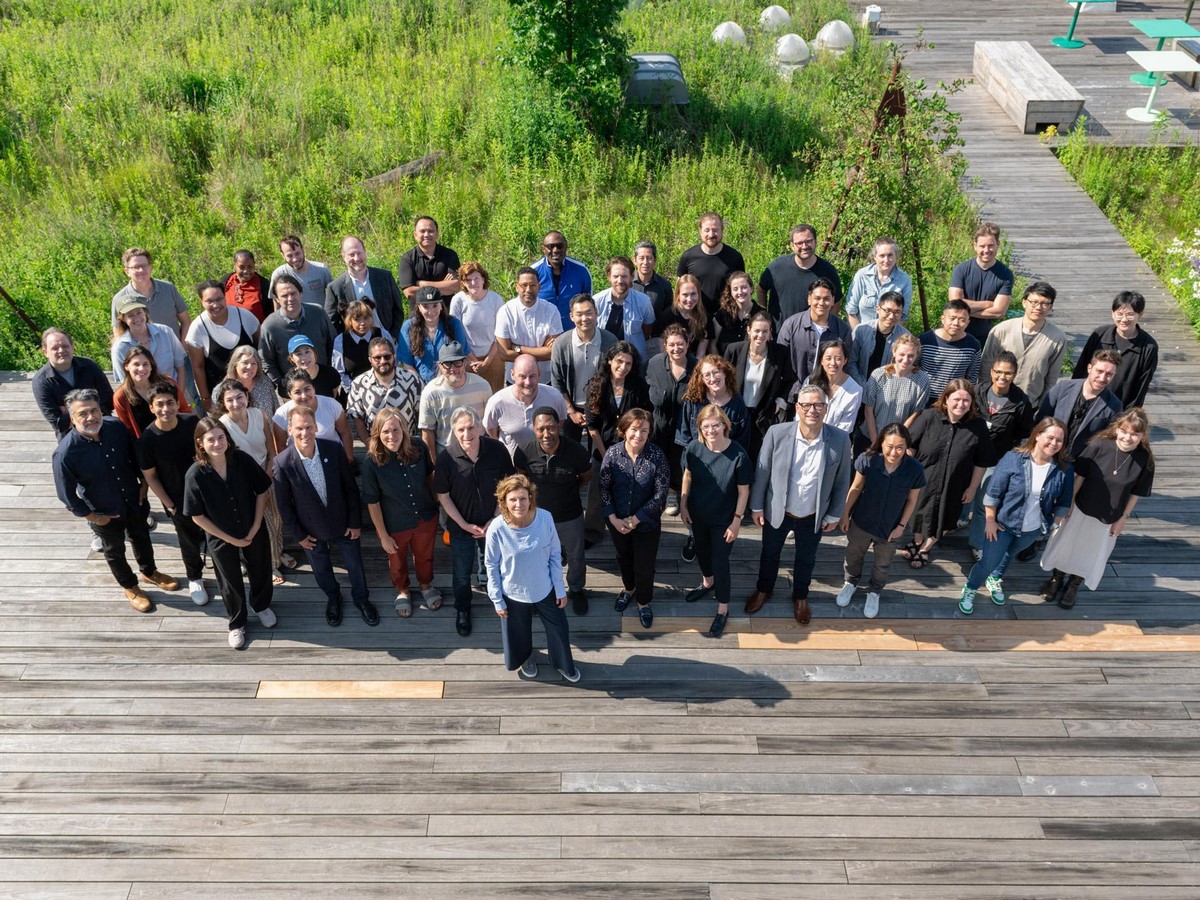
US architect Jeanne Gang founded Studio Gang in 1997, an architecture and urban design practice based in Chicago, New York City, San Francisco, and Paris, and has accrued a notable body of work, which includes parks, community centres, and public institutions. Alongside built work, Jeanne and the Studio also undertake research, publications, and exhibitions that expand design’s capacity to create public awareness and inspire change—a practice Jeanne defines as “actionable idealism.” The Studio has employed experimental design methodologies to foster ecological biodiversity in cities, such as bird-safe building and probing an alternative prairie ecosystem on the roof of their Chicago office. Further, Jeanne has contested the status quo in professional practice by closing the gender pay gap in her office while nudging the staff she collaborates with to do the same.
They use a different approach to starting a new project; they usually start by creating a reading list of research around the topic they are dealing with. That list is created by the people participating in the project, including the client. According to them, the list builds up and is a thing that creates a common baseline knowledge about the subject. Most of the time, inspiration comes from just reading, and where the mind starts to take you. They also believe that inspiration comes when we aren’t really trying and are just experiencing the city or something in nature: direct observation of the world around us.
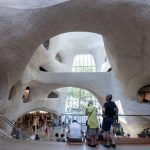
They believe that the focus should not just involve the environment but also the people, geology, history, and existing buildings. Their goal is to work resourcefully, reusing what’s available. “It’s about making architecture less wasteful and more rooted in ideas that build on what already exists.”
The Urban Laboratory
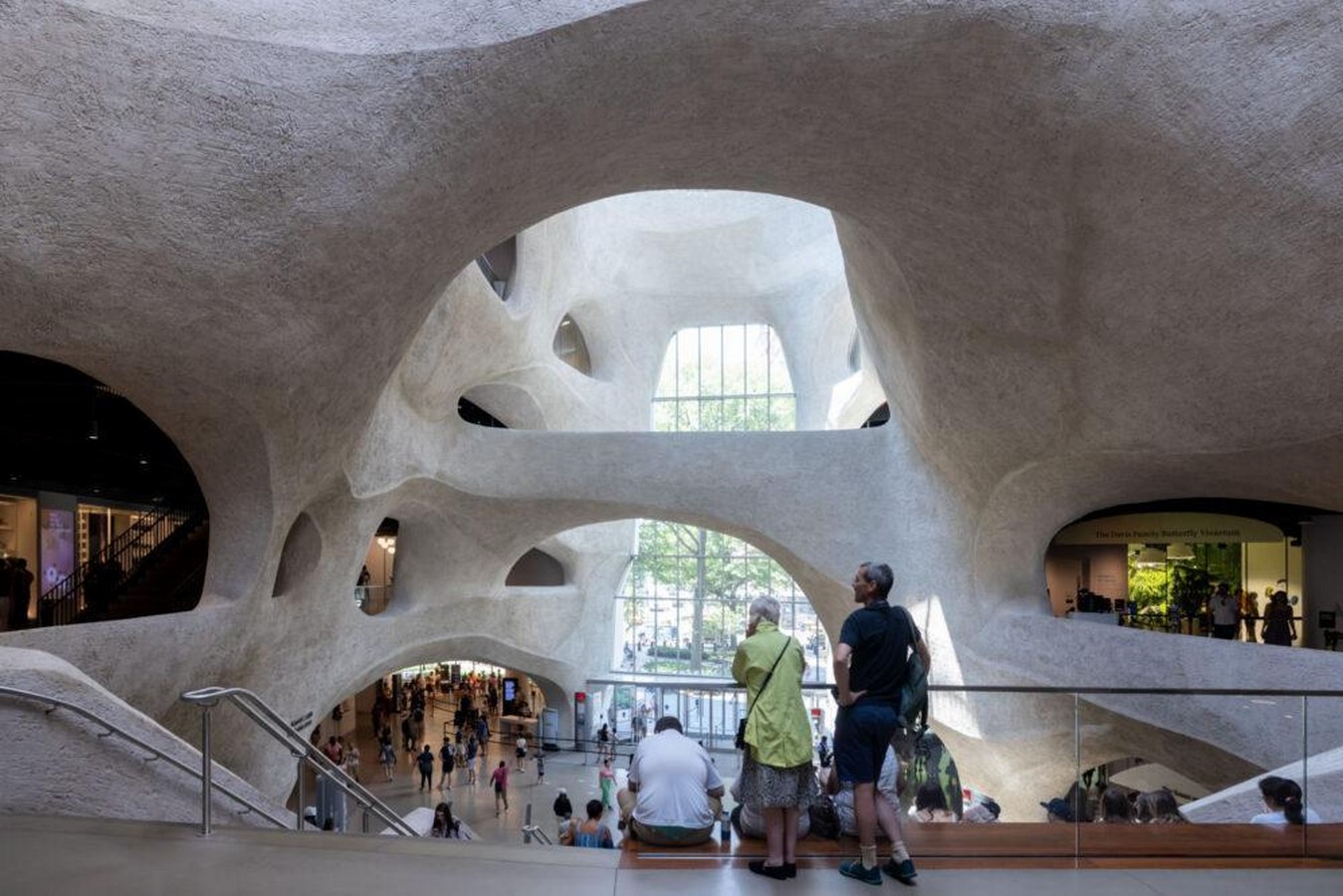
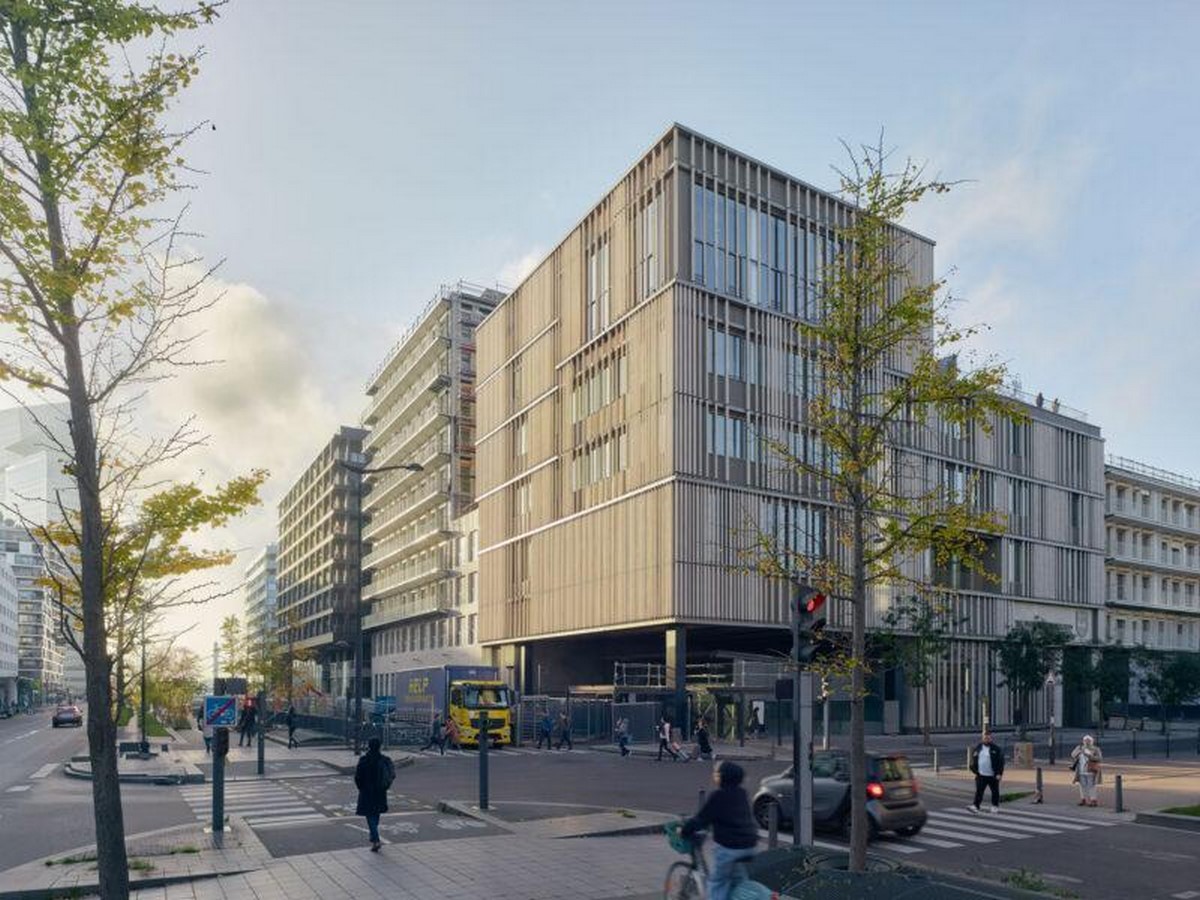
Through her firm Studio Gang, Jeanne Gang has created an impressive and edgy body of work centred on her idea of “actionable idealism”. Gang’s work spans tall buildings, cultural centres, parks, museums, schools, and civic spaces.
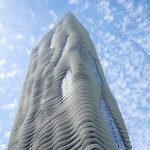
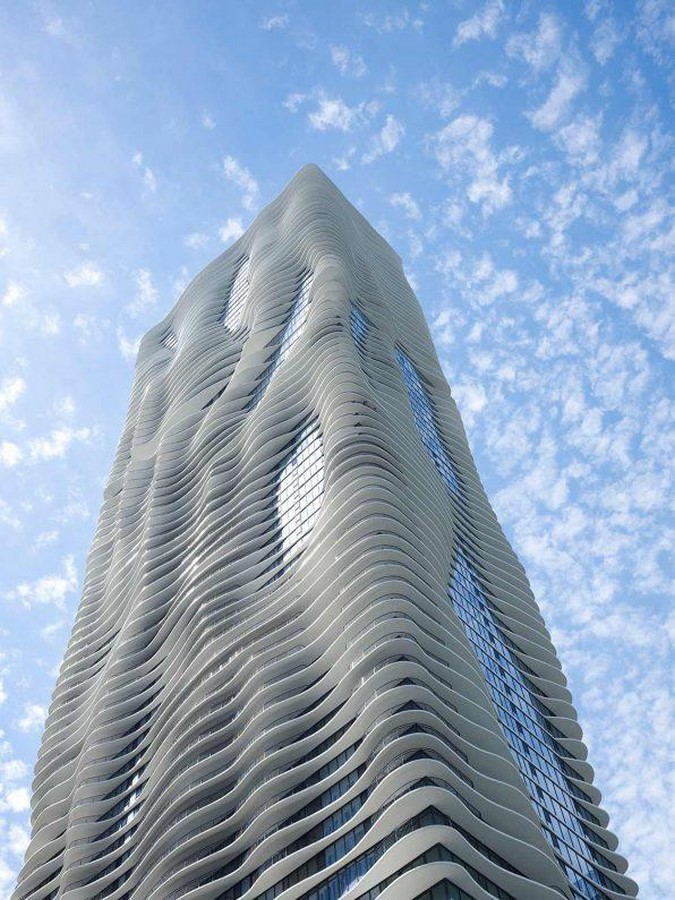
While her most recognized work is arguably the Aqua Tower in Chicago, an 82-story skyscraper famous for it’s signature undulating balconies which somewhat act as a buffer between either the windswept mountaintops or social congregation; she also tackled ecological restoration with her Nature Boardwalk, as the project revitalized a stagnant, anthropogenic pond and transformed the pond into wetland with a host of urban wildlife while acting as a classroom open to the public.
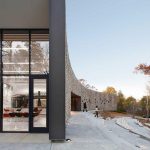
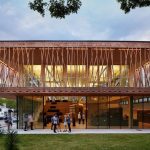
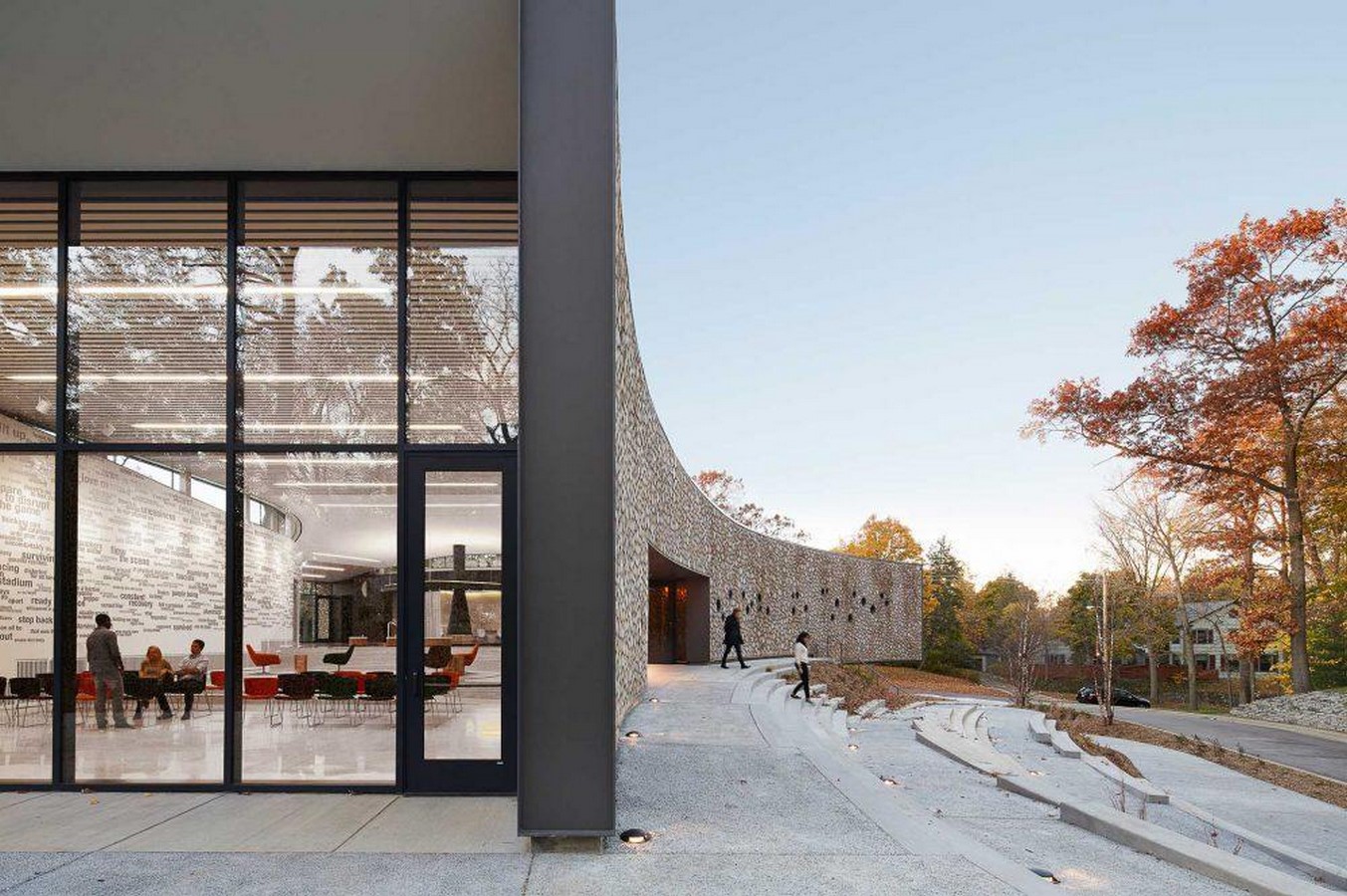
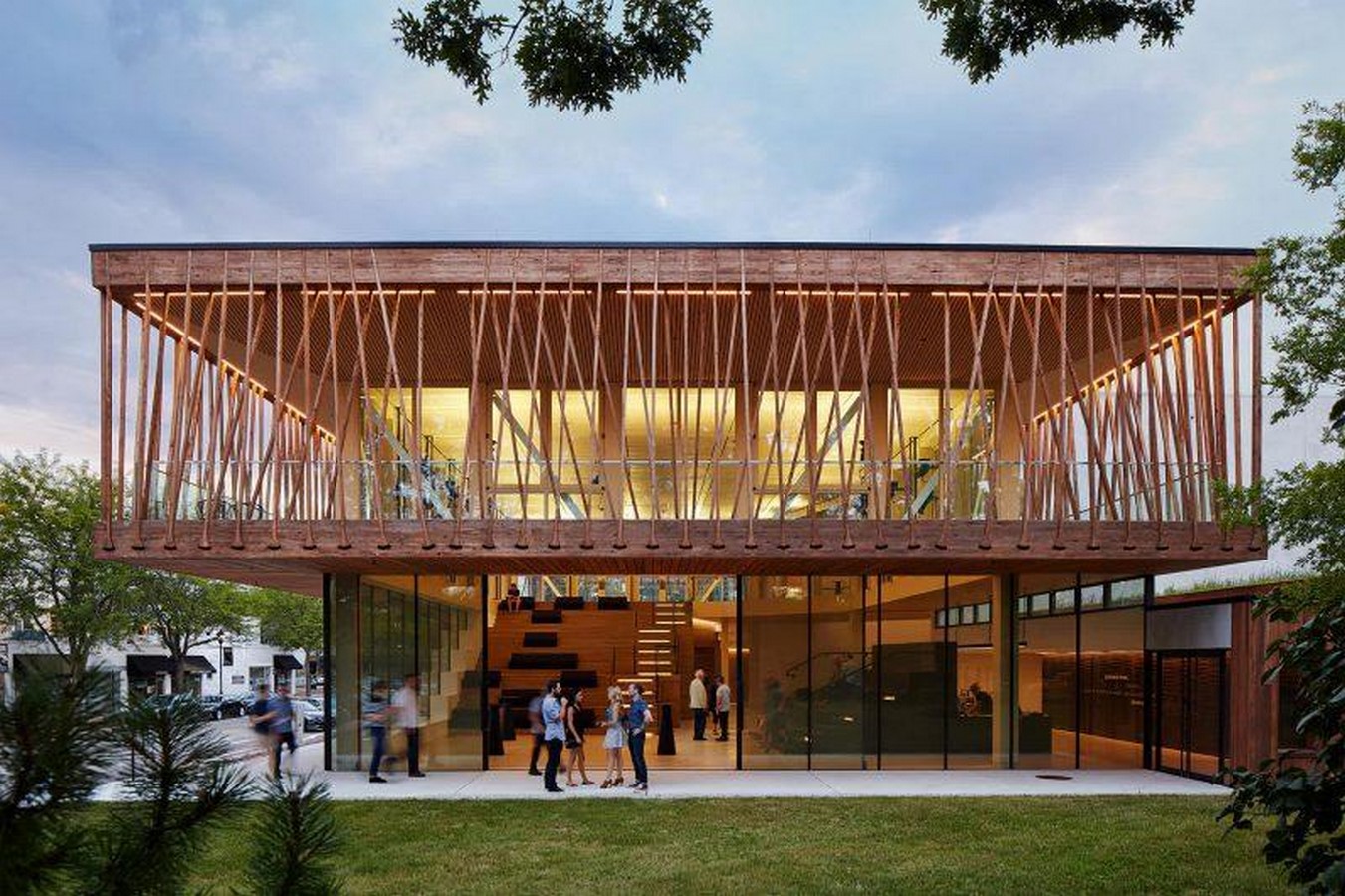
Her Arcus Centre for Social Justice Leadership in Kalamazoo, Mich., leverages an innovative material use with its cordwood masonry, which creates a warm and welcoming dialogue space for members of a diverse community, characterised by its non-hierarchical space for talking and activism. Her WMS Boathouse project at Clark Park on the Chicago River encourages future participation in a platform of community opportunity, outfitted with its vibrant sawtooth roof.
The WMS Boathouse is a special place to experience rowing, environmental education, and environmental reclamation of an industrial area.
In the end, Gang’s work embodies the dedication to creating architecture and context that is not only visually dissimilar but socially, ecologically, and materially engaged.
In the end, Gang’s work embodies the dedication to creating architecture and context that is not only visually distinguishable but socially, ecologically, and materially engaged.
Beyond the Drafting tables:
Jeanne Gang’s work is more extensive than just building skyscrapers and public architecture, but she has also put her mind towards pro-bono work. Jeanne was involved in the project to design and construct a building for the Chinese American Service League (CASL), a non-profit agency based in Chicago that provides English-language classes, job training, and child care for Chinese American immigrants.
Through efforts such as voter registration drives and promoting equitable development, the studio is evolving beyond an architect’s role. They are engaging in democratic and social processes that create cities to provide a more just framework for all.
Gang’s principle of “actionable idealism” propels her work to create space that is beautiful, but also responds to and resolves urgent social and ecological matters, thereby using architecture to drive positive systemic change.
By 2025, Jeanne Gang’s voice continues to be an important one, and especially so at this time of unprecedented complexity and interconnections; her work serves up a simple and definitive vision for architecture’s future. It is not a vision of another solitary monument, but a vision of a more equitable, robust, and beautiful world.
Through her intentional exploration of ecological principles, her strong belief in the importance of history, and of course her public commitment to community, Gang is much more than a building designer. Her work in 2025 is ample evidence of the potential that architects can be, and have to be, agents of good, and of moving architects beyond our identity as architects toward becoming agents of thriving and equity in the future.
References-
Iype, J. (2020) Architect jeanne gang forging relationships within communities with the built form, STIRworld. Available at: https://www.stirworld.com/inspire-people-architect-jeanne-gang-forging-relationships-within-communities-with-the-built-form#:~:text=Studio%20Gang’s%20ongoing%20research%20project,police%20stations%20as%20civic%20assets.%E2%80%9D (Accessed: 04 September 2025).
Jeanne Gang (no date b) Studio Gang. Available at: https://studiogang.com/people/jeanne-gang/ (Accessed: 04 September 2025).
The Grand Tourist (2025) Jeanne Gang: Understanding the power of Architecture • The Grand Tourist, The Grand Tourist. Available at: https://thegrandtourist.net/jeanne-gang-understanding-the-power-of-architecture/ (Accessed: 05 September 2025).
Jeanne Gang: The US architect building skyscrapers and relationships (no date) SPYSCAPE. Available at: https://spyscape.com/article/jeanne-gang-the-architect-building-bridges-between-the-police-and-community (Accessed: 05 September 2025).
FOAID, T. (2025) Jeanne Gang’s legacy: Cities, nature & connection, FOAID India. Available at: https://blogs.foaidindia.in/jeanne-gang-the-visionary-architect/#elementor-toc__heading-anchor-0 (Accessed: 06 September 2025).
Jeanne Gang (no date a) National Endowment for the Arts. Available at: https://www.arts.gov/stories/magazine/2013/4/inspiration-quotient-different-kind-iq/jeanne-gang (Accessed: 06 September 2025).