From Adaptive Reuse to AI-Driven Futures
From Adelaide to Everywhere
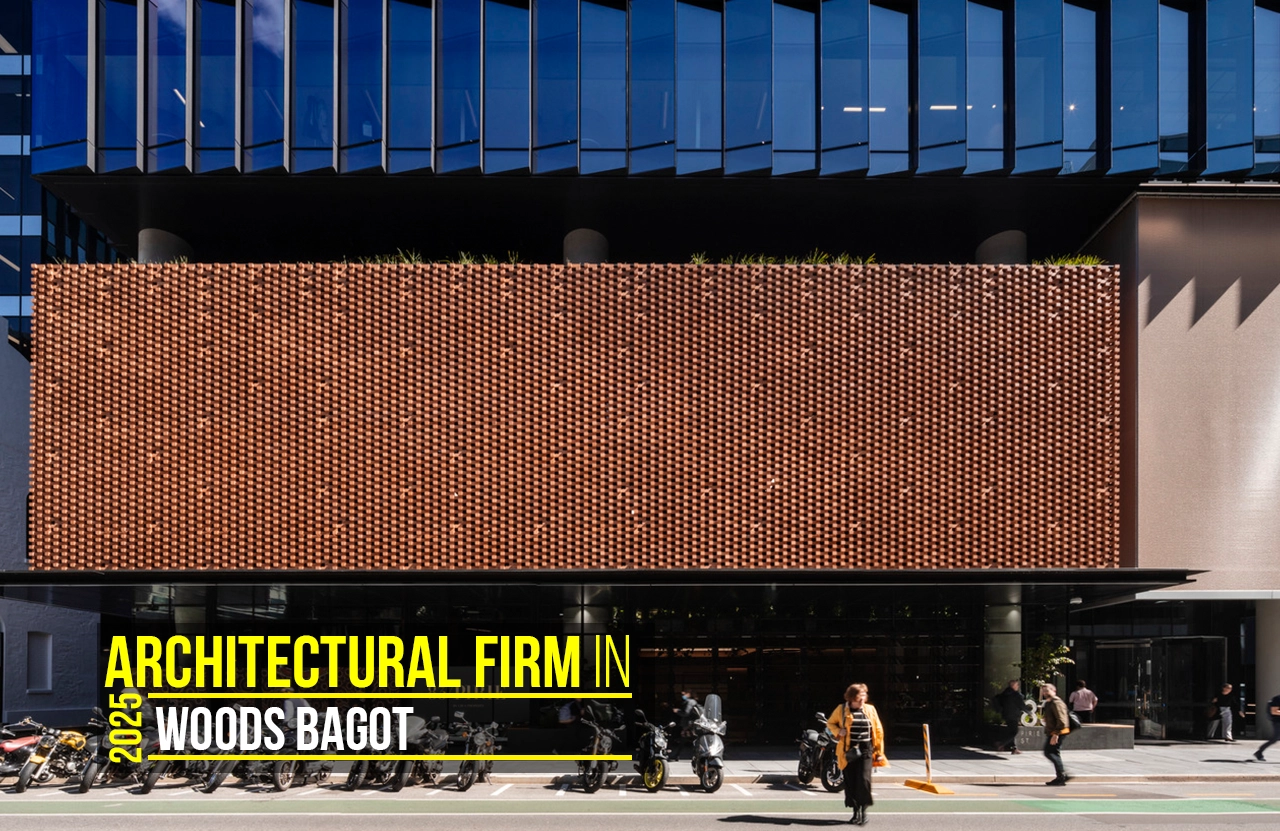
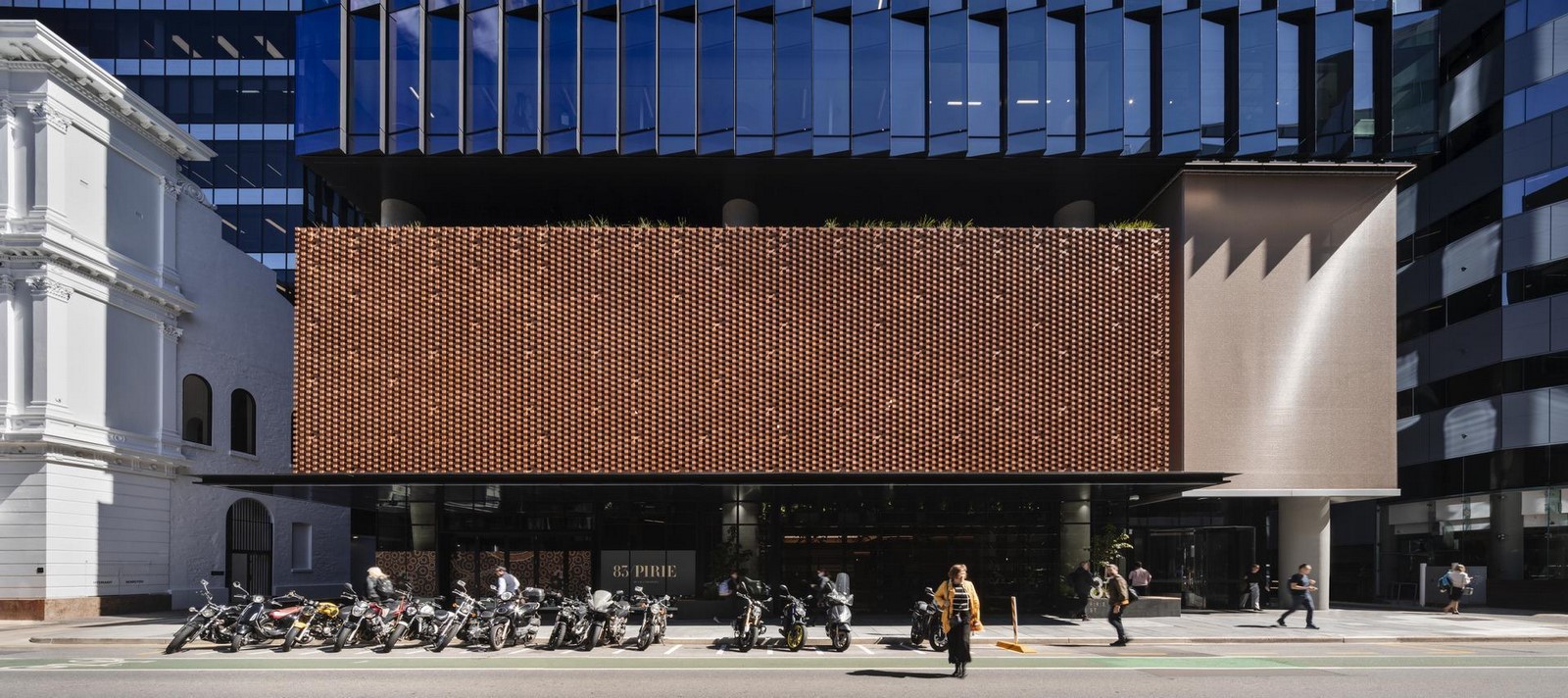
Every successful practice begins with a single line sketched on paper. For Woods Bagot, that first line was sketched in Adelaide in 1869. More than 150 years later, in 2025, the lines span 18 studios around the world, from Melbourne to London, New York to Shanghai. However, this is more than just the story of a firm growing across continents; it is also the story of an architectural community that is constantly reinventing what design means.
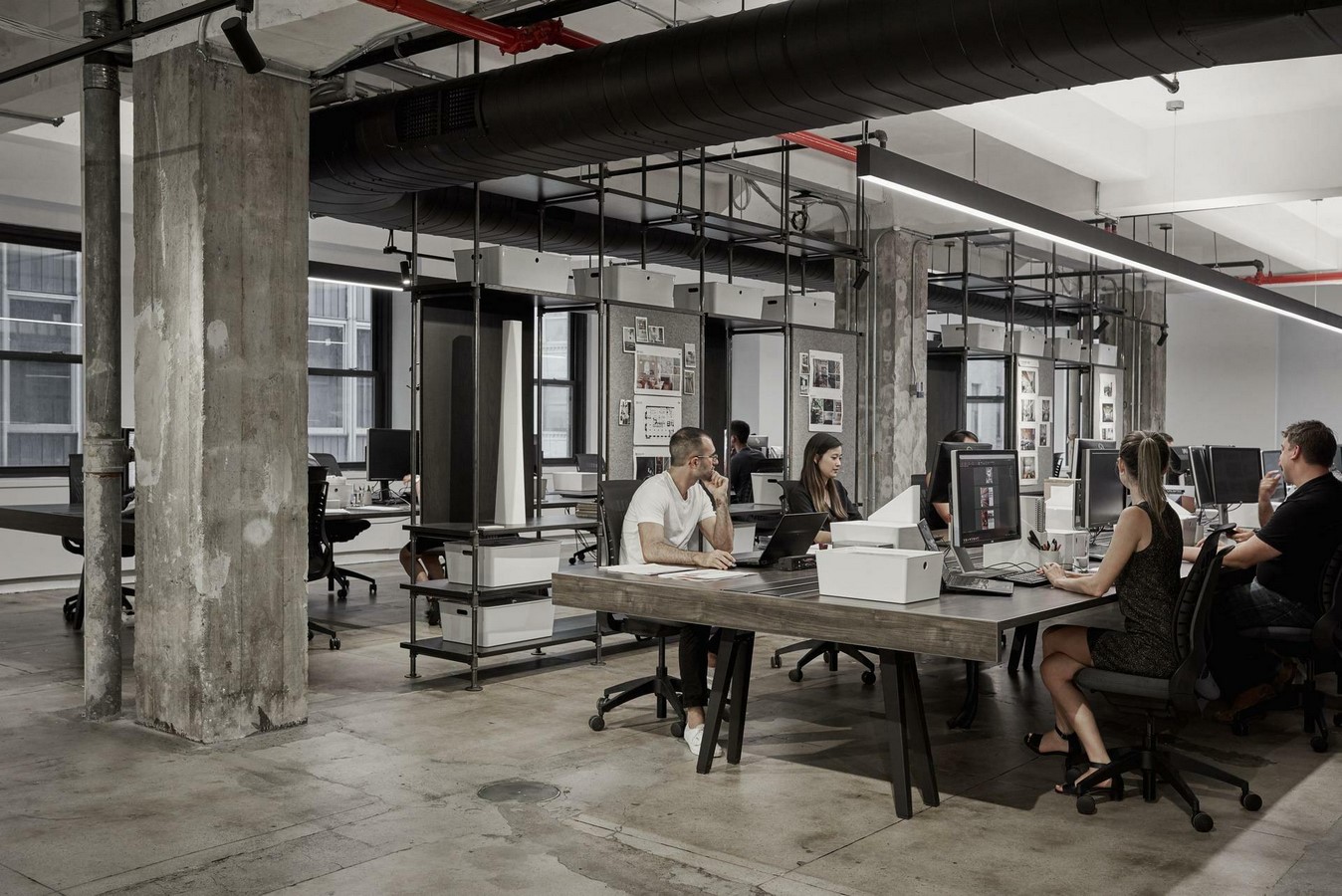
Where others see structures, Woods Bagot sees living systems, ecosystems of material, memory, and human energy. By 2025, the firm will be scripting futures rather than just executing projects.
A Practice That Refuses to Stand Still
Architecture in the twenty-first century raises existential problems. How do we design for cities drowning in trash, populations displaced by climate change, and communities unraveling under pressure?
Most firms react. Woods Bagot reimagines.
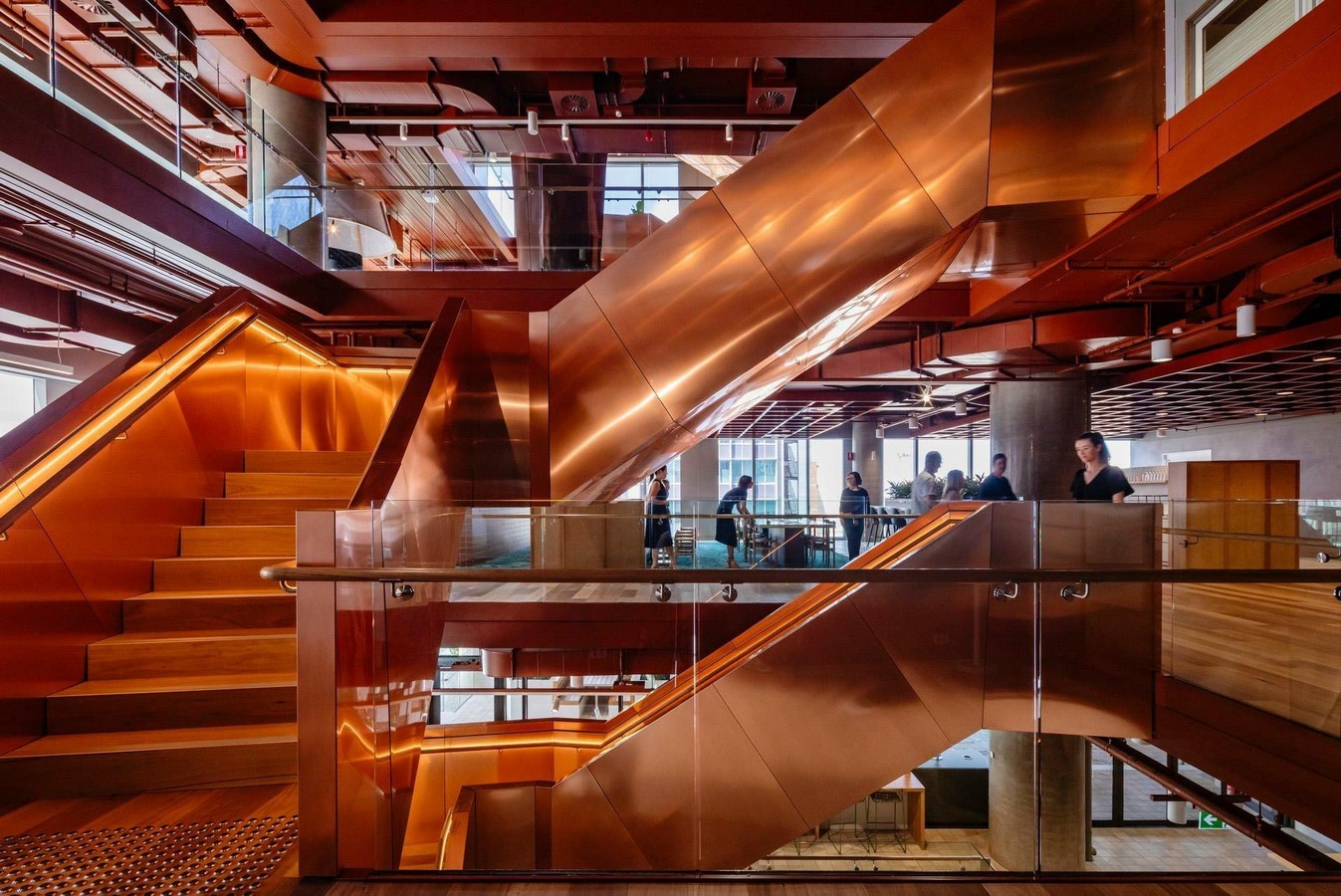
They recently rebuilt their global ecosystem as 7C, a collective that connects design studios with specialist brands in placemaking, sustainability, and experience strategy. It’s more of a constellation than a firm, which means that architecture these days is not only about solo emblems but also about interconnected worlds.
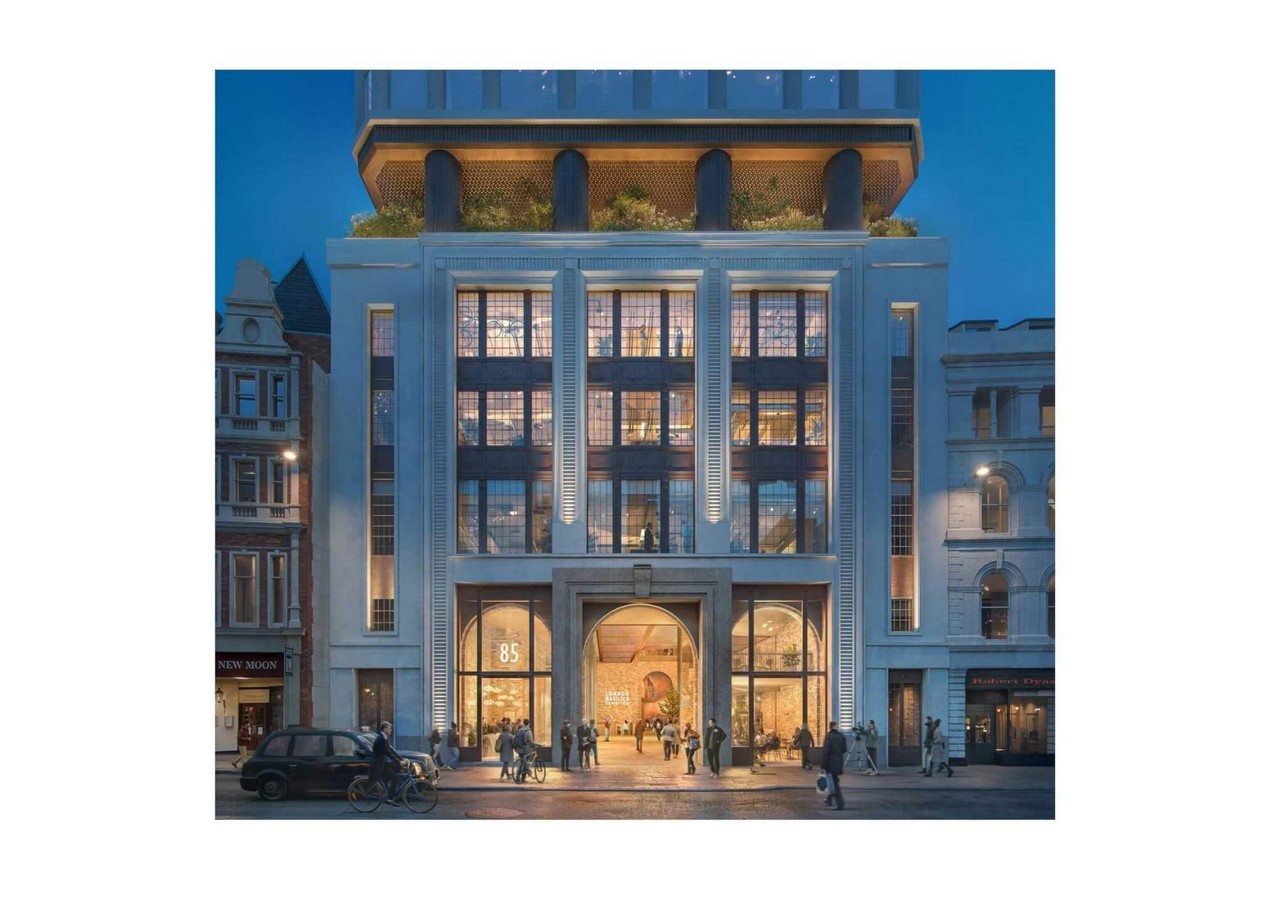
In this regard, Woods Bagot does not follow trends. They are creating a new language, which others are beginning to imitate.
AI, Data and the Future of Design
Technology has always haunted architecture: from the drafting board to CAD, to BIM, to today’s experiments with AI. Where some see fear, Woods Bagot sees freedom.

Their adaptive reuse technique, AD-APT, analyzes data to determine whether structures can be changed rather than eliminated (Woods Bagot). Consider a city in which old warehouses are transformed into vibrant hubs and abandoned buildings are repurposed as carbon-neutral homes. This is not just about efficiency; it is designed with memory.

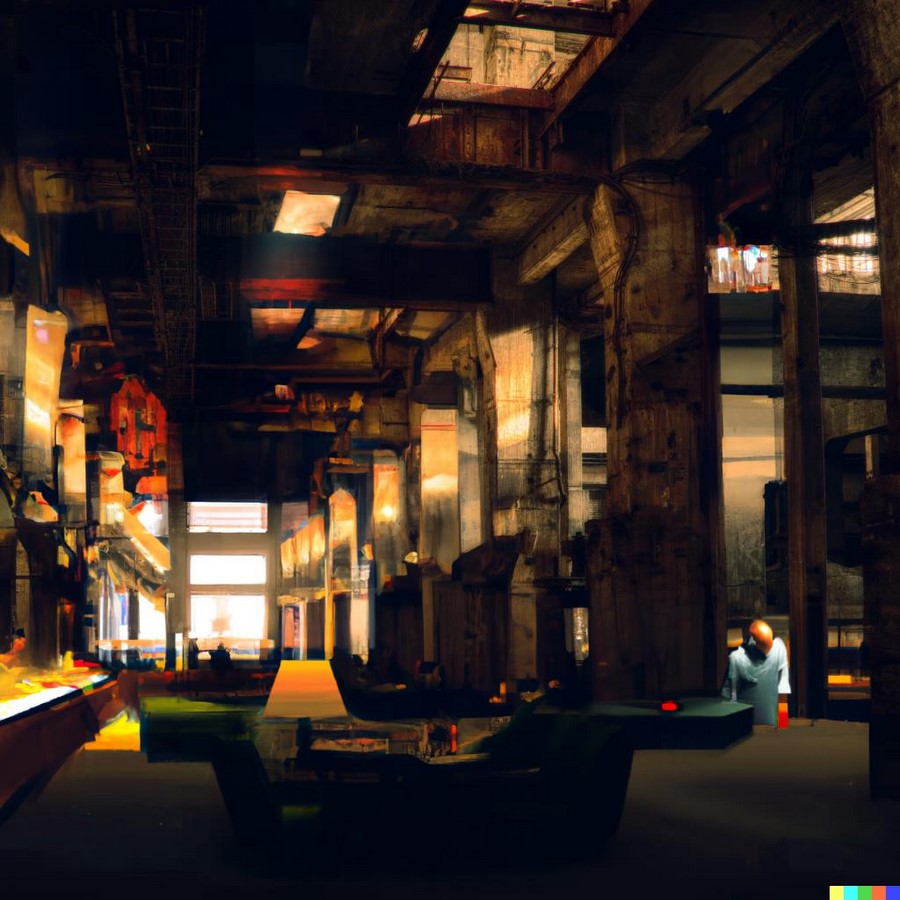
Here, AI is not an algorithm that dictates forms. It’s a collaborator and an assistant that allows architects to focus on the poetry of space while it calculates carbon reductions and lifespan costs. The result? Cities that are smarter, yes, but also more soulful.
Adaptive Reuse: Designing with Ghosts
Woods Bagot argues that buildings never really perish. They carry the ghosts of past lives, scars, textures, whispers of old occupants. Adaptive reuse is their method of listening to the ghosts.
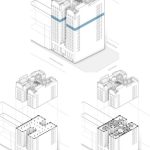
Take 49 Chambers Street in New York, once a bank, now reborn into residential luxury.
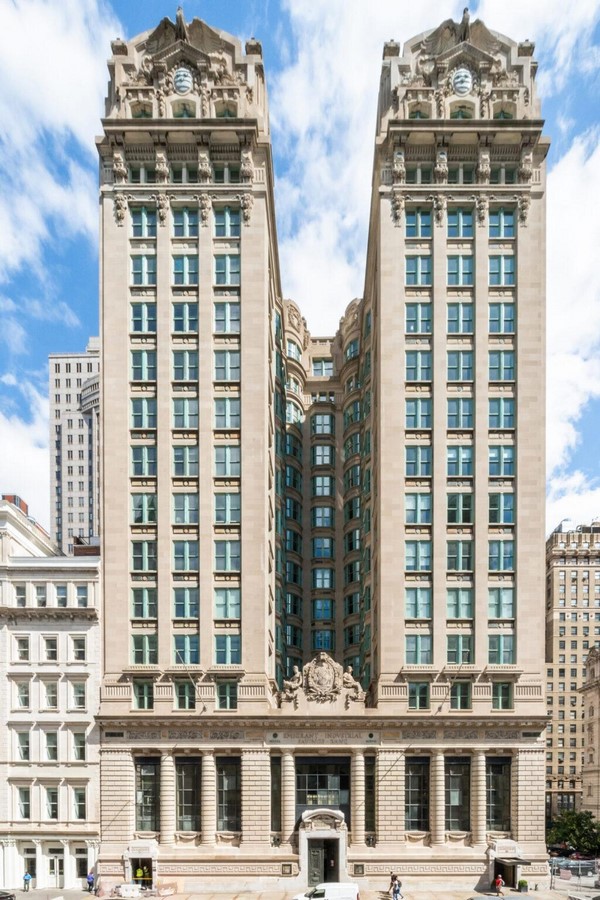
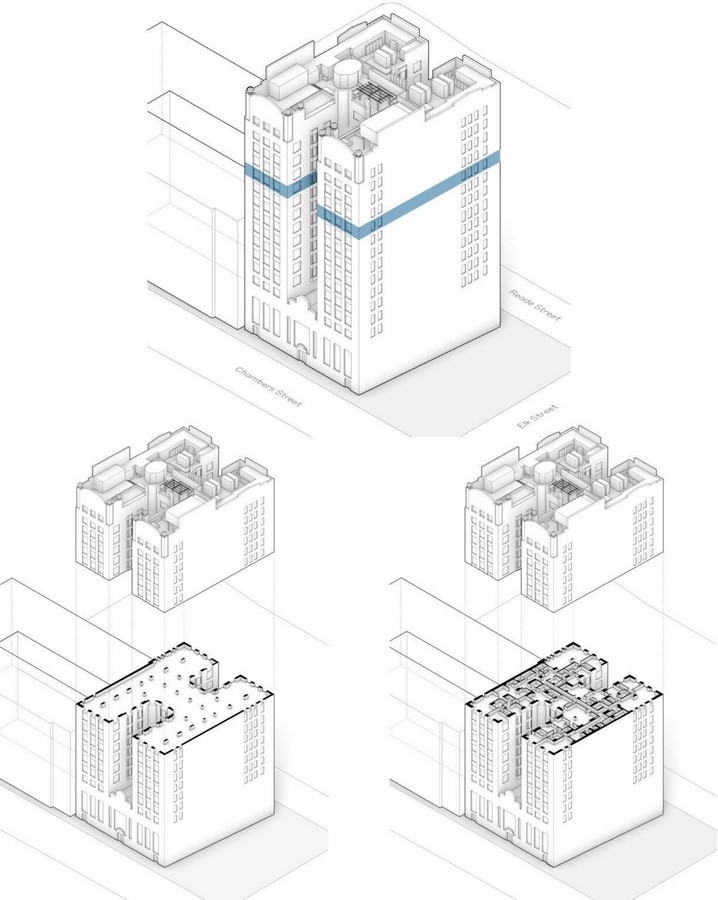
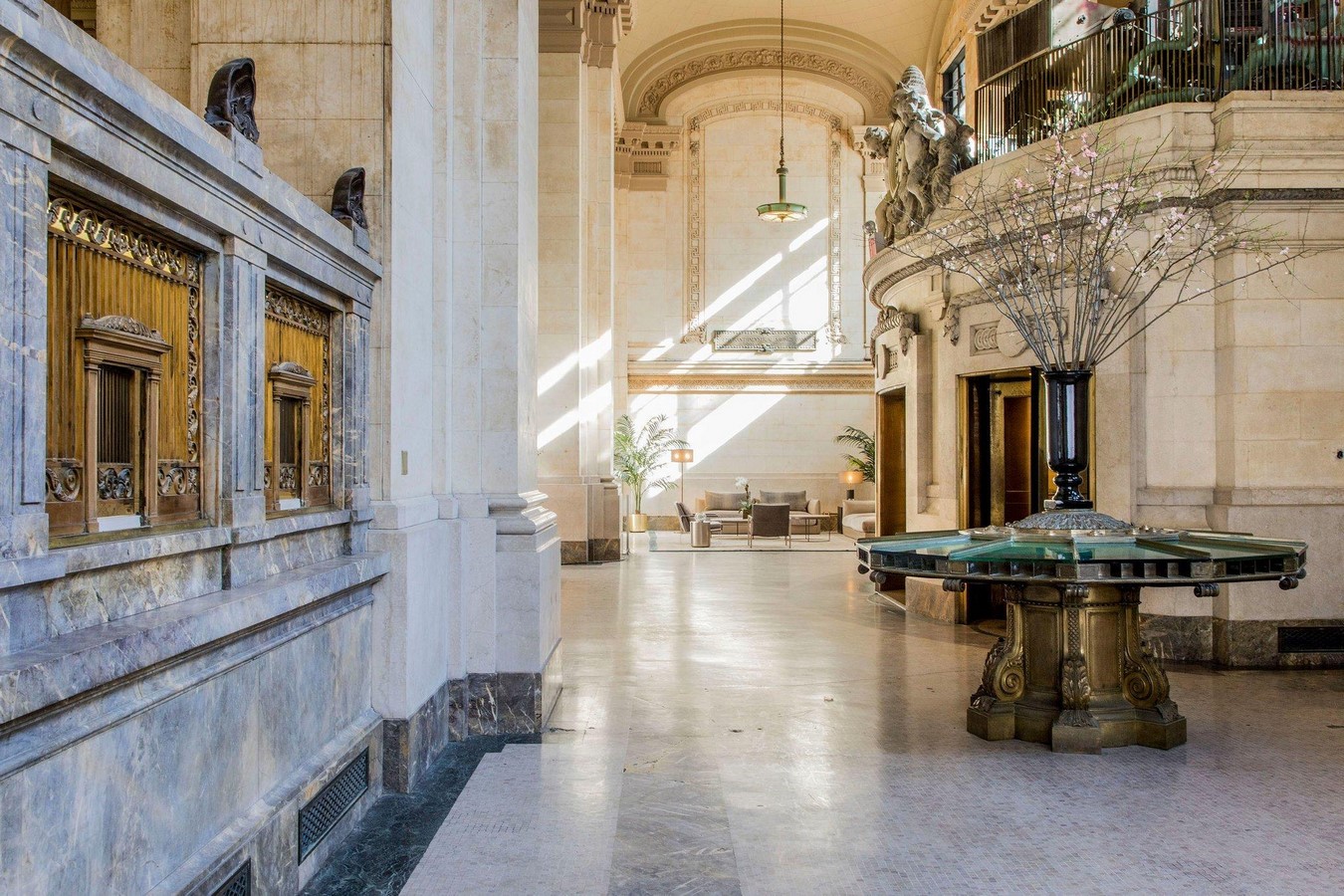
Across Asia, projects like Suzhou Yanlord Cangjie and Beijing Fusion Centre embody this philosophy.
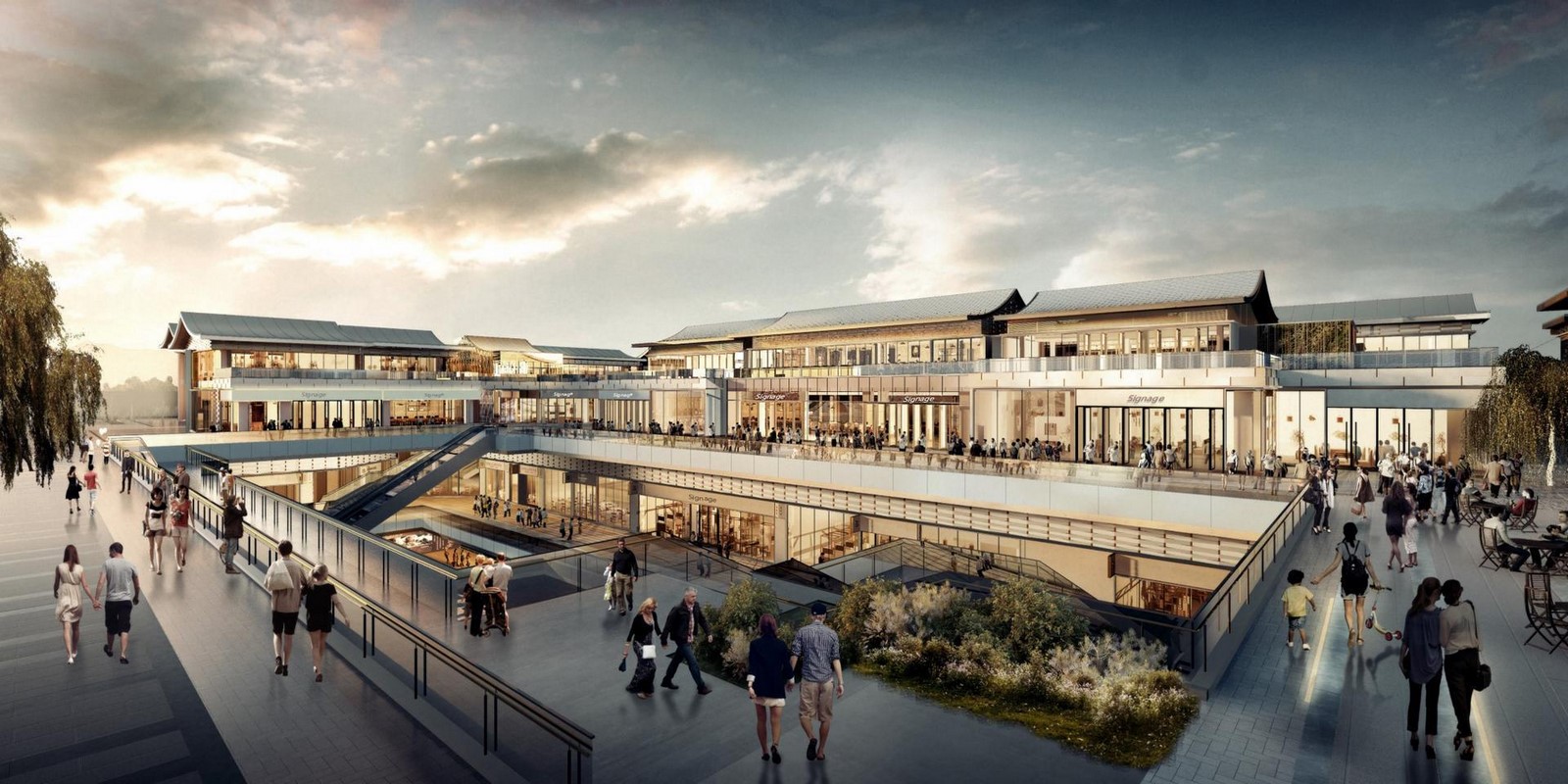
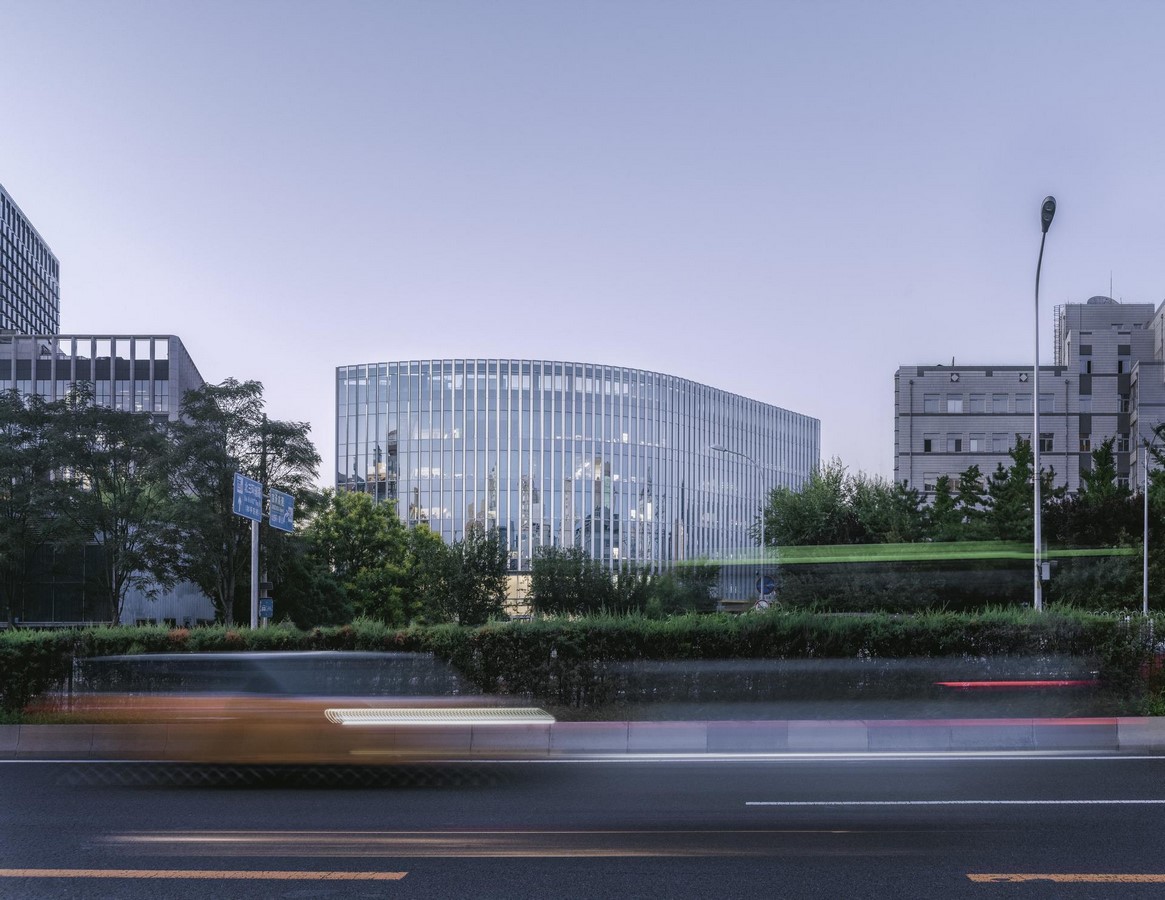
Instead of reconstructing, Woods Bagot transforms the past into the future.
When Infrastructure Becomes Human
Majority of the commuters rush through train stations without regard for design. But in Sydney, Woods Bagot wondered: what if stations were sites of dignity, recollection, and even beauty?
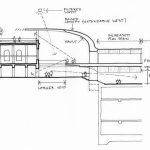
Their design for Sydney Central Station combines the traditional sandstone façade with a bright new metro interchange . Passengers move through atriums where sunshine streams like liquid gold, drawing the city into a dialog with itself.
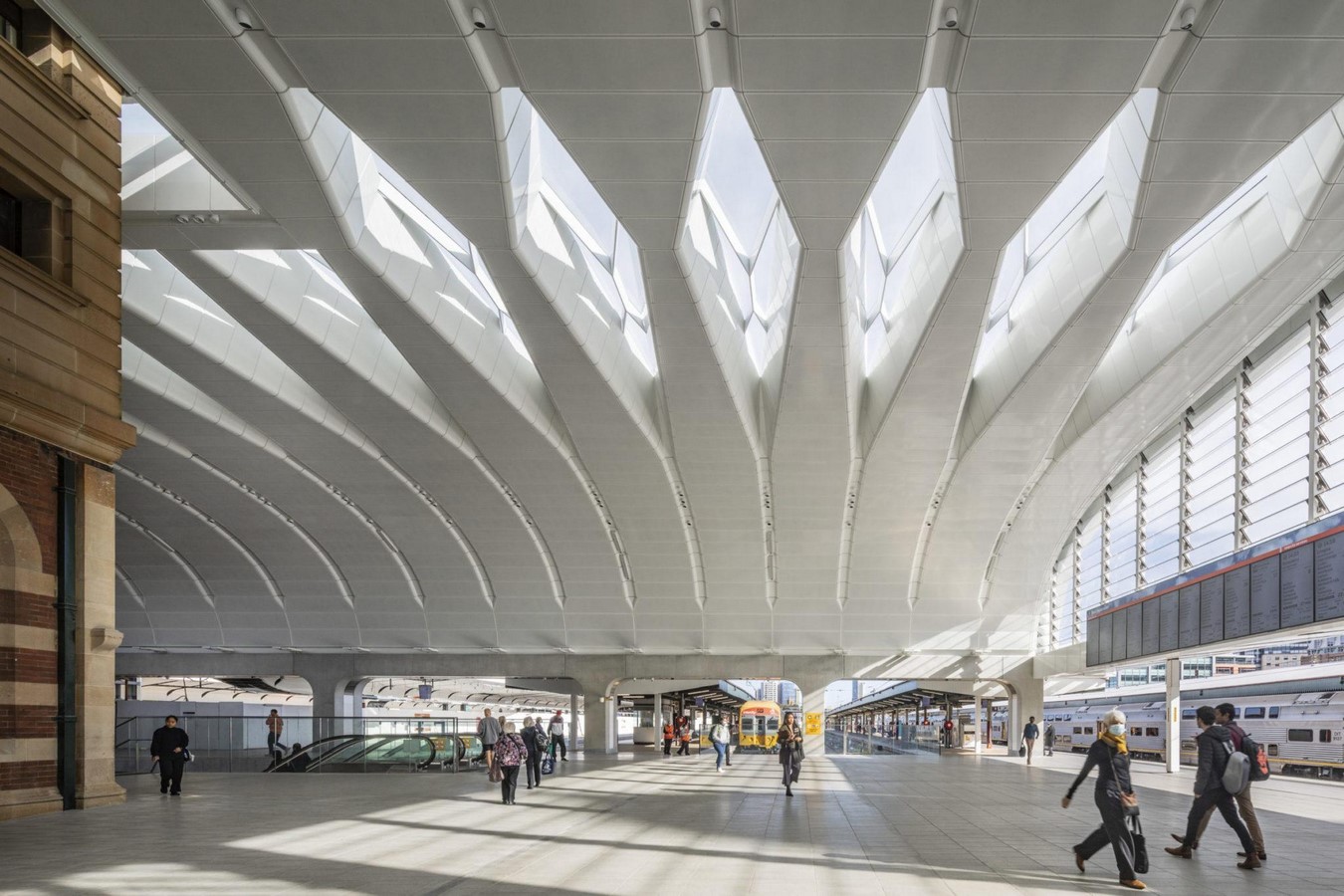
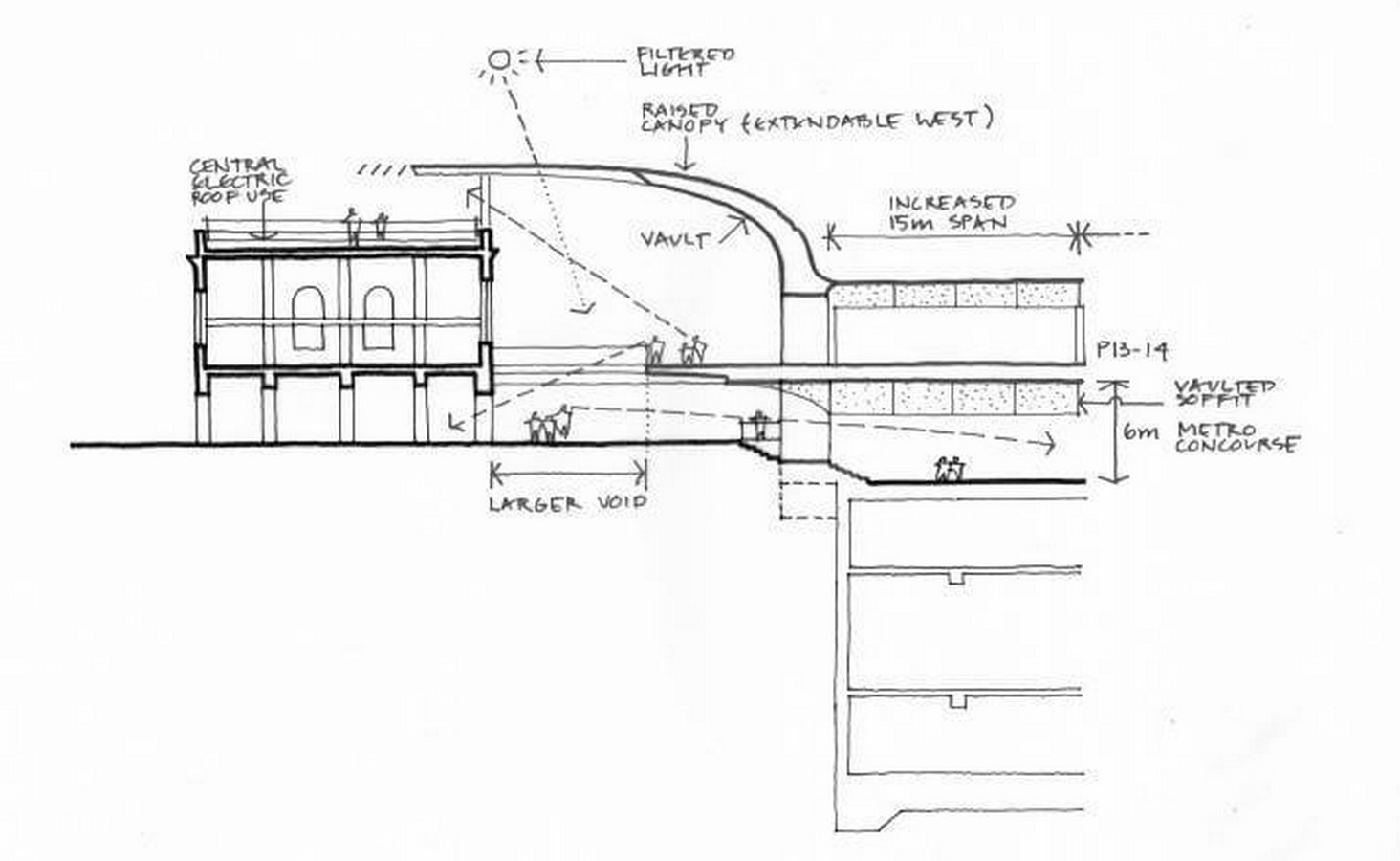
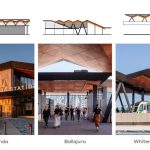
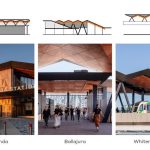
Similarly, at Crows Nest Station and along Perth’s Morley-Ellenbrook Line, Woods Bagot fused local textures, indigenous narratives, and climate-responsive canopies into stations that feel less like transit hubs and more like civic landmarks.
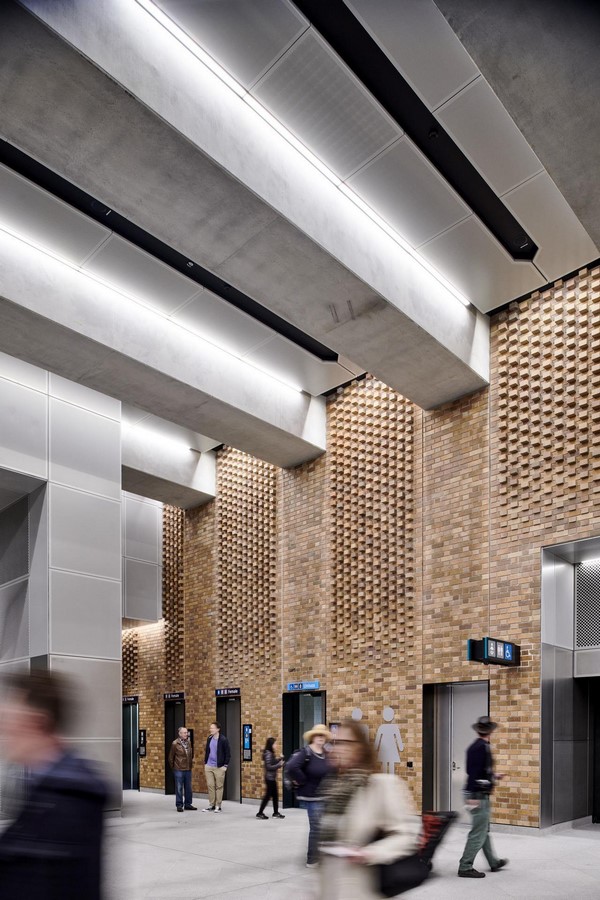
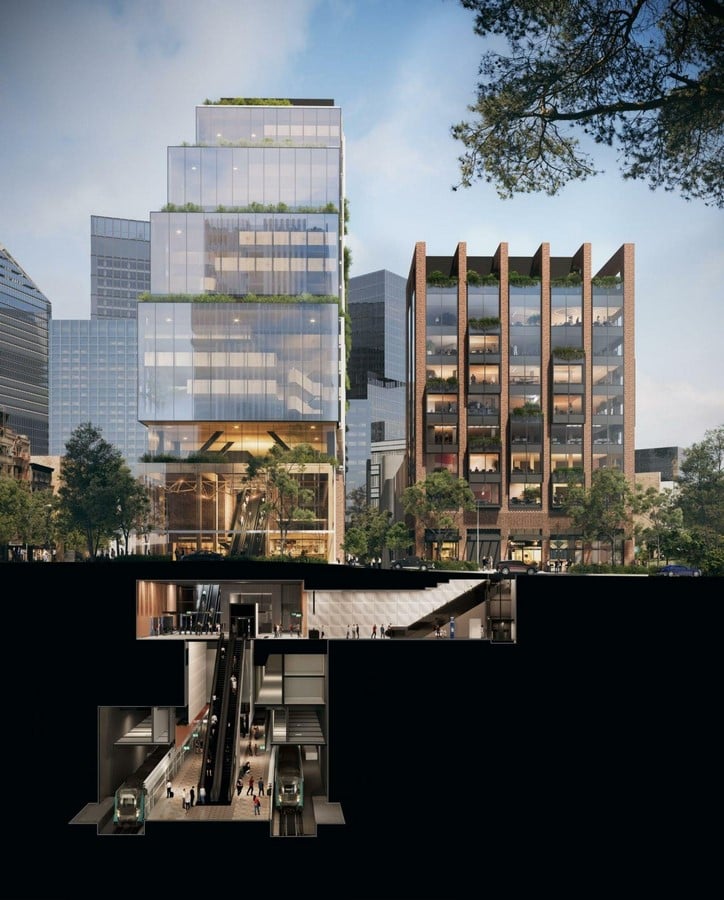
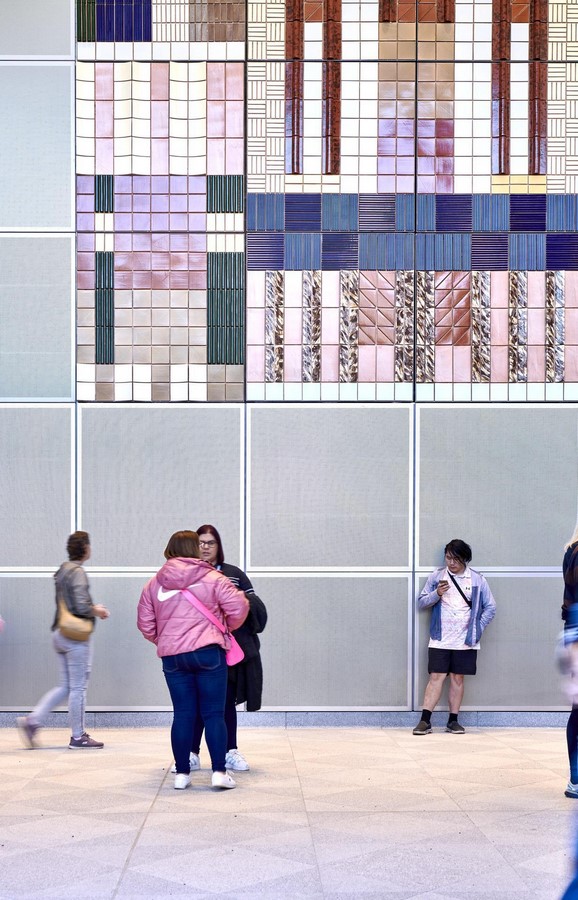
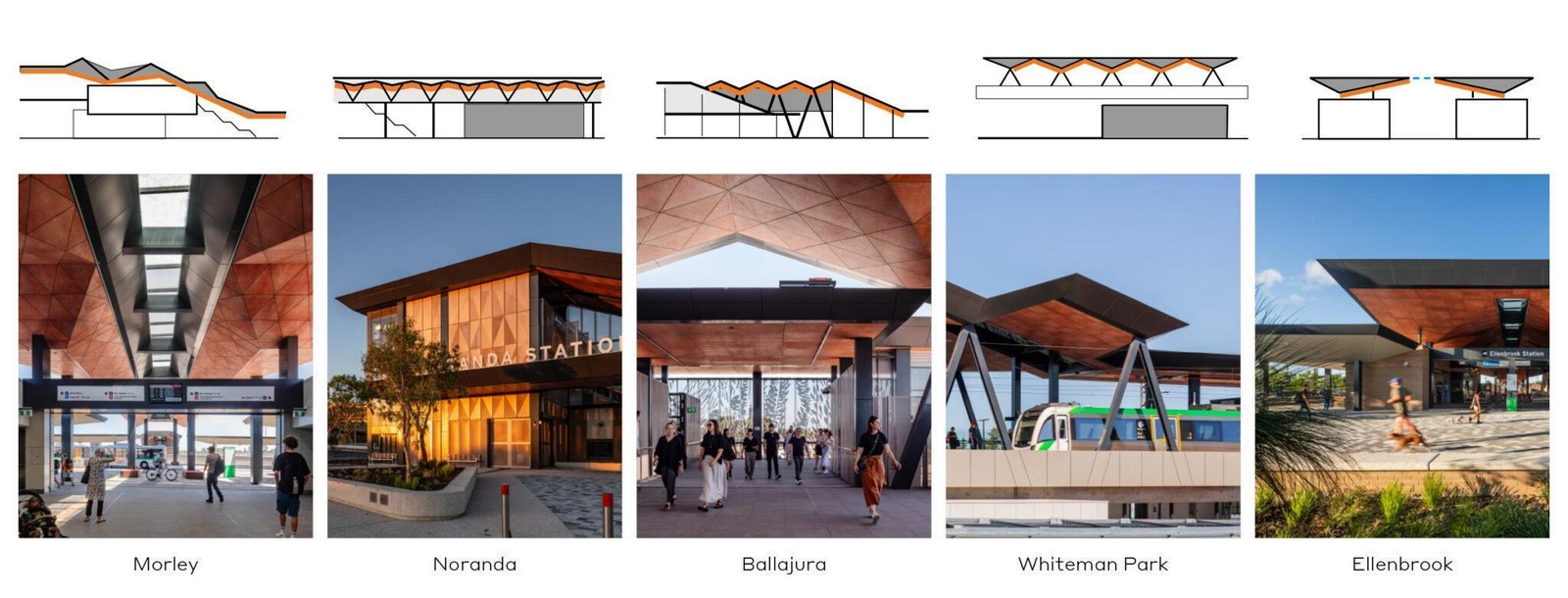
In doing so, they remind us: infrastructure isn’t just about moving bodies. It’s about anchoring communities.
Sustainability as Second Nature
Sustainability is no longer a buzzword in 2025; it is a necessity for survival. Woods Bagot treats it as the default DNA.
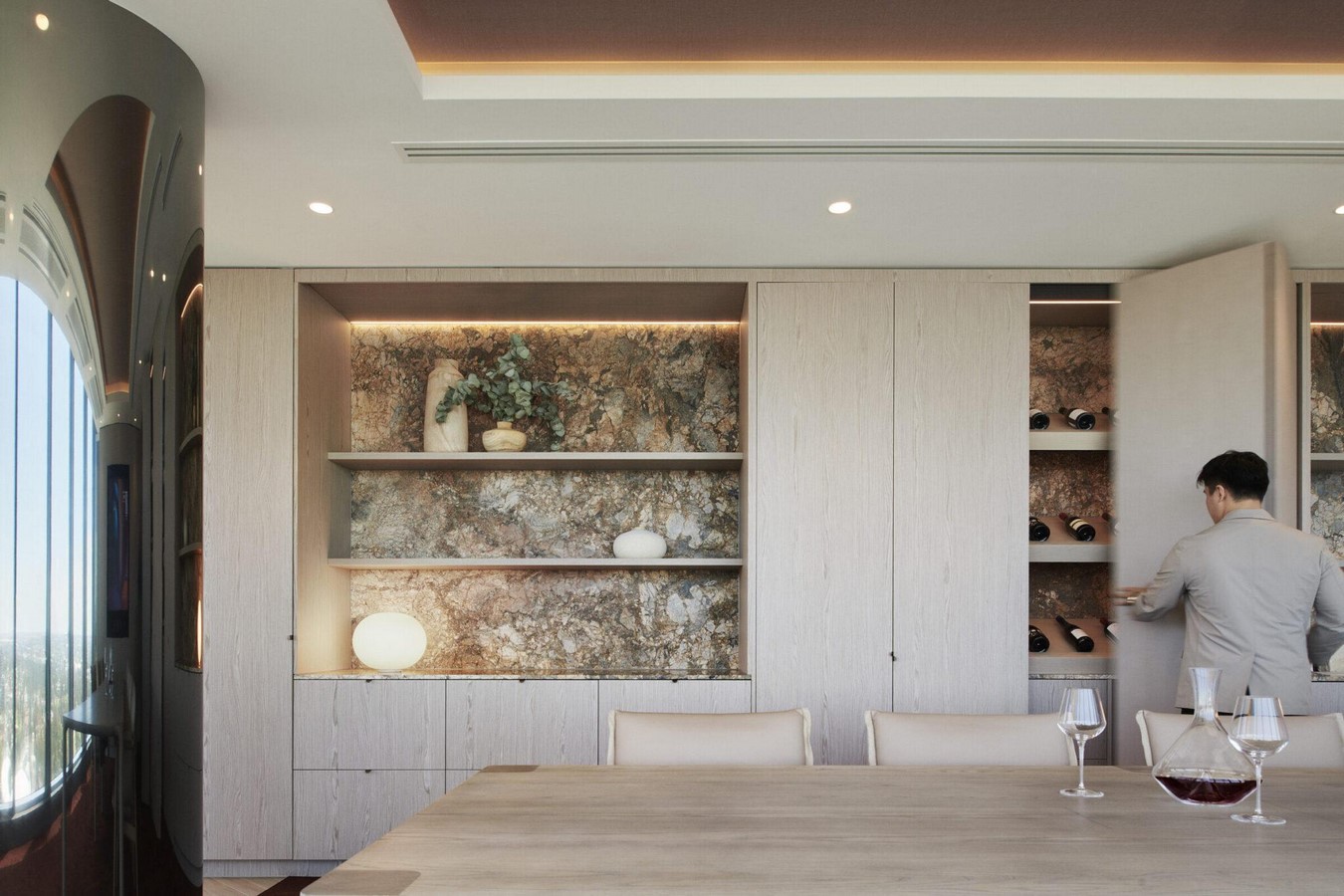
The Deloitte Adelaide office has earned a 6-Star Green Star, 5.5 NABERS, and Platinum WELL accreditation. Even its signage was made from recycled PET, and 70% of the furniture was reused.
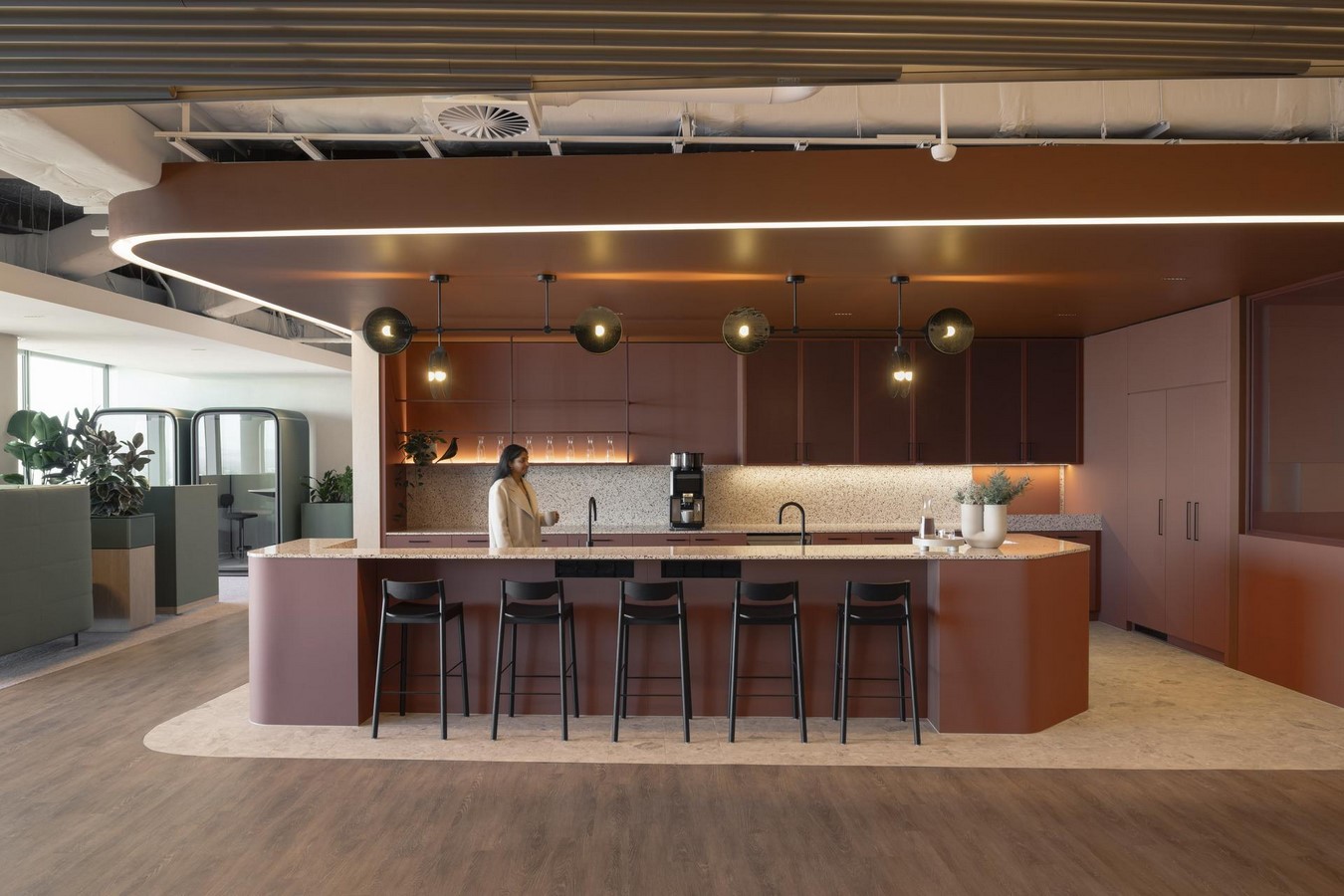
The BHP Perth fit-out integrated sustainability into the culture, resulting in buildings that are not just efficient but also fundamentally compassionate.

And at Perth Airport’s new terminal, the firm is striving for a 5-Star Green Star rating, incorporating Indigenous opinions and environmental expertise since the very first plan.
A Firm with Global Breath, Local Soul
Woods Bagot expanded its presence in China in 2025 by establishing headquarters in Shanghai and Hong Kong, with teams in Shenzhen, Beijing, and Singapore. These hubs do not bring Western concepts to Asian cities. Instead, they integrate local materiality, cultural subtlety, and regional climate realities into global knowledge.
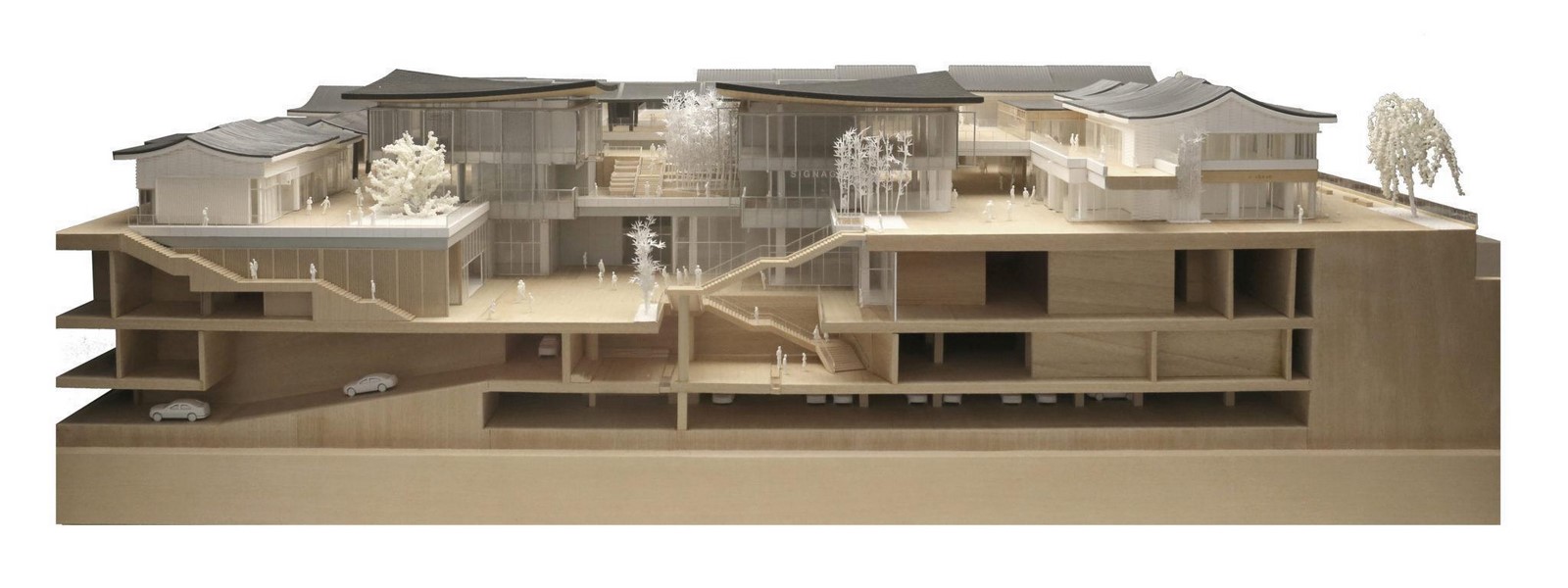
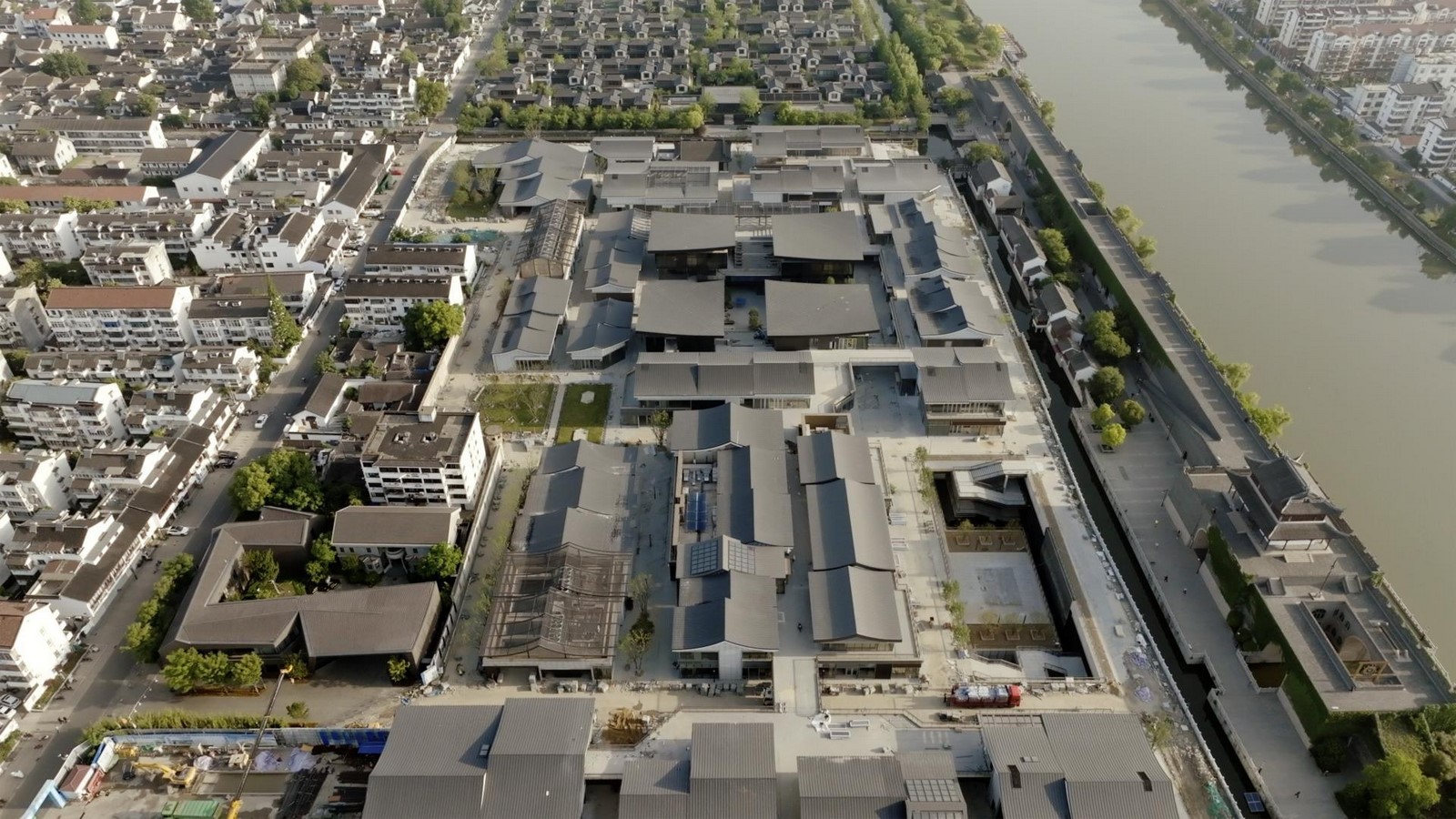
At the same time, partnerships such as the PACT consortium at Toronto Pearson Airport demonstrate how the company changes not just skylines, but also the very arteries of global connectivity.

This duality, global reach and local soul, is probably Woods Bagot’s greatest strength.
Recognition Beyond Aesthetics
Architecture awards often focus on visually appealing aspects. However, In 2025, Woods Bagot received eight awards and two commendations from the Australian Institute of Architects for projects that redefined equity, resilience, and climate adaptation.
This demonstrates that Woods Bagot is not chasing glossy spreads. They are establishing a practice in which climate justice, housing fairness, and cultural memory are key indicators of success.
The Vision Ahead
While other firms strive to stay up with technological disruption, Woods Bagot leads a quieter revolution by combining AI with empathy, heritage with resilience, and sustainability with beauty. Their architecture is understated. It breathes, bends and invites. As a result, Woods Bagot has expanded beyond its role as an architectural firm, by becoming a cultural custodian, a climate activist, and a global storyteller.
Conclusion
By 2025, Woods Bagot has evolved into a movement rather than a corporation. Their work reminds us that architecture is a living narrative about people, the world, and possibility, rather than a frozen geometry.
Buildings will rise and fall. Trends will come and go. However, Woods Bagot’s story of resilience, sensitivity, and bold creativity will echo far beyond bricks and mortar.
References:
Woods Bagot creates two international hubs (no date) ArchitectureAu. Available at: https://architectureau.com/articles/woods-bagot-creates-two-international-hubs/?utm_source=chatgpt.com (Accessed: 06 September 2025).
Woods Bagot announces new company, 7C. Available at: https://www.archpaper.com/2025/03/wood-bagot-new-7c-network/ (Accessed: 06 September 2025).
Adaptive reuse (no date) Woods Bagot. Available at: https://www.woodsbagot.com/global-studio/adaptive-reuse/?utm_source=chatgpt.com (Accessed: 06 September 2025).
New or renew: Around the world in adaptive reuse at CTBUH (no date) Woods Bagot. Available at: https://www.woodsbagot.com/global-studio/news/events/new-or-renew-around-the-world-in-adaptive-reuse-at-ctbuh/?utm_source=chatgpt.com (Accessed: 06 September 2025).
Webster, D. (2025) Woods Bagot carefully considers scale and materiality when designing Australian commuter stations, Architectural Record RSS. Available at: https://www.architecturalrecord.com/articles/17636-woods-bagot-carefully-considers-scale-and-materiality-when-designing-australian-commuter-stations?utm_source=chatgpt.com (Accessed: 06 September 2025).
Two Woods Bagot projects shortlisted for 2025 Australian interior design awards (no date) Woods Bagot. Available at: https://www.woodsbagot.com/global-studio/news/award/two-woods-bagot-projects-shortlisted-for-2025-australian-interior-design-awards/?utm_source=chatgpt.com (Accessed: 06 September 2025).
Major Milestone for Perth Airport’s new Terminal Project (no date) Woods Bagot. Available at: https://www.woodsbagot.com/global-studio/news/progress/major-milestone-for-perth-airports-new-terminal-project/?utm_source=chatgpt.com (Accessed: 06 September 2025).
From west to East Coast, Woods Bagot teams top the 2025 Australian Institute of Architecture Awards (no date) Woods Bagot. Available at: https://www.woodsbagot.com/global-studio/news/award/from-west-to-east-coast-woods-bagot-teams-top-the-2025-australian-institute-of-architecture-awards/?utm_source=chatgpt.com (Accessed: 06 September 2025).
Image generating AI is a tool for tomorrow’s architects (no date) Woods Bagot. Available at: https://www.woodsbagot.com/journal/image-generating-ai-is-a-tool-for-tomorrows-architects/?utm_source=chatgpt.com (Accessed: 06 September 2025).
Sustainability (no date) Woods Bagot. Available at: https://www.woodsbagot.com/global-studio/sustainability/?utm_source=chatgpt.com (Accessed: 06 September 2025).
The Humanist Data Centre. (no date) Woods Bagot. Available at: https://www.woodsbagot.com/journal/the-humanist-data-centre/?utm_source=chatgpt.com (Accessed: 06 September 2025).
Woods Bagot: AI-driven data centres energise urban spaces | Energy Magazine. Available at: https://energydigital.com/technology-and-ai/can-data-centres-in-urban-spaces-improve-lives (Accessed: 06 September 2025).
Six Woods Bagot projects shortlisted for World Architecture Festival (no date) Woods Bagot. Available at: https://www.woodsbagot.com/global-studio/news/award/six-woods-bagot-projects-shortlisted-for-world-architecture-festival/?utm_source=chatgpt.com (Accessed: 06 September 2025).