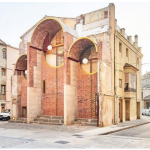
Ruins are normally associated with the past. There are ruined walls, roofs, and stones that have been left behind. However, in modern architectural designs, the concept of ruins has been reevaluated. Ruins are now being used as a powerful spatial story that can be integrated, interpreted, and reimagined. This provides architects with a dialogue between the past and the future.
This concept has been explored globally to understand how the ruins can be used to inform new architectural strategies. Modern architects have transformed the concept of ruins from being static to being a living framework that can be used to inform modern designs. This concept of ruins differs from the conventional approach to architectural designs.
This conventional approach involves demolition and construction. However, the concept of ruins provides a sense of continuity, cultural memory, and authenticity.
Ruins as Carriers of Cultural Memory
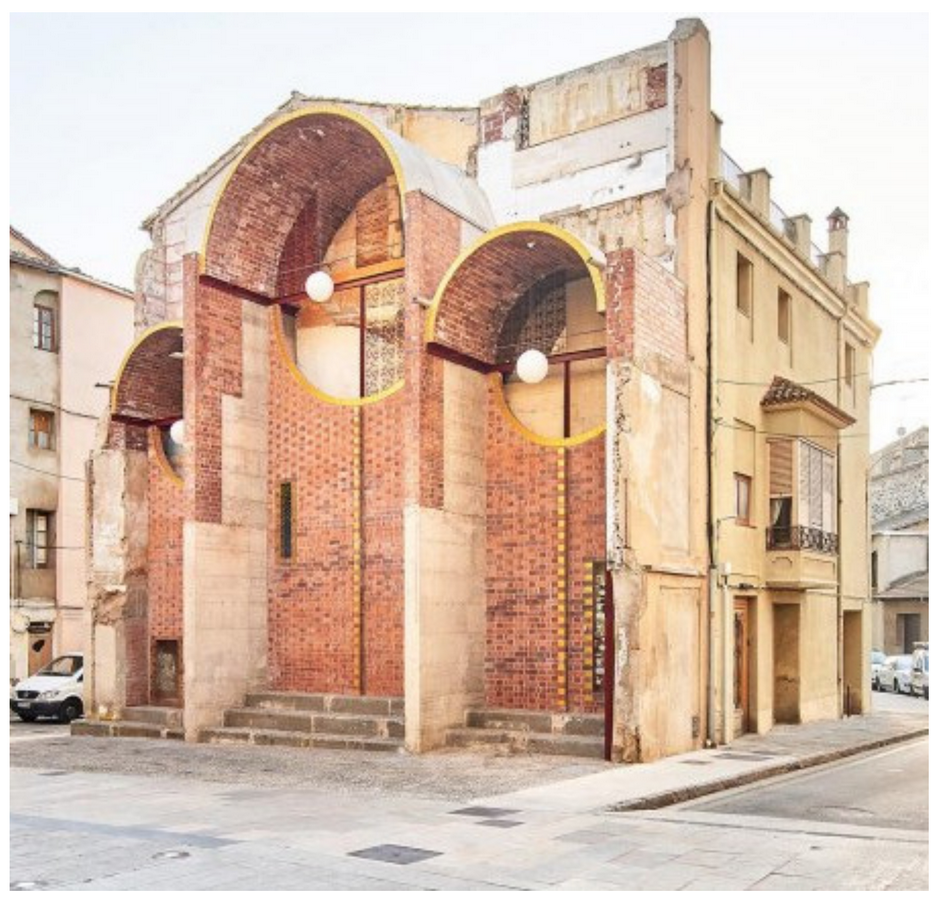
The physical manifestation of this past can be termed as ruins. These ruins have a fragmented form that contains various layers of cultural stories. In the current form of architectural designs, the preservation of these ruins can be termed as a form of storytelling. One of the most prominent architects who adopted the concept of ruins as a form of architectural art was Carlo Scarpa.
He ensured that the modern materials were combined with the remnants of the past in such a manner that the past continued to be visible within the newly designed structures. He celebrated the deterioration of the materials rather than concealing them. Ruins can also be related to the emotional aspects associated with them.
The weathered textures and edges of the materials provide a sense of authenticity that can be difficult to attain within newly designed architectural structures. By preserving these aspects, architects ensure that the physical structures are not only preserved but the memories associated with these structures are also preserved.
Adaptive Reuse: Transforming Ruins into Functional Spaces
Adaptive reuse has emerged as a key concept in modern architectural design, especially when it comes to designing with ruins. As a matter of fact, modern architects are more focused on giving a new meaning to these ruins instead of restoring them to their original state.
A good example of this is the design of Tate Modern, a former industrial complex designed by Herzog & de Meuron, a firm consisting of Jacques Herzog and Pierre de Meuron. It is a former power station with a modern gallery space within its original brick structure. It is a good example of how the ruins of an industrial complex could be reused to create a vibrant cultural hub.
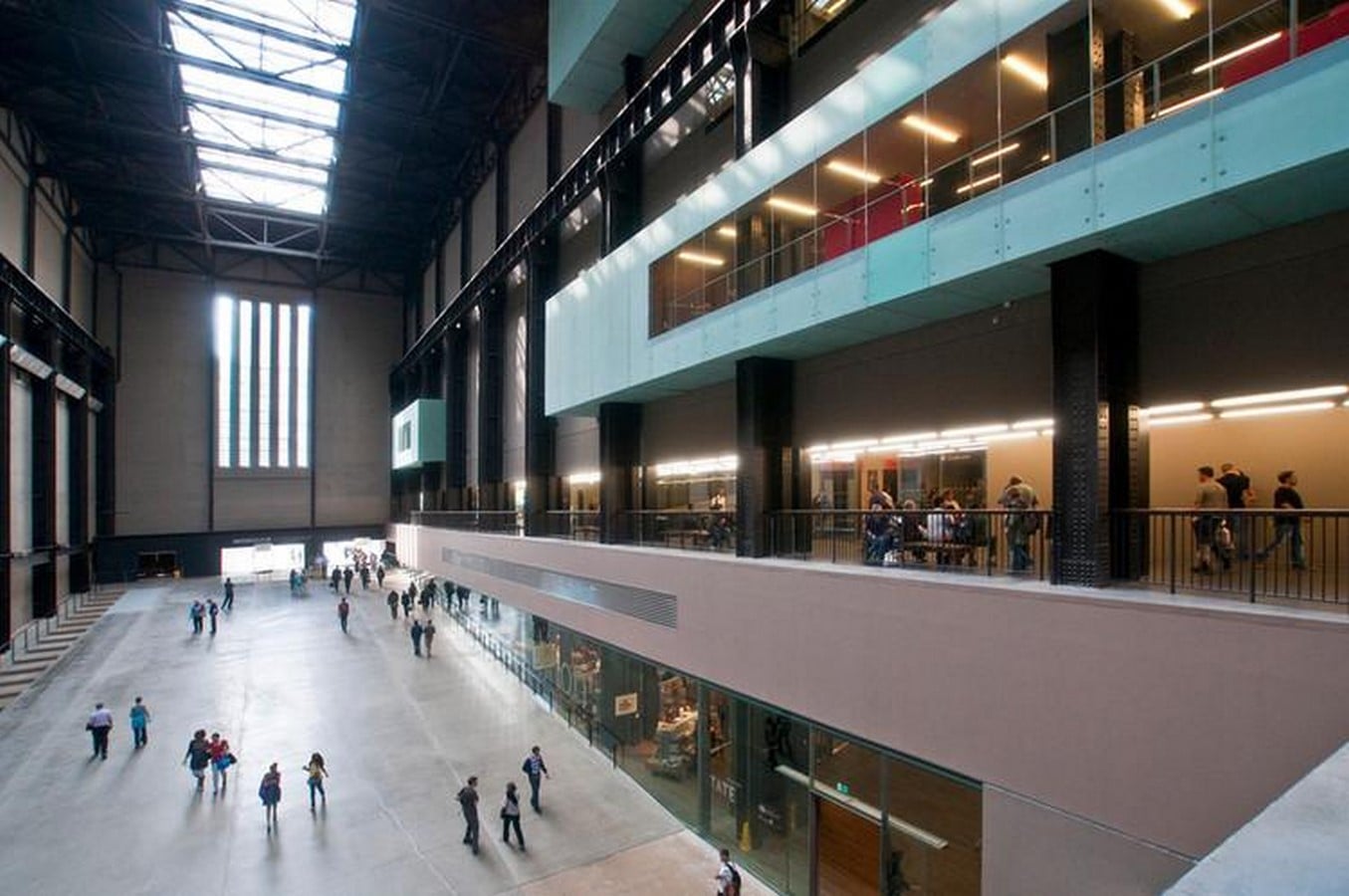
This kind of adaptive design not only increases the life span of a building, thereby reducing waste, but also represents a move towards a more sustainable approach to architecture in general.
Ruins as Spatial Frameworks for New Architecture
In modern works, ruins often function as spatial settings rather than historical artifacts. In these works, architects often incorporate new elements into existing ruin settings.
An excellent example is the renovation project undertaken by David Chipperfield on the Neues Museum. In the project, Chipperfield chose not to renovate the entire structure, as it had suffered damage during the war. Instead, he chose to incorporate new elements into the existing structure.
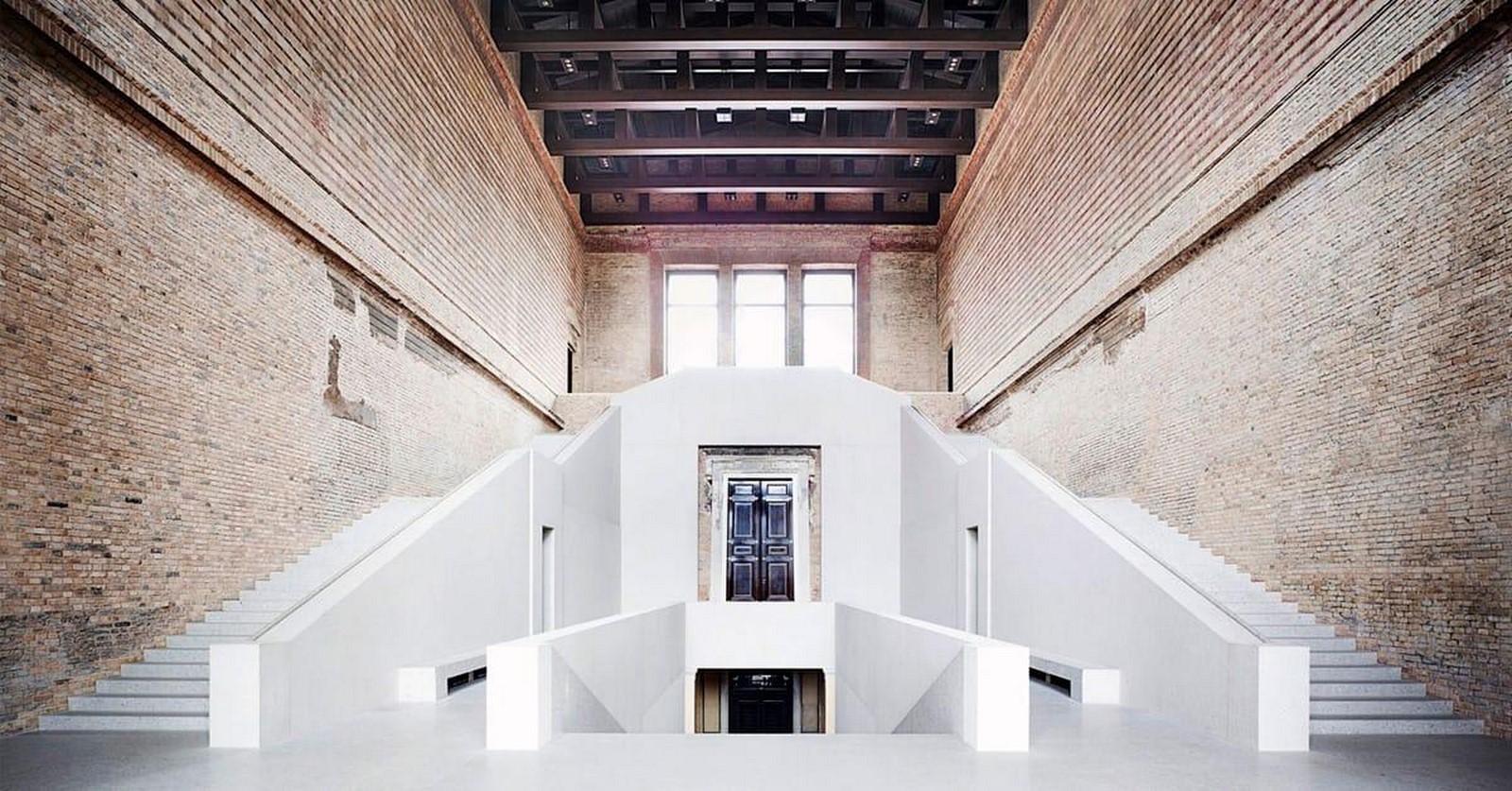
This approach highlights the importance of architectural continuity. In the renovation project, the new elements do not try to mimic the old ones but rather enhance them so that they can coexist in the same spatial narrative.
Ruins and the Aesthetics of Imperfection
Contemporary architecture has often been defined by concepts of precision, perfection, and minimalism. However, the incorporation of ruins brings about a sense of aesthetic imperfection.
Cracks on the walls, erosion on the surfaces, and fragmented buildings create a unique aesthetic texture that modern architecture is embracing. These imperfections highlight the effects of time and nature, giving a sense of depth to the architectural space.
This ideology follows the Japanese aesthetic of Wabi-Sabi, which appreciates the beauty of impermanence and imperfection. With the incorporation of ruins into modern architecture, the space takes on a sense of naturalness.
The Role of Ruins in Sustainable Design
Sustainability has now emerged as an essential aspect of modern architectural designs, and ruins provide a great chance to practice environmental sustainability.
Not only does retaining the old building reduce the carbon footprint of the building’s demolition and construction process, but the reuse of building materials like stone, brick, and wood ensures that no resources are wasted while reusing the energy that has already been invested in the building.
Moreover, ruins can often provide effective solutions to environmental sustainability with their thick walls, courtyards, and ventilation spaces. Modern architects can make effective use of these to improve the building’s performance without depending on artificial means.
South Asian Context: Ruins as Living Heritage
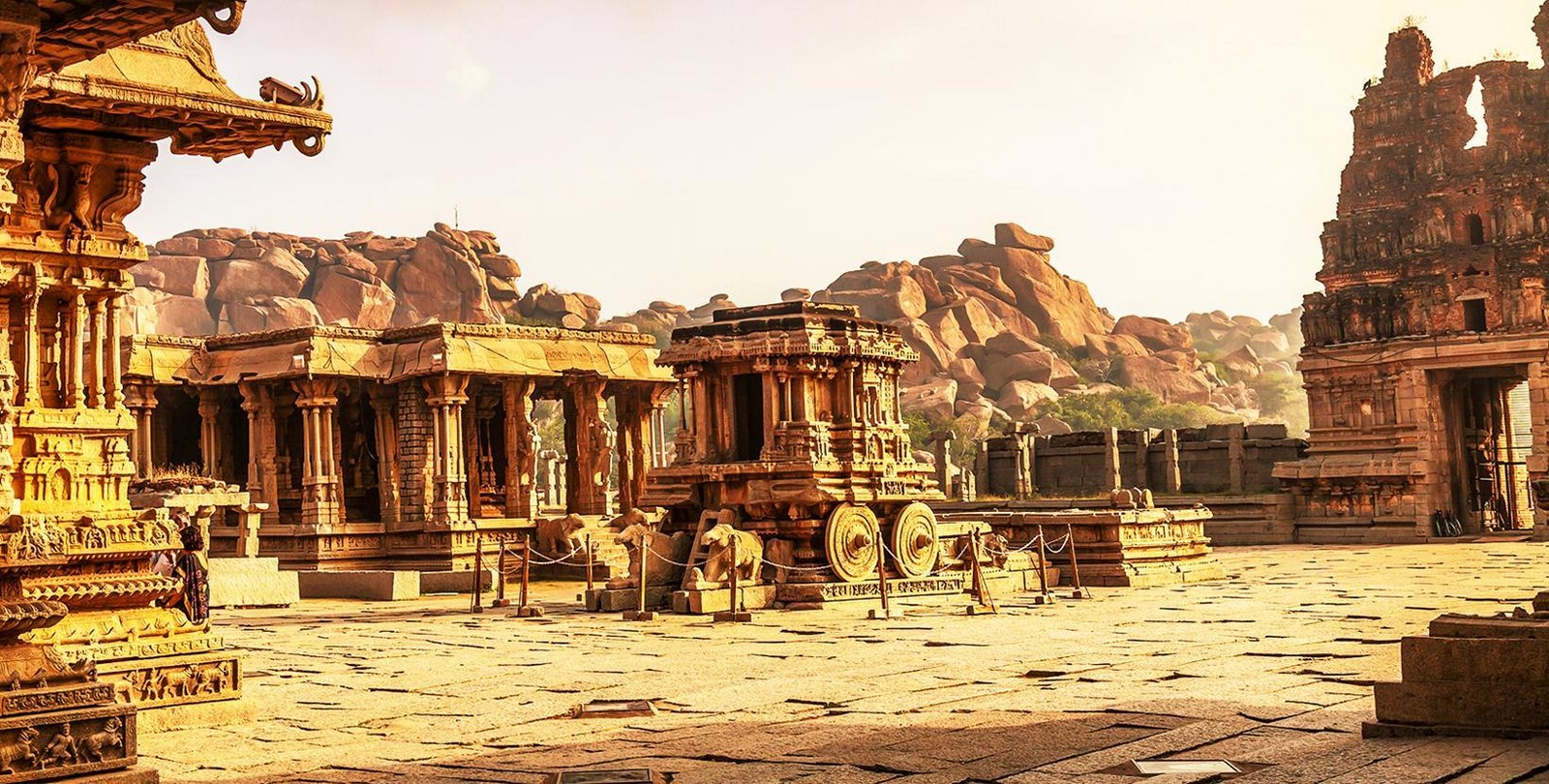
In South Asia, ruins play a distinctive role in cultural spaces. For example, ancient temples, fortifications, and cities are found in conjunction with modern urban centers.
For example, in the ruins of Hampi, it is seen how historical elements play a key role in defining spatial identity. The dispersed stone structures, pavilions, and temple sites create a spatial identity where architecture and archaeology are intertwined.

In another example, Mahabalipuram, a historical town in India, shows how ruins play a key role in modern cultural spaces. Rock-cut temples and monuments along the shoreline impact modern architectural sensibilities.
For architects practicing in India, these sites provide insight into material performance, climatic design, and symbolic architecture. Modern architecture in India draws inspiration from these ruins, not in their forms, but in their spatial principles.
Ruins as Experimental Design Platforms
Besides preservation, ruins can be utilized as an experimental site for architectural explorations. Temporary installations, cultural activities, and artistic works often take place in ruins or abandoned structures.
Architects and designers often use these sites as an experimental platform to test new materials, lighting schemes, and spatial arrangements. This demonstrates that ruins are not static entities but can change with time through creative explorations and design strategies
Ruins are not static entities but can change with time through creative explorations and design strategies.
Challenges in Designing with Ruins
Although there are a lot of possibilities for the incorporation of ruins into new architectural projects, there are also a few challenges. First, there is the issue of instability. Most ruins need to be reinforced before they can be put to use.
Architects should work with other experts, such as conservators, engineers, and historians, to ensure that the ruins are renovated while maintaining their integrity.
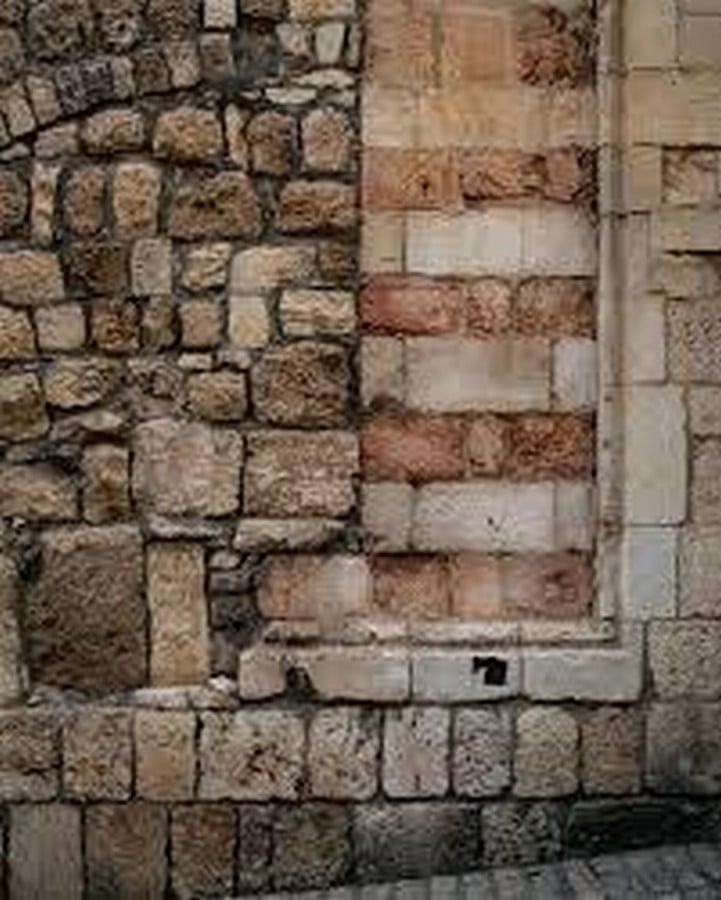
Another challenge is the balance between preserving the integrity of the ruins and creating new architectural designs. Too much restoration may lead to the loss of the history of the ruins, while too much use of contemporary architectural designs may detract from the ruins.
A good balance is where the new architectural designs complement the ruins without detracting from their history.