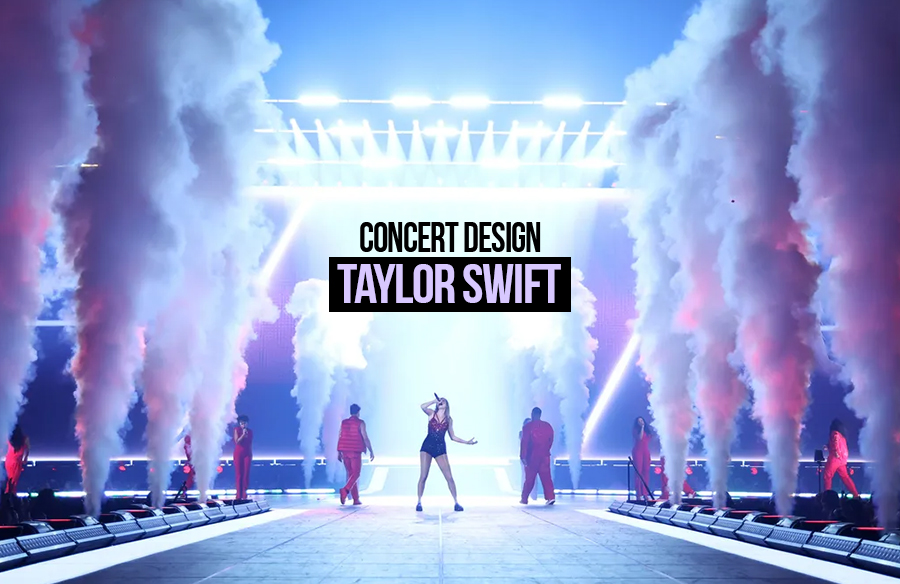
Taylor Swift: Eras Tour
Taylor Swift is the most celebrated name in pop culture till date. Fans were seen dressed up according to their individual favorite era and showed up with sparkles, glitters and shimmers. People had spent heaps of money to make their outfits unique. Taylor has a very vibrant community with more than three quarters of the attendees being female. What begins in a hazy pink, cotton candy dreamscape ends in a sultry, sparkling twilight—with plenty of undulating pauses in the middle, from ethereal fairytale woods to the energetic skyscrapers of the concrete jungle.
With 3 albums released before and during COVID-19, the experience of live concerts was also shifting. Post COvid, when the world was back to normal, Taylor came up with the Eras tour where she played songs from each album, one era at a time. It started from her debut album to the latest release of ‘The Tortured Poets Department’. Covering the 10 albums, or eras, of Swift’s career, 46 songs, and 16 costume changes, the show continued for about 3.5 hours non-stop. This event not only attracted the new-gen Swifties but also the older generation fans who enjoyed her music.
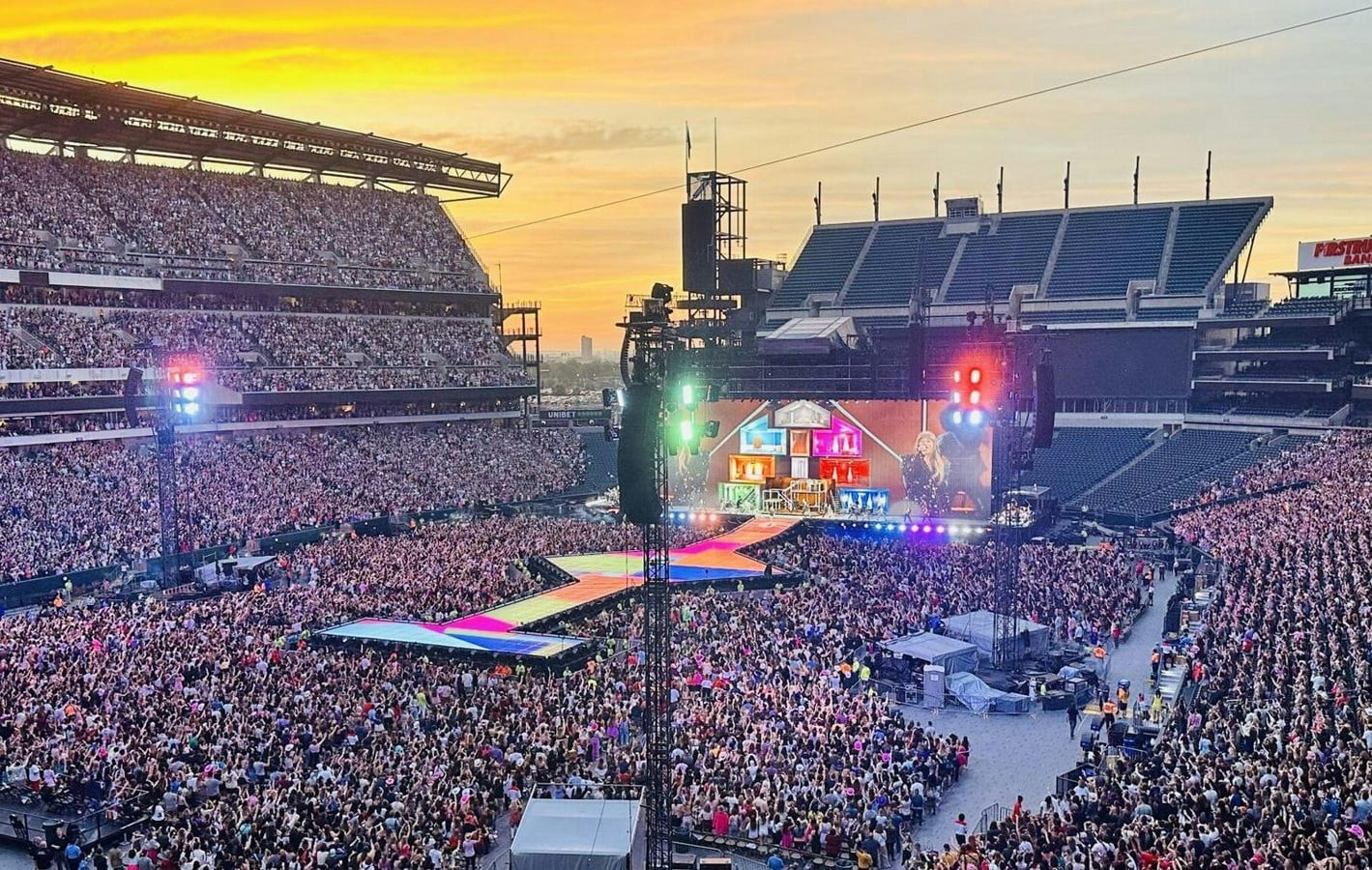
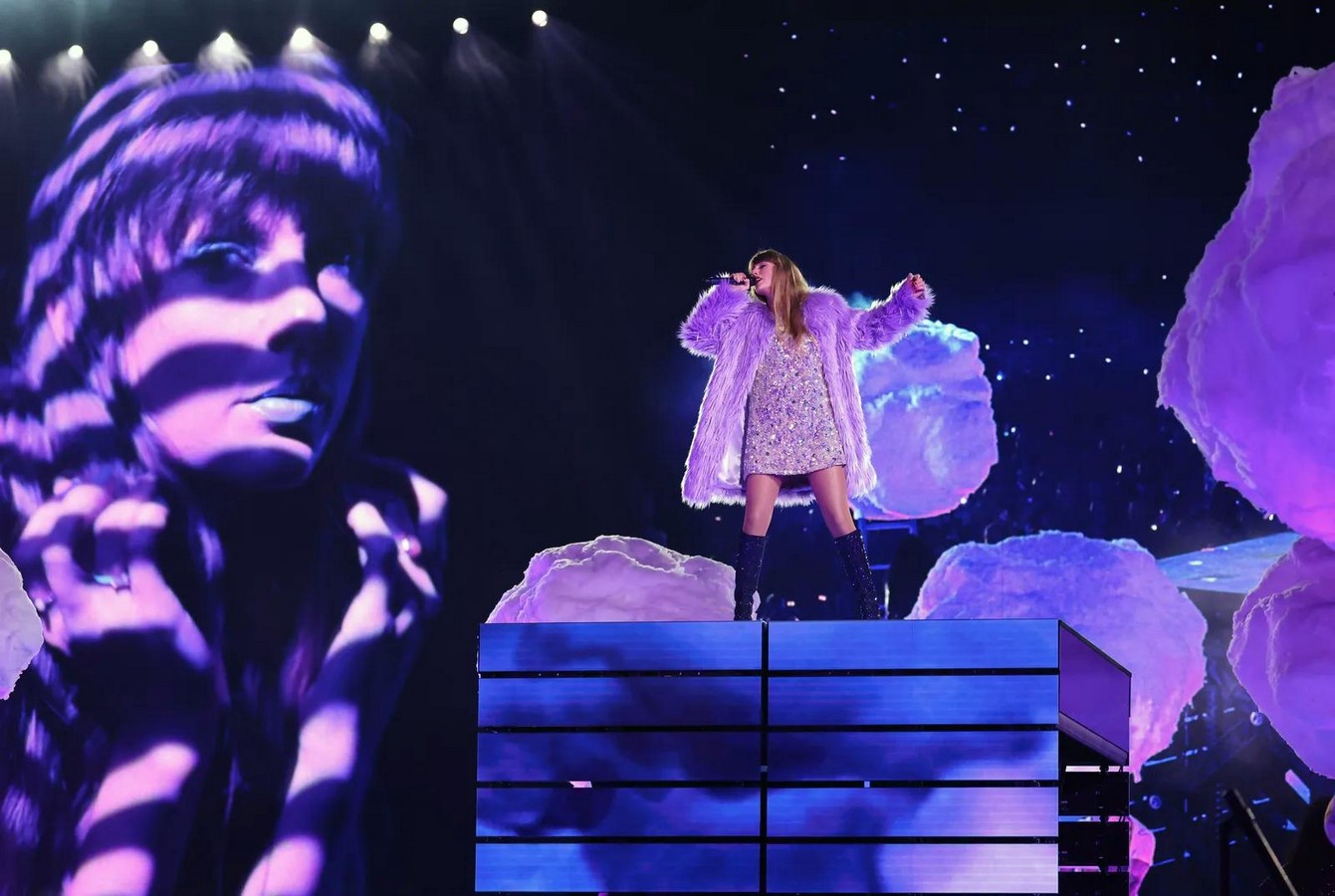
As the fans call it “No seat is a bad seat in the Eras tour” each and every section had its own advantages. The intricate lighting design, paired with projection technology, produces a mesmerizing visual display that enhances the music and amplifies the storytelling elements of the performance.

Concert
Live music creates a vibe that makes one’s mind go silent, where all the senses get stimulated in absolute harmony. It provides a sense of escape from reality, a place to be consumed in something that feels like a chilling experience. Unpopular opinion, but only architecture makes these ethereal moments turn into a reality.
Architecture plays a vital role in amplifying the overall experience for the audience as well as the performer by creating a spectacular arena, yet architects have seldom been left out of the conversation of concert stage design, which has led to failure in music or concert infrastructure and an underdeveloped immersive concerts, especially in countries like India. Concert design is extremely technical and a detail-oriented field and an architect’s contributions have not yet been fully understood. It is vital to know how the skills of an architect are applied in designing a concert arena, how architectural elements such as space, scale, sightlines, functionality and aesthetics can transform arenas into engaging environments and transcend the audience into new realms.
Stage Architecture and Audience Experience
Stage Layout
The stage layout is the core of any concert. A carefully designed stage not only enhances experience and visibility of the audience but also improves the performers’ interactions and movements. A stage has to be carefully planned for the audience’s visibility as sightlines are paramount in concert design. Every attendee, whether they’re in the front row or the back of the arena, must have an unobstructed view of the stage. Tiered platforms, levelled seatings, raised stages, or protruding angled designs can improve visibility in larger concert venues. Creating different performance zones breaks the monotony and generates dynamic visuals for the attendees. Taylor divides the stage into distinct zones for different activities. For example: A central area for the lead performer, herself and side zones for backup dancers or musicians. Elevated platforms for dramatic entrances or solos. Such segmentation allows for dynamic performances, keeping the audience engaged with varied visuals. Flexibility and mobility ensure that the stage layout accommodates smooth transitions between songs or sets. Incorporating features like trap doors, rotating platforms, add immersive screens to add excitement and maintain fluidity.
Visual Effects
Visual effects are the keystone of live concert stage design, transforming the show into a cinematic experience. LED screens and video walls are a staple in concerts these days, offering versatility and impact. They can display live video feeds and customized animations, perfectly synchronized with the performance.
With advancements in technology, projection mapping uplifts the stage into a three-dimensional wonderland. This technique allows technicians to project visuals onto any surface, from the stage floor to props. Taylor performs amidst surreal visuals, like a cascading waterfall or a cosmic galaxy.
Additionally, with lasers, fog machines, and pyrotechnics a lot of drama and excitement gets added to the show. When synced with music, these effects create a visceral connection between the audience and the performance.

Lighting
Lighting is one of the most essential factors in concert design as it drives the mood and navigates the attention of the audience. A good lighting scheme enhances the music’s emotional depth while keeping the performance visually synchronized. Dynamic changes in the lighting, in sync with the music, create a rhythmic symphony. Colors evoke emotions, and their strategic use can amplify a concert’s cinematic elements. For a rock concert, deep reds, blues, and greens might dominate, while pastel hues would suit a pop performance.
Spotlights focus attention on the performer, ensuring they remain the focal point even amidst a complex stage design.
Source: https://www.glamour.com/story/taylor-swift-eras-tour-setlist-outfit-details
Audience Interaction
Ideal concerts blur the boundaries between the artist and the audience by integrating interactive elements into the stage design, to establish a deeper connection. Augmented Reality, AR overlays digital elements onto the physical stage, creating immersive experiences. Fans can see holographic visuals that respond to the music or interact with their smartphones for personalized effects.
Mobile Integration encourages the audience to participate through apps that synchronize their phones with the performance. Imagine a sea of synchronized phone lights glowing in unison during a slow song—a moment that’s both intimate and awe-inspiring.
The new trend of extending the stage into the audience with runways or satellite stages establishes an even deeper connection between the artist and the audience. These zones bring the artist closer to fans, fostering a sense of intimacy.
Taylor Swift’s concerts, along with music, offer a visually and architecturally immersive experience. From kinetic stage elements to cutting-edge acoustics, her concert design blends architectural brilliance with entertainment. Whether through interactive audience spaces or dynamic lighting, Taylor Swift’s concert architecture redefines live performances, setting new standards for the industry.
Her concerts exemplify the perfect synergy between architecture, technology, and performance, proving that great design can turn music into an unforgettable spatial experience. As concert architecture continues to evolve, Taylor Swift remains a leading force, pushing the boundaries of what is possible in live event design.
References:
Dingman, L. (2023). MORE THAN JUST SMOKE AND LIGHTS: THE ARCHITECTURE OF CONCERT STAGE DESIGN. Uwaterloo.ca. Available at: https://uwspace.uwaterloo.ca/items/7e852835-2727-4b07-9bc2-b1d079216231.
Ajitha Chellam (2024). The Design Behind the Magic: Experiencing Taylor Swift’s Eras Tour. Available at: https://medium.com/@ajithachellam/the-design-behind-the-magic-experiencing-taylor-swifts-eras-tour-083df59ca7ff
McLaughlin, K. (2023). The Intricate World-Building Behind Taylor Swift’s Most Ambitious Tour Ever. Architectural Digest. Available at: https://www.architecturaldigest.com/story/the-eras-tour-set-design.
Barnes, K. (2024). The Taylor Swift Effect: 8 Ways The Eras Tour Broke Records & Shattered Sales | GRAMMY.com. [online] grammy.com. Available at: https://www.grammy.com/news/taylor-swift-eras-tour-records-movie-disney-plus-stream.
Altenter.io. (2025). Live Concert Stage Design: Creating Immersive Experiences. Available at: https://altenter.io/blog-article/live-concert-stage-design