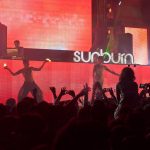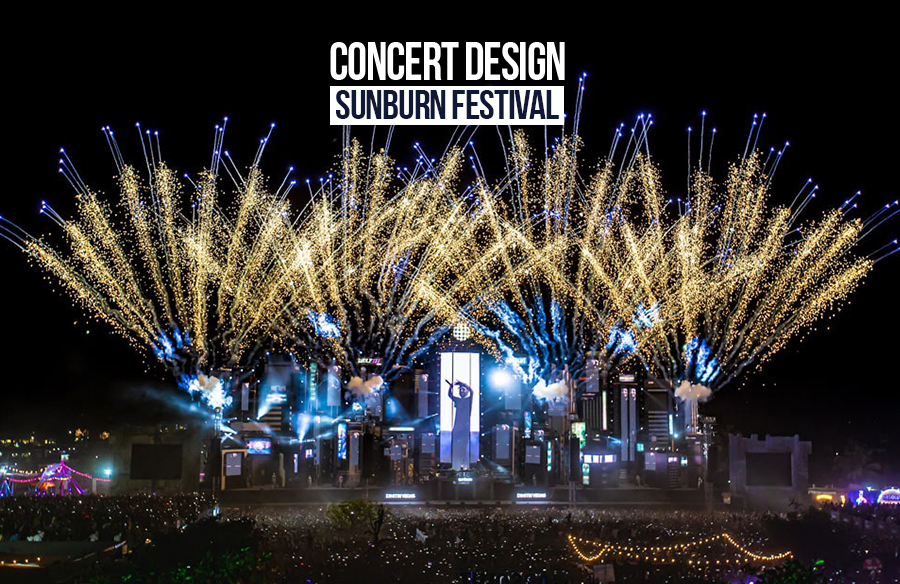
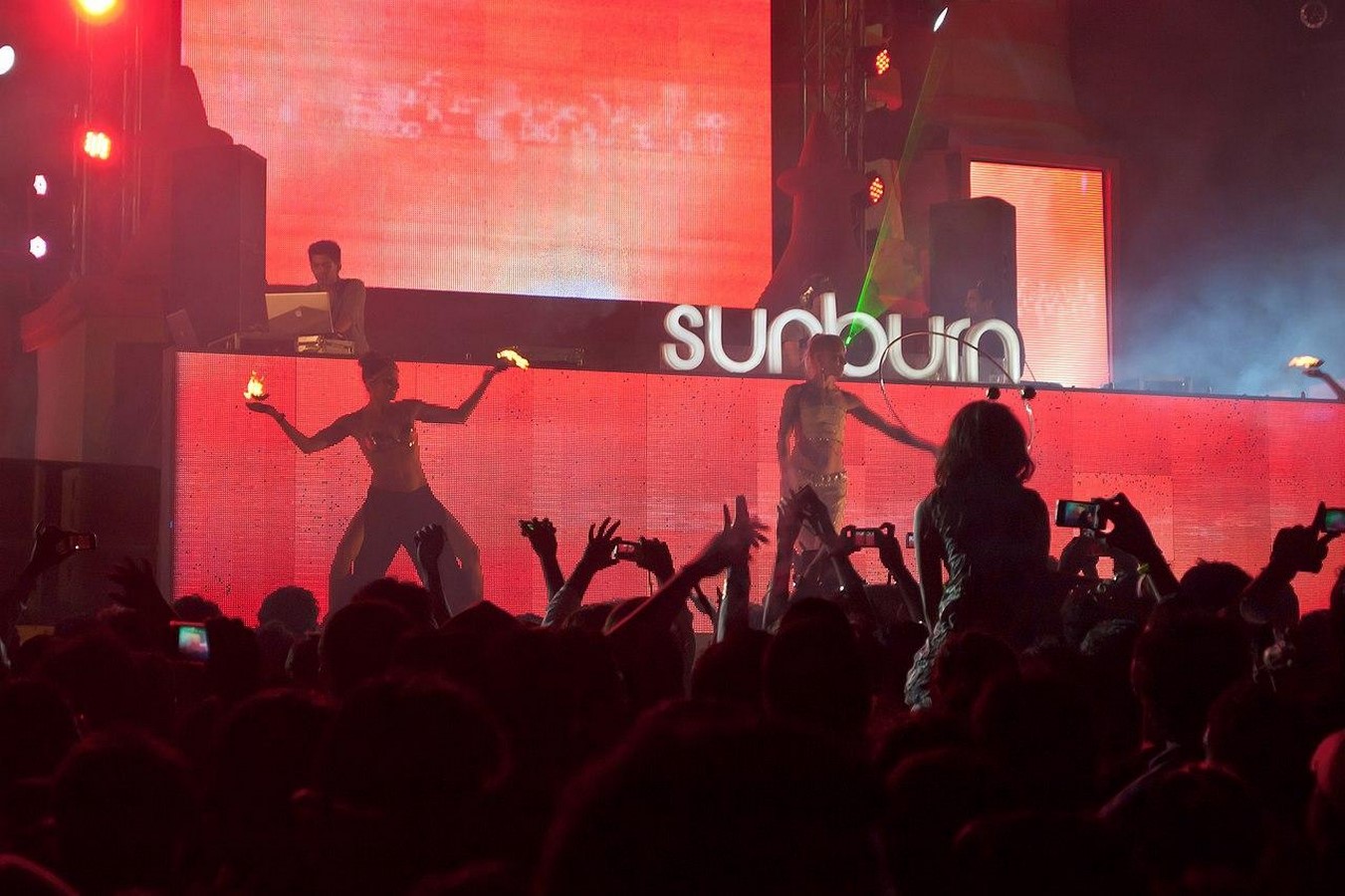
Sunburn Festival, one of Asia’s biggest electronic dance music (EDM) festivals, has evolved into a global phenomenon, attracting music lovers from around the world. As an event of this magnitude moves across different locations, the design of its concert venues becomes a crucial factor in delivering a high-energy, immersive experience while harmonizing with the local geography, climate, and infrastructure.
Concert design for Sunburn is not just about setting up a stage and sound system—it involves a deep understanding of spatial planning, crowd dynamics, safety regulations, environmental sustainability, and cultural influences. This article delves into the design considerations that shape Sunburn venues across diverse geographical settings, from beaches and deserts to urban landscapes and mountainous regions.

- Understanding the Geographical Context in Concert Design
The Venue of the Concert is mostly influenced by its Geographical Setting. Factors such as terrain, climate, accessibility, and natural surroundings shape the infrastructure, layout, and aesthetics of the event. Sunburn has successfully hosted its concerts in diverse locations, including coastal regions, metropolitan cities, and hill stations, each presenting unique challenges and opportunities.
Beach Locations – The Iconic Goa Experience
Sunburn’s most famous setting is the beaches of Goa. Hosting an event on sandy shores demands a design that accommodates fluctuating tides, wind conditions, and uneven terrain. Key elements of beach-based concert design include:
- Stage Elevation: Platforms must be slightly raised to prevent sand displacement and flooding in case of high tide.
- Lightweight Infrastructure: Using modular trusses and scaffoldings ensures minimal environmental impact and easier setup.
- Wind-Resistant Structures: Since beaches often experience strong gusts, tensile fabric structures and aerodynamic designs help prevent collapses.
- Eco-Friendly Materials: Bamboo, reclaimed wood, and biodegradable decor reduce the festival’s environmental footprint.
Beach concerts also incorporate the natural surroundings into the aesthetic, utilizing LED lighting to reflect off the water and sand, creating a surreal ambiance.
Desert Terrain – Extreme Climate Considerations
Sunburn has expanded to Rajasthan, where desert venues pose a different set of challenges. The scorching heat during the day and sharp temperature drops at night necessitate adaptive design strategies:
- Shaded Areas and Cooling Zones: Large canopy structures, misting stations, and strategically placed water stations keep the audience comfortable.
- Solar-Powered Lighting: Utilizing renewable energy helps counteract the lack of conventional power sources in remote desert locations.
- Sandstorm-Resistant Structures: Stages and DJ booths need reinforced enclosures to prevent equipment damage.
- Desert-Inspired Aesthetics: Inspired by the golden dunes, installations often incorporate natural earthy colors and tribal art to blend with the surroundings.
Urban Concert Venues – High-Density Crowd Management
Hosting Sunburn in metropolitan areas like Mumbai, Delhi, or Bangalore introduces another layer of complexity due to space constraints, noise regulations, and high footfall. Urban venue design focuses on:
- Efficient Crowd Flow: Entry and exit routes are strategically planned to avoid congestion.
- Multi-Level Viewing Areas: Tiered seating and VIP platforms maximize space utilization.
- Noise Control Measures: Acoustic barriers and directional speaker setups minimize sound leakage into residential areas.
- Integration with City Infrastructure: Public transport accessibility is crucial, with shuttle services often implemented.
City-based concerts rely heavily on technological enhancements such as digital ticketing, real-time crowd monitoring, and augmented reality experiences.
Hilltop and Mountainous Regions – Nature-Integrated Concert Design
Sunburn’s editions in hilly terrains require careful planning to ensure both safety and aesthetic appeal. Key aspects include:
- Terrace-Level Staging: Stages are often built on natural terraces to minimize land alteration.
- Slope Stability Considerations: Engineering solutions prevent soil erosion and structural collapses.
- Minimalist Aesthetics: The design emphasizes natural beauty with wooden structures and open-air stage setups.
- Weatherproofing: Since mountainous areas can be unpredictable, backup rain covers and windbreakers are incorporated.
These concerts often promote a more intimate and immersive experience, integrating nature into the visual and auditory landscape.
- Sustainability and Environmental Impact Considerations
Given Sunburn’s large-scale operations, sustainability is a significant factor in venue design. Measures include:
- Renewable Energy Sources: Solar and wind energy solutions power lighting and sound systems.
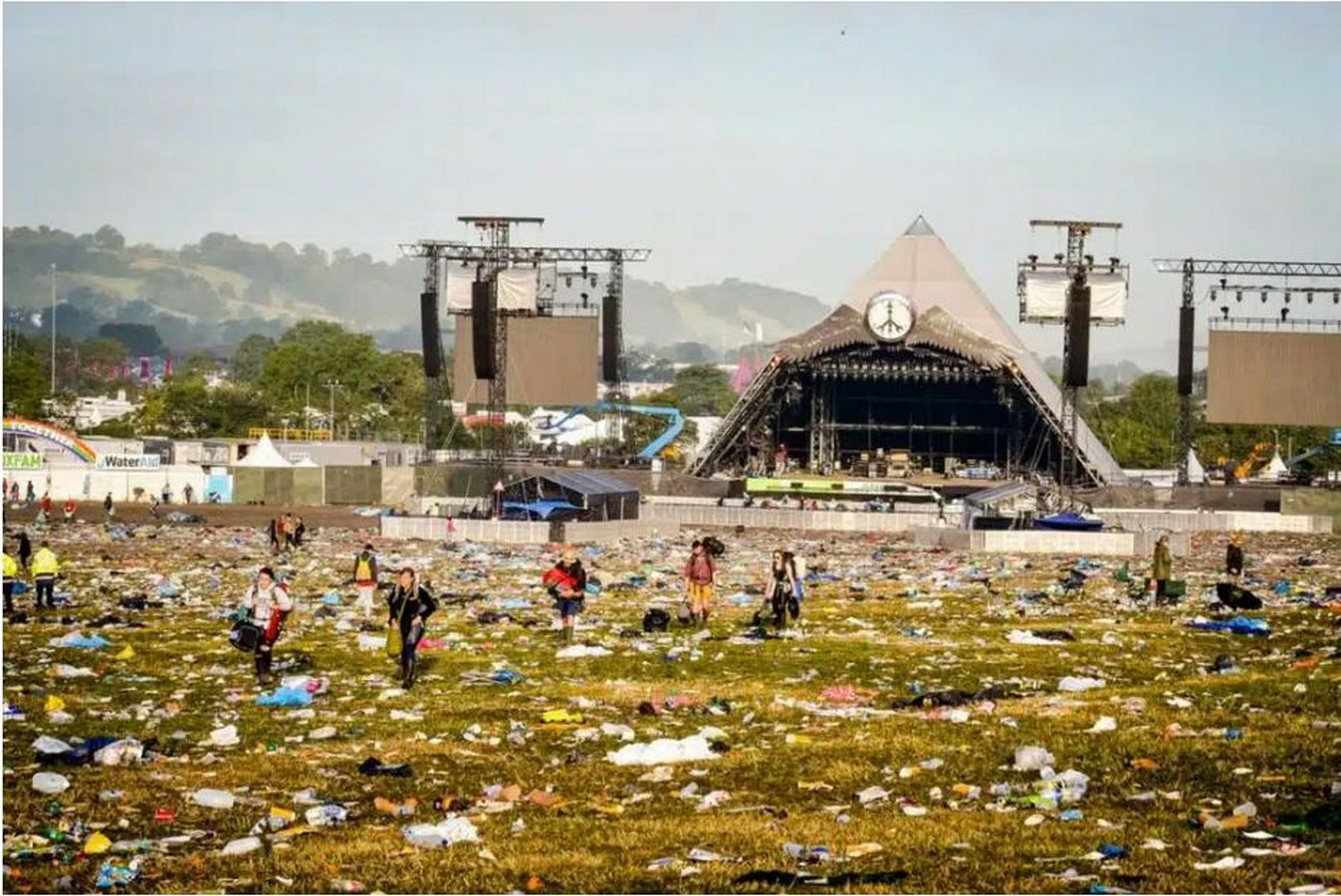
- Waste Management Strategies: Recycling zones, composting facilities, and reusable cutlery help minimize waste.
- Eco-Friendly Stage Materials: Sustainable wood, bamboo, and fabric reduce carbon footprints.
- Carbon Offset Programs: Tree-planting initiatives help counterbalance emissions from transportation and power usage.
The integration of green technology in Sunburn concerts sets a benchmark for eco-conscious festival design.
- Safety and Security in Concert Design
With tens of thousands of attendees, Sunburn prioritizes crowd safety through strategic design implementations:
- Exit Strategies and Emergency Protocols: Wide, well-lit exit paths ensure smooth evacuation in case of an emergency.
- Surveillance and AI Monitoring: Smart cameras and real-time monitoring detect potential hazards.
- Medical Stations: First aid zones are strategically placed for easy accessibility.
- Structural Integrity Checks: All scaffolding, LED panels, and trusses undergo rigorous testing to withstand environmental stresses.
Security planning is particularly crucial in urban settings, where authorities impose strict regulations on noise levels, fire safety, and entry permissions.
- Technological Innovations in Sunburn Concert Design
Modern technology plays a pivotal role in shaping Sunburn’s concert experience. Some innovative elements include:
- Holographic Projections and AR/VR Experiences: These add a futuristic touch, enhancing the visual appeal.
- Kinetic Stage Design: Moving LED panels and dynamic lighting systems create ever-changing visuals.
- AI-Powered Sound Optimization: Smart algorithms adjust sound levels based on crowd density and venue acoustics.
- Wearable Tech for Audience Interaction: RFID wristbands allow cashless payments and interactive experiences.
These advancements elevate Sunburn concerts beyond just music festivals, transforming them into sensory spectacles.
Sunburn’s concert design is a masterclass in blending technology, architecture, and environmental consciousness. Whether set against the backdrop of Goa’s beaches, Rajasthan’s deserts, bustling urban centers, or serene mountain landscapes, each venue is carefully curated to enhance the audience experience while respecting geographical and ecological constraints.
As the festival continues to expand globally, integrating vernacular architecture, sustainable materials, and cutting-edge technology will shape its future. Sunburn is not just a music event—it is an evolving design phenomenon that seamlessly adapts to diverse locations, ensuring every edition is as unique as its setting.