Weber and Keiling Sarl d’Architecture, based in Strasbourg (France), is an architectural firm established by Partick Weber and Pierre Keiling in 1990. In contrast to the ongoing wave of sketch inspired building design (from the imagery), they tried to keep their building with its restrictive connotations. Their design process can be characterized by ordinary work which is developed with proper reasoning and considering all aspects. They uphold the feasibility of construction as the center of all their buildings. Their work shows poetry using generic structures, which are easy to build.
Below is the list of 15 projects by them:
1. Romain Rolland College(Erstein)
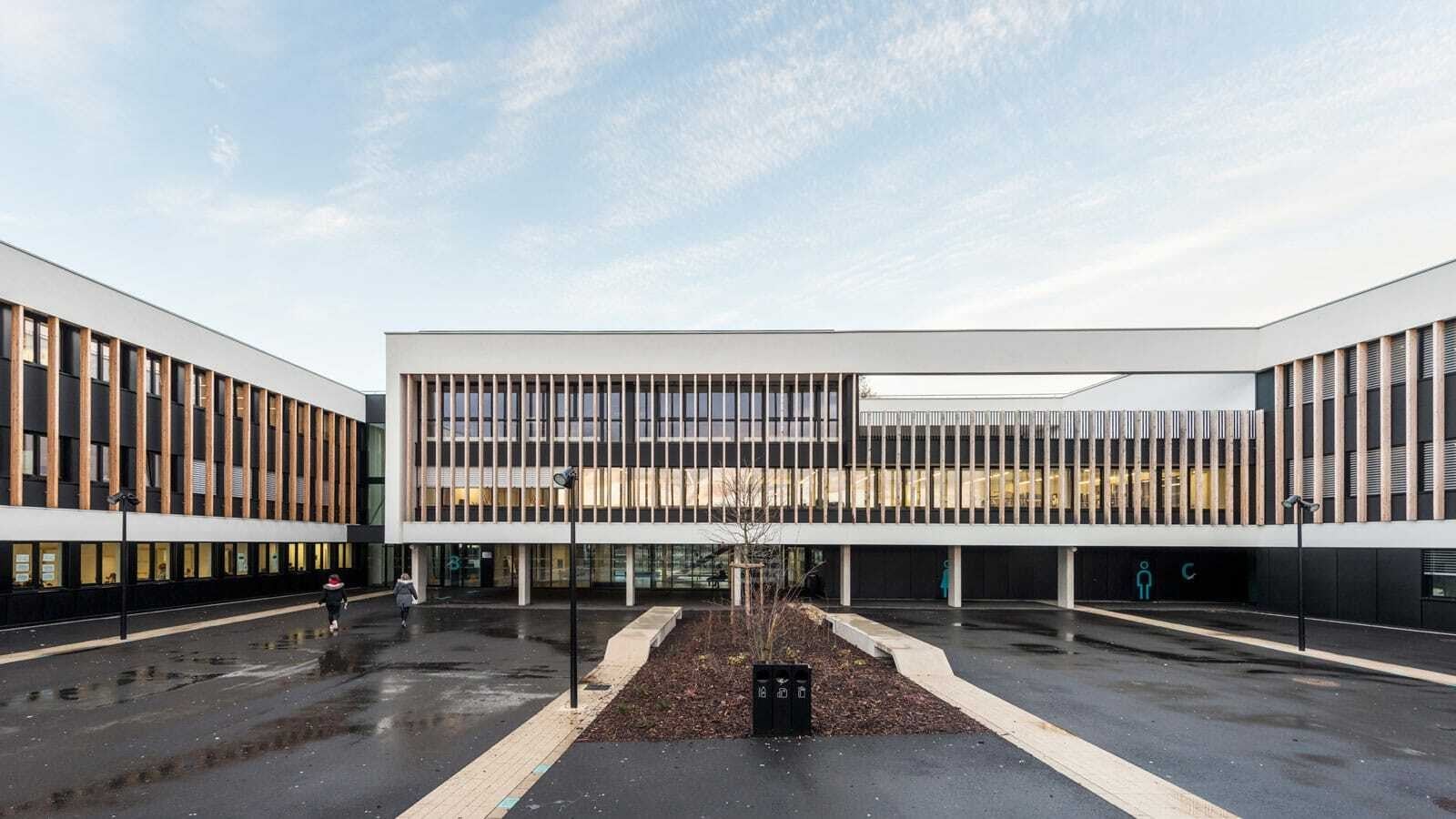
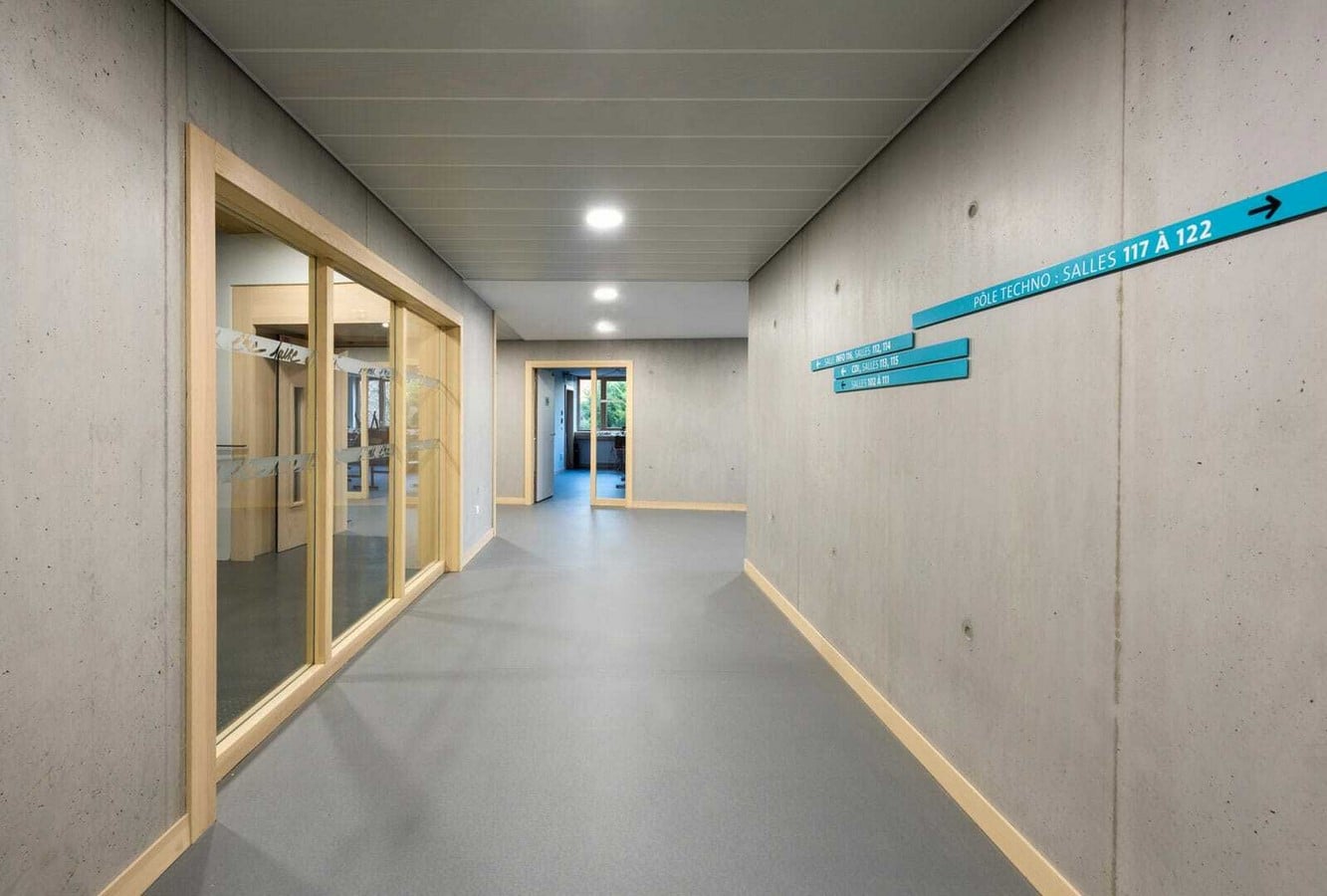
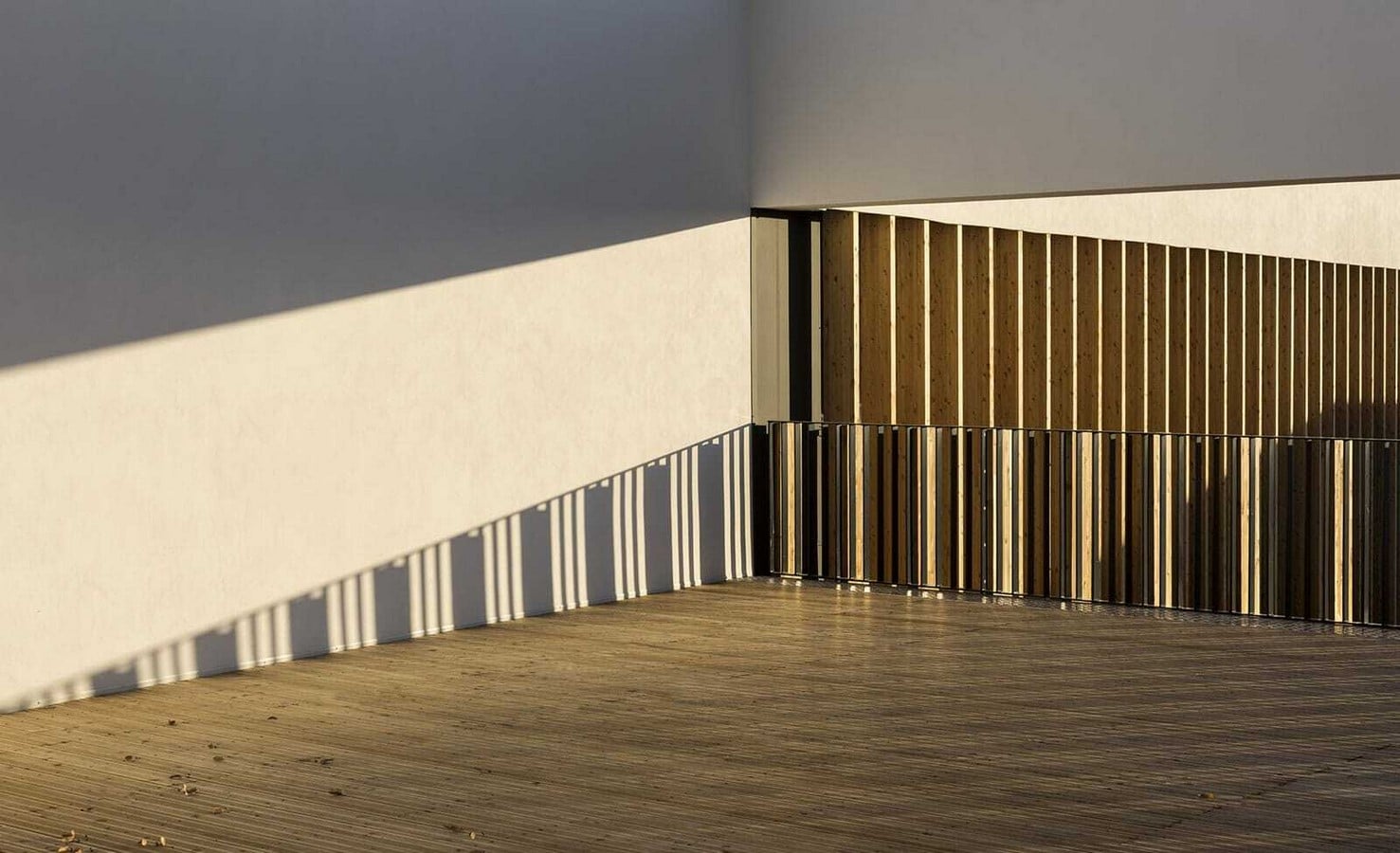
This project involved restructuring and extension of the existing college building located in Erstein. The new design utilized elements of wood in the interiors and vertical wooden panes to create a permeable facade. The college is structured around the public area and links the two realms in a perfect sym
2. 38 RH(Strasbourg)
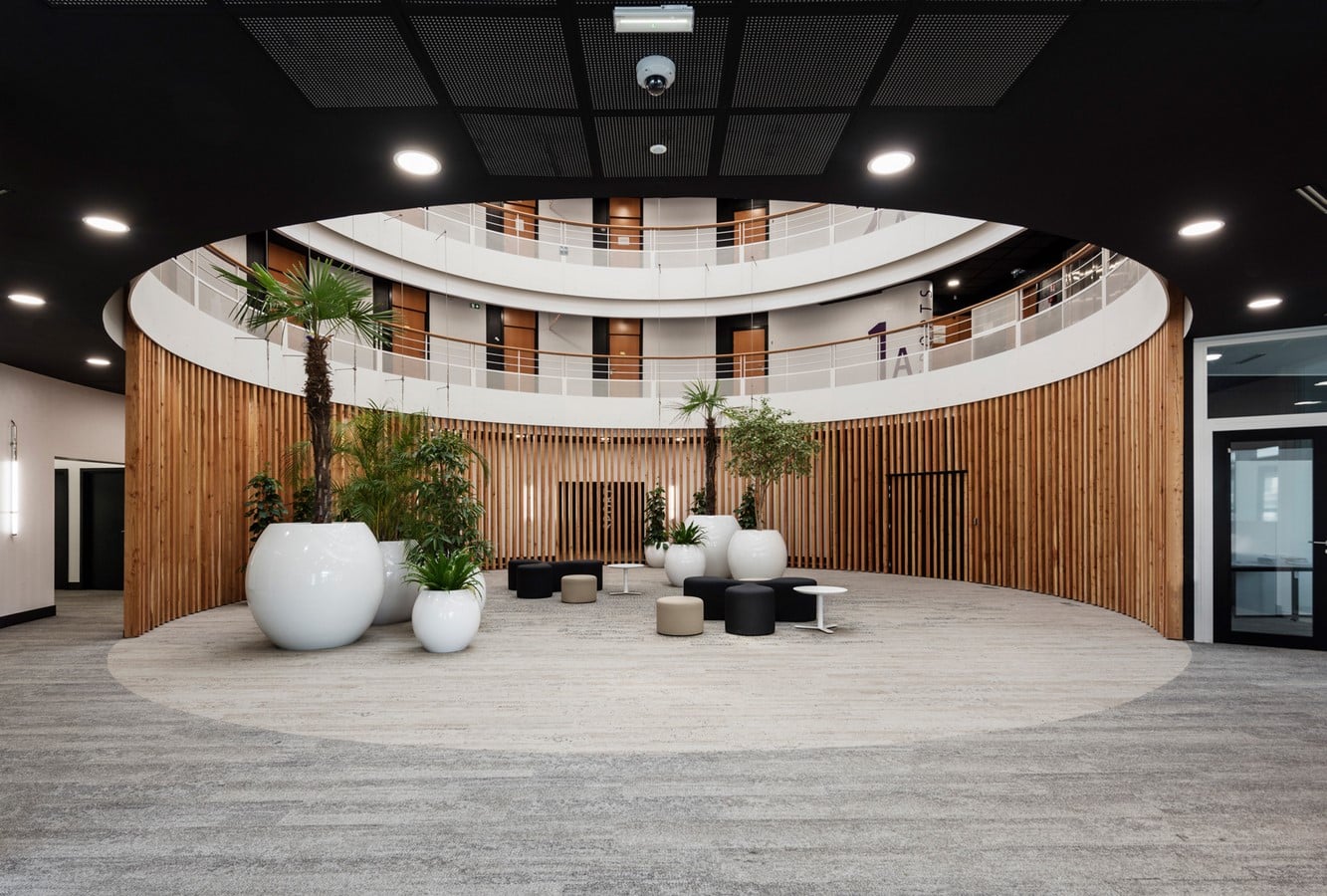
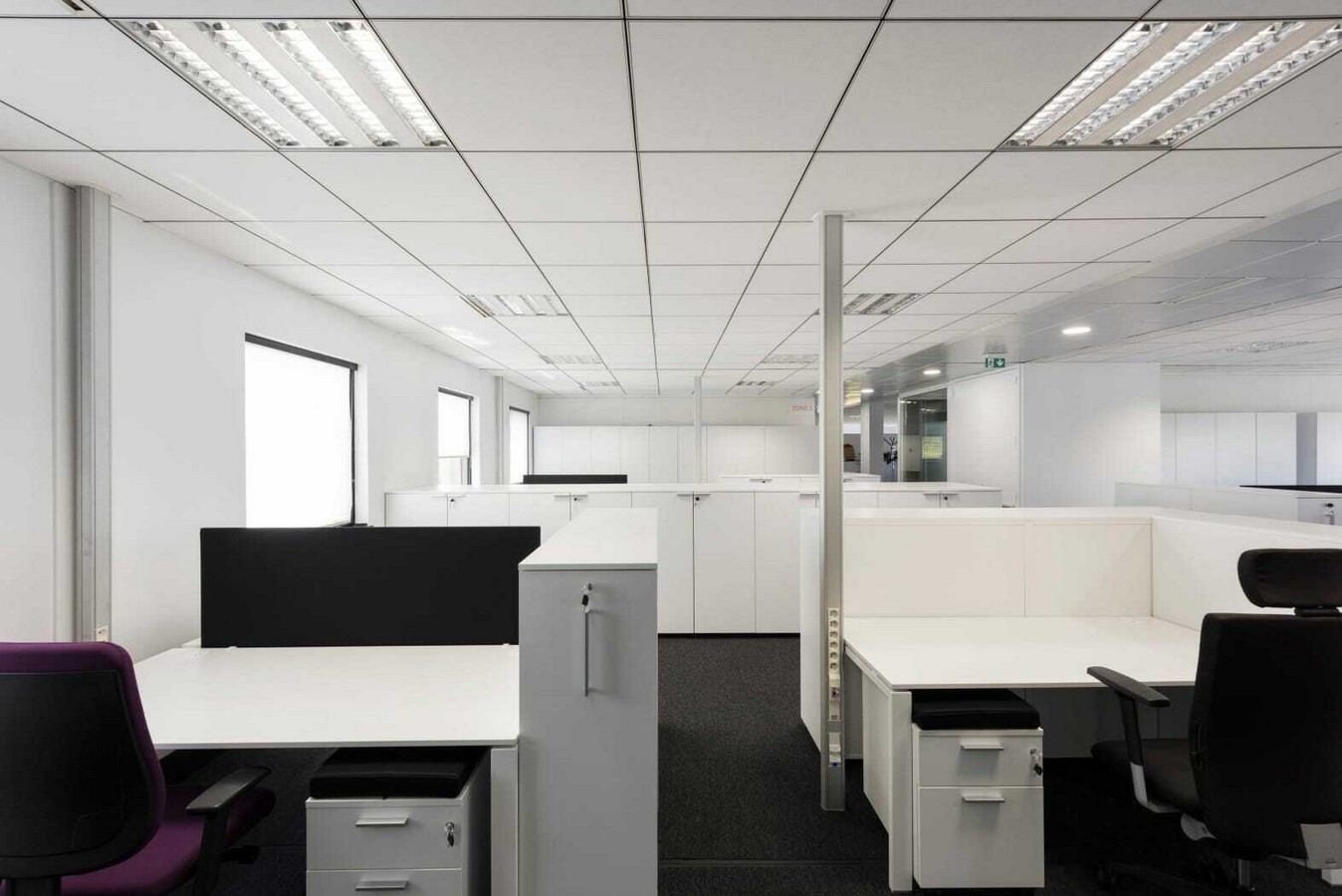
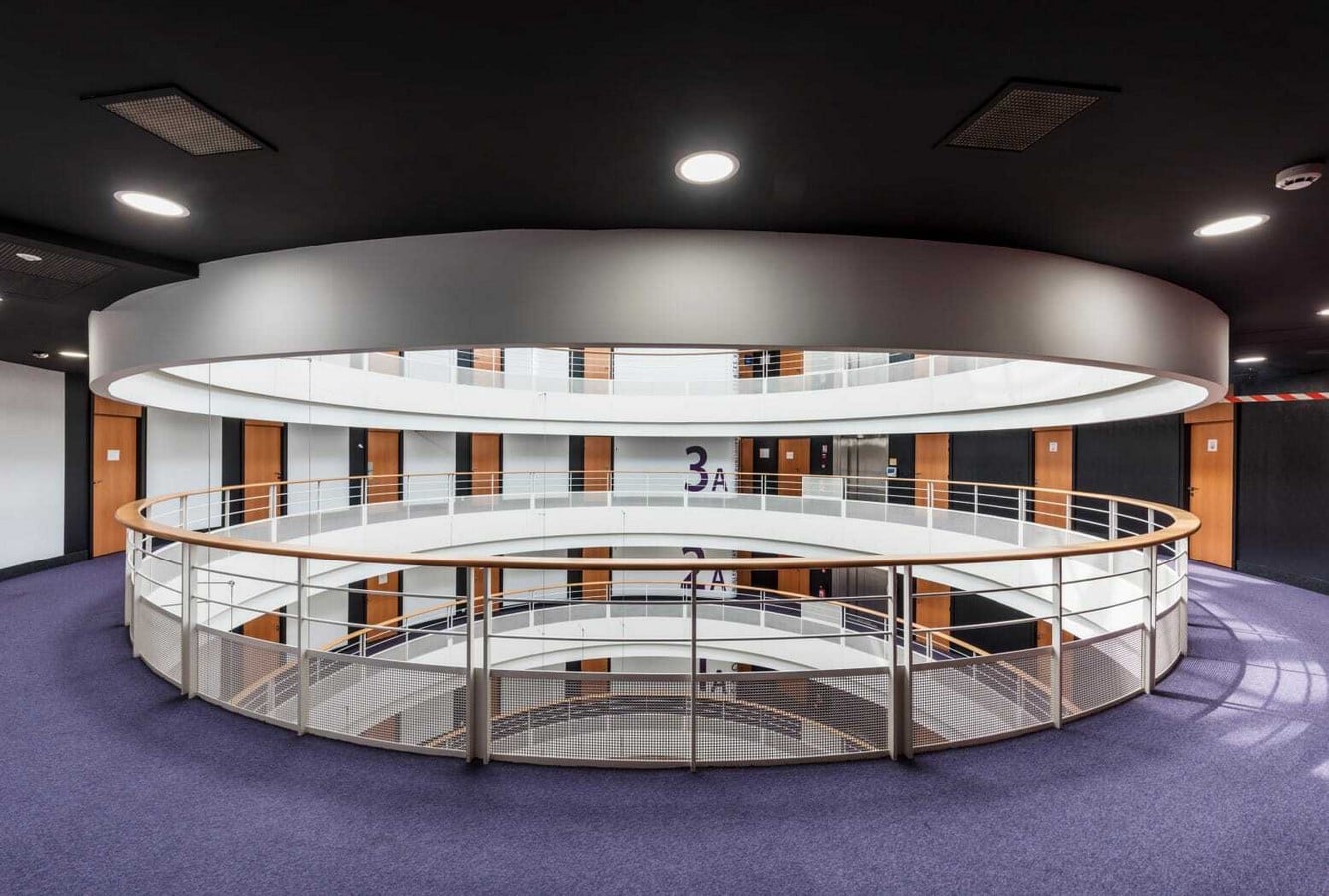
This project is another restructuring project for an office building in Strasbourg. The poetry of curves utilized to represent the linkage and flexibility of the different uses. The circular design is visible through the different levels of the structure, and the office space is incorporated into the design.
3. University Restaurant Paul Appell (Strasbourg)
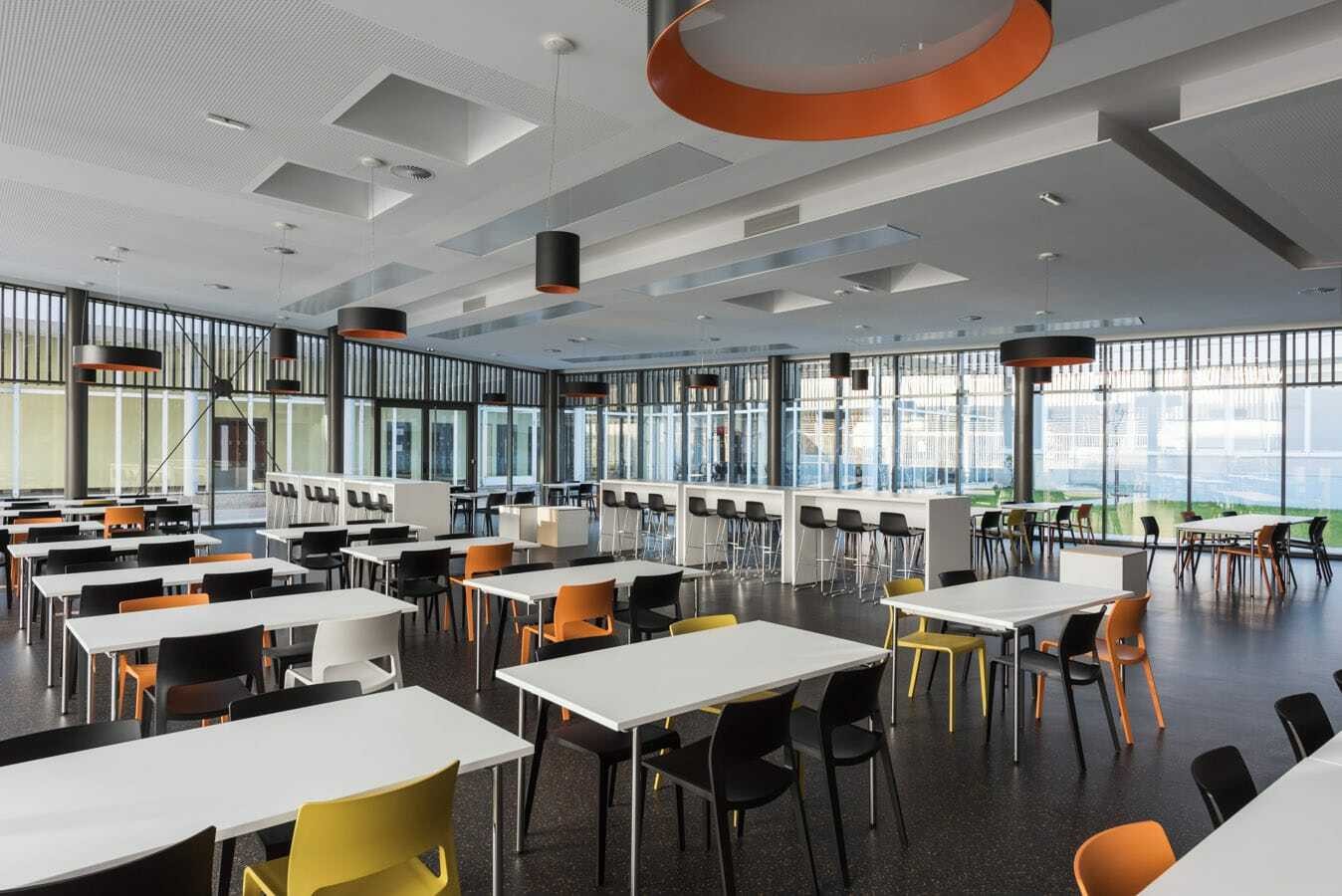
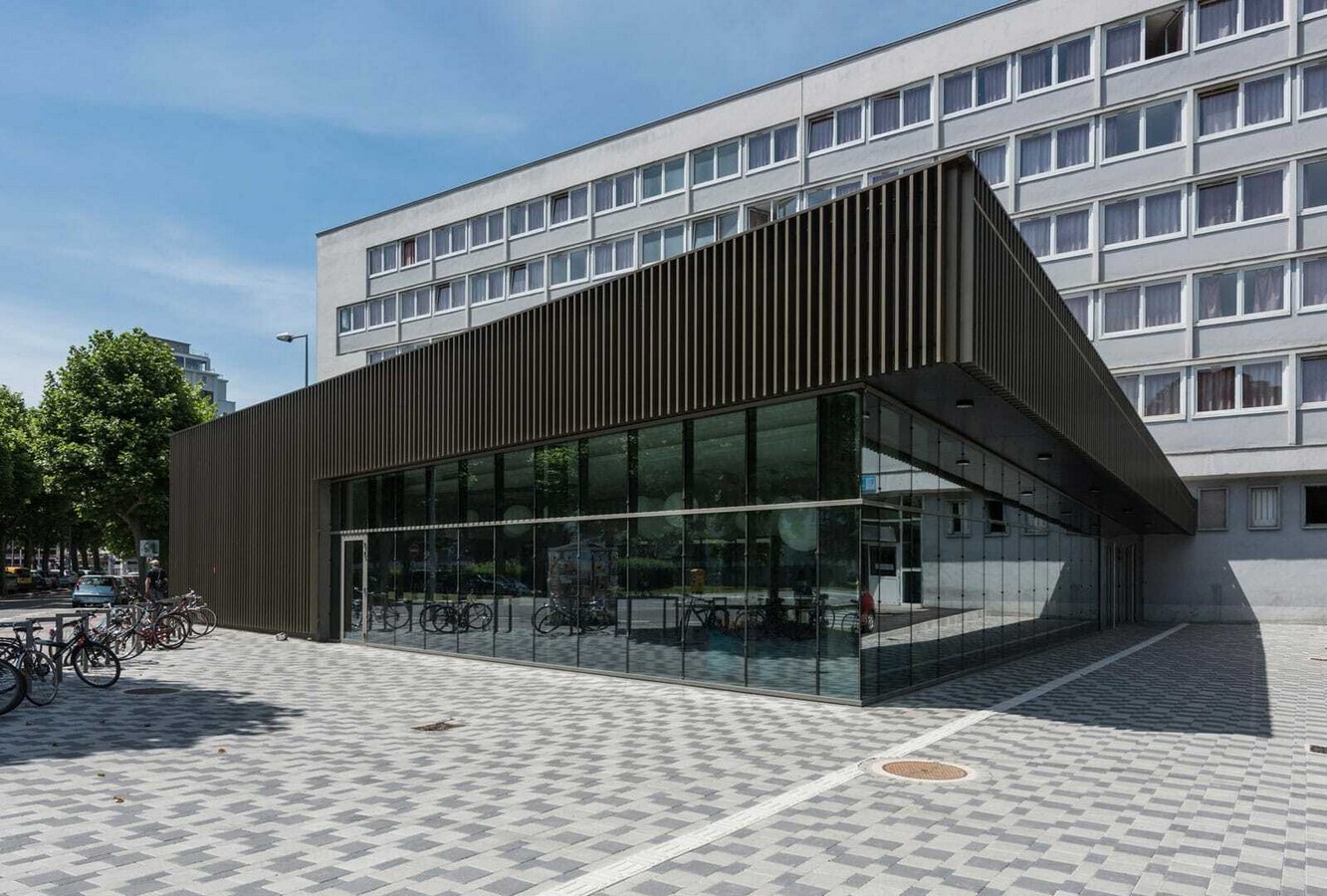
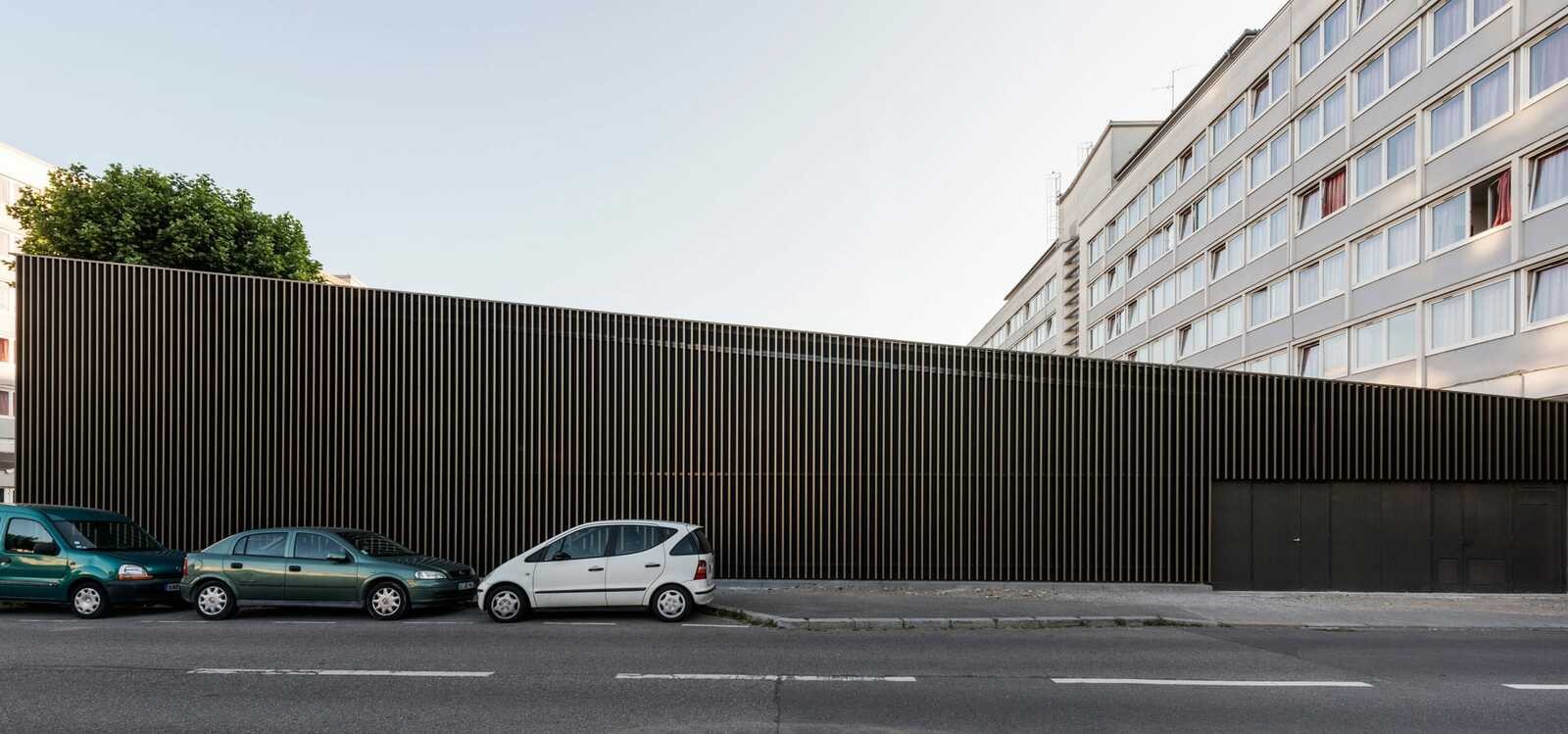
This structure comprises an entrance hall connected to the restaurant, the cafeteria, the guest room, and the sanitary block. Its simple black-brown facade fits in with its surroundings and becomes one with the existing building. The main hall has a massive skylight that illuminates the space, and its ambient appeal makes it a popular public space for the people.
4. Garden City of Stockfeld(Stockfeld)
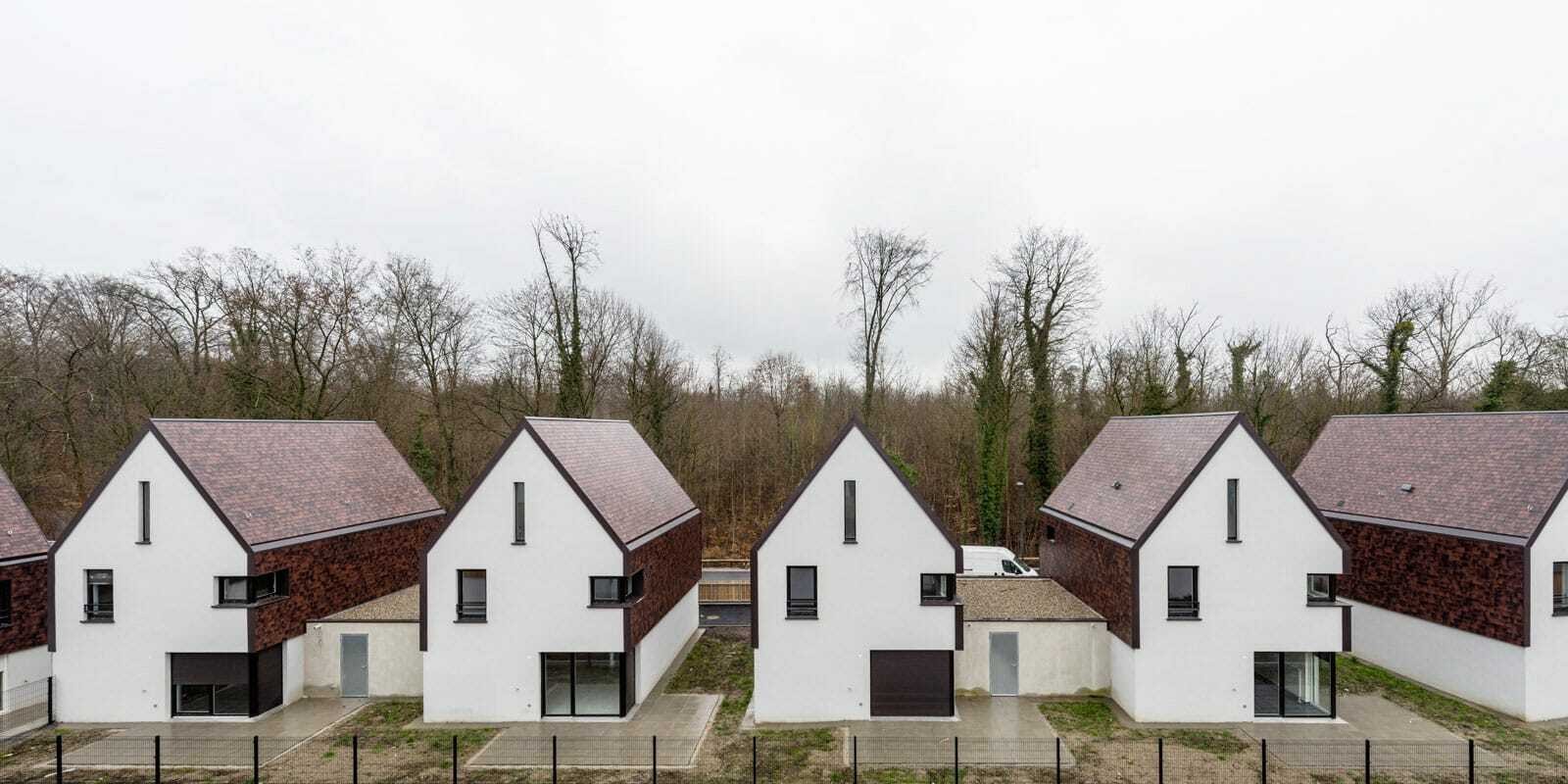
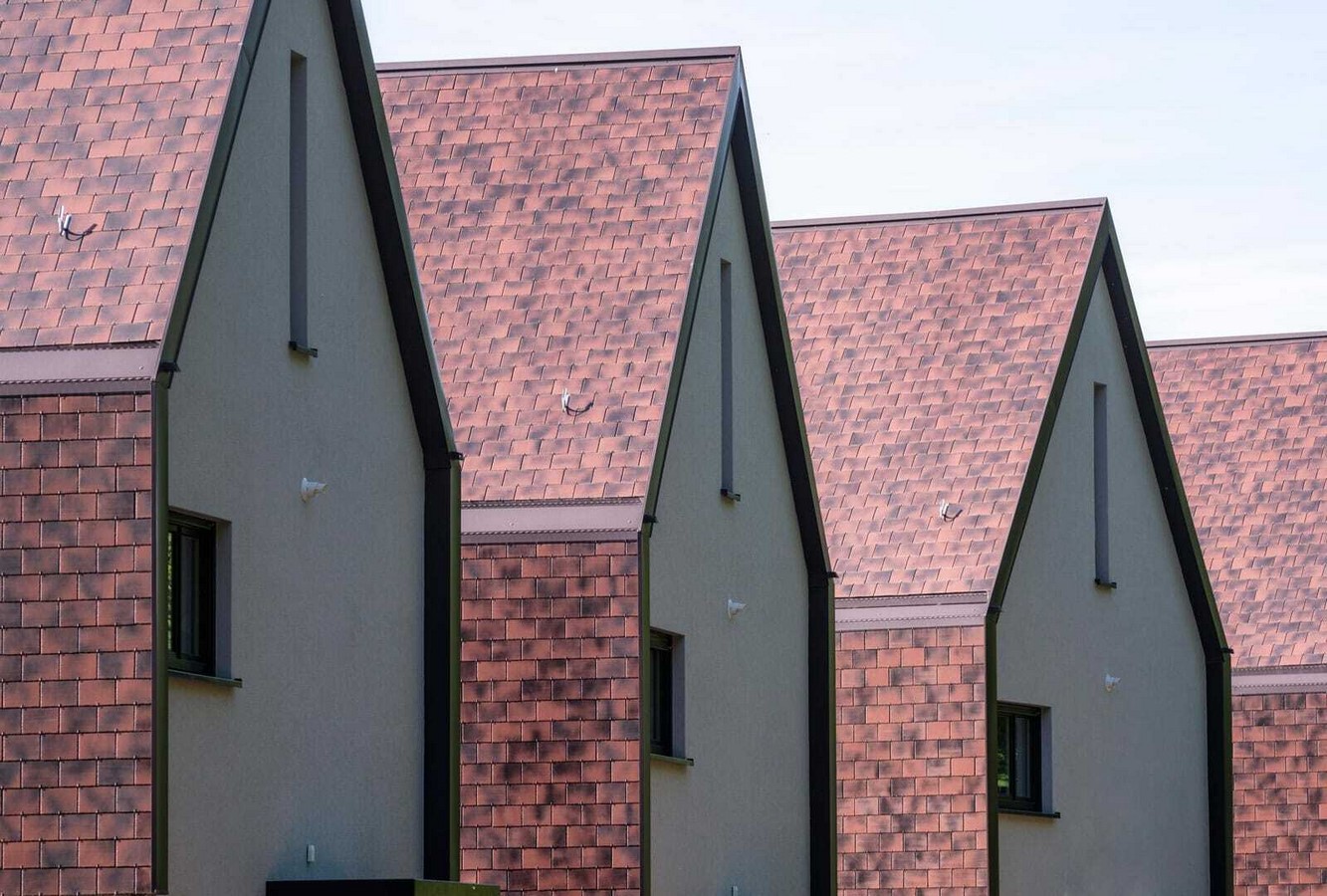
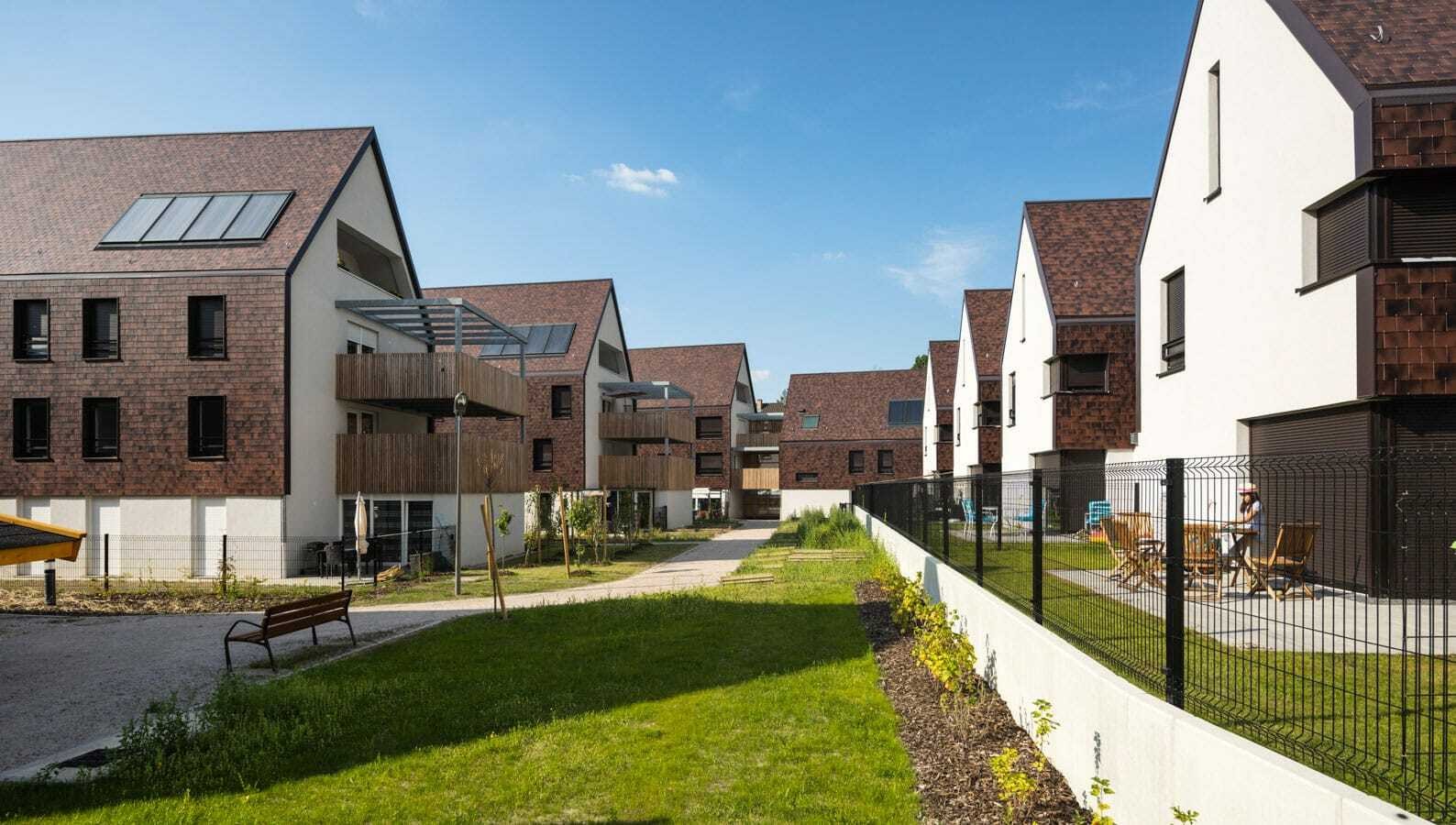
Located in the outskirts of Stockfeld, this neighborhood project attempts to create a visual rhythm. Each of the houses has a traditional rectangular shape with a two-pitched roof, and are arranged perpendicular to the road. The area has a total of 8 individual houses and 7 collective houses (having 3,7 and 9 apartments), landscaped with a collection of private gardens and open spaces.
5. Lieu d’Europe – Vila Kayserguet(Strasbourg)
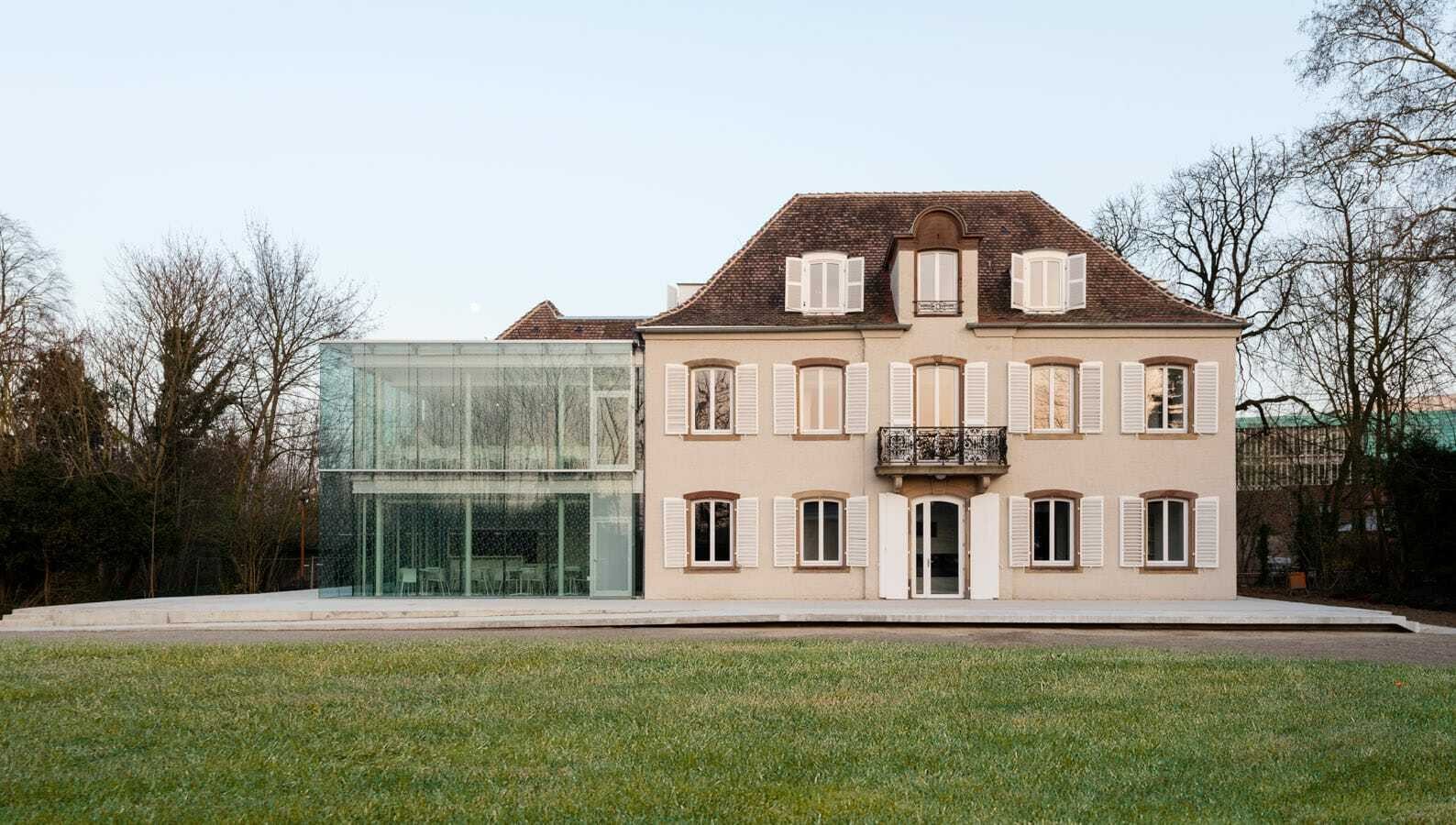
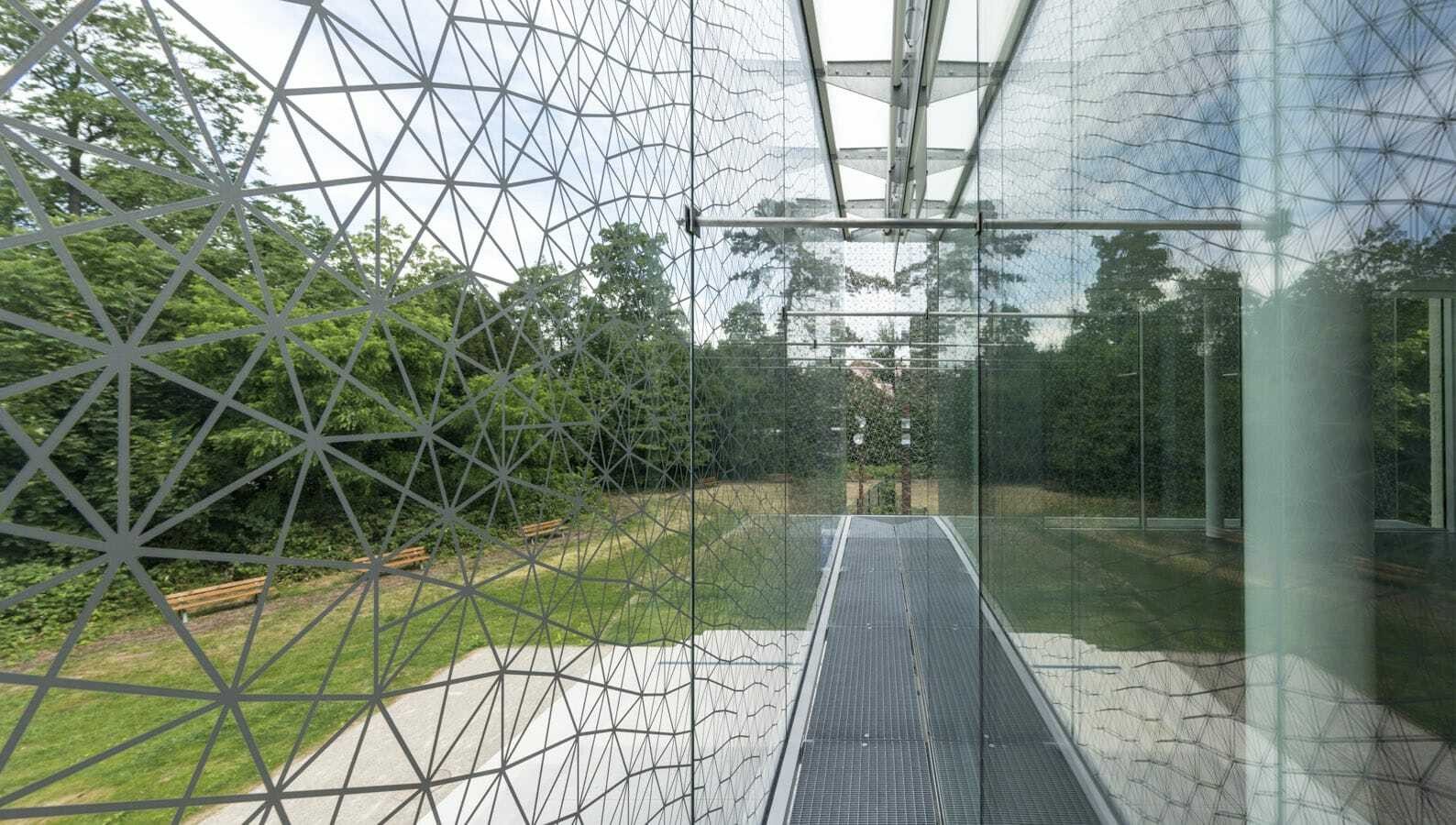
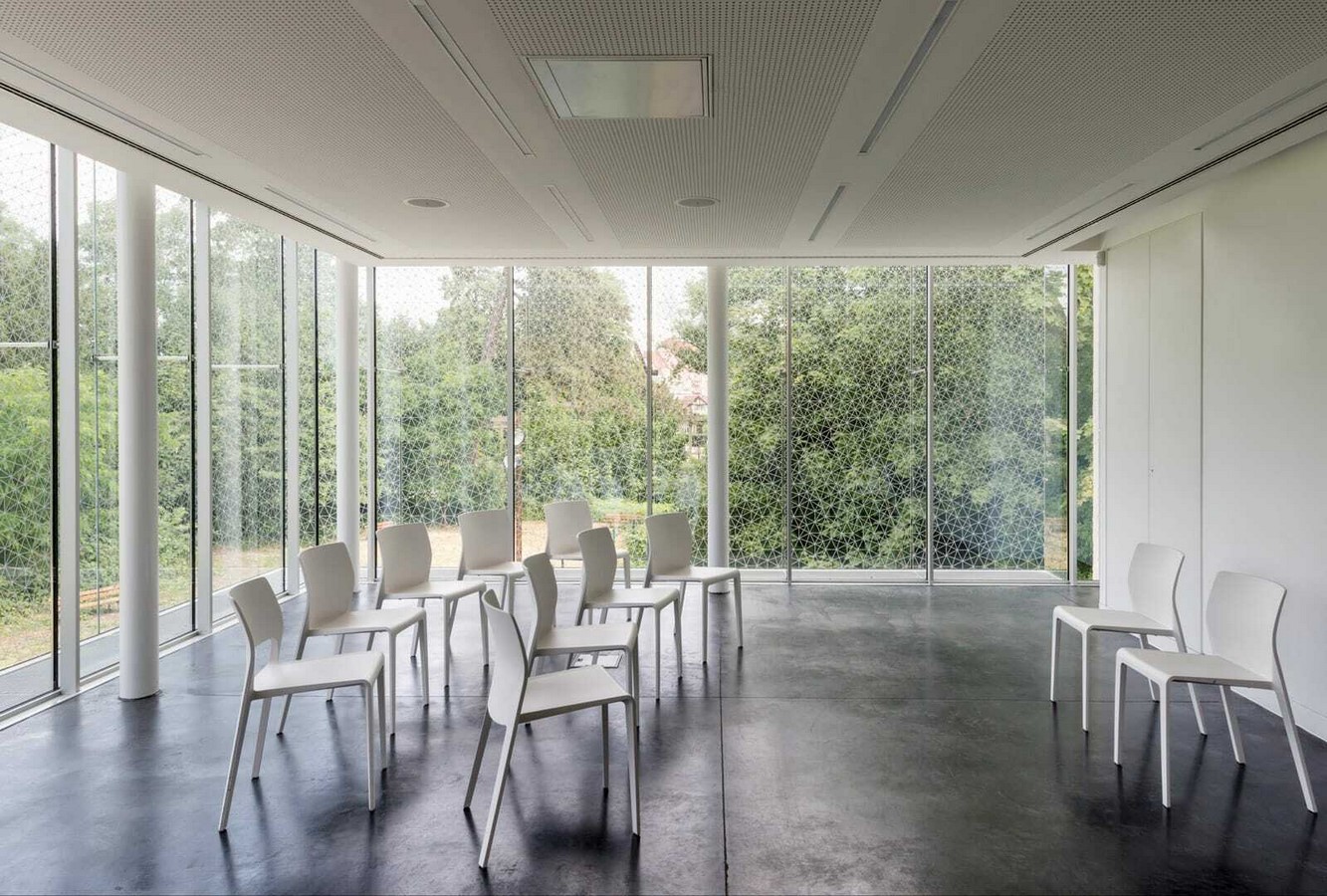
This was another restructuring and extension project of the old Villa in the city of Strasbourg. It is an interaction space and hosts several exhibitions and conferences (aimed at making Europe known to people). The extension consists of a glass extension in two volumes, which binds the atmosphere of the space and adds to the aesthetics of the building.
6. 55 Housing Units and Offices – Rue de la Course (Strasbourg)
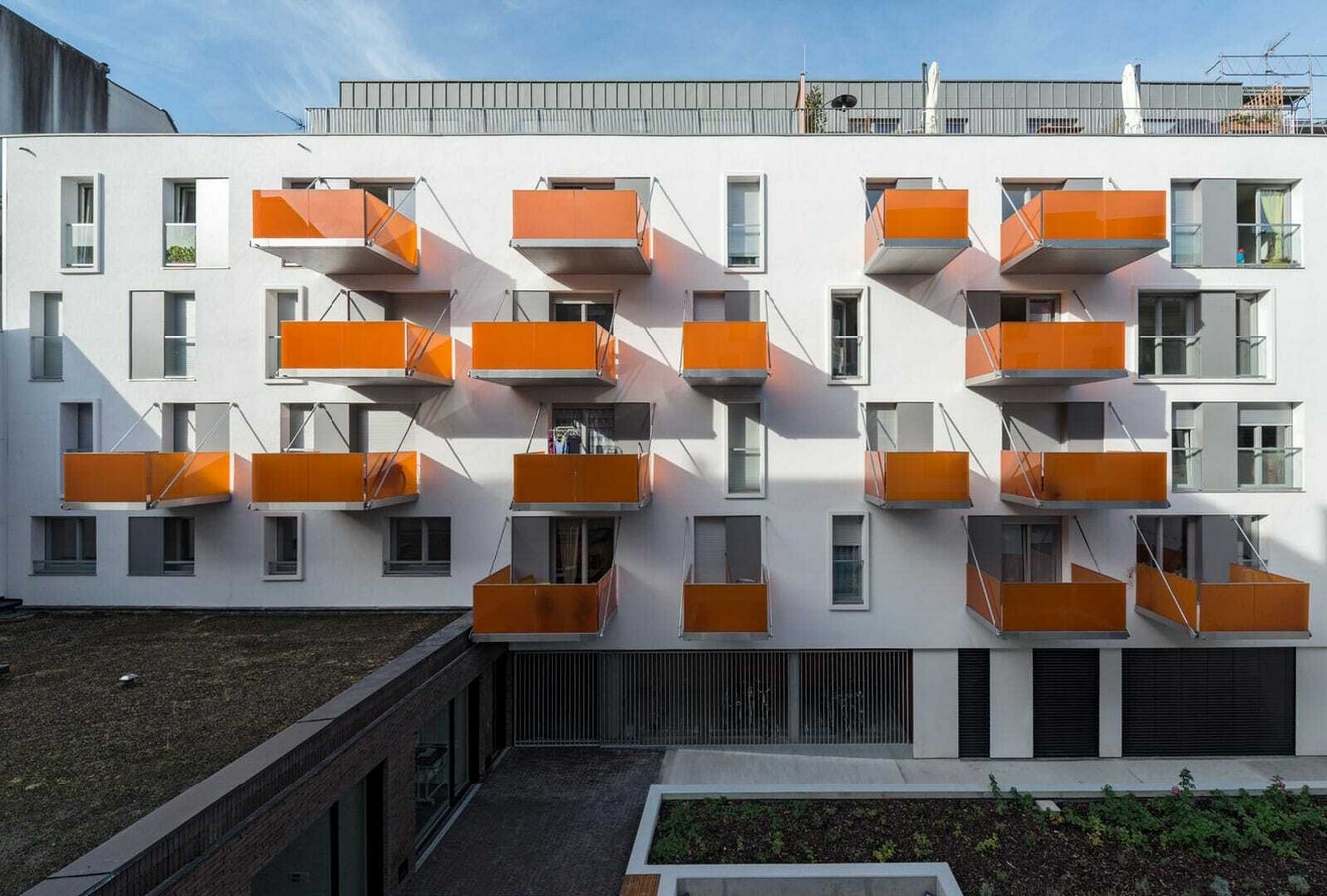
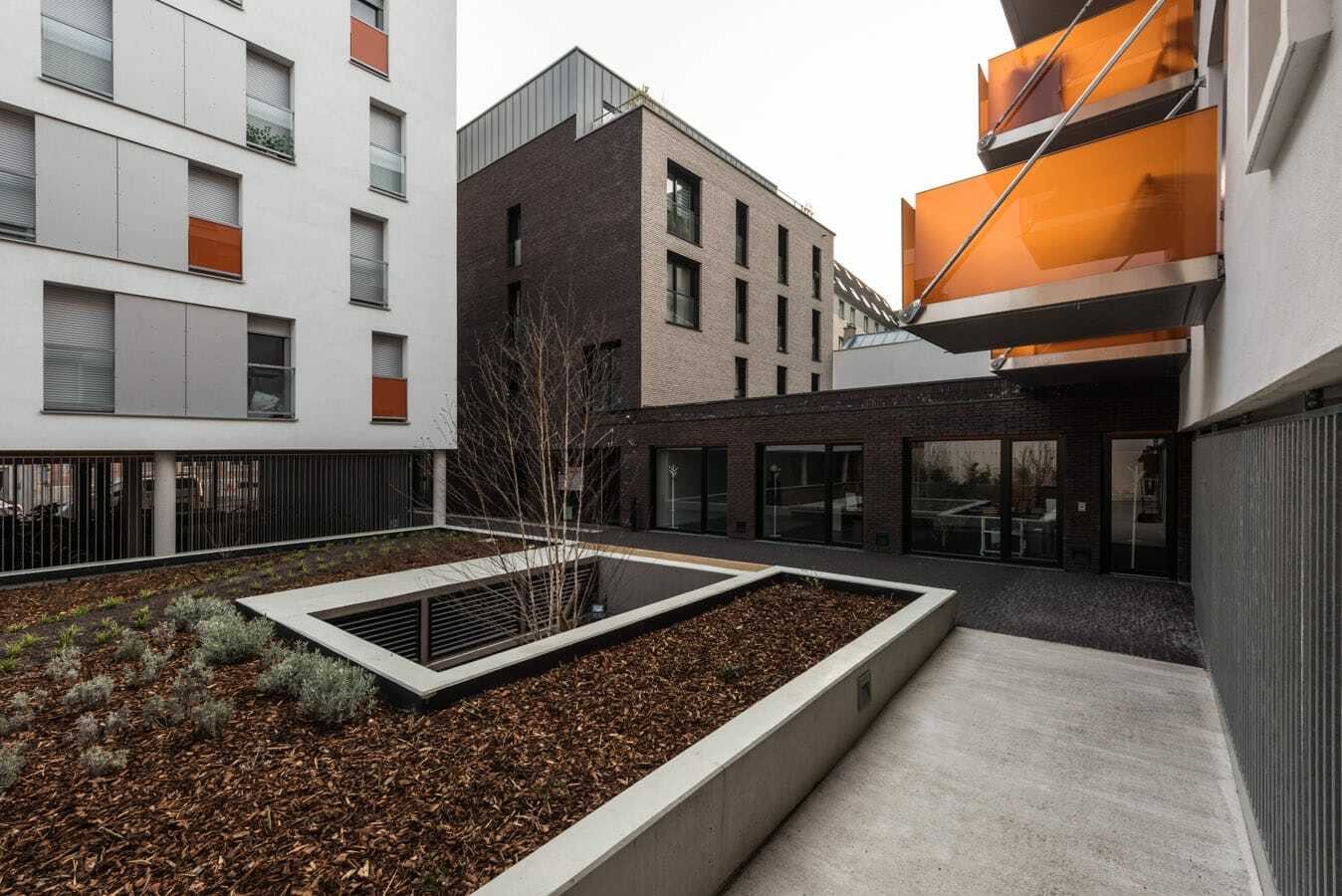
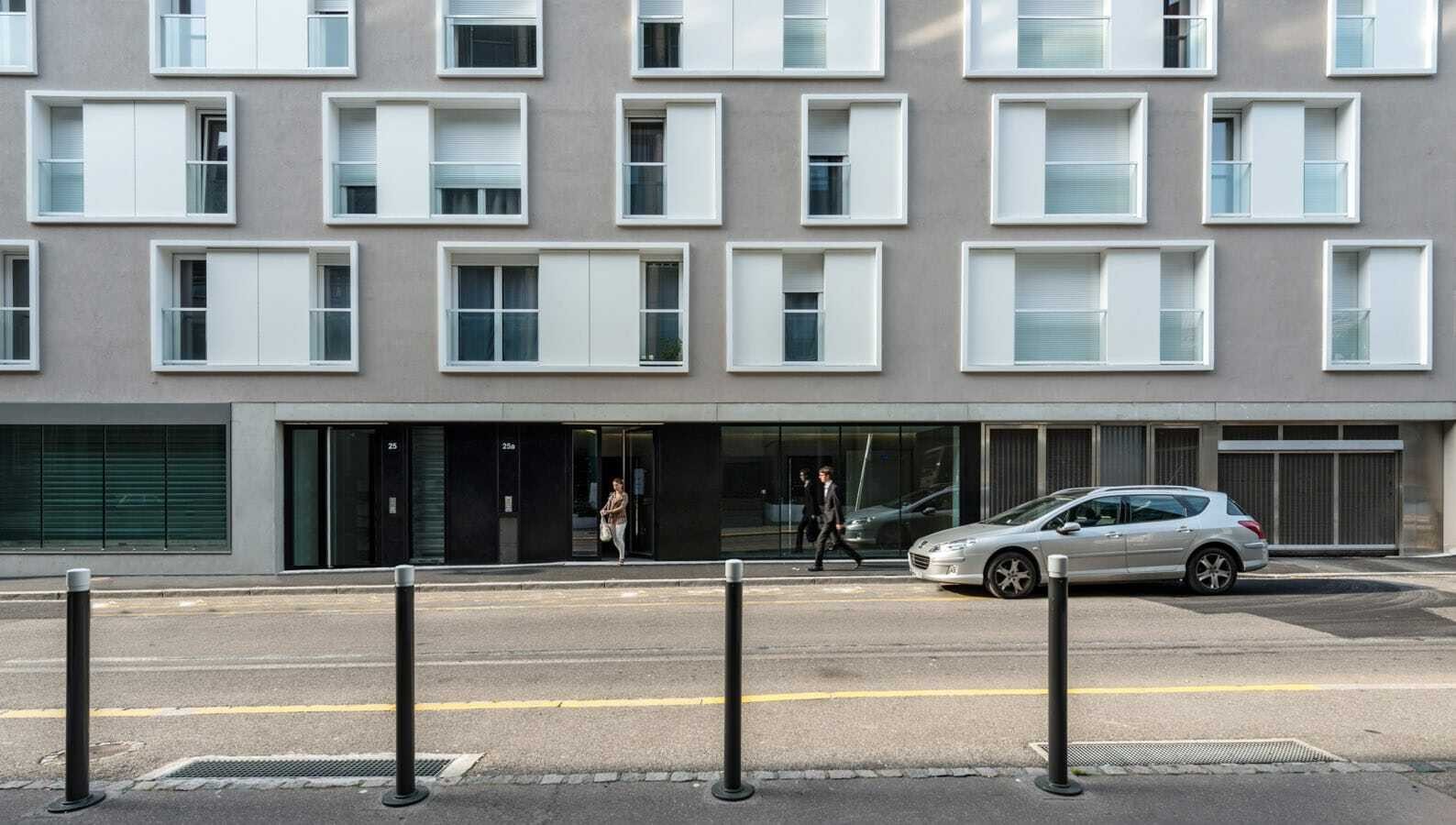
This structure is a combination of two apartments placed on the base which is formed by the ground floor (office space). Its white facade comprises pop-up balconies (orange), and uses the south orientation to its advantage. They have used a staggering basement design to provide for the parking needs in one and a half levels of parking.
7. Rives du Bohrie(Ostwald)
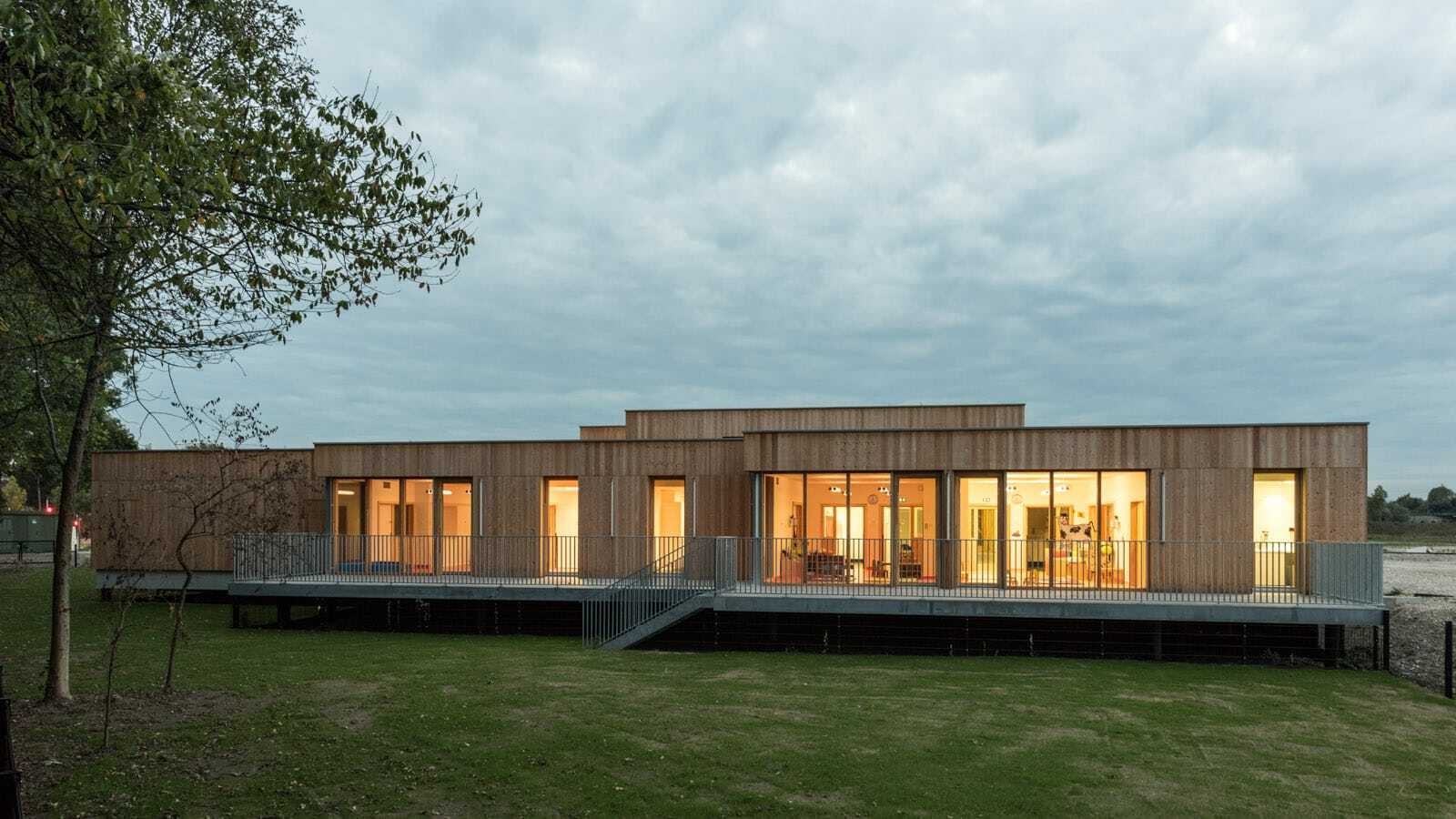
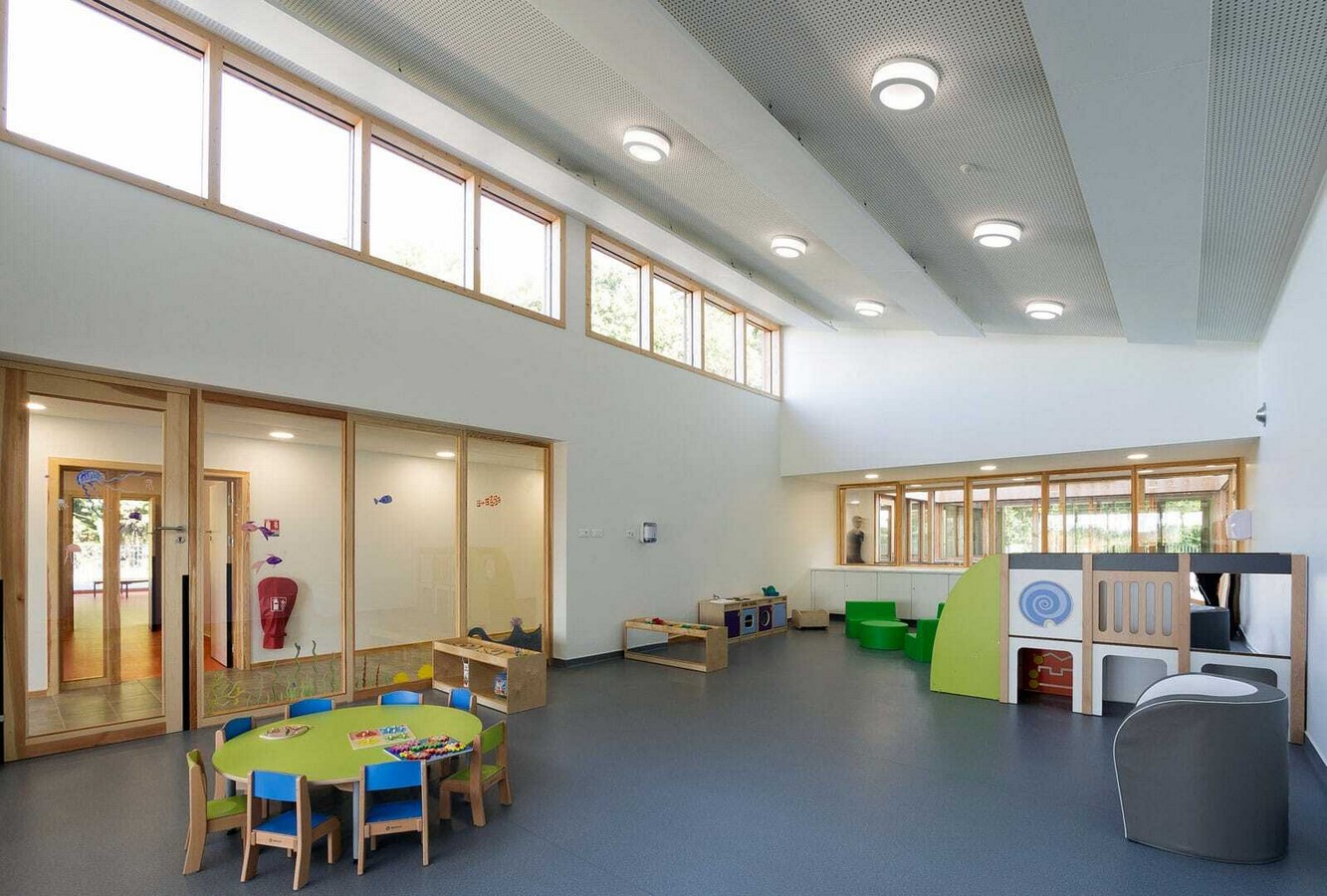
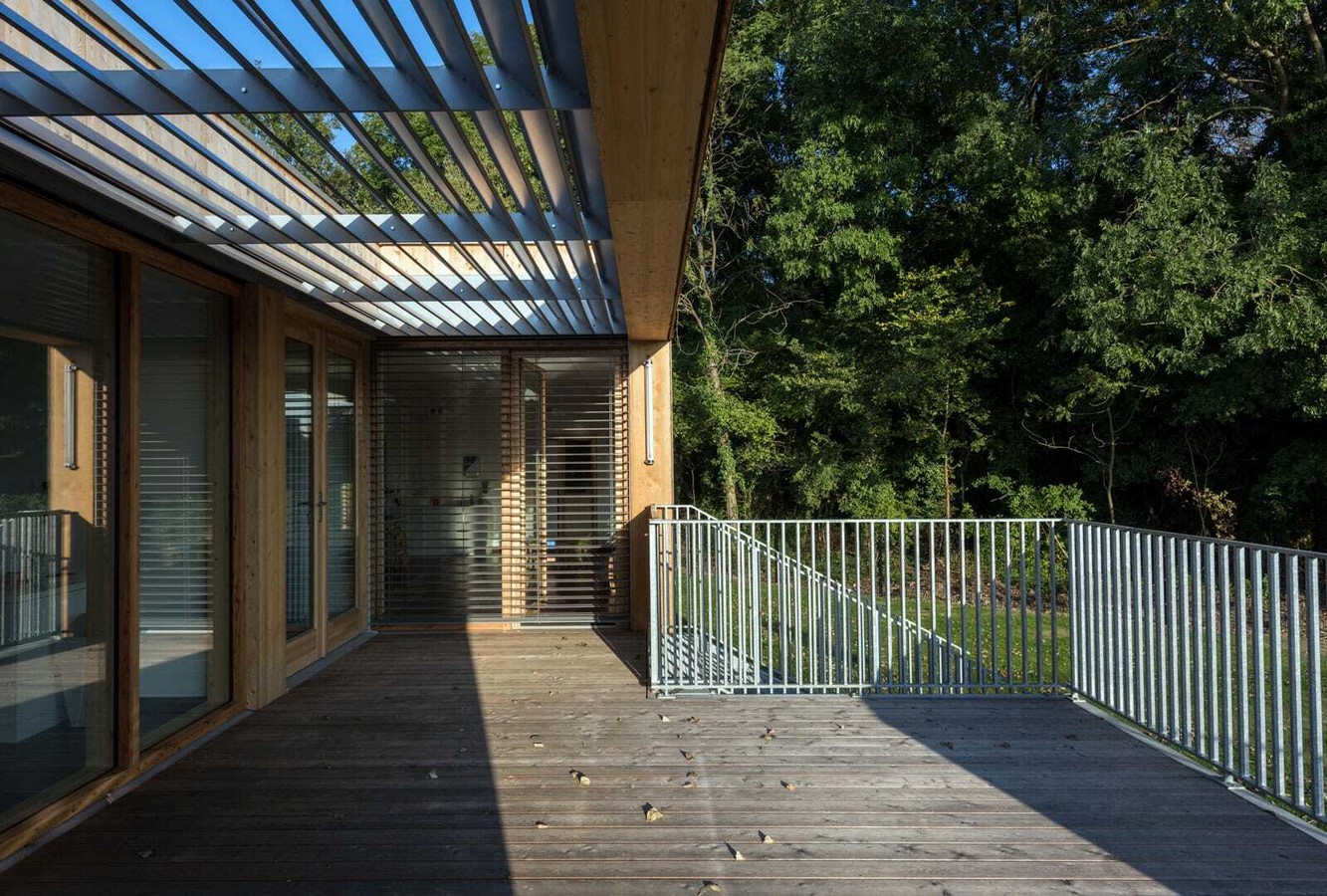
This multi-home was constructed to house 60 children in the city of Ostwald. It has a simple plan that links all the functions to one median bay, which is naturally lit by the high-light sockets and the light coming in from the patio and a simple design that connects to the site. It makes use of wood for its structural part and its wooden parapet helps bind the different textures together.
8. Reuss 1 Gymnasium – Ilot Crabbé(Strasbourg)
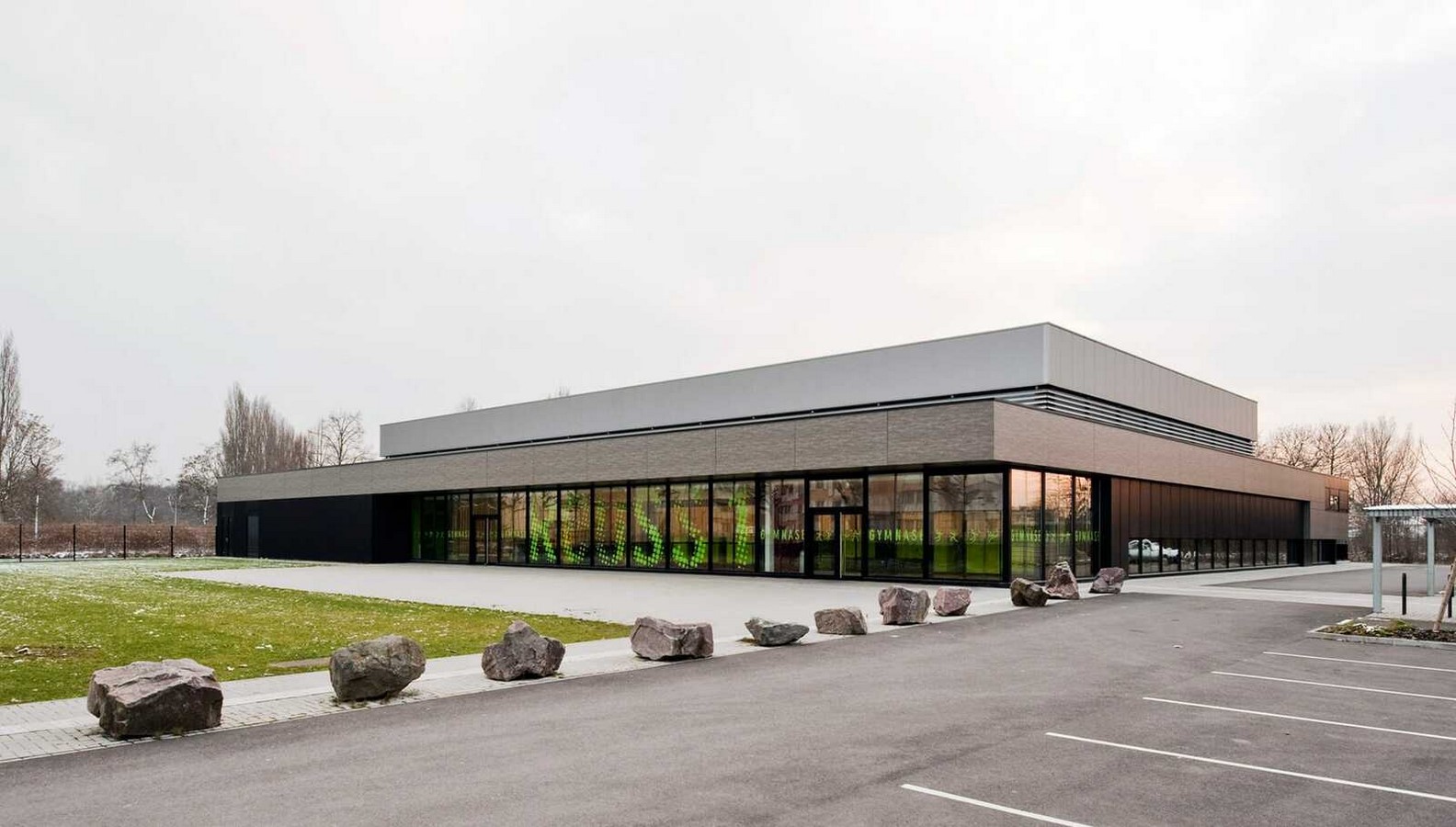
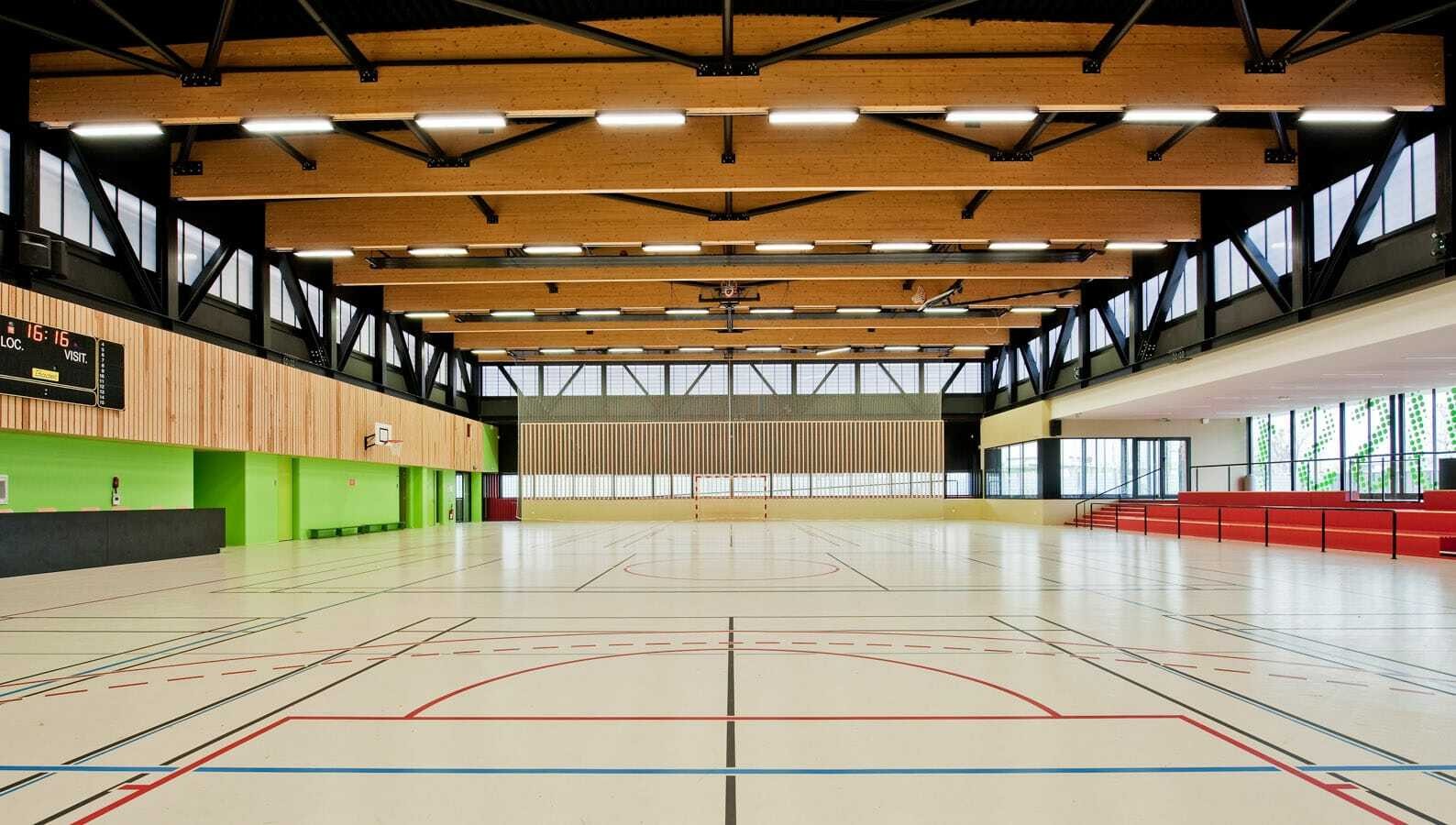
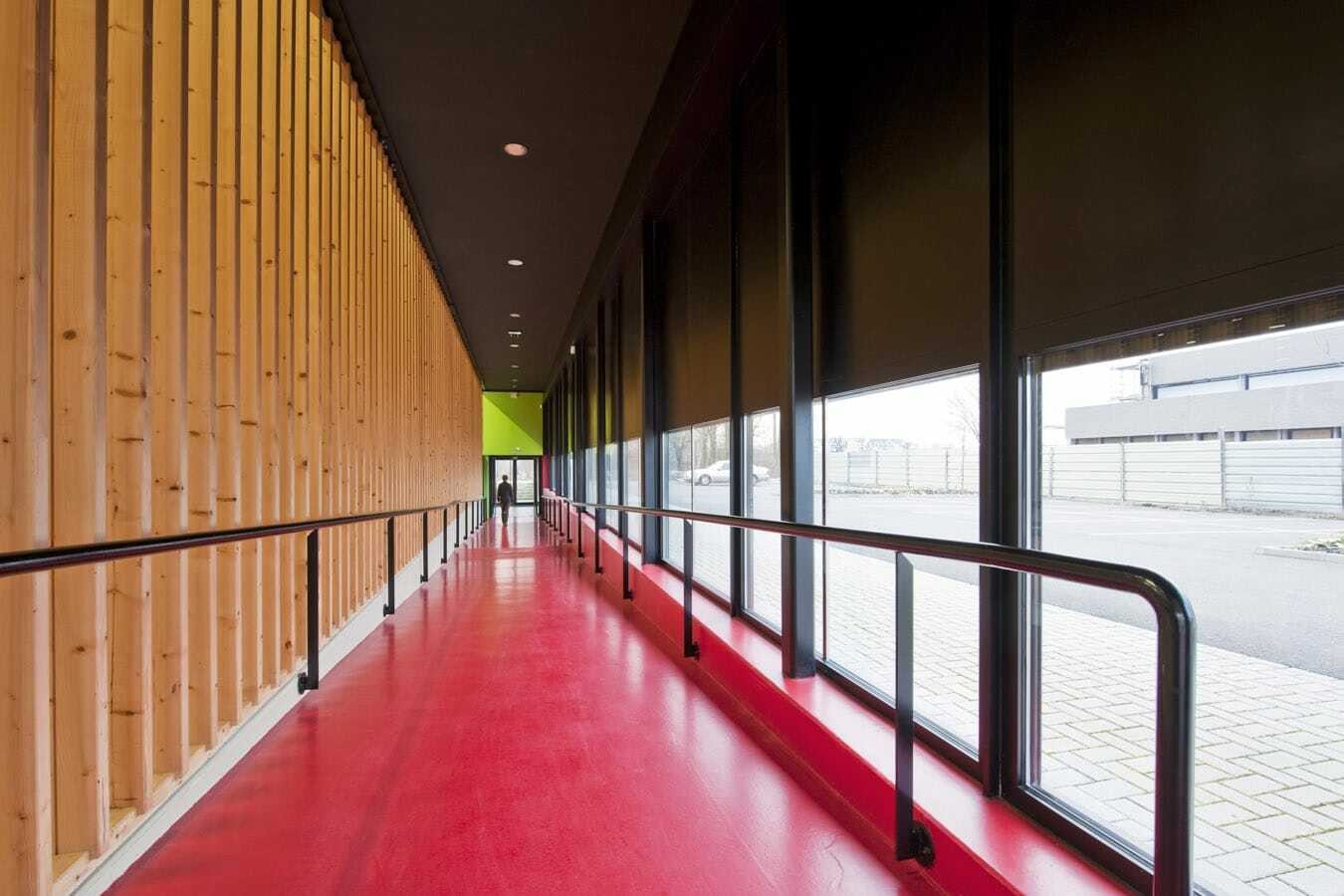
It is a public facility built as a sports area (basketball, football, etc) and to create a center of interaction mainly for students outside of school. The single-storeyed building provides easy access to the public and direct access to the stands. It is composed of huge glass panels to make it approachable and to let natural light inside.
9. Erage Regional School of Lawyers of the Grand Est(Strasbourg)
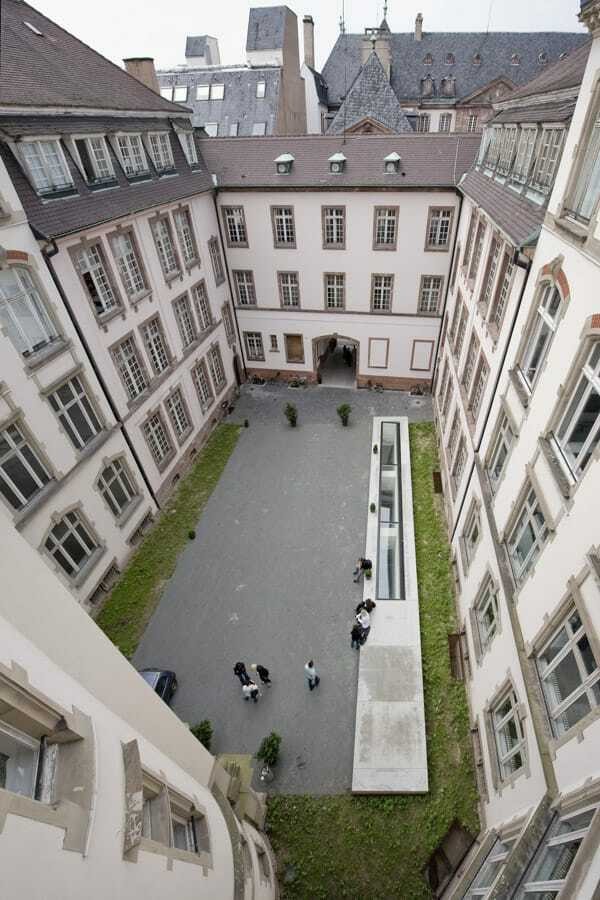
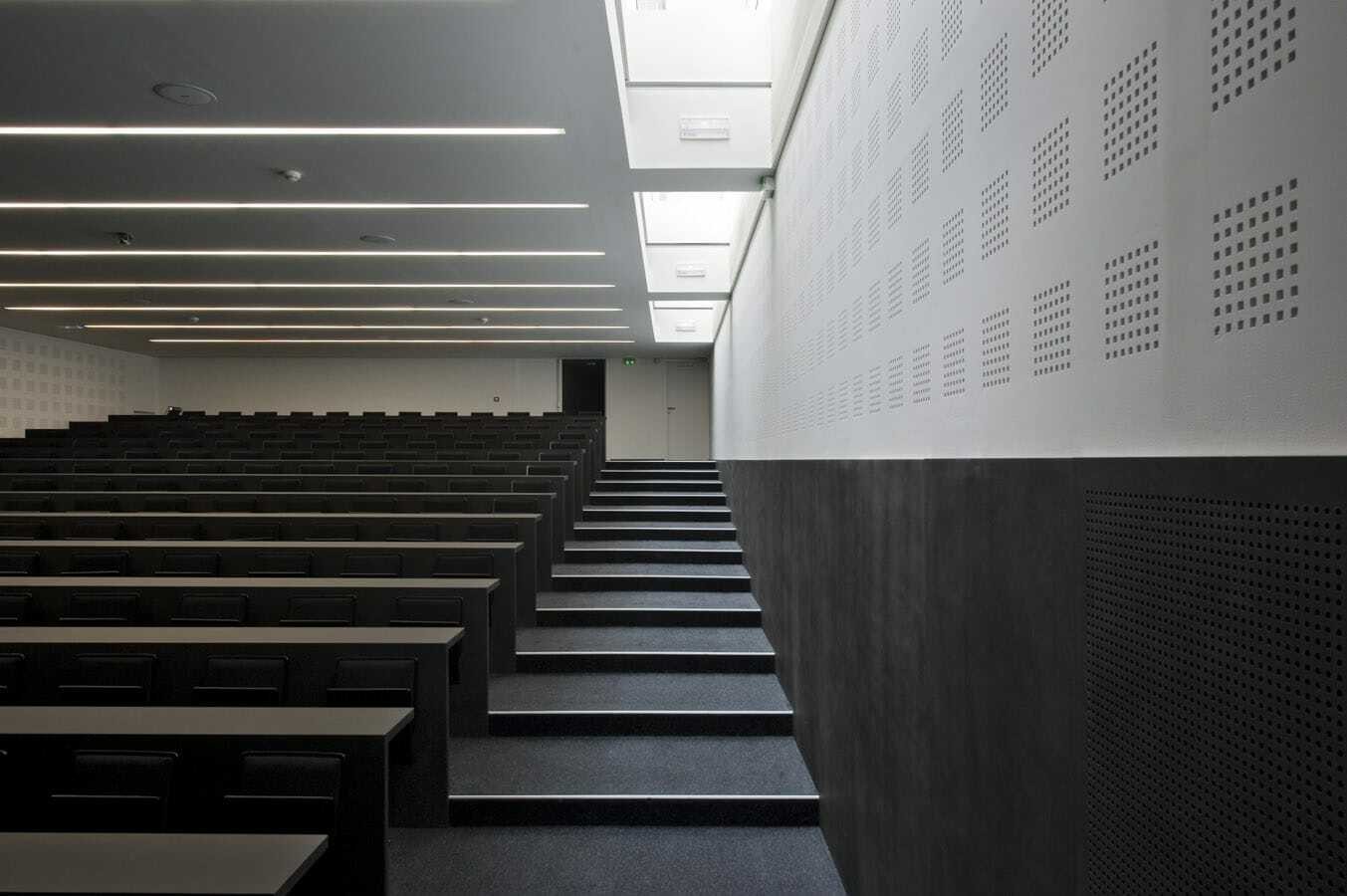
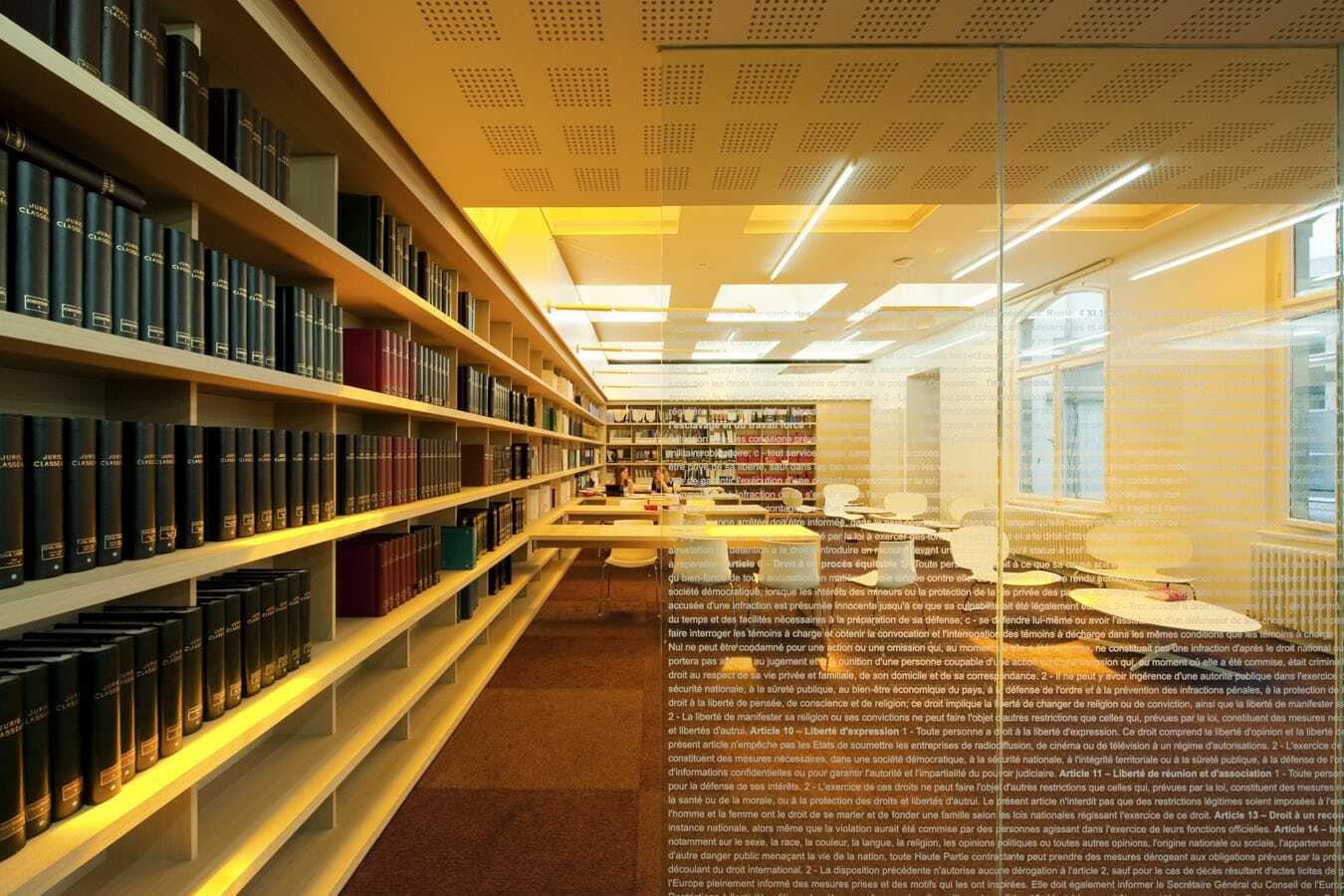
This project was an extension and restructuring of the popular German-style School for lawyers in the city of Strasbourg. The new amphitheater, which has 195 seats, is lit by a glass roof (sliding) arranged around the circulation of the space. The upper floors have all the functions of the school, and the basement houses the storage and technical rooms.
10. Multipurpose Hall(Schirrhein – Schirrhoffen)
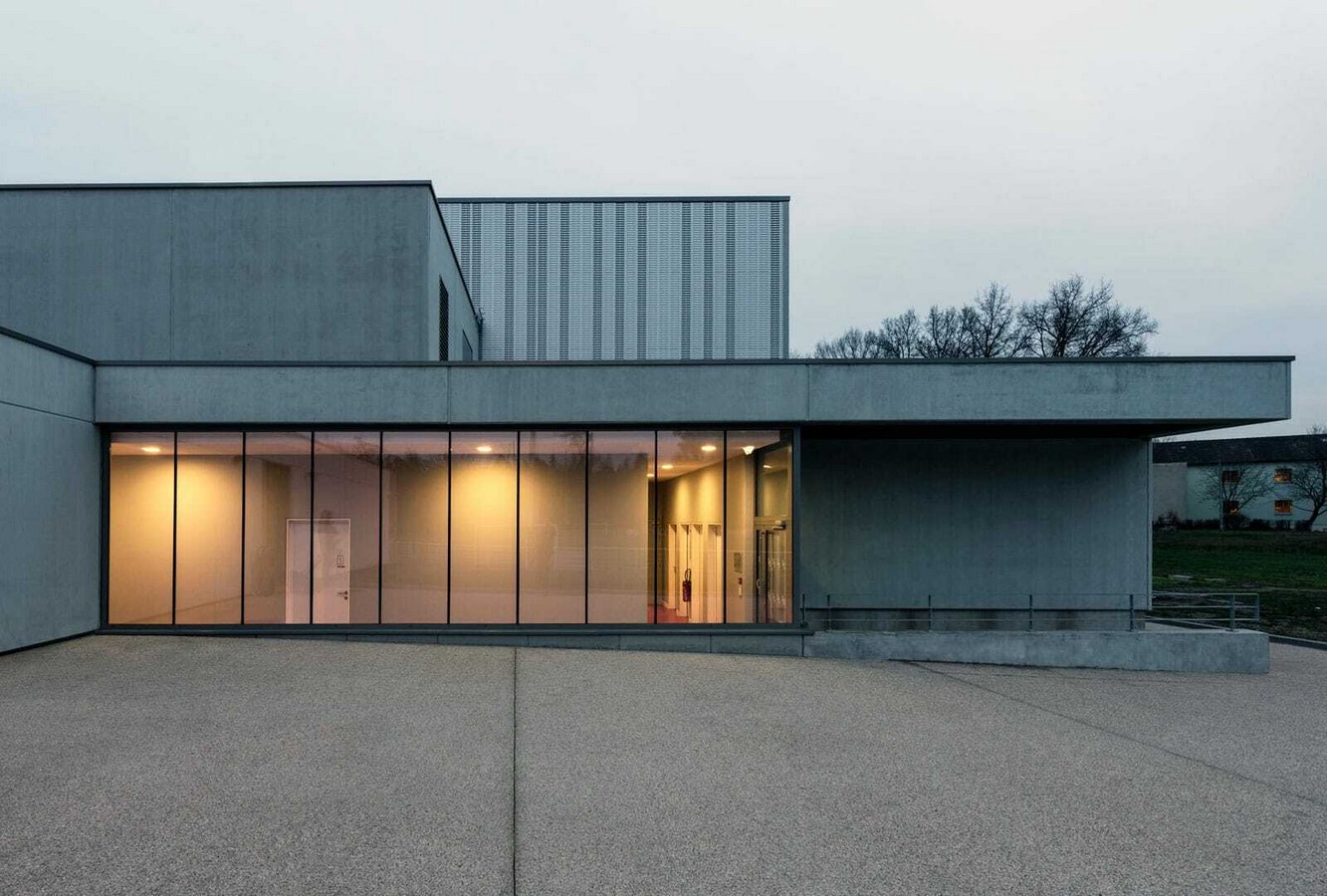
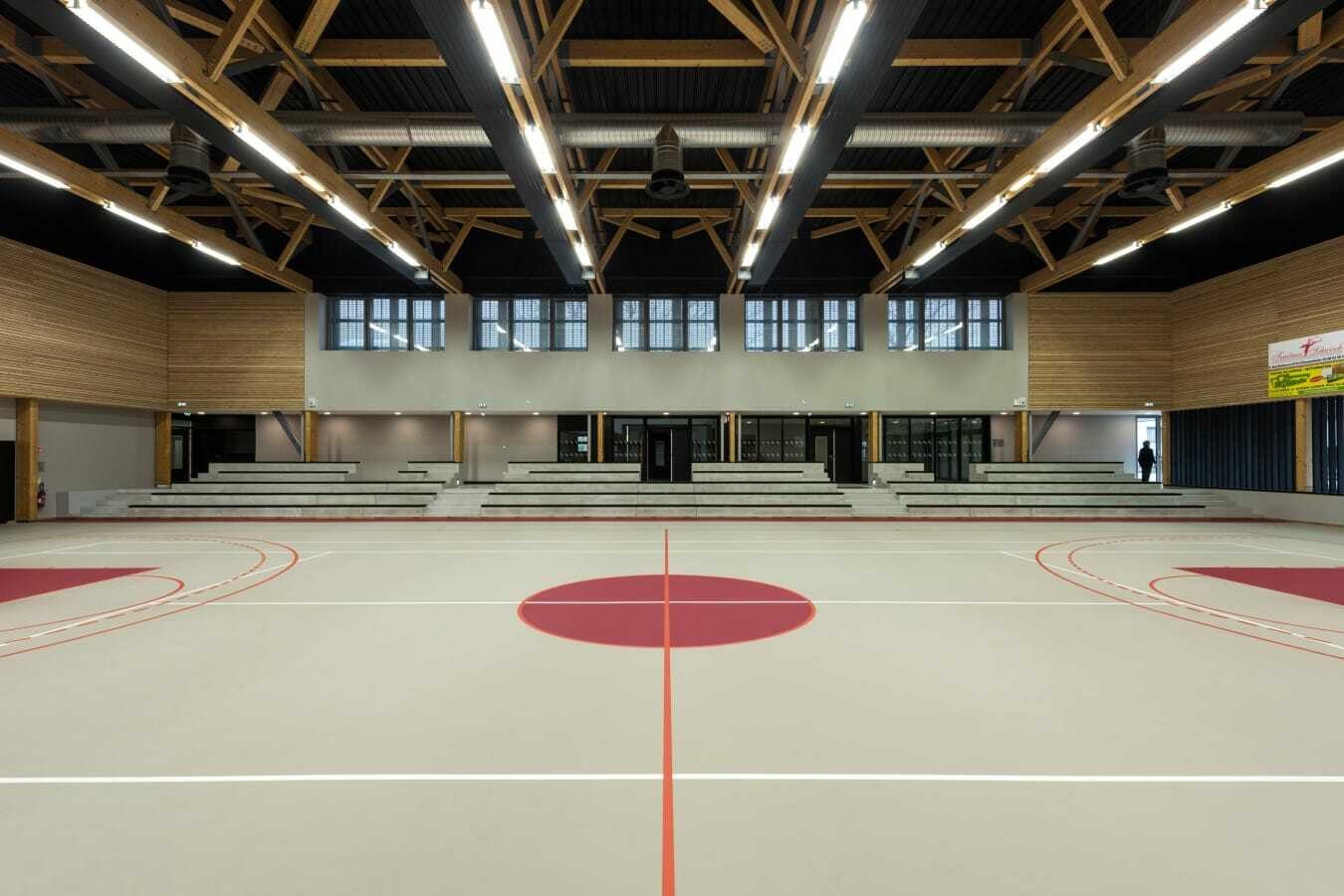
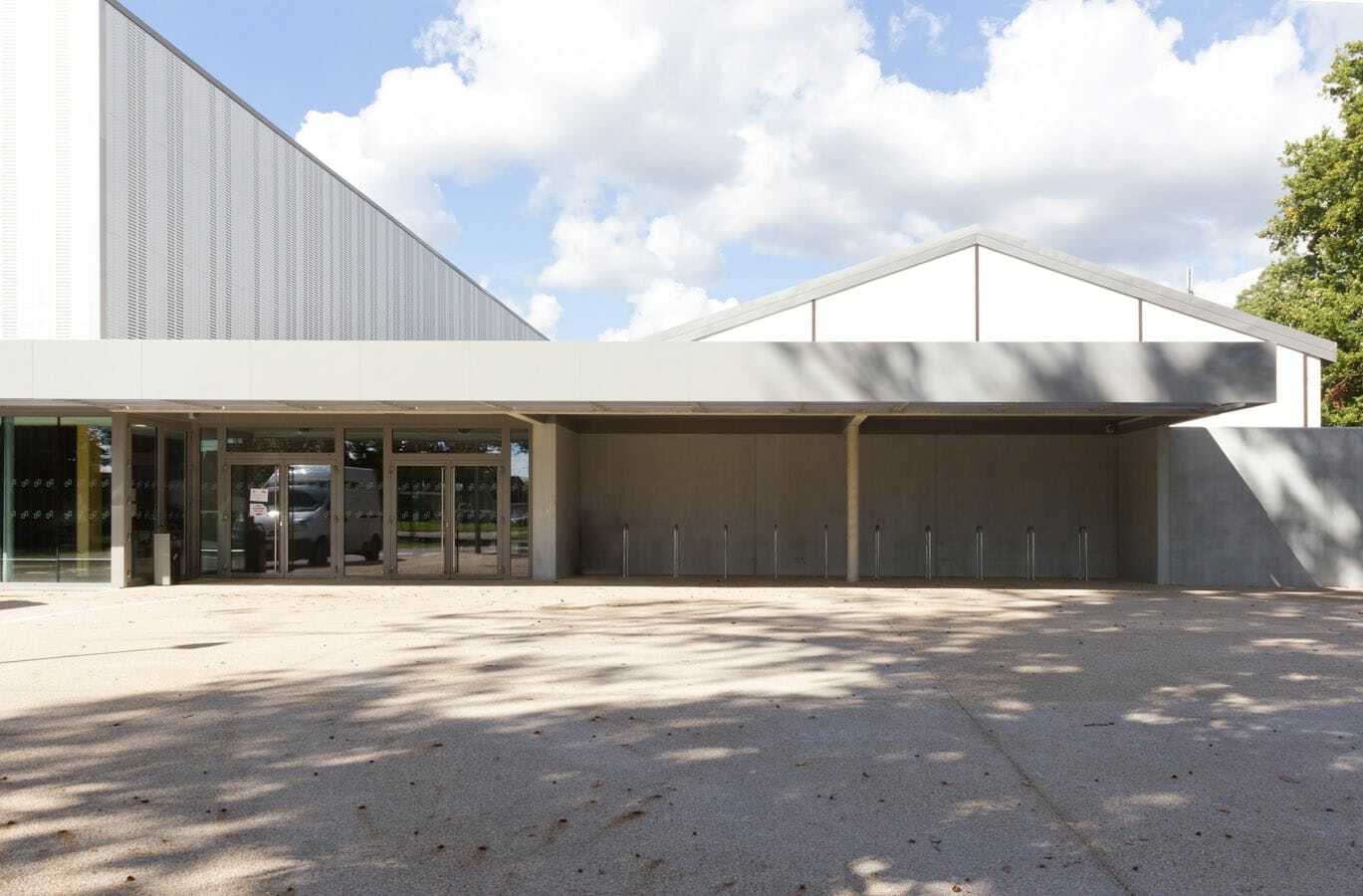
It is an extension project of the multi-purpose hall in Schirrhein – Schirrhoffen, consisting of a sports hall and changing room for the football field. It is built parallel to the older and provides a circulation space between the two buildings, allowing the two to function both independently and as a group.
11. Le Fil d’Eau Cultural Center(La Wantzenau)
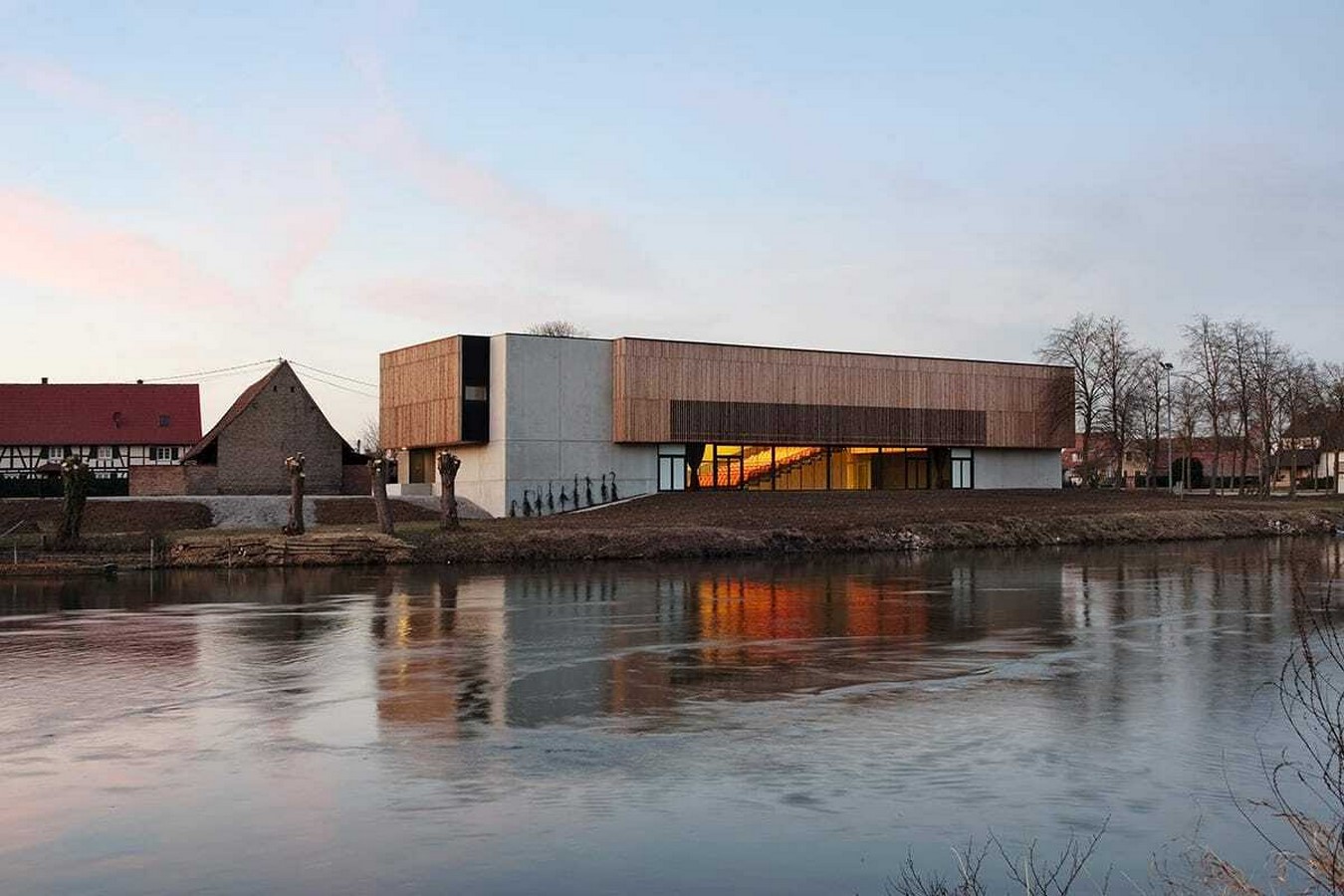
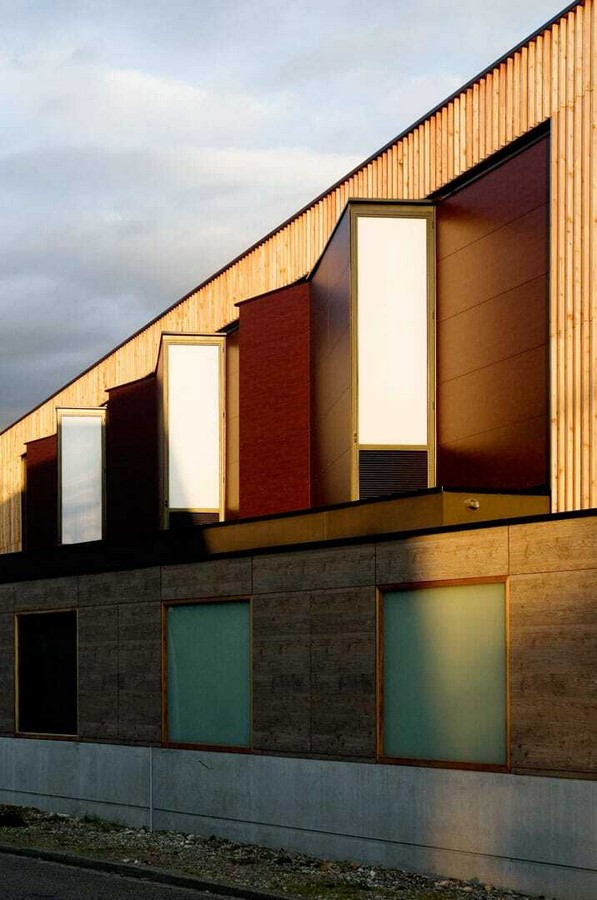
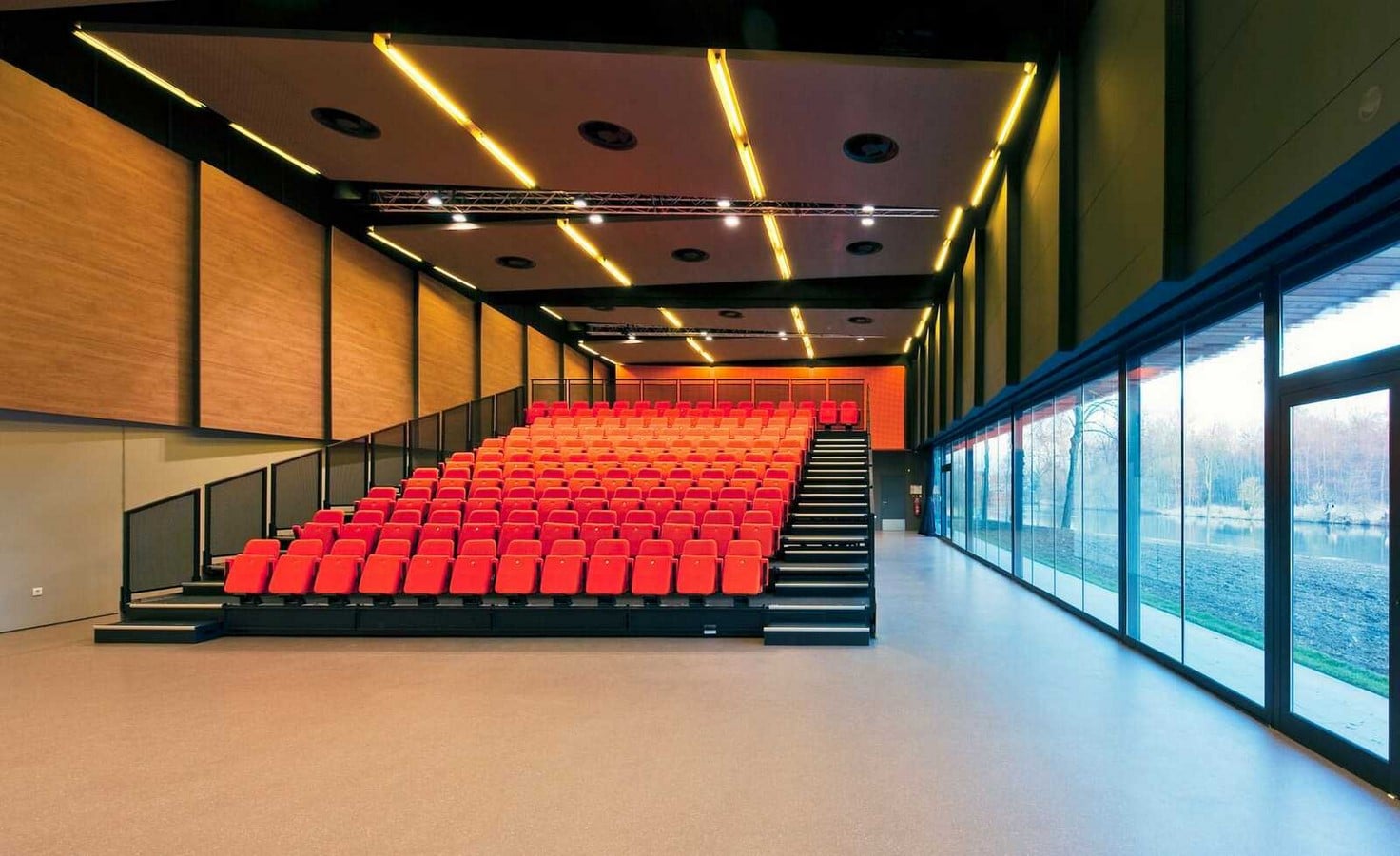
Located on the bank of the III tributary of the Rhine river, this building acts as a space for cultural and leisurely interactions. It has a facade of angled windows and adds to the light intake of the building. It also has an amphitheater for hosting several occasions from time to time.
12. Maison des Jeunes et de la Culture(Marckolsheim)
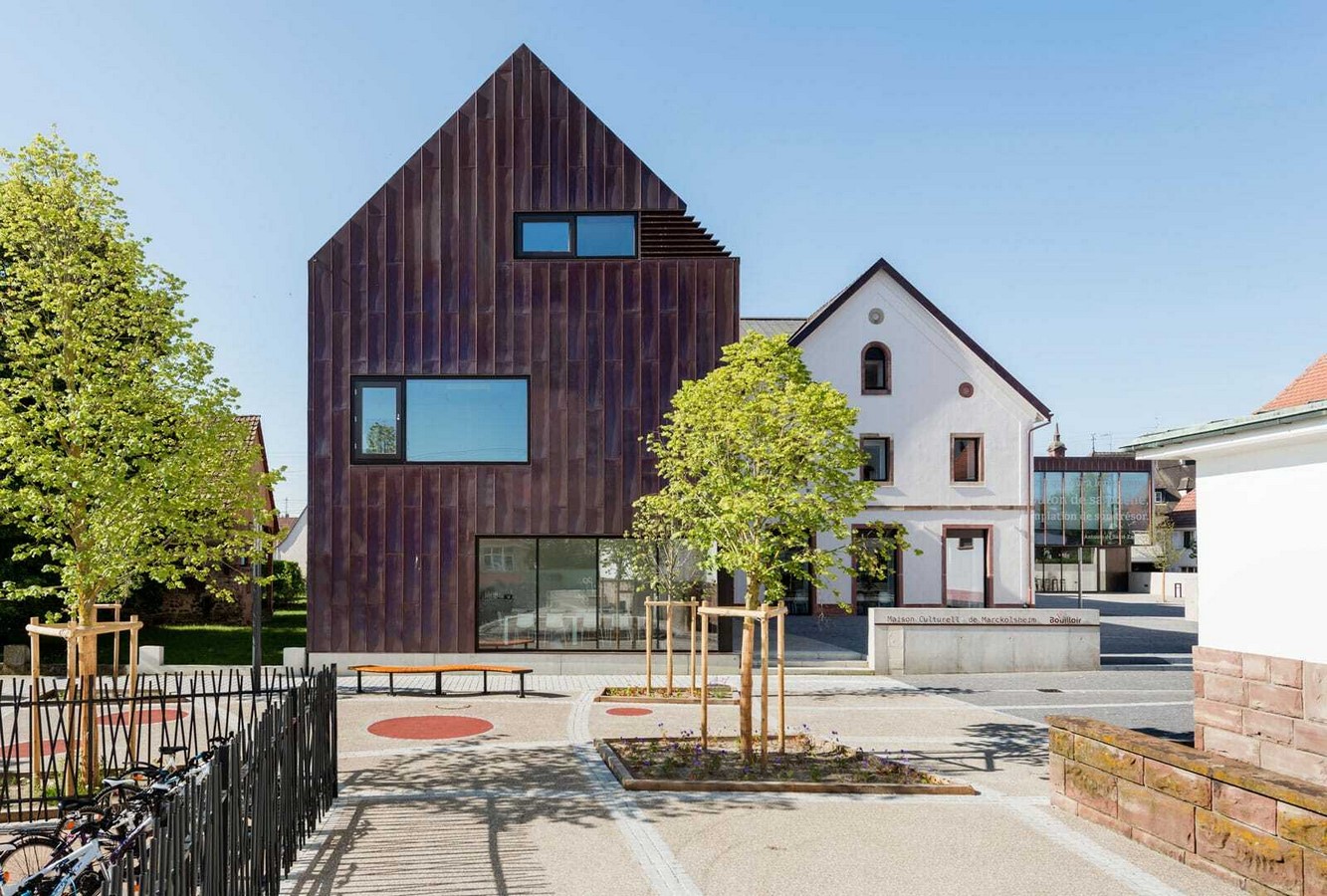
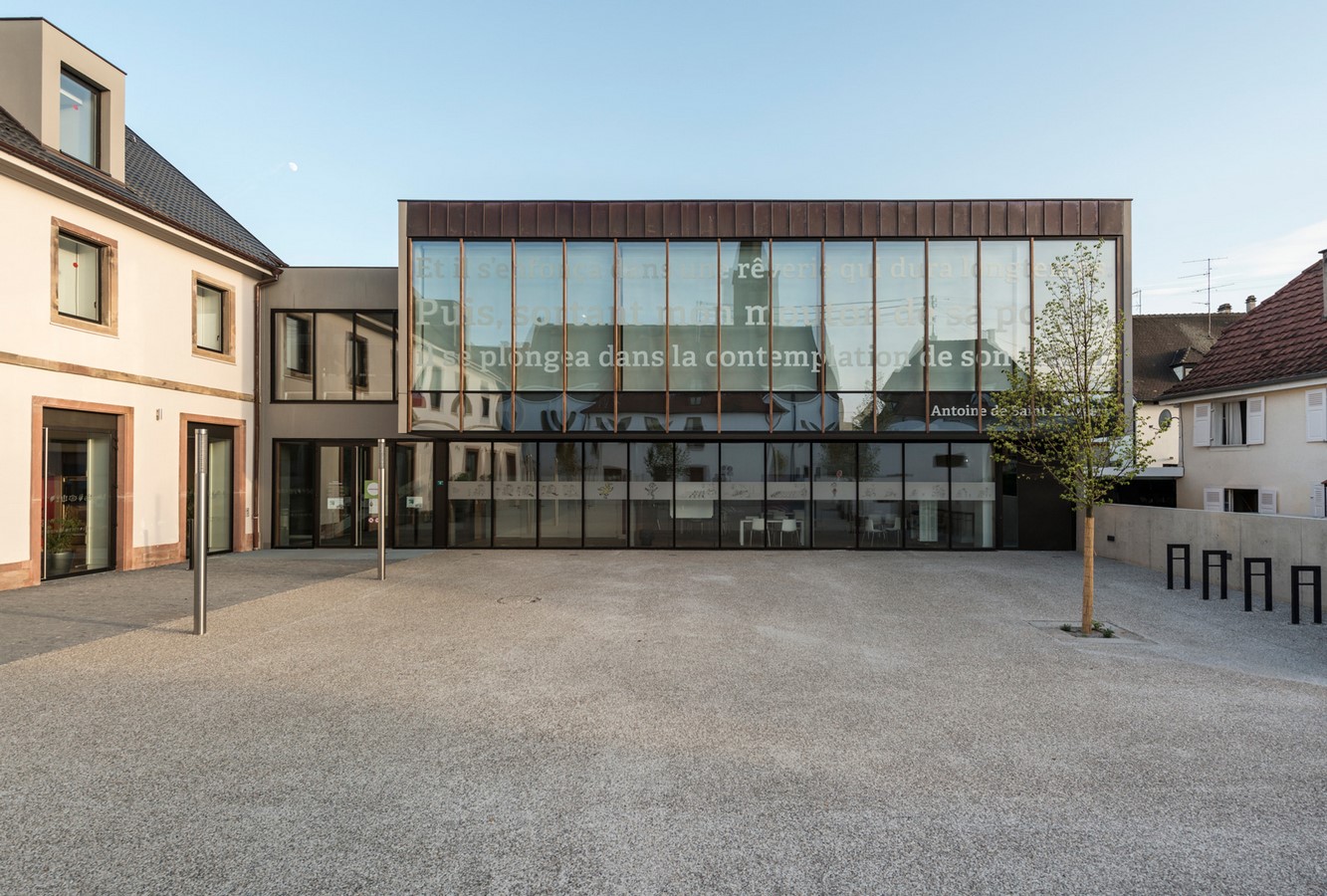
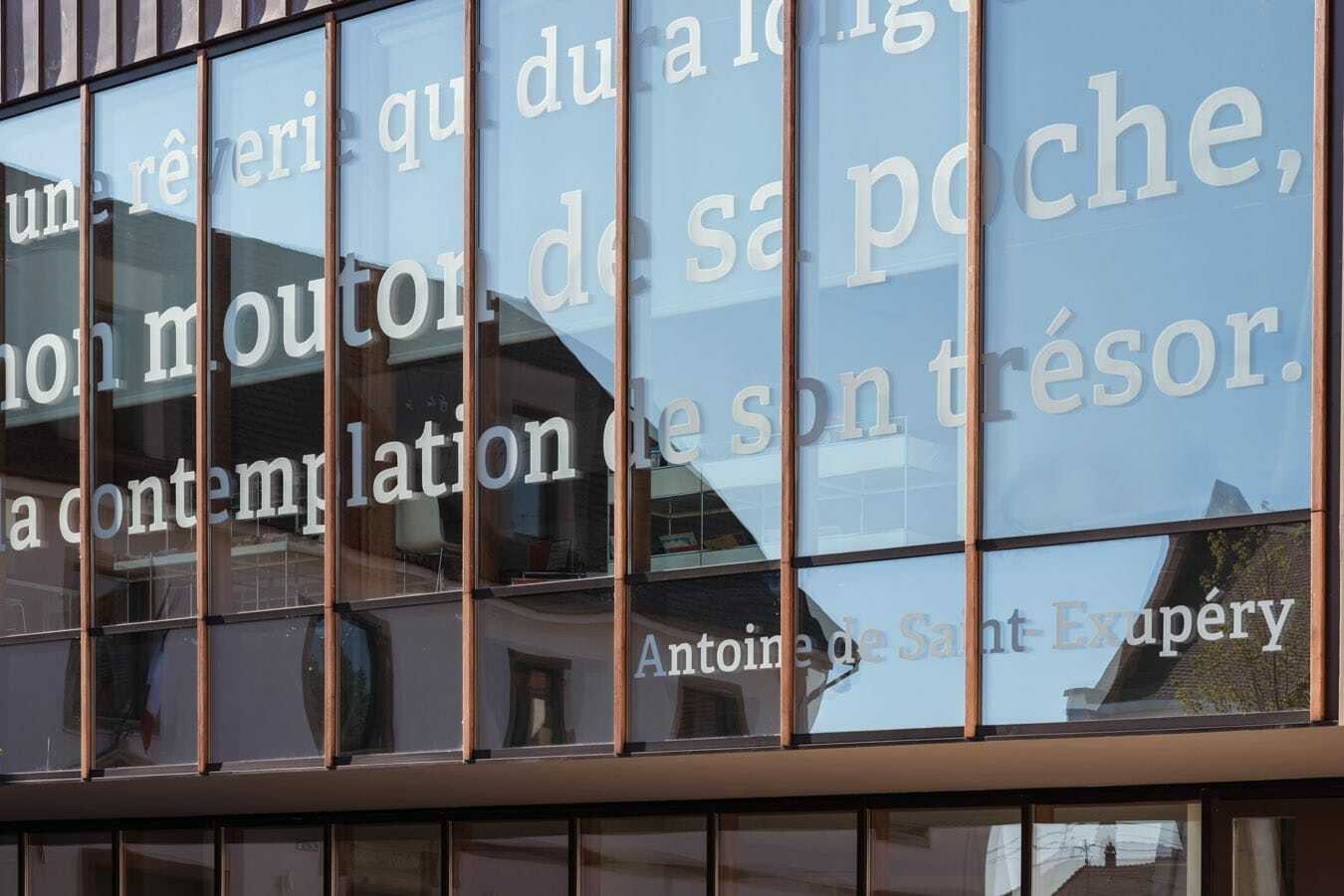
This project was constructed keeping the old girls’ school as the central theme, and organizing it around the characteristic features of the site. The new building is spread across three floors with a simple vertical textured facade and adds to the unique character of the space.
13. Robert Schuman General & Technical Education High School(Haguenau)
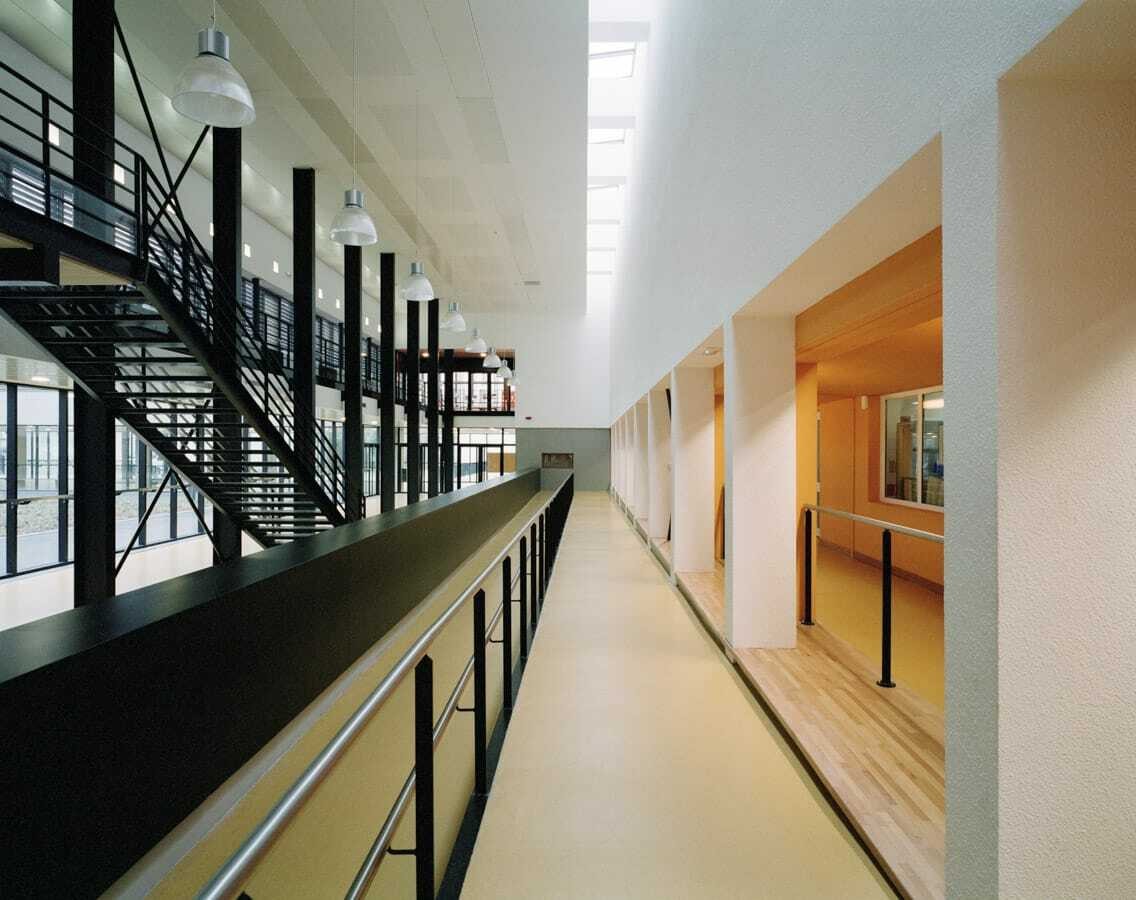
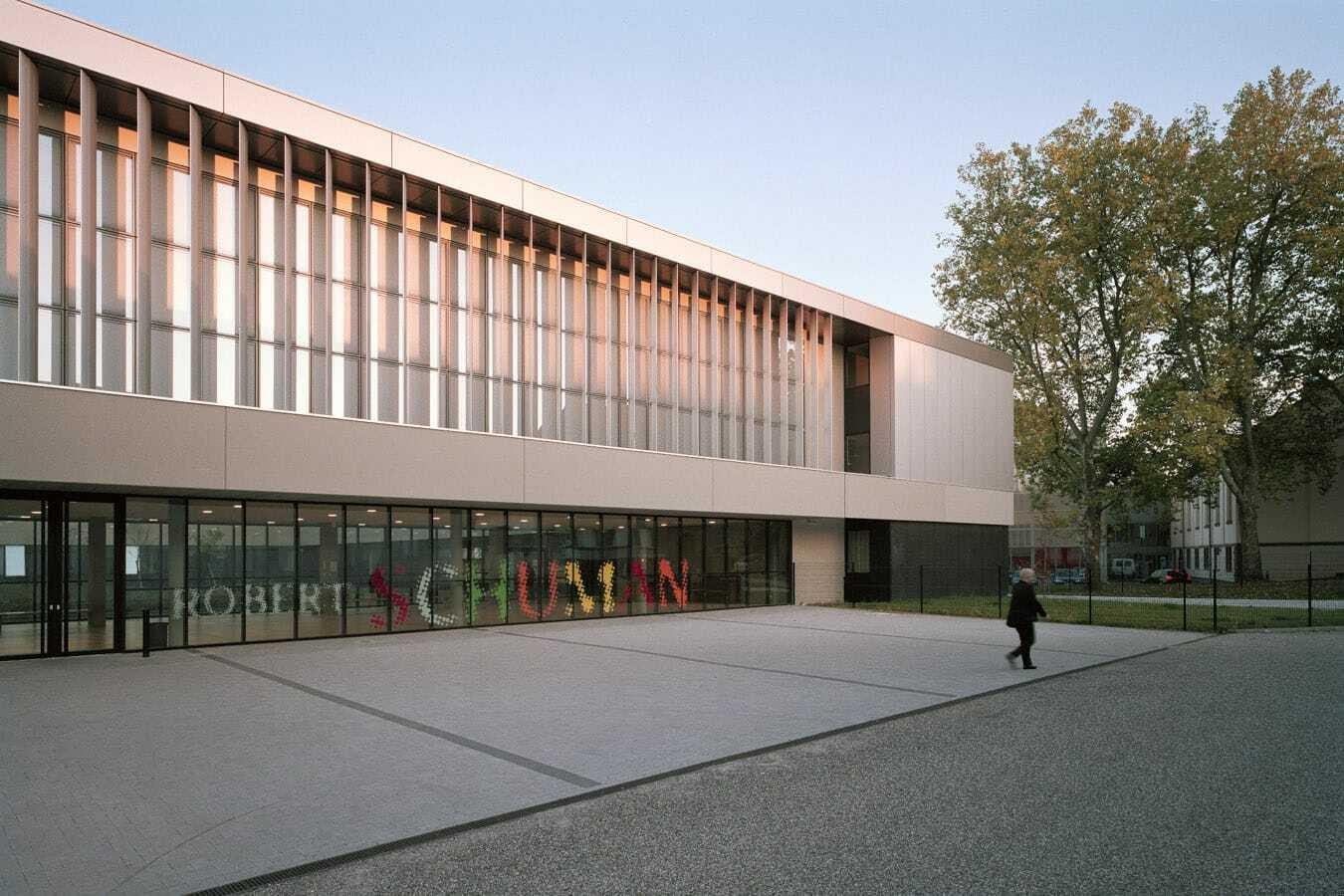
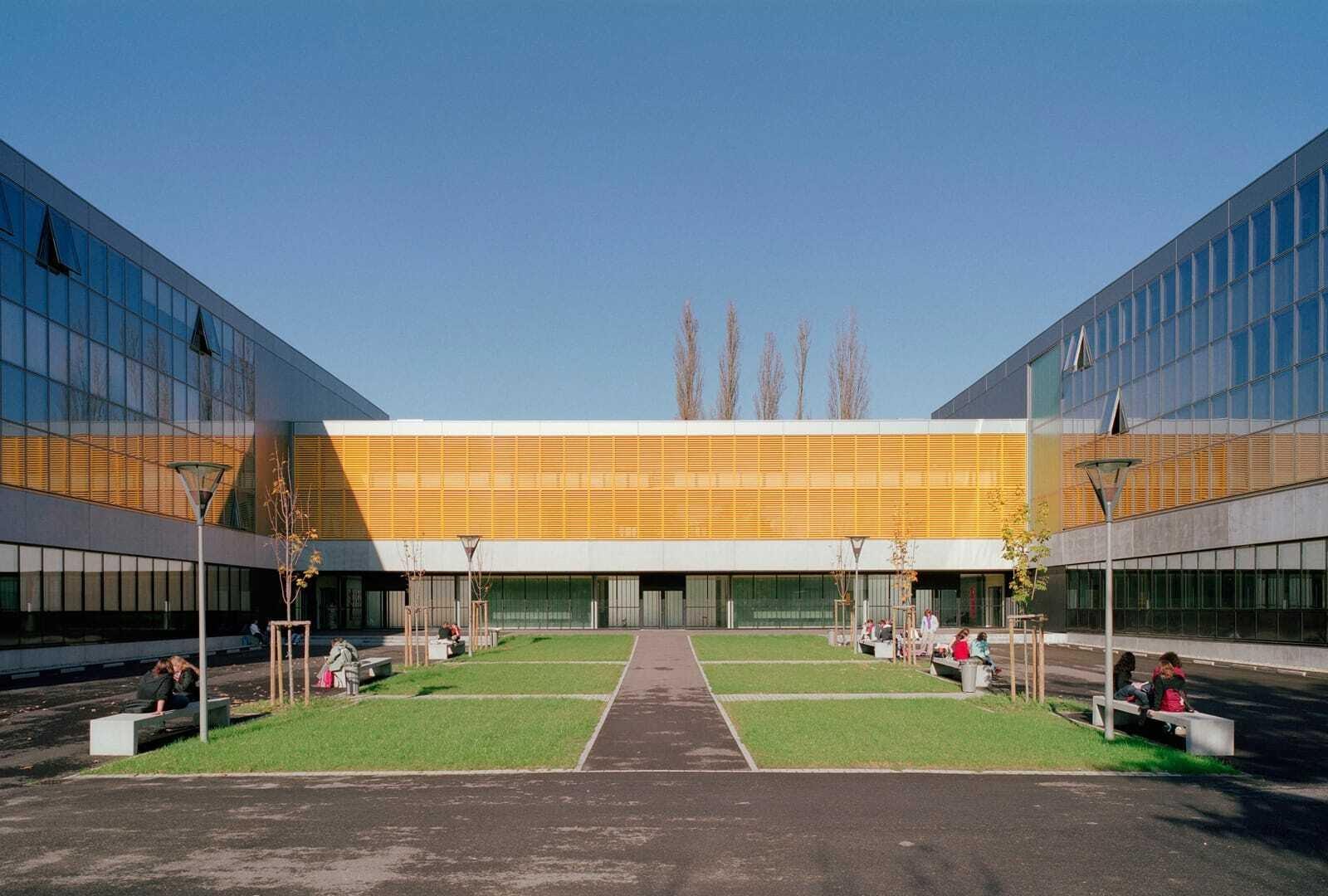
The concept behind this project was to develop functional and morphological units easily identifiable at the city scale. An entrance square was also developed in the process and acts as a pole for the city and becomes a large open space for the localities. It has an illuminated large hall-way (due to a large glass window) that connects to the various rooms.
14. Schoepflin School Group(Strasbourg)
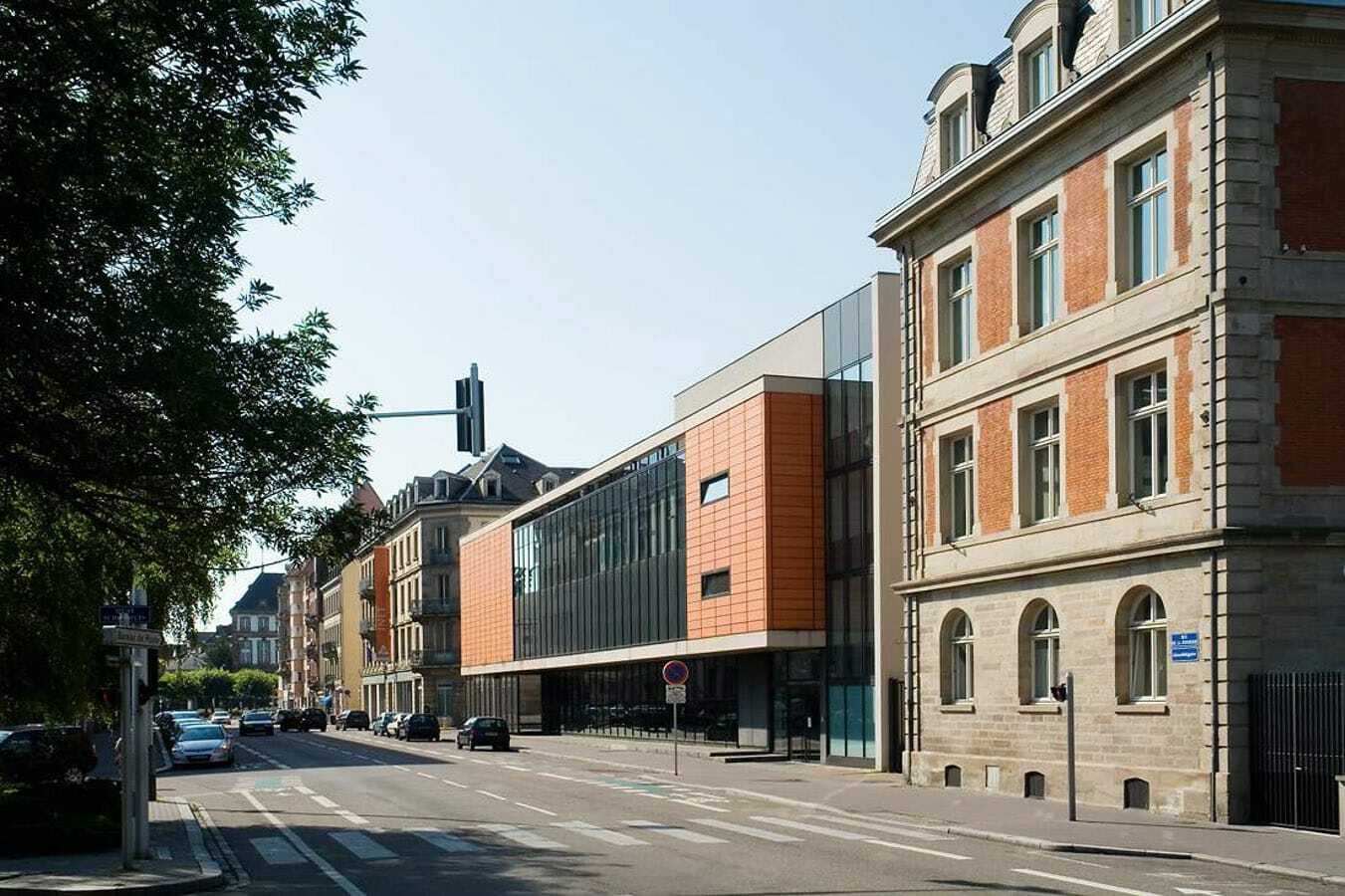
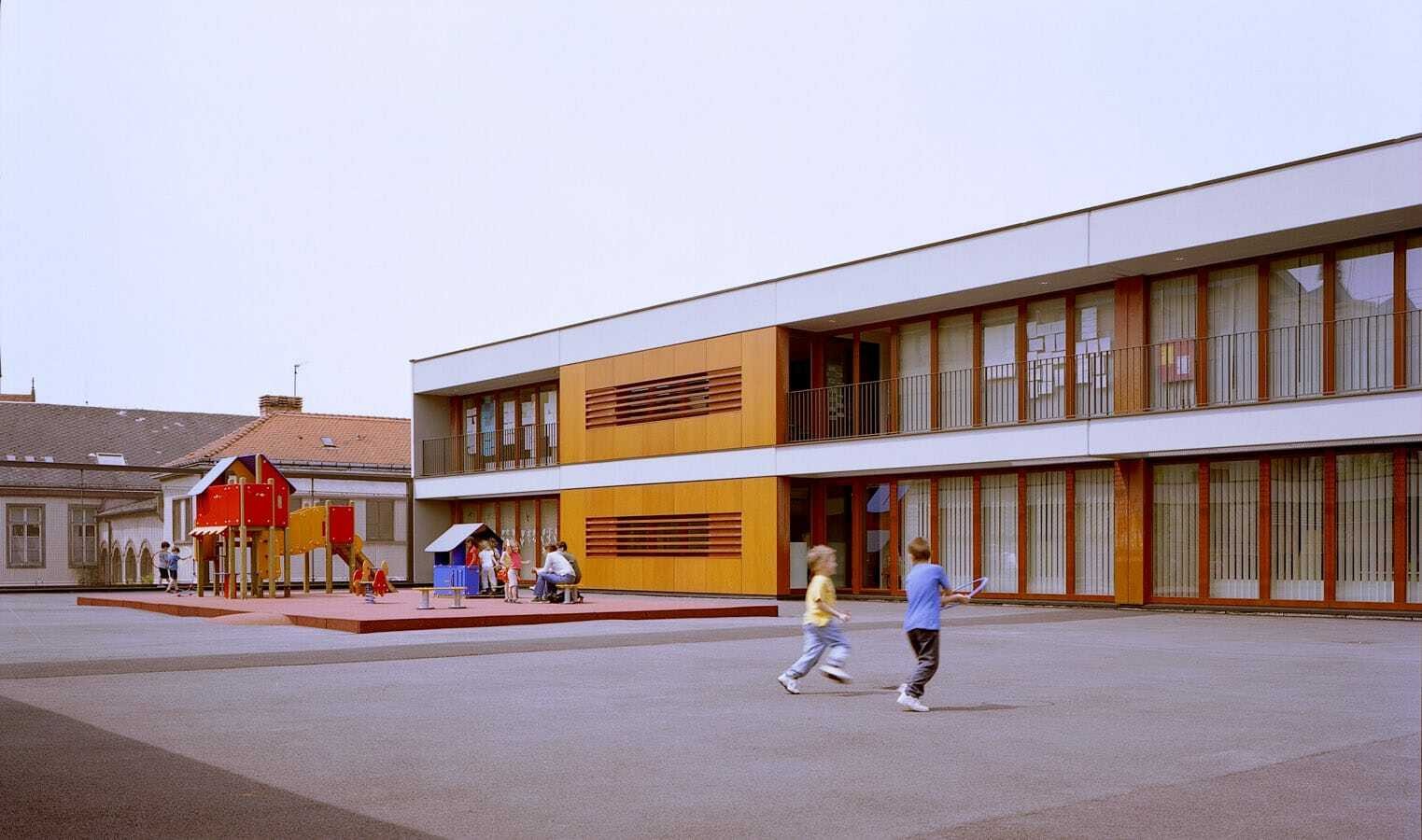
This was an extension of the existing Schoepflin School whose entrance was relocated to the new square, formed after the relocation of the Police Hall. The building is constructed over a small plot and tries to preserve the characteristic features of the school, with its crossing classrooms, inner patio, and perpendicular classroom. This acts as a “youth area” for the surroundings.
15. Union Gymnasium(Haguenau)
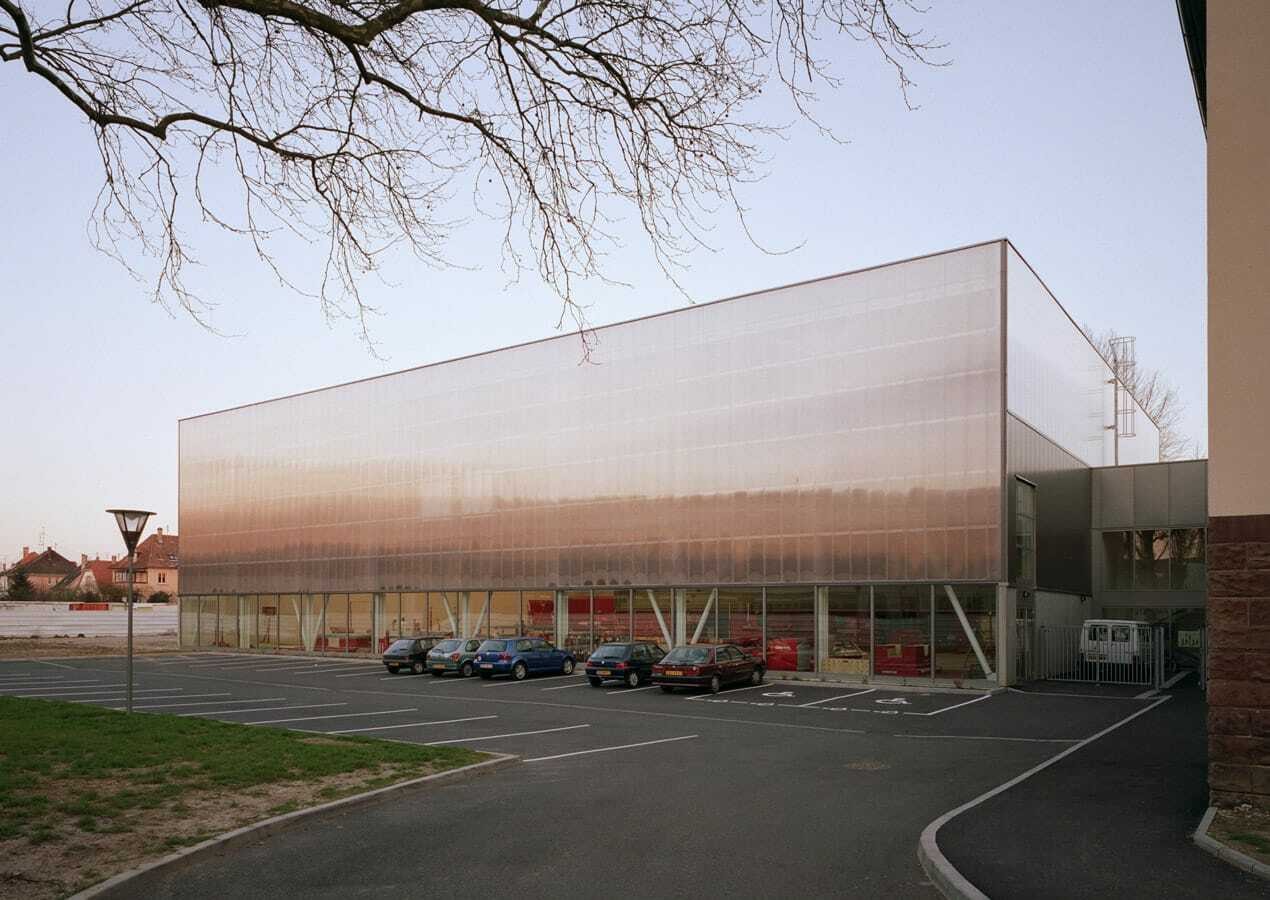
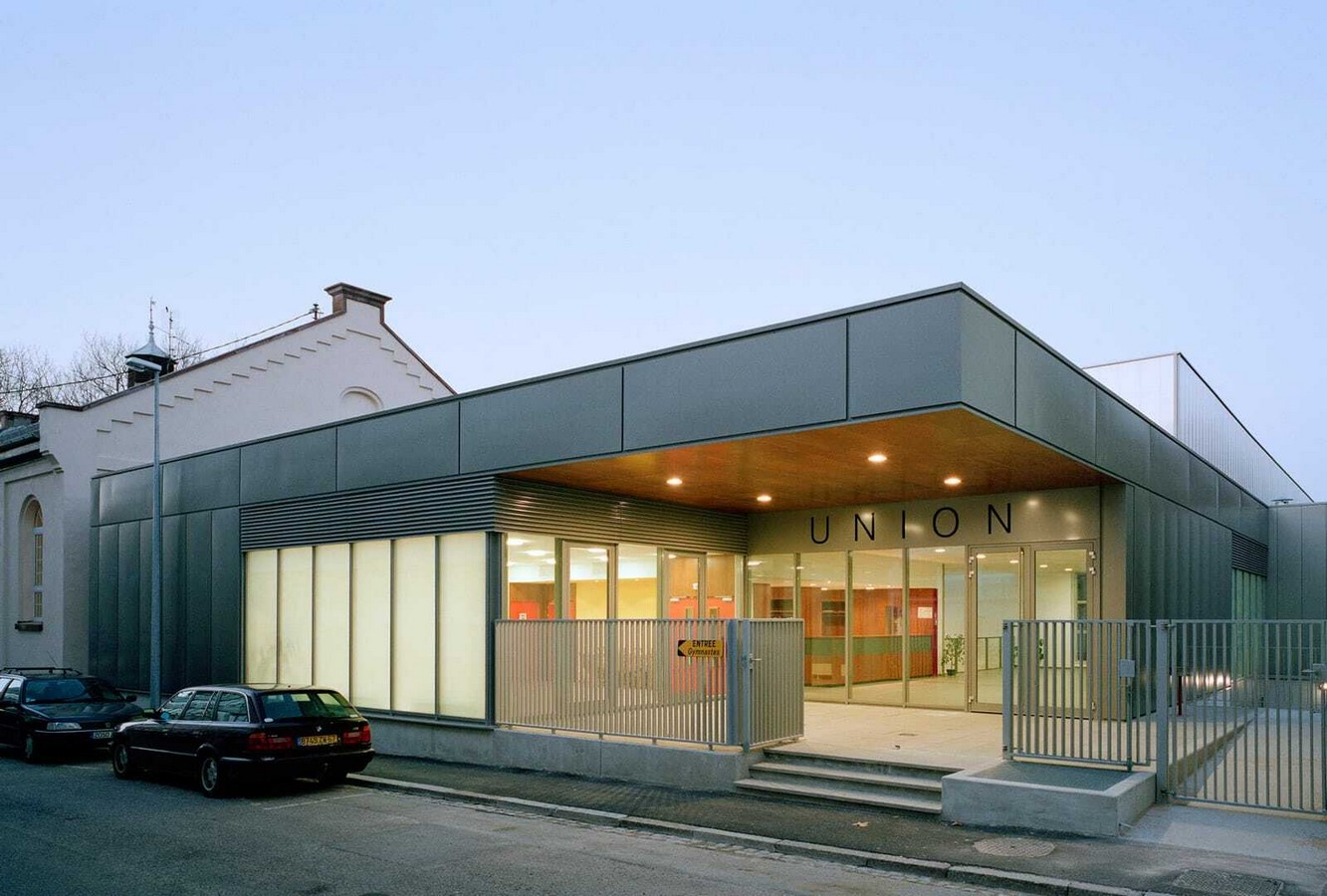
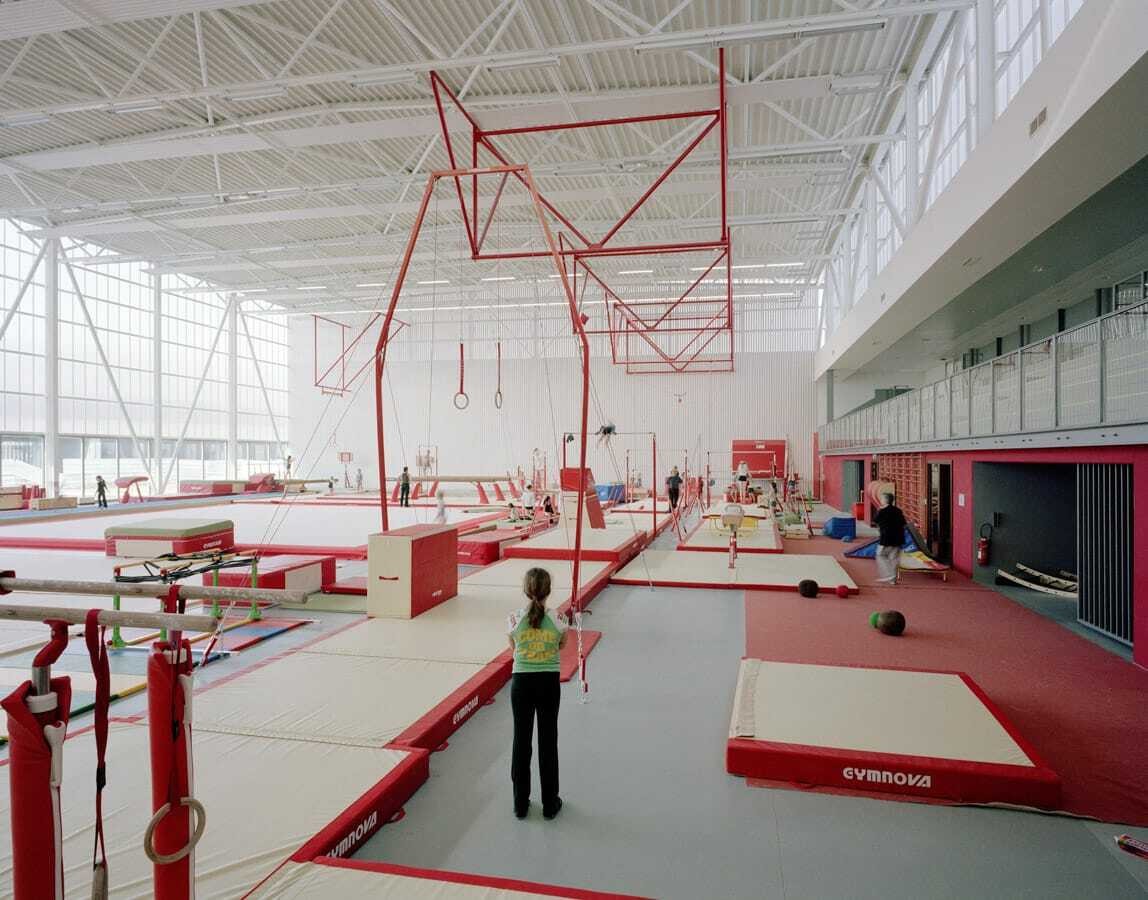
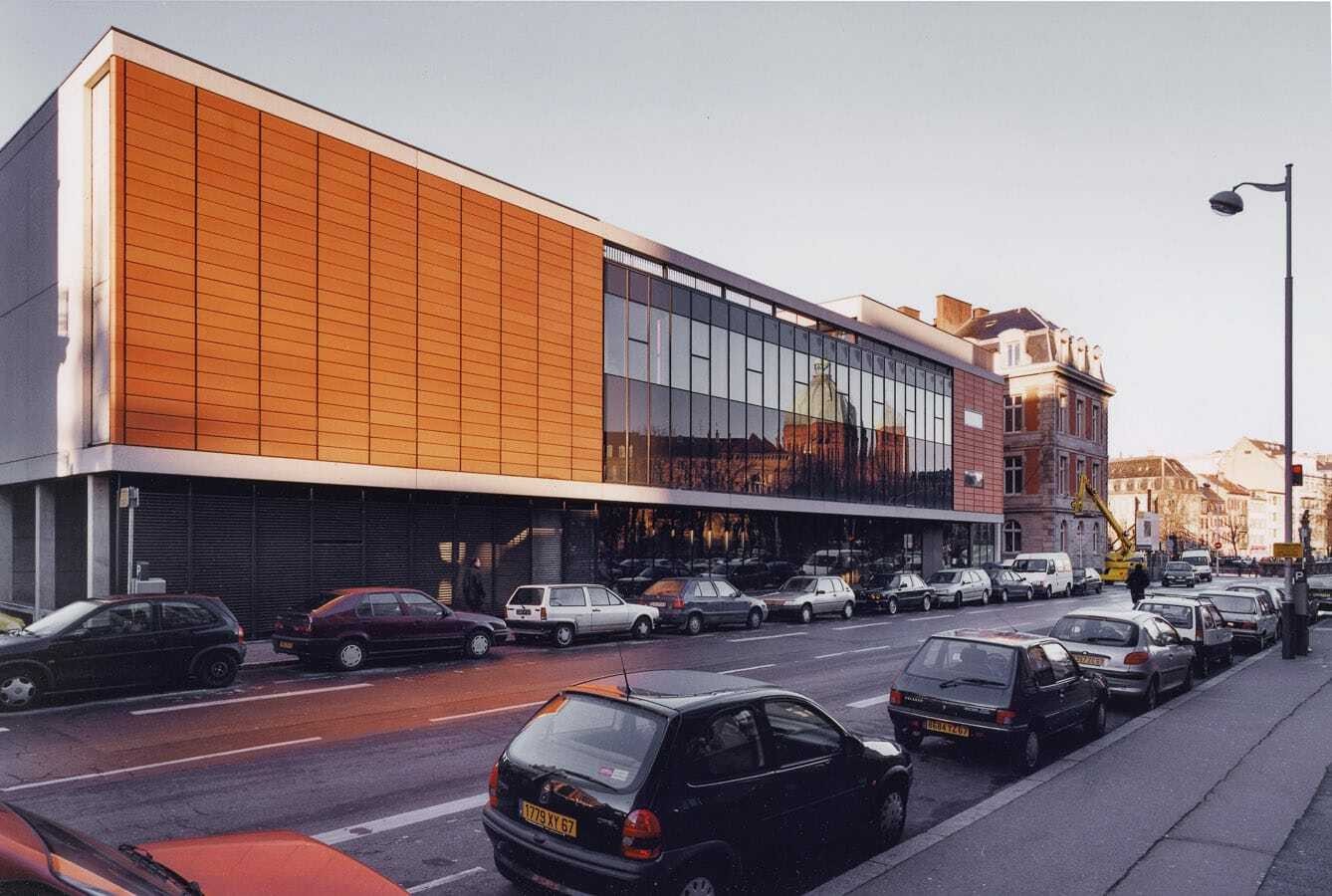
This gymnasium is divided into two parts which represent the two functional links (gymnastics hall and reception area) and connected using a glass connection. The large gymnastics hall is spacious and simplistic, while the reception area and foyer are placed on the facade to create the element of appeal.