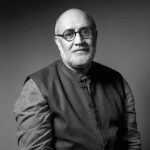
In India, architecture is very rarely considered just as a physical fascination. It has always been a negotiation—between the memories and goals, the organized and cluttered, permanence and uncertainty, and probably the extra paycheck everyone looked over. Among all the architects from all ages, there are only a handful of architects who master this act as powerfully as Rahul Mehrotra.
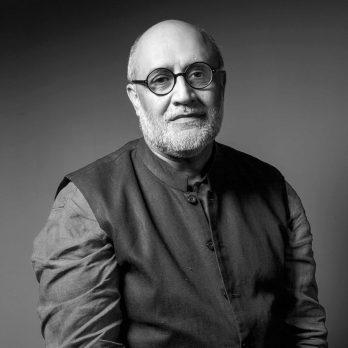
He is a multifaceted personality based between Mumbai and Boston. Just like his very different base points, his achievements and his hat proudly adorn many feathers that speak about his achievements as not just an architect. He was also a conservationist, a teacher, a founder, and a writer.
RMA architects, which was undoubtedly his mission towards design revolution, and with that, he has led several projects that are spectacular in contextual and urban design. He has also built an unshakable legacy over 3 decades by presenting his ideas and philosophies on international platforms. Mehrotra isn’t just someone who builds; he was someone who questioned the urban cities, paved the path for architects to not feel impermanence as a resource but as a threat.
Early Steps.
By getting his education completed at CEPT University in Ahmedabad, Mehrotra absorbed the lessons of visionaries such as B.V. Doshi and Charles Correa. He carried their wisdom along with their vision of emphasising regional identity and climate-responsive designs. After an informative UG, the master’s degree at Harvard further broadened his awareness and knowledge of urban space, their transitions, and the polity paired with demography.
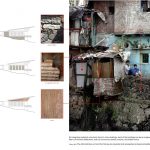
After his education, he returned to Mumbai, which was a perfect canvas for his upcoming practice, which evolved around the heritage sites, informal settlements paired oddly with high-rise buildings.
RMA Architects: Building with Context
Mehrotra established his entity, RMA Architects, in 1990. The studio is not just about aesthetics but also about functional adaptability. Every project evolves it form from its aspects of context—economic, cultural, and environmental.
He has delivered a few fascinating projects which are not eye-catchers but serve the necessity of that moment. Let’s dive into a few of his projects that exhibit societal inclusivity through design.
Magic Bus Campus – A Place for Learning and Play
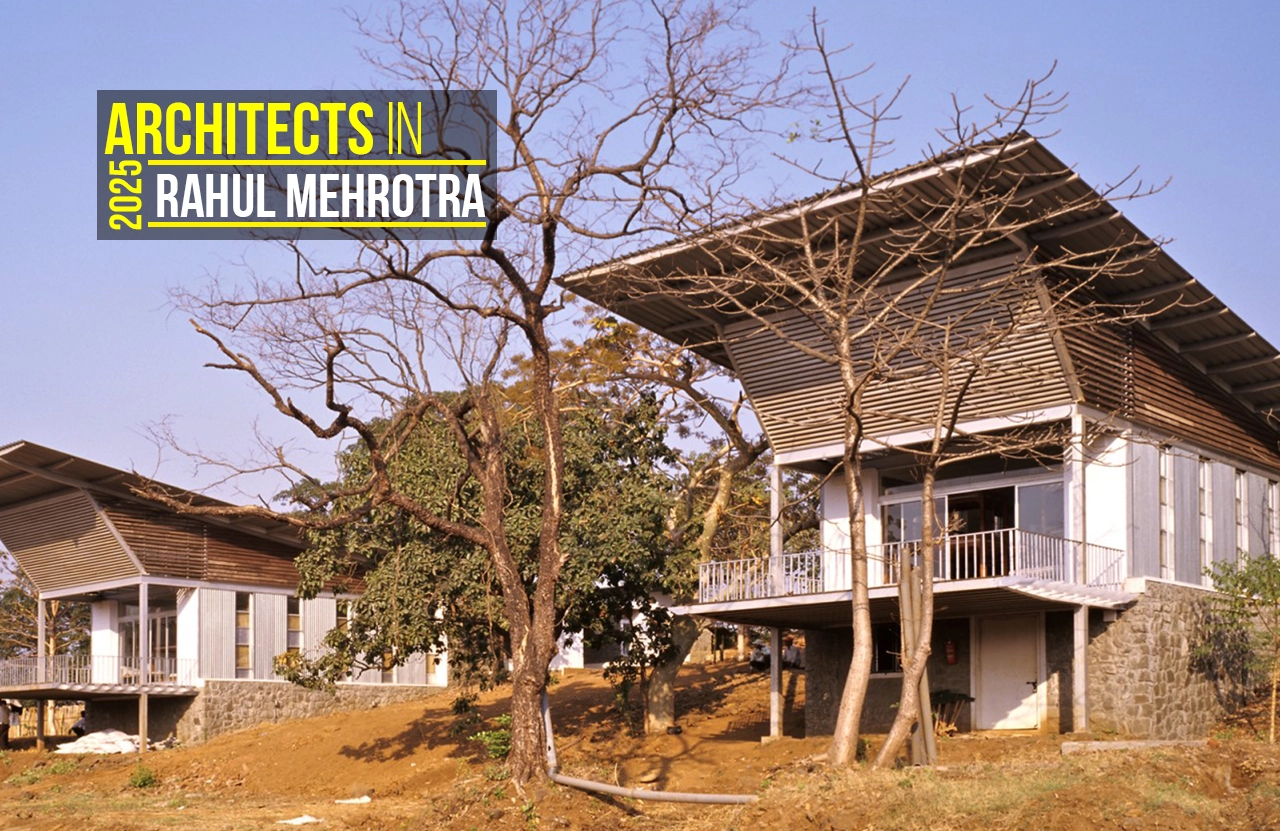
One of Rahul Mehrotra’s most noticeable projects is the Magic Bus Campus at Karjat, near Mumbai. It was not just any other campus. It was built for children from disadvantaged backgrounds to create a space of their own where they could learn, play, and grow for an NGO.
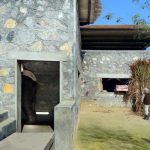
The idea was simple yet impactful: The aim was to create a campus that feels open and welcoming, which doesn’t look or feel like an institution – it should feel like home. To achieve this, they opted for local stone, bricks, and tiles that are also commonly seen in slum dwellings to provide a sense of familiarity instead of flashy glass facades that seem alien to the context.
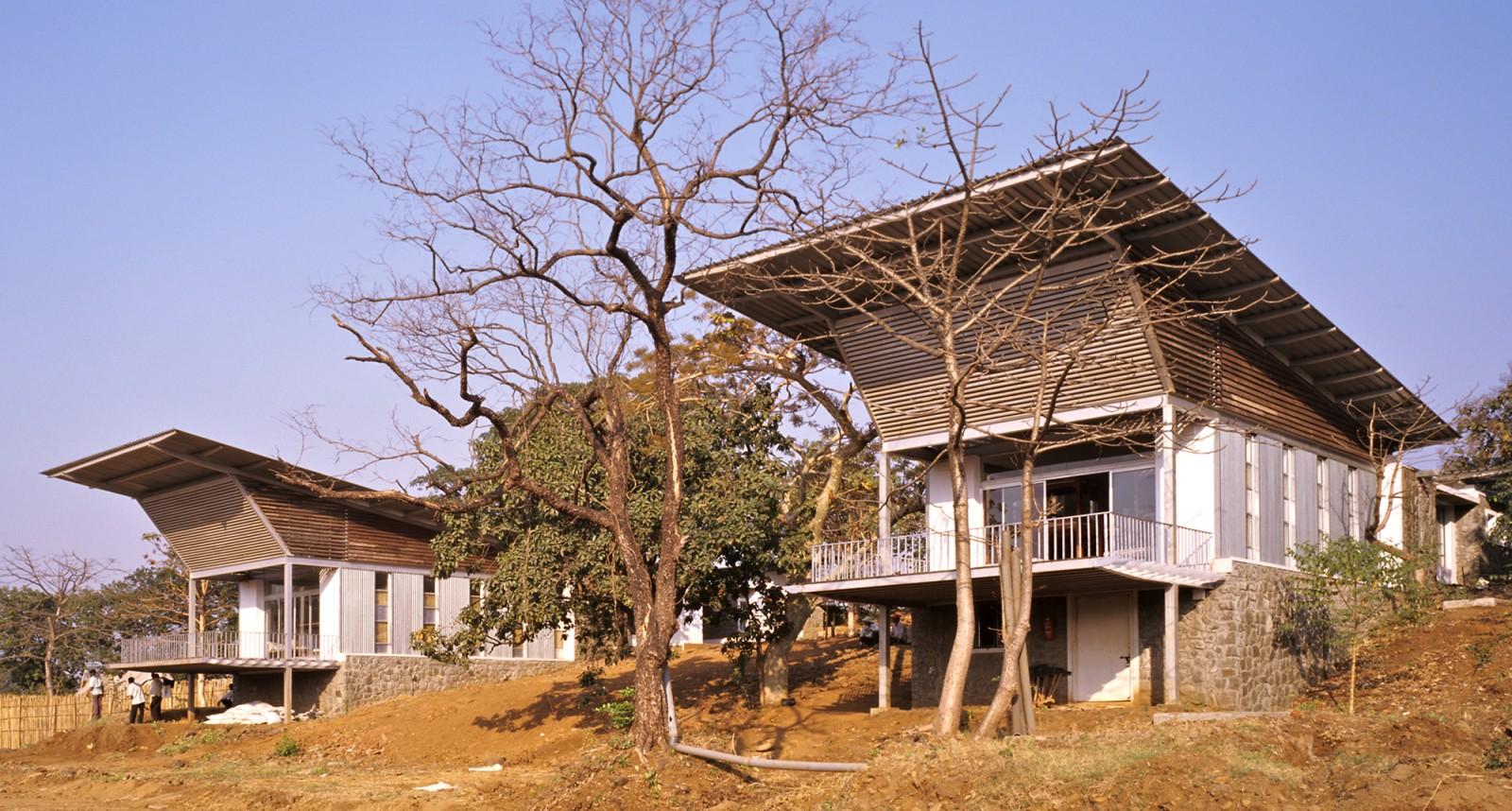
The buildings are placed in a scattered way across the site like small pavilions, connected by pathways and courtyards. This breaks down the scale and emphasizes openness, making it less intimidating and more accessible for children.
The spaces are designed to serve multiple purposes—one hall becomes a classroom in the morning, a play space in the afternoon, and a dormitory at night, serving multiple needs in a smaller space. Verandahs and shaded areas are considered as important as the indoor rooms, because much of the activity happens outdoors.
What stands out in this campus is how it blends into the natural surroundings. The landscape was kept rugged and simple without high design interference. Rainwater harvesting and local construction techniques kept the infrastructural cost less while also providing a climatically responsive building for human comfort.
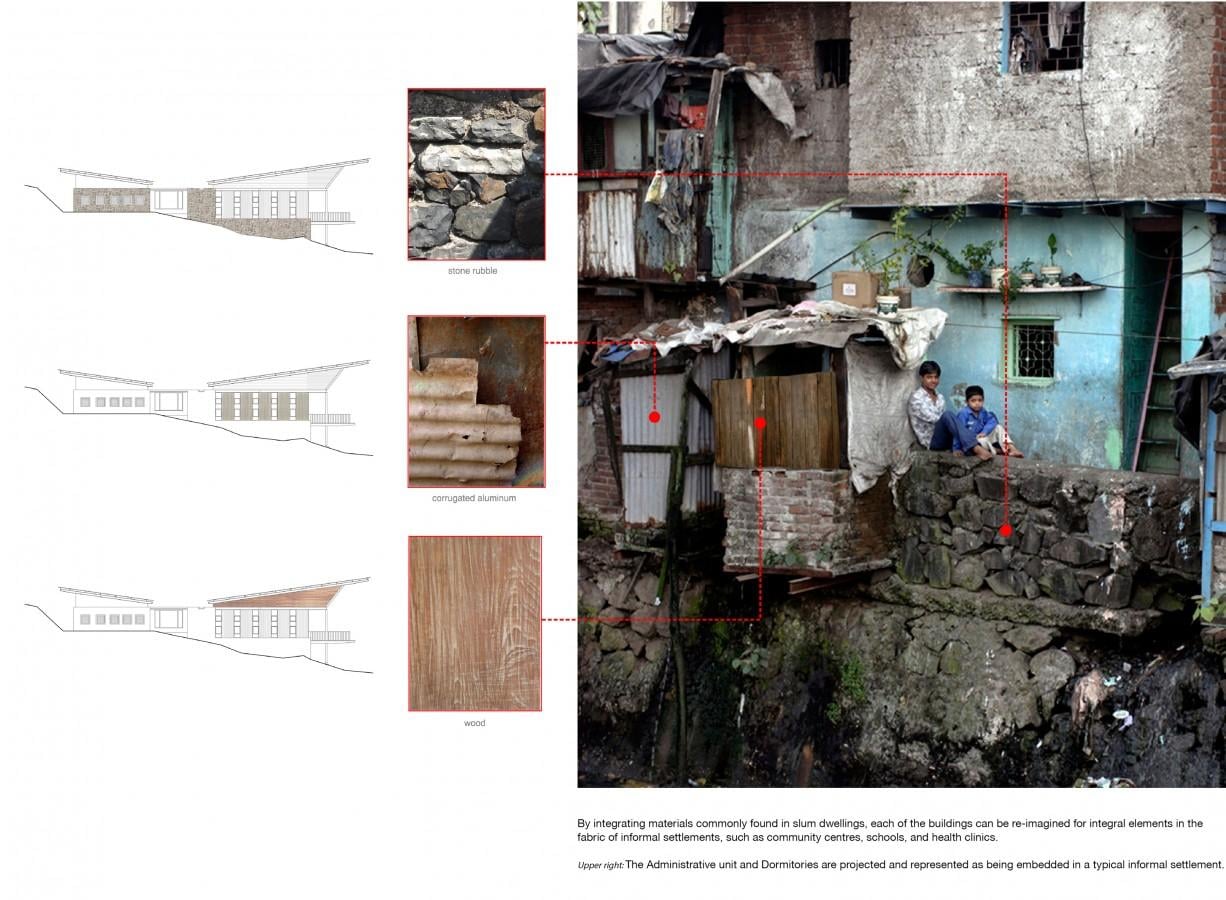
In many ways, the project reflects the philosophy of Mehrotra clearly: architecture is not about monuments, but about enabling people to use and adapt spaces in their own way. The Magic Bus campus does not shout for attention and aesthetics; it serves the community with strength and provides space for people who are resilient.
Hathigaon: A Radical Housing Experiment
Another project that illustrates his philosophy in the best possible way is Hathigaon in Jaipur—a settlement for mahouts (elephant keepers) and their elephants. At the time, most housing schemes in India were just recurring rows of concrete blocks, designed for efficiency but not considerate of empathy. Hathigaon flipped this logic upside down, as empathy is essential, not an extra checklist.
Instead of starting with buildings, Mehrotra began with the landscape that later shaped its building forms. The site was a deeply scarred sand quarry. He restored vegetation by introducing lines of rainwater harvesting systems, which in turn cooled the area and supported both humans and animals. The architecture was shaping its new life from the revived terrain rather than being imposed on it.
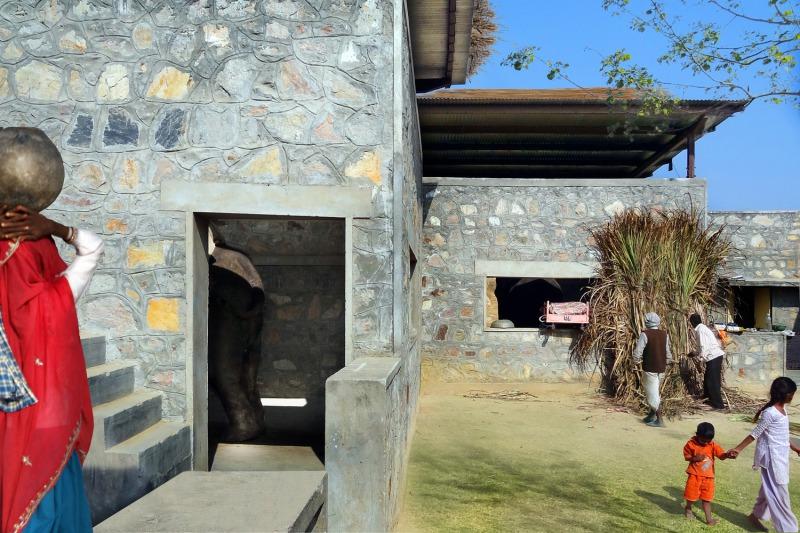
The houses were deliberately incomplete—basic one-storey units that families could extend as their resources allowed. This principle of incrementality was earlier used by Correa and Doshi. The very same concept was re-interpreted here for a new social context.
The clusters of homes had courtyards and ponds in between the houses for fostering elephants, which created an atmosphere of co-living. Mehrotra observed with some irony that:
“Between a malleable house form and the easy access now to the resource of water, the mahouts at Hathigaon have easier access to these resources than the middle class in Jaipur.”
It also had vegetation like vines growing on window trellises to further reduce the temperature that prevails harshly over a desert-like site. This project was not just a housing project, instead an ecosystem that houses both animals and humans in a safe zone.
The Conservationist
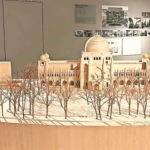
Alongside new construction, Mehrotra has led a campaign of heritage conservation in Mumbai. He worked to protect the Oval Maidan and the Fort precinct as head of the Urban Design Research Institute and the city’s Heritage Conservation Committee. Now both these places are recognized as part of Mumbai’s UNESCO World Heritage ensemble.
His book Bombay—The Cities Within is a precious archive that documents every important heritage and layered identities of Mumbai, from colonial relics to chawls to Art Deco apartments. For him, conservation is not just about preserving but also about perceiving its legacy into the present and weaving prosperity into the future.
Teacher and Thinker
He currently teaches at Harvard GSD. His principle is what he preaches – to learn and grow along with the transition rather than to cribble upon the past. There are many books by him that share different insights and are insightful. Let’s take a look at a few among them.
- Architecture in India: Since 1990, it was “a provocation to the profession. It posed a challenge to architects to engage in globalisation.
2 . Ephemeral Urbanism It studies temporary city events like the Kumbh Mela, in which hosts millions and vanishes in weeks. To Mehrotra, such events raise questions along with astonishment:
“Are we often making permanent solutions for temporary problems?… Why don’t we design for transition?” is critical and a critical question to be asked by every architect.
His work experience in Mumbai shaped his view that “the context actually produces the circumstances that produce our buildings.”
Through teaching and writing, he has broadened architecture’s lens—making it as much about social inquiry as about construction.
Pioneer of Architectural Journalism
Long before the journalism of design became popular, Mehrotra found his pen to be the way to advocate his thoughts more powerfully for design advocacy.
He once remarked:
“Writing and publishing books [are] instruments of advocacy… building an archive… deployed to make their cases stronger when working on policy issues related to the built environment.”
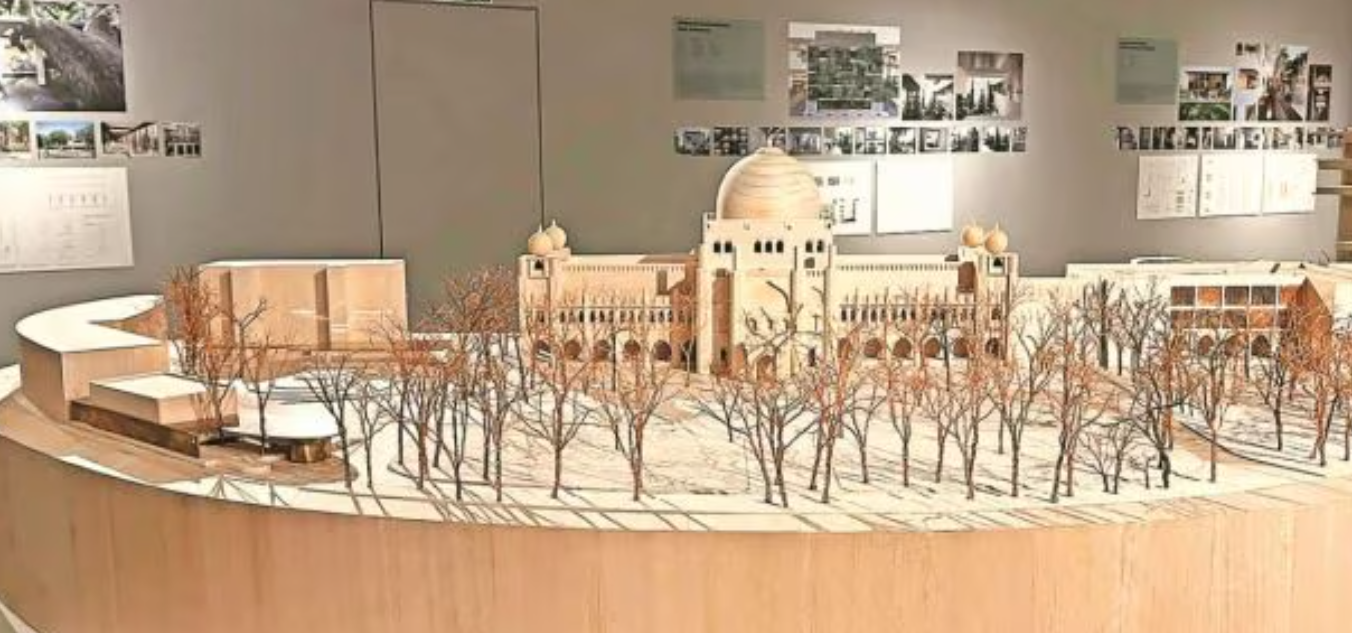
By writing, holding exhibitions, and documenting Mumbai’s history, he expanded an architect’s role to that of a public intellectual. His journalism and scholarship helped put Indian urbanism on the global stage, also forcing Indian professionals to reckon with issues of housing, informality, and conservation that mainstream practice often ignores.
Between Tradition and Modernity
Mehrotra has always negotiated between past and present. His designs employ jaalis, courtyards, shaded verandahs, and all other vernacular and regional elements not as an expression of art but for the experience of comfort and transition. Likewise, his conservation work doesn’t just document heritage but activates it for contemporary use. This balance between continuity and change is his most memorable contribution.
Rahu Mehrotra is a multifaceted visionary, and witnessing such intellects is not so common. He is a conservationist, journalist, teacher, and advocate. He not just builds he translates the realities of Indian cities and finds meaning within their chaotic imperfections.
In an era of rapid urban change, his work reminds us that architecture must move beyond static permanence. It must learn to evolve and revolve around impermanence.
References:
RMA Architects, Campus for Magic Bus, RMA Architects, accessed 7 September 2025, https://rmaarchitects.com/architecture/campus-for-magic-bus/“Magic Bus by Rahul Mehrotra: Capturing the Essence,” Rethinking the Future, accessed 7 September 2025,
https://www.re-thinkingthefuture.com/case-studies/a3949-magic-bus-by-rahul-mehrotra-capturing-the-essence/
RMA Architects, Hathigaon, RMA Architects, accessed 7 September 2025,
https://rmaarchitects.com/architecture/hathigaon/
“Hāthigaon: A Settlement of Elephants and Mahouts,” ArchiDiaries, 2021, accessed 7 September 2025,
https://archidiaries.com/publications/hathigaon-a-settlement-of-elephants-and-mahouts/
Shiny Varghese, “This Too Shall Pass: Rahul Mehrotra on Why He Is Rethinking the Idea of Permanence in Cities,” The Indian Express, 5 November 2017, accessed 7 September 2025,
https://indianexpress.com/article/lifestyle/art-and-culture/this-too-shall-pass-rahul-mehrotra-on-why-he-is-rethinking-the-idea-of-permanence-in-cities-4922381/
Shiny Varghese, “Architects Have to Get Away from the Position of Arrogance: Rahul Mehrotra,” The Indian Express, 9 August 2015, accessed 7 September 2025,
https://indianexpress.com/article/lifestyle/books/architects-have-to-get-away-from-the-position-of-arrogance-rahul-mehrotra/
Shiny Varghese, “Rahul Mehrotra: ‘Every Emperor Made a New Delhi’,” The Indian Express, 1 March 2020, accessed 7 September 2025,
https://indianexpress.com/article/express-sunday-eye/architect-rahul-mehrotra-every-emperor-made-new-delhi-6289291/
Benita Fernando, “Exhibition Showcases RMA Architects’ Contribution to Architecture & Urbanism,” The Indian Express, 31 October 2021, accessed 7 September 2025,
https://indianexpress.com/article/cities/mumbai/exhibition-showcases-rma-architects-contribution-to-architecture-urbanism-7599649/