A Firm Refusing to Stand Still
Walk into almost any city today, and you will find a familiar paradox. The skyline glitters with glass towers, yet communities below wrestle with inequality, displacement, and environmental precarity. Architecture has always been about shaping the world around us. But in 2025, it cannot afford to be about form alone. It must deal with climate anxiety, social fragility, and the invisible human needs that so often fall between the cracks.
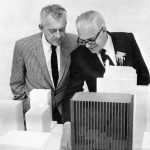
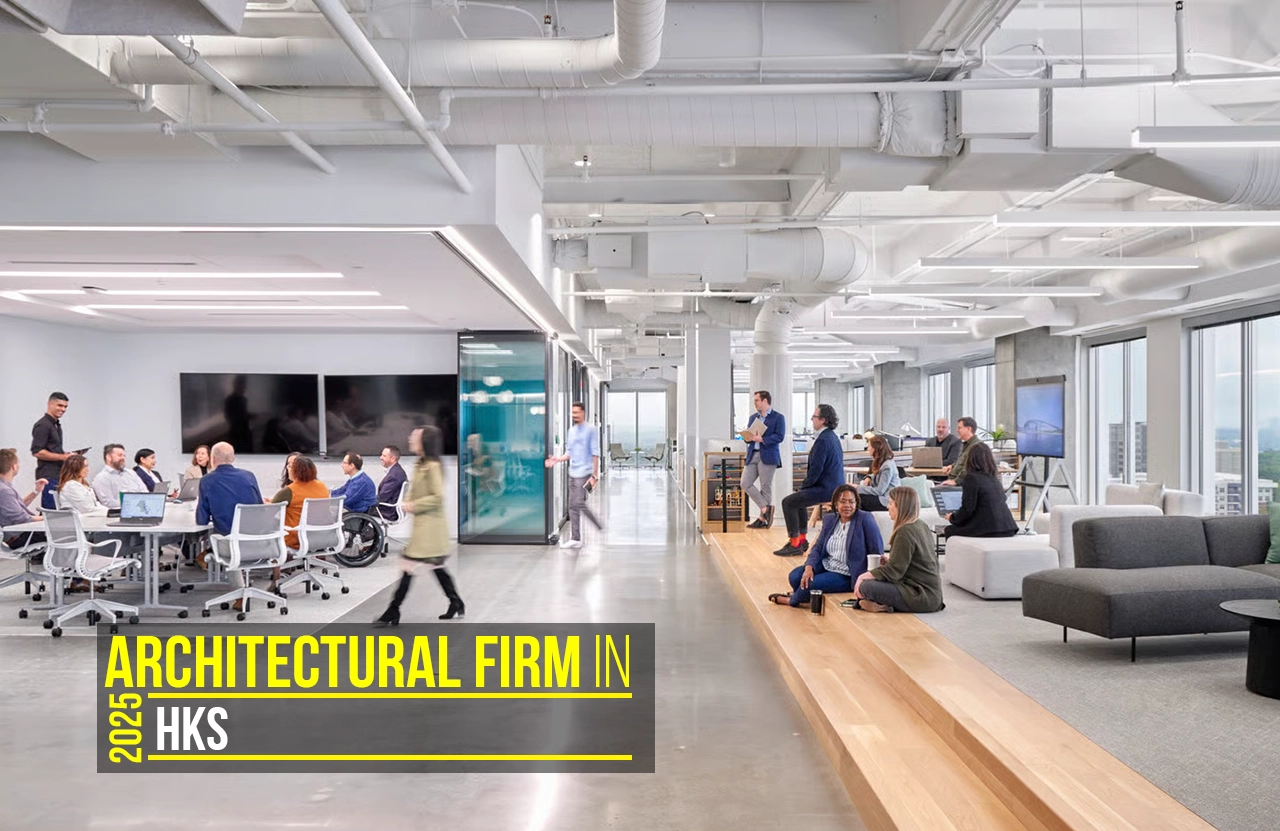
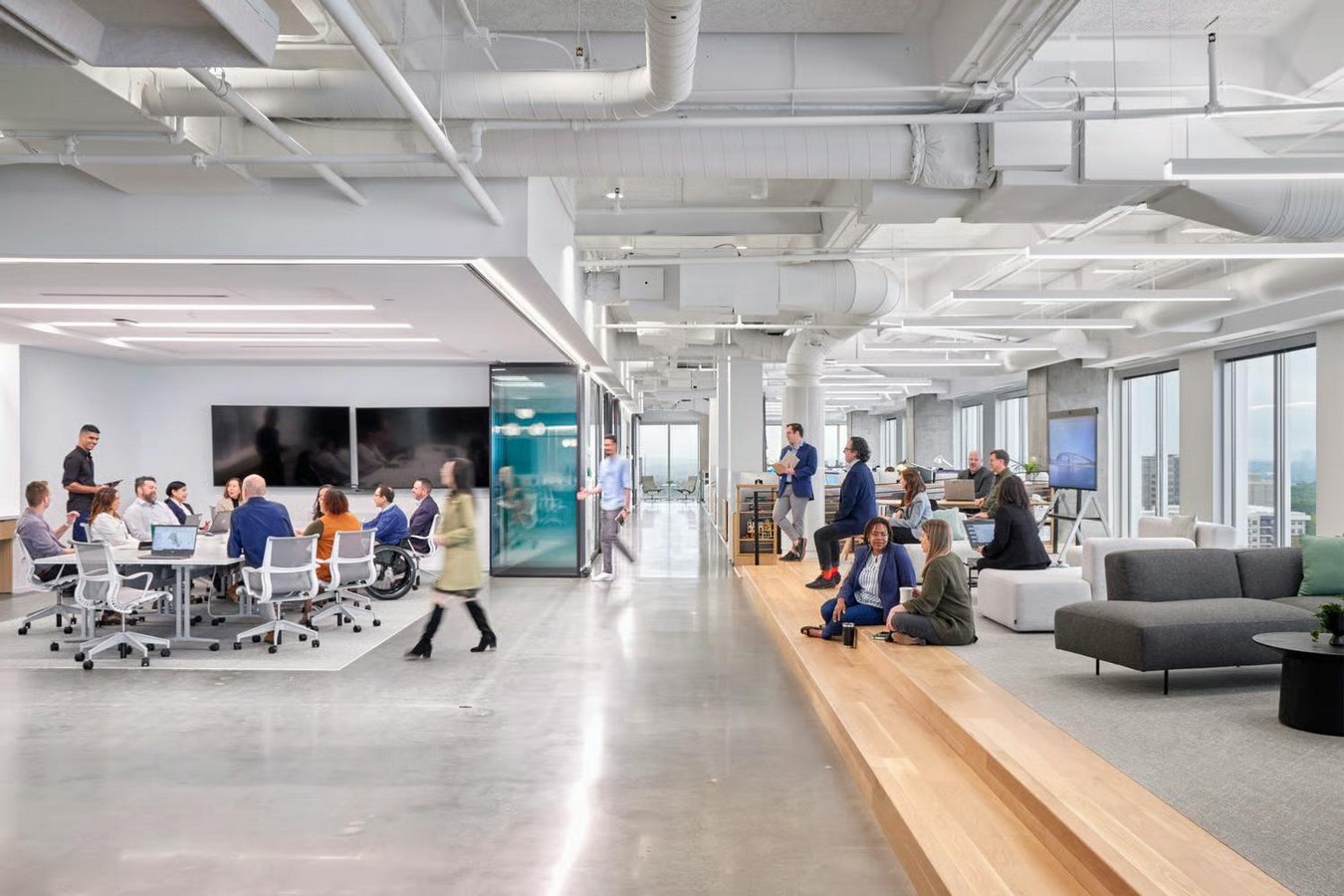
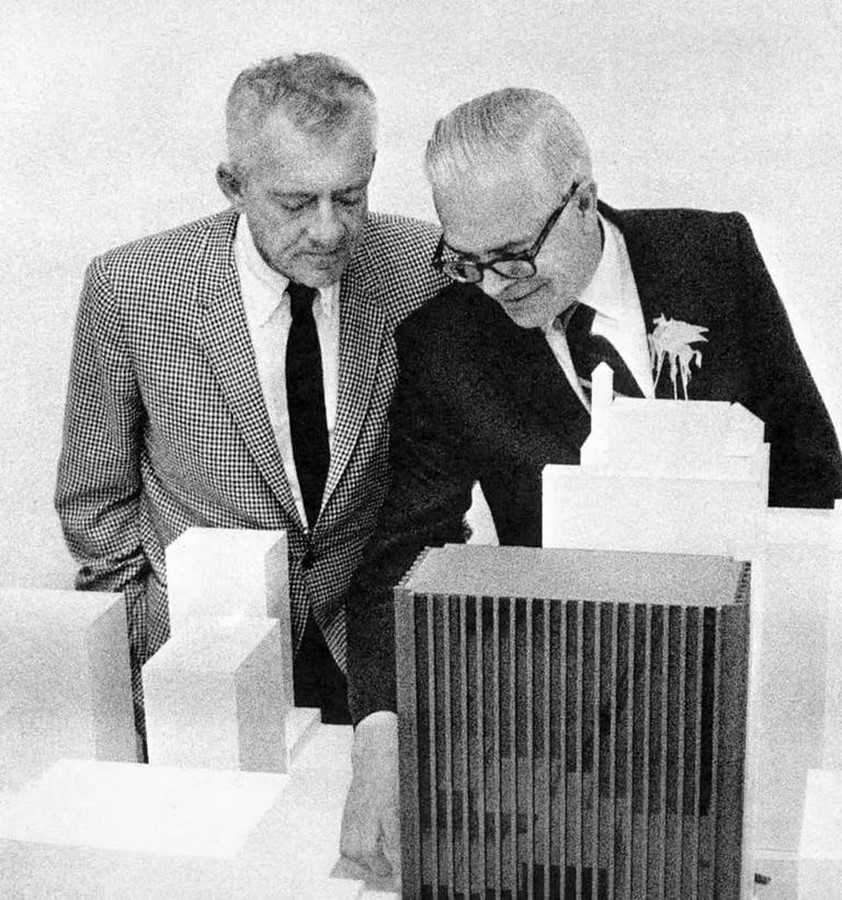
This is where HKS enters the picture. With over 1,600 professionals spread across 29 offices worldwide (HKS, 2025a), the Dallas-born practice, founded by Harwood K. Smith, is not a stranger to scale. But scale is no longer their proudest achievement. What stands out today is their willingness to step beyond the glossy surface of buildings and ask harder questions: Who benefits from design? Who is left behind? And can a building give more back to the planet than it takes away?
From Blueprints to Better Health: Evidence that Heals
Hospitals are rarely places anyone looks forward to visiting. They are often defined by fluorescent light, endless waiting, and a sense of disorientation. Yet HKS has chosen to make these spaces a testing ground for compassion.
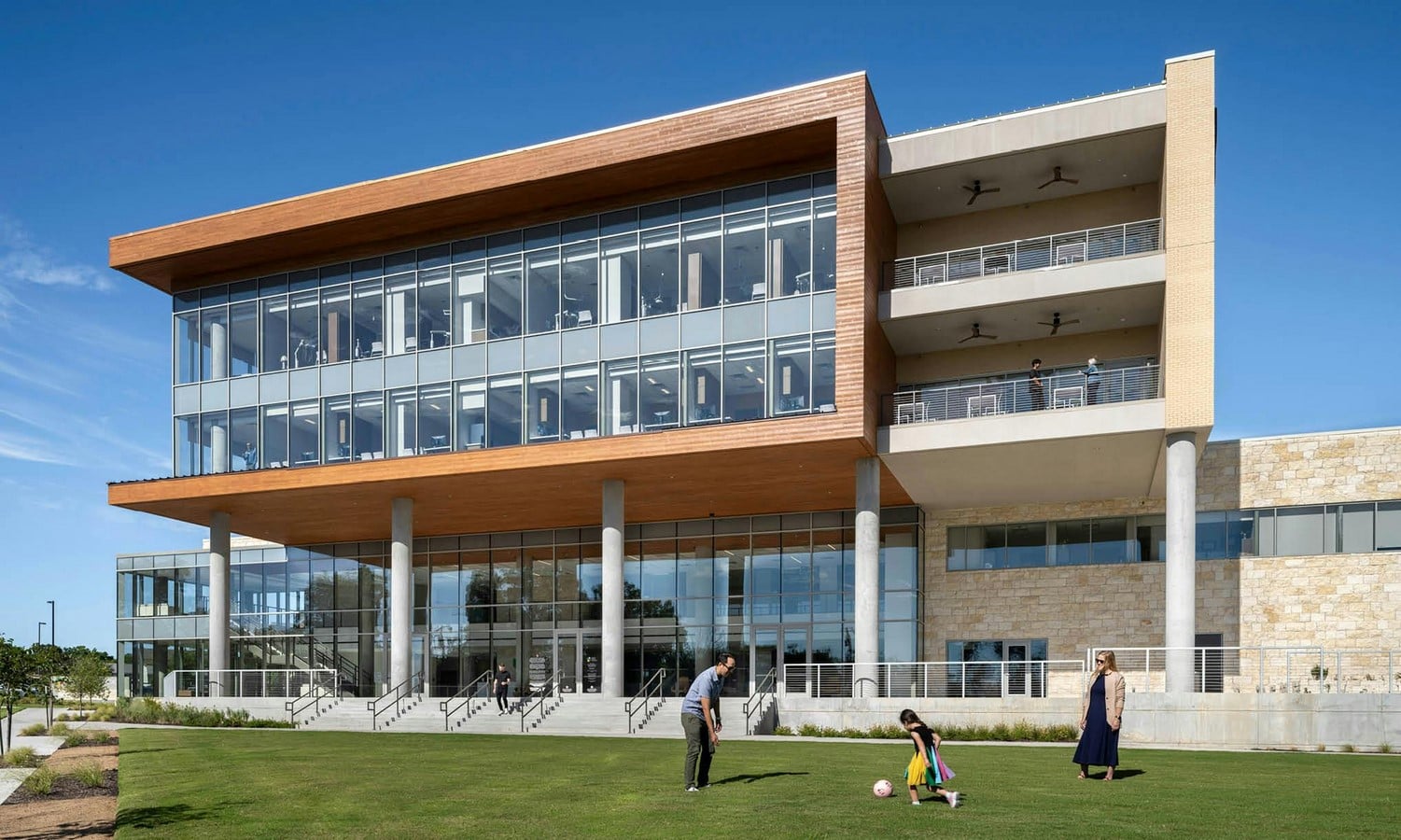
In March 2025, the firm won three Gold Awards at the Evidence-Based Design Touchstone Awards (HKS, 2025b). The Waco Family Medicine Central Campus doubled its capacity, yes, but more importantly, it doubled down on dignity. Natural light pours into waiting areas. Families are not funnelled into sterile rooms but welcomed into spaces designed to feel safe and calm.
At the same time, HKS’s COVE™ project reimagines the emergency department with modular pods that can flex with patient needs. For most of us, the word “emergency room” conjures images of chaos; here, the design dares to suggest order, empathy, and care are possible even in crisis. The expansion of the Lyndon B. Johnson Hospital took this ethos further, relying not on abstract models but on prototypes tested with staff and patients themselves.
It raises an uncomfortable but necessary question: why has it taken so long for healthcare design to acknowledge that environments can heal as much as medicine?
Reviving What is Left Behind: Adaptive Reuse and Fellowships
If healthcare is about restoring the body, adaptive reuse is about restoring the city. HKS’s Southeast Design Fellowship in 2025 asked participants to reimagine an abandoned shopping mall. For some, a failed mall might look like nothing more than a relic of consumerism. For HKS, it was an unfinished story. Their vision transformed empty escalators into housing corridors, car parks into community plazas, and forgotten spaces into potential for connection (HKS, 2025c).
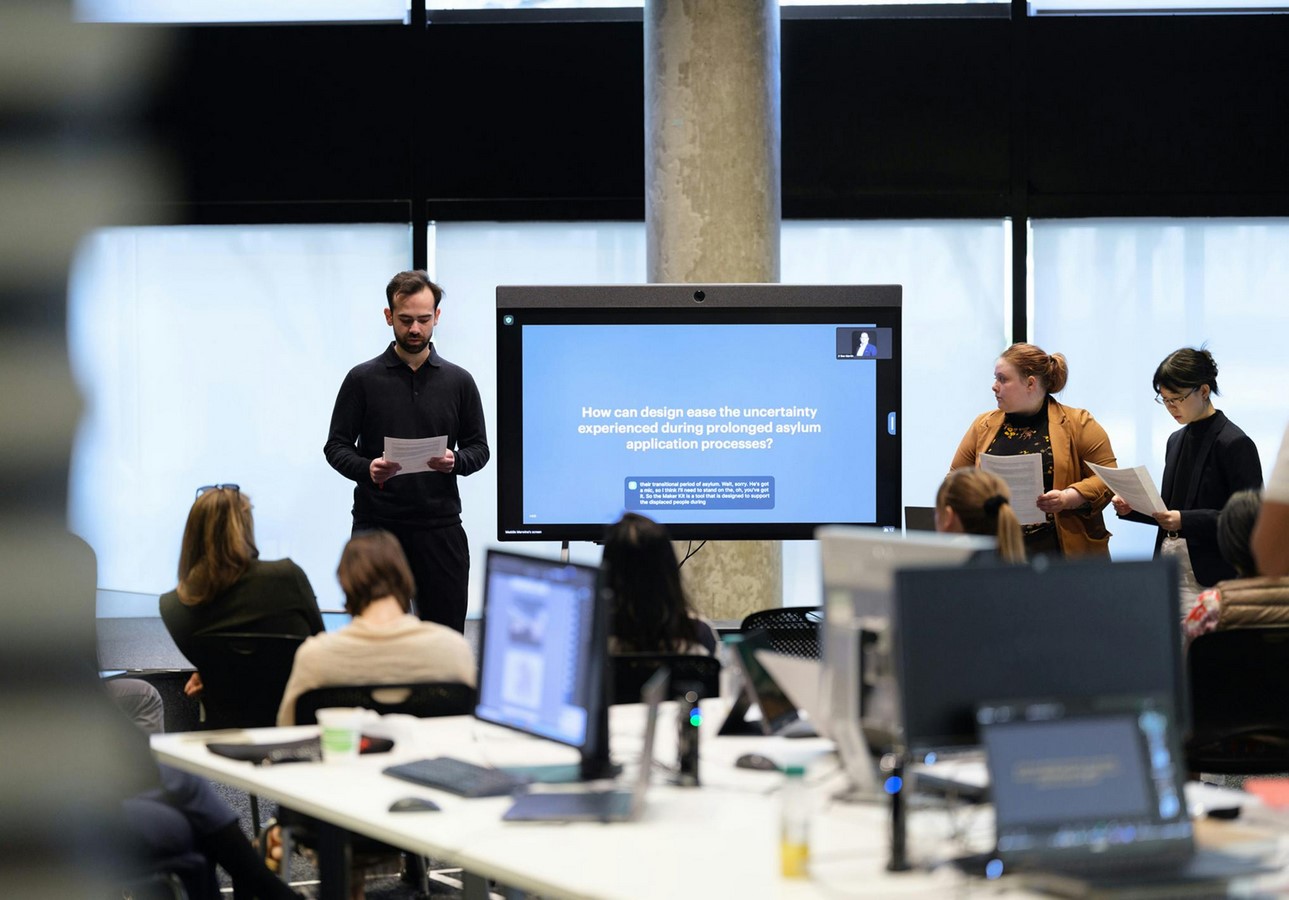
On the global stage, the HKS Design Fellowship focused on displaced communities. The proposals sound deceptively simple: MakerKits for small-scale entrepreneurship, Nourish Hubs for food security woven into public transport networks (HKS, 2025d). But behind them lies something profound: an insistence that design is not neutral. It can strip people of agency, or it can return it.
And here is the human heart of the matter: if design can transform a derelict mall or bring dignity to a displaced family, why should architecture ever settle for being ornamental?
Regeneration, Not Just Sustainability
Sustainability was once the rallying cry of progressive architecture. In 2023, HKS achieved carbon neutrality. But in 2025, the firm has moved beyond the defensive stance of “doing less harm.” The new conversation is regeneration (HKS, 2025b).
Led by Brendan Owens, the new Chief Sustainability Officer with roots in shaping LEED and U.S. defence policy, HKS now asks: Can a building actively replenish ecosystems? Could a school restore groundwater levels instead of depleting them? Might a workplace produce clean energy not just for itself but for its neighbourhood?
Imagine a future where architecture is not an extractive act but a healing one. A building that repairs soil. A campus that gives back more water than it consumes. A city block that becomes a carbon sink instead of a carbon source. Regeneration is not a utopian dream; it is becoming HKS’s baseline. And it forces us to confront the bigger question: if regeneration is possible, why would we ever settle for less?
Designing with Empathy: Inclusive and Neurodiverse Spaces
Not every form of inclusion is visible. In February 2025, HKS released a study on designing emergency departments for neurodiverse individuals (HKS, 2025e). For someone with autism, the bright lights, alarms, and unrelenting movement of a hospital can feel like sensory assault. For families, it can turn care into trauma.
HKS’s proposals, quiet zones, sensory-aware materials, and adaptable layouts are deceptively simple but revolutionary in practice. They reflect a shift in mindset: inclusivity is not about “accommodation” but about creating environments where everyone can belong from the outset.
And once again, the question reverberates: if neurodiverse-sensitive design is possible in the most stressful spaces of all, emergency rooms, why not extend the same care to schools, workplaces, and transport systems? Why should inclusion remain optional when it could be fundamental?
Beyond the Building: Research, Technology, and Storytelling
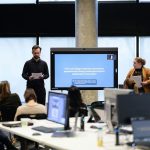
Perhaps the most humanising dimension of HKS’s work is the way it blurs architecture with research and narrative. The firm does not treat research as an academic addition. Instead, it integrates psychologists, data scientists, and sociologists into design teams to uncover how environments shape behaviour. The findings don’t sit in dusty reports. They become sketches, models, and even community workshops.
At the same time, HKS understands the power of storytelling. A building is not only experienced in its walls but also in the way its story is shared. Clients are invited into narratives of resilience, equity, and regeneration. Communities are given language to see their environments as part of a larger story of belonging. Architecture here is not only shelter, it is conversation.
And perhaps this is what makes their work so compelling: it acknowledges that people live in stories as much as in structures.
On the World Stage: Recognition and Influence
In 2025, HKS will remain a global voice. Five projects made the shortlist at the World Architecture Festival Awards (HKS, 2025f). At AIA25 in Boston, the firm led conversations about resilience, innovation, and equity, while two of its leaders, Heath May and Keith Lashley, were elevated as Fellows of the American Institute of Architects (HKS, 2025a).
But if accolades measure visibility, the quieter victories measure impact. A family that feels safer in a redesigned hospital. A displaced community that finds dignity in a Nourish Hub. An urban neighbourhood that sees possibility in a mall once written off as a failure. These stories rarely make the awards stage, but aren’t they the true measure of architecture’s worth?
Designing Futures, Not Just Buildings
HKS in 2025 is more than a firm delivering projects. It is a practice leaning into the hardest questions of our time: how to heal communities, how to repair ecosystems, and how to design for people whose needs are too often overlooked.
The thread through it all is clear. Healthcare campuses that nurture resilience. Adaptive reuse that transforms urban leftovers. Fellowships that confront displacement. Sustainability that shifts into regeneration. Research that humanises data. Storytelling that makes architecture not just seen, but felt.
And so one final question lingers: if a single firm can reframe the purpose of design with such clarity, what might happen if an entire profession chose to follow?
References:
- HKS (2025a) HKS at AIA25: Resilience, Innovation and Global Design. HKS, 5 June. https://www.hksinc.com/our-news/articles/hks-at-aia25-resilience-innovation-and-global-design/
- HKS (2025b) HKS Wins Three 2025 Evidence-Based Design Touchstone Awards. HKS, 12 March. Available at: https://www.hksinc.com/our-news/articles/hks-wins-three-2025-evidence-based-design-touchstone-awards/
- HKS (2025c) Reimagining Space. Redefining Community: 2025 Southeast Design Fellowship. HKS, 18 April. Available at: https://www.hksinc.com/our-news/articles/reimagining-space-redefining-community-2025-southeast-design-fellowship/
- HKS (2025d) HKS 2025 Global Design Fellowship: Shaping the Future of Design. HKS, 17 April. Available at: https://www.hksinc.com/our-news/articles/hks-2025-global-design-fellowship-shaping-the-future-of-design/
- HKS (2025e) Designing for Autism and Neurodiversity in the Emergency Department. HKS, 11 Februaryhttps://www.hksinc.com/our-news/articles/designing-for-autism-and-neurodiversity-in-the-emergency-department/
- HKS (2025f) Five HKS Projects Shortlisted for 2025 World Architecture Festival Awards. HKS, 20 May. https://www.hksinc.com/our-news/articles/five-hks-projects-shortlisted-for-2025-world-architecture-festival-awards/